- LET'S PLAN YOUR SAFARI
- +256 200 921 002
- +256 793 194 703
- info@pickandtransfersafaris.com

How to Combine Rwanda and Uganda on One Safari
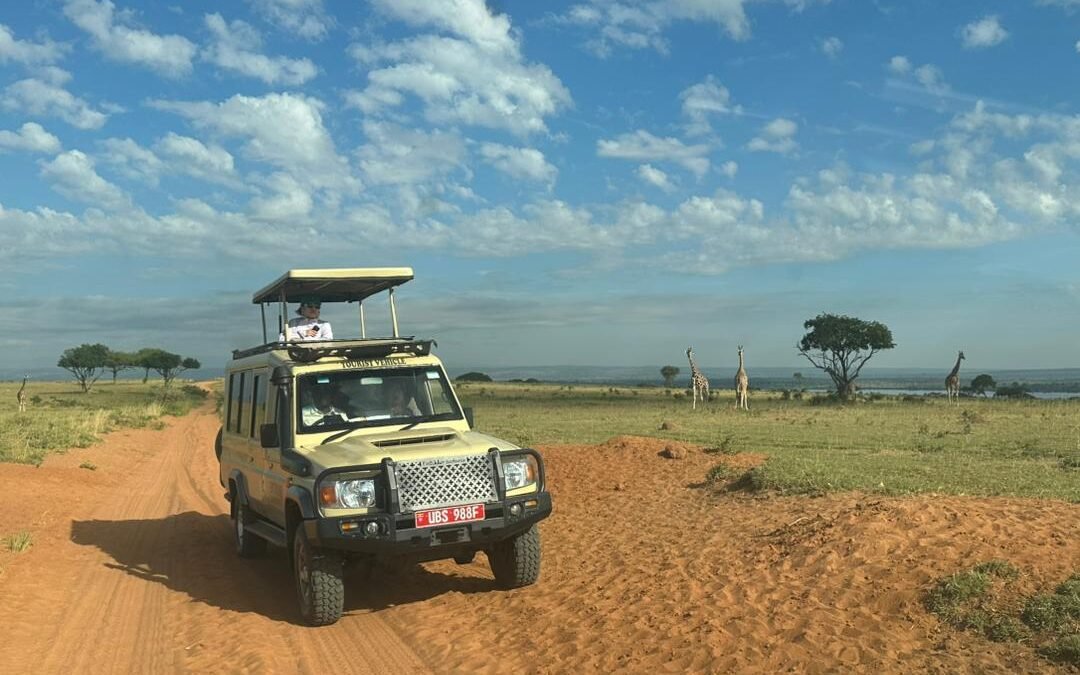
How to Combine Rwanda and Uganda on One Safari. Two countries, one border, and some of the last mountain gorillas on Earth. Rwanda and Uganda sit so close together that it would almost be a shame to visit one without the other — yet a surprising number of travelers still plan their trips as if the border between them were an ocean. It isn’t. With a bit of planning, you can wake up trekking gorillas in the misty bamboo forests of Volcanoes National Park and, a few days later, be tracking a second gorilla family in Uganda’s Bwindi Impenetrable Forest, followed by a game drive past lions and elephants in Queen Elizabeth National Park.
This guide walks through everything you need to combine Rwanda and Uganda on one safari: the real driving distances, the border crossings that work best, the visa rules, when to go, how much it costs, and three ready-to-use itineraries ranging from a week to over two weeks. Whether you are building your own route or comparing gorilla safaris from a tour operator, this is the practical, on-the-ground detail you need before you book.
Why Combine Rwanda and Uganda on a Single Safari
Rwanda and Uganda are separated by a border you can drive across in an afternoon, yet each country offers a genuinely different safari experience. Rwanda is compact, polished, and efficient — Kigali is one of the cleanest, safest capitals in Africa, and Volcanoes National Park is barely two hours from the airport. Uganda, by contrast, is bigger, wilder, and more varied, with savannah plains, the source of the Nile, chimpanzee forests, and more than half of the world’s remaining mountain gorillas spread across two national parks. Combining them means you are no longer choosing between “compact and refined” or “wild and diverse” — you get both in a single trip.
There’s also a practical argument for combining the two countries: gorilla permits in both nations sell out months in advance, especially in the June-to-September and December-to-February high seasons. Travelers who are flexible about which side of the border they trek on have an easier time securing permits, because they are effectively drawing from two separate allocations instead of one. A cross-border itinerary, built around the full range of national parks and destinations in both countries, also spreads your trekking days out so you are not doing back-to-back treks on tired legs.
Finally, combining Rwanda and Uganda simply makes geographic sense. The Virunga volcanoes that Rwanda’s gorillas call home are the same mountain range that spills into southwestern Uganda around Mgahinga. You are not travelling to two unrelated countries — you are travelling around one contiguous ecosystem that happens to have a border running through the middle of it. Most experienced operators build their combined safari itineraries around exactly this logic, treating the Virunga-Bwindi region as a single circuit rather than two separate destinations.
Rwanda and Uganda at a Glance: Key Differences Worth Knowing
Before you build an itinerary, it helps to understand what each country actually offers, because the two are often marketed as interchangeable “gorilla destinations” when in fact they have quite different characters.
Rwanda is small enough that you can drive from one end to the other in a day. Volcanoes National Park, home to ten habituated gorilla families, sits in the northwest, a smooth two-to-three-hour drive from Kigali on excellent tarmac roads. Rwanda’s infrastructure is a genuine selling point: paved roads, reliable power, and lodges that range from comfortable to some of the most luxurious safari properties on the continent. The trade-off is cost — Rwanda deliberately positions itself as a premium, low-volume destination, and gorilla permits reflect that positioning.
Uganda is roughly nine times the size of Rwanda and correspondingly more varied. Bwindi Impenetrable Forest alone shelters more than half of the world’s mountain gorilla population across four separate trekking sectors, and the country adds chimpanzee tracking, savannah game drives, and birding that Rwanda simply cannot match in scale. Roads in rural Uganda are rougher and travel times longer, but the experience feels wilder and less curated — and permits, park fees, and accommodation are noticeably more affordable. For a deeper side-by-side comparison of the two, this detailed Rwanda vs Uganda safari comparison is worth reading before you decide how many days to allocate to each side of the border.
Gorilla Trekking in Uganda vs Rwanda: Which Should You Do First
Because gorilla trekking is the anchor activity for most travelers combining these two countries, it deserves its own section. Both countries offer genuinely excellent trekking, but the experiences differ enough that most visitors benefit from doing both rather than choosing one.
In Uganda, a standard gorilla permit costs around US$800 per person, and treks can range anywhere from thirty minutes to six or seven hours of hiking through dense, humid forest, depending on where the gorilla family happens to be that morning. The terrain in Bwindi is genuinely demanding — steep, muddy, and thickly vegetated — which is part of why it feels like a true wilderness experience. A short drive from Bwindi, Mgahinga Gorilla National Park offers a smaller, quieter alternative with a single habituated family and the bonus of golden monkey tracking nearby.
In Rwanda, a standard gorilla permit costs around US$1,500 per person — nearly double Uganda’s price — but treks in Volcanoes National Park tend to be shorter and less strenuous on average, and the park’s proximity to Kigali means less time lost to driving. Many travelers who are pressed for time do a single trek in Rwanda immediately after landing, then cross overland into Uganda for a second, longer trek in Bwindi a few days later. Kenlink Tours’ guide to cross-border gorilla safaris lays out this exact logic in more depth, and their broader Rwanda safari resources are a useful reference if you want to understand Rwanda’s park system before you book.
If budget is the deciding factor, doing the bulk of your trekking in Uganda and adding a single Rwanda trek as a “bonus” experience is the more economical approach. If time is tighter than budget, front-loading your trip with a Rwanda trek near Kigali before driving to Uganda makes more geographic sense. Either way, treat the two treks as complementary rather than redundant — the gorilla families, guides, and forest conditions are different enough on each side of the border that trekking twice rarely feels repetitive. Several operators, including the team behind this 3-day Uganda gorilla safari starting from Rwanda and the shorter 2-day Volcanoes gorilla trek from Kigali, specifically design their itineraries around this exact route.
Best Border Crossings Between Rwanda and Uganda
Two land border posts handle almost all tourist traffic between Rwanda and Uganda, and choosing the right one can save you hours of driving.
The Cyanika border crossing, in the far northwest of Rwanda, is the shortest route if your Uganda itinerary focuses on the southern sector of Bwindi (Rushaga or Nkuringo) or on Mgahinga Gorilla National Park. It is a quiet, low-traffic post, and border formalities on both sides typically take well under an hour outside of peak periods.
The Katuna–Gatuna crossing, further east, is the better choice if you are heading to the northern or central Bwindi sectors (Buhoma or Ruhija) or continuing on to Queen Elizabeth National Park. It is the busier of the two crossings, since it also carries a significant amount of commercial freight traffic between the two countries, so mornings and public holidays can mean longer queues.
Both crossings are straightforward for tourists travelling with a licensed safari operator: your driver-guide handles the paperwork, and as long as your passport, visa, and (where applicable) yellow fever certificate are in order, the process is routine. Kenlink Tours’ practical breakdown of how many hours you need from Kigali to Bwindi is a useful reference if you want to see exactly how the border-crossing time factors into a full day’s drive.
How Far Is It From Kigali to Bwindi? Distances and Drive Times
This is the single most common logistics question travelers ask when planning to combine Rwanda and Uganda, so it’s worth being precise about it. The straight-line distance between Kigali and Bwindi is roughly 280 kilometers, but the actual road distance — winding through Rwanda’s hills and Uganda’s rural southwest — comes out closer to 320–350 kilometers, depending on which border post and which Bwindi sector you’re heading to.
In practice, budget eight to ten hours of total travel time for a private transfer from Kigali to Bwindi, including the border crossing and a stop or two for meals and photographs along the way. Rwanda’s side of the drive is fast, on smooth tarmac; Uganda’s rural roads slow the pace down considerably once you cross. Most operators recommend leaving Kigali by 6:00 or 7:00 a.m. to arrive at your Bwindi lodge before dark, and building in an overnight stop partway if you’d rather not spend an entire day in the vehicle. Alternatively, a domestic flight between Kigali and Kisoro or Kihihi airstrip in southwestern Uganda can cut the journey to under an hour, which is worth considering if you’re short on time or simply prefer not to drive the route twice.
Do You Need a Visa? Understanding the East Africa Tourist Visa
Visa logistics are usually the deciding factor in whether a cross-border trip feels easy or stressful, so it pays to sort this out well before departure. The good news is that Kenya, Uganda, and Rwanda jointly offer the East Africa Tourist Visa, a single visa that costs US$100, is valid for 90 days from the date of issue, and allows unlimited crossings between all three countries during that window — exactly what a combined Rwanda-Uganda itinerary needs.
There is one important catch: the East Africa Tourist Visa is only valid as long as you stay within the three-country bloc. If you fly out to a fourth country and try to re-enter, the visa becomes void, and you’ll need to apply for a fresh single-country visa to get back in. For most travelers doing a straightforward Rwanda-Uganda loop, this isn’t an issue, but it matters if your broader trip includes a stop in Tanzania, Europe, or anywhere else outside the bloc.
Applications are made online through the immigration portal of whichever country you’re entering first, and processing typically takes six to nine working days, so apply at least two to three weeks before departure. You’ll need a passport valid for at least six months beyond your travel dates, a yellow fever vaccination certificate (mandatory for entry into all three countries), and a rough travel itinerary. If your trip is Uganda-only or Rwanda-only rather than a full East Africa loop, single-country visas are also available and can sometimes be issued on arrival — but for anyone planning to combine Rwanda and Uganda, the joint visa is almost always the simpler and cheaper option. Kenlink Tours’ overview of travel essentials for Uganda is a useful companion read if this is your first trip to the region.
When to Go: Best Time of Year for a Combined Rwanda-Uganda Safari
Both countries share broadly the same climate patterns, which is convenient — you don’t have to choose between two conflicting “best seasons” the way you might combining, say, East and Southern Africa.
The two dry seasons — June through September, and December through February — are the most popular times to trek, since trails are less muddy and the forest canopy is a little more forgiving underfoot. June to September in particular overlaps with the Northern Hemisphere summer holidays, which means it’s also the busiest and most expensive period, with gorilla permits selling out several months in advance in both countries.
The two rainy seasons — roughly March to May, and October to November — see fewer visitors and, on the Rwanda side especially, occasional low-season discounts on permits and accommodation. Trekking is still very much possible; the forest is simply muddier and the hiking a bit more physically demanding, and you should pack accordingly. Wildlife viewing in the savannah parks of Queen Elizabeth and Akagera remains excellent year-round, since both parks sit in a rain-shadow area that stays comparatively dry even during the “wet” months.
Whatever season you choose, book gorilla permits as early as possible — six to nine months ahead is standard advice for the June-to-September and December-to-February peaks, and three to four months ahead is usually enough for the shoulder and rainy seasons.
Sample Itinerary: 7 Days Combining Uganda and Rwanda
A week is enough to get a genuine taste of both countries without feeling rushed, provided your logistics are tight. A typical route looks like this:
- Day 1: Arrive in Kigali, transfer to your hotel, rest and acclimatize.
- Day 2: Drive to Volcanoes National Park; afternoon at leisure or a cultural village visit.
- Day 3: Gorilla trekking in Volcanoes National Park, then transfer toward the Uganda border.
- Day 4: Cross into Uganda via Cyanika, continue to Bwindi Impenetrable Forest.
- Day 5: Gorilla trekking in Bwindi.
- Day 6: Transfer to Queen Elizabeth National Park for an afternoon game drive.
- Day 7: Morning boat cruise on the Kazinga Channel, then fly out from Kasese or transfer back toward Kigali or Entebbe for departure.
This route is built almost exactly along the lines of this 7-Day Uganda Rwanda Safari Adventure, and it pairs well with Kenlink Tours’ own 5-day Uganda-Rwanda double gorilla safari if you’d rather trim two days and skip the savannah extension.
Sample Itinerary: 10 Days Uganda and Rwanda Gorilla and Wildlife Safari
Ten days gives you meaningful breathing room — enough to add a second wildlife destination on each side of the border without turning the trip into a driving marathon.
- Days 1–2: Arrive Kigali; visit the Kigali Genocide Memorial and explore the city; transfer to Volcanoes National Park.
- Day 3: Gorilla trekking in Volcanoes National Park.
- Day 4: Golden monkey tracking, then transfer toward Akagera National Park.
- Day 5: Game drive and boat safari in Akagera National Park.
- Day 6: Long transfer day, crossing into Uganda toward Bwindi (or a short charter flight).
- Day 7: Gorilla trekking in Bwindi Impenetrable Forest.
- Day 8: Transfer to Queen Elizabeth National Park via the Ishasha sector, tracking the region’s famous tree-climbing lions en route.
- Day 9: Full day game drive and Kazinga Channel boat cruise in Queen Elizabeth National Park.
- Day 10: Transfer to Entebbe for departure, or extend toward Kibale for chimpanzee tracking.
This is essentially the structure behind this 10-Day Uganda Rwanda Safari, and it’s worth comparing against Kenlink Tours’ 9-day Uganda Rwanda gorilla and Big Five safari or their more primate-focused 4-day golden monkey and gorilla trekking route if you want to swap the Akagera leg for something shorter.
Sample Itinerary: 15 Days – The Ultimate Rwanda-Uganda Adventure
For travelers with two weeks or more, a 15-day itinerary can realistically cover every major highlight in both countries: three gorilla treks (or two gorilla treks plus a chimpanzee trek), the Big Five in the savannah, and a couple of cultural stops.
- Days 1–3: Kigali city tour, transfer to Volcanoes National Park, gorilla trekking, and golden monkey tracking.
- Days 4–5: Nyungwe Forest for chimpanzee tracking and canopy walk, then transfer to Akagera National Park.
- Day 6: Game drive in Akagera, then transfer toward the Uganda border.
- Days 7–8: Cross into Uganda, gorilla trekking in Bwindi Impenetrable Forest (southern or northern sector).
- Days 9–10: Transfer via Ishasha to Queen Elizabeth National Park for game drives and a boat cruise.
- Days 11–12: Kibale Forest for chimpanzee tracking and the Bigodi wetland walk.
- Days 13–14: Transfer to Murchison Falls National Park for game drives and a boat cruise to the base of the falls.
- Day 15: Fly back to Entebbe for departure.
This route mirrors this 15-Day Rwanda Uganda Safari almost step for step, and travelers wanting to push further can extend it into this 20-day Uganda Rwanda Burundi combo safari for a genuine three-country adventure. Kenlink Tours’ own 15-day Rwanda Uganda primate and Big Five safari follows a similar logic and is a useful cross-reference when comparing pacing and park order.
Beyond Gorillas: Wildlife and Culture to Add to Your Itinerary
Gorilla trekking is usually the reason travelers first look into combining Rwanda and Uganda, but limiting the trip to gorillas alone means missing some of the region’s best safari experiences.
Queen Elizabeth National Park, in western Uganda, is famous for its tree-climbing lions in the Ishasha sector and for the Kazinga Channel, where boat cruises regularly deliver some of the densest hippo and elephant sightings in East Africa. Murchison Falls National Park, further north, centers on the dramatic point where the Nile forces itself through a seven-meter gorge, and offers strong game drives for lion, giraffe, and buffalo alongside the falls themselves.
On the Rwanda side, Akagera National Park has quietly become one of Africa’s great conservation comeback stories, having reintroduced both lions and black rhinos after decades of absence, and now offers genuine Big Five game drives just a few hours from Kigali. Nyungwe Forest National Park, in the southwest, is one of Africa’s oldest rainforests and one of the best places on the continent for chimpanzee tracking and canopy walks, and pairs naturally with a visit to Akagera on a route like this 3-day Akagera National Park safari from Kigali.
For travelers who want culture alongside wildlife, Kigali itself deserves at least a half day — the Kigali Genocide Memorial is a sober but important stop, and the Kimironko Market and Inema Arts Center offer a lighter counterpoint. On the Uganda side, a stop at a Batwa community near Bwindi or Mgahinga adds important cultural context to a region whose history is deeply tied to the forest.
How Much Does It Cost to Combine Rwanda and Uganda on One Safari
Budgets vary enormously depending on lodge category and trip length, but a few fixed costs are worth knowing upfront. Gorilla permits are the single biggest line item: roughly US$800 per trek in Uganda and US$1,500 per trek in Rwanda, per person, non-negotiable and payable in advance. Chimpanzee permits add roughly US$200 in Uganda and US$100 in Rwanda. The East Africa Tourist Visa is a flat US$100 and covers unlimited crossings for 90 days.
Beyond permits and visas, accommodation is where budgets diverge most. Rwanda’s lodges around Volcanoes National Park lean upmarket, with limited true budget options; Uganda offers a wider spread, from simple guesthouses to five-star lodges, across all its parks, via wildlife safari packages built at different price points. Ground transport — whether a private 4×4 with driver-guide for the whole trip or a mix of driving and domestic flights — is the other major variable, and it’s usually worth paying for a private vehicle on a cross-border trip simply because it removes the guesswork around border paperwork and timing.
As a rough planning benchmark, a mid-range 7-day combined safari with two gorilla treks typically runs from roughly US$3,500 to US$5,500 per person, all-inclusive, while a 10-to-15-day trip layering in Big Five game drives and chimpanzee tracking generally falls between US$6,000 and US$10,000 per person, depending on lodge category and season.
Lodge category is the biggest lever you have over the total cost, and it’s worth understanding roughly what each tier buys you. Budget and mid-range lodges near Bwindi, Volcanoes, and the savannah parks typically run US$150–350 per person per night on a full-board basis, with comfortable rooms and good food but simpler common areas. Upper-mid-range properties, in the US$350–700 range, add features like private verandas, better views, and more polished service. At the top end, premium lodges bordering the parks — particularly around Volcanoes National Park and Bwindi’s Nkuringo and Buhoma sectors — can run well over US$1,000 per person per night, with the price reflecting prime forest-edge locations, personalized guiding, and high staff-to-guest ratios. A well-built combined itinerary often mixes tiers deliberately: splurging on one or two standout nights near the gorillas while choosing more moderate options for transit nights or savannah stops where the accommodation matters less than the wildlife outside your window.
Practical Tips for Crossing Between Rwanda and Uganda
A few small preparations make the actual border crossing painless. Carry your passport, visa confirmation (or East Africa Tourist Visa approval), and yellow fever certificate in an easily accessible bag rather than buried in checked luggage — you will need to present all three at the border post. Keep a printed or downloaded copy of your gorilla permit confirmation as well, since it’s sometimes requested alongside travel documents.
Currency is worth planning for too: Rwanda uses the Rwandan franc and Uganda uses the Ugandan shilling, and while US dollars are widely accepted for major purchases like permits and lodge bills in both countries, small vendors and fuel stations generally want local currency. Most travelers change a modest amount at the border or in Kigali and Kampala rather than trying to carry both currencies from home. If your itinerary includes a self-drive or rental component, double-check insurance coverage before crossing — Kenlink Tours’ car hire guidance is a useful starting point for understanding cross-border vehicle requirements.
Finally, build a buffer into your schedule around the crossing itself. Even a routine, well-organized border crossing can take longer than expected during public holidays or when a tour bus arrives just ahead of you, and treating the crossing day as a full travel day rather than squeezing in an activity on either side will keep your trip feeling relaxed rather than rushed. A well-planned route like this 2-day Rwanda to Uganda gorilla trekking safari shows how tightly the logistics can be run when the border crossing is built into the plan from the start, rather than treated as an afterthought.
What to Pack for Gorilla Trekking and Safari in Both Countries
Because a combined itinerary moves between dense montane forest and open savannah, your packing list needs to cover both environments. For trekking days in Volcanoes National Park and Bwindi, waterproof hiking boots with good ankle support are non-negotiable — the forest floor is often wet and uneven regardless of season. Long trousers and a long-sleeved shirt in a lightweight, quick-drying fabric protect against stinging nettles and the occasional biting ant, and gardening gloves are a small addition that makes a real difference when you need to grab a branch on a steep section. A light rain jacket belongs in your day pack even in the dry season, since mountain weather in both countries can turn quickly.
For the savannah legs of the trip — Queen Elizabeth, Murchison Falls, or Akagera — neutral-colored, breathable clothing works best for game drives, along with a wide-brimmed hat, sunglasses, and a good sunscreen. Binoculars are worth packing for both halves of the trip; many lodges rent them, but a personal pair means you’re not waiting your turn during a sighting. A dry bag or large ziplock for your phone and passport is useful on boat cruises along the Kazinga Channel or the Nile below Murchison Falls.
A few items matter specifically because you’re crossing a border: keep passports, visa confirmations, yellow fever certificates, and gorilla permit confirmations together in one document pouch rather than distributed across bags, since you’ll need quick access to all of them at the crossing. A small supply of both Rwandan francs and Ugandan shillings in small denominations is also handy for tips, snacks, and incidental purchases on either side, since not every roadside stop takes US dollars or card payments.
Health and Safety Tips for a Rwanda-Uganda Safari
Both countries require proof of yellow fever vaccination for entry, and it’s worth getting this done at least ten days before departure, since the vaccine needs time to take effect and the certificate is checked at both airports and land borders. A course of malaria prophylaxis is strongly recommended for the lower-altitude savannah parks, and it’s worth discussing the right option with a travel health clinic, since some medications interact with other prescriptions or aren’t suitable for longer trips. Routine vaccinations — including hepatitis A and typhoid — are also commonly advised for this region.
Altitude is a genuine, if often overlooked, consideration on the gorilla trekking legs of the trip. Volcanoes National Park and Bwindi both sit at elevations between roughly 1,900 and 2,600 meters, and the trekking itself can climb considerably higher depending on where the gorilla family is found that day. Travelers with heart or respiratory conditions should mention their trekking plans to a doctor before departure, and everyone benefits from staying well hydrated and pacing themselves on the ascent, regardless of general fitness level.
Both Rwanda and Uganda are considered safe for tourists, with well-established safari infrastructure and low rates of violent crime in the areas travelers typically visit. As with any international trip, standard precautions apply: use hotel safes for passports and valuables you’re not carrying, stick to reputable operators and licensed guides for border crossings and night drives, and keep a physical and digital copy of your travel documents in case anything is lost along the way.
Frequently Asked Questions About Combining Rwanda and Uganda
Can I do gorilla trekking in both countries on the same trip? Yes. Trekking in Rwanda and Uganda uses separate permit systems, so there’s no restriction on doing both — in fact, most operators who specialize in gorilla safaris in this region actively encourage it, since it spreads demand across two allocations and gives you two distinct forest experiences.
How many days should I set aside just for the border crossing? Treat the crossing as a full travel day rather than a quick stop between activities. Between the drive from Kigali, the border formalities, and the onward drive into Bwindi or another Uganda destination, most of the day is taken up by transport, so avoid scheduling a trek or major activity on either end of it.
Is it safe to cross the Rwanda-Uganda border overland? Yes, for tourists travelling with a licensed operator, both the Cyanika and Katuna crossings are routine and well used by tour vehicles daily. Keep your documents accessible, follow your driver-guide’s lead at the border post, and the process is generally quick and uneventful outside of peak holiday traffic.
Do I need separate travel insurance for each country? No — a single comprehensive travel insurance policy that lists both Rwanda and Uganda (and ideally names “mountain trekking” or “hiking” as a covered activity) is sufficient for the whole trip. Check that your policy also covers medical evacuation, since remote park areas can be several hours from the nearest hospital.
Can I fly between Kigali and Uganda’s parks instead of driving? Yes. Scheduled and chartered light-aircraft flights connect Kigali with airstrips near Bwindi (Kisoro or Kihihi) and with Uganda’s other major parks, cutting a full day of driving down to under an hour. This is a popular option for travelers on tighter schedules who would rather spend that extra day in the parks than on the road.
Should I start my trip in Rwanda or Uganda? Most itineraries starting from Kigali make sense because Rwanda’s international airport is closer to Volcanoes National Park than Uganda’s Entebbe is to Bwindi, so you lose less time to driving in the first few days when jet lag is at its worst. Starting in Rwanda also lets you trek almost immediately after arrival, then spend the rest of the trip working westward and northward through Uganda’s larger circuit of parks, finishing at Entebbe for your flight home. That said, the reverse order works just as well if your international flights route more naturally through Entebbe — the itineraries above can generally be run in either direction with only minor adjustments to lodge nights.
Choosing the Right Safari Operator for a Cross-Border Trip
Combining two countries adds a layer of logistics that a single-country trip doesn’t have — permit bookings in two separate systems, a border crossing to coordinate, and often two different vehicles or driver-guides handing off at the frontier. This is the part of the trip where using an experienced operator pays for itself, because permit allocations, park entry fees, and border formalities are all things a good ground operator handles routinely and a first-time visitor does not.
When comparing operators, look for one that is transparent about which park sectors and gorilla families you’ll be assigned to, since this affects both trek difficulty and drive times on either side of the border. Ask how vehicle and guide handoffs work at the border, and whether airport transfers, park fees, and permits are included in the quoted price or billed separately. It’s also worth reading through an operator’s about us page and a sample of their extended safari itineraries to get a feel for how much cross-border experience they actually have, since not every operator that lists “Uganda and Rwanda” on their website runs the route regularly. For comparison, Kenlink Tours’ group tours and Uganda safari packages are a useful reference point for how established regional operators structure and price a combined trip.
How to Combine Rwanda and Uganda on One Safari
For most travelers who have already decided to spend the money and the flight time to reach this part of the world, combining Rwanda and Uganda is worth the extra planning. The two countries are close enough that the added driving time is measured in hours, not days, and different enough that you genuinely see two distinct sides of East Africa rather than one destination twice. You get Rwanda’s polish and its shorter, well-organized gorilla treks alongside Uganda’s scale, its savannah wildlife, and its second population of mountain gorillas — all inside a single, well-paced trip.
The logistics — border crossings, visas, permit timing, and drive times — are all manageable with a bit of advance planning, and they become genuinely simple once you’re working with an operator who runs the route regularly. If you’re ready to start building your own itinerary, browse the full range of Rwanda and Uganda safari packages or get in touch to have a route tailored around the parks, pace, and budget that suit your trip.
7 Days Uganda Safari – One week tour
This 7-day itinerary is the classic one-week introduction to Uganda, covering the country’s three most iconic wildlife experiences: chimpanzee tracking in Kibale Forest National Park, Big Five game drives and a boat cruise in Queen
Tour Details →
10 Days Uganda Primates and Wildlife
This 10-day Uganda Grand Safari is the most complete Uganda itinerary we offer at Pick and Transfer Safaris. It begins with a scenic northward drive from Entebbe to the vast open plains of Murchison
Tour Details →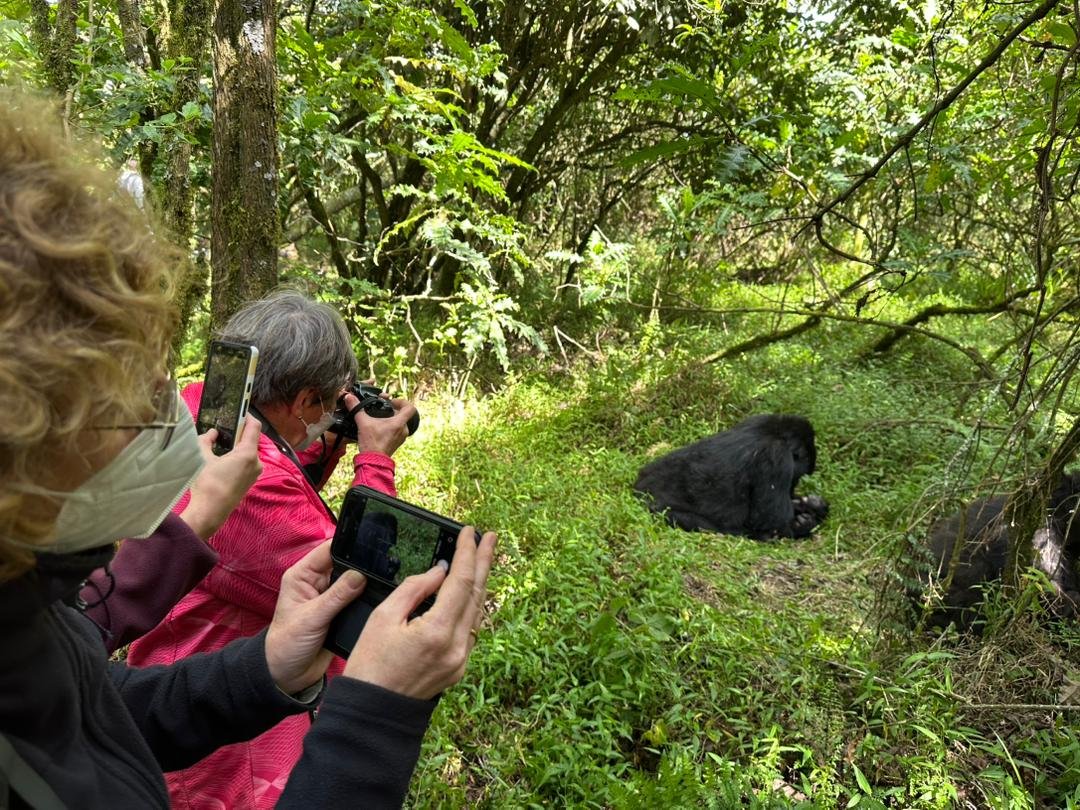
2 Days Uganda Gorilla Tour Starting from Kigali
This is the gentler cousin of our 1-Day Uganda Gorilla Safari Starting from Kigali — same idea, twice the breathing room. Instead of squeezing a 3,000-metre forest trek and two border crossings into a single very long day
Tour Details →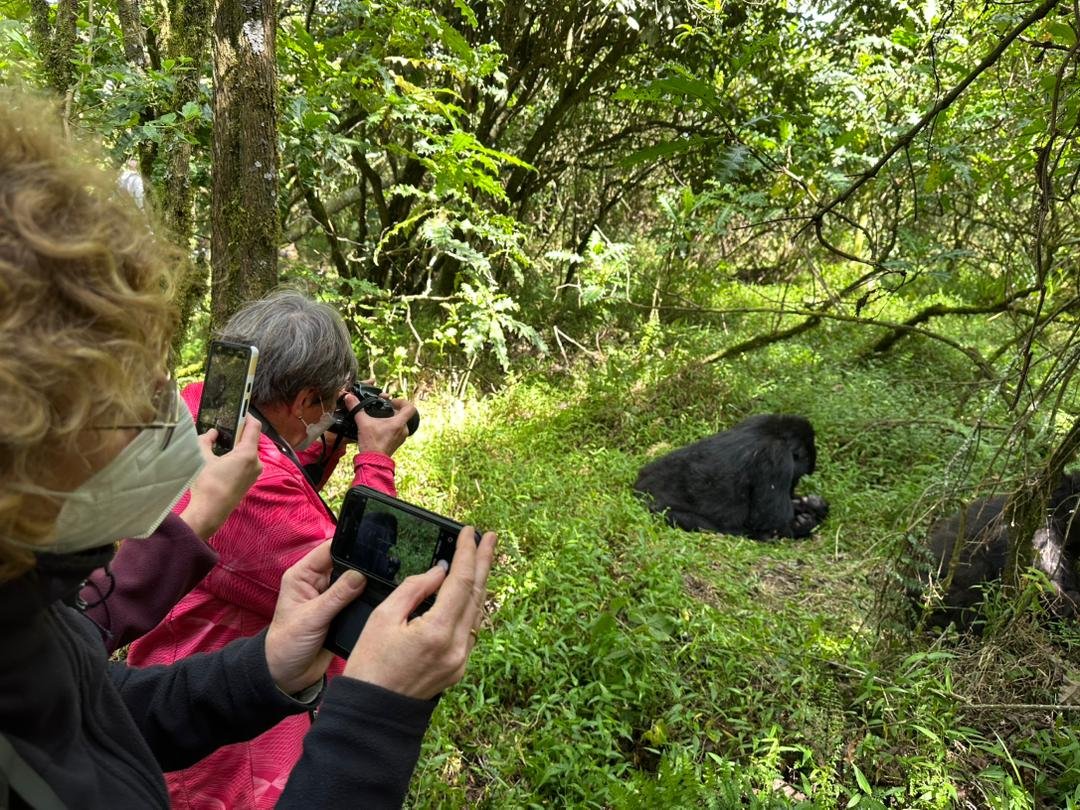
5-Day Uganda Gorilla and Chimpanzee Safari
This itinerary can be combined with a Rwanda extension or a wildlife-focused add-on through Queen Elizabeth National Park — browse our Uganda & Rwanda Safaris and Primate Safaris collections for ideas.
Tour Details →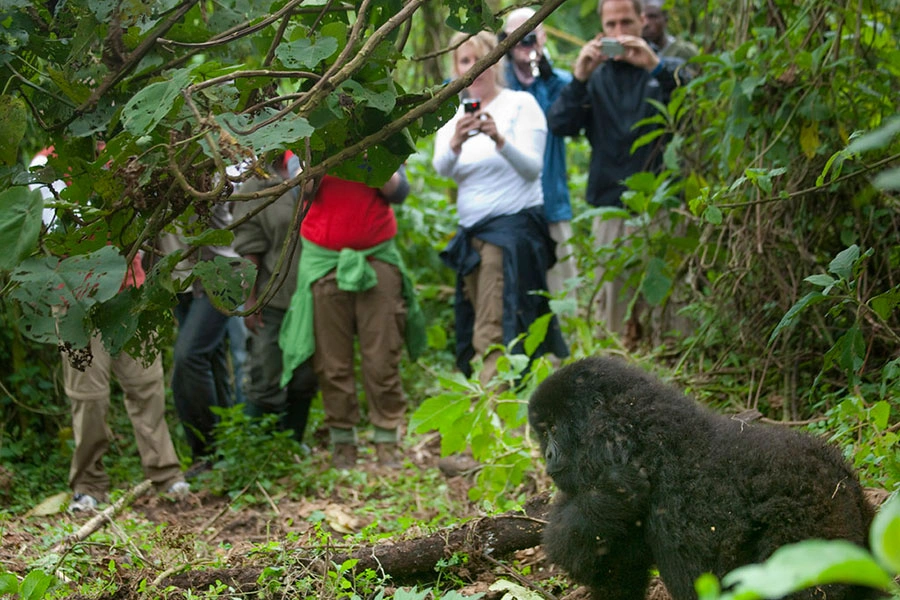
5 Days Rwanda Wildlife and Gorillas
This 5-day itinerary brings together Rwanda’s two flagship wildlife experiences: open savannah game drives and a boat safari in Akagera National Park, followed by a face-to-face encounters
Tour Details →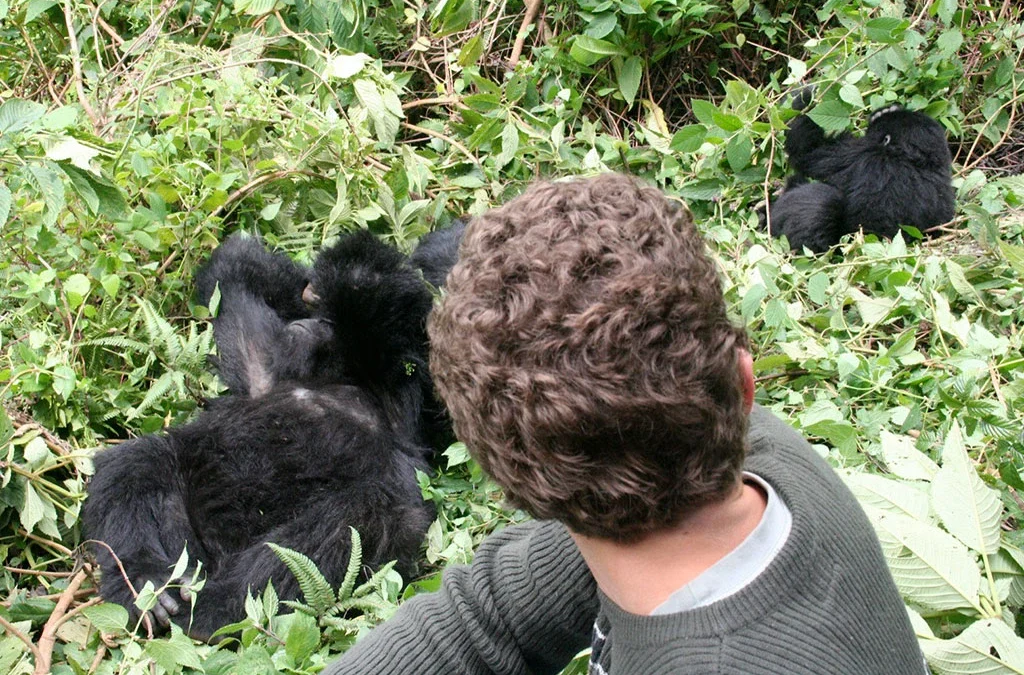
3 Days Uganda Gorilla Safari
For travelers who arrive in Entebbe with a tight schedule and a clear ambition, a 3-day gorilla safari to Bwindi Impenetrable Forest National Park is the most focused and rewarding short trip the country has to offer.
Tour Details →