- LET'S PLAN YOUR SAFARI
- +256 200 921 002
- +256 793 194 703
- info@pickandtransfersafaris.com

Rwanda vs Uganda Gorilla Trekking Cost
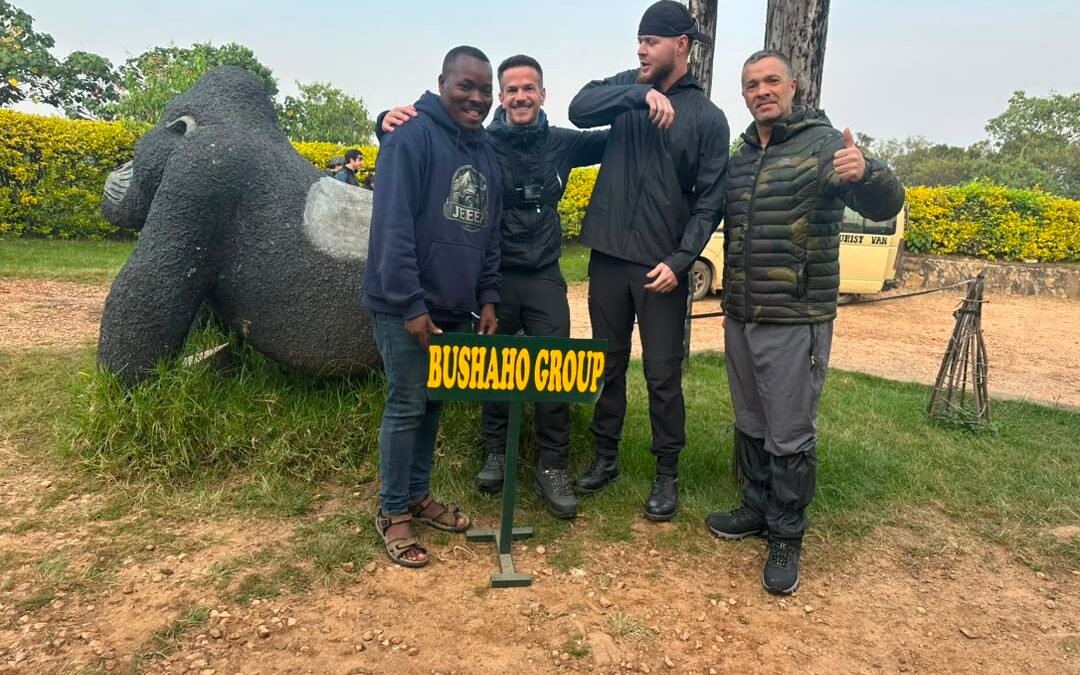
Rwanda vs Uganda Gorilla Trekking Cost. Ask ten travelers why they chose Uganda over Rwanda for gorilla trekking, or the reverse, and price comes up in at least eight of those answers. It’s the single biggest variable between the two countries, and it’s also the one travelers get wrong most often — because the “cost” of gorilla trekking is never just the permit. Transport, accommodation, park fees, and a handful of easy-to-miss extras can shift the real total by thousands of dollars in either direction.
This guide breaks down exactly what a gorilla trekking permit costs in each country, who qualifies for discounted rates, what else you need to budget for, and how the full trip cost compares once everything is added up. If you’re deciding between the two — or wondering whether it’s worth combining both on one gorilla safari — this is the number-by-number comparison to work from.
Rwanda vs Uganda Gorilla Permit Prices at a Glance
For a foreign, non-resident traveler booking during standard season, a Uganda gorilla trekking permit costs US$800, while a Rwanda gorilla trekking permit costs US$1,500 — nearly double. That single figure is why Uganda is generally marketed as the budget-friendly gorilla destination and Rwanda as the premium one, and for a solo traveler paying standard rates, it holds up: Uganda saves you US$700 per trek, and for a couple doing one trek each, that gap widens to US$1,400.
But “standard, non-resident, high-season” is only one of several pricing tiers in each country, and the gap narrows — or in some scenarios disappears — once you factor in resident rates, East African Community citizen pricing, and seasonal discounts, all covered in detail below. Kenlink Tours’ own Rwanda vs Uganda safari comparison is a useful second reference if you want another operator’s read on how these numbers translate into overall trip value.
What a Gorilla Permit Actually Includes
It’s worth being clear about what you’re actually paying for, since “permit” sounds like a simple entry ticket but covers more than that. In both countries, the permit fee includes park entrance for the day, a professional ranger-guide leading your group of up to eight trekkers, armed escort where required for safety, trackers who locate the gorilla family in advance, and up to one hour in the gorillas’ presence once you reach them. It does not include transport to the park, accommodation, meals, porter fees, or tips — all of which sit on top of the permit price and are covered in the sections below.
Both Uganda and Rwanda cap group size at eight visitors per gorilla family per day, which is a conservation measure rather than a cost one, but it’s the reason permits sell out during peak months regardless of how much you’re willing to pay — there is a hard ceiling on how many permits exist for any given day. This is also why booking early matters more than negotiating: neither the Uganda Wildlife Authority nor the Rwanda Development Board discounts standard permits for early booking, but the permits themselves simply run out.
Both authorities also require gorilla trekkers to be at least 15 years old, in reasonably good general health, and free of any communicable illness on the day of the trek — gorillas share close to 98% of human DNA and are highly susceptible to human respiratory illnesses, which is why anyone showing cold or flu symptoms is asked to sit out and, where possible, rebook rather than risk transmitting an illness to the gorilla family. This isn’t a cost consideration directly, but it’s worth building a small buffer into your itinerary in case a reschedule becomes necessary.
Uganda Gorilla Trekking Cost Breakdown
Uganda’s permit pricing has more tiers than Rwanda’s, and understanding them can meaningfully change your budget. The foreign non-resident rate — what most international travelers pay — is US$800 during standard months. Foreign residents (travelers who hold a valid Uganda work or resident permit) pay a reduced US$700. East African Community citizens and Ugandan nationals pay a heavily discounted local rate, in the region of 300,000 Ugandan shillings, roughly US$80 — a rate aimed at domestic and regional tourism rather than international visitors, but worth knowing if you’re travelling with an East African resident or citizen in your group.
Uganda also runs a low-season discount during April, May, and November, dropping the non-resident rate to US$600 and the resident rate to US$500. The catch: these low-season permits are typically non-reschedulable, so they only make sense if your travel dates are firmly fixed. For travelers who want more than the standard one hour with the gorillas, Uganda’s Gorilla Habituation Experience in Bwindi’s Rushaga sector offers up to four hours with a semi-habituated family for US$1,500 — the same price as a standard Rwanda permit, but with four times the viewing time. Compare this against a typical package like this 3-day Uganda gorilla safari from Rwanda to see how the permit cost sits inside a full itinerary price.
Rwanda Gorilla Trekking Cost Breakdown
Rwanda’s headline rate of US$1,500 per non-resident traveler is fixed and well publicized, but it isn’t the only rate available. Foreign residents, East African Community citizens, and holders of other African passports qualify for meaningfully discounted permits — the Rwanda Development Board doesn’t publish a single fixed figure for these categories the way Uganda does, so it’s worth confirming the exact rate directly with RDB or your operator at the time of booking, but the discount is substantial rather than symbolic.
The more relevant discount for most international travelers is Rwanda’s combined-park incentive: visitors who spend at least two nights across Nyungwe Forest National Park and/or Akagera National Park, in addition to their gorilla trek, qualify for a 30% reduction on the permit price when trekking between November and May. That drops a US$1,500 permit to roughly US$1,050 — closing a meaningful chunk of the gap with Uganda, provided your itinerary already includes those parks. A route like this 5-day Best of Rwanda Primate Safari or this 3-day Rwanda gorilla tracking and cultural tour shows how this kind of multi-park routing looks in practice. For the operator’s own take on Rwanda pricing, Kenlink Tours’ Rwanda safari packages are a useful cross-check.
Total Trip Cost: Uganda vs Rwanda Beyond the Permit
Permit prices get all the attention, but they’re rarely the deciding factor once the full trip is priced out — a Rwanda trip’s shorter drive times and more efficient logistics quietly claw back some of what you pay extra on the permit, while Uganda’s cheaper permit can be partly offset by longer transport days and more nights on the road. A traveler comparing two quotes side by side and seeing only the permit line item is comparing the wrong number — the figure that actually matters is the fully-inclusive package price per day, which accounts for how each country’s geography shapes everything else on the trip.
In Rwanda, Volcanoes National Park sits roughly two to three hours from Kigali on smooth, paved roads, which keeps ground transport costs and travel time low even for a short trip. In Uganda, reaching Bwindi Impenetrable Forest from Entebbe by road takes eight to ten hours, which either adds a driving day (and the vehicle, fuel, and driver-guide costs that come with it) or pushes travelers toward a domestic flight, typically around US$300–450 per person each way. Neither option is free, and both need to be priced into a fair comparison rather than treating the permit fee as the whole story.
Accommodation Costs Compared: Budget, Mid-Range, and Luxury
Accommodation is where the two countries diverge most sharply, and it’s arguably a bigger swing factor than the permit price itself over a multi-night trip. Uganda offers a genuinely wide spread — simple guesthouses near Bwindi from around US$60–100 per person per night, solid mid-range lodges from US$150–300, and high-end properties from US$400 upward. Rwanda’s lodge market around Volcanoes National Park skews upmarket by comparison; true budget options are scarce, mid-range properties typically start closer to US$200–350 per person per night, and the well-known luxury lodges bordering the park run well over US$1,000 per person per night.
This means a genuinely budget-conscious traveler will usually find Uganda cheaper on both the permit and the accommodation, widening the gap beyond the headline US$700 permit difference. A traveler prioritizing comfort and short transfer times, on the other hand, may find that Rwanda’s higher permit cost is only a modest premium on top of what they’d spend on upscale lodging in Uganda anyway. Browsing a range of safari packages across both countries is the fastest way to see how lodge tier moves the total price for a given itinerary length.
Getting to the Gorillas: Transport Costs in Each Country
Ground transport is usually quoted as a daily vehicle-and-driver-guide rate rather than a per-person fee, which matters for budgeting — the cost is roughly fixed whether one person or a full group of up to seven is travelling together, so solo travelers absorb proportionally more of it. A private 4×4 with driver-guide typically runs US$120–200 per day in both countries, inclusive of fuel for a normal day’s driving distance, though long transfer days (Entebbe to Bwindi, for instance) sometimes carry a small surcharge given the distance and fuel involved.
For travelers short on time rather than budget, domestic flights are the other major transport cost to plan for. Uganda’s network of small airstrips near Bwindi (Kisoro and Kihihi) and other parks makes flying a realistic option for cutting a full day of driving to under an hour, at a cost that’s usually offset by an extra night of accommodation and park time gained. Rwanda’s compact size means flights are rarely necessary domestically — the drive from Kigali to Volcanoes National Park is short enough that most itineraries simply don’t need one. Kenlink Tours’ practical notes on travel time from Kigali to Bwindi are a useful reference if you’re weighing the flight-versus-drive decision for a cross-border leg.
Self-driving is technically possible in both countries but rarely saves money once insurance, fuel, and the learning curve of navigating unfamiliar mountain roads are factored in, and neither country’s park authorities allow self-drive access to the trekking trailheads themselves — you’ll still need a licensed guide vehicle for the final approach regardless of how you got to the region. For travelers weighing the option anyway, Kenlink Tours’ car hire page is a reasonable starting point for understanding what’s actually included in a rental quote versus what a private driver-guide package already bundles in.
Is Rwanda Ever Cheaper Than Uganda?
On paper, no — Rwanda’s floor price sits above Uganda’s ceiling price in almost every standard scenario. But there are specific circumstances where the gap narrows enough that Rwanda becomes the more practical choice even on a tighter budget, and it’s worth knowing them before you rule Rwanda out purely on cost.
The clearest case is a short trip built entirely around Kigali. If your total travel time is limited — a business trip with a weekend extension, for example — Rwanda’s short drive to Volcanoes National Park and back can mean you spend less overall on transport and lodging nights than the multi-day logistics a Uganda trek requires from Entebbe, even after accounting for the higher permit. Add the 30% combined-park discount described earlier, and a Rwanda-based trip that includes Nyungwe or Akagera can land closer to Uganda’s total cost than the standalone permit prices suggest. It’s rarely “cheaper” in an absolute sense, but the value proposition — cost relative to time and effort spent — can genuinely favor Rwanda for time-constrained travelers.
Chimpanzee Tracking Cost as an Add-On
Many travelers pricing out a gorilla trip also weigh up whether to add chimpanzee tracking, and the cost comparison here runs closer than most people expect. In Uganda, a standard chimpanzee tracking permit in Kibale Forest National Park costs US$250 per person, with a chimpanzee habituation experience — several hours embedded with a research-habituated community rather than the standard one-hour visit — priced at US$300. In Rwanda, Nyungwe Forest National Park charges US$150 for the tracking permit itself plus a separate US$100 park entrance fee, bringing the effective total to roughly US$250 as well — meaning the two countries land at almost the same price point for chimpanzees, unlike the wide gap on gorilla permits.
Because chimp tracking is priced so similarly in both countries, the decision of where to add it usually comes down to itinerary logic rather than cost: if you’re already trekking gorillas in Uganda, adding a chimp day in Kibale or via this 3-day chimpanzee tour in Uganda keeps you in-country without extra border logistics, while a Rwanda-based trip pairs naturally with Nyungwe on the way to or from Akagera. Kenlink Tours’ 3-day chimpanzee tracking safari is a useful reference for how a standalone chimp-focused itinerary is typically priced and structured.
Seasonal Price Calendar: When Gorilla Trekking Costs the Least
Timing your trip around the calendar is one of the few genuinely free ways to lower your total cost, and it works differently in each country. Uganda’s discount window falls in April, May, and November — the two shoulder-season rainy periods — when the non-resident permit drops from US$800 to US$600 and the resident rate from US$700 to US$500. These months also tend to have lower demand for flights and accommodation industry-wide, so the savings compound beyond just the permit itself, though trails are muddier and hiking is more physically demanding.
Rwanda doesn’t run an equivalent blanket low-season permit discount, but its combined-park incentive is deliberately timed to the November-to-May window, which overlaps with the low-demand months when lodges are also more likely to offer their own rate reductions independent of the park discount. In both countries, the June-to-September and December-to-February dry seasons carry the highest demand and the least room for savings — permits sell out furthest in advance during these months, and accommodation rates typically sit at their annual peak. If cost is your primary driver and your schedule has any flexibility, targeting the shoulder seasons is the single highest-leverage decision you can make, ahead of almost anything else in this guide.
Cost of Combining Both Countries on One Trip
A growing number of travelers skip the either-or decision entirely and combine Rwanda and Uganda on a single itinerary — trekking once in each country rather than twice in one. From a pure cost standpoint, this means paying both permit fees (US$800 plus US$1,500 at standard rates, or less with Uganda’s low season and Rwanda’s combined-park discount), but it also means you’re not paying for two separate long-haul international trips to experience both, which is where the real savings show up.
A well-built 10-day Uganda Rwanda safari or the shorter 7-day Uganda Rwanda safari adventure typically prices out lower per day than running the same two treks as separate trips, since ground transport, guiding, and border logistics are shared across the whole itinerary rather than duplicated. For travelers who want the full picture on logistics — border crossings, visas, and drive times — our companion guide on how to combine Rwanda and Uganda on one safari covers that side in depth. Kenlink Tours’ 5-day Uganda-Rwanda double gorilla safari and longer 10-day Uganda-Rwanda combining safari are useful for comparing how another operator prices the same combined route.
Hidden and Extra Costs to Budget For
A handful of smaller costs catch first-time trekkers off guard, and while none of them are large individually, they add up across a trip. Porter fees — typically US$20–25 per porter per trek — are optional but worth the money even for fit travelers, since porters also help pull you up steep, muddy sections and their fees support the local community directly. Tips for guides, trackers, and armed rangers are customary and generally expected in the US$10–20 per person per service range.
Travel insurance with trekking or hiking cover is essential and typically costs US$50–150 depending on trip length and coverage level, and skipping it to save money is a genuine risk given the remote terrain. The East Africa Tourist Visa, covering Kenya, Uganda, and Rwanda for 90 days of unlimited crossings, is a flat US$100 and is usually the cheaper option versus buying separate single-country visas if your trip touches more than one of the three countries. Finally, budget for gear you may not already own — waterproof boots, a rain jacket, and gardening gloves are inexpensive but easy to forget until the night before a trek, when local prices near the parks are considerably higher than they would be at home.
Meals are another line item worth clarifying upfront rather than assuming. Most mid-range and upscale lodges near the parks quote rates on a full-board basis, meaning breakfast, lunch, and dinner are already included in the nightly rate, but budget guesthouses more often charge room-only or bed-and-breakfast rates, with additional meals billed separately at US$10–25 each. Bottled water, laundry, and Wi-Fi are similarly inconsistent between properties — some upscale lodges include all three, while budget options charge for each individually — so it’s worth asking your operator for a genuinely all-inclusive quote rather than comparing headline nightly rates that hide these extras.
Photography and Gear Costs Worth Budgeting For
Camera gear is an easy category to overspend on before a gorilla trek, and it’s worth knowing what actually helps before buying anything. A mid-range zoom lens in the 100–400mm range is genuinely useful, since you’re not permitted to approach closer than seven meters from the gorillas and the forest canopy often limits light — but a professional-grade telephoto lens rented or bought specifically for one trip rarely pays for itself unless photography is the main point of your visit. Rain covers for camera bags and a simple lens cloth cost almost nothing and matter far more in humid forest conditions than most first-time trekkers expect.
One cost-saving tip that’s easy to miss: neither Uganda nor Rwanda charges a separate camera or video fee for personal, non-commercial photography during a standard gorilla trek, unlike some other parks in the region that do. Drones are banned outright in both countries’ gorilla trekking areas, so there’s no point budgeting for one on this leg of a trip. If professional or commercial filming is part of your plans, both the Uganda Wildlife Authority and Rwanda Development Board require a separate filming permit arranged well in advance — a cost and process worth clarifying with your operator, such as through a direct enquiry, long before you land.
Currency, Payment Methods, and Booking Terms
Gorilla and chimpanzee permits in both countries must be paid in full in US dollars at the time of booking — this is standard practice across the industry, not an operator-specific policy, and it’s why permit availability is typically confirmed within days of payment rather than held provisionally. Cash US dollars used for anything on the ground (park fees, tips, incidentals) need to be clean, undamaged notes printed after 2009 in both countries; older or visibly worn notes are frequently rejected by banks, lodges, and vendors alike, which catches travelers off guard more often than almost any other logistics detail in this guide.
Beyond the permit itself, most reputable operators quote full-package pricing in US dollars and accept payment via bank transfer, with a deposit at booking and the balance due closer to travel — card payments are increasingly accepted but often carry a processing surcharge of 3–5%, worth asking about upfront. Rwandan francs and Ugandan shillings are used for small, local purchases, and both currencies are easy to obtain at bank ATMs in Kigali and Kampala or through licensed forex bureaus; exchanging a modest amount on arrival is usually simpler than trying to source either currency before departure. A well-organized operator, such as through this 3-day Uganda gorillas safari package, will typically lay out exactly what’s included, what’s paid locally, and what currency each cost is expected in before you travel — worth confirming line by line rather than assuming.
Sample Budget: A Couple’s 5-Day Uganda Gorilla Safari
To make the numbers concrete, here’s a rough breakdown for two travelers doing a 5-day Uganda gorilla safari at standard, non-resident rates: two gorilla permits at US$800 each (US$1,600), four nights of mid-range accommodation at roughly US$200 per person per night (US$1,600), a private vehicle and driver-guide for five days at around US$150 per day (US$750), park entrance fees and a Kazinga Channel boat cruise if combined with Queen Elizabeth National Park (roughly US$150), plus meals, tips, and porters (US$300–400). All told, a mid-range 5-day trip for two lands in the region of US$4,400–4,500, before international flights. A package like this 5-day Uganda Gorilla and Chimps Safari gives a real-world reference point for how that budget translates into an actual itinerary.
Sample Budget: A Couple’s 5-Day Rwanda Gorilla Safari
The same two travelers doing a 5-day Rwanda-based trip at standard rates: two gorilla permits at US$1,500 each (US$3,000), four nights of mid-range accommodation at roughly US$275 per person per night (US$2,200), a private vehicle and driver-guide for five days at around US$150 per day (US$750), and meals, tips, and incidentals (US$300–400). That puts a mid-range 5-day Rwanda trip for two at roughly US$6,250–6,350 before international flights — noticeably higher than the Uganda equivalent, largely because both the permit and the accommodation sit above Uganda’s pricing. Applying the 30% combined-park discount by adding two nights in Nyungwe or Akagera would bring the permit cost down to roughly US$2,100 for the couple, narrowing the gap by nearly US$900. A route like this 2-day Nyungwe chimps tracking trip shows how easily that extension fits onto a Rwanda-based itinerary.
How to Reduce Your Gorilla Trekking Cost
A few practical decisions can meaningfully lower your total spend in either country without cutting corners on safety or experience quality. Travelling in a small group and sharing a vehicle and driver-guide spreads the daily transport cost across more people, which is one of the simplest ways to cut per-person costs on any safari. Choosing Uganda’s low-season permit window (April, May, or November) saves US$200 per person immediately, provided your dates are genuinely fixed and you’re comfortable with the non-reschedulable condition.
In Rwanda, deliberately building a combined-park itinerary to qualify for the 30% permit discount is worth doing even if you weren’t originally planning to visit Nyungwe or Akagera, since the savings on the permit alone often cover a meaningful share of the extra nights required. Booking well in advance also indirectly saves money: last-minute travelers are often forced into premium accommodation because mid-range options are already sold out, so early booking protects your budget as much as it protects your permit availability. For operator-side options at a range of budgets, Kenlink Tours’ Uganda safari packages and scheduled group tours are worth comparing, since joining an existing group departure is often the single biggest cost-saver available to solo travelers.
Which Country Gives You Better Value for Money
“Cheaper” and “better value” aren’t the same question, and it’s worth separating them before deciding. Uganda is unambiguously cheaper on a like-for-like basis — the permit costs less, accommodation has more budget options, and the country offers more to see per dollar spent, including chimpanzee tracking, savannah game drives in Queen Elizabeth National Park, and the source of the Nile, alongside its gorilla trekking. For travelers optimizing for value per dollar, Uganda wins clearly.
Rwanda’s case rests on efficiency and polish rather than price: shorter drive times, higher-end infrastructure, and a trekking experience that’s generally less physically demanding, all packed into a smaller geographic footprint that suits travelers with limited time far more than limited budget. If your constraint is days rather than dollars, Rwanda’s higher permit price buys back time that would otherwise be spent on Uganda’s longer transfers — which, once you value your own time, can make Rwanda the better overall deal despite costing more on paper.
Group size also shifts the calculation more than most travelers expect. Because vehicle, driver-guide, and often park transport costs are charged per vehicle rather than per person, a family or small group of four to six splitting those costs in Uganda can bring the effective daily rate down close to what a couple would pay in Rwanda for a comparable tier of accommodation — while still paying the lower Uganda permit per person. Solo travelers see the opposite effect: they absorb the full daily vehicle cost alone in either country, which is where joining a scheduled group departure, rather than booking a fully private trip, tends to produce the biggest percentage savings.
It’s worth noting that “better value” can also mean different things depending on what you’re comparing it against outside the region entirely. Against Central Africa’s third gorilla trekking destination — the Democratic Republic of Congo’s Virunga National Park, where permits are considerably cheaper but security and logistics are far less predictable — both Rwanda and Uganda represent a stable, well-regulated middle ground, and the cost difference between them matters less in that wider context than it does when compared only to each other.
Frequently Asked Questions About Gorilla Trekking Costs
Is the gorilla permit refundable if I get sick or my trek is cancelled? Standard permits are generally non-refundable but can often be rescheduled with advance notice, subject to availability — always confirm the specific rebooking policy with your operator before paying, and note that Uganda’s discounted low-season permits are explicitly non-reschedulable.
Do children pay the same gorilla permit price? Gorilla trekking has a minimum age requirement of 15 in both countries, so there is no discounted child rate — anyone trekking pays the full adult permit price for their traveler category.
Can I negotiate the permit price with a tour operator? No — permit fees are set by the Uganda Wildlife Authority and the Rwanda Development Board and are non-negotiable regardless of which operator books them for you. What varies between operators is everything else: accommodation choice, vehicle quality, and service level, which is where price differences between quotes actually come from.
Is it cheaper to book permits directly instead of through an operator? Rarely by much, and usually not worth the added complexity. Reputable operators buy permits at the same government-set price and typically don’t mark them up significantly, while handling the logistics of matching your permit date to your accommodation and transport — the kind of coordination a specialist safari operator handles routinely and that’s easy to get wrong on a self-booked trip.
Does the gorilla permit price include park entrance fees for other activities? No — the gorilla permit only covers the gorilla trekking activity itself. Game drives, chimpanzee tracking, boat cruises, and general park entrance in other parts of the same national park are billed separately.
Which is more physically demanding — and does that affect the value for money? Uganda’s Bwindi terrain is generally steeper and muddier, and treks can run considerably longer than Rwanda’s, so travelers who want to minimize physical strain sometimes view Rwanda’s shorter average trek as worth the higher price. Fitness level, weather on the day, and which specific gorilla family you’re assigned to all affect trek difficulty more than the country choice alone, so treat this as a secondary factor rather than the deciding one.
Is it cheaper to trek gorillas as a day trip from Kigali without staying overnight in the park area? It can save one night’s accommodation, but it’s a demanding day — an early departure, several hours of driving each way, and a full trek in between — and most operators, including on routes like this 5-day Volcanoes, gorillas and Akagera wildlife safari, recommend at least one night near the park to avoid an exhausting single-day round trip.
Do gorilla permit prices change year to year? Yes — both the Uganda Wildlife Authority and Rwanda Development Board periodically revise permit pricing, and the figures in this guide reflect current published rates at the time of writing. Always confirm the live rate with your operator before booking, since neither authority guarantees advance notice of a price change.
Rwanda vs Uganda Gorilla Trekking Cost
If your primary constraint is budget, Uganda is the clear choice: a lower permit price, a wider range of accommodation options, and more activities bundled into the same trip length add up to meaningfully lower total costs, especially for groups and families sharing transport. If your primary constraint is time, or you simply want the smoothest, least logistically demanding version of gorilla trekking, Rwanda’s higher price buys back the hours you’d otherwise spend on Uganda’s longer transfers.
Whichever way you lean, the single most cost-effective decision available to any traveler, regardless of budget, is booking early. Both the Uganda Wildlife Authority and Rwanda Development Board release permits well in advance, and early booking not only secures your preferred trekking date but also gives you first pick of accommodation tiers before the cheaper options in each price bracket sell out — arriving at the same total nightly rate but with a noticeably better room, view, or location simply because you weren’t competing with last-minute demand.
For many travelers, the honest answer is that the cost comparison matters less once you’ve decided what kind of trip you actually want — and increasingly, the best answer is not choosing at all. Combining both countries spreads the cost across a longer, richer itinerary and gives you two genuinely different gorilla trekking experiences rather than one repeated twice. Browse the full range of Rwanda and Uganda gorilla safari packages, or get in touch for a cost breakdown tailored to your exact dates, group size, and budget.
7 Days Uganda Safari – One week tour
This 7-day itinerary is the classic one-week introduction to Uganda, covering the country’s three most iconic wildlife experiences: chimpanzee tracking in Kibale Forest National Park, Big Five game drives and a boat cruise in Queen
Tour Details →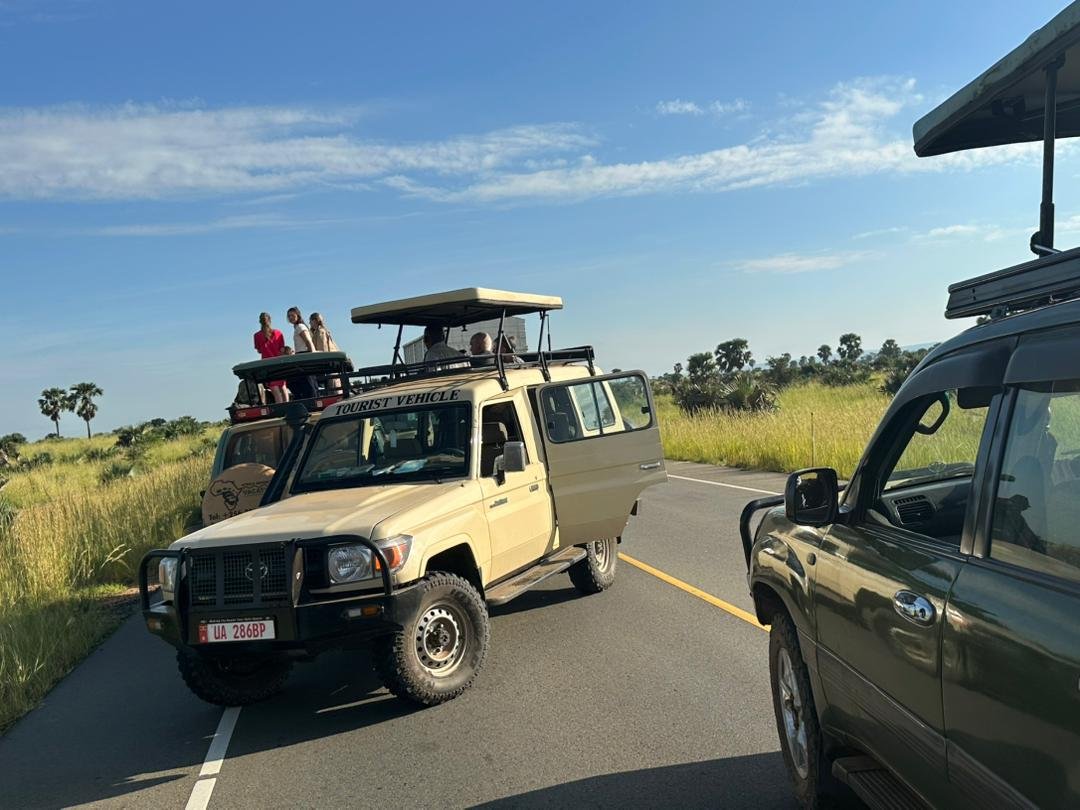
10 Days Uganda Primates and Wildlife
This 10-day Uganda Grand Safari is the most complete Uganda itinerary we offer at Pick and Transfer Safaris. It begins with a scenic northward drive from Entebbe to the vast open plains of Murchison
Tour Details →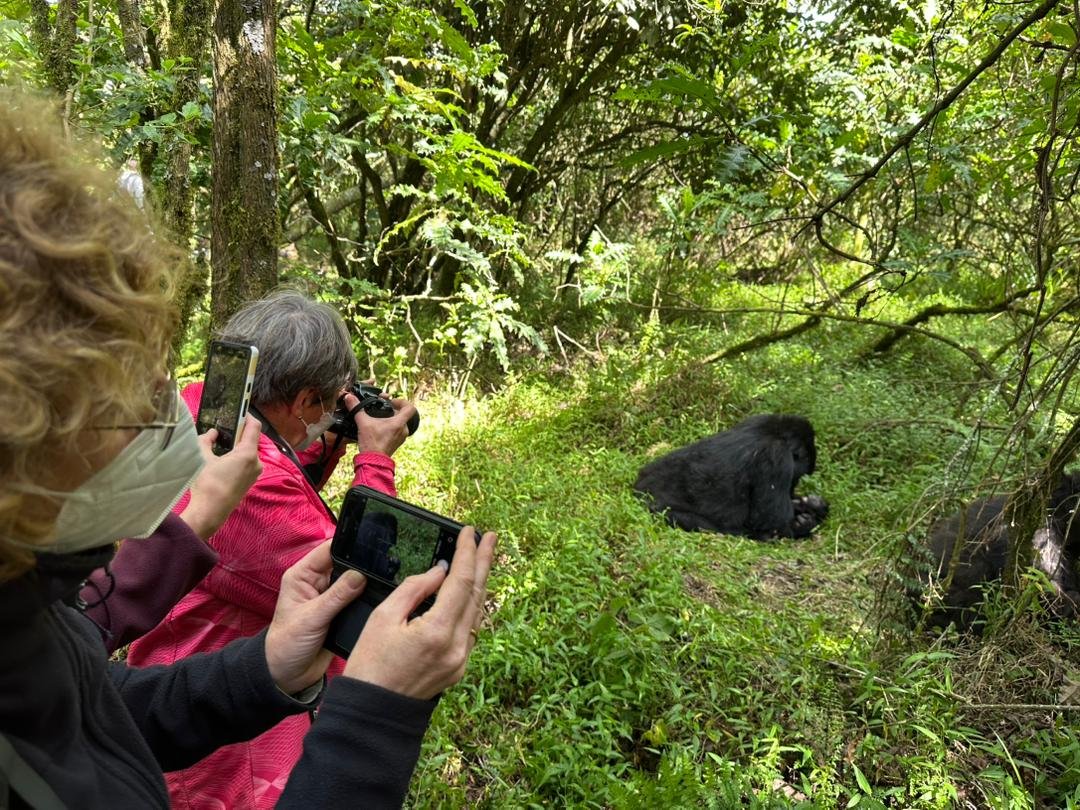
2 Days Uganda Gorilla Tour Starting from Kigali
This is the gentler cousin of our 1-Day Uganda Gorilla Safari Starting from Kigali — same idea, twice the breathing room. Instead of squeezing a 3,000-metre forest trek and two border crossings into a single very long day
Tour Details →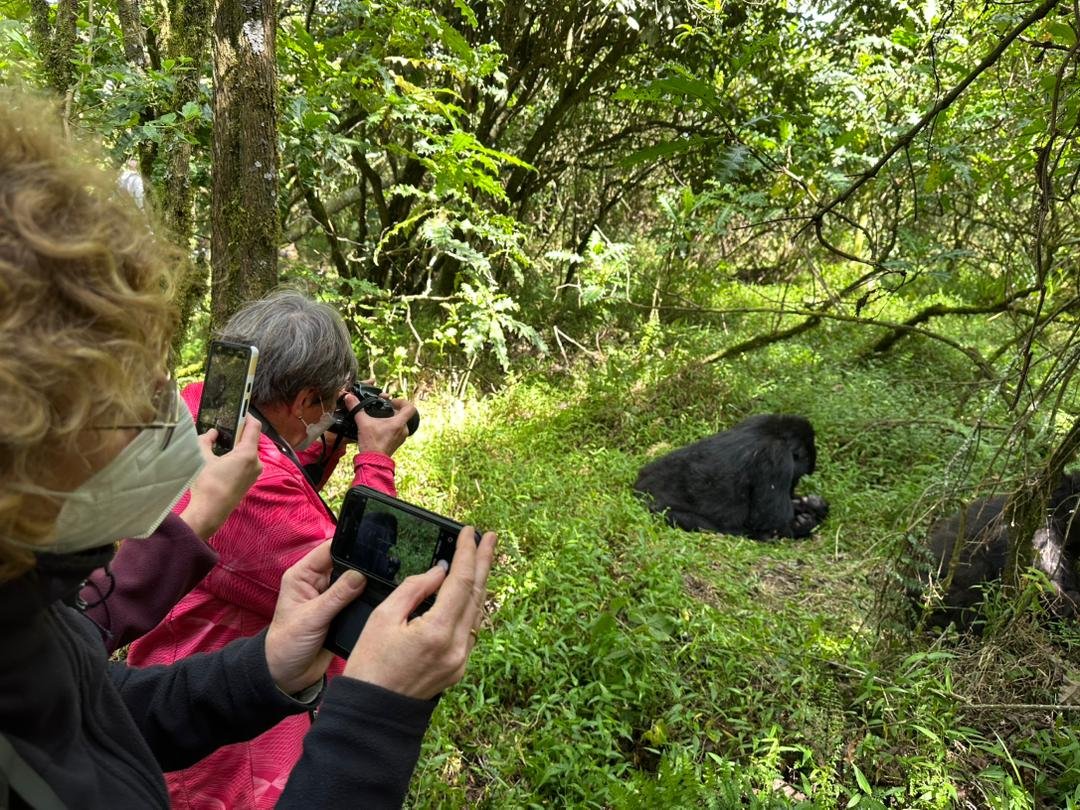
5-Day Uganda Gorilla and Chimpanzee Safari
This itinerary can be combined with a Rwanda extension or a wildlife-focused add-on through Queen Elizabeth National Park — browse our Uganda & Rwanda Safaris and Primate Safaris collections for ideas.
Tour Details →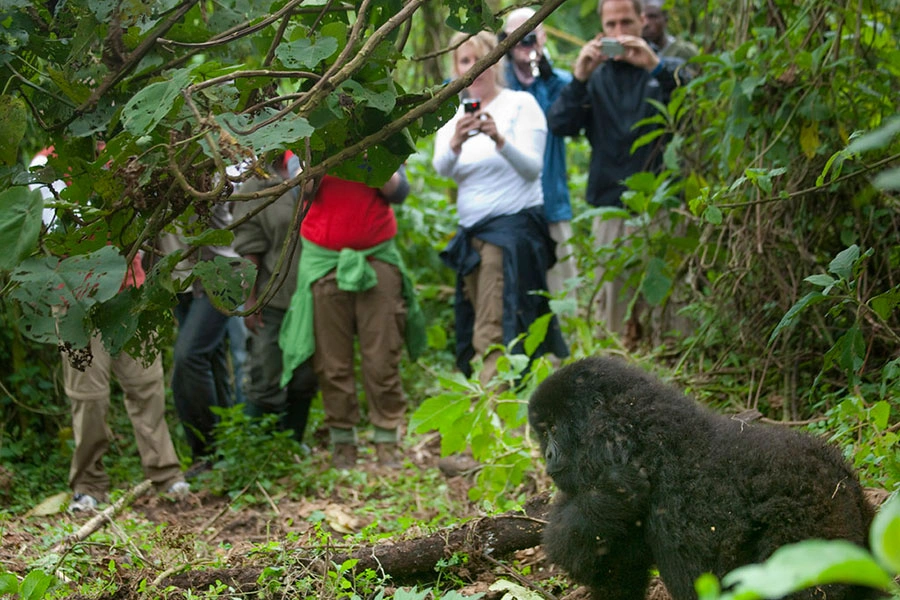
5 Days Rwanda Wildlife and Gorillas
This 5-day itinerary brings together Rwanda’s two flagship wildlife experiences: open savannah game drives and a boat safari in Akagera National Park, followed by a face-to-face encounters
Tour Details →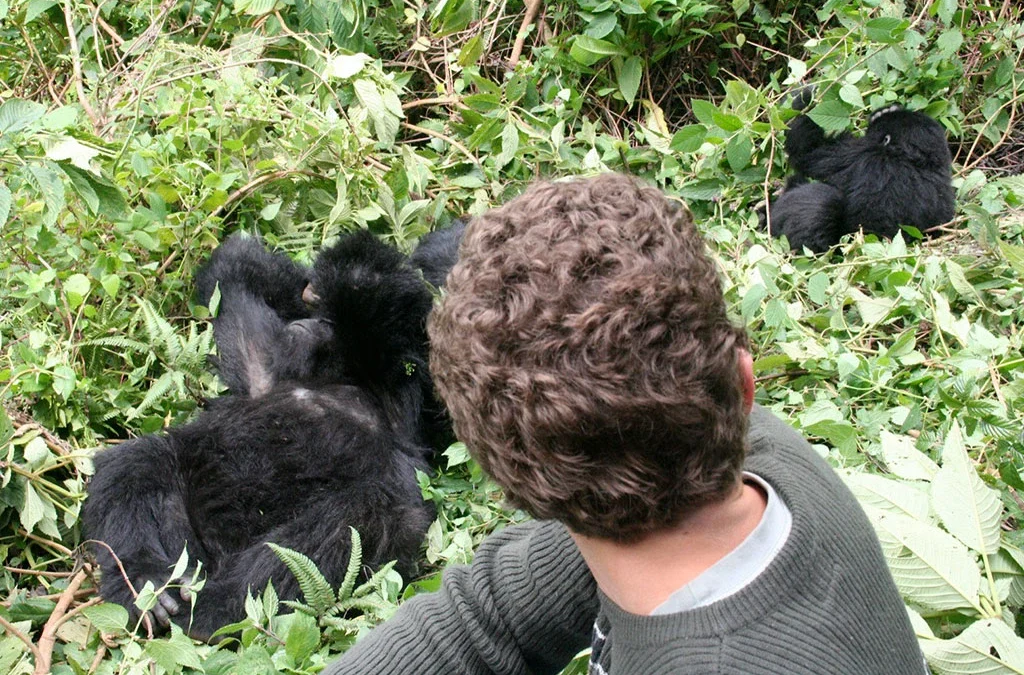
3 Days Uganda Gorilla Safari
For travelers who arrive in Entebbe with a tight schedule and a clear ambition, a 3-day gorilla safari to Bwindi Impenetrable Forest National Park is the most focused and rewarding short trip the country has to offer.
Tour Details →