- LET'S PLAN YOUR SAFARI
- +256 200 921 002
- +256 793 194 703
- info@pickandtransfersafaris.com

Rwanda Gorilla Trekking Permits
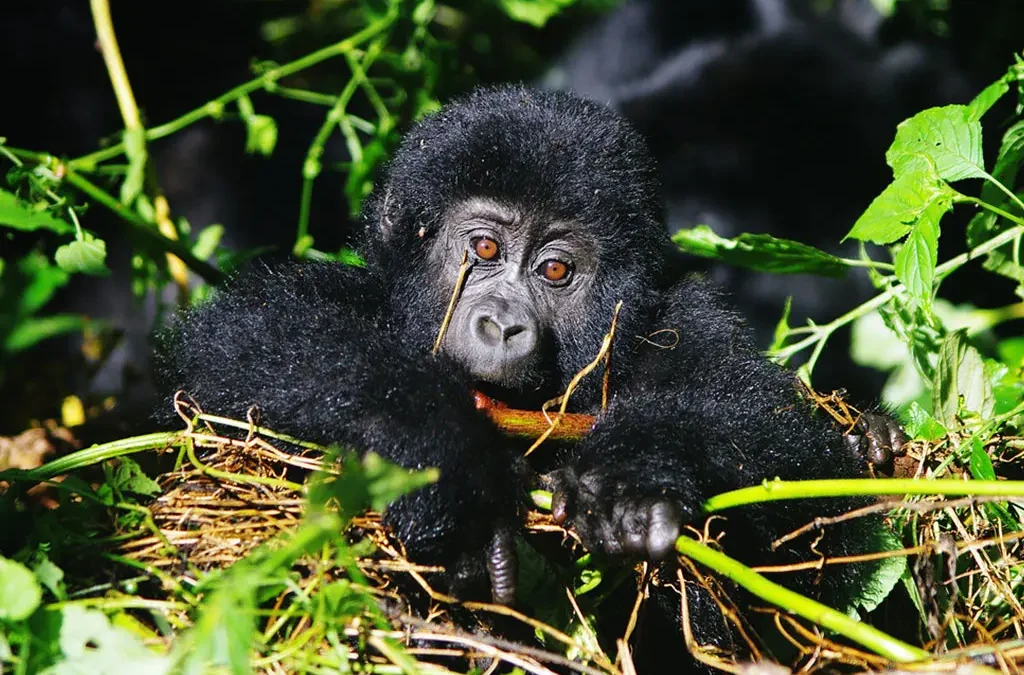
Rwanda Gorilla Trekking Permits. A gorilla trekking permit is the single document that everything else about a Rwanda safari revolves around. Your flights, your lodge dates, your driver-guide’s schedule — all of it gets built around the date printed on that permit, because it’s the one thing in the entire trip that genuinely cannot be changed at the last minute. With only 80 permits issued across Volcanoes National Park on any given day, understanding exactly how the permit system works, and where the process trips people up, matters more than almost any other piece of trip planning.
This guide covers the permit itself: what it costs by traveler category, where you can actually buy one, what the Rwanda Development Board needs from you to issue it, how payment works, and what your options are if your plans change after you’ve booked. Think of it as the paperwork companion to the rest of your trip planning — the piece that determines your travel dates before anything else on the itinerary can be locked in. If you’re still weighing Rwanda against Uganda or want the full on-the-ground trekking rules, those are covered in our companion guides — this one is entirely about the paperwork and the process that gets you to the trailhead. For the broader trip itself, start with our gorilla safaris overview.
What Exactly Is a Rwanda Gorilla Trekking Permit
A gorilla trekking permit is an official authorization issued by the Rwanda Development Board that grants one person access to track a specific gorilla family in Volcanoes National Park on one specific date. It is not a general park entry ticket — it’s tied to gorilla trekking specifically, is valid for a single day only, and cannot be used on a different date than the one it was issued for without going through a formal reschedule.
The permit is issued in the name of a specific individual, matched against passport or identification details at the time of booking, and that same identification is checked again at registration in Kinigi on the morning of the trek. This matters practically: the name on the permit needs to match the name on the travel document you’ll actually be carrying that day, which is a detail worth double-checking if you booked months in advance and your passport has since been renewed.
Permit Categories and 2026 Pricing
Rwanda prices gorilla permits differently depending on who’s booking, and the gap between categories is significant. Foreign, non-resident visitors — the category almost all international travelers fall into — pay US$1,500 per permit. Foreign residents, meaning travelers who hold a valid Rwandan work or residence permit, generally qualify for a substantially discounted rate, commonly cited in the region of US$500, though this figure is set and periodically revised by the Rwanda Development Board rather than fixed indefinitely, so always confirm the live rate at the time of booking. East African Community citizens and Rwandan nationals pay the lowest tier, often cited around US$200, reflecting Rwanda’s policy of encouraging domestic and regional tourism to the park.
If you’re travelling with a mixed group — say, an international couple joined by a friend who holds East African residency — each permit is priced individually according to that traveler’s own category, not averaged or bundled across the group. This is worth flagging to your operator early, since it affects the total permit cost in ways that are easy to miscalculate if you assume every permit in a group costs the same. It’s also worth noting that these category prices are set independently of any low-season discount structure Rwanda might introduce — unlike Uganda, which runs a defined low-season permit reduction in specific months, Rwanda’s main built-in discount mechanism is the combined-park incentive covered later in this guide, rather than a blanket seasonal price cut on the standard permit fee. A package like this 5-day Best of Rwanda Primate Safari is generally quoted per traveler category for exactly this reason.
How Many Permits Are Available Each Day
Rwanda caps gorilla trekking at 8 visitors per habituated gorilla family per day, a rule designed to limit how much human contact any single family experiences. With ten habituated families currently open to tourism across Volcanoes National Park, that puts a hard ceiling of 80 permits available for the entire park on any given date — a number that does not flex upward regardless of demand, season, or how far in advance you’re willing to pay.
This fixed daily supply is the real reason permits sell out during June to September and December to February, rather than pricing alone: on peak dates, demand for those 80 slots regularly exceeds supply well before the date arrives. It also means that “sold out” for a specific date is a genuine hard stop, not a soft limit that a premium booking can work around — if the 80 permits for your preferred date are gone, the only options are a different date or joining a waitlist through your operator in case of a late cancellation.
Where to Buy a Rwanda Gorilla Trekking Permit
There are three practical routes to securing a permit, and they’re not mutually exclusive. The Rwanda Development Board sells permits directly through its own channels and through Irembo, Rwanda’s official government services platform, which is the same portal Rwandan citizens use for a wide range of government transactions and has been extended to cover national park permit sales. Licensed travel agencies and tour operators, both inside Rwanda and internationally, also book permits on travelers’ behalf as part of a full itinerary. Finally, some travelers attempt to book independently through RDB’s booking office without an operator at all.
In practice, the vast majority of international travelers book through an operator rather than any of the direct channels, not because direct booking is prohibited but because an operator bundles the permit into a coordinated itinerary — matching your trek date to your accommodation, transport, and any connected activities like Nyungwe or Akagera add-ons — rather than leaving you to coordinate each piece separately. Kenlink Tours’ Rwanda safari packages are a useful example of how permit booking is typically folded into a full trip quote.
Booking Through the Irembo Online Portal
Irembo is Rwanda’s official e-government platform, and it’s the direct digital route for booking gorilla and golden monkey permits without going through an operator. Booking through Irembo means creating an account, selecting Volcanoes National Park and your preferred trek date, entering the personal details of each trekker, and completing payment online — historically processed through PesaPal, a regional payment gateway that accepts major international cards.
Irembo is a genuinely useful option for travelers who want direct control over their exact booking date and don’t need the broader logistics an operator provides — but it’s worth going in aware that the interface and available date inventory shown can differ from what an operator sees through their own booking relationship with RDB, and that navigating a Rwandan government platform in a second language, from abroad, adds a layer of friction some travelers would rather hand off. For a trip that’s built around gorilla trekking plus other parks, like this 10-day Rwanda Wildlife Gorilla Tour, coordinating multiple permits and park entries through Irembo independently gets considerably more complex than booking the whole itinerary through one operator.
Booking Through a Licensed Tour Operator
Booking through a licensed operator is the route most international travelers use, and for good reason: the operator handles the RDB or Irembo transaction on your behalf, matches your permit date against your accommodation and transport before confirming anything, and acts as your point of contact if anything about the booking needs to change. You provide passport details and travel dates; the operator handles the rest, including payment to RDB and providing you with permit confirmation once it’s secured.
The main thing to verify when booking this way is that your operator is actually licensed and reputable, since the permit itself is only as good as the confirmation behind it — always ask for your specific permit confirmation number rather than accepting a general booking receipt as proof. Established operators with a track record in the region, including scheduled departures like Kenlink Tours’ group tours, or a tailored route such as this 3-day Rwanda gorilla tracking and cultural tour, are generally the safer choice for first-time visitors over an unfamiliar independent agent.
Documents and Information You’ll Need to Book
Whichever channel you book through, the same core information is required to secure a permit in your name. For international travelers, that means your full name exactly as it appears on your passport, date of birth, nationality, country of residence, and a valid email address and phone number for confirmation and updates. A scanned copy of your passport’s biodata page is commonly requested at booking and is checked again at registration.
Travelers qualifying for the foreign resident or East African Community rate need to provide the relevant proof — a valid Rwandan residence permit, a national ID, or an East African Community identity card, depending on which category applies. Trekkers between 15 and 18 years old may be asked for a student ID or other official document confirming their age alongside their passport, since the 15-year minimum is strictly enforced and verified at multiple points in the process, not just assumed from a booking form.
It’s worth gathering these documents before you start the booking process rather than mid-transaction, particularly if you’re booking for a group where passport details need to be collected from several people who may not be with you when you sit down to book. A simple checklist — passport biodata page, full legal name, date of birth, and contact details for every traveler — saves a round of back-and-forth email delays that can otherwise stretch a same-day booking intention into a week-long process, which matters on dates close to selling out.
How Payment Works: Deposits, Full Payment, and Accepted Methods
For foreign, non-resident travelers, gorilla permits are paid in full at the time of booking — there is no deposit-and-balance structure for this category, and the permit is not confirmed as held until payment clears completely. This is different from how many other travel bookings work and catches some first-time travelers by surprise, so it’s worth budgeting for the full permit cost being due well before your travel dates rather than closer to departure.
Rwandan residents booking at the discounted local rate typically follow a different structure, commonly a non-refundable deposit of around 40% at booking with the remaining balance due roughly 30 days before the trek date — a distinction that generally doesn’t apply to international travelers but is worth knowing if you’re booking on behalf of a mixed group. Payment is typically processed in US dollars via bank transfer when booking through an operator, or through card payment via a gateway like PesaPal when booking directly online. Whichever method applies, get a written payment confirmation and permit reference number before considering the booking secure.
How Far in Advance to Book Your Permit
Given the fixed 80-permit daily ceiling, timing your booking matters as much as any other factor in this guide. For the June-to-September and December-to-February peak seasons, six to nine months ahead is the standard recommendation, and some specific dates around major holidays can sell out even earlier. For the March-to-May and October-to-November shoulder seasons, three to four months ahead is usually sufficient, though this isn’t a guarantee on any specific popular date.
Booking early does more than just secure the permit itself — it also protects your accommodation options, since the better-located and better-value lodges near Volcanoes National Park tend to sell out on popular dates around the same time permits do. A late booking often means paying more for a lower-tier room simply because the good options are already gone, even if a permit is technically still available. Building your itinerary around a set departure, such as this 7-day Best of Rwanda safari, well ahead of your intended travel dates is the most reliable way to avoid both problems at once.
Planning Your Transport to Registration After Booking
Once your permit date is locked in, the next logistics question is how you’ll actually get to the 7:00 a.m. registration at Kinigi park headquarters, and it’s worth sorting this out well before your travel dates rather than as an afterthought once the permit is secured. Most trekkers stay at a lodge within a short drive of Kinigi the night before, which removes the risk of a long early-morning drive from Kigali cutting it close on the day.
A private vehicle with driver-guide is the standard choice, since it also handles the return drive after a trek that can run anywhere from thirty minutes to eight hours depending on where the assigned family is located. Some travelers weigh self-drive as a cost-saving measure; Kenlink Tours’ car hire page is a reasonable starting point for understanding what that actually involves, though most first-time visitors find that coordinating a rental, navigating unfamiliar mountain roads before dawn, and managing the return drive after a physically demanding trek adds more stress than it saves in cost.
What Happens After You Book: Confirmation and E-Permits
Once payment clears, you’ll receive a permit confirmation, typically in the form of a reference number and, increasingly, a digital or e-permit document that functions as your proof of booking. This confirmation is what your operator or you personally will present, alongside your passport, at registration in Kinigi on the morning of your trek — it’s worth printing a physical copy or having it easily accessible offline, since park headquarters is in a rural area where mobile data can be unreliable.
It’s worth reviewing your confirmation carefully as soon as you receive it: check that the date matches your intended trek day, that your name is spelled exactly as it appears on your passport, and that the traveler category (and therefore the price charged) is correct. Errors are much easier to fix weeks before travel than they are the morning of the trek, when a mismatched name or date can genuinely mean being turned away despite having paid in full.
Can You Transfer, Resell, or Change the Name on a Permit
Gorilla permits are issued in a specific individual’s name and are not designed to be freely transferable or resold to another traveler — this is a deliberate control measure tied to the identity verification that happens at registration, not an oversight in the system. If your travel plans change and someone else in your party wants to take your place, this needs to be handled formally through RDB or your operator well in advance, and it is not guaranteed to be approved, particularly close to the trek date.
Attempting an informal transfer — simply having a different person show up with someone else’s permit confirmation — will not work at registration, since the name on the permit is cross-checked against passport identification on the day. If a change of traveler is genuinely necessary, raise it with your operator or directly with RDB as early as possible rather than assuming it can be sorted out at the trailhead.
Rescheduling and Cancelling a Permit
Rescheduling and cancellation terms for Rwanda gorilla permits are handled by the Rwanda Development Board rather than following one universal, published percentage refund — the specific outcome can depend on how much notice is given, the reason for the change, and current RDB policy at the time, which is revised periodically. This is different from some destinations where a fixed cancellation fee schedule is published upfront, and it means the safest approach is always to get the current policy in writing from RDB or your operator before you pay, rather than relying on a figure quoted in a blog post.
What is consistent is that last-minute changes are harder to accommodate than early ones, simply because a permit that goes unused on its issued date represents a slot that can’t be resold to fill the same day. Comprehensive travel insurance that explicitly covers trip cancellation and permit loss is worth having specifically because of this uncertainty — it shifts the financial risk of an unavoidable last-minute change away from you rather than leaving it entirely dependent on RDB’s discretion. A flexible itinerary structure, like the multi-park routing in this 2-day Nyungwe chimps tracking trip added onto a gorilla trek, can also make a single missed date less disruptive to the trip as a whole.
When you’re comparing insurance policies specifically for permit protection, look for wording that names “pre-paid, non-refundable activities” or “trekking permits” explicitly, rather than assuming a generic trip-cancellation clause automatically covers a US$1,500 line item — insurers sometimes cap named-activity claims lower than the general trip-cost limit, which defeats the purpose if your permit is the single largest pre-paid cost in your trip. It’s a five-minute check at the time of purchasing a policy that can save a genuinely significant amount if a reschedule ever becomes necessary.
Booking Permits for a Group or Family
Booking for a group works the same way as booking for an individual, repeated per traveler — each permit is issued in one person’s name, priced according to that person’s traveler category, and requires that person’s own passport or ID details. There’s no bulk “family permit” that covers multiple people under one booking, which means a family of four booking gorilla treks needs four individually named permits, each subject to the same 80-per-day availability ceiling as everyone else.
This matters most for larger groups trying to book close to a peak date, since even a well-funded group can be split across different gorilla families, or even different days, if 8 same-day slots with one family aren’t available together. Booking as early as possible is the best way to keep a group together on both the same date and, where possible, the same family — something an operator managing the whole group’s logistics, such as through this 5-day Rwanda Gorilla and Chimpanzee Safari, is generally better positioned to coordinate than several individuals booking separately through Irembo.
Combining a Gorilla Permit With Other Park Discounts
Rwanda offers a meaningful permit discount for travelers who extend their trip beyond gorilla trekking alone: spending at least two nights across Nyungwe Forest National Park and/or Akagera National Park, in addition to your gorilla trek, qualifies you for a 30% reduction on the gorilla permit price when trekking between November and May. On a standard US$1,500 permit, that’s a savings of roughly US$450 per person — a genuine incentive to build a multi-park itinerary rather than a token gesture.
This discount needs to be requested and documented at the time of booking, not claimed retroactively after the trek, so it’s essential to structure your itinerary with the qualifying nights before you finalize your permit booking. Routes like this 3-day Akagera game drive safari or this 3-day Nyungwe Forest National Park tour, added onto a standard gorilla trek, show how this kind of qualifying itinerary is typically structured in practice.
Booking Permits as Part of a Multi-Park Itinerary
Very few travelers book a Rwanda gorilla permit in complete isolation from the rest of their trip, and the booking process works best when it isn’t treated that way either. Because your permit date anchors everything else — flights, lodge nights, and any connected activities — the more efficient approach is to settle your full route first and let the permit slot into it, rather than booking the permit alone and trying to retrofit an itinerary around a date that might not suit the rest of your plans.
This is especially relevant if you’re chasing Rwanda’s 30% combined-park discount, since that requires your Nyungwe or Akagera nights to already be arranged before the discounted permit is booked. A route like this 5-day Volcanoes, gorillas and Akagera wildlife safari, or a more relaxed pairing such as this 6-day Rwanda great apes and Lake Kivu adventure, illustrates how the permit date is typically built into a wider sequence of parks and destinations rather than booked as a standalone transaction.
Filming Permits: A Separate Booking From Standard Trekking
It’s worth distinguishing between your personal trekking permit and any commercial filming permit, since the two are booked through entirely different processes. Standard trekking permits cover personal, non-commercial photography and video at no extra cost or paperwork — this applies to the vast majority of travelers and requires nothing beyond the standard booking process described above.
If you’re filming for a documentary, advertisement, publication, or any project intended for commercial distribution, RDB requires a separate filming permit application, arranged well in advance of your trekking permit and generally involving additional documentation about the nature and intended use of the footage. This is a genuinely separate booking track from the standard permit process, and conflating the two — assuming a standard trekking permit covers commercial use — is a mistake worth avoiding if this applies to your trip. Raise it with your operator, such as through a direct enquiry, as early as possible if commercial filming is part of your plans.
What’s Included and Not Included in the Permit Price
The permit fee covers park entrance for trekking day, your assigned ranger-guide and trackers, and up to one hour with the gorillas once located. It does not cover transport to or from the park, accommodation, meals, porter fees, or tips — all of which sit outside the permit and need to be budgeted separately as part of your full trip cost. It’s a common misunderstanding for first-time trekkers to treat the permit price as the whole cost of the day, rather than one line item within it.
Porters, at a modest fixed fee, are optional but widely recommended and hired separately from the permit itself, typically arranged on the morning of the trek at Kinigi rather than booked in advance alongside the permit. If you’re weighing a full trip budget rather than just the permit line, a package quote such as this 10-day Rwanda Wildlife Gorilla Tour gives a clearer sense of how the permit sits inside the total cost of transport, lodging, and guiding across a full itinerary.
Common Permit Booking Mistakes to Avoid
A handful of avoidable errors account for most of the permit-related problems travelers run into. Booking a permit under a name that doesn’t exactly match your passport — a shortened first name, a missing middle name, a maiden versus married surname — can create a genuine problem at registration, so always use your passport’s exact spelling when booking, however it’s formatted elsewhere. Assuming a permit can be rescheduled freely if plans change is another common misstep, when in reality any change needs to be requested and approved, sometimes at a cost, rather than assumed automatic.
Booking through an unlicensed or unverified agent, drawn in by a price that seems too good given the fixed US$1,500 government-set rate for non-residents, is a mistake that occasionally leaves travelers with a permit that was never genuinely confirmed with RDB — remember that the permit price itself is fixed and non-negotiable regardless of operator, so an unusually cheap quote is a red flag about what else might be missing, not a legitimate discount. Confirming your booking through an established operator, such as via a direct enquiry, or a scheduled departure like Kenlink Tours’ 4-day golden monkey and gorilla trekking safari, is the more reliable route for a first booking.
Rwanda vs Uganda: How Permit Booking Differs
Uganda’s permit booking process runs in parallel to Rwanda’s rather than through a shared system, managed by the Uganda Wildlife Authority rather than RDB, with its own separate pricing tiers, its own booking channels, and its own lead times. If your trip includes treks in both countries, as with this 10-day Uganda Rwanda safari, you’re effectively managing two entirely separate permit bookings rather than one combined process, which is another reason a single experienced operator coordinating both sides of the border is worth the convenience over self-booking each country independently.
The core mechanics are broadly similar — fixed daily permit ceilings, full payment required upfront for non-residents, and identity verification at registration — but Uganda additionally offers its Gorilla Habituation Experience as a separately bookable, higher-priced permit category that Rwanda doesn’t currently mirror. Kenlink Tours’ Rwanda vs Uganda comparison, cross-border gorilla safari guide, and general Uganda travel essentials are useful references for understanding both systems side by side before you decide how to split your trekking days.
One more practical difference worth knowing: because the two countries’ booking systems are entirely separate, there’s no way to hold a Uganda permit and a Rwanda permit through a single unified transaction, even when booking through the same operator. Your operator submits two separate applications to two separate authorities, and confirmation timelines can differ slightly between them — worth factoring in if your cross-border dates are tight and both permits need to be confirmed before you can lock in flights or onward accommodation.
Frequently Asked Questions About Rwanda Gorilla Permits
Can I buy a Rwanda gorilla permit on arrival, without booking in advance? Technically possible only if same-day or near-term availability happens to exist, which is genuinely rare outside the lowest-demand periods of the year. Given the fixed 80-permit daily ceiling, treating advance booking as mandatory rather than optional is the only realistic approach for most travel dates.
Does the permit price ever include accommodation or transport? No — the permit is priced and sold entirely separately from accommodation, transport, meals, and guiding outside the trek itself. A full package quote from an operator bundles all of these together, but the permit line item within that quote reflects only the RDB fee.
What happens if I lose my permit confirmation before the trek? Contact your operator or RDB directly as soon as possible — since the permit is tied to your identity rather than a physical document, a lost printout or email is generally recoverable by confirming your details against the booking record, though it’s far simpler to keep a digital backup from the outset.
Is there a discount for booking multiple permits at once for a group? No standard group discount applies to the permit fee itself — each permit is priced individually per traveler category regardless of how many are booked together. Any savings from group travel typically come from shared transport and accommodation costs rather than a reduced permit rate.
Can I upgrade my permit after booking if I want a longer visit? Not within Rwanda’s current permit structure — the standard one-hour visit is universal across all ten habituated families, and Rwanda does not currently offer a paid extension or habituation-style upgrade the way Uganda does. If a longer, more immersive encounter is a priority, that would mean considering Uganda’s Gorilla Habituation Experience as a separate part of your trip instead.
Do I need to book my permit and my lodge on the same date I confirm the booking? Not strictly, but it’s strongly advisable to hold or confirm your accommodation around the same time as your permit, since well-located lodges near Volcanoes National Park sell out on the same peak dates permits do — securing a permit for a date with no available accommodation nearby simply moves the bottleneck rather than solving it.
Will my permit be affected if my flight is delayed and I arrive in Rwanda late? The permit itself is tied to a specific trek date, not your arrival date, so a delayed flight only becomes a problem if it pushes you past your actual trekking day. Build at least one buffer day into your itinerary before your first trek wherever possible, precisely so that a delayed inbound flight doesn’t put your non-refundable, non-rescheduled-by-default permit at risk.
Rwanda Gorilla Trekking Permits
The permit is the one part of a Rwanda gorilla safari that genuinely cannot be improvised — everything else about the trip can flex around a delayed flight or a changed lodge booking, but a gorilla permit tied to a specific name and a specific date is either secured correctly months in advance or it becomes the single biggest risk to the whole trip. The process itself isn’t complicated once you understand it: confirm your traveler category, provide accurate passport details, pay in full, and double-check every detail on your confirmation the moment it arrives.
If you’d rather have someone else manage the permit application, payment, and date-matching against your full itinerary, browse our Rwanda gorilla safari packages and wider safari options, learn more about our team, or get in touch and we’ll handle the permit booking as part of a fully coordinated trip, from your first enquiry through to that 7:00 a.m. registration in Kinigi.
7 Days Uganda Safari – One week tour
This 7-day itinerary is the classic one-week introduction to Uganda, covering the country’s three most iconic wildlife experiences: chimpanzee tracking in Kibale Forest National Park, Big Five game drives and a boat cruise in Queen
Tour Details →
10 Days Uganda Primates and Wildlife
This 10-day Uganda Grand Safari is the most complete Uganda itinerary we offer at Pick and Transfer Safaris. It begins with a scenic northward drive from Entebbe to the vast open plains of Murchison
Tour Details →
2 Days Uganda Gorilla Tour Starting from Kigali
This is the gentler cousin of our 1-Day Uganda Gorilla Safari Starting from Kigali — same idea, twice the breathing room. Instead of squeezing a 3,000-metre forest trek and two border crossings into a single very long day
Tour Details →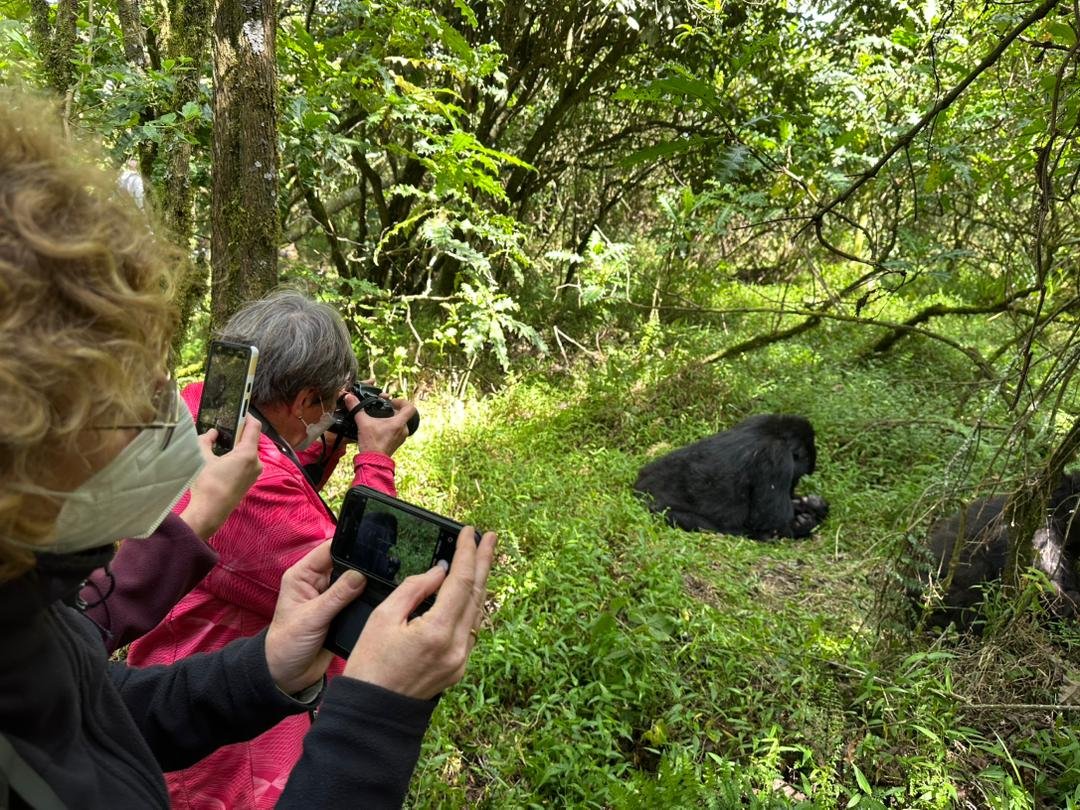
5-Day Uganda Gorilla and Chimpanzee Safari
This itinerary can be combined with a Rwanda extension or a wildlife-focused add-on through Queen Elizabeth National Park — browse our Uganda & Rwanda Safaris and Primate Safaris collections for ideas.
Tour Details →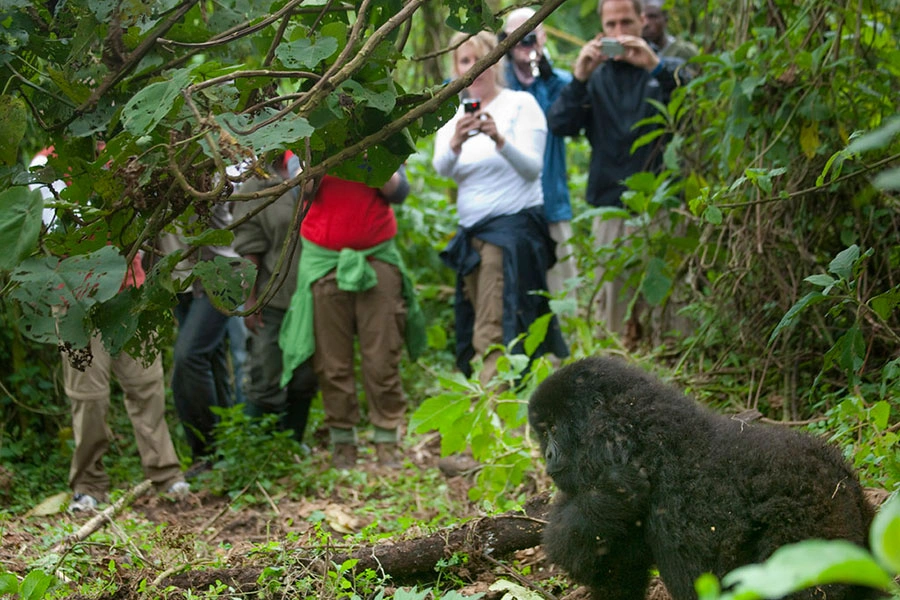
5 Days Rwanda Wildlife and Gorillas
This 5-day itinerary brings together Rwanda’s two flagship wildlife experiences: open savannah game drives and a boat safari in Akagera National Park, followed by a face-to-face encounters
Tour Details →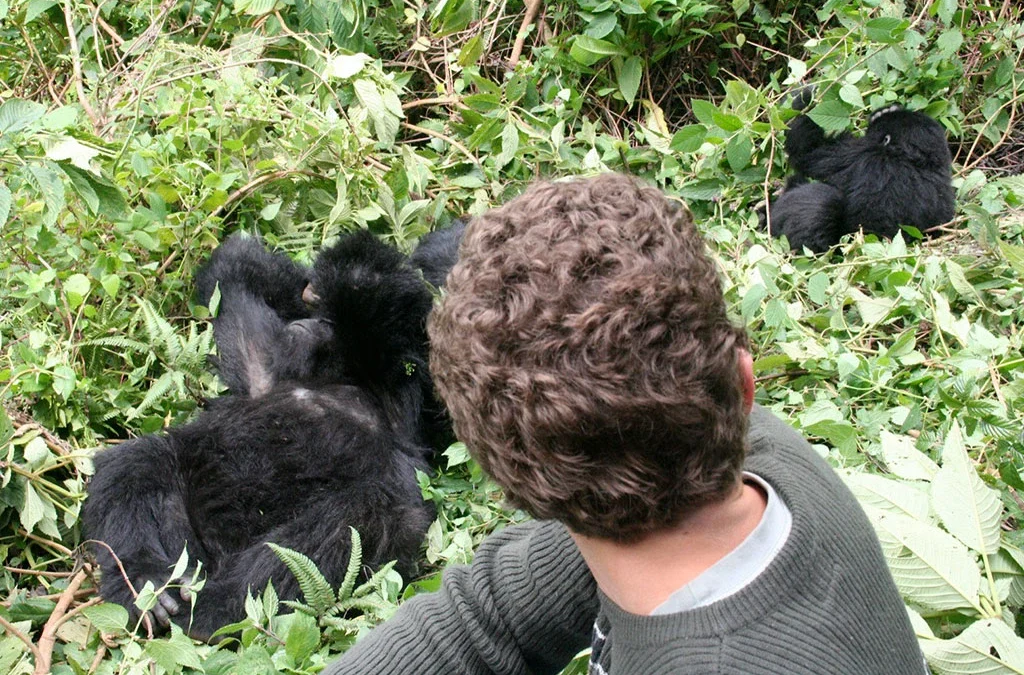
3 Days Uganda Gorilla Safari
For travelers who arrive in Entebbe with a tight schedule and a clear ambition, a 3-day gorilla safari to Bwindi Impenetrable Forest National Park is the most focused and rewarding short trip the country has to offer.
Tour Details →