- LET'S PLAN YOUR SAFARI
- +256 200 921 002
- +256 793 194 703
- info@pickandtransfersafaris.com

Short Gorilla Tour in Rushaga Starting from Kigali
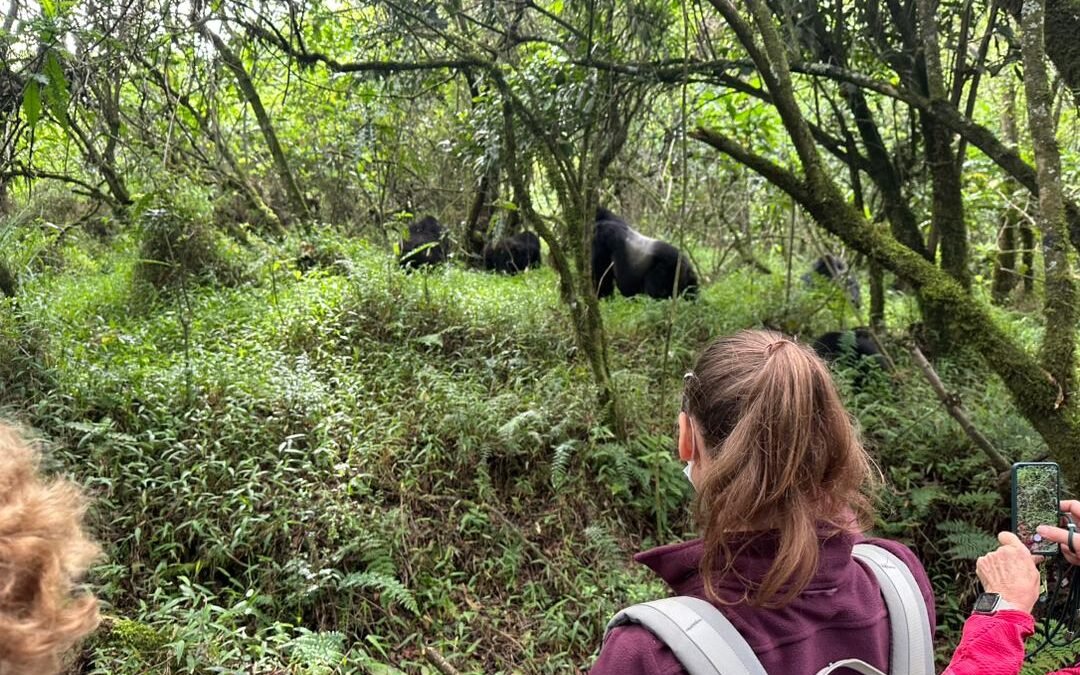
Short Gorilla Tour in Rushaga Starting from Kigali. If you’re flying into Kigali and want to see mountain gorillas without committing to a week-long Uganda circuit, Rushaga is almost certainly the sector you’ll end up trekking in, whether you research it by name or not. It’s the closest Bwindi sector to the Rwanda border, it holds more habituated gorilla families than anywhere else in the park, and it’s the only place in Uganda offering the extended Gorilla Habituation Experience — three separate reasons that quietly make it the default choice for a short, Kigali-based gorilla trip. None of this is widely advertised by name, which means most travelers discover Rushaga only once they start comparing specific itineraries rather than searching for it directly.
This guide covers Rushaga specifically: exactly how far it is from Kigali, what its gorilla families and terrain are actually like, what a genuinely short 1, 2, or 3-day tour looks like in practice, and where it fits against Bwindi’s other three sectors. If you’re comparing options more broadly first, our gorilla safaris overview is a good starting point before narrowing down to a specific sector.
Why Rushaga Is the Sector Most Kigali Travelers End Up Choosing
Three things point most Kigali-based itineraries toward Rushaga specifically, rather than Bwindi’s other sectors. First, geography: Rushaga sits in the far south of Bwindi Impenetrable Forest, closest of all four sectors to the Cyanika border crossing from Rwanda, which makes it reachable in a genuinely short drive rather than the longer haul required to reach Buhoma or Ruhija in the north.
Second, permit availability: Rushaga hosts more habituated gorilla families than any other sector, which means more daily permits and a meaningfully better chance of securing a trekking date on shorter notice. Third, flexibility: because Rushaga offers multiple families across a range of difficulty levels, rangers have more room to match trekkers to a route suited to their fitness, something a single-family sector can’t offer in the same way. Together, these three factors are exactly why itineraries like this 2-day Uganda gorilla tour from Kigali are built around Rushaga rather than a more distant sector.
Where Rushaga Sits Within Bwindi Impenetrable Forest
Bwindi is divided into four trekking sectors — Buhoma in the north, Ruhija in the east, Nkuringo in the southwest, and Rushaga in the south — each with its own park headquarters, its own set of habituated gorilla families, and its own access roads. They’re not simply four gates into the same forest; the drive time, terrain, and even the climate can vary noticeably between them, which is why the sector you’re assigned to matters as much as the park you’re visiting.
Rushaga’s location in the far south, close to both the Rwanda border and neighboring Mgahinga Gorilla National Park, is what makes it functionally Bwindi’s “front door” for anyone arriving from Kigali rather than from Uganda’s own capital, Kampala. Travelers approaching from Entebbe, by contrast, more often end up in Buhoma or Ruhija, since those sectors sit closer to the routes coming in from the north and east of the country.
How Far Is Rushaga From Kigali? Distance and Drive Time
Rushaga sits roughly 200 kilometers from Kigali, and the drive typically takes around four to five hours — noticeably shorter than the eight-to-ten-hour haul required to reach Bwindi’s northern sectors from Kigali, and shorter again than reaching any Bwindi sector from Uganda’s own capital, Kampala. This single fact is really the whole reason Rushaga has become the go-to sector for Kigali-based itineraries.
The route runs through Rwanda’s well-maintained highways to the Cyanika border, then continues on Ugandan roads through Kisoro toward Rushaga’s park headquarters — a mix of smooth tarmac and slower rural roads that together make up the four-to-five-hour figure. For context on how this compares to reaching Bwindi’s other sectors, Kenlink Tours’ breakdown of how many hours you need from Kigali to Bwindi is a useful reference, since drive time varies meaningfully depending on which specific sector you’re headed to.
The Cyanika Border Crossing: Your Route Into Rushaga
Nearly every Rushaga-bound itinerary from Kigali crosses at Cyanika rather than the busier Katuna post further east, simply because Cyanika sits closest to Rushaga and Nkuringo, Bwindi’s two southern sectors. It’s a comparatively quiet border crossing, and for tourists travelling with a licensed operator, formalities are generally routine — passport, visa, and yellow fever certificate checked on both sides, with your driver-guide handling the bulk of the paperwork.
Because the crossing adds only thirty minutes to an hour to the overall journey under normal conditions, it’s rarely the bottleneck in a Rushaga itinerary — the road conditions on the Ugandan side of the border tend to have more impact on total travel time than the border process itself. Kenlink Tours’ overview of cross-border gorilla safaris covers this crossing in more procedural detail if you want to understand exactly what to expect before you travel.
Rushaga’s Gorilla Families: The Largest Number of Any Sector
Rushaga is home to more habituated gorilla families than any other Bwindi sector — commonly cited at seven to nine active families, including well-known groups such as Nshongi, Busingye, Kahungye, Mishaya, Bweza, Rwigi, Bikingi, and Mucunguzi, though exact family counts and names shift periodically as the Uganda Wildlife Authority manages group splits and habituation status. This is the practical reason Rushaga tends to have better last-minute permit availability than Bwindi’s other sectors, particularly useful for a short trip booked with less lead time than a longer, more flexible itinerary.
You won’t choose your specific family when booking — as with every Bwindi sector, assignments happen the morning of your trek based on each family’s location and your fitness level — but the sheer number of options in Rushaga means rangers generally have more flexibility to match trekkers to an appropriately challenging route than in a sector with only one or two families. A short trip like this 3-day Uganda gorilla safari from Rwanda benefits directly from this depth of options, since a tight schedule has less room to absorb an unexpectedly long trek.
It’s worth noting that gorilla families aren’t static entities — groups split as they grow, silverbacks sometimes establish new territories, and the Uganda Wildlife Authority periodically adjusts which families are open to tourism versus reserved for ongoing research. A family list gathered even a year or two ago can be slightly out of date by the time you travel, which is one more reason the specific family you’ll visit isn’t confirmed until the morning briefing rather than at the point of booking.
The Gorilla Habituation Experience: Rushaga’s Exclusive Offering
Rushaga is the only sector in Bwindi — and the only place in Uganda — offering the Gorilla Habituation Experience, a genuinely different activity from standard trekking. Instead of the usual one hour with a fully habituated family in a group of up to eight visitors, the habituation experience gives a smaller group of just four people up to four hours with a gorilla family that’s still in the process of becoming accustomed to human presence, working alongside researchers and trackers rather than simply observing.
This experience is priced at US$1,500 per person, nearly double the standard US$800 permit, reflecting both the extended time and the smaller group size. For a short trip specifically, it’s worth weighing carefully: four hours in the forest is a considerably bigger physical and time commitment than the standard trek, which matters if your Kigali-based itinerary is already tight. Travelers with more time to spare, or a specific interest in gorilla research and behavior beyond a standard sighting, often find it the highlight of a Rushaga trip regardless of the added cost and time.
How Rushaga Compares to Buhoma, Ruhija, and Nkuringo
Buhoma, Bwindi’s original and most established sector, offers generally gentler terrain and the park’s most developed infrastructure, but it’s a considerably longer drive from Kigali than Rushaga, making it a poor fit for a genuinely short Kigali-based trip. Ruhija sits at the highest altitude of the four sectors and is popular with birders, but shares the same long-drive drawback from Kigali. Nkuringo, Rushaga’s southern neighbor, offers dramatic scenery but is widely considered the most physically demanding sector, with steep terrain both into and out of the forest.
Rushaga’s genuine advantage for a Kigali-based short trip isn’t that it’s necessarily the easiest or most scenic sector — it’s that it combines the shortest drive from Kigali with the deepest bench of gorilla families and difficulty levels to choose from. Kenlink Tours’ Rwanda vs Uganda comparison touches on this kind of sector-and-country tradeoff in more depth if you’re still weighing where to focus your trip.
Rushaga vs Mgahinga: Choosing Between the Two Closest Options
Rushaga and Mgahinga Gorilla National Park are often mentioned in the same breath for Kigali-based trips, since both sit close to the Cyanika border and both offer genuinely short drive times compared to the rest of Uganda’s gorilla trekking options. The key difference is depth versus proximity: Mgahinga edges out Rushaga on sheer distance, sitting fractionally closer to the border, but offers only a single habituated gorilla family, while Rushaga trades a slightly longer drive for seven to nine families and considerably deeper permit availability.
For a genuinely tight 1-day trip where every extra kilometer matters, Mgahinga’s marginal proximity advantage often tips the decision, which is part of why 1-day Kigali-start products frequently route there instead of Rushaga. For a 2 or 3-day trip where the drive time difference is largely absorbed into an overnight stay anyway, Rushaga’s much deeper bench of gorilla families and better last-minute availability generally makes it the stronger choice. Kenlink Tours’ Uganda travel essentials guide is a useful reference if you’re weighing this decision alongside other first-trip logistics.
Sample Itinerary: A 2-Day Short Gorilla Tour in Rushaga from Kigali
A 2-day Rushaga trip is the most common short-tour structure, and it looks roughly like this: Day 1, depart Kigali mid-morning, cross at Cyanika, and arrive at your Rushaga-area lodge by early-to-mid afternoon, with time for an optional community walk or simply to rest before an early start the next day. Day 2 begins with breakfast before dawn, a 7:00 a.m. ranger briefing at Rushaga’s park headquarters, the trek itself, and the return drive to Kigali that same evening.
This is essentially the structure behind our own 2-day Uganda gorilla tour from Kigali, priced from roughly US$1,200 per person as a private trip, and it mirrors Kenlink Tours’ comparable 2-day Uganda gorilla safari from Kigali, which lists the US$800 permit separately within its package pricing. Both are worth comparing side by side if you’re deciding between operators for this exact route.
Sample Itinerary: A 3-Day Rushaga Gorilla and Cultural Tour from Kigali
Adding a third day gives genuinely useful breathing room without turning the trip into a major commitment. A typical structure: Day 1 as above, arriving in Rushaga by afternoon; Day 2, the gorilla trek itself, followed by an afternoon Batwa cultural encounter or community visit near the park rather than an immediate return drive; Day 3, an unhurried morning before the drive back to Kigali, arriving with enough daylight to catch an evening flight if needed.
This extra day meaningfully reduces the physical intensity of the trip compared to the tighter 2-day version, since it removes the same-day trek-then-drive combination that can leave travelers exhausted on arrival back in Kigali. Kenlink Tours’ 3-day Bwindi gorilla safari from Kigali follows a similar logic, and it’s worth considering over the 2-day version if your schedule has any flexibility at all.
Is a 1-Day Rushaga Trip From Kigali Realistic?
Technically yes, though it’s a genuinely demanding day rather than a relaxed one. Because Rushaga sits closer to Kigali than Bwindi’s other sectors, a same-day round trip is more feasible here than almost anywhere else in Uganda — but it still means a pre-dawn departure from Kigali, a four-to-five-hour drive each way, and a full trek sandwiched in between, adding up to a 14-to-16-hour day door to door.
Most operators offering a genuine 1-day option, like this 1-day Uganda gorilla safari from Kigali, actually route through neighboring Mgahinga rather than Rushaga itself, since Mgahinga sits marginally closer still to the border and simplifies the tight timing further. A genuine 1-day trip specifically into Rushaga is possible but less commonly offered as a standard product for exactly this reason — worth confirming directly with your operator which park and sector a “1-day” itinerary actually visits before booking.
Where to Stay Near Rushaga
Rushaga’s lodge scene has grown considerably alongside its popularity, spanning genuine budget guesthouses through to high-end forest-edge lodges, generally clustered close enough to the park headquarters that the morning drive to registration is short. Budget and mid-range options put you within a manageable distance of the trailhead without the premium pricing of Bwindi’s more established northern lodges, while a handful of upscale properties offer the kind of forest-edge views and service that justify Bwindi’s reputation as a genuinely special place to stay, not just visit.
For a short 2 or 3-day trip specifically, staying as close to Rushaga’s own park headquarters as practical is worth prioritizing over a more scenic but further-out option, since it minimizes the pre-dawn drive on your one trekking morning. A structured itinerary such as this 3-day Rwanda gorilla tracking and cultural tour, adapted to a Rushaga routing, typically builds lodge selection around exactly this priority.
Most Rushaga-area lodges quote rates on a full-board basis, simplifying your budget since meals are bundled into the nightly rate rather than billed separately. Booking your lodge at the same time as your permit, rather than treating them as separate transactions, is worth doing on a short trip in particular — the best-located, most convenient properties near Rushaga’s park headquarters tend to sell out on the same peak dates permits do, and a late lodge booking can mean a longer pre-dawn drive on your one trekking morning even with a confirmed permit in hand.
Trek Difficulty and Terrain in Rushaga
Rushaga’s terrain is genuinely variable rather than uniformly easy or hard — some of its gorilla families range across gentler, more accessible slopes, while others require a steeper, more demanding climb, and which one you’re assigned to depends on the specific family’s location that morning rather than anything you can control in advance. This variability is actually an advantage for a short trip: because Rushaga has more families than any other sector, rangers have more room to match a less physically demanding route to trekkers who need it, without the sector running out of alternative options.
That said, no Bwindi trek is genuinely easy — expect uneven, often muddy terrain, altitude between roughly 1,900 and 2,600 meters, and a hike that can range from thirty minutes to several hours before you even reach the gorillas. Hiring a porter, a modest fixed fee arranged at the trailhead, is worth doing on a short Rushaga trip specifically, since a difficult trek has an outsized impact on a tightly timed itinerary with little room to recover the next day.
Weather and Best Time to Visit Rushaga
Rushaga’s climate follows the same broad pattern as the rest of Bwindi: two dry seasons, June through September and December through February, offering firmer trails and the most popular travel windows, and two rainy seasons, March through May and October through November, with muddier terrain but noticeably thinner crowds and better last-minute permit odds even in a sector as well-supplied as Rushaga.
Because a short Rushaga trip has little built-in slack, the shoulder seasons are worth genuine consideration rather than automatically defaulting to the busier dry months — a quieter trekking day with fewer other groups moving through the sector’s trailheads can make the whole experience feel considerably less rushed, which matters more on a tight 2-day itinerary than a longer, more relaxed one. Uganda’s low-season permit discount, available in April, May, and November, applies in Rushaga the same as anywhere else in the country, offering a genuine US$200 saving per person if your short trip’s dates happen to align with it.
Golden Monkey Trekking as an Add-On from Rushaga
Travelers who want to add a second primate encounter without leaving the immediate region can pair a Rushaga gorilla trek with golden monkey tracking in neighboring Mgahinga Gorilla National Park, a short additional drive from Rushaga’s own park headquarters. Golden monkey permits are considerably cheaper than gorilla permits and the activity itself is less physically demanding, making it a genuinely feasible add-on even within a tight 3-day itinerary rather than requiring an extra full day.
This combination is also useful for travelling groups with mixed interests or fitness levels — golden monkey tracking has no 15-year minimum age requirement, unlike gorilla trekking, so it’s a practical way to include younger family members in at least one forest activity while others complete the gorilla trek. Kenlink Tours’ cross-border gorilla safari guide touches on this kind of primate-pairing logic if you want to see how it’s typically built into a broader itinerary.
What to Bring for a Short Rushaga Trip
Because a short Rushaga trip compresses everything into one or two intense days, packing efficiently matters more than on a longer, more forgiving itinerary. Waterproof, ankle-supporting hiking boots are the single most important item, followed by long trousers and a long-sleeved shirt to guard against nettles and biting ants, gardening gloves for steep sections, and a light rain jacket regardless of season, since mountain weather changes quickly at this altitude.
Because you may be driving straight from Kigali to the trailhead with only one overnight stop in between, pack your trekking gear somewhere easily accessible rather than buried at the bottom of a bag you won’t fully unpack. A passport, your permit confirmation, drinking water, a light snack, and a camera with flash disabled round out the essentials — porters can carry all of this once hired, so there’s little reason to travel light on trek day itself even on a short trip.
Photography on a Short Rushaga Trek
With only one hour for a standard trek — or up to four for the habituation experience — making the most of your camera time matters more on a short trip where you won’t get a second chance at a different family or a different day’s lighting. A 100–400mm zoom range is generally the most useful given the required 7 to 10-meter viewing distance, and flash photography is strictly prohibited throughout Bwindi, so checking your camera or phone’s settings before you reach the family is worth doing in advance rather than fumbling with menus once the gorillas are in front of you.
Rushaga’s varied terrain means light conditions can shift quickly between open, bamboo-lined slopes and denser forest canopy, so a camera or phone that handles changing light reasonably well without needing constant manual adjustment will serve you better than one requiring careful setup for each shot. Personal, non-commercial photography is covered under your standard permit at no extra cost; anything intended for commercial use requires a separate filming permit arranged well in advance through a direct enquiry with your operator.
Permit Availability: Why Rushaga Is Often Easier to Book
Because Rushaga has more habituated families than any other sector, it generally offers the best last-minute permit availability in Bwindi — a genuine advantage for a short trip planned with less lead time than a longer, more flexible itinerary. This doesn’t mean permits are unlimited; the same 8-per-family daily cap applies here as everywhere else, but with seven to nine families instead of one or two, the total number of available slots on any given day is simply larger.
During the June-to-September and December-to-February peak seasons, booking a few months ahead is still the safer approach even in Rushaga, but travelers planning a genuinely short-notice trip from Kigali — a business trip extension, for example — have meaningfully better odds here than trying to secure a same-week permit in a single-family sector. Kenlink Tours’ Uganda safari packages are worth checking for current availability if your dates are tight.
Extending a Rushaga Trip Toward Queen Elizabeth National Park
For travelers with more than three days who want to add savannah wildlife to their Rushaga gorilla trek, Queen Elizabeth National Park is the natural next stop, reachable via the scenic Ishasha route where tree-climbing lions are a genuine possibility along the way. This extension turns a short, focused Rushaga trip into a more complete Uganda wildlife experience without requiring the longer drives associated with Uganda’s more northern parks.
The Rushaga-to-Queen Elizabeth leg typically adds a half-day of driving, making it a realistic addition to a 4 or 5-day itinerary rather than the tightest 2-day version covered earlier in this guide. A route like this 5-day Uganda gorilla and chimps safari starting from Rwanda, or Kenlink Tours’ 10-day Uganda-Rwanda combining safari at the longer end, shows how this kind of extension is typically sequenced once a short Rushaga base trip starts to grow.
Combining Rushaga With a Rwanda-Side Activity
Because your trip already starts and ends in Kigali, it’s worth considering whether a short Rwanda-side activity fits naturally around your Rushaga trek, particularly on the 3-day version of this itinerary where a spare half-day exists. A short Kigali city tour — the Genocide Memorial, a market visit, or simply a relaxed final morning — is the easiest addition, requiring no extra driving beyond what your trip already includes.
For travelers with a bit more time, adding a Rwanda-side gorilla trek in Volcanoes National Park turns a Uganda-only Rushaga trip into a genuine two-country experience, along lines similar to this 2-day Volcanoes gorilla trek from Kigali or Kenlink Tours’ 5-day Uganda-Rwanda double gorilla safari. This is a bigger commitment than a purely short Rushaga trip, but worth knowing about as a natural next step if the trip grows once you start planning it.
Cost of a Short Rushaga Gorilla Tour From Kigali
A 2-day private Rushaga trip from Kigali typically runs in the region of US$1,200 to US$1,500 per person, covering the gorilla permit, one night of accommodation, private ground transport with a driver-guide, and specified meals — with the permit itself, at US$800, representing the majority of that figure. A 3-day version, adding a second night and the cultural add-on, generally runs modestly higher, in the region of US$1,400 to US$1,800 per person at similar accommodation tiers.
These figures assume private transport; travelling as part of a small group, or finding other travelers to share the vehicle and driver-guide cost with, can meaningfully lower the non-permit portion of this total, particularly for solo travelers absorbing the full private vehicle cost alone. It’s worth asking any operator quoting a Rushaga trip whether a shared or group-rate option exists for your specific dates, since the permit price stays fixed regardless of how you travel, but everything else genuinely scales with group size.
Private vehicle hire is the other major variable worth pricing out directly if you’re comparing quotes. Kenlink Tours’ car hire page gives a sense of standalone vehicle rates, useful for sanity-checking whether a bundled quote’s transport component is reasonable relative to booking it separately. For most first-time visitors, though, the coordination a bundled quote provides — matching your permit date, lodge, and transport into one confirmed itinerary — is worth the modest premium over piecing together each component independently, particularly on a short trip with little room to absorb a scheduling mismatch.
Common Mistakes on a Short Rushaga Trip
The most common mistake on a tightly scheduled Rushaga trip is underestimating drive time and arriving too close to the 7:00 a.m. registration cutoff, leaving no buffer for a slow border crossing or a rough patch of road. Building in at least an hour of slack on the morning of your trek, rather than cutting it exactly to the estimated drive time, is worth doing even on a route as comparatively short as Kigali to Rushaga.
A second mistake is assuming every Rushaga itinerary is interchangeable — some genuinely route through Mgahinga instead for the tightest 1-day options, and confirming exactly which park and sector your specific itinerary visits, rather than assuming from the word “Rushaga” or “Kigali” in a package name, avoids a surprise on arrival. A third is skipping travel insurance on a short, tightly timed trip specifically because it feels too brief to bother — in reality, a short trip has less built-in slack to absorb a delay or illness than a longer one, making insurance arguably more valuable here, not less. A fourth, more subtle mistake is booking flights out of Kigali too close to your return drive from Rushaga, without accounting for the possibility of a longer-than-expected trek or a delayed border crossing eating into your buffer — leaving at least a half-day of slack between your scheduled return and any onward flight is worth the minor inconvenience of an extra night in Kigali. Booking through an established operator who routinely runs this exact route helps avoid most of these pitfalls before they become a problem.
Frequently Asked Questions About Rushaga Gorilla Tours From Kigali
Can I choose Rushaga specifically when I book my permit? You can request a specific sector, including Rushaga, when booking through most operators, and given its larger number of families this request is generally easier to accommodate than requesting a single-family sector — though the specific gorilla family within Rushaga is still assigned the morning of your trek.
Is Rushaga safe for solo female travelers on a short trip? Yes — Rushaga sees regular tourist traffic and is well set up for visitors of all kinds, with the same standard safety practices applying here as anywhere else in the region: travelling with a reputable operator, arranging transport and accommodation in advance, and following normal precautions around valuables.
Does a short trip mean a shorter time with the gorillas? No — the standard one-hour viewing limit applies regardless of trip length; a “short” Rushaga trip refers to your total time in the region, not the trek or gorilla encounter itself, which stays the same length as any other Bwindi trek.
What happens if it rains on my one trekking day? Treks proceed in the rain — Uganda doesn’t cancel or reschedule for weather — so pack waterproof gear accordingly. On a short trip with no buffer day, this is worth planning for specifically, since there’s no spare day to wait out bad weather the way a longer itinerary might allow.
Can I do the Gorilla Habituation Experience on a 2-day trip? Technically yes, since it’s a same-day activity like standard trekking, but the extended four-hour format makes for a genuinely long day when combined with a same-day return drive to Kigali — a 3-day itinerary with an overnight buffer either side is the more comfortable way to fit it in.
Is Rushaga suitable for older travelers or those with limited hiking experience? Yes, more so than most sectors — because Rushaga has the widest range of families and difficulty levels, rangers have the most flexibility of any sector to assign an easier, more accessible route to trekkers who need it, and porters and sedan chairs are readily available for additional support.
Short Gorilla Tour in Rushaga Starting from Kigali
For anyone starting their trip in Kigali and wanting genuine gorilla trekking without committing to a full Uganda circuit, Rushaga is very often the right answer almost by default — the shortest drive, the deepest bench of gorilla families, and the only place in the country offering the extended habituation experience, all combined in one sector. A 2 or 3-day trip built around it delivers a complete, unrushed gorilla trekking experience without the logistics of a longer Uganda itinerary.
It also rewards a bit of flexibility: travelers willing to add even one extra day gain meaningful breathing room, whether that means a cultural stop, a gentler pace before the drive back to Kigali, or the option to extend toward Queen Elizabeth or a Rwanda-side trek without feeling rushed at any point along the way.
If you’d like a Rushaga itinerary built around your specific dates, group size, and pace, browse our full range of Uganda safari packages and longer itineraries if you decide to extend, or get in touch and we’ll confirm current Rushaga permit availability for your travel window.
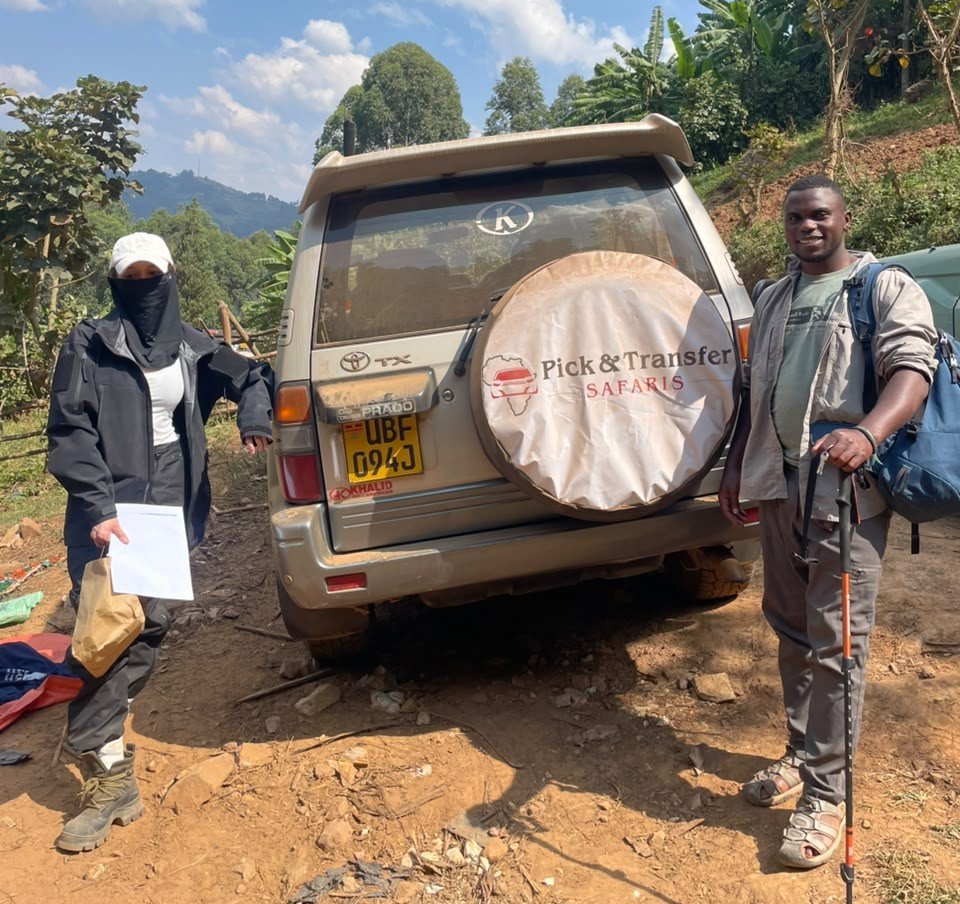
7 Days Uganda Safari – One week tour
This 7-day itinerary is the classic one-week introduction to Uganda, covering the country’s three most iconic wildlife experiences: chimpanzee tracking in Kibale Forest National Park, Big Five game drives and a boat cruise in Queen
Tour Details →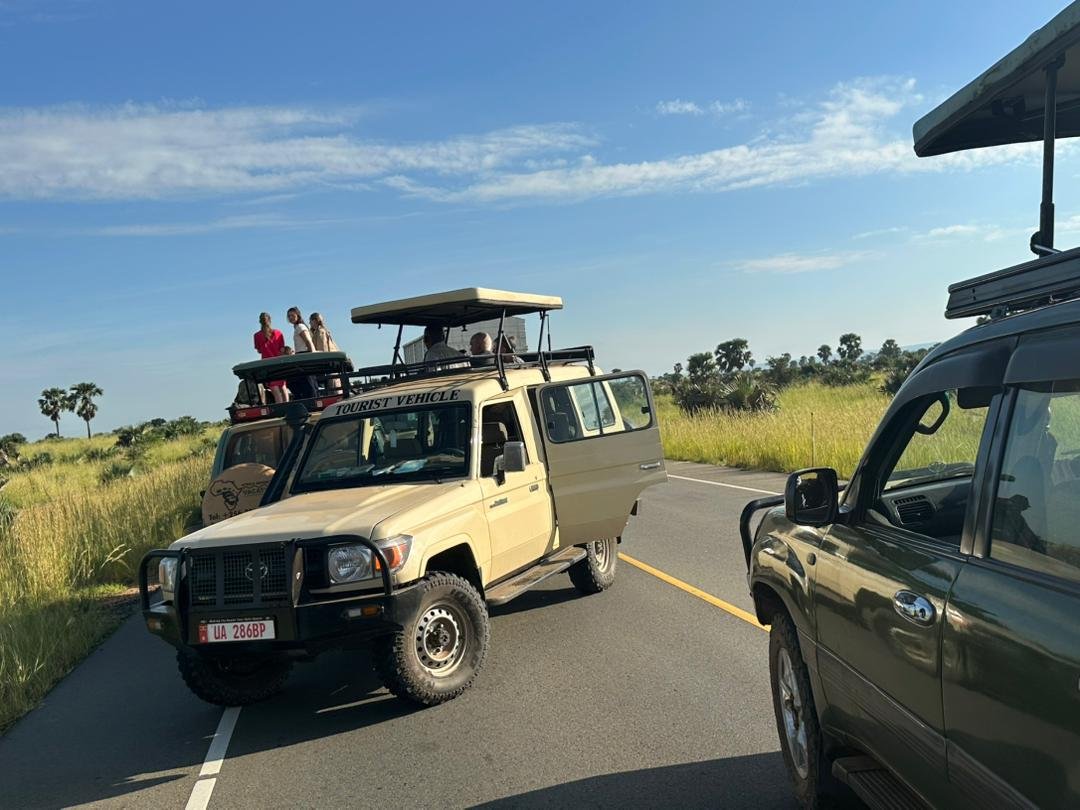
10 Days Uganda Primates and Wildlife
This 10-day Uganda Grand Safari is the most complete Uganda itinerary we offer at Pick and Transfer Safaris. It begins with a scenic northward drive from Entebbe to the vast open plains of Murchison
Tour Details →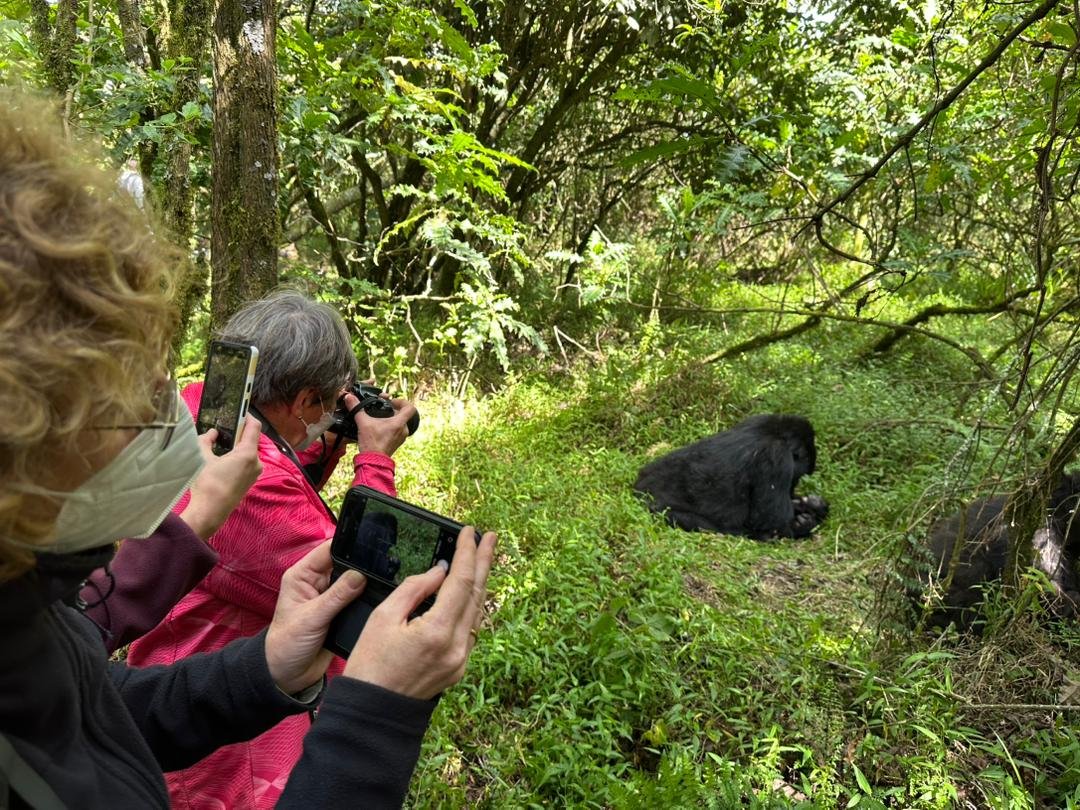
2 Days Uganda Gorilla Tour Starting from Kigali
This is the gentler cousin of our 1-Day Uganda Gorilla Safari Starting from Kigali — same idea, twice the breathing room. Instead of squeezing a 3,000-metre forest trek and two border crossings into a single very long day
Tour Details →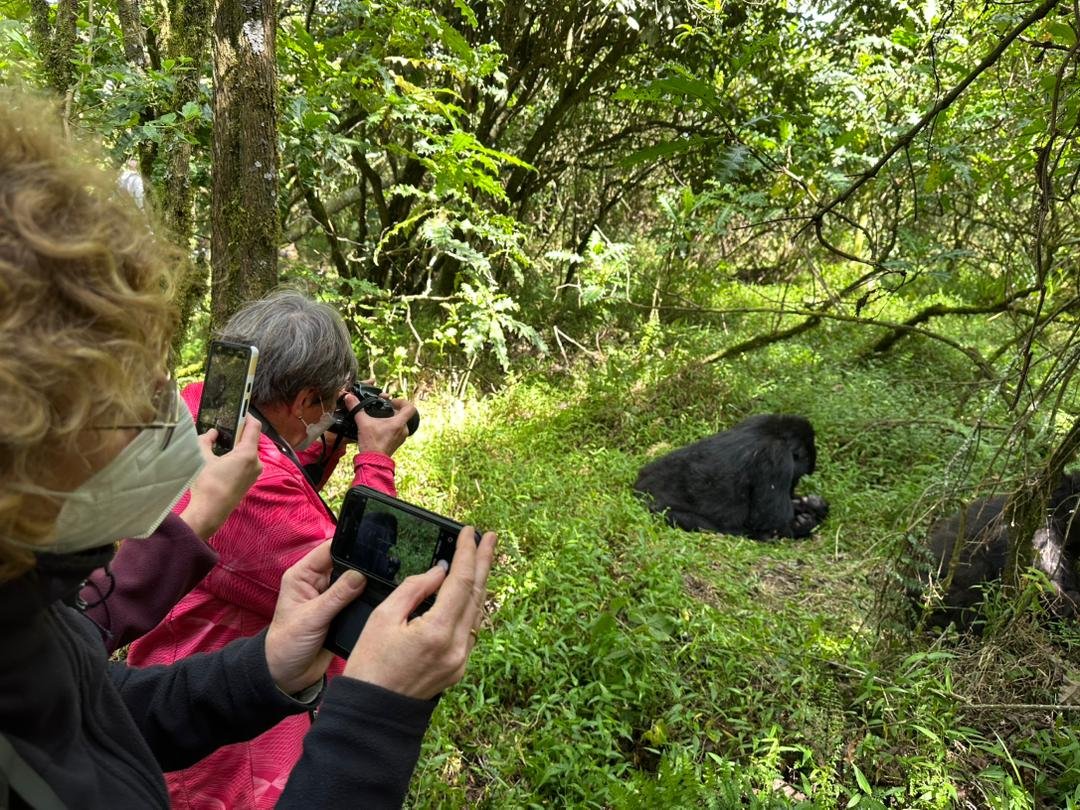
5-Day Uganda Gorilla and Chimpanzee Safari
This itinerary can be combined with a Rwanda extension or a wildlife-focused add-on through Queen Elizabeth National Park — browse our Uganda & Rwanda Safaris and Primate Safaris collections for ideas.
Tour Details →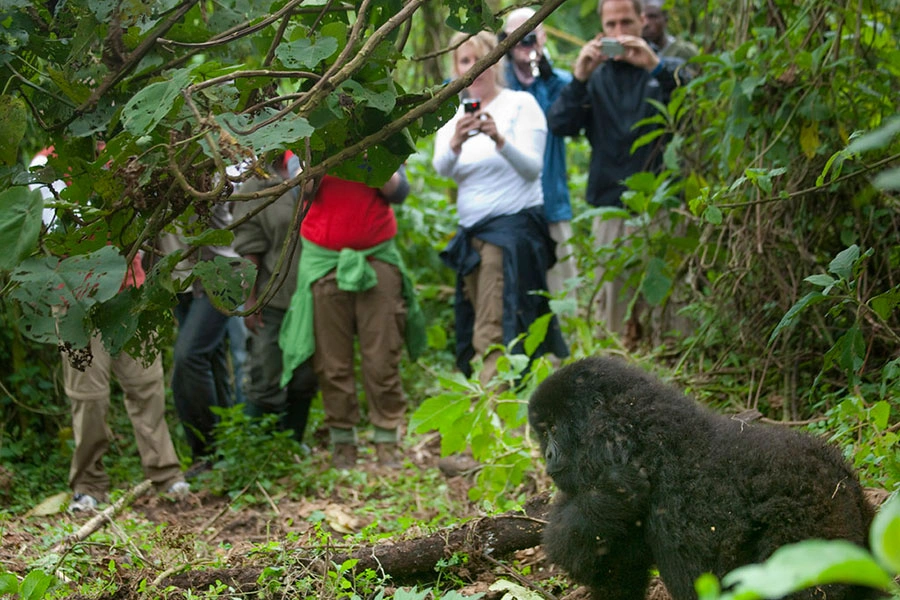
5 Days Rwanda Wildlife and Gorillas
This 5-day itinerary brings together Rwanda’s two flagship wildlife experiences: open savannah game drives and a boat safari in Akagera National Park, followed by a face-to-face encounters
Tour Details →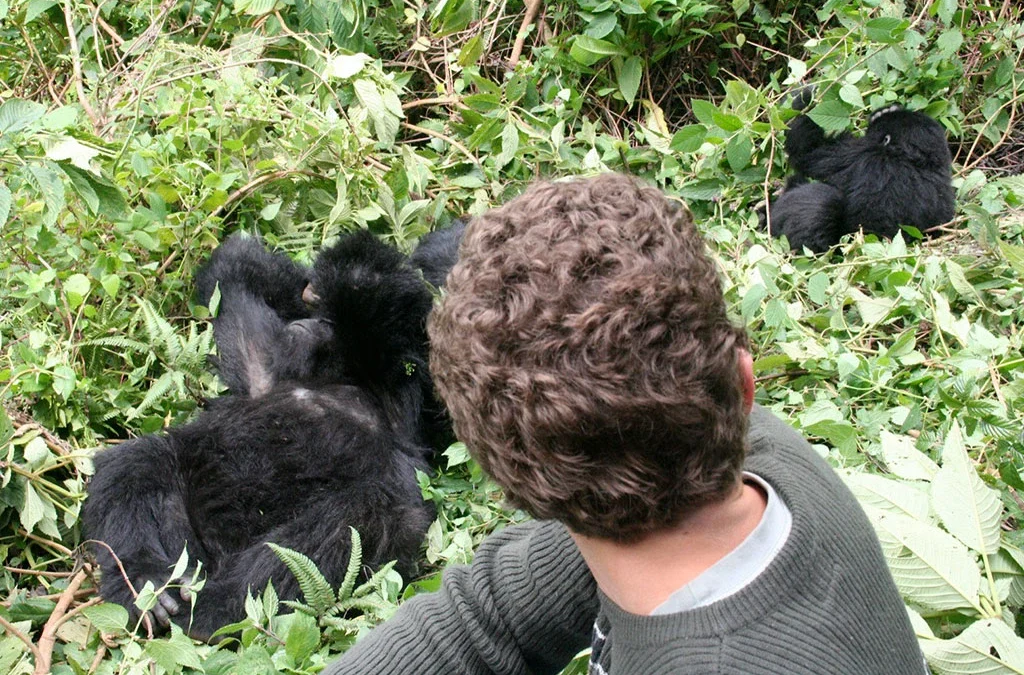
3 Days Uganda Gorilla Safari
For travelers who arrive in Entebbe with a tight schedule and a clear ambition, a 3-day gorilla safari to Bwindi Impenetrable Forest National Park is the most focused and rewarding short trip the country has to offer.
Tour Details →