- LET'S PLAN YOUR SAFARI
- +256 200 921 002
- +256 793 194 703
- info@pickandtransfersafaris.com

Private Transfers from Kigali to Bwindi
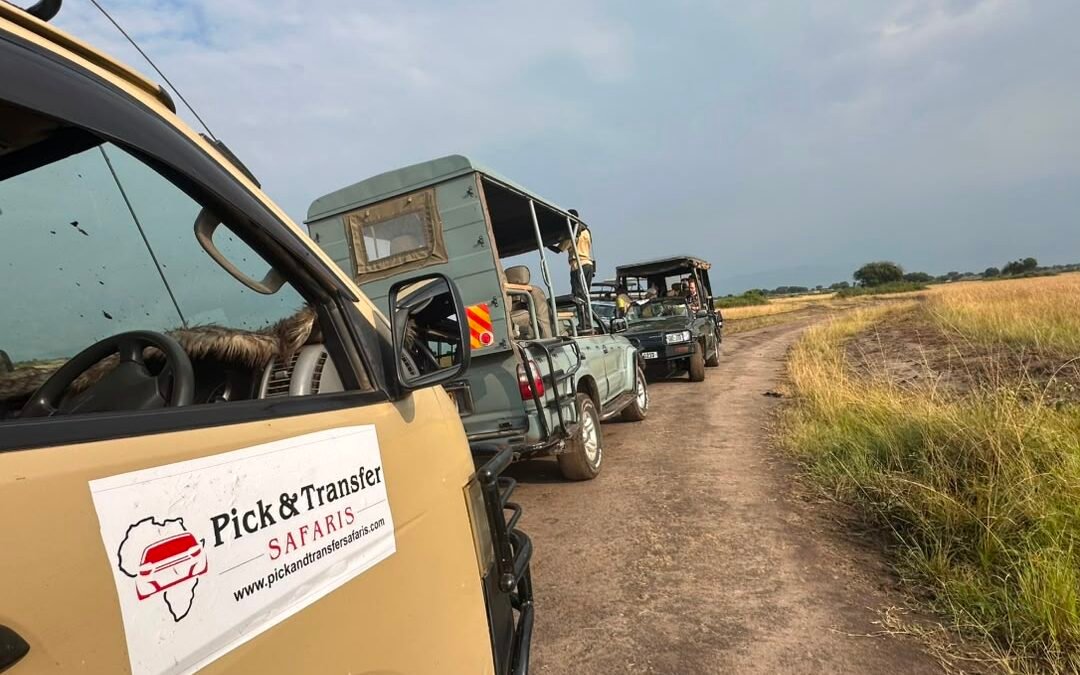
Private Transfers from Kigali to Bwindi. Every week, travellers land at Kigali International Airport with one goal in mind: to stand a few metres from a family of wild mountain gorillas in Uganda’s Bwindi Impenetrable National Park. Kigali has become the favourite gateway for this journey because it sits far closer to Bwindi’s southern trekking sectors than Uganda’s own international airport at Entebbe. The only piece of the puzzle left to solve is the drive itself, and that is where private transfers from Kigali to Bwindi come in.
A private transfer means a dedicated vehicle and a professional driver who collects you in Kigali, takes you across the Rwanda–Uganda border, and delivers you to your lodge or trekking headquarters in Bwindi without shared stops, fixed bus schedules or confusing connections. This guide, written by the transfer team at Pick and Transfer Safaris, explains how these transfers work, how long they take to each sector, which border post you will use, what vehicles to expect, what affects the price, and how to plan the journey so you arrive rested and on time for your gorilla briefing.
Whether you need a simple one-way drop at your lodge, a return trip after your trek, or a full multi-day transfer package combining Rwanda and Uganda, you will find everything you need to plan with confidence below.
Why Kigali Is the Smartest Starting Point for Bwindi
For years, most gorilla trekkers in Uganda flew into Entebbe and faced a road journey of eight to ten hours to reach Bwindi. Today, a growing number of travellers fly into Kigali instead. The reason is simple geography: Bwindi’s southern sectors of Rushaga and Nkuringo lie just over the border from Rwanda, and the drive from Kigali typically takes around four to five hours. That saves almost a full day of travel in each direction.
There is also a cost advantage. A Uganda gorilla trekking permit costs $800 per person for foreign non-residents, compared with $1,500 for a permit in Rwanda’s Volcanoes National Park. Many visitors therefore choose to fly into Rwanda’s modern, efficient airport, enjoy Kigali’s clean streets and excellent hotels, and then transfer by road to trek gorillas in Uganda at a lower permit cost. Kenlink Tours compares the two gateways in detail in its guide to travel time and cost from Kigali vs Kampala to Bwindi or Mgahinga.
Kigali also works beautifully for travellers combining both countries. You can trek in Uganda, return to Rwanda for golden monkeys or a city tour, and fly home from the same airport. Or, if you prefer to finish in Uganda, our article on whether you can begin your tour at Kigali Airport and end in Entebbe Airport explains how to route a one-way journey across both countries.
What Exactly Is a Private Transfer from Kigali to Bwindi?
A private transfer is a door-to-door road journey in a vehicle reserved exclusively for you and your travel companions. Unlike shared shuttles or public buses, the vehicle leaves when you are ready, stops when you want to stop, and goes directly to your chosen destination, whether that is a lodge in Rushaga, a guesthouse in Kisoro, or the park headquarters in Buhoma.
A typical private transfer from Kigali to Bwindi includes:
- Pickup from Kigali International Airport or your Kigali hotel at an agreed time.
- A comfortable 4×4 vehicle suited to Uganda’s mountain roads.
- An English-speaking professional driver who knows the route, the border procedures and the Bwindi trailheads.
- Assistance at the Rwanda–Uganda border crossing.
- Bottled drinking water and planned comfort stops along the way.
- Drop-off at your lodge or trekking sector in Bwindi.
Many travellers also book the return leg, so the same driver can collect them after the trek and bring them back to Kigali or on to their next destination. For a broader picture of what transfer providers offer on this route, Kenlink Tours has a helpful overview of transfers from Kigali to Uganda.
Why Choose a Private Transfer Instead of Public Transport?
It is technically possible to travel from Kigali towards Bwindi using buses and shared taxis, but it is rarely practical for gorilla trekkers. Public buses run to towns such as Kabale and Kisoro, after which you must find onward transport on steep rural roads to the lodges, which are often far from any bus stop. Schedules can change, connections can be missed, and carrying luggage through several changes is tiring.
A private transfer removes those risks. When you have paid for a gorilla permit that is valid for one specific date and one specific sector, arriving late is not an option. Trekkers usually report for a morning briefing around 7:30 a.m., and permits are generally non-refundable. A private driver who knows exactly where your trailhead is and how long the final climb takes is the safest way to protect that investment.
Private transfers are also far more comfortable. You can stop for photographs of Rwanda’s terraced hills, pick up snacks, change money or buy a local SIM card, and arrive at your lodge relaxed rather than exhausted. For families, older travellers and photographers carrying heavy equipment, the difference is enormous.
Bwindi’s Trekking Sectors and How Far They Are from Kigali
Bwindi is divided into four trekking sectors, and the sector printed on your permit decides how long your transfer will take. Always share your permit sector with your transfer company before confirming times.
Rushaga: Located in the south of the park, Rushaga is one of the closest sectors to Kigali and has the largest number of habituated gorilla families. It is also where the Gorilla Habituation Experience takes place. Transfers from Kigali usually take around four to five hours, depending on the border post and road conditions.
Nkuringo: In the southwest, Nkuringo is reached via Kisoro and offers spectacular views of the Virunga volcanoes. Journey times from Kigali are similar to Rushaga, though the final section includes steep switchbacks that require an experienced driver.
Ruhija: In the east, Ruhija sits at high altitude and is usually approached from Kabale. Transfers from Kigali take longer than to the southern sectors, and the climb can be slow after rain.
Buhoma: In the north, Buhoma is the oldest and most developed trekking sector. It is the furthest from Kigali by road, so many travellers break the journey or allow a full day of driving to reach it.
Because travel times between sectors can be long, never assume you can switch sectors on the morning of your trek. Kenlink Tours explains realistic timings in its guide on how many hours you need from Kigali to Bwindi National Park, and its article on how far Bwindi is from Kigali breaks the distance down by route.
The Two Main Routes: Gatuna/Katuna and Cyanika
There are two border crossings commonly used for private transfers from Kigali to Bwindi, and your driver will choose the best one for your sector and lodge.
Gatuna/Katuna border: This crossing lies north of Kigali on the main road towards Kabale in Uganda. It is the classic route for Ruhija and is also used for Rushaga via Kabale and Lake Bunyonyi. Travellers on this route can easily add a stop at Lake Bunyonyi, one of Uganda’s most beautiful lakes.
Cyanika border: This crossing is reached by driving northwest from Kigali through Musanze, the gateway town for Volcanoes National Park, before crossing into Uganda near Kisoro. It is the natural route for Nkuringo, Rushaga and Mgahinga Gorilla National Park. The drive from Kigali to Musanze is on good tarmac, with sweeping views of the Virunga volcanoes as you approach the border.
Both border posts handle large numbers of safari travellers and the procedures are well established. An experienced private driver knows what officials expect, how to park, which counters to visit and how long processing typically takes, which keeps your transfer moving smoothly.
A Step-by-Step Look at a Typical Kigali to Bwindi Transfer
To help you picture the day, here is how a standard private transfer from Kigali to the southern sectors of Bwindi usually unfolds.
Morning pickup: Your driver meets you at Kigali International Airport holding a sign with your name, or collects you from your hotel lobby. After loading luggage, there is a short briefing on the route, timings and planned stops.
Through Rwanda’s hills: The first part of the journey follows smooth tarmac through Rwanda’s famous terraced countryside. Many travellers stop for coffee or a quick photograph along the way.
The border: At the border, you exit Rwanda and enter Uganda on foot through the immigration offices while the vehicle completes its own formalities. Your driver guides you through each step. Once cleared, you rejoin the vehicle on the Ugandan side, where traffic switches from driving on the right to driving on the left.
Into the mountains: After the border, the roads climb into southwestern Uganda’s highlands. The final approach to Bwindi’s lodges is often on unpaved murram roads with steep gradients, which is why a capable 4×4 and an experienced driver matter so much.
Arrival: You arrive at your lodge in the afternoon, with time to settle in, enjoy the view across the forest and get an early night before your trek. Your driver confirms the pickup time for the morning briefing.
Can You Transfer from Kigali and Trek Gorillas on the Same Day?
Yes, it is possible, but it requires a very early start. Same-day gorilla trips from Kigali typically leave in the small hours, around 2:00 to 3:00 a.m., to reach Rushaga or Nkuringo in time for the morning briefing. After trekking and lunch, the vehicle drives straight back to Kigali, arriving in the evening.
This option suits travellers with very limited time or those already staying in Kigali on business. It is offered on our 1 Day Uganda Gorilla Safari Starting from Kigali. However, most travellers find it more enjoyable to spend at least one night near the park, which allows for a relaxed arrival, a good night’s sleep and a buffer against delays at the border. Our 2 Days Uganda Gorilla Tour Starting from Kigali and the 3 Days Uganda Gorilla Safari from Rwanda are built around exactly that more comfortable pace.
Vehicles Used for Private Transfers from Kigali to Bwindi
The vehicle you travel in has a major influence on comfort and safety. The roads to Bwindi are steep and unpaved in places, so reputable transfer companies use 4×4 vehicles with strong suspension and good ground clearance. Common options include:
- Toyota Land Cruiser Prado: Ideal for one to three passengers. Comfortable, powerful and reliable on mountain roads.
- Extended safari Land Cruiser: Seats up to six or seven passengers with window seats for everyone and a pop-up roof for wildlife viewing if your trip continues to a savannah park.
- 4×4 safari van: A practical option for groups with more luggage, provided it is a genuine four-wheel-drive model.
- Executive SUVs: For travellers seeking extra comfort on the Rwandan leg and lodge-to-lodge travel.
Before booking, ask about the age of the vehicle, whether it has working air conditioning, seat belts for every passenger, charging points, and enough boot space for your bags. A good company will send photos of the actual vehicle on request.
How Much Do Private Transfers from Kigali to Bwindi Cost?
Private transfer prices are normally quoted per vehicle rather than per person, which makes them excellent value for couples, families and small groups who share the cost. The final price depends on several factors:
- Your destination sector: Rushaga and Nkuringo are generally the most affordable from Kigali, while Ruhija and especially Buhoma cost more because of the longer distance.
- One-way or return: A return transfer with the driver staying overnight near the park is usually better value than booking two separate one-way trips.
- Vehicle type: Larger vehicles and premium models cost more.
- Waiting time: If the driver waits while you trek and then returns you the same day, the price reflects the longer working day.
- Driver accommodation and meals: Multi-day transfers include the driver’s overnight costs.
- Cross-border costs: Vehicle permits and insurance for travel between Rwanda and Uganda.
- Season: Peak months can see higher demand and slightly higher rates.
Always request a written, all-inclusive quote that lists fuel, driver costs, border fees and water so you can compare providers fairly. To compare how different operators package this route, see Kenlink Tours’ list of companies that do transfers from Rwanda to Bwindi, Uganda. For a tailored price on your dates and sector, you can contact Pick and Transfer Safaris for a free quote.
Visas and Border Documents for Your Transfer
Crossing between Rwanda and Uganda is straightforward when your documents are in order. You will need a passport valid for at least six months with blank pages, and the correct visas for both countries. Many travellers choose the East Africa Tourist Visa, which allows multiple entries between Uganda, Rwanda and Kenya and is ideal for a Kigali-to-Bwindi round trip. Always check the latest requirements with official government sources before you travel, because entry rules can change.
Carry printed and digital copies of your visa approval, your gorilla permit confirmation, your lodge booking and any health documents required for entry, such as proof of yellow fever vaccination. Your transfer company handles the vehicle paperwork, including registration and cross-border insurance. For a detailed explanation of entry procedures, Kenlink Tours publishes a useful visa and border crossing guide for Uganda and Rwanda.
Matching Your Transfer to Your Gorilla Permit
Your gorilla permit is issued for a specific date and sector by the Uganda Wildlife Authority, and permits for popular dates sell out months in advance, especially from June to September and December to February. The golden rule is to secure the permit first, then book the lodge closest to your sector, and finally arrange your private transfer around those two fixed points.
A good transfer company will check all three details together. It will ask for your permit sector, your lodge name and your arrival flight time, then recommend a departure time that gets you to the lodge before dark. If you would prefer one company to arrange permits, lodges and transport together, our packages handle all three, and Kenlink Tours explains the same joined-up approach in its guide to a Uganda gorilla safari starting from Kigali, Rwanda.
Best Time of Year for Kigali to Bwindi Transfers
Private transfers run all year, but the season affects journey times. During the drier months of June to August and December to February, roads are firmer and travel times are more predictable. These months are also the busiest for gorilla trekking, so book transfers well ahead.
During the wetter months of March to May and October to November, the unpaved roads near Bwindi can become muddy and slippery, particularly on the climbs to Nkuringo and Ruhija. Journeys may take longer, so drivers build in extra time. The rainy season does bring benefits, including fewer visitors, greener landscapes and sometimes lower lodge rates. Whatever the month, plan to arrive near your sector the day before your trek.
Where to Stay When Transferring from Kigali
Where you sleep the night before trekking is just as important as the transfer itself. Staying in a lodge close to your trailhead means a short, stress-free morning drive. Each Bwindi sector offers options from budget community camps to luxury forest lodges.
Some travellers heading to Rushaga, Nkuringo or Mgahinga prefer to stay in Kisoro, a lively town just over the Cyanika border with good hotels and quick access to the trailheads. Our guide to Ikoro Hotel in Kisoro explains how the town works as a base for travellers arriving from Kigali, including how short the morning drive is compared with a same-day start. On the return journey, Lake Bunyonyi offers a peaceful overnight stop with beautiful island views.
Flying Instead of Driving: Is It Worth It?
Some travellers wonder whether they can fly from Kigali to Bwindi. There are no scheduled direct flights from Kigali to Bwindi’s airstrips. Domestic flights in Uganda connect Entebbe with Kisoro and Kihihi airstrips, which serve Bwindi’s southern and northern sectors respectively. If you want to learn more about the northern option, Kenlink Tours has a guide to Kihihi Airstrip, which is commonly used for fly-in trips to Buhoma.
For travellers starting in Kigali, the road journey is usually faster and more cost-effective than flying to Entebbe and then taking a domestic flight. A private transfer also lets you see the stunning scenery of both countries, which many visitors count among the highlights of their trip.
Combining Your Transfer with Other Destinations
A private transfer does not have to be a simple A-to-B journey. Many travellers extend their trip to see more of Uganda and Rwanda while they have a dedicated vehicle and driver. Popular combinations include:
- Lake Bunyonyi: A restful stop of islands, canoe rides and terraced hills, perfect after trekking.
- Mgahinga Gorilla National Park: Golden monkey tracking and volcano hikes, close to Kisoro and the Cyanika border.
- Queen Elizabeth National Park: Game drives, boat cruises on the Kazinga Channel and the tree-climbing lions of Ishasha. Our 3 Days Safari to Queen Elizabeth National Park pairs well with a Bwindi trek.
- Kibale Forest: Chimpanzee tracking, as on our 5 Days Uganda Gorilla and Chimps Safari starting from Rwanda.
- Volcanoes National Park, Rwanda: Golden monkeys, Dian Fossey’s research site and Rwandan culture, as featured on our 3 Days Rwanda Gorilla Tracking and Cultural Tour.
For more ideas on how to use extra days, read our guide to what to do after your gorilla tour in Bwindi. Kenlink Tours also showcases combined itineraries on its Uganda Rwanda gorilla safaris page.
Sample Transfer Plans from Kigali to Bwindi
These plans show how private transfers fit into different trip lengths.
Express one-day trip: Very early departure from Kigali, gorilla trek in Rushaga or Nkuringo, lunch, and return to Kigali in the evening. Best for travellers with no spare days.
Two days: Day one, morning pickup in Kigali and transfer to a lodge near your sector. Day two, gorilla trek and afternoon return to Kigali. This is the most popular short option.
Three days: Transfer on day one, trek on day two with time for a community walk, and a relaxed return on day three via Lake Bunyonyi or Kisoro.
One-way to Entebbe: Transfer from Kigali to Bwindi, trek, then continue north through Queen Elizabeth and on to Entebbe for your international flight, avoiding any backtracking. Our 10 Days Uganda Rwanda Safari follows this kind of flowing cross-border route.
Kenlink Tours also runs an eight-day tour from Kigali covering Bwindi, Queen Elizabeth, Kibale and Bunyonyi that shows how a Kigali start can unlock the whole of western Uganda.
Meet and Greet at Kigali International Airport
For many travellers, the private transfer begins the moment they walk out of the arrivals hall at Kigali International Airport. A professional meet and greet service makes that first moment in a new country calm and simple. Your driver tracks your flight, adjusts to any delays, and waits in the arrivals area holding a clearly printed sign with your name.
Once you meet, your driver helps with luggage and can assist with practical errands before you leave Kigali. Popular stops include withdrawing cash at an airport ATM, exchanging money, and buying a local SIM card so you can stay connected during the trip. If your flight lands in the afternoon or evening, the best plan is usually to spend a night in a Kigali hotel and begin the drive to Bwindi early the next morning. That way the mountain section of the journey takes place in daylight and you arrive at your lodge rested.
Kigali itself rewards an extra half day. Many travellers use the time to visit the Kigali Genocide Memorial, explore local craft markets, or enjoy Rwanda’s excellent coffee before heading west. A flexible private transfer company can build these stops into your pickup at no great extra effort, turning the airport run into the first chapter of your safari.
Transfers for Families, Seniors and Travellers with Limited Mobility
Private transfers are especially valuable for travellers who need extra comfort or flexibility. Families with young children appreciate being able to stop whenever needed, keep snacks and activities within reach, and travel at a pace that suits the children. Be aware that the minimum age for gorilla trekking in Uganda is 15 years, so families with younger children often plan alternative activities, such as community walks or time at Lake Bunyonyi, while older members trek.
Older travellers and those with limited mobility benefit from a vehicle with comfortable seats, easy entry and plenty of legroom. Let your transfer company know in advance if anyone needs extra support, a particular seat, or more frequent breaks. Some lodges in Bwindi sit on steep slopes with many steps, so it is worth choosing accommodation with easier access. On trekking day, porters can be hired at the trailhead to carry bags and offer a steadying hand, and in some sectors a sedan chair carried by a team of porters is available for visitors who cannot walk long distances. Your driver can help you arrange these services when you arrive at the briefing point.
Getting Ready for Trekking Day After Your Transfer
Arriving the day before your trek gives you time to prepare properly. Use the evening at your lodge to lay out everything you will need, so the morning runs smoothly when your driver collects you for the briefing.
- Waterproof hiking boots with good grip for steep, muddy forest trails.
- Long trousers and long-sleeved shirts to protect against nettles, thorns and insects.
- Gardening gloves for gripping vegetation on steep sections.
- A rain jacket, since showers can arrive suddenly in any season.
- A small daypack with drinking water, snacks and a packed lunch from your lodge.
- Your passport and gorilla permit, which rangers check at the briefing.
- A camera with a spare battery, keeping in mind that flash photography is not allowed near the gorillas.
Ask your lodge to prepare an early breakfast and a packed lunch, and confirm the departure time with your driver the evening before. Treks can last anywhere from a couple of hours to most of the day depending on where the gorilla family is found, so a good night’s sleep after your transfer is the best preparation of all.
Tips for a Smooth Private Transfer
- Share your flight details so your driver can track delays and adjust the pickup time.
- Confirm your permit sector and lodge name in writing before the day of travel.
- Exchange a little money into Uganda shillings or carry small US dollar notes for snacks and tips.
- Keep your passport, visa and permit in your hand luggage for easy access at the border.
- Pack layers. Bwindi’s altitude makes mornings and evenings cool, even in the dry season.
- Bring motion sickness tablets if you are sensitive to winding roads.
- Charge your phone and camera before setting off; charging points can be limited at some lodges.
- Avoid planning arrivals after dark, since mountain roads are best driven in daylight.
Safety on the Kigali to Bwindi Route
The route between Kigali and Bwindi is well travelled by tourists and safari vehicles, and with a professional driver it is considered safe. The main risks are related to road conditions rather than security: steep gradients, narrow bends, livestock on the road and slippery surfaces after rain. That is why driver experience and vehicle maintenance are the two most important things to check when booking.
Choose a company whose vehicles are regularly serviced, carry spare tyres and first aid kits, and are covered by insurance valid in both Rwanda and Uganda. Ask what happens in the event of a breakdown and whether a replacement vehicle can be sent. Travel insurance that includes medical evacuation is also strongly recommended for gorilla trekking trips.
How to Choose a Reliable Transfer Company
With many operators offering Kigali to Bwindi transfers, use this checklist to pick a trustworthy provider:
- Experience on the route: Does the company drive to all four Bwindi sectors regularly?
- Cross-border licensing: Can its vehicles legally operate in both Rwanda and Uganda?
- Transparent pricing: Is the quote all-inclusive and in writing?
- Vehicle quality: Are the vehicles genuine 4x4s in good condition?
- Communication: Does the company respond quickly and offer 24/7 contact during your trip?
- Reviews: What do recent travellers say about punctuality and professionalism?
- Flexibility: Can the company adapt if your flight is delayed or plans change?
Beware of unusually cheap offers, which may mean old vehicles, uninsured drivers or hidden extra charges. If a provider cannot confirm the vehicle, the driver’s experience or the inclusions in writing, look elsewhere.
Group and Budget Transfer Options
Because private transfers are priced per vehicle, travelling as a group is the easiest way to reduce the cost per person. Four friends sharing one Land Cruiser pay a fraction of what a solo traveller pays for the same journey. Solo travellers can save by joining a scheduled group departure rather than booking a private vehicle. Kenlink Tours runs scheduled group tours in Uganda that include shared transport, accommodation and permits.
Other ways to save include booking a return transfer instead of two one-way trips, choosing Rushaga or Nkuringo rather than Buhoma when you book your permit, and travelling in the low season. Bundling your transfer into a full package with lodges and permits can also offer better overall value.
Why Book Your Kigali to Bwindi Transfer with Pick and Transfer Safaris
At Pick and Transfer Safaris, Kigali to Bwindi transfers are our speciality. Our name reflects what we do best: we pick you up and transfer you safely across borders and into the heart of gorilla country. Our drivers make the journey between Kigali and every Bwindi sector regularly, they know both border posts well, and they understand how to time the drive so you arrive at your lodge comfortably before dark.
We offer airport pickups at Kigali International Airport, hotel collections anywhere in Kigali, one-way and return transfers, same-day gorilla trips, and multi-day packages that combine transport, lodges and gorilla permits. Our popular short gorilla safaris starting from Kigali are designed for travellers who want maximum gorilla time with minimum road time.
For travellers with more time, we run longer journeys such as the 7 Days Uganda Safari – One Week Tour and the 14-Day Uganda Primates and Safari Adventure. You can explore all the parks we serve on our destinations page, or browse classic Uganda options such as our 3 Days Uganda Gorilla Safari and 5-Day Uganda Gorilla and Chimpanzee Safari.
Frequently Asked Questions About Private Transfers from Kigali to Bwindi
How long does a private transfer from Kigali to Bwindi take?
To the southern sectors of Rushaga and Nkuringo, most transfers take around four to five hours including the border crossing. Ruhija takes longer, and Buhoma is the furthest sector from Kigali.
Which border crossing is used for Kigali to Bwindi transfers?
The two main crossings are Gatuna/Katuna, used for routes via Kabale and Lake Bunyonyi, and Cyanika, used for routes via Musanze and Kisoro. Your driver chooses the best one for your sector.
Can I be picked up directly at Kigali International Airport?
Yes. Private transfers can begin at the airport, with your driver waiting in arrivals with a name sign. If your flight lands late, it is usually best to spend the night in Kigali and depart the next morning.
Do I need a visa for both Rwanda and Uganda?
Yes, unless your nationality is exempt. Many travellers use the East Africa Tourist Visa, which covers both countries and Kenya on multiple entries. Check official sources for the latest rules before travel.
Is it safe to travel by road from Kigali to Bwindi?
Yes. The route is popular with tourists, and with a professional driver in a well-maintained 4×4 it is considered safe. The main challenges are mountain roads and weather, not security.
Can the driver wait for me while I trek?
Yes. On return or multi-day transfers, your driver takes you to the briefing point, waits while you trek, and then drives you back to your lodge or onward destination.
Is a private transfer expensive?
Private transfers are priced per vehicle, so the cost per person falls significantly for couples and groups. Ask for an all-inclusive quote that covers fuel, driver costs and border fees.
Can I combine my transfer with a trip to Entebbe?
Absolutely. Many travellers transfer from Kigali to Bwindi and then continue through Uganda’s parks to Entebbe, flying home from Uganda without backtracking to Rwanda.
How far in advance should I book my Kigali to Bwindi transfer?
Book your transfer as soon as your gorilla permit and lodge are confirmed. For the peak months of June to September and December to February, booking several months ahead is wise, since the best vehicles and drivers are reserved early. Outside peak season, a few weeks’ notice is usually enough, although last-minute requests can often still be arranged.
Can I change my transfer plans if my flight is delayed?
Yes. A reliable transfer company monitors your flight and adjusts the pickup time. If a long delay means arriving in the mountains after dark, your driver may recommend a night in Kigali and an early departure the next morning, which still gets you to your lodge in good time before your trek.
Conclusion: Start Your Gorilla Adventure with a Seamless Transfer
Private transfers from Kigali to Bwindi have transformed gorilla trekking in Uganda. By flying into Kigali and travelling by road in a dedicated vehicle, you save time, avoid long drives from Entebbe, and arrive near the gorillas relaxed and ready for the experience of a lifetime. The keys to success are simple: secure your permit, choose a lodge close to your sector, and book a professional transfer company that knows the borders, the roads and the trailheads.
When you are ready to plan, get in touch with Pick and Transfer Safaris. Tell us your arrival date, permit sector and group size, and we will arrange a comfortable, reliable private transfer from Kigali to Bwindi, so all you need to think about is the moment you meet the gorillas.