- LET'S PLAN YOUR SAFARI
- +256 200 921 002
- +256 793 194 703
- info@pickandtransfersafaris.com

Hiring Car from Kigali to Bwindi
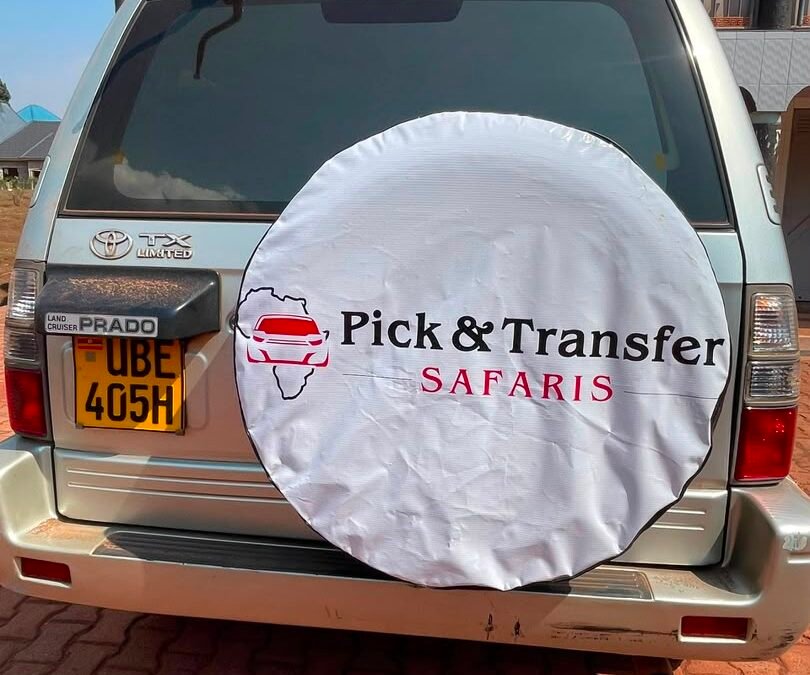
Hiring Car from Kigali to Bwindi. Rwanda’s capital has quietly become the front door to Uganda’s mountain gorillas. Kigali International Airport sits only a few hours from the southern trekking sectors of Bwindi Impenetrable National Park, and every year more travellers choose to land there, pick up a vehicle, and head west across the border. If you are thinking about hiring a car from Kigali to Bwindi, you are choosing one of the most flexible and rewarding ways to reach the gorillas.
Hiring a car gives you control over your schedule, your stops and your route. You can linger at a viewpoint over the Virunga volcanoes, spend an extra night by a crater lake, or continue deeper into Uganda once your trek is done. But a cross-border rental also comes with responsibilities that a simple taxi ride does not: paperwork, insurance, vehicle checks, border formalities and mountain driving.
This guide from Pick and Transfer Safaris covers everything you need to know about renting a vehicle in Kigali for a Bwindi gorilla trek. You will learn the difference between self drive and car hire with a driver, which vehicles to choose, what rental agreements should include, how cross-border insurance works, what to check when you collect the car, typical costs, and practical tips for the road. By the end, you will know exactly how to book a car that gets you to the gorillas safely and on time.
Why Hire a Car in Kigali for Bwindi?
The case for starting in Kigali comes down to distance. From Kigali, the drive to Bwindi’s southern sectors of Rushaga and Nkuringo takes roughly four to five hours, including the border. From Entebbe, the main airport in Uganda, the same journey can take eight to ten hours. Starting in Kigali can save you almost a full day of travel each way.
There is also a financial argument. Uganda’s gorilla permit costs $800 per person for foreign non-residents, compared with $1,500 for a permit in Rwanda. Many travellers therefore fly into Kigali, hire a car, and trek in Uganda. Kenlink Tours sets out the numbers in its guide to travel time and cost from Kigali vs Kampala to Bwindi or Mgahinga.
Finally, hiring your own vehicle means independence. Unlike a fixed shuttle, a hired car leaves when you want, stops where you want, and can carry you onwards to other parks. That freedom is what makes a Kigali car hire so popular with independent travellers, photographers and families.
Self Drive or Car Hire with a Driver: The First Big Decision
When hiring a car from Kigali to Bwindi, you have two main options. Choosing between them shapes the rest of your planning.
Self drive car hire means you rent the vehicle and do all the driving yourself. It suits confident, experienced drivers who enjoy navigating unfamiliar roads and want complete independence. It can be cheaper per day and gives a real sense of adventure. However, you take full responsibility for the vehicle, the route, border paperwork and any problems along the way.
Car hire with a driver means the rental company supplies a professional driver who stays with you throughout the trip. The driver knows the roads, the border posts and the Bwindi trailheads, and handles everything from police checkpoints to finding your lodge on an unmarked track. You relax, enjoy the scenery and arrive fresh for your trek. Most first-time visitors choose this option.
There is no wrong choice, but it is worth being honest about your experience. The final approach to Bwindi involves steep, unpaved mountain roads, and you switch from driving on the right in Rwanda to driving on the left in Uganda as soon as you cross the border. Kenlink Tours describes the driver-led approach in its guide to private car hire from Kigali to Bwindi.
Who Should Choose Self Drive?
Self drive works best for travellers who:
- Have several years of driving experience, ideally including off-road or mountain driving.
- Are comfortable switching between right-hand and left-hand traffic.
- Enjoy planning routes and navigating with offline maps.
- Have flexible schedules and are happy to adapt if roads are slow.
- Are travelling beyond Bwindi on a longer road trip through Uganda and Rwanda.
If you tick most of these boxes, a self drive rental can be a fantastic way to experience the region. If not, consider hiring a driver at least for the mountain stretch to Bwindi.
Who Should Choose Car Hire with a Driver?
Hiring a car with a driver is usually the better choice if you:
- Are visiting East Africa for the first time.
- Have a gorilla permit for a fixed date and cannot risk arriving late.
- Are travelling with children or older relatives.
- Want to focus on photography, wildlife spotting and the scenery.
- Prefer not to deal with border paperwork or police checkpoints yourself.
- Are short on time and want the most efficient possible journey.
A local driver also adds value as a guide, sharing insights into culture, history, wildlife and everyday life along the route. Many travellers say their driver became one of the highlights of their trip.
Choosing the Right Vehicle in Kigali
Kigali’s rental companies offer everything from compact city cars to fully equipped safari Land Cruisers. For a trip to Bwindi, a four-wheel-drive vehicle is essential, because the final approach roads to every trekking sector are steep, narrow and often muddy. Popular choices include:
- Toyota RAV4 (4×4): A compact, fuel-efficient SUV that suits solo travellers and couples on a budget. It handles dry-season roads well but has less ground clearance than larger 4x4s.
- Toyota Land Cruiser Prado: The most popular choice for Bwindi. Comfortable, powerful and capable on steep, rutted roads, with room for up to four passengers and their bags.
- Extended safari Land Cruiser: Seats up to six or seven, with window seats for everyone and a pop-up roof for game viewing. Ideal if your trip includes savannah parks.
- Land Cruiser with rooftop tent: Perfect for adventurous self drivers who want to camp along the way.
- 4×4 safari van or minibus: Suitable for larger groups, provided it is genuine four-wheel drive.
Avoid saloon cars and two-wheel-drive vehicles for this trip. They may cope with Rwanda’s tarmac roads, but they are not built for the mountain tracks around Bwindi, especially in the rainy season.
Can You Take a Rwandan Rental Car into Uganda?
Yes, but not every rental company allows it, so this is the most important question to ask before booking. Cross-border rental requires specific documents and insurance that some companies are not set up to provide.
A vehicle authorised to cross from Rwanda into Uganda typically needs:
- The original vehicle registration document or a certified copy.
- A letter of authorisation from the owner permitting the vehicle to leave Rwanda.
- Third-party insurance valid in Uganda, commonly provided through the COMESA Yellow Card scheme, which covers many countries in the region.
- Any temporary import permits or road fees charged at the Ugandan border.
A specialist cross-border company will prepare these documents in advance and explain exactly what to show at the border. If you are hiring with a driver, the driver handles all of this. Kenlink Tours describes the wider cross-border options in its overview of transfers from Kigali to Uganda.
Requirements for Hiring a Self Drive Car in Kigali
Most rental companies in Kigali ask self drive customers for the following:
- A valid driving licence from your home country, held for a minimum period, often at least two years.
- An International Driving Permit, which is strongly recommended and sometimes required, particularly if your licence is not in English or French.
- A minimum age, commonly 23 years or older for 4×4 vehicles.
- A passport with valid visas for Rwanda and Uganda.
- A refundable security deposit, usually paid by card or bank transfer.
- A signed rental agreement setting out the terms, insurance and responsibilities.
If you hire a car with a driver, you generally only need to provide your passport and travel details, since the company and driver take care of the vehicle requirements.
What Your Rental Agreement Should Include
Before you sign anything or pay a deposit, read the rental agreement carefully. A clear, fair agreement should state:
- The exact vehicle model and registration number.
- The daily rate, the total rental period, and the pickup and return dates and times.
- Whether the vehicle is authorised to travel into Uganda.
- The insurance included, the excess you would pay in case of damage, and what is excluded.
- Whether mileage is limited or unlimited.
- The fuel policy, such as full-to-full.
- What happens if the vehicle breaks down, including replacement vehicle arrangements.
- Driver allowance, meals and accommodation, if you hire with a driver.
- Extra charges for one-way drop-offs, additional drivers, late returns or cleaning.
- The deposit amount, refund conditions and cancellation terms.
If any of these points are missing or unclear, ask for them in writing. A reputable company will be happy to explain.
Understanding Insurance for a Kigali to Bwindi Rental
Insurance is often the most confusing part of hiring a car for a cross-border trip. Here is what to look for.
Third-party insurance is a legal requirement in both Rwanda and Uganda and covers damage to other people or property. For travel into Uganda, it must be valid there, which is why the COMESA Yellow Card is commonly used.
Collision damage cover protects you against damage to the rental vehicle itself, usually with an excess you must pay in the event of a claim. Ask how much the excess is and whether you can reduce it with an additional fee.
Exclusions often include tyres, windscreens, the underside of the vehicle, and damage caused by driving off designated roads or under the influence of alcohol. Given the rough roads to Bwindi, it is worth asking specifically about tyres and underbody damage.
Separately, make sure your personal travel insurance includes medical cover and emergency evacuation, since gorilla trekking takes place in remote, mountainous terrain.
How Much Does It Cost to Hire a Car from Kigali to Bwindi?
Rental prices vary between companies and depend on the vehicle, the season, the length of hire and whether you take a driver. As a general guide, compact 4x4s such as a RAV4 sit at the lower end of the market, Land Cruiser Prados in the middle, and extended safari Land Cruisers at the top. Hiring a driver adds a daily driver allowance and usually covers the driver’s meals and accommodation.
Several factors can raise or lower the total cost:
- Cross-border fees for documentation, insurance and road charges in Uganda.
- Fuel, which is usually excluded from the daily rate and is a significant cost on mountain roads.
- One-way rentals, for example collecting in Kigali and returning in Entebbe, which often carry a relocation fee.
- Rental length, since longer hires often attract lower daily rates.
- Season, with higher demand in the peak trekking months.
- Extras such as camping equipment, rooftop tents, cool boxes or child seats.
Because vehicles are priced per day rather than per person, sharing a car with friends or family greatly reduces the cost for each traveller. For a quote tailored to your dates and group, contact Pick and Transfer Safaris. Kenlink Tours also shares cost-saving ideas in its guide on how to do a cheap gorilla safari in Uganda.
How to Book Your Car Hire Step by Step
Booking a car from Kigali to Bwindi is straightforward if you follow a clear order:
- Secure your gorilla permit first. The permit fixes your trekking date and sector.
- Book accommodation near your sector. This determines your driving route and timings.
- Decide between self drive and a driver.
- Request quotes from two or three reputable companies, giving your dates, route, vehicle preference and group size.
- Confirm cross-border authorisation and insurance in writing.
- Review the rental agreement and ask questions before paying.
- Pay the deposit and receive written confirmation.
- Share your flight details so the company can meet you at the airport or hotel.
If you would rather have one company coordinate permits, lodges and the vehicle, a package can simplify the process. Kenlink Tours explains how this works in its guide to Uganda safari bookings.
Collecting Your Hire Car in Kigali
Most rental companies deliver vehicles to Kigali International Airport or your hotel, which saves you a trip to an office. When you collect the car, take time to inspect it carefully before setting off. This protects you from being charged for damage you did not cause and ensures the vehicle is ready for the mountains.
Check the following:
- Bodywork: Walk around the car and photograph or film any scratches, dents or chips, making sure they are noted on the handover form.
- Tyres: Inspect tread depth and condition on all four tyres, and confirm there is at least one good spare.
- Tools: Make sure a jack, wheel spanner and warning triangle are included.
- Lights and indicators: Test headlights, brake lights and indicators.
- Four-wheel drive: Ask the company to show you how to engage 4WD and low range if available.
- Fluids and fuel: Note the fuel level and confirm the policy for returning the vehicle.
- Documents: Check that registration, insurance, the cross-border authorisation letter and emergency contacts are in the vehicle.
- Comfort: Test air conditioning, seat belts and any charging points.
A good company will walk through the vehicle with you and answer any questions. If something is missing or not working, ask for it to be fixed before you leave Kigali.
The Routes from Kigali to Bwindi for Car Hire Travellers
There are two main routes from Kigali to Bwindi, each using a different border crossing.
Via Cyanika: This route heads northwest from Kigali to Musanze on excellent tarmac, then on to the Cyanika border and into Uganda near Kisoro. From Kisoro, mountain roads lead to the southern sectors of Nkuringo and Rushaga. It is the most scenic route, with views of the Virunga volcanoes for much of the way.
Via Gatuna/Katuna: This route heads north from Kigali to the Gatuna border, crossing into Uganda at Katuna and continuing to Kabale. From Kabale, roads lead to Ruhija, Rushaga and, further north, Buhoma. It passes close to Lake Bunyonyi, a beautiful place to stop or stay overnight.
For more detail on distances and timings, Kenlink Tours explains how far Bwindi is from Kigali and how many hours you need from Kigali to Bwindi National Park.
Matching Your Car Hire to Your Bwindi Sector
Each of Bwindi’s four trekking sectors has its own access route, and the sector on your permit should guide how you plan the drive.
- Rushaga: The most accessible sector from Kigali, reachable via Cyanika and Kisoro or via Kabale.
- Nkuringo: Reached via Cyanika and Kisoro, with a steep final climb that demands a capable 4×4.
- Ruhija: Reached via Gatuna/Katuna and Kabale, with a slow, high-altitude ascent.
- Buhoma: The furthest sector from Kigali, usually reached via Kabale and Kanungu, often requiring most of a day of driving.
Plan to arrive at your lodge the afternoon before your trek. Trekkers report for a briefing around 7:30 a.m., and permits are generally non-refundable if you miss it.
Driving Rules in Rwanda and Uganda
If you are self driving, it is important to understand the different road rules in each country.
In Rwanda: Traffic drives on the right. Roads are well maintained and speed limits are strictly enforced with cameras and police checks. Seat belts are compulsory, and using a mobile phone while driving is prohibited. Expect frequent speed limits through towns and villages.
In Uganda: Traffic drives on the left. Main roads to Kisoro and Kabale are paved, but roads to Bwindi are mostly unpaved. You will share the road with minibuses, trucks, motorbike taxis known as boda bodas, cyclists, pedestrians and livestock. Police checkpoints are common; stop when asked and have your documents ready.
In both countries, avoid driving after dark wherever possible. Unlit roads, pedestrians and potholes make night driving risky, particularly on mountain routes.
Crossing the Border in a Hired Car
The border crossing is the part of the journey that most self drivers worry about, but with the right documents it is usually straightforward.
At the border, you will exit Rwanda through immigration and customs, then enter Uganda and complete immigration formalities. The vehicle’s documents are checked, and any temporary import permits or road charges are paid. Keep your passport, visas, vehicle registration, authorisation letter and insurance together and easy to reach.
Most travellers use the East Africa Tourist Visa, which allows multiple entries between Uganda, Rwanda and Kenya. Always check the latest requirements with official sources before travel. Kenlink Tours’ visa and border crossing guide for Uganda and Rwanda explains the process in more detail. Remember to switch to driving on the left as soon as you leave the Ugandan border post.
Fuel and Refuelling on the Way to Bwindi
Fuel planning matters on this route because filling stations become scarce once you leave the main towns. Fill the tank in Kigali before setting off, top up in Musanze if you are travelling via Cyanika, and refuel in Kisoro or Kabale before heading up to Bwindi.
Mountain driving uses more fuel than you might expect, especially in low gear on steep climbs. Some lodges near Bwindi can point you to local fuel sellers, but quality and availability vary, so it is safer not to rely on them. If your rental agreement uses a full-to-full policy, remember to refuel before returning the vehicle in Kigali.
Driving Tips for the Mountain Roads Around Bwindi
The final approach to Bwindi is where driving skill counts most. These tips will help:
- Engage 4WD early on steep or wet sections, rather than waiting until the wheels start slipping.
- Use low gears on descents to control speed and protect the brakes.
- Take bends slowly and sound your horn on blind corners.
- Give way to larger vehicles on narrow stretches, pulling over where it is safe.
- Watch for children, animals and motorbikes around villages.
- Do not attempt deep mud or flooded sections without local advice; ask villagers or your lodge about conditions.
- Leave plenty of daylight for the final stretch to your lodge.
Many self drivers choose to hire a local driver just for the mountain section. Ask your rental company whether this is possible.
What to Do If Something Goes Wrong
Even with good planning, problems can happen. A flat tyre, a minor breakdown or a vehicle stuck in mud is not unusual on mountain roads. Before you leave Kigali, save the rental company’s 24-hour emergency number in your phone and confirm the breakdown procedure.
If you have a problem, move the vehicle to a safe spot if possible, place the warning triangle, and contact the rental company. Reputable companies have partner mechanics in southwestern Uganda and can send help or arrange a replacement vehicle. Local people are often very willing to help push a car out of mud or point you towards a mechanic. In the event of an accident, contact the police and the rental company immediately and do not admit liability until the facts are clear.
Extras Worth Adding to Your Car Hire
Depending on your plans, a few extras can make your trip more comfortable:
- Camping equipment and rooftop tents for travellers planning to camp.
- Cool boxes or fridges for drinks and snacks on long drives.
- Child seats for families with young children.
- A local SIM card or mobile hotspot to stay connected where signal allows.
- Offline navigation on your phone, or a GPS unit if the company offers one.
- A second spare tyre for remote routes.
Ask in advance, as availability can be limited during busy months.
Where to Stay When Driving a Hired Car to Bwindi
Choosing accommodation close to your trekking sector makes the most of your hired car. You avoid long drives on trekking morning and have time to settle in the evening before.
When booking a lodge, check that the access road is suitable for your vehicle, that there is secure parking, and, if you have a driver, that driver accommodation is available. Kisoro is a convenient base for Rushaga, Nkuringo and Mgahinga, and our guide to Ikoro Hotel in Kisoro explains why many travellers stay there. Kenlink Tours also lists the best hotels in Kisoro for comparison.
Returning Your Hire Car in Kigali
Plan your return carefully, particularly if you are catching an international flight. Allow plenty of time for the drive back from Bwindi, the border crossing and returning the vehicle. A safe approach is to plan to return the car several hours before your flight, or to spend a final night in Kigali.
Before handing the vehicle back, refuel according to your agreement, remove all personal belongings and rubbish, and walk around the vehicle with the company representative to confirm its condition. Your photographs from the collection inspection will help resolve any disagreements about pre-existing damage. Once both parties agree, the deposit refund process can begin.
One-Way Car Hire: Kigali to Entebbe
Many travellers prefer not to return to Kigali at all. A one-way rental lets you pick up a car in Kigali, drive to Bwindi for your trek, then continue north through Uganda’s parks and return the car in Entebbe, flying home from there.
One-way rentals usually include a relocation fee, but they can save time and open up a much richer itinerary. Our article on whether you can begin your tour at Kigali Airport and end in Entebbe Airport explains how this kind of journey works. Our 10 Days Uganda Rwanda Safari follows a similar cross-border route with a dedicated vehicle and driver.
Ideas for Using Your Hired Car Beyond Bwindi
With your own vehicle, it is easy to turn a gorilla trek into a wider adventure. Popular additions include:
- Lake Bunyonyi for canoeing, island visits and relaxation.
- Mgahinga Gorilla National Park for golden monkey tracking and volcano hikes.
- Queen Elizabeth National Park for game drives and boat cruises, as on our 3 Days Safari to Queen Elizabeth National Park.
- Kibale Forest for chimpanzee tracking, as on our 5 Days Uganda Gorilla and Chimps Safari starting from Rwanda.
- Volcanoes National Park in Rwanda on the way back, as featured on our 3 Days Rwanda Gorilla Tracking and Cultural Tour.
For more inspiration, see our guide to what to do after your gorilla tour in Bwindi, or browse Kenlink Tours’ Uganda Rwanda gorilla safaris.
Sample Car Hire Itineraries from Kigali
Two days with a driver: Collect the car and driver in Kigali on day one and drive to a lodge near Rushaga. Trek on day two and return to Kigali by evening. Ideal for travellers short on time.
Four days self drive: Drive from Kigali to Kisoro on day one. Trek gorillas in Rushaga or Nkuringo on day two. Spend day three at Lake Mutanda or Lake Bunyonyi. Drive back to Kigali on day four.
Seven days one-way: Drive from Kigali to Bwindi, trek, then continue to Queen Elizabeth National Park and Kibale Forest before returning the vehicle in Entebbe. Our 7 Days Uganda Safari – One Week Tour gives a sense of how a week on the road can unfold.
Best Time of Year to Hire a Car for Bwindi
You can hire a car from Kigali to Bwindi in any month, but the season affects both road conditions and availability. The drier months of June to August and December to February offer firmer roads, faster journeys and easier trekking trails. They are also the busiest periods, when well-maintained 4x4s and experienced drivers are booked early, so reserve your vehicle as soon as your permit is confirmed.
The wetter months, roughly March to May and October to November, bring muddier roads around Bwindi, particularly on the climbs to Nkuringo and Ruhija. A strong 4×4 with good tyres becomes essential, and journeys can take longer. In return, you enjoy greener landscapes, fewer visitors and sometimes better rates on vehicles and lodges. Self drivers in the rainy season should be especially cautious and consider hiring a driver for the final mountain stretch.
Getting Ready for Trekking Day with a Hired Car
If you are self driving, the evening before your trek is the time to prepare. Confirm the exact location of your sector headquarters with your lodge and ask how long the drive takes in current conditions. Some lodges sit just a few minutes from the briefing point; others are a longer drive away on rough tracks. Set off with plenty of time, as trekkers report for the briefing around 7:30 a.m.
Pack your daypack the night before with water, snacks, a packed lunch from the lodge, a rain jacket, gloves and your camera. Keep your passport and gorilla permit in an easily reachable pocket, since rangers check them at the briefing. Leave valuables locked out of sight in the vehicle, and park only in designated areas at the headquarters. If you have hired a driver, simply confirm the departure time and let the driver handle the rest while you focus on the day ahead.
Common Mistakes to Avoid When Hiring a Car in Kigali
- Booking a vehicle that is not authorised to cross into Uganda.
- Choosing a two-wheel-drive car to save money.
- Planning to drive to the trailhead on the morning of the trek from Kigali.
- Skipping the vehicle inspection at pickup.
- Not reading the insurance exclusions, especially for tyres and windscreens.
- Underestimating fuel needs on mountain roads.
- Booking a return flight too soon after trekking.
Group Travel and Budget Options
Because cars are rented per day rather than per person, groups enjoy the best value. Four travellers sharing one Land Cruiser pay a fraction of the per-person cost of a solo traveller. Solo travellers looking to save can consider joining scheduled group departures, such as Kenlink Tours’ scheduled group tours in Uganda, which include shared transport, accommodation and permits.
Travellers who want a private experience without managing the vehicle themselves may prefer a tailored package. Kenlink Tours describes this approach on its Uganda private tours page.
Why Hire Your Car with Pick and Transfer Safaris
At Pick and Transfer Safaris, we specialise in getting travellers from Kigali to Uganda’s gorilla parks. Our 4×4 vehicles are licensed and insured for both Rwanda and Uganda, our drivers know the Cyanika and Gatuna/Katuna borders well, and we understand the roads to every Bwindi sector in every season.
We offer car hire with a driver, cross-border transfers, airport pickups in Kigali, one-way journeys to Entebbe and complete packages that include permits and accommodation. Our short gorilla safaris starting from Kigali are ideal for quick trips, including the 1 Day Uganda Gorilla Safari Starting from Kigali, the 2 Days Uganda Gorilla Tour Starting from Kigali and the 3 Days Uganda Gorilla Safari from Rwanda.
For longer adventures, explore the 14-Day Uganda Primates and Safari Adventure, our 3 Days Uganda Gorilla Safari, the 5-Day Uganda Gorilla and Chimpanzee Safari, or every park we serve on our destinations page.
Frequently Asked Questions About Hiring a Car from Kigali to Bwindi
Can I hire a car in Kigali and drive it to Bwindi in Uganda?
Yes, as long as the rental company authorises cross-border travel and provides the required documents and insurance valid in Uganda. Always confirm this before booking.
Is it better to self drive or hire a driver?
Self drive suits experienced drivers who want independence. Hiring a driver is safer and less stressful for most visitors, especially first-timers and those with a fixed gorilla permit date.
What type of car do I need for Bwindi?
A 4×4 with good ground clearance, such as a Toyota Land Cruiser Prado or extended safari Land Cruiser. Two-wheel-drive cars are not suitable for the mountain roads.
How long does it take to drive from Kigali to Bwindi?
Around four to five hours to Rushaga and Nkuringo, including the border crossing. Ruhija and Buhoma take longer.
What documents do I need to hire a car in Kigali?
For self drive: a valid driving licence, ideally an International Driving Permit, a passport with visas, and a security deposit. With a driver, you mainly need your passport and travel details.
What is the COMESA Yellow Card?
It is a regional motor insurance scheme that provides third-party cover across member countries, including Rwanda and Uganda. Rental companies commonly use it for cross-border trips.
Can I return the car in Entebbe instead of Kigali?
Yes, many companies offer one-way rentals from Kigali to Entebbe for an additional relocation fee.
Do I need to book my car in advance?
Yes, especially for the peak months of June to September and December to February. Book as soon as your gorilla permit and accommodation are confirmed.
Can I hire a car with a driver for only part of the trip?
Yes. Some travellers self drive on Rwanda’s tarmac roads and hire a local driver for the mountain section in Uganda, or take a driver to Bwindi and then self drive on easier routes afterwards. Ask your rental company which combinations it can arrange.
Hiring Car from Kigali to Bwindi
Hiring a car from Kigali to Bwindi is one of the best ways to reach Uganda’s mountain gorillas. It saves time compared with starting in Entebbe, offers complete flexibility, and turns the journey into part of the adventure. The keys to success are choosing a genuine 4×4, confirming cross-border authorisation and insurance, inspecting the vehicle carefully, planning your route around your permit sector, and arriving near the park the day before your trek.
Whether you want to drive yourself or travel with an experienced driver-guide, get in touch with Pick and Transfer Safaris. Share your dates, permit sector and group size, and we will arrange the right vehicle for your journey from Kigali to Bwindi, so you can focus on the unforgettable moment you meet the gorillas. Our team is ready to help you plan every kilometre of the road ahead.