- LET'S PLAN YOUR SAFARI
- +256 200 921 002
- +256 793 194 703
- info@pickandtransfersafaris.com

Gorilla Trek in Mgahinga Starting from Kigali
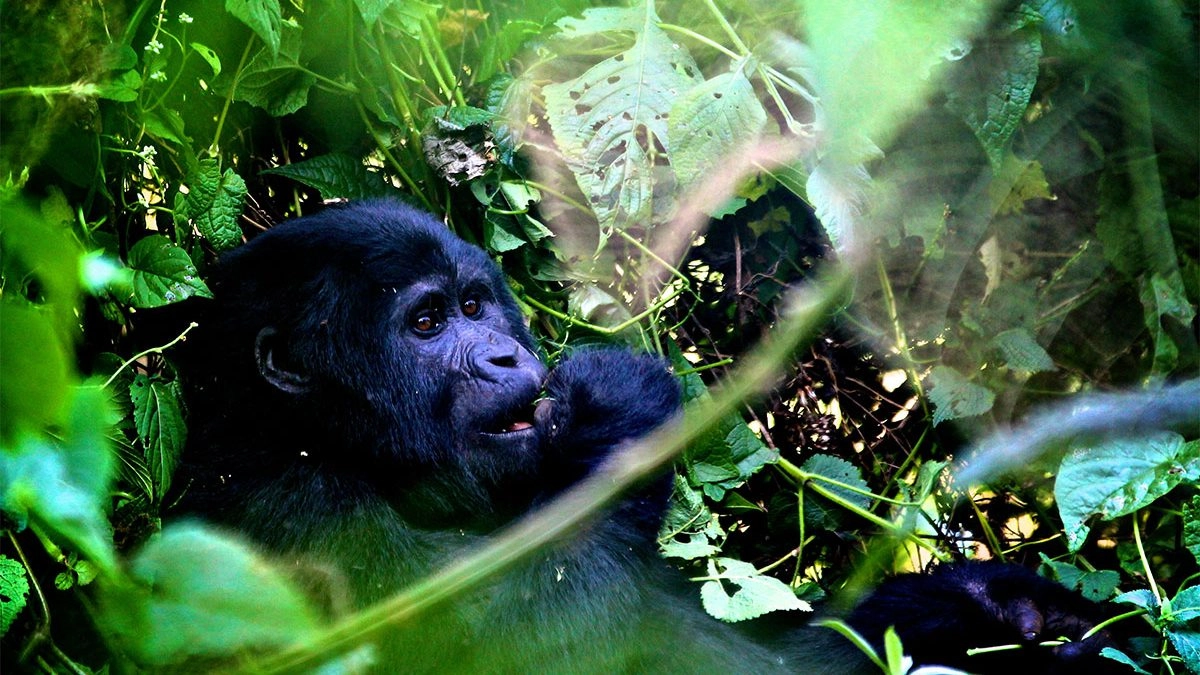
Gorilla Trek in Mgahinga Starting from Kigali. High on the slopes of the Virunga volcanoes, where Uganda meets Rwanda and the Democratic Republic of Congo, lies one of Africa’s most intimate gorilla trekking destinations. Mgahinga Gorilla National Park is Uganda’s smallest national park, yet it offers an experience that many travellers describe as the most memorable of their lives: tracking a habituated family of mountain gorillas through bamboo forest beneath towering, mist-wrapped peaks.
For most visitors, the easiest way to reach Mgahinga is not through Uganda’s capital but through Rwanda’s. A gorilla trek in Mgahinga starting from Kigali combines a short, scenic drive, a simple border crossing and access to Uganda’s more affordable gorilla permits. From Kigali, the park can be reached in around three hours, which makes Mgahinga one of the quickest gorilla trekking destinations to reach from any international airport in the region.
In this guide, the team at Pick and Transfer Safaris explains everything you need to plan a Mgahinga gorilla trek from Kigali: how the journey works, how permits are booked, what makes Mgahinga different from Bwindi, what happens on trekking day, which other activities to add, where to stay, what it costs, and sample itineraries for every schedule.
Why Choose Mgahinga for Your Gorilla Trek?
Mgahinga Gorilla National Park protects the Ugandan section of the Virunga Massif, a chain of volcanoes that also extends into Rwanda’s Volcanoes National Park and Congo’s Virunga National Park. Although the park is small, its setting is extraordinary. Three dormant volcanoes, Muhavura, Gahinga and Sabyinyo, rise above the forest, and on a clear day the views stretch across three countries.
Mgahinga offers several advantages for gorilla trekkers:
- Exclusivity: With only one habituated gorilla family available for trekking, visitor numbers are very small, giving the experience a quiet, private feel.
- Scenery: Trekking on the flanks of volcanoes, through bamboo and montane forest, is visually spectacular.
- Proximity to Kigali: The park is one of the closest gorilla destinations to Kigali International Airport.
- Variety: Golden monkey tracking, volcano hikes and the Batwa Trail make it easy to build a rich itinerary around a single park.
Kenlink Tours explores the park’s gorilla population in more detail in its article on how many gorillas are in Mgahinga Gorilla National Park.
Meet the Nyakagezi Gorilla Family
The star of Mgahinga is the Nyakagezi gorilla family, the park’s only habituated group available for trekking. Nyakagezi is known among guides and returning visitors for its calm, relaxed behaviour and for having several silverbacks, which is unusual and makes for fascinating viewing of family dynamics.
In the past, the Nyakagezi family was famous for wandering across the borders into Rwanda and Congo, which made permit planning unpredictable. In recent years, however, the family has generally remained within Mgahinga, making trekking here far more reliable. As with all wild animals, movements can never be guaranteed, and the Uganda Wildlife Authority manages permits accordingly.
Because there is only one habituated family, the number of permits issued each day is small. That exclusivity is a major part of Mgahinga’s appeal, but it also means permits must be booked well in advance.
Why Start Your Mgahinga Gorilla Trek from Kigali?
Mgahinga sits in the far southwest corner of Uganda, close to the town of Kisoro. Reaching it from Entebbe or Kampala involves a long road journey that typically takes a full day. From Kigali, by contrast, the drive to the park takes around three hours, crossing into Uganda at the Cyanika border just a short distance from Kisoro.
Starting from Kigali also lets travellers take advantage of Uganda’s lower gorilla permit price. A Uganda gorilla trekking permit costs $800 per person for foreign non-residents, compared with $1,500 for a gorilla permit in Rwanda’s Volcanoes National Park. Many visitors therefore fly into Kigali’s modern international airport, spend a night in the city, and head to Mgahinga for their trek. Kenlink Tours explains the difference in its comparison of travel time and cost from Kigali vs Kampala to Bwindi or Mgahinga, and its guide to starting a trip from Rwanda to Uganda covers the wider planning picture.
The Route from Kigali to Mgahinga
The drive from Kigali to Mgahinga is one of the shortest and most scenic gorilla transfers in the region.
Kigali to Musanze: The journey begins on smooth tarmac heading northwest from Kigali through Rwanda’s terraced hills. After about two hours, you reach Musanze, the gateway town for Rwanda’s Volcanoes National Park, with the Virunga volcanoes dominating the skyline.
Musanze to Cyanika: From Musanze, the road continues a short distance north to the Cyanika border. Here you exit Rwanda and enter Uganda.
Cyanika to Kisoro: Just beyond the border, the road continues to Kisoro, a lively market town that serves as the base for Mgahinga.
Kisoro to Ntebeko: From Kisoro, an unpaved road climbs towards the park’s Ntebeko visitor centre and trailhead at the foot of the volcanoes. This final section is short but rough in places, so a 4×4 is recommended, especially after rain.
The journey is short enough to complete in a single morning, leaving time to settle into your lodge and enjoy the views before your trek. Kenlink Tours describes cross-border routes in more detail in its guide to transfers from Kigali to Uganda.
How Long Does It Take to Drive from Kigali to Mgahinga?
In good conditions, most travellers reach Kisoro in about three hours from Kigali, including the border crossing. The final drive from Kisoro to the park’s Ntebeko trailhead adds a short extra stretch on a rougher road. Departure times, traffic leaving Kigali, queues at the border and weather all affect the total.
Because the trekking briefing begins early in the morning, usually around 7:30 a.m., the safest plan is to arrive in Kisoro or at a lodge near the park the day before your trek. That way, trekking morning involves only a short drive to the visitor centre.
Crossing the Cyanika Border
The Cyanika crossing is well used by gorilla trekkers and is generally efficient. You leave your vehicle, walk through Rwandan immigration to be stamped out, then walk to Ugandan immigration to complete entry formalities. Your driver handles the vehicle documents, and you rejoin the vehicle on the Ugandan side, where traffic switches to driving on the left.
You will need a passport valid for at least six months, visas for Rwanda and Uganda, and any required health documents, such as proof of yellow fever vaccination. The East Africa Tourist Visa is a popular choice because it allows multiple entries between Uganda, Rwanda and Kenya. Always check the latest requirements with official sources before travel. For a step-by-step explanation, see Kenlink Tours’ visa and border crossing guide for Uganda and Rwanda.
How to Book a Mgahinga Gorilla Permit
Gorilla permits for Mgahinga are issued by the Uganda Wildlife Authority and cost $800 per person for foreign non-residents. Because only one gorilla family is habituated for trekking, the number of daily permits is very limited. During the peak seasons of June to September and December to February, permits can sell out months in advance.
Most travellers book permits through a licensed tour operator, which can check availability, reserve the permit and coordinate your transport and accommodation around the trekking date. When booking, you will need to provide your full name, nationality and passport details, as they appear on your passport.
If Mgahinga permits are fully booked on your preferred dates, a good operator can suggest alternatives, such as trekking in Bwindi’s nearby Rushaga or Nkuringo sectors, both of which are easily reached from Kisoro. To arrange a permit together with transport from Kigali, you can contact Pick and Transfer Safaris.
Mgahinga or Bwindi: Which Should You Choose?
Travellers starting from Kigali often weigh Mgahinga against Bwindi Impenetrable National Park. Both offer excellent gorilla trekking, and both can be reached from Kigali via Kisoro, but they differ in character.
Mgahinga offers a single habituated family, very small visitor numbers, volcanic scenery and bamboo forest, and the chance to combine gorillas with golden monkeys and volcano hikes in one park. Permits are scarcer, so flexibility with dates helps.
Bwindi is much larger, with many habituated families across four sectors, which means greater permit availability. Its dense, steep rainforest gives the trekking a wilder, more jungle-like feel. Bwindi also offers the Gorilla Habituation Experience in the Rushaga sector.
Both parks are close to each other, and many travellers visit both on the same trip. Kenlink Tours explains the practicalities in its guide to driving from Bwindi to Mgahinga Gorilla National Park.
What Happens on Gorilla Trekking Day in Mgahinga
Trekking day starts early. After breakfast at your lodge, you drive to the Ntebeko visitor centre at the edge of the park.
The briefing: Rangers welcome trekkers, check permits and passports, and explain the rules for visiting the gorillas. You will learn about the Nyakagezi family, its members and the history of conservation in the Virunga region.
The trek: Your small group sets off with an armed ranger guide and trackers who have gone ahead to locate the gorillas. Trails pass through farmland at the park boundary before entering bamboo and montane forest on the volcano slopes. Depending on where the family is feeding, the trek may be relatively short or may take several hours.
The encounter: When you reach the gorillas, you spend one hour watching them at close range. You may see silverbacks resting, mothers caring for infants, and young gorillas playing and climbing. The hour passes quickly, and it is an experience few people forget.
The return: After your hour, you hike back to the visitor centre, where trekking certificates are often presented. Your driver will be waiting to take you back to your lodge or onward to your next destination.
Gorilla Trekking Rules in Mgahinga
To protect the gorillas and ensure a safe experience, visitors must follow rules set by the Uganda Wildlife Authority. Rangers explain them at the briefing, but it helps to know them in advance:
- The minimum age for gorilla trekking is 15 years.
- Visitors who are unwell, particularly with a cold, flu or other infectious illness, should not trek, as gorillas can catch human diseases.
- Keep the distance from the gorillas advised by your ranger.
- Flash photography is not allowed.
- Do not eat, drink or smoke near the gorillas.
- Speak softly, stay with your group, and follow the ranger’s instructions at all times.
- Time with the gorillas is limited to one hour.
How Difficult Is Gorilla Trekking in Mgahinga?
Gorilla trekking in Mgahinga is moderately challenging. The park lies at high altitude on the slopes of volcanoes, and trails can be steep, muddy and slippery, especially in the rainy season. The length of the trek depends on where the gorillas are, which varies from day to day.
Most reasonably fit visitors manage well, especially if they prepare with regular walking and hill exercise in the weeks before travelling. At the visitor centre, you can hire a porter to carry your bag and help you on difficult sections. Porters are local community members, so hiring one also supports families living near the park. Walking sticks are usually available, and they make a real difference on steep slopes. Tell the rangers at the briefing if you have any health concerns.
Getting Ready the Evening Before Your Trek
Arriving in Kisoro or at a lodge near Mgahinga the day before your trek gives you the chance to prepare calmly. Use the evening to lay out your clothes, boots and rain gear, and pack your daypack with water, snacks, gloves, insect repellent and your camera. Place your passport and permit confirmation somewhere easy to reach, as rangers check them at the briefing.
Ask your lodge to prepare an early breakfast and a packed lunch, and confirm the departure time with your driver. The drive from most lodges to the Ntebeko visitor centre is short, but leaving with time to spare means you can arrive relaxed and enjoy the views of the volcanoes in the early light. Get a good night’s sleep: the altitude, combined with a potentially long trek, makes rest one of the best preparations you can make before meeting the gorillas.
If you feel unwell the evening before, particularly with cold or flu symptoms, tell your operator straight away. Rangers may not allow visitors with infectious illnesses to trek, to protect the gorillas, and your operator can advise on the options available.
Golden Monkey Tracking in Mgahinga
Mgahinga is not only about gorillas. It is also one of the best places in the world to see golden monkeys, an endangered primate found only in the Virunga region and a few nearby forests. With their bright golden-orange backs and lively behaviour, they are a joy to watch and photograph.
Golden monkey tracking takes place in the park’s bamboo zone and is usually less strenuous than gorilla trekking. Groups follow rangers to a habituated troop and spend time watching the monkeys feed and leap through the bamboo. Many travellers combine a gorilla trek and a golden monkey trek on consecutive days, making Mgahinga a superb two-primate destination. If you would also like to track golden monkeys on the Rwandan side, Kenlink Tours describes the experience in its guide to golden monkey tracking in Rwanda.
Volcano Hiking in Mgahinga
For adventurous travellers, Mgahinga’s three volcanoes offer some of the most rewarding hikes in East Africa.
- Mount Muhavura: The tallest of the three, with a small crater lake at its summit and sweeping views over Uganda, Rwanda and Congo on clear days. It is a long, demanding full-day hike.
- Mount Gahinga: The smallest of the three, with a swampy crater at the top. It is a shorter but still steep climb through bamboo forest.
- Mount Sabyinyo: Known for its jagged peaks, Sabyinyo’s summit is where Uganda, Rwanda and Congo meet. The hike involves steep ladders and is best suited to fit, confident hikers.
Each hike is accompanied by park rangers and requires good fitness, proper footwear and an early start. Adding a volcano hike is a fantastic way to extend your time in Mgahinga beyond the gorillas.
The Batwa Trail and Cultural Experiences
The forests of the Virunga region were once home to the Batwa, a people who lived as hunter-gatherers long before the area became a national park. The Batwa Trail in Mgahinga is a guided cultural experience led by Batwa guides, who share how their ancestors lived in the forest, hunted, gathered medicinal plants and made fire.
The trail often includes a visit to Garama Cave, a large lava tube once used by Batwa communities as a refuge and meeting place. Traditional songs and dances sometimes conclude the experience. The Batwa Trail offers deep insight into the human history of the region and directly benefits the Batwa community. It makes a moving complement to a gorilla trek.
Is Mgahinga Safe for Tourists?
Mgahinga is considered safe for tourists. The park is well managed by the Uganda Wildlife Authority, trekking groups are always accompanied by armed rangers, and the Kisoro area is used to welcoming visitors from around the world. The main safety considerations are practical: steep trails, altitude, weather and following rangers’ instructions around wildlife.
As with any destination, it is wise to check current travel advice from your government before you go and to travel with a reputable operator. Kenlink Tours addresses common concerns in its article asking is Mgahinga safe for tourists?
Wildlife and Birds of Mgahinga
Although gorillas and golden monkeys steal the spotlight, Mgahinga supports a surprising variety of other wildlife for such a small park. Its range of habitats, from cultivated land at the boundary through bamboo and montane forest to the alpine vegetation near the volcano summits, creates homes for many species.
Mammals recorded in the park include forest elephants and buffaloes, which are rarely seen, as well as bushbucks, duikers and various smaller creatures. Birdwatchers will find plenty to enjoy too. Mgahinga is home to a number of Albertine Rift endemics, birds found only in the mountains of this part of Africa. Look out for species such as the Rwenzori turaco, Rwenzori double-collared sunbird and dusky turtle dove, along with many colourful sunbirds and francolins. A guided nature walk along the park boundary or through the gorge between Gahinga and Sabyinyo is a rewarding way to spend a few hours, especially for keen birders.
Conservation and Community: How Your Trek Helps
Gorilla tourism plays a vital role in protecting mountain gorillas. The money from gorilla permits helps fund park management, ranger patrols, veterinary monitoring and conservation programmes that have contributed to the slow recovery of mountain gorilla numbers across the Virunga region and Bwindi.
A share of park revenue also supports communities living around the park, funding projects such as schools, health centres and water supplies. When local people benefit directly from tourism, they have a strong reason to protect the forest and its wildlife. By hiring porters, buying local crafts, joining the Batwa Trail and staying at locally run accommodation, you can multiply the positive impact of your visit. Responsible trekking, following every rule set by rangers, is the most important contribution of all, since it keeps the gorillas healthy and calm around visitors.
Photography Tips for Your Mgahinga Gorilla Trek
Mgahinga offers wonderful photographic opportunities, from close-up portraits of gorillas to sweeping landscapes of the volcanoes. To make the most of your hour with the Nyakagezi family:
- Turn off your flash before you reach the gorillas, as flash photography is not allowed.
- Use a fast lens or a high ISO setting, since the forest can be dim, especially under bamboo.
- Bring a zoom lens in the mid-telephoto range, which lets you frame faces and details while respecting the required distance.
- Protect your gear from rain with a waterproof cover or dry bag.
- Carry spare batteries and memory cards, as there is no chance to recharge during the trek.
- Remember to put the camera down for a few minutes and simply watch. Many travellers say these moments are what they remember most.
Mgahinga for Couples, Families and Solo Travellers
Mgahinga suits many kinds of travellers. Couples love the romance of lodges set beneath the volcanoes and the intimacy of trekking with such a small group. Solo travellers appreciate the safety of guided trekking and the ease of a private transfer from Kigali, and can save by joining group departures when available.
Families with teenagers aged 15 or older can trek together, making it a powerful shared experience. Families with younger children can still enjoy the area: while older members trek, younger ones can enjoy nature walks, community visits, canoeing on Lake Mutanda or time at the lodge. Let your operator know the ages of everyone in your group so the itinerary can be planned to suit all.
Best Time for a Mgahinga Gorilla Trek from Kigali
Gorilla trekking in Mgahinga is possible throughout the year. The drier months of June to August and December to February are the most popular, with firmer trails, clearer views of the volcanoes and generally easier hiking conditions. These months also see the highest demand for permits, so book early.
The wetter months, roughly March to May and October to November, bring muddier trails and more frequent rain. Trekking can be harder work, but the forest is lush and green, visitor numbers are lower, and some lodges offer better rates. Whatever the season, pack rain gear, as showers can occur at any time in the Virungas.
Where to Stay for a Mgahinga Gorilla Trek
Travellers trekking in Mgahinga have two main options for accommodation: staying in Kisoro town, or staying at a lodge close to the park boundary.
Kisoro town offers a range of hotels and guesthouses, restaurants and easy access to services. It is a convenient base for travellers who also plan to visit Lake Mutanda or Bwindi’s southern sectors. Our guide to Ikoro Hotel in Kisoro explains why many trekkers stay there, and Kenlink Tours lists further options among the best hotels in Kisoro.
Lodges near the park place you closer to the Ntebeko visitor centre, with dramatic views of the volcanoes and a peaceful setting. They are ideal for travellers who want to wake up within sight of the mountains. Kenlink Tours reviews several in its guide to accommodation near Mgahinga Gorilla National Park.
Lake Mutanda: The Perfect Add-On
Just a short drive from Kisoro, Lake Mutanda is one of the most beautiful lakes in Uganda. Its calm waters are dotted with small islands and framed by the Virunga volcanoes, creating a postcard-perfect scene, especially at sunrise and sunset.
Visitors can paddle dugout canoes between the islands, visit local fishing communities, walk along the shore or simply relax at a lakeside lodge. A night at Lake Mutanda after your gorilla trek is a wonderful way to unwind before driving back to Kigali.
Can You Trek Mgahinga Gorillas on a Day Trip from Kigali?
Because Mgahinga is so close to Kigali, a same-day trip is possible. Departures typically leave Kigali in the very early hours, around 3:00 a.m., to reach the Ntebeko visitor centre in time for the morning briefing. After the trek, you drive back to Kigali, arriving in the evening.
This option suits travellers with very limited time. It is available as part of our 1 Day Uganda Gorilla Safari Starting from Kigali. However, an overnight stay in Kisoro or near the park makes the experience far more relaxed, allows you to enjoy the scenery, and gives you a buffer against delays at the border.
Sample Itinerary: 2 Days Mgahinga Gorilla Trek from Kigali
Day 1, Kigali to Mgahinga: After breakfast in Kigali, drive northwest through Rwanda’s terraced hills to Musanze, cross the Cyanika border and continue to Kisoro. Check into your lodge near the park and spend the afternoon relaxing or taking a short community walk.
Day 2, gorilla trek and return: Early breakfast and drive to the Ntebeko visitor centre for the briefing. Trek the Nyakagezi family and spend an hour with the gorillas. After lunch, drive back to Kigali, arriving in the evening.
Our 2 Days Uganda Gorilla Tour Starting from Kigali follows this format and can be arranged for either Mgahinga or Bwindi, depending on permit availability.
Sample Itinerary: 3 Days Gorillas and Golden Monkeys
Day 1: Drive from Kigali to Kisoro via Cyanika and settle into your lodge.
Day 2: Gorilla trekking in Mgahinga, followed by a relaxing afternoon or the Batwa Trail.
Day 3: Golden monkey tracking in the morning, then return to Kigali in the afternoon.
This itinerary gives you two primate experiences in one park with minimal driving. Our 3 Days Uganda Gorilla Safari from Rwanda offers a similar relaxed pace with a cultural experience included.
Sample Itinerary: 4 Days Mgahinga, Lake Mutanda and Volcanoes
Day 1: Drive from Kigali to Kisoro and check in.
Day 2: Gorilla trekking in Mgahinga.
Day 3: Golden monkey tracking or a volcano hike, followed by a transfer to a lodge on Lake Mutanda.
Day 4: Morning canoe trip on Lake Mutanda, then drive back to Kigali.
This itinerary combines wildlife, adventure and relaxation in the beautiful corner of Uganda around Kisoro.
Combining Mgahinga with Other Destinations
Mgahinga fits naturally into longer journeys through Uganda and Rwanda. Popular combinations include:
- Bwindi Impenetrable National Park for a second gorilla trek in a different setting. Read our guide to what to do after your gorilla tour in Bwindi.
- Queen Elizabeth National Park for game drives and boat cruises, as on our 3 Days Safari to Queen Elizabeth National Park.
- Kibale Forest for chimpanzee tracking, as on our 5 Days Uganda Gorilla and Chimps Safari starting from Rwanda.
- Volcanoes National Park in Rwanda for golden monkeys, the Dian Fossey hike and Rwandan culture, as featured on our 3 Days Rwanda Gorilla Tracking and Cultural Tour.
Travellers who want to finish in Uganda can continue north and fly out of Entebbe. Our article on whether you can begin your tour at Kigali Airport and end in Entebbe Airport explains how this works, and Kenlink Tours offers further ideas on its Uganda Rwanda connecting safaris page.
How Much Does a Mgahinga Gorilla Trek from Kigali Cost?
The total cost of a Mgahinga gorilla trek from Kigali depends on several components:
- Gorilla permit: $800 per person for foreign non-residents.
- Transport: A private 4×4 with driver from Kigali, usually priced per vehicle, so the cost per person falls for couples and groups.
- Accommodation: Ranging from budget guesthouses in Kisoro to comfortable lodges near the park.
- Additional activities: Golden monkey tracking, volcano hikes and the Batwa Trail each have their own fees.
- Visas: Entry visas for Rwanda and Uganda, or an East Africa Tourist Visa.
- Extras: Porter fees, tips, meals not included in your package and personal items.
Booking a package that bundles the permit, transport and accommodation often offers better value and less hassle than arranging each part separately. For a tailored quote, contact Pick and Transfer Safaris.
What to Pack for a Mgahinga Gorilla Trek
- Passport, visas and gorilla permit confirmation.
- Waterproof hiking boots with good ankle support and grip.
- Long trousers and long-sleeved shirts to protect against nettles and insects.
- Gardening gloves for gripping vegetation on steep slopes.
- A waterproof jacket and warm fleece, as the volcano slopes can be cold and wet.
- A small daypack with drinking water, snacks and a packed lunch.
- Insect repellent, sunscreen and a hat.
- A camera with spare batteries and memory cards.
- Small notes in Uganda shillings or US dollars for porters and tips.
Choosing the Right Operator for Your Mgahinga Trek
Because Mgahinga permits are limited and the trek involves a cross-border journey, choosing a reliable operator is especially important. Look for a company that:
- Is experienced in securing Mgahinga gorilla permits and can suggest alternatives if dates are full.
- Operates licensed and insured 4×4 vehicles that can travel between Rwanda and Uganda.
- Has drivers who know the Cyanika border and the road to Ntebeko well.
- Provides clear, written quotes with no hidden costs.
- Responds quickly and offers support throughout your trip.
Kenlink Tours lists experienced local providers in its overview of tour operators in Kisoro, which is useful for comparing options.
Why Book Your Mgahinga Gorilla Trek with Pick and Transfer Safaris
At Pick and Transfer Safaris, we specialise in gorilla trips that start in Kigali. Our drivers make the journey through Musanze and Cyanika to Kisoro regularly, and they know the road to Mgahinga’s Ntebeko trailhead well. Our 4×4 vehicles are licensed and insured for both Rwanda and Uganda, so your journey continues smoothly across the border.
We can arrange your gorilla permit, accommodation, transport and additional activities such as golden monkey tracking and the Batwa Trail. Explore our short gorilla safaris starting from Kigali, or extend your journey with the 7 Days Uganda Safari – One Week Tour, the 10 Days Uganda Rwanda Safari or the 14-Day Uganda Primates and Safari Adventure.
Travellers starting in Uganda can choose our 3 Days Uganda Gorilla Safari or 5-Day Uganda Gorilla and Chimpanzee Safari, and you can explore all the parks we serve on our destinations page.
Frequently Asked Questions About Mgahinga Gorilla Treks from Kigali
How far is Mgahinga from Kigali?
The drive from Kigali to Kisoro, the base for Mgahinga, takes around three hours via Musanze and the Cyanika border. The park’s Ntebeko trailhead is a short additional drive from Kisoro.
How many gorilla families can be trekked in Mgahinga?
Mgahinga has one habituated gorilla family available for trekking, the Nyakagezi group, which is why permits are limited.
How much is a Mgahinga gorilla permit?
A gorilla permit for Mgahinga costs $800 per person for foreign non-residents. Rates for foreign residents and East African citizens are lower.
Can I trek gorillas in Mgahinga and return to Kigali the same day?
Yes, with a very early departure from Kigali, around 3:00 a.m. Most travellers prefer to stay overnight near the park for a more relaxed experience.
Is Mgahinga better than Bwindi?
Neither is better; they are different. Mgahinga offers exclusivity and volcanic scenery with one gorilla family, while Bwindi offers more gorilla families and greater permit availability in dense rainforest.
What else can I do in Mgahinga besides gorilla trekking?
Golden monkey tracking, volcano hikes on Muhavura, Gahinga and Sabyinyo, the Batwa Trail, Garama Cave visits and nature walks. Lake Mutanda is also nearby.
What is the minimum age for gorilla trekking in Mgahinga?
The minimum age is 15 years.
Do I need visas for both Rwanda and Uganda?
Yes, unless your nationality is exempt. The East Africa Tourist Visa covers Uganda, Rwanda and Kenya with multiple entries. Check official sources for the latest rules.
When should I book my Mgahinga gorilla permit?
As early as possible. Because there is only one habituated family, permits are limited and can sell out months ahead, particularly from June to September and December to February.
Gorilla Trek in Mgahinga Starting from Kigali
A gorilla trek in Mgahinga starting from Kigali is one of the most rewarding and efficient wildlife experiences in Africa. In around three hours, you travel from Rwanda’s capital to the foot of the Virunga volcanoes, where the Nyakagezi gorilla family roams through bamboo forest in one of the most beautiful parks on the continent. Add golden monkeys, volcano hikes, the Batwa Trail and the tranquil shores of Lake Mutanda, and you have a complete adventure in a compact corner of Uganda.
The keys to success are booking your permit early, arriving the day before your trek, and travelling with an experienced operator who knows the border and the roads. When you are ready to plan, get in touch with Pick and Transfer Safaris. Share your dates and group size, and we will arrange your permit, transport and accommodation for an unforgettable gorilla trek in Mgahinga, beneath the volcanoes where three countries meet.