- LET'S PLAN YOUR SAFARI
- +256 200 921 002
- +256 793 194 703
- info@pickandtransfersafaris.com

Transport from Kigali to Ruhija Sector Bwindi
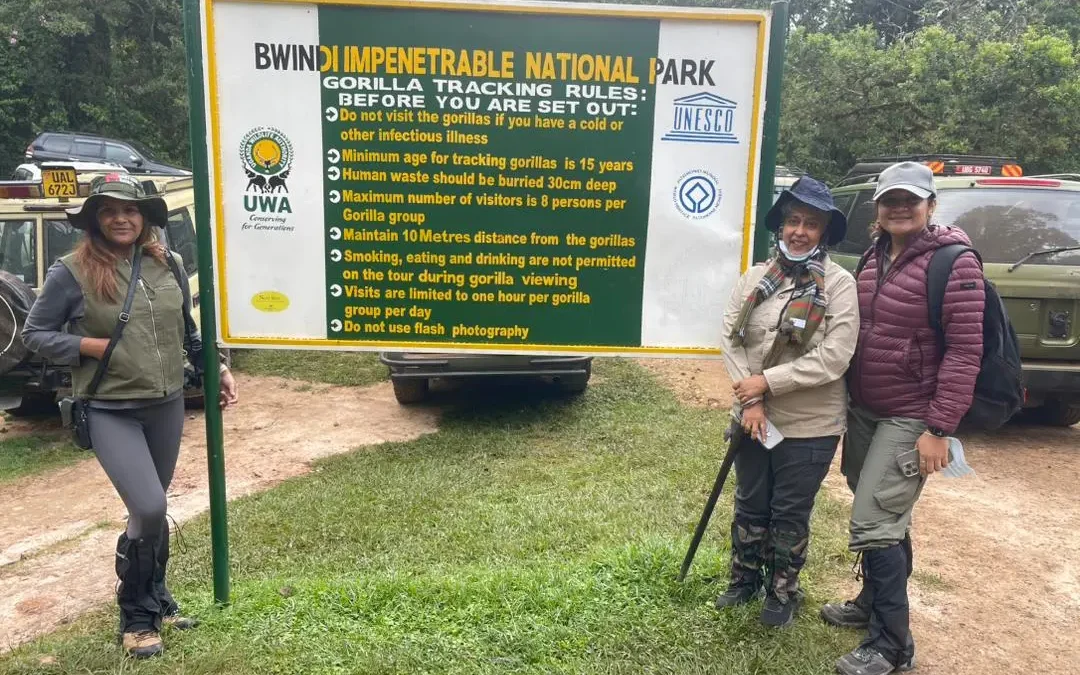
Transport from Kigali to Ruhija Sector Bwindi. Transport from Kigali to Ruhija Sector Bwindi is one of the quickest ways to reach Uganda’s mountain gorillas from Rwanda. Ruhija sits high on the eastern side of Bwindi Impenetrable National Park, and from Kigali it can be reached in about four to five hours by road. That is roughly half the time it takes from Entebbe. Ruhija is the highest, coolest and quietest of Bwindi’s four trekking sectors, and it is also one of the best birding areas in East Africa. This guide explains how to get there: the route through the Gatuna border, drive times, visas, vehicles, costs, permits, lodges and the best ways to turn your trip into a wider Uganda and Rwanda safari.
At Pick and Transfer Safaris, we arrange transport from Kigali into Uganda’s gorilla parks every week. The tips below come straight from our driver-guides’ experience on this road.
What Makes Ruhija Sector Special
Ruhija lies in the east of Bwindi, at around 2,350 meters above sea level, which makes it the park’s highest trekking sector. The air is crisp and cool, mornings are often misty, and the views stretch over ridge after forested ridge towards the Virunga volcanoes on clear days.
Gorilla tourism in Ruhija opened in 2008, making it younger and less visited than Buhoma. That brings one of its biggest attractions: peace and quiet. Lodges are fewer and smaller, trails are less busy, and the whole sector feels remote and unspoiled. Kenlink Tours highlights this quieter, more intimate feel in its guide to which part of Bwindi is easy for gorilla trekking.
Ruhija is also a magnet for birdwatchers. The Mubwindi Swamp trail, which drops from the ridge into a high-altitude swamp, is one of the best places in Africa to search for Albertine Rift endemics, including the rare African green broadbill. Nearby Rwamunyonyi Peak, at about 2,607 meters, is the highest point in Bwindi and offers spectacular hikes for fit walkers.
Why Travel to Ruhija from Kigali Rather Than Entebbe
Bwindi is in the far southwest of Uganda, close to the Rwandan border. Driving from Entebbe to Ruhija usually takes nine to ten hours. From Kigali, transport to Ruhija takes about four to five hours, including border formalities. For travelers with limited time, that difference can save a full day.
Kenlink Tours notes that Ruhija can be reached from both Entebbe and Kigali in its comparison of landing in Kigali or Entebbe for a gorilla safari, but for most visitors flying into Rwanda, Kigali is clearly the shorter route. Its guide to how far Bwindi Impenetrable National Park is from Kigali gives typical times for each sector.
Starting in Kigali also makes flexible itineraries easy. You can return to Kigali after the trek, continue through Uganda and fly out of Entebbe, or combine trekking in both countries. Our article on whether you can begin your tour from Kigali Airport and end in Entebbe Airport explains how this works.
There is a strong cost argument too. A gorilla permit in Uganda costs US$800 for foreign non-residents, while Rwanda’s costs US$1,500. Flying into Kigali and trekking in Ruhija combines the convenience of Rwanda’s airport with Uganda’s lower permit price.
Kigali to Ruhija Distance and Drive Time at a Glance
Ruhija is reached most easily through the Gatuna (Katuna) border. Here is how the main options compare.
| Route | Border post | Approx. distance | Approx. drive time | Best for |
|---|---|---|---|---|
| Kigali – Gatuna – Kabale – Ruhija | Gatuna (Katuna) | 160–180 km | 4–5 hours | The direct, recommended route |
| Kigali – Gatuna – Lake Bunyonyi – Ruhija | Gatuna (Katuna) | 170–190 km | 5–6 hours | A lakeside overnight before or after the trek |
| Kigali – Musanze – Cyanika – Kisoro – Ruhija | Cyanika | 220–250 km | 6–7 hours | Combining with Volcanoes, Mgahinga or Rushaga |
Times include a typical border crossing of 30 to 60 minutes. The last section to Ruhija is on gravel, and heavy rain can add an hour or more, so we always aim to arrive in daylight.
The Main Route: Kigali to Ruhija via Gatuna and Kabale
The standard route for transport from Kigali to Ruhija Sector Bwindi is short and scenic. You leave Kigali on the main highway heading north and reach the Gatuna border in about two hours. The road is smooth tarmac, winding through Rwanda’s tea-covered and terraced hills.
After clearing immigration on both sides, you enter Uganda at Katuna and continue to Kabale, the main town of the Kigezi highlands. Kabale is the best place to refuel, withdraw cash and pick up snacks, since there are few shops beyond this point.
From Kabale, the route follows the Kabale–Kisoro road for a short distance before turning off onto a gravel road that climbs steadily into the hills towards Ruhija. This final leg usually takes about one and a half to two hours. The road passes small farming villages and terraced slopes before entering the forested heights around the park, where you may spot monkeys or forest birds from the vehicle.
Because the climb is steep and the road can be muddy after rain, a proper 4×4 vehicle is essential on this stretch.
Alternative Route: Adding a Stop at Lake Bunyonyi
Lake Bunyonyi lies just west of Kabale and is one of the most beautiful lakes in Uganda, dotted with 29 islands and surrounded by steep terraced hills. Many travelers add a night here at the start or end of their trip.
The detour adds only a little driving time. You can stay in a lakeside lodge, take a dugout canoe trip, and enjoy the calm water before heading up to Ruhija for your trek. On the way back to Kigali, a night at Bunyonyi also breaks up the journey and gives you time to relax after the hike.
Alternative Route: Kigali to Ruhija via Cyanika and Kisoro
The Cyanika route heads northwest from Kigali to Musanze, then crosses into Uganda at Cyanika and continues to Kisoro town. From Kisoro, you drive east along the Kabale–Kisoro road and turn north towards Ruhija.
This route is longer for a direct transfer, but it makes sense if your itinerary already includes Rwanda’s Volcanoes National Park, Mgahinga Gorilla National Park, or a trek in Rushaga or Nkuringo. Travelers who break the journey in Kisoro often stay at places like Ikoro Hotel in Kisoro.
Which Border Crossing Is Best for Ruhija?
For almost every traveler heading directly from Kigali to Ruhija, Gatuna is the best choice. It is on Rwanda’s main highway, leads straight to Kabale, and gives the shortest total drive. Use Cyanika only when your trip already passes through Musanze or Kisoro.
Our driver-guides check road and weather conditions before every departure. If heavy rain has affected the gravel section, they will plan extra time or adjust the route to keep your journey safe.
What Happens at the Gatuna–Katuna Border
The Gatuna–Katuna crossing is the busiest land border between Rwanda and Uganda, and it handles visitors heading to Bwindi every day. Knowing the routine makes it quick and painless.
On the Rwandan side, you leave the vehicle and go to the immigration counter to have your passport stamped out. You then cross to the Ugandan offices, where an officer checks your visa, records your fingerprints and photograph, and stamps you in. Meanwhile, your driver clears the vehicle through customs with its cross-border paperwork. The full process usually takes 30 to 60 minutes.
A few tips help:
- Keep your passport, visa approval letter and yellow fever certificate together in a small bag you can carry.
- Arrive in the morning when possible; queues tend to be shorter.
- Bring US dollar notes printed in 2013 or later. Older notes are often refused.
- Change only a small amount of money at the border. Kabale has banks and ATMs with better rates.
- Don’t take photos of border buildings or staff.
Visa and Entry Requirements
Transport from Kigali to Ruhija means entering two countries, so you need valid permission for both. Your passport must be valid for at least six months beyond your trip and have at least two empty pages.
Most travelers choose one of two options. The East Africa Tourist Visa costs US$100 and covers Rwanda, Uganda and Kenya for 90 days with multiple entries between them. It is ideal if you plan to return to Rwanda after your trek or travel on to Kenya. When flying into Kigali, apply online through Rwanda’s immigration system, since Rwanda is your first point of entry.
Alternatively, you can get a separate Rwandan visa (on arrival or online for many nationalities) and a Ugandan e-visa, applied for through Uganda’s official immigration website before you travel.
Alongside your visa, carry a yellow fever vaccination certificate, printed copies of your visa approvals and gorilla permit, and your travel insurance details. Because visa rules and fees change from time to time, check the official government portals a few weeks before departure.
Why a 4×4 Is Essential for the Road to Ruhija
The tarmac from Kigali runs all the way to Kabale, but the climb from the Kabale area to Ruhija is on gravel. The road gains altitude quickly, with tight bends and steep gradients, and in the rainy months it can become slippery and rutted. Of all the approaches into Bwindi, Ruhija’s is one of the steepest.
For that reason, transport to Ruhija should always be in a well-maintained four-wheel-drive vehicle. For two to four travelers, we recommend a Toyota Land Cruiser Prado, which combines comfort with strong off-road ability. Larger groups travel in an extended Land Cruiser safari vehicle with a pop-up roof, which is also ideal for game drives if you continue to Queen Elizabeth National Park.
Check that your vehicle has good tires and a spare, a first-aid kit, air conditioning and charging points. If the vehicle is crossing from Rwanda into Uganda, it also needs the correct insurance and permits for both countries, which a professional operator includes as standard.
Your Transport Options: Private Transfer, Self-Drive or Public Transport
There are three ways to make the journey from Kigali to Ruhija, and they suit different travelers.
Private transfer with a driver-guide. This is the most reliable and popular option. Your driver-guide meets you at Kigali International Airport or your hotel, handles the border and vehicle formalities, knows the condition of the Ruhija road, and drives you directly to your lodge. Most guides stay with you through the trek and beyond, so your transport is covered for the whole safari. It is the best way to protect your gorilla permit, which is valid for one date only.
Self-drive. Confident drivers can rent a 4×4 in Kigali for a self-drive trip. You will need a rental company that allows cross-border travel and provides all the documents for Uganda. Allow extra time for the gravel climb, drive only in daylight, and download offline maps, as signal can be patchy in the hills.
Public transport. Buses connect Kigali with Kabale, but there is no regular public service to Ruhija. The final stretch means hiring a private car or motorbike taxi in Kabale, which is slow, uncomfortable and unpredictable. We don’t recommend it if you have a trekking permit for the next morning.
How Much Does Transport from Kigali to Ruhija Cost?
Transport from Kigali to Ruhija Sector Bwindi is usually priced per vehicle rather than per person. The more people share the vehicle, the lower the cost for each traveler. Several factors shape your quote:
- Vehicle type: a Prado for small groups or a larger safari Land Cruiser.
- Trip length: a one-way drop-off, a return trip, or a multi-day hire with your driver staying throughout.
- Route: adding Lake Bunyonyi or entering via Cyanika adds distance and fuel.
- Cross-border requirements: insurance and permits for taking the vehicle between Rwanda and Uganda.
- Fuel prices: these change through the year in both countries.
A good quote should include the 4×4 vehicle, fuel, an English-speaking driver-guide, the guide’s meals and accommodation, cross-border vehicle paperwork, bottled water and pick-up from the airport or your hotel. Gorilla permits, visas, your own accommodation and meals, and tips are usually extra.
For an exact price for your travel dates and group size, contact our team and we will send you a clear, itemized quote.
Getting a Gorilla Permit for Ruhija
Your permit is the anchor of the whole trip. Uganda Wildlife Authority (UWA) issues gorilla permits for a specific sector and date, so make sure yours is for Ruhija. A permit for another sector could mean several extra hours of driving on trekking morning.
A standard gorilla trekking permit in Uganda costs US$800 for foreign non-residents. It includes park entry, a ranger-guided trek and up to one hour with a habituated gorilla family. The minimum age for trekking is 15. Ruhija does not offer the four-hour Gorilla Habituation Experience, which in Uganda is only available in the Rushaga area.
Because Ruhija has fewer gorilla families than Rushaga or Buhoma, its permits can sell out quickly in peak months. We advise booking three to six months ahead for June to September and the December holidays. Booking your permit, transport and lodge together keeps all your dates aligned. For more on permits and what to expect, Kenlink Tours’ guide to gorilla trekking in Uganda is worth reading.
Ruhija Gorilla Families
Ruhija has a small number of habituated gorilla families, which helps keep the sector peaceful. The first to be habituated was the Bitukura family, which opened to visitors in 2008 and is known for being relaxed around people, making it popular with photographers. The Oruzogo family followed, along with the Kyaguliro group, originally habituated for research, and the Mukiza group.
The number of families open to tourists, and their sizes, change over time as gorillas move between groups. Some groups may also have special visiting arrangements set by UWA. Rangers decide which family your group will visit on the morning of your trek, based on trackers’ reports and the fitness of the group.
Treks in Ruhija can be demanding. The high altitude means thinner air, and trails often drop steeply into valleys, so the walk back up can be tiring. Take your time, use a walking stick, and consider hiring a porter. After the trek, you might explore other activities in the area; our guide on what to do after a gorilla tour in Bwindi has plenty of ideas.
A Typical Transport Day from Kigali to Ruhija
Here is how a typical journey from Kigali to Ruhija runs with Pick and Transfer Safaris.
- 7:30 am – Pick-up in Kigali. Your driver-guide meets you at your hotel or Kigali International Airport and briefs you on the day.
- 7:45–9:45 am – Kigali to Gatuna. A smooth highway drive north through Rwanda’s green hills.
- 9:45–10:45 am – Border crossing. Exit Rwanda, enter Uganda and clear the vehicle.
- 10:45–11:15 am – Katuna to Kabale. A short drive into town for fuel, cash and a coffee break.
- 11:30 am–1:30 pm – Kabale to Ruhija. The gravel climb into the highlands, with sweeping views as you gain altitude.
- Early afternoon – Arrival in Ruhija. Lunch at your lodge, then time to rest, take a short walk, or enjoy the views.
Arriving by early afternoon gives you plenty of time to adjust to the altitude and prepare for the next morning’s briefing at the Ruhija trekking point. If you land in Kigali late, spend the first night in Kigali and start early the next day rather than climbing the gravel road in darkness.
Altitude and Weather in Ruhija
Ruhija’s height shapes the whole experience. At around 2,350 meters, it is noticeably colder than the rest of Bwindi, especially in the early morning and at night. Temperatures can drop sharply after sunset, and mist often hangs over the forest until mid-morning.
Pack warm layers, including a fleece or light down jacket for the evenings, and a hat. Most lodges provide hot water bottles or fireplaces, but bring warm sleepwear too. If you are not used to altitude, take things slowly on arrival, drink plenty of water and get a good night’s sleep before the trek.
Where to Stay in Ruhija
Ruhija has a small, characterful selection of lodges, from simple community guesthouses to comfortable eco-lodges with stunning views. Many sit on ridges overlooking the forest, and some face the Virunga volcanoes in the distance.
Popular choices include Ruhija Gorilla Safari Lodge, Gorilla Mist Camp, Bakiga Lodge, Trekkers Tavern Cottages, Ruhija Gorilla Friends Resort, Broadbill Forest Camp and Agandi Uganda Eco-Lodge. Kenlink Tours describes several of them in its guide to accommodations in Bwindi Impenetrable National Park, and has a dedicated review of Bakiga Lodge, a community-run eco-lodge about ten minutes from the trekking point. Travelers on a tighter budget can compare options in Kenlink’s list of the most budget lodges in Bwindi National Park.
Because Ruhija has fewer rooms than Buhoma or Rushaga, book your lodge as soon as you have your permit, especially for peak season.
Birdwatching in Ruhija
Even if gorillas are your main goal, Ruhija’s birdlife is a bonus worth planning for. Bwindi is home to around 350 bird species, including more than 20 Albertine Rift endemics, and Ruhija’s high-altitude forest is the best place in the park to see many of them.
The highlight is the Mubwindi Swamp trail, a guided walk that descends from the ridge through bamboo and montane forest to a swamp, home to the elusive African green broadbill and other rare species. Other sought-after birds in the area include Grauer’s rush warbler, the regal sunbird, the handsome francolin and a wide range of sunbirds, greenbuls and warblers.
If you are a keen birder, consider adding an extra day in Ruhija for a dedicated birding walk with a specialist guide. Early mornings, when the forest is most active, give the best results.
Best Time to Travel from Kigali to Ruhija
Gorilla trekking runs throughout the year in Ruhija, but conditions change with the seasons. The drier months from June to September and December to February are the most comfortable. The gravel road is in better condition, trails are less muddy, and the views over the ridges are often clearer.
The rainy seasons, roughly March to May and October to November, bring heavier showers. Transport still runs, but the steep climb can be slower, and trails can be slippery. In return, you get greener scenery, fewer visitors and easier permit availability, and the wetter months are excellent for birding. Kenlink Tours breaks down the seasons in its guide to the best time to see gorillas in Uganda and Rwanda.
What to Pack for Ruhija
Ruhija’s cool climate and steep terrain call for slightly different packing from other sectors.
For the journey:
- Passport, visa approvals and yellow fever card in an easy-to-reach bag
- A printed or digital copy of your gorilla permit
- US dollars printed in 2013 or later, plus small change
- Water, snacks and motion-sickness tablets for the winding climb
- A warm jacket, since temperatures drop as you gain altitude
For trekking day: sturdy waterproof hiking boots, long trousers, a long-sleeved top, a warm layer, a rain jacket, gardening gloves, insect repellent, a hat, a daypack, a packed lunch and at least two liters of water. Binoculars are a great idea in Ruhija, both for gorilla trekking and for spotting birds.
Gorilla Trekking Rules
Strict rules protect Bwindi’s gorillas and keep visitors safe. A maximum of eight people can visit a habituated family each day, and time with the gorillas is limited to one hour. Keep at least seven meters away, talk quietly, avoid sudden movements and never use flash photography.
Don’t eat, drink or smoke near the gorillas. If you feel unwell, tell the rangers; gorillas are vulnerable to human illnesses, and visitors who are sick may be asked not to trek. Briefings start early, so arrive at the Ruhija trekking point on time. Kenlink Tours lists all the regulations in its guide to gorilla trekking rules and regulations in Uganda.
Extending Your Trip from Ruhija
Ruhija works well as part of a longer journey. Within Bwindi, many travelers continue to Buhoma, about two hours away, for a second trek or for community walks and waterfall hikes. Others head north to Queen Elizabeth National Park; Kenlink Tours explains the Ishasha–Ruhija road in its guide to the best route to Bwindi from Queen Elizabeth National Park.
If you return to Rwanda, consider chimpanzee tracking and the canopy walk in Nyungwe Forest National Park, or Big Five game drives on a 3 Days Akagera National Park Safari from Kigali.
Recommended Itineraries Starting from Kigali
Transport from Kigali to Ruhija Sector Bwindi fits easily into short and long trips alike. You can browse all our short gorilla safaris starting from Kigali, or start with one of these:
- 1 Day Uganda Gorilla Safari Starting from Kigali: a very early departure and same-day return for travelers with almost no time to spare.
- 2 Days Uganda Gorilla Tour Starting from Kigali: travel to Ruhija on day one, trek on day two and return to Kigali.
- 3 Days Uganda Gorilla Safari from Rwanda: a relaxed pace with time for the Mubwindi Swamp walk or a night at Lake Bunyonyi.
- 5 Days Uganda Gorilla and Chimps Safari starting from Rwanda: gorillas in Bwindi plus chimpanzee tracking.
- 10 Days Uganda Rwanda Safari: the complete two-country circuit with gorillas, chimps, savannah wildlife and culture.
To add a Rwandan trek, combine Ruhija with our 2 Days Volcanoes Gorilla Trek from Kigali or the 3 Days Rwanda Gorilla Tracking and Cultural Tour. If you would rather start from Entebbe, our 3 Days Uganda Gorilla Safari is a good option.
Road Safety Tips
The route from Kigali to Ruhija is regularly used by tourists and is considered safe. Travel in daylight, especially on the gravel climb from Kabale. Keep valuables out of sight when stopping in towns, wear your seatbelt and let your driver set a sensible pace on the steep bends.
The most important safety decision is your choice of operator. A well-maintained 4×4 and a local driver-guide who knows the Ruhija road in all weather make the journey both safer and far more enjoyable.
Frequently Asked Questions About Transport from Kigali to Ruhija
How long does it take to get from Kigali to Ruhija? About four to five hours via the Gatuna border, including the crossing. Heavy rain on the gravel section can add an hour.
Which border should I use for Ruhija? Gatuna (Katuna) is the best option. Cyanika only makes sense if your trip already passes through Musanze or Kisoro.
Is Ruhija closer to Kigali than Buhoma? Yes. Ruhija is usually about an hour closer than Buhoma and similar in distance to Rushaga.
Is gorilla trekking in Ruhija difficult? It can be. The high altitude and steep valleys make treks demanding, but rangers set a steady pace and porters are available.
Do I need a 4×4 to reach Ruhija? Yes. The climb from Kabale is on steep gravel that becomes slippery after rain.
Is it cold in Ruhija? Yes, especially at night and in the early morning. Bring warm layers in every season.
Can I do birdwatching in Ruhija? Absolutely. Ruhija is one of the best birding areas in Bwindi, and the Mubwindi Swamp trail is famous for rare Albertine Rift endemics.
Book Your Transport from Kigali to Ruhija Sector Bwindi with Pick and Transfer Safaris
Transport from Kigali to Ruhija Sector Bwindi takes you from Rwanda’s capital to one of the most peaceful, scenic gorilla trekking areas in Africa in just a few hours. With the right route, a dependable 4×4, the correct visa and a permit secured early, your trip to Ruhija will be smooth from start to finish.
Pick and Transfer Safaris specializes in transport between Kigali and Uganda’s gorilla parks. Our driver-guides cross the border every week, and we coordinate vehicles, permits and lodges as one package, with support available around the clock. Contact us today with your dates and group size, and we will plan your transport or full safari to Ruhija.
7 Days Uganda Safari – One week tour
This 7-day itinerary is the classic one-week introduction to Uganda, covering the country’s three most iconic wildlife experiences: chimpanzee tracking in Kibale Forest National Park, Big Five game drives and a boat cruise in Queen
Tour Details →
10 Days Uganda Primates and Wildlife
This 10-day Uganda Grand Safari is the most complete Uganda itinerary we offer at Pick and Transfer Safaris. It begins with a scenic northward drive from Entebbe to the vast open plains of Murchison
Tour Details →
2 Days Uganda Gorilla Tour Starting from Kigali
This is the gentler cousin of our 1-Day Uganda Gorilla Safari Starting from Kigali — same idea, twice the breathing room. Instead of squeezing a 3,000-metre forest trek and two border crossings into a single very long day
Tour Details →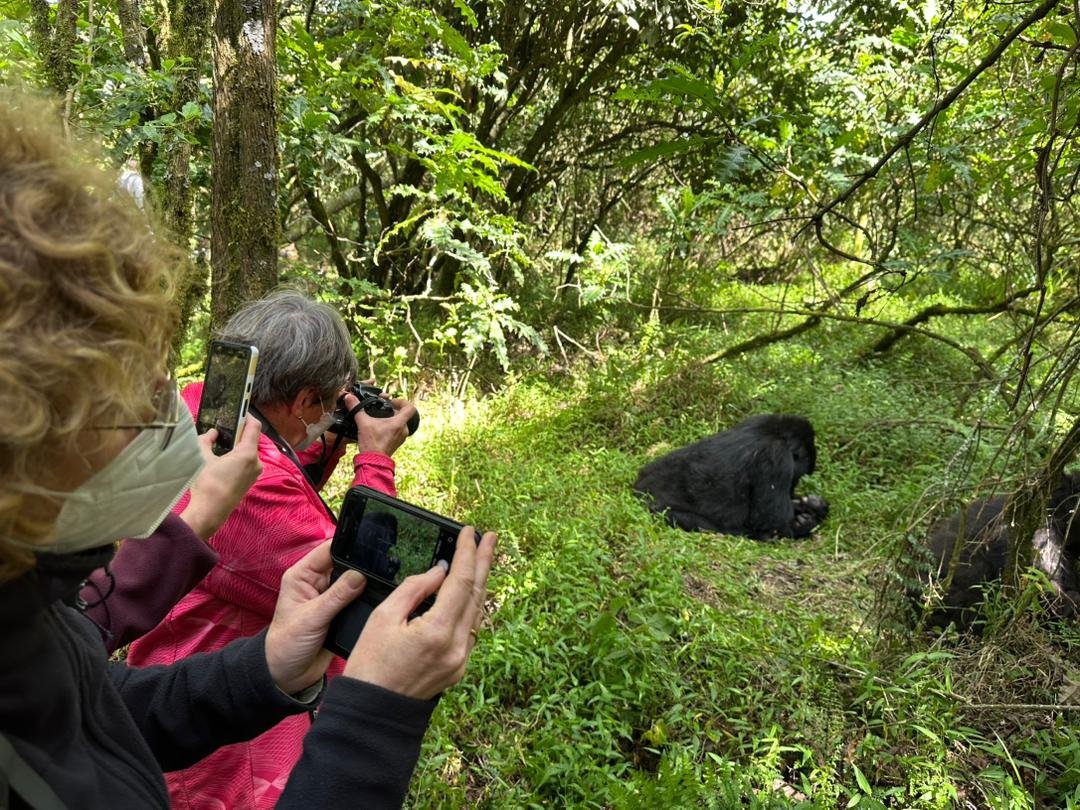
5-Day Uganda Gorilla and Chimpanzee Safari
This itinerary can be combined with a Rwanda extension or a wildlife-focused add-on through Queen Elizabeth National Park — browse our Uganda & Rwanda Safaris and Primate Safaris collections for ideas.
Tour Details →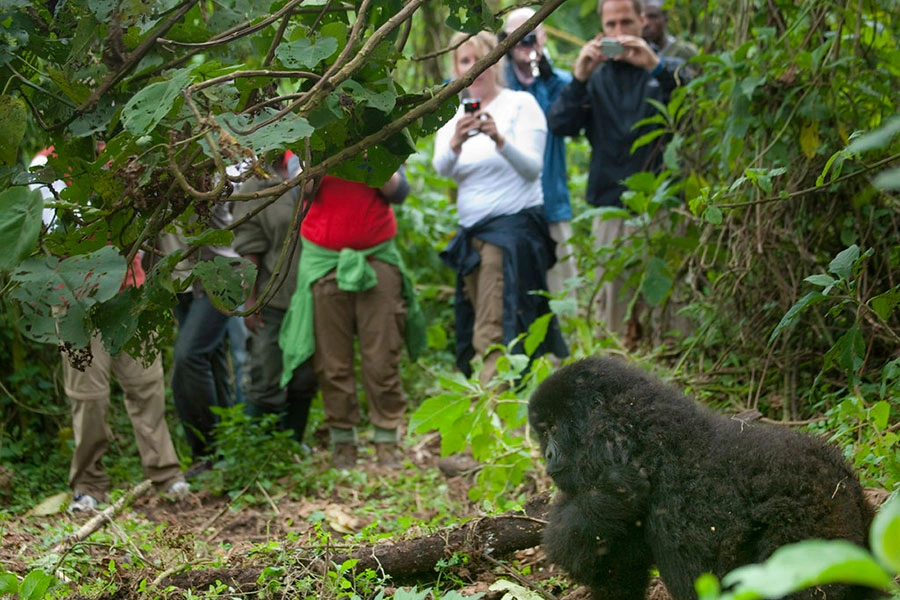
5 Days Rwanda Wildlife and Gorillas
This 5-day itinerary brings together Rwanda’s two flagship wildlife experiences: open savannah game drives and a boat safari in Akagera National Park, followed by a face-to-face encounters
Tour Details →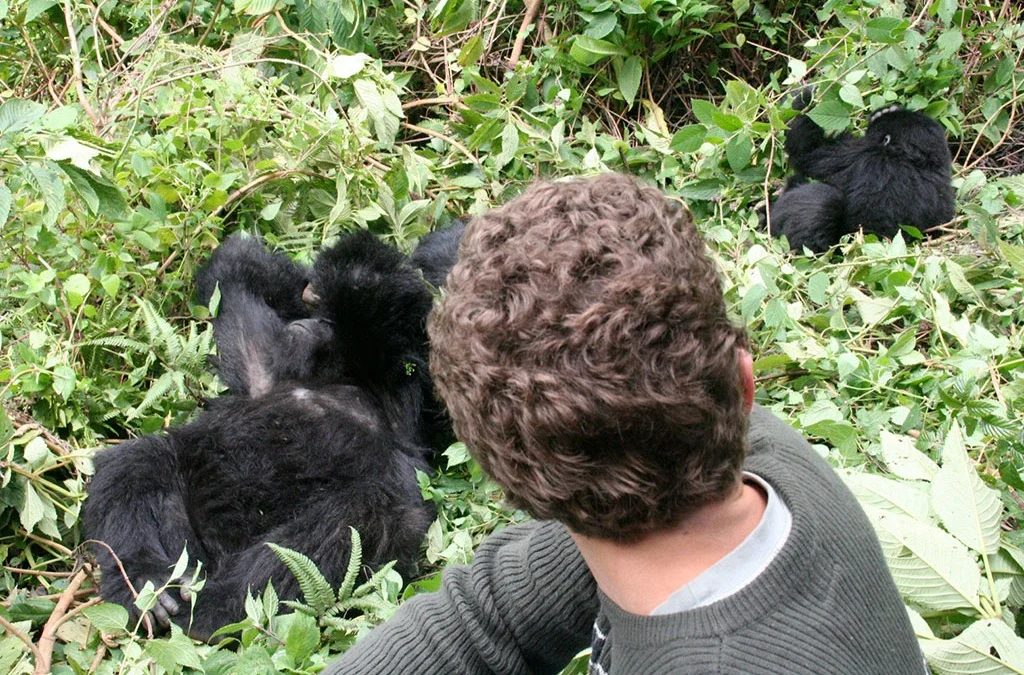
3 Days Uganda Gorilla Safari
For travelers who arrive in Entebbe with a tight schedule and a clear ambition, a 3-day gorilla safari to Bwindi Impenetrable Forest National Park is the most focused and rewarding short trip the country has to offer.
Tour Details →