- LET'S PLAN YOUR SAFARI
- +256 200 921 002
- +256 793 194 703
- info@pickandtransfersafaris.com

Gorilla Trek with local tour guide in Uganda

Gorilla Trek with local tour guide in Uganda. The moment you meet a family of mountain gorillas in Uganda’s misty forests stays with you forever. But behind every unforgettable encounter is a team of people who make it possible, and at the heart of that team is your local tour guide.
A gorilla trek with a local tour guide in Uganda is about much more than reaching the gorillas. Your guide shares the stories of the forest, explains the behaviour of each gorilla family, keeps you safe on steep trails, introduces you to local culture and turns a long drive into a fascinating journey. Many travellers say that, after the gorillas themselves, their guide was the highlight of their safari.
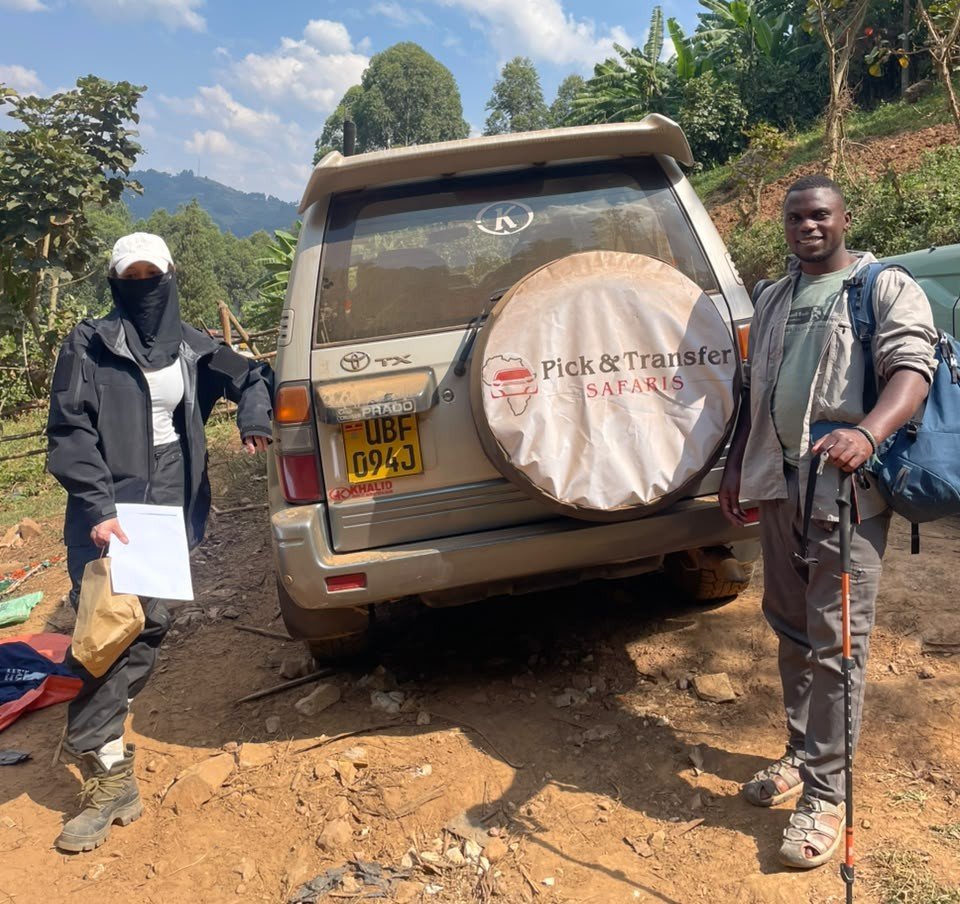
At Pick and Transfer Safaris, we are based in Kisoro, close to Bwindi and Mgahinga, and our driver-guides know south-western Uganda’s roads, parks and communities first-hand. In this guide we introduce the people you will meet on a gorilla trek, explain why local guiding matters, and share practical advice on permits, parks, tipping and itineraries.
Who Is a Local Tour Guide?
On a Uganda gorilla trek, several types of guide work together. Understanding their roles helps you know what to expect.
- Driver-guide: your main companion throughout the safari. Employed by your tour company, the driver-guide meets you at the airport, drives your 4×4, manages logistics and shares knowledge about wildlife, history and culture. They stay with you for the whole trip.
- Uganda Wildlife Authority (UWA) ranger guide: a trained park ranger who leads your trekking group in the forest, gives the safety briefing and manages your hour with the gorillas.
- Trackers: experienced rangers who go into the forest early in the morning to find the gorillas and guide your group to them by radio.
- Armed escorts: rangers who accompany each group for protection from forest elephants or other wildlife.
- Porters: local community members you can hire to carry your daypack and help you on steep sections.
All of these people are local. Many grew up in the villages around the parks, speak the local languages and have spent years learning the forest. Together, they turn your trek into a safe, educational and deeply personal experience.
Driver-Guide vs Ranger Guide: What Is the Difference?
Your driver-guide is your safari host from start to finish, booked through your tour company. They plan your days, handle border crossings and lodge check-ins, and share stories on the road. Your ranger guide is assigned by the Uganda Wildlife Authority on trek day and works only inside the park. Both are essential, and both are part of what makes trekking in Uganda so special.
To see how our driver-guides lead complete gorilla safaris, explore our gorilla safaris in Uganda and Rwanda.
Why Trek Gorillas with a Local Tour Guide in Uganda?
You could, in theory, book a permit, find your own way to the park and rely only on the ranger on trek day. But travellers who explore with an experienced local guide consistently enjoy richer, safer and smoother trips. Here is why.
Deep Knowledge of the Forest and Its Gorillas
Local guides know the gorilla families by name, the silverbacks’ personalities and the history of each group. They can explain why a family split, how young males leave to start their own groups, and what different vocalisations mean. This knowledge turns a one-hour visit into a meaningful lesson in gorilla behaviour and conservation.
Expert Wildlife and Bird Spotting
On the drive and the trek, a good guide spots what most visitors miss: a chameleon on a branch, a turaco flashing red wings, L’Hoest’s monkeys in the canopy or fresh elephant tracks on the trail. Uganda is one of Africa’s top birding destinations, and many local guides are skilled birders who can identify species by sound.
Safety on Roads, Trails and Borders
Roads to the gorilla parks wind through steep hills and can turn muddy after rain. A local driver-guide knows every bend and which routes are best in each season. When crossing between Rwanda and Uganda, they handle border formalities efficiently. In the forest, rangers manage safety around the gorillas and other wildlife, while your driver-guide makes sure you are well prepared beforehand.
A Bridge to Local Culture
Uganda has more than 50 ethnic groups and many languages. In the south-west, you will meet Bakiga, Bafumbira and Batwa communities. A local guide can translate, explain customs and introduce you to traditional food, music and farming life. Whether you visit a village, a school or a market, your guide helps you connect respectfully and authentically.
Personalised Advice and Flexibility
Your driver-guide gets to know you over the course of your safari. They notice when you are tired, adjust stops to your interests and suggest activities you might enjoy, from a sunset walk to a canoe trip on Lake Mutanda. If plans need to change because of weather or health, a local guide can adapt quickly.
Help with Fitness and Trek Preparation
Your guide will advise you on what to wear, how much water to carry and whether to hire a porter. They can also speak to the rangers about your fitness so you are assigned a gorilla family that matches your ability. This simple step can make a huge difference to how much you enjoy the trek.
Better Photographs
Experienced guides know where the light is best, how to position yourself without disturbing the gorillas and which camera settings work in the dim forest. They can also recommend scenic photo stops on the drive, such as viewpoints over the Virunga volcanoes, Lake Bunyonyi and the terraced hills of Kisoro.
Supporting Local Livelihoods
Every time you travel with a local guide, you support a professional career in Uganda’s tourism industry. Guides’ salaries and tips support families, children’s education and community businesses. This shows communities around the parks that living gorillas are worth more than any other use of the forest, which is one of the strongest foundations of conservation.
Peace of Mind from Start to Finish
From airport pickup to final drop-off, your local guide is your point of contact, problem-solver and travel companion. Knowing that someone experienced is looking after every detail lets you relax and focus on the adventure. Learn more about Pick and Transfer Safaris and how our team supports travellers throughout their journey.
A Gorilla Trek Day with Your Local Guide: Step by Step
Here is how a typical trek day unfolds, and how each member of your local team helps along the way.
5:30–6:30 am: Wake-Up and Breakfast
Your lodge prepares an early breakfast and a packed lunch. Your driver-guide checks that you have everything you need: permit details, passport, rain jacket, water, gloves and snacks. If you have not decided about a porter, this is a good time to ask your guide’s advice.
7:00–7:30 am: Arrival at the Park Headquarters
Your driver-guide takes you to the trekking headquarters of your sector, such as Buhoma, Ruhija, Rushaga or Nkuringo in Bwindi, or Ntebeko in Mgahinga. They register your group with the Uganda Wildlife Authority and introduce you to the rangers. Many trailheads welcome visitors with songs and dances performed by local community groups.
8:00 am: Briefing by the Ranger Guide
Your UWA ranger guide explains the rules of gorilla trekking: keep at least 7 metres away, speak softly, avoid flash photography, and do not eat or drink near the gorillas. They also describe the gorilla family you will visit, its silverback and its recent movements. Groups are limited to a maximum of eight visitors per gorilla family.
The Trek: Following the Trackers
By now, the trackers have been in the forest since dawn, finding the place where the gorillas nested the night before and following their trail. They radio the gorillas’ location to your ranger, who leads the group along the best route. Treks can last from under an hour to several hours, depending on where the gorillas have moved.
Along the way, your ranger points out medicinal plants, gorilla food, nests and signs of other wildlife. Your porter carries your bag, offers a hand on slippery slopes and often shares stories about growing up near the forest. Armed escorts walk with the group to keep everyone safe.
The Hour with the Gorillas
When you are close, the ranger asks you to leave walking sticks and bags with the porters and approach quietly with only your camera. For one hour you watch the gorillas feed, groom, play and rest. Your ranger guide reads the gorillas’ mood and positions the group so everyone gets a good view without disturbing the family. If a curious youngster wanders closer, the ranger will calmly guide you to step back.
After the Trek
You walk back to the trailhead, where you receive a gorilla trekking certificate. Your driver-guide is waiting with a warm welcome and cold water, ready to drive you back to your lodge. Over lunch or dinner, your guide can answer questions about what you saw and help you sort through your photos.
The Role of Porters
Hiring a porter is one of the best things you can do on trek day. Porters are members of local community associations, and the fee provides important income for families living around the park. They carry your daypack, help you up steep slopes and down muddy descents, and allow you to concentrate on the experience. Your driver-guide or the rangers can arrange a porter at the trailhead.
Gorilla Trek Etiquette Your Guide Will Ask You to Follow
- Stay with your group and follow the ranger’s instructions at all times.
- Keep a minimum distance of 7 metres from the gorillas.
- Turn away and cover your mouth if you need to cough or sneeze.
- Do not trek if you have a cold, flu or other contagious illness.
- Never use flash photography or make sudden movements.
- If a gorilla charges or approaches, stay calm, crouch down and look away.
- Carry all litter out of the forest.
For a full picture of the parks where these treks take place, see our guides to Bwindi Impenetrable National Park and Mgahinga Gorilla National Park.
Where to Trek Gorillas in Uganda with a Local Guide
Uganda has two national parks where you can trek mountain gorillas. Your local guide will help you choose the best one for your interests, fitness and travel route.
Bwindi Impenetrable National Park
Bwindi is a UNESCO World Heritage Site and one of Africa’s most ancient rainforests. It shelters nearly half of the world’s mountain gorillas and has the largest number of habituated gorilla families open to visitors. Trekking takes place in four sectors:
- Buhoma (north): the original trekking area, with good lodges and easy access from Queen Elizabeth National Park.
- Ruhija (east): Bwindi’s highest sector, cooler and popular with birders.
- Rushaga (south): the sector with the most gorilla families and the only place offering the four-hour gorilla habituation experience.
- Nkuringo (south): known for steep treks and spectacular views of the Virunga volcanoes.
Local guides know the character of each sector, from trail difficulty to lodge locations, and will match you to the right one. The southern sectors are closest to Kigali via the Cyanika border, while Buhoma and Ruhija are easier to reach from the north.
Mgahinga Gorilla National Park
Mgahinga is Uganda’s smallest national park, set on the slopes of the Virunga volcanoes on the borders with Rwanda and the Democratic Republic of Congo. It is part of the Virunga Conservation Area and is famous as the place where “silver meets gold”: you can trek mountain gorillas and track rare golden monkeys in the same park. Local guides here also lead volcano hikes and Batwa cultural trails, where Batwa guides share their ancestral forest knowledge.
Uganda Gorilla Permit Prices (2026)
Every trekker needs a gorilla permit from the Uganda Wildlife Authority. Permits are sector-specific and include park entry, the ranger guide and one hour with the gorillas. Current prices are:
- Foreign non-residents: US$800 per person
- Foreign residents: US$700 per person
- Gorilla habituation experience (foreign non-residents): US$1,500 per person
UWA has announced that from January 2027, discounted low-season permits return for April, May and November (US$600 for foreign non-residents), and the habituation permit rises to US$1,800. Foreign non-resident permits are booked through licensed tour operators, and your guide’s company will secure your permit in your name. Always confirm current rates when you book.
Your permit pays for the ranger guide, but your driver-guide, transport, lodges and meals are part of your safari package. Ask your tour company for an itemised quote so you know exactly what is included.
Best Time for a Gorilla Trek in Uganda
Gorilla trekking is possible all year round. Your local guide can advise you on what to expect in each season:
- June to September and December to February (dry seasons): firmer trails, easier hiking and the most popular months. Book permits early.
- March to May and October to November (wet seasons): lush green forest, fewer visitors and, from 2027, cheaper permits in April, May and November. Trails can be muddy, so good boots and a porter are essential.
Because Bwindi and Mgahinga are rainforest and montane parks, rain can fall at any time of year. Your guide will remind you to pack waterproof layers, whatever the season.
How Fit Do You Need to Be?
Gorilla treks involve walking on uneven, often steep ground at altitude, sometimes for several hours. You do not need to be an athlete, but regular walking before your trip will help. Visitors must be at least 15 years old. Tell your guide about any health issues or mobility concerns, and they will work with the rangers to make your trek as comfortable as possible. To learn more about Uganda’s parks and travel conditions, see Kenlink Tours’ guide to Uganda.
What Makes a Great Local Tour Guide in Uganda?
Not all guides are the same. When you plan a gorilla trek, look for a company whose guides have these qualities:
- Professional training in tourism, guiding, wildlife or hospitality.
- Strong knowledge of gorillas, primates, birds, plants, history and culture.
- Excellent communication in English and, ideally, other languages such as French, German or Spanish.
- Safe, experienced driving on mountain roads and cross-border routes.
- First-aid awareness and calm problem-solving.
- Genuine passion for conservation and for sharing Uganda with visitors.
- Positive reviews from previous travellers that mention the guide by name.
The best guides combine expertise with warmth. They are patient storytellers, attentive hosts and trusted companions.
How Local Guides Are Trained
Many Ugandan guides start their careers through tourism courses, internships and years of mentoring on the road. Institutions such as KCI Institute in Kampala offer practical training in tourism, travel and tour management, wildlife conservation, ecotourism, hospitality and defensive driving, preparing the next generation of safari professionals.
Tour companies also mentor young guides directly. Kenlink Tours, for example, runs a tourism internship and mentorship programme in Uganda, where students learn by working alongside experienced guides. Over time, new guides build their knowledge of the parks, the wildlife and the art of looking after travellers. You can read more about Kenlink’s team and approach on its About Us page.
In the parks, UWA ranger guides receive specialised training in wildlife protection, gorilla behaviour, visitor safety and first aid. Many have spent years following the same gorilla families and know them as individuals.
How to Work with Your Guide for the Best Experience
- Share your expectations early. Tell your guide what matters most: photography, birds, culture, comfort or adventure.
- Be honest about your fitness and health. This helps your guide arrange the right gorilla family and pace.
- Ask questions. Guides love sharing their knowledge, so ask about anything you see.
- Follow safety advice. On roads, in the forest and at borders, your guide’s instructions keep you safe.
- Give feedback. If something is not right, tell your guide so they can fix it straight away.
Tipping Your Local Guide, Rangers and Porters
Tipping is customary in Uganda’s safari industry and is a meaningful way to say thank you. It is always voluntary and should reflect the quality of service you received. As a general guide:
- Driver-guide: many travellers tip per day of the safari, usually given at the end of the trip.
- UWA ranger guide and trackers: a tip at the end of the trek is appreciated; it can be given to the ranger to share with the team.
- Porters: pay the standard porter fee set at the trailhead, plus a small tip if they gave excellent help.
- Lodge staff: many lodges have a shared tip box for all staff.
Ask your tour company for current suggested amounts. Tips can be given in US dollars or Ugandan shillings; bring some smaller notes for convenience.
Photography Tips from Local Guides
Uganda’s forests are dark, and gorillas have dark fur, so photography can be challenging. Local guides recommend:
- Turn off your flash and set your camera to a higher ISO.
- Use a lens around 24–105 mm or 70–200 mm; you will be close, so a very long lens is not needed.
- Shoot in burst mode to capture expressions and movement.
- Spend some of your hour simply watching, not photographing; many travellers say the memory matters more than the photo.
- Protect your camera from rain with a plastic bag or rain cover.
Your guide can also suggest the best moments to photograph, such as when a juvenile plays or the silverback sits in a patch of light.
Responsible Trekking with a Local Guide
Responsible tourism keeps gorillas safe and communities thriving. Your guide will encourage you to follow park rules, hire porters, buy crafts from community groups and respect local customs. By choosing a local guide, you already help ensure tourism income stays in Uganda and supports the people who protect the forests.
Gorilla Trek Itineraries with a Local Guide in Uganda
A local guide can lead you on anything from a short gorilla trek to a grand tour of Uganda. Here are popular options from Pick and Transfer Safaris and Kenlink Tours.
Short Gorilla Treks (2–3 Days)
- 2 Days Uganda Gorilla Tour Starting from Kigali – your driver-guide meets you in Kigali, crosses into Uganda and leads you to Bwindi for a gorilla trek.
- 3 Days Uganda Gorilla Safari – a focused trip from Entebbe to Bwindi.
- 3-Day Uganda Gorillas Safari by Kenlink Tours – gorilla trekking in Bwindi or Mgahinga.
Gorillas and Chimpanzees with a Local Guide
Uganda is one of the best places in Africa to see both mountain gorillas and chimpanzees. Combine them on:
- 3 Days Chimpanzee Tour in Uganda in Kibale Forest National Park, the primate capital of the world.
- 4 Days Wildlife and Primate Safari – primates plus savannah wildlife.
- 5 Days Chimps and Gorilla Safari by Kenlink Tours.
- 4 Days Uganda Primate Tour by Kenlink Tours.
- 3 Days Chimp Tracking Safari to Kibale National Park by Kenlink Tours.
Gorillas and Big Game Safaris
With a local guide behind the wheel, game drives become far more rewarding as they track lions, elephants and leopards by reading the landscape:
- 3 Days Safari to Queen Elizabeth National Park – tree-climbing lions and the Kazinga Channel.
- 3 Days Safari to Murchison Falls – Uganda’s largest park and its thundering waterfall on the Nile.
- 7 Days Uganda Safari – One Week Tour – chimps, game drives and gorillas.
- 7 Days Amazing Gorilla and Wildlife Safari in Uganda by Kenlink Tours.
Long Gorilla, Wildlife and Culture Safaris
For travellers with more time, a local guide can lead a full journey across Uganda:
- 14-Day Uganda Primates and Safari Adventure – a two-week tour of the country’s highlights.
- 18 Days Uganda Birding and Wildlife Safari – ideal for bird lovers guided by expert local birders.
- 10 Days Uganda Primate, Wildlife and Cultural Tour by Kenlink Tours.
- 7-Day Birdwatching Safari in Uganda by Kenlink Tours.
You can also browse all our Uganda and Rwanda wildlife safaris and destinations, or ask us to design a private, tailor-made itinerary.
Why Trek with Pick and Transfer Safaris’ Local Guides?
- Based near the gorillas: our office in Kisoro is close to Bwindi and Mgahinga.
- Licensed by the Uganda Tourism Board.
- Experienced driver-guides who know the parks, the roads and the Rwanda–Uganda borders.
- Affordable, tailor-made safaris for budget and mid-range travellers.
- Our own hotel in Kisoro, Ikoro Hotel, at the foot of the Virunga Mountains.
- Community support: part of our profits helps orphaned children through the Kigezi Foundation.
Frequently Asked Questions About a Gorilla Trek with a Local Tour Guide in Uganda
Do I need a local guide to trek gorillas in Uganda?
Every gorilla trek is led by a Uganda Wildlife Authority ranger guide, which is included in your permit. A driver-guide from a tour company is not compulsory, but most travellers use one for transport, logistics, border crossings and expert knowledge throughout their safari.
Is the ranger guide included in the gorilla permit?
Yes. The permit covers park entry, the ranger guide and one hour with the gorillas. Your driver-guide, porters and tips are separate.
Can I request a guide who speaks my language?
Many Ugandan guides speak English, and some also speak French, German, Spanish or other languages. Ask your tour company in advance so they can arrange a suitable guide.
How much should I tip my guide?
Tipping is voluntary and depends on the service. Ask your tour company for current suggested amounts for driver-guides, rangers and porters.
Are local guides safe drivers?
Professional driver-guides from licensed companies are experienced on Uganda’s roads, including mountain and murram roads to the gorilla parks. Ask your operator about its guides’ experience and vehicles.
Can my guide help me if I am not very fit?
Yes. Your guide can speak to the rangers so you are assigned a gorilla family that is easier to reach, recommend a porter and help you pace yourself on the trail.
Gorilla Trek with local tour guide in Uganda
A gorilla trek with a local tour guide in Uganda transforms a wildlife encounter into a complete cultural and natural journey. From the driver-guide who shares stories on the road, to the trackers who find the gorillas at dawn, the ranger who leads you through the forest and the porter who lends a steady hand, local people are at the heart of every great gorilla trek.
Ready to meet the mountain gorillas with an experienced local team? Contact Pick and Transfer Safaris today to check permit availability and plan your gorilla trek in Uganda. Our local guides are waiting to show you the Pearl of Africa.
7 Days Uganda Safari – One week tour
This 7-day itinerary is the classic one-week introduction to Uganda, covering the country’s three most iconic wildlife experiences: chimpanzee tracking in Kibale Forest National Park, Big Five game drives and a boat cruise in Queen
Tour Details →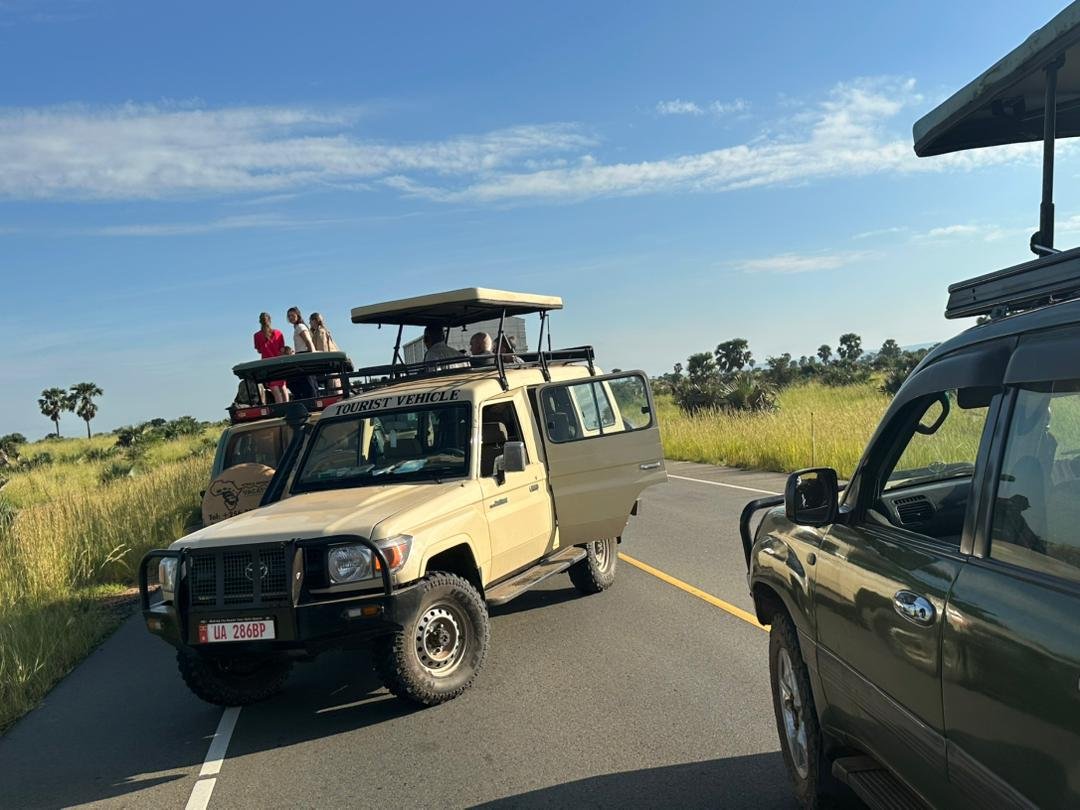
10 Days Uganda Primates and Wildlife
This 10-day Uganda Grand Safari is the most complete Uganda itinerary we offer at Pick and Transfer Safaris. It begins with a scenic northward drive from Entebbe to the vast open plains of Murchison
Tour Details →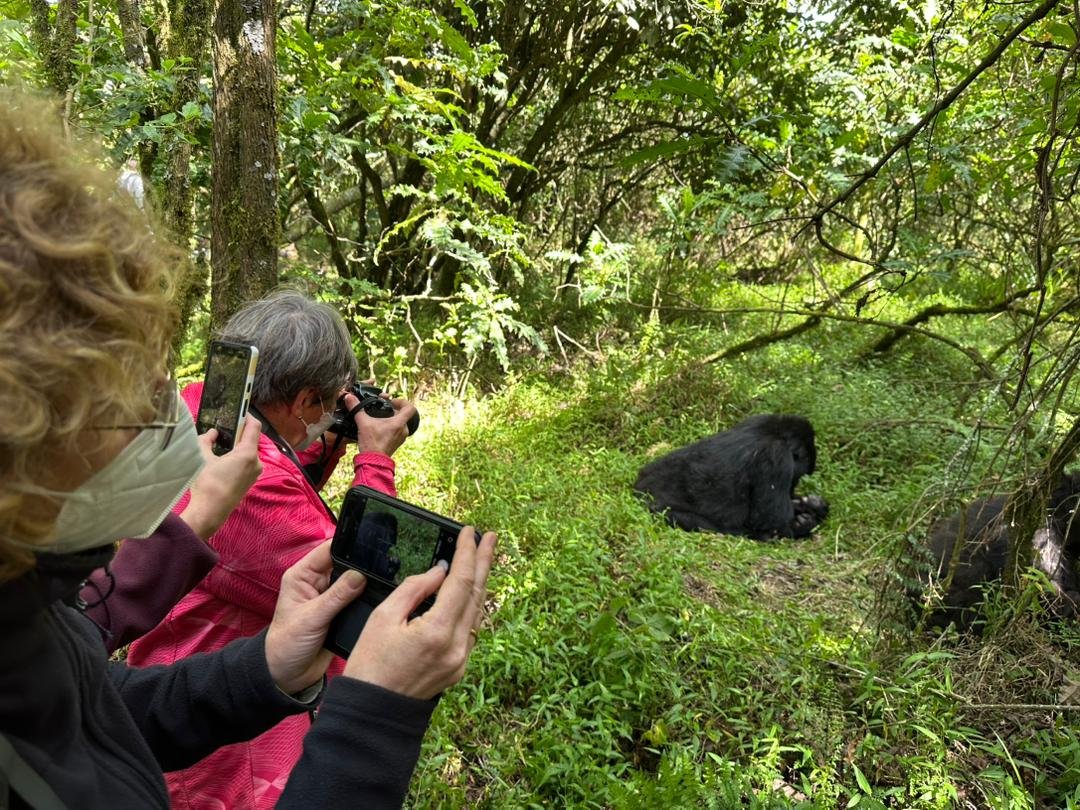
2 Days Uganda Gorilla Tour Starting from Kigali
This is the gentler cousin of our 1-Day Uganda Gorilla Safari Starting from Kigali — same idea, twice the breathing room. Instead of squeezing a 3,000-metre forest trek and two border crossings into a single very long day
Tour Details →
5-Day Uganda Gorilla and Chimpanzee Safari
This itinerary can be combined with a Rwanda extension or a wildlife-focused add-on through Queen Elizabeth National Park — browse our Uganda & Rwanda Safaris and Primate Safaris collections for ideas.
Tour Details →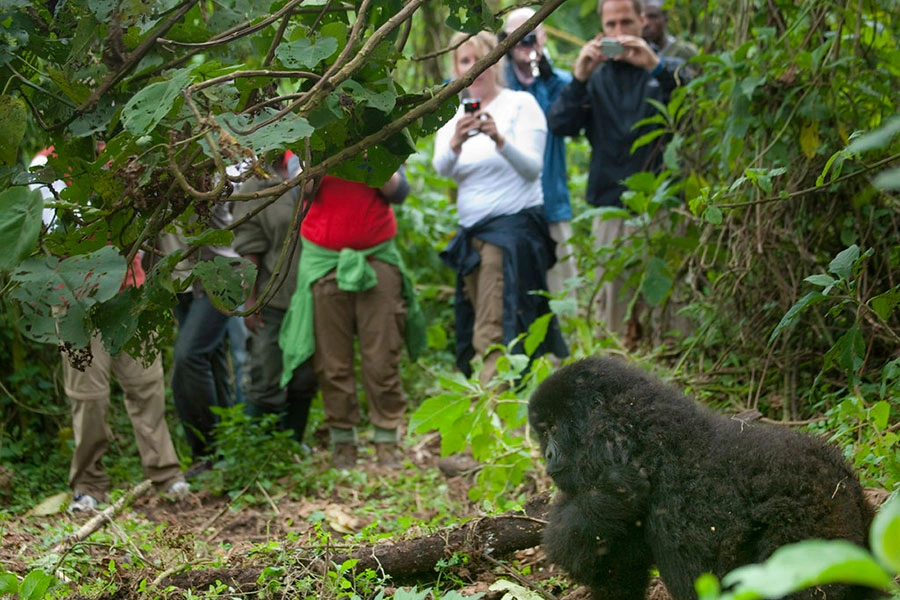
5 Days Rwanda Wildlife and Gorillas
This 5-day itinerary brings together Rwanda’s two flagship wildlife experiences: open savannah game drives and a boat safari in Akagera National Park, followed by a face-to-face encounters
Tour Details →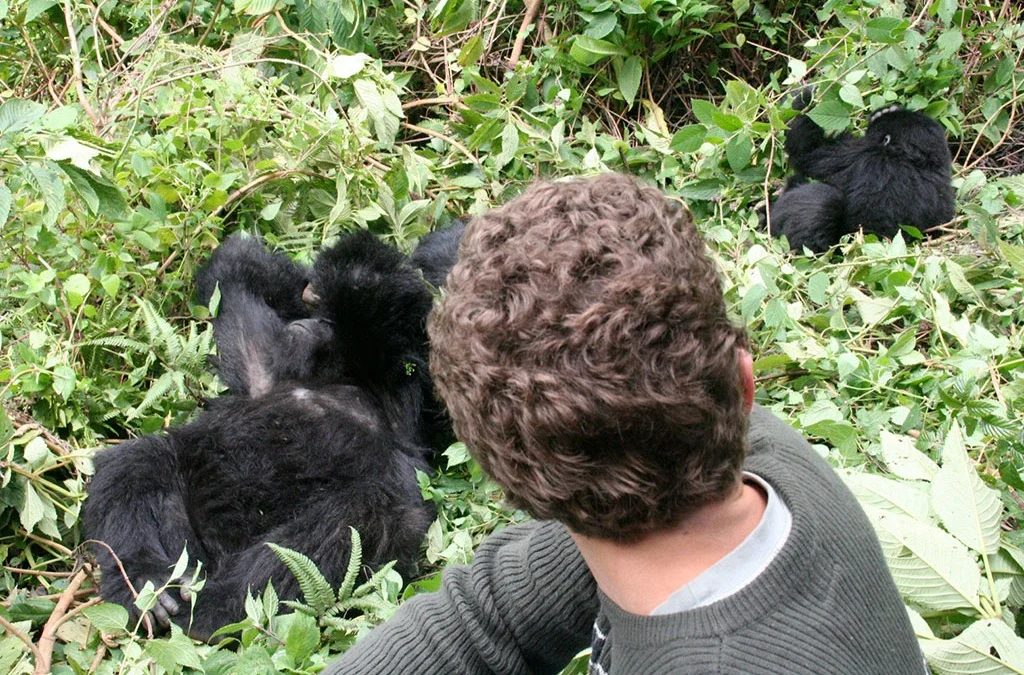
3 Days Uganda Gorilla Safari
For travelers who arrive in Entebbe with a tight schedule and a clear ambition, a 3-day gorilla safari to Bwindi Impenetrable Forest National Park is the most focused and rewarding short trip the country has to offer.
Tour Details →