- LET'S PLAN YOUR SAFARI
- +256 200 921 002
- +256 793 194 703
- info@pickandtransfersafaris.com

How much is a transfer from Bwindi to Kigali Rwanda
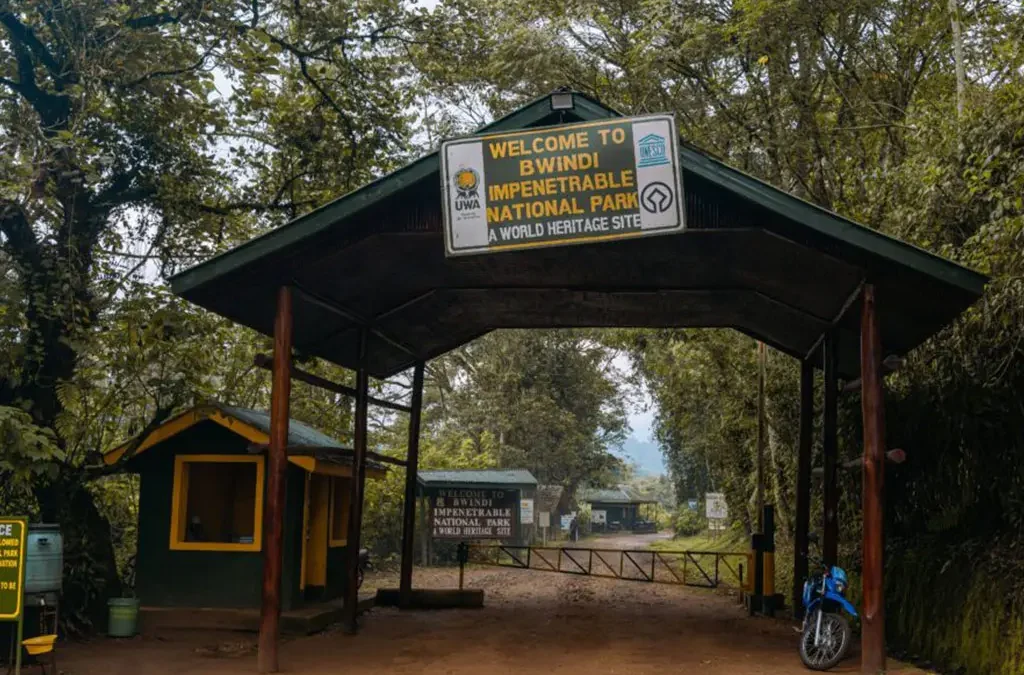
How much is a transfer from Bwindi to Kigali Rwanda. You have just spent an hour with a family of mountain gorillas in Bwindi Impenetrable National Park, and you will remember it for the rest of your life. Now there is a practical question: how do you get back to Kigali for your flight, and how much will it cost? This question comes up more often than almost any other at Pick and Transfer Safaris. More travelers are choosing Kigali International Airport as their gateway to Uganda’s gorillas, so the Bwindi to Kigali transfer has become one of the most important parts of a gorilla trip.
This guide covers the cost of a Bwindi to Kigali transfer in 2026: private 4×4 transfers, shared options, budget public transport, and the rarely used charter flight. We also explain why the price changes depending on which Bwindi sector you trek in, which border crossing you use, what is included in your quote, and how to save money by combining your transfer with a full gorilla package. It is written for someone planning a first trip to Uganda and for someone who just needs a reliable price for the drive.
How Much Is a Transfer from Bwindi to Kigali? The Quick Answer
A private one-way transfer from Bwindi to Kigali typically costs between US$300 and US$700 per vehicle, not per person. The two biggest factors are the Bwindi sector you start from and the type of vehicle. Transfers from the southern sectors of Rushaga and Nkuringo are the cheapest because they are closest to the Rwandan border. Transfers from Buhoma in the north cost the most because the drive is much longer.
For budget travelers, the cheapest option is public transport from Kisoro to Kigali through the Cyanika border. It costs only a few dollars per person but takes more time, planning and patience. At the other end, a private air charter can cost several thousand dollars. Most travelers choose a private road transfer because it gives the best balance of comfort, safety, flexibility and value.
Because the price is per vehicle, a private transfer becomes much cheaper per person as your group grows. A couple sharing a US$400 transfer pays US$200 each. A group of four pays only US$100 each, and that buys a private vehicle and a professional driver-guide who handles the border formalities for you.
Bwindi to Kigali Transfer Price Table (2026)
The table below shows indicative 2026 prices for the most common transfer options between Bwindi Impenetrable National Park and Kigali, Rwanda.
| Starting point in Bwindi | Approx. driving time to Kigali | Private 4×4 (one way, per vehicle) | Best border crossing |
|---|---|---|---|
| Rushaga sector | 4.5 – 5.5 hours | US$300 – US$450 | Cyanika |
| Nkuringo sector | 5 – 6 hours | US$320 – US$480 | Cyanika |
| Ruhija sector | 5.5 – 6.5 hours | US$400 – US$550 | Katuna (Gatuna) |
| Buhoma sector | 7 – 9 hours | US$500 – US$700 | Katuna (Gatuna) |
| Kisoro town / Mgahinga | 3.5 – 4.5 hours | US$250 – US$400 | Cyanika |
| Public bus (Kisoro – Kigali) | 5 – 7 hours with connections | US$8 – US$20 per person | Cyanika |
Prices are indicative for 2026, vary by season and vehicle, and should be confirmed with our team when you book.
Why So Many Travelers Fly Into Kigali for Uganda Gorilla Trekking
Not long ago, almost every Uganda gorilla safari started at Entebbe International Airport. Entebbe is a fine gateway, but the drive to southern Bwindi can take nine to eleven hours. That usually means losing a full day of your holiday to the road in each direction. Kigali is much closer to Bwindi’s southern sectors. Flying into Kigali City and driving across the border can save you a day or more, which is why we built our range of short Uganda gorilla safaris starting from Kigali.
The other reason is cost. A Uganda gorilla permit costs far less than a Rwanda permit. Many travelers land in Kigali, cross into Uganda to trek in Bwindi at a lower permit price, and return to Kigali for their flight home. Even after paying for the transfer, the total is usually much lower than trekking in Rwanda. You still get a world-class gorilla encounter in one of Africa’s oldest rainforests.
Kigali is also a pleasant place to begin or end a safari. Rwanda’s capital is clean, safe and easy to move around, with good hotels, restaurants and cultural sites. Many of our guests add a day in the city before or after their gorilla trek to visit the Kigali Genocide Memorial, browse craft markets, or rest before a long-haul flight.
Understanding Bwindi’s Four Trekking Sectors and How They Affect the Price
Bwindi is a large park, and the place you trek decides how long your transfer back to Kigali takes. Gorilla families are habituated in four main sectors: Buhoma in the north, Ruhija in the east, and Rushaga and Nkuringo in the south. Each sector has its own lodges, its own trailheads and its own road links to the border. Your gorilla permit is issued for a specific sector, so checking the location before you book is one of the easiest ways to control the cost of your transfer.
If keeping your transfer cost low is a priority, ask for a permit in Rushaga or Nkuringo. Our team checks permit availability with the Uganda Wildlife Authority and tells you which sectors have space on your dates. We can also explain the trade-offs between sectors in terms of hiking difficulty, lodge choice and driving time.
Rushaga and Nkuringo: The Closest Sectors to Kigali
Rushaga is in the far south of Bwindi and is the most popular choice for travelers coming from Kigali. It has the largest number of habituated gorilla families in the park, which helps permit availability. It is a short drive from Kisoro town and the Cyanika border. A transfer from Rushaga to Kigali usually takes four and a half to five and a half hours, including the border crossing, so it is the most affordable Bwindi sector to reach from Rwanda.
Nkuringo is close to Rushaga and also uses the Cyanika border. The road to Nkuringo winds along a dramatic ridge with views of the Virunga volcanoes. Some stretches are rough, so the drive takes a little longer. Nkuringo treks are known for being steep. The views and the quiet atmosphere make it a favorite with photographers and experienced hikers.
Both sectors are also near Mgahinga Gorilla National Park, where you can track gorillas and the rare golden monkeys on the slopes of the Virunga volcanoes. If you want a second primate experience without adding hours of driving, Mgahinga is an easy addition.
Ruhija: The Middle Ground
Ruhija sits high on the eastern side of Bwindi, close to 2,300 metres above sea level. It is cooler than the other sectors and is famous with birdwatchers because the Mubwindi Swamp trail is one of the best places in Uganda to look for the African green broadbill. Travelers transferring from Ruhija to Kigali usually drive through Kabale town and cross at the Katuna (Gatuna) border. The trip takes five and a half to six and a half hours. Ruhija transfers cost a little more than those from the southern sectors but much less than those from Buhoma.
Buhoma: The Longest Transfer
Buhoma is Bwindi’s oldest and best-known trekking sector, and it was the first to receive gorilla tourism in the early 1990s. It has a wide range of lodges and a lively community tourism scene, including village walks and the famous Buhoma community projects. It is also the furthest sector from Kigali. A transfer from Buhoma to Kigali can take seven to nine hours depending on road conditions and border queues, so it is the most expensive option. If you have a Buhoma permit and an early flight, we usually recommend an overnight stop in Kigali or Kisoro before the flight.
The Route: Bwindi to Kigali Step by Step
Here is a typical transfer from the southern sectors, the route most of our guests take.
Bwindi (Rushaga or Nkuringo) to Kisoro: The first part of the drive winds through terraced hills and small farming villages before reaching Kisoro town. This stretch takes about one to one and a half hours. Parts of the road are murram (gravel), which is why a 4×4 is recommended, especially in the rainy season.
Kisoro to the Cyanika border: From Kisoro, a smooth tarmac road runs for about 12 kilometres to the Cyanika border post. Your driver helps you with Ugandan exit formalities before you walk across to the Rwandan side for immigration and health checks.
Cyanika to Musanze: Once you are in Rwanda, the road is excellent. You pass the foothills of the Virunga volcanoes and reach Musanze town, which is also the gateway to Volcanoes National Park, in roughly 30 to 40 minutes.
Musanze to Kigali: The last stretch is the famous winding road through the “land of a thousand hills”. It takes about two to two and a half hours, with views of tea plantations, banana groves and green valleys before you arrive in Kigali.
One detail surprises many first-time visitors. Uganda drives on the left and Rwanda drives on the right. Your driver switches sides as soon as you cross the border, and it is a good reminder that you have moved from one country to another.
Cyanika vs Katuna (Gatuna) Border: Which Crossing Is Better?
There are two main border crossings between southwestern Uganda and Rwanda that travelers use on the Bwindi to Kigali route.
Cyanika border is the best choice for Rushaga, Nkuringo, Kisoro and Mgahinga. It is smaller and usually quieter, and it connects directly to the Musanze–Kigali highway. For most of our Kigali-based gorilla safaris it is the fastest crossing.
Katuna (Gatuna) border is the main commercial crossing between Uganda and Rwanda, near Kabale town. It is the better choice from Ruhija and Buhoma because those sectors connect more easily to Kabale. It handles heavy trucks and cargo, so there can be queues at busy times, but the paperwork for travelers is generally efficient.
Border operating hours can change, so your driver-guide will plan your departure time to make sure you cross comfortably and reach Kigali in good time for your flight or hotel check-in.
What Is Included in a Private Bwindi to Kigali Transfer?
When you book a private transfer with Pick and Transfer Safaris, the price normally includes:
- A private, well-maintained 4×4 safari vehicle used only by your group
- A professional, English-speaking driver-guide with cross-border experience
- Fuel for the full journey
- Cross-border vehicle documents and regional insurance for the vehicle
- The driver’s meals and allowances
- Bottled drinking water on board
- Help with border formalities on both sides
- Drop-off at your hotel, guest house or Kigali International Airport
The price usually does not include your visa fees, personal travel insurance, meals and drinks along the way, tips for your driver, or extra stops and detours you request on the day. Always ask for a written breakdown so you know exactly what you are paying for.
Factors That Affect the Cost of Your Bwindi to Kigali Transfer
No two transfers are exactly the same. These are the main things that move the price up or down.
1. The Bwindi sector you start from. As described above, transfers from Rushaga and Nkuringo are cheaper than those from Ruhija and Buhoma because of the distance.
2. Vehicle type. A safari-equipped Toyota Land Cruiser with a pop-up roof costs more than a standard 4×4 such as a Toyota RAV4. For a straightforward transfer, a smaller 4×4 is often enough. For a larger group or if you plan game viewing on the way, the Land Cruiser is worth the extra cost.
3. Group size. Since you pay per vehicle, adding travelers lowers the cost per person until the vehicle is full. Very large groups may need two vehicles or a minibus.
4. One-way vs round trip. If you book only a one-way transfer from Bwindi to Kigali, the vehicle has to drive back empty. This is called “dead mileage” and it is built into the price. Booking your transfer as part of a round-trip package, Kigali to Bwindi and back, is usually much better value.
5. Season. During the peak gorilla trekking months of June to September and December to February, demand for vehicles and drivers is higher. Book early in these months.
6. Fuel prices. Fuel costs in Uganda and Rwanda change with global markets, and transfer prices follow them. Quotes are normally valid for a set period.
7. Extra stops and detours. If you want to stop at the Lake Bunyonyi viewpoint, visit a craft market, or take a longer lunch in Musanze, let us know when you book so we can plan the timing and price.
8. Overnight requirements. If your flight is very early and you need to leave Bwindi the afternoon before, the driver’s accommodation may be added to your quote.
Private Transfer vs Shared Transfer vs Public Bus
Each option has its own price, comfort level and risks.
Private transfer: The most popular choice. You get a dedicated vehicle and driver, you leave when you want, you stop when you want, and someone experienced handles the border. It is the safest and most predictable way to make a flight on time.
Shared transfer: Occasionally, operators combine travelers going the same way on the same day to split the vehicle cost. This can lower the price per person, but it depends on finding other travelers with matching dates and sectors, and you lose control of the timing. Shared seats are not guaranteed, so they are best for flexible travelers without a tight flight connection.
Public bus: The cheapest option by far, but also the slowest and least comfortable. See the next section for details.
Budget Option: Public Bus from Kisoro to Kigali
For backpackers and very budget-conscious travelers, it is possible to travel from Bwindi to Kigali by public transport. You first get a special hire car or boda boda (motorcycle taxi) from your lodge to Kisoro town, which can be expensive on its own from remote lodges. From Kisoro, take a minibus or shared taxi to the Cyanika border, cross on foot, and catch a minibus to Musanze. From Musanze, frequent coaches run to Kigali’s Nyabugogo bus park.
The fares are very low, often under US$20 per person for the whole journey, but there are drawbacks. You carry your luggage through several changes of vehicle, services can be crowded, and timings are hard to predict. Getting from a remote Bwindi lodge to Kisoro may cost nearly as much as part of a private transfer. If you have a flight to catch, we strongly recommend a private transfer.
Can You Fly from Bwindi to Kigali?
There are no scheduled commercial flights directly between Bwindi and Kigali. Domestic airlines in Uganda run scheduled flights between Entebbe and the airstrips at Kihihi (for Buhoma) and Kisoro (for the southern sectors), but these do not go to Kigali. A direct flight would require a private charter, which needs special cross-border clearance and usually costs several thousand US dollars. For almost everyone, the road transfer is faster door to door, much cheaper, and very scenic.
Which Vehicle Is Best for the Bwindi to Kigali Transfer?
Toyota RAV4 or similar 4×4: Ideal for one to three travelers on a simple transfer. Comfortable, fuel-efficient and cheaper to hire.
Toyota Land Cruiser (safari version): The classic East African safari vehicle. It has more room, higher ground clearance for rough roads, and a pop-up roof. It is best for families, photographers, and anyone combining the transfer with game drives.
Minibus or extended Land Cruiser: Suitable for larger groups who want to travel together.
If you are thinking about renting a vehicle and driving yourself, Kenlink Tours offers 4×4 car hire in Uganda, and our team can advise on self-drive safari options. Self-drive is popular with adventurous travelers. Crossing the border in a rental car needs extra paperwork, so many visitors find a driver-guide easier.
Save Money: Combine Your Transfer with a Gorilla Safari Package
The best way to cut the cost of a Bwindi to Kigali transfer is to stop treating it as a separate purchase. A full gorilla package that starts and ends in Kigali spreads the vehicle cost across the whole trip, removes the dead mileage of a one-way booking, and usually includes your permit, accommodation, meals and park fees. The overall value is far better.
Popular Kigali-based gorilla packages from Pick and Transfer Safaris include:
- 1 Day Uganda Gorilla Safari Starting from Kigali – an early start, a trek in southern Bwindi or Mgahinga, and a return to Kigali the same day. Best for travelers with very little time.
- 2 Days Uganda Gorilla Tour Starting from Kigali – a more relaxed version with an overnight near the park, so you are not rushing the trek and both border crossings into one day.
- 3 Days Uganda Gorilla Safari from Rwanda – the most balanced option, with travel days on either side of your trek and time for a community walk or Lake Mutanda.
- 5 Days Uganda Gorilla and Chimps Safari Starting from Rwanda – gorillas plus chimpanzee tracking for primate lovers.
For comparison, Kenlink Tours offers similar itineraries, including the 2 Days Uganda Gorilla Safari Starting from Kigali, the 3 Days Bwindi Gorilla Safari Starting from Kigali, the 2 Days Rwanda to Uganda Gorilla Trekking Safari and the longer 5-Day Gorilla Trekking Safari from Kigali to Uganda. Looking at a few packages side by side helps you see how much value a combined trip gives compared with booking a transfer, a permit and a lodge separately.
Uganda vs Rwanda Gorillas: Why the Transfer Is Worth It
Some travelers ask whether it makes sense to travel from Kigali all the way to Bwindi when Rwanda has its own gorillas in Volcanoes National Park, only about two and a half hours from Kigali. It is a fair question, and the answer depends on your budget and interests.
At the time of writing, a Rwanda gorilla permit costs about US$1,500 per person for foreign non-residents, while a Uganda permit costs about US$800. For a couple, that saves roughly US$1,400 on permits alone. That saving easily covers a private transfer to Bwindi and back, with money left over. Bwindi also offers the gorilla habituation experience, which lets a small group spend up to four hours with a gorilla family that is still getting used to people.
Rwanda offers shorter driving times and very polished lodges. If you have the budget and limited time, a trek in Volcanoes National Park is excellent. Our 2 Days Volcanoes Gorilla Trek from Kigali is a popular choice. Kenlink Tours also runs a 3-Day Gorilla Trekking in Volcanoes National Park itinerary. Some travelers trek in both countries to compare. Kenlink’s 5 Days Uganda Rwanda Double Gorilla Safari is built around that idea.
Documents You Need for the Bwindi to Kigali Border Crossing
Have these ready before you leave Bwindi:
- A valid passport with at least six months’ validity and blank pages
- A valid visa for Rwanda, or proof of visa-free entry for your nationality, plus a Uganda visa that is still valid if you plan to return to Uganda
- A Yellow Fever vaccination certificate, which Uganda requires and border officials may check
- Your onward travel details, such as your flight booking or hotel confirmation in Kigali
- Some cash in US dollars, in newer notes printed after 2013, for any visa payments or small purchases
Visa rules change, so check the official immigration websites for Uganda and Rwanda before you travel, or ask our team for the latest information.
The East Africa Tourist Visa: A Smart Choice for This Route
If you are visiting both Uganda and Rwanda, the East Africa Tourist Visa is often the most convenient option. It allows multiple entries between Uganda, Rwanda and Kenya for up to 90 days on a single visa. You do not need separate visas for each crossing, which is ideal for a Kigali–Bwindi–Kigali trip. Apply online before travel and enter first through the country that issued your visa. Our team can explain how the visa works for your itinerary.
Best Time to Travel from Bwindi to Kigali
The Bwindi to Kigali transfer runs all year, but road conditions and travel times change with the seasons.
Dry seasons (June to September and December to February): These are the best months for gorilla trekking and road travel. The murram roads around Bwindi are firmer, journeys are more predictable, and the scenery is clear. It is also peak season, so book permits and transfers well ahead.
Rainy seasons (March to May and October to November): Rain can make the gravel sections near Bwindi muddy and slippery, which slows the drive. A 4×4 becomes essential, and we build extra time into the schedule. The upside is fewer tourists, very green landscapes, and sometimes lower lodge rates.
Umuganda in Rwanda: On the last Saturday of each month, Rwanda holds Umuganda, a national morning of community service. Traffic is restricted for several hours in the morning. If your transfer falls on that day, your driver will time the trip around it.
Practical Tips for a Smooth Bwindi to Kigali Transfer
Leave early. Starting early gives you a buffer for border queues, road works or a flat tyre, and you arrive in Kigali before rush hour.
Allow plenty of time before your flight. We recommend arriving in Kigali at least three to four hours before an international departure. With a Buhoma permit or an evening trek, consider overnighting in Kigali the night before your flight.
Keep documents handy. Keep your passport, visa papers and Yellow Fever card in a small bag, not in your main luggage, so the border goes quickly.
Leave plastic bags behind. Rwanda has banned single-use plastic bags, and they may be confiscated at the border. Pack souvenirs in cloth or paper bags.
Carry some small change. A few small dollar notes or some local currency help with snacks, toilets and souvenirs along the road.
Stay hydrated and pack snacks. You will usually be tired after trekking. Bring water and light snacks for the drive.
Ask your driver about stops. The route has plenty of photo stops, from views of the Virunga volcanoes to tea estates and hillside villages. A short break makes the journey more enjoyable.
Where to Stay Before or After Your Transfer
If your schedule needs an overnight stop on either side of Bwindi, there are good choices.
In Kisoro: Kisoro is a convenient base for Rushaga, Nkuringo and Mgahinga. Our own Ikoro Hotel, opposite the Nyakabande airstrip at the foot of the Virunga mountains, is about 15 km from Mgahinga and 36 km from Bwindi. It is an easy stop before an early border crossing to Kigali.
In Musanze: Musanze is halfway between the border and Kigali and has hotels and lodges for every budget. It is a good place to break a long journey or to stay if you plan to visit Volcanoes National Park.
In Kigali: Kigali has everything from budget guest houses to international hotels, many within 20 to 30 minutes of the airport. Staying a night before your flight removes stress from the trip.
Adding Rwanda Experiences After Your Transfer
Many travelers use the trip back to Kigali to explore more of Rwanda. Once you are across the border, you are close to some of the country’s best attractions:
- Volcanoes National Park: track golden monkeys, hike to Dian Fossey’s grave, or climb Mount Bisoke.
- Akagera National Park: Rwanda’s only savannah park and home to the Big Five. Try our 3 Days Akagera National Park Safari from Kigali.
- Nyungwe Forest National Park: chimpanzee tracking, a canopy walkway, and over a dozen primate species.
- Lake Kivu: a relaxing lakeside stay. Kenlink’s 6-Day Rwanda Adventures – Great Apes and Lake Kivu is a good example of how to include it.
To learn more about the country before you go, read Kenlink’s Rwanda safaris guide and their overview about Uganda.
Turning Your Transfer into a Longer Uganda–Rwanda Adventure
If you have more time, a longer combined safari gives you much more than gorillas: savannah game drives, boat cruises, chimpanzees and cultural experiences, all linked by one well-planned route. In Uganda, Queen Elizabeth National Park is the natural partner to Bwindi, with tree-climbing lions in Ishasha and boat trips on the Kazinga Channel.
Our longer itineraries include the 7 Days Uganda Rwanda Safari Adventure, the 10 Days Uganda Rwanda Safari, and the complete 15 Days Rwanda Uganda Safari. You can browse more on our long trips page and our wildlife safaris page. For another perspective, see Kenlink’s 10 Days Uganda Rwanda Combining Safari and their 4-Day Rwanda–Uganda Golden Monkey and Gorilla Trekking trip. Travelers who want to join others can also look at Kenlink’s group tours.
Self-Drive vs Hiring a Driver-Guide
Self-drive appeals to independent travelers who like setting their own pace. Uganda and Rwanda are both rewarding countries for a road trip, and the main highways are in good condition. The Bwindi to Kigali route still has some challenges for self-drivers: gravel roads near the park, switching from left-hand to right-hand traffic at the border, cross-border vehicle documents, and signs that can be unclear in rural areas.
A driver-guide removes those concerns. They know the roads, the border procedures, the safest places to stop, and the timing needed to reach Kigali before your flight. They also share stories and knowledge about the landscapes, people and wildlife along the way. For most first-time visitors, the small extra cost of a driver-guide is worth it.
Is the Bwindi to Kigali Road Safe?
Yes. The Bwindi to Kigali route is used every day by tourists, tour operators, traders and local travelers. Uganda and Rwanda are among the most popular safari destinations in Africa, and the gorilla tourism circuit in particular is well established and closely watched by tourism and security authorities. Rwanda is widely regarded as one of the safest countries on the continent.
As with any road trip, the main risks are ordinary ones: road conditions, other drivers and the weather. That is why we use well-maintained vehicles, experienced drivers and sensible schedules that avoid driving after dark wherever possible. Before you travel, check your government’s latest travel advice for Uganda and Rwanda.
Tipping Your Driver-Guide
Tipping is not compulsory, but it is appreciated in Uganda and Rwanda’s tourism industry. For a single-day transfer, many travelers tip their driver-guide around US$10 to US$20 per group. On multi-day safaris, US$10 to US$15 per day per group is common. If your driver went out of their way for you, a little more is always welcome.
How to Book Your Bwindi to Kigali Transfer
Booking with Pick and Transfer Safaris is simple:
- Send us your details. Tell us your Bwindi sector or lodge, your travel date, the number of travelers, and your flight time from Kigali, if any, through our contact page.
- Get a clear quote. We reply with a transparent price and a recommended departure time based on your sector and flight.
- Confirm and relax. Once you confirm, we assign your vehicle and driver-guide and send everything you need to know for the day.
- Travel with support. Your driver collects you at your lodge, handles the border with you, and drops you at your hotel or the airport in Kigali.
Pick and Transfer Safaris is based on the Kabale–Kisoro road in southwestern Uganda, close to Bwindi and Mgahinga. Our team knows the Bwindi to Kigali route well. You can learn more about us or browse all our destinations.
Frequently Asked Questions About Bwindi to Kigali Transfers
How much is a private transfer from Bwindi to Kigali?
A private one-way transfer from Bwindi to Kigali usually costs between US$300 and US$700 per vehicle. The price depends on the Bwindi sector, the vehicle type and the season. Transfers from Rushaga and Nkuringo are the cheapest, and Buhoma is the most expensive.
How long does it take to drive from Bwindi to Kigali?
It takes about four and a half to five and a half hours from Rushaga, five to six hours from Nkuringo, five and a half to six and a half hours from Ruhija, and seven to nine hours from Buhoma, including the border crossing.
Which border do you cross from Bwindi to Kigali?
Travelers from Rushaga, Nkuringo, Kisoro and Mgahinga usually cross at Cyanika. Travelers from Ruhija and Buhoma usually cross at Katuna (Gatuna), near Kabale.
Can I trek gorillas in Bwindi and fly out of Kigali the same day?
It is possible from the southern sectors if your flight is late in the evening, but we don’t recommend it. Gorilla treks can last anywhere from two to eight hours, so a same-day connection is risky. Overnight in Kigali or Kisoro and fly the next day.
Is the transfer price per person or per vehicle?
Private transfers are priced per vehicle, so the cost per person drops as more people share the car. A four-person group pays far less each than a solo traveler.
Do I need a visa to travel from Bwindi to Kigali?
Most travelers need a valid entry permission for Rwanda, though some nationalities can enter visa-free. The East Africa Tourist Visa covers Uganda, Rwanda and Kenya with multiple entries, so it works well for this route.
Is there a cheaper alternative to a private transfer?
Yes. Public buses and minibuses run from Kisoro to Kigali through Cyanika and Musanze for a low fare. The trip is slower, involves several changes, and is not recommended if you have a flight to catch.
Can I combine my Bwindi to Kigali transfer with other activities?
Yes. Many travelers add a Lake Mutanda stop, golden monkey tracking in Mgahinga or Volcanoes, a cultural visit, or a night in Musanze. Tell us what interests you and we will plan the timing.
How much is a transfer from Bwindi to Kigali Rwanda
For most travelers, yes. The Bwindi to Kigali transfer links two of Africa’s most rewarding destinations: Uganda’s misty rainforest, home to nearly half of the world’s mountain gorillas, and Rwanda’s green hills and clean, welcoming capital. Paying a few hundred dollars for a private transfer, especially when shared with travel companions or included in a Kigali-based package, lets you trek with gorillas at a lower Uganda permit price while saving the long drive from Entebbe.
To keep the cost down, request a permit in Rushaga or Nkuringo, travel as a group, and book your transfer as part of a round trip or full gorilla safari instead of a one-way journey. To keep the trip stress-free, use a reputable operator, leave early, carry your documents, and give yourself enough time before your flight.
When you are ready to plan, contact Pick and Transfer Safaris for a free, no-obligation quote, or start exploring our Uganda gorilla safaris from Kigali on our homepage.
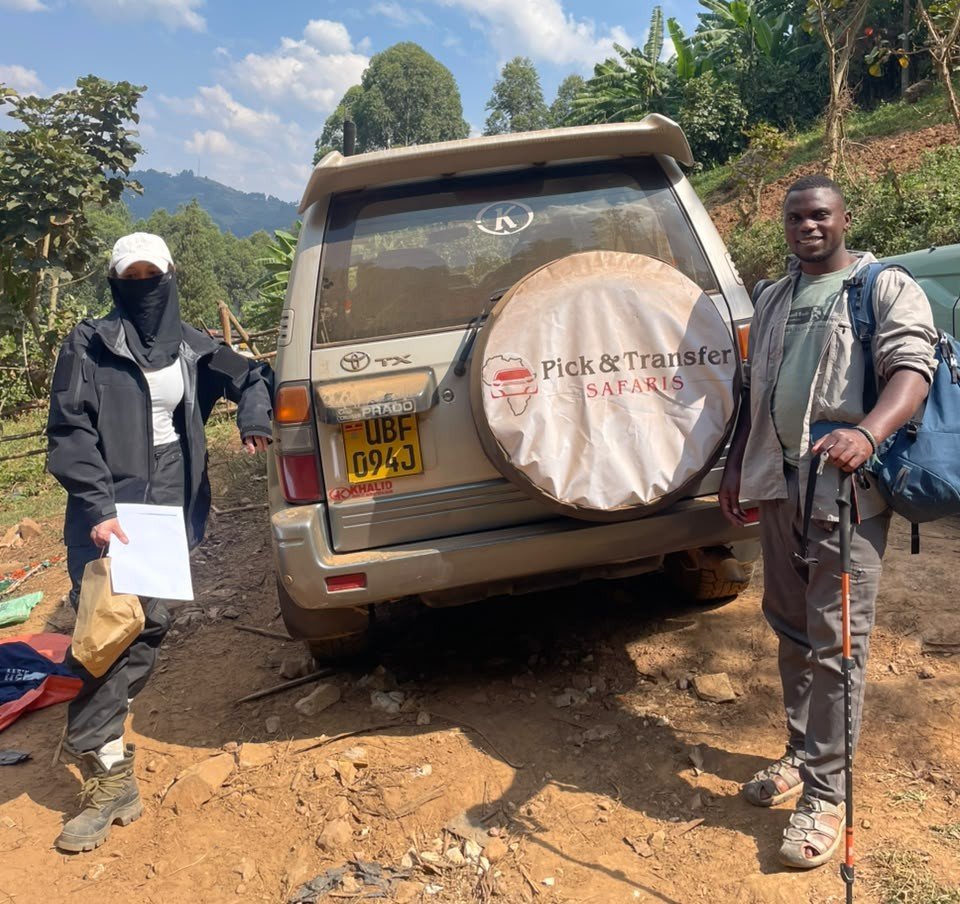
7 Days Uganda Safari – One week tour
This 7-day itinerary is the classic one-week introduction to Uganda, covering the country’s three most iconic wildlife experiences: chimpanzee tracking in Kibale Forest National Park, Big Five game drives and a boat cruise in Queen
Tour Details →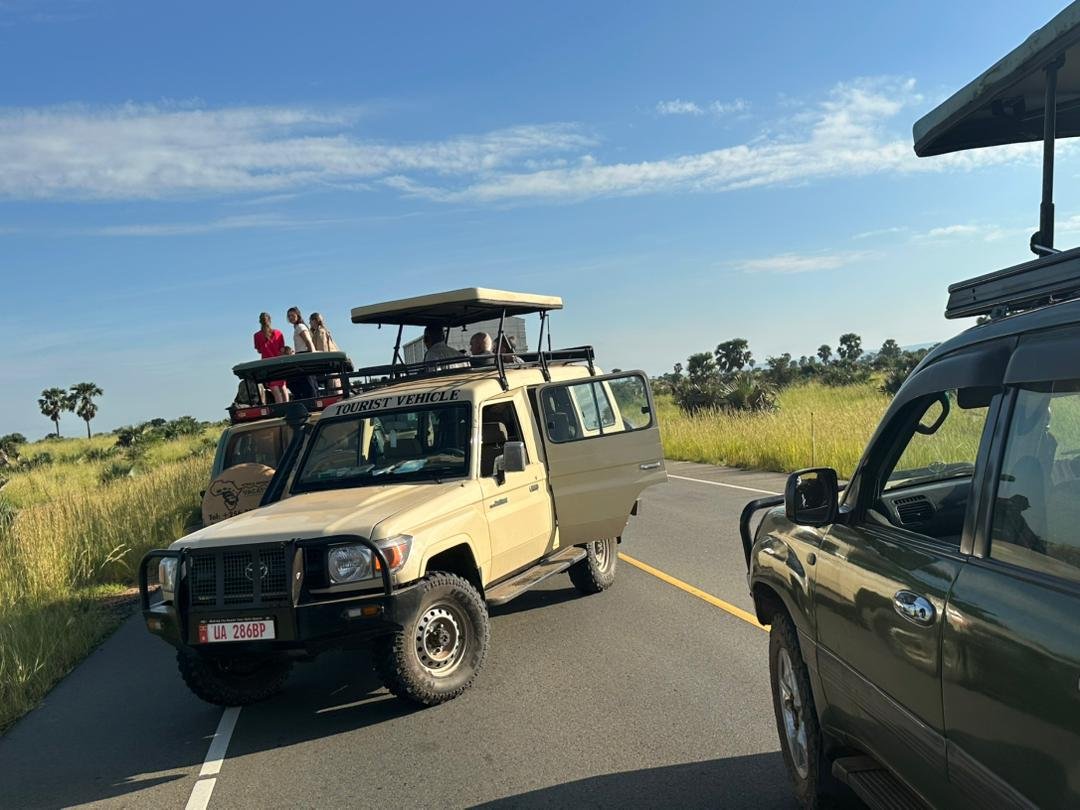
10 Days Uganda Primates and Wildlife
This 10-day Uganda Grand Safari is the most complete Uganda itinerary we offer at Pick and Transfer Safaris. It begins with a scenic northward drive from Entebbe to the vast open plains of Murchison
Tour Details →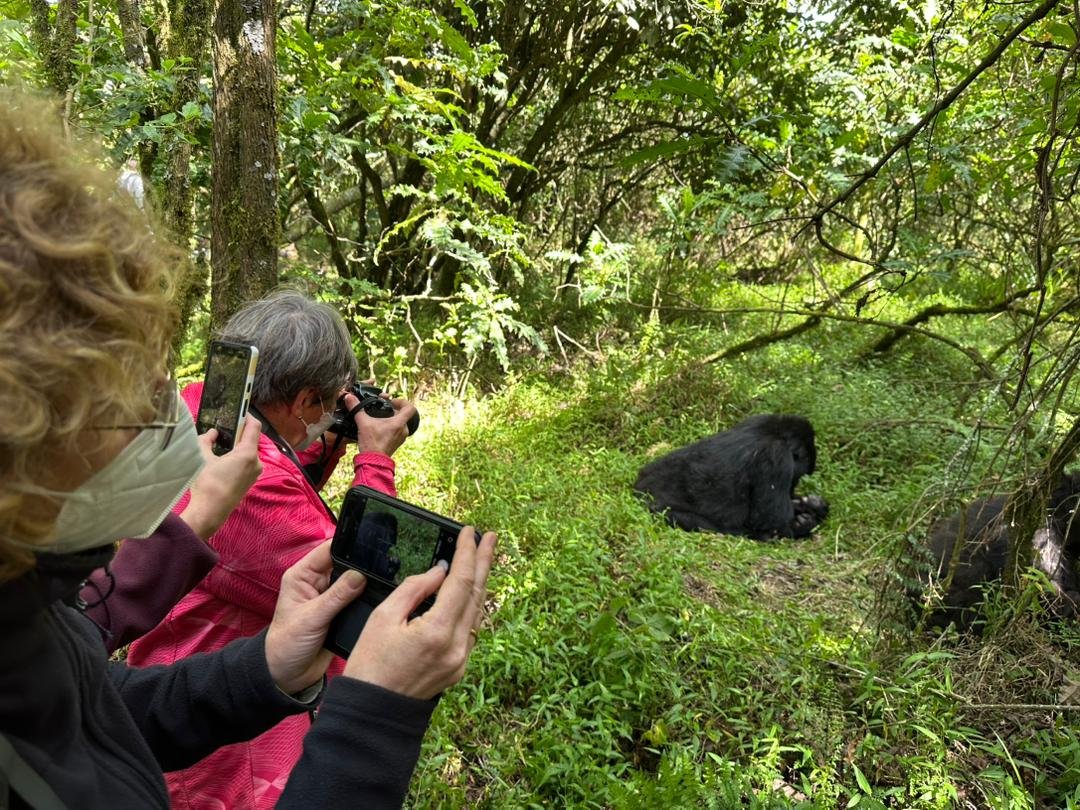
2 Days Uganda Gorilla Tour Starting from Kigali
This is the gentler cousin of our 1-Day Uganda Gorilla Safari Starting from Kigali — same idea, twice the breathing room. Instead of squeezing a 3,000-metre forest trek and two border crossings into a single very long day
Tour Details →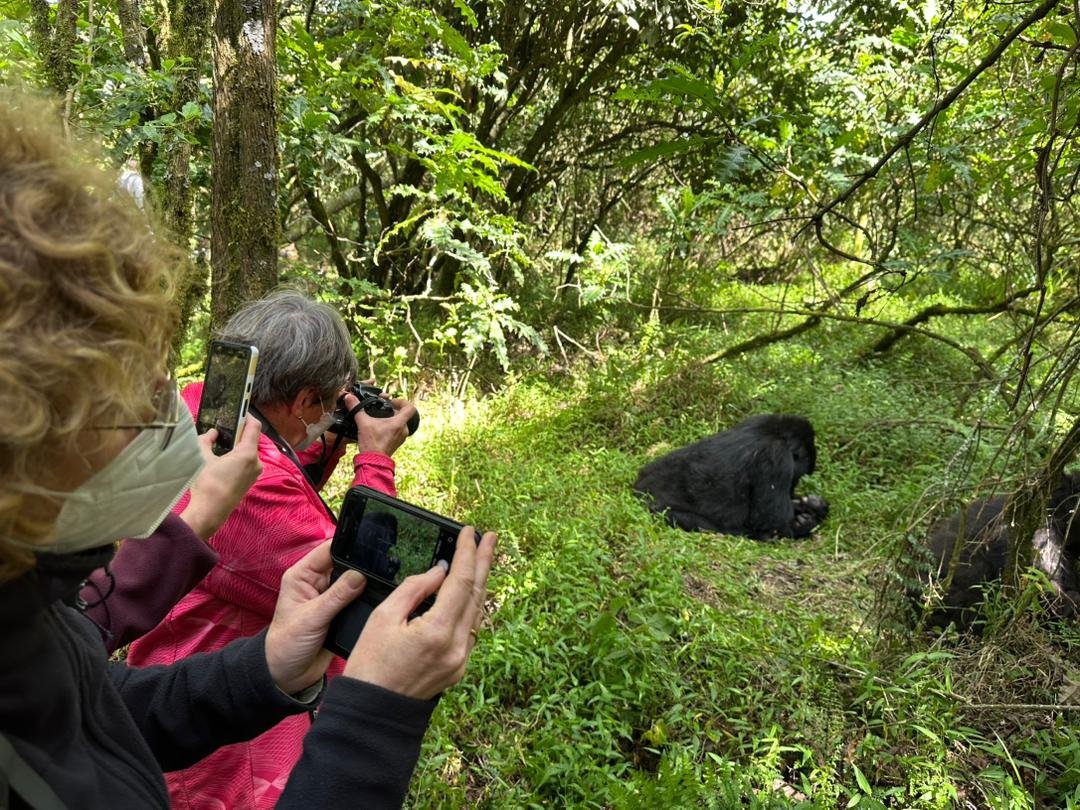
5-Day Uganda Gorilla and Chimpanzee Safari
This itinerary can be combined with a Rwanda extension or a wildlife-focused add-on through Queen Elizabeth National Park — browse our Uganda & Rwanda Safaris and Primate Safaris collections for ideas.
Tour Details →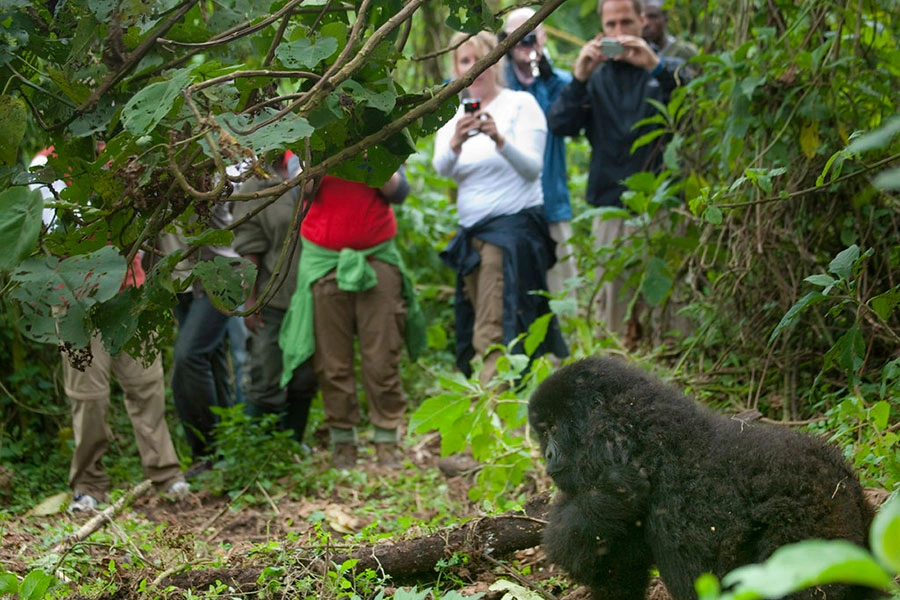
5 Days Rwanda Wildlife and Gorillas
This 5-day itinerary brings together Rwanda’s two flagship wildlife experiences: open savannah game drives and a boat safari in Akagera National Park, followed by a face-to-face encounters
Tour Details →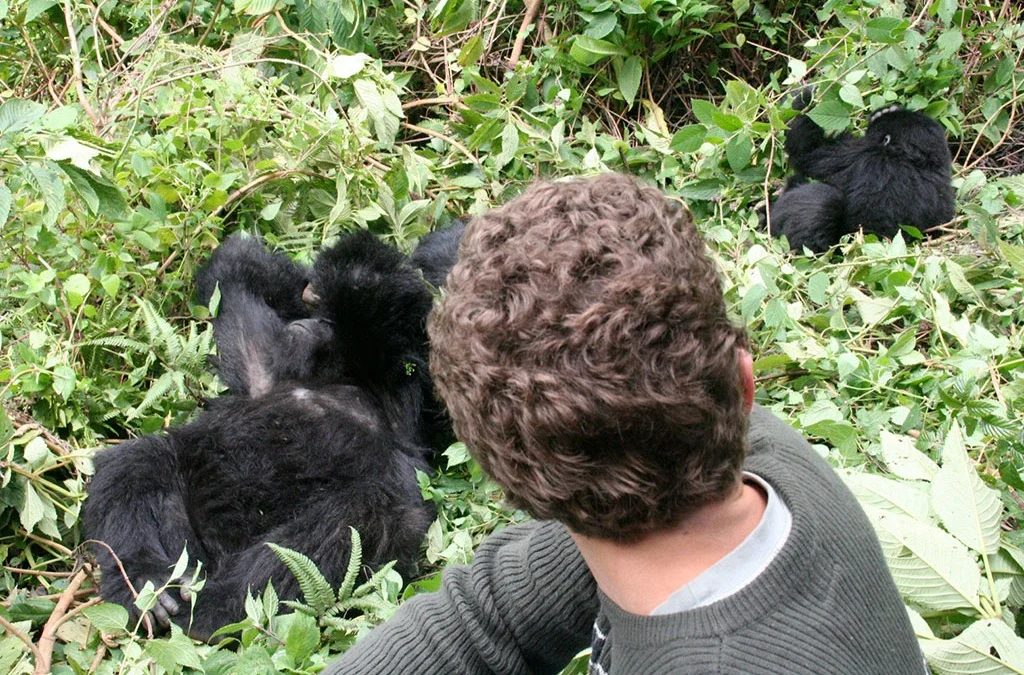
3 Days Uganda Gorilla Safari
For travelers who arrive in Entebbe with a tight schedule and a clear ambition, a 3-day gorilla safari to Bwindi Impenetrable Forest National Park is the most focused and rewarding short trip the country has to offer.
Tour Details →