- LET'S PLAN YOUR SAFARI
- +256 200 921 002
- +256 793 194 703
- info@pickandtransfersafaris.com

Gorilla Tracking vs Habituation in Uganda
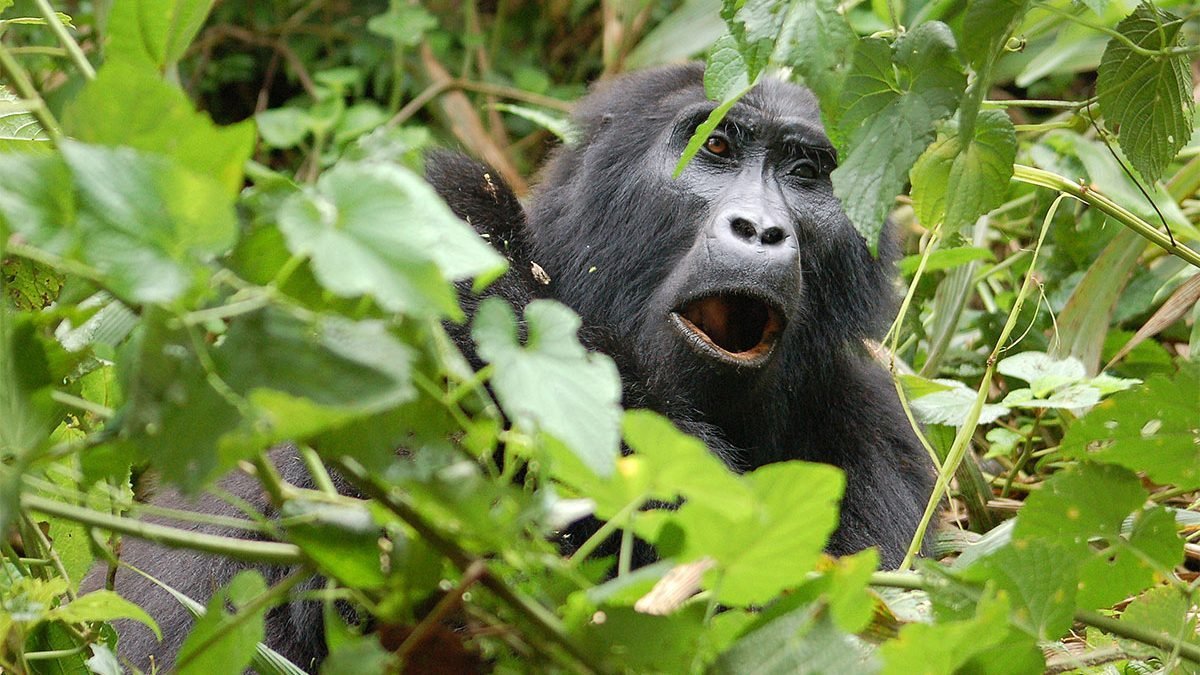
Gorilla Tracking vs Habituation in Uganda. Few wildlife moments compare to standing a few metres from a family of mountain gorillas in the misty forests of southwestern Uganda. But before you book, you face one big decision: gorilla tracking or gorilla habituation? Both take you into the same rainforest to see the same endangered great apes. Yet the two experiences differ sharply in time, price, group size, physical demand and the kind of memories you carry home.
At Pick and Transfer Safaris, we live and work at the doorstep of Uganda’s gorilla parks in Kisoro. We arrange both experiences every month, often for travellers who start their journey in Kigali, Rwanda. This guide explains gorilla tracking vs habituation in Uganda in plain language, so you can choose with confidence and book the right permit.
Quick Answer: Gorilla Tracking vs Habituation in Uganda
Gorilla tracking (trekking) means hiking with rangers to find a fully habituated gorilla family and spending one hour with them. A permit costs US$800 for foreign non-residents under the current Uganda Wildlife Authority (UWA) tariff. Up to 8 visitors join each group, and treks run in both Bwindi Impenetrable and Mgahinga Gorilla national parks.
Gorilla habituation means joining researchers and trackers as they get a semi-wild gorilla family used to humans. You spend up to four hours with the gorillas, in a group of only 4 visitors. The permit costs US$1,500, and the experience is offered only in Bwindi’s southern sector, chiefly Rushaga.
In short: choose tracking for value and flexibility; choose habituation for depth, photography and exclusivity. Read on for the full comparison, costs, best sectors and sample itineraries, or browse our Uganda gorilla safaris right away.
What Is Gorilla Tracking in Uganda?
Gorilla tracking, also called gorilla trekking, is the classic way to meet mountain gorillas. You hike through the forest with an armed ranger guide and trackers until you reach a gorilla family that has been fully habituated to people. Once you find them, you get one magical hour to watch, photograph and simply be in their presence.
Uganda protects roughly half of the world’s remaining mountain gorillas. Most live in Bwindi Impenetrable National Park, a UNESCO World Heritage Site in the Kigezi highlands. A smaller population roams the bamboo-clad volcanoes of Mgahinga Gorilla National Park, part of the Virunga Conservation Area shared with Rwanda and Congo.
Bwindi alone has well over a dozen habituated families open to visitors, spread across four sectors. That means Uganda issues far more tracking permits each day than any other country, which keeps the experience accessible for most travellers.
How a Gorilla Tracking Day Works
A typical tracking day follows a well-rehearsed rhythm. Knowing it helps you plan your sleep, meals and energy.
- Early start (6:00–7:00 am): Breakfast at your lodge, then a short drive to your assigned sector headquarters. Your guide carries packed lunches and water.
- Briefing (7:30–8:00 am): UWA rangers explain the gorilla rules, introduce the families, and assign visitors to groups of no more than eight. Fitter guests can ask for a more distant family; older guests can request a closer one.
- The trek (1–6 hours): Advance trackers leave at dawn to locate the family from where they nested the night before. Your group follows their radio directions along trails, up ridges and through thick vegetation.
- The magic hour: When you reach the gorillas, you leave bags and walking sticks behind and move closer with only your camera. The one-hour clock starts.
- Return and certificate: You hike back to the starting point, where you receive a gorilla tracking certificate.
The hike time depends on where the gorillas moved overnight. Some groups find their family within 45 minutes. Others walk most of the day. That uncertainty is part of the adventure.
Who Gorilla Tracking Is Best For
Gorilla tracking suits the majority of visitors. It works well for:
- First-time gorilla visitors who want the full experience at the best price.
- Travellers on short schedules, including our 1 day Uganda gorilla safari starting from Kigali.
- Families with teenagers aged 15 and above, older travellers and anyone with moderate fitness.
- Budget and mid-range travellers who want to combine gorillas with chimpanzees, wildlife or culture in one trip.
If you want a ready-made short trip, the 3-Day Uganda Gorillas Safari by Kenlink Tours shows how a standard trekking itinerary fits into a long weekend.
Pros and Cons of Gorilla Tracking
Advantages:
- Lower permit cost: US$800 compared with US$1,500 for habituation.
- High permit availability across Bwindi and Mgahinga.
- Shorter, more predictable time in the forest.
- Families are fully relaxed around people, so sightings are almost guaranteed.
Limitations:
- Only one hour with the gorillas, which can feel short.
- Groups of up to eight people make photography a little more crowded.
- You see the gorillas once they are found, not the tracking and research work behind the scenes.
What Is the Gorilla Habituation Experience?
The Gorilla Habituation Experience (GHE) lets you take part in the slow, careful process of getting a wild gorilla family used to human presence. Instead of visiting a family that already ignores people, you join researchers, trackers and rangers who are still earning the trust of a semi-habituated group. You then spend up to four hours with them.
Habituation is not a tourist invention. It is a conservation tool. A gorilla family must be visited almost daily for around two to three years before rangers judge it calm enough for regular tourism. Each newly habituated family adds permits, and every permit sold funds ranger patrols, veterinary care and community projects around the park.
Uganda is the only country in the world that sells this experience to visitors. It takes place in the southern part of Bwindi, mainly the Rushaga sector, close to the Rwanda border. That makes it easy to reach on a Uganda gorilla safari from Rwanda.
How a Gorilla Habituation Day Works
The habituation day starts like a tracking day, but it feels very different once you enter the forest.
- Briefing at Rushaga (7:30 am): You meet the research and tracking team. Your group is capped at four visitors, so the briefing is personal and detailed.
- Following the trackers: Trackers head to the previous night’s nests and follow fresh signs: broken stems, chewed bamboo, dung and knuckle prints. You walk with them and learn to read the forest.
- Finding the family: Because the group is only semi-habituated, the gorillas may move off, bluff, or watch you closely. Rangers manage each moment with low grunts and patience.
- Up to four hours with the gorillas: You observe feeding, grooming, play, nest-building and social behaviour while researchers record data. You may even help log observations.
- Return and certificate: You walk out with the team and receive a habituation certificate.
The experience is longer and more demanding than tracking. Families under habituation often live in remote, steep parts of the forest. Expect a full day on your feet.
Why Travellers Love the Habituation Experience
Habituation is the choice of photographers, filmmakers, primate lovers and repeat visitors. Four hours gives the gorillas time to forget you are there. You see natural behaviour that a one-hour visit rarely captures: a silverback settling a dispute, juveniles wrestling, a mother nursing.
The small group also changes the mood. With only four guests, you get unobstructed views, unhurried questions and real conversations with trackers who have followed this family for years. Many guests describe it as the most meaningful day of their lives.
Pros and Cons of Gorilla Habituation
Advantages:
- Up to four hours with the gorillas instead of one.
- Only four visitors per group, so it feels private.
- Behind-the-scenes insight into tracking, research and conservation.
- Outstanding photography and filming conditions.
Limitations:
- Higher permit price of US$1,500.
- Very limited availability, so permits sell out months ahead.
- Longer, tougher hikes in remote terrain.
- Semi-habituated gorillas can be shy, so the first part of the encounter may be more distant.
Gorilla Tracking vs Habituation: Side-by-Side Comparison
The table below sums up the key differences between gorilla tracking and gorilla habituation in Uganda at a glance.
| Feature | Gorilla Tracking | Gorilla Habituation |
|---|---|---|
| Time with gorillas | 1 hour | Up to 4 hours |
| Permit price (foreign non-resident) | US$800 | US$1,500 |
| Maximum group size | 8 visitors | 4 visitors |
| Gorilla family status | Fully habituated | Semi-habituated (in training) |
| Where | Bwindi (Buhoma, Ruhija, Rushaga, Nkuringo) and Mgahinga | Bwindi south, mainly Rushaga |
| Permits per day | Over 150 across Uganda | Very few (two families) |
| Hiking difficulty | Moderate to challenging | Challenging to strenuous |
| Total time in the forest | 2–8 hours | 5–10 hours |
| Minimum age | 15 years | 15 years |
| Best for | First-timers, short trips, budget travellers | Photographers, researchers, repeat visitors |
| How far ahead to book | 3–6 months | 6–12 months |
The Biggest Difference: Time and Depth
The headline difference is time. One hour of gorilla tracking is thrilling, but it passes in what feels like ten minutes. Four hours on the habituation experience lets the encounter breathe. You put the camera down, watch, and notice personalities within the family.
The second difference is the nature of the gorillas. Tracking families are relaxed and predictable, which makes sightings close and reliable. Habituation families are still learning to accept humans, so encounters are wilder and more unpredictable. Some visitors find that rawness the highlight; others prefer the calm of a fully habituated group.
The Practical Difference: Cost and Availability
The habituation permit costs almost double the tracking permit, but you get four times the gorilla time. On a cost-per-minute basis, habituation is actually better value. The catch is availability. Tracking permits are relatively plentiful, while habituation permits are among the scarcest wildlife permits in Africa.
If your travel dates are fixed or close, tracking is the realistic option. If you can plan six months or more in advance, habituation becomes possible. Talk to our team through the contact page and we will check live permit availability for your dates.
Uganda Gorilla Permit Costs for 2026 and 2027
Permits are issued by the Uganda Wildlife Authority (UWA) and are the single biggest cost of any gorilla safari. Under the current tariff, the prices are:
| Visitor category | Gorilla tracking permit | Gorilla habituation permit |
|---|---|---|
| Foreign non-resident | US$800 | US$1,500 |
| Foreign resident (with valid work permit) | US$700 | Contact us for the current rate |
| East African Community citizen | UGX 300,000 | Contact us for the current rate |
UWA reviews its conservation tariffs periodically, and several operators report that the habituation permit is due to rise toward US$1,800 from January 2027. Rates are confirmed only when your permit is issued, so always ask us to verify the price for your exact travel date before you budget.
For comparison, a gorilla permit in Rwanda’s Volcanoes National Park costs US$1,500 for just one hour. That means Uganda’s habituation permit gives you four times the time with the gorillas for the same price as a single Rwandan trek.
What Is Included in a Gorilla Permit?
Your permit covers park entry for the day, the ranger guide and trackers, armed security, and your time with the gorilla family. It does not cover transport, accommodation, meals, porters or tips. Plan for these extras when comparing quotes:
- Porter: around US$15–20 per day. Highly recommended, because it supports local families and makes steep trails much easier.
- Tips: for rangers, trackers and your driver-guide, at your discretion.
- Walking stick: often provided free at the briefing point, or bought from community stalls.
- Gear: rain jacket, gloves, gaiters and hiking boots if you don’t own them.
How Much Does a Full Gorilla Safari Cost?
Your total budget depends on trip length, lodge level and starting point. Because we run our own hotel near the parks, Ikoro Hotel in Kisoro, we keep accommodation costs fair for budget and mid-range travellers.
As a rough guide per person sharing:
- Short gorilla tracking trip from Kigali (1–3 days): permit plus transport and one to two nights in Kisoro. See our 2 Days Uganda Gorilla Tour Starting from Kigali.
- Gorilla habituation trip (2–4 days): habituation permit plus transport and accommodation near Rushaga.
- Combined primate safari (5–10 days): gorillas, chimpanzees and savannah wildlife, such as our 5-Day Uganda Gorilla and Chimpanzee Safari.
If you prefer to drive yourself, hiring a 4×4 cuts guide costs. Kenlink Tours offers 4×4 car hire in Uganda suited to the steep murram roads around Bwindi.
How to Book Your Gorilla Permit
Permits must be bought in advance through UWA, usually via a registered tour operator. The simplest route is to let us handle it.
- Share your preferred dates, nationality and which experience you want.
- We check live availability for your sector and family.
- You pay a deposit covering the permit cost.
- We secure the permit in your passport name and send you a copy.
- We build your transport and lodge plan around the permit date.
Permits are non-transferable and refund rules are strict, so make sure your passport name and dates are correct before payment.
Where to Do Gorilla Tracking and Habituation in Uganda
Uganda’s gorillas live in two parks in the far southwest. Choosing the right sector matters as much as choosing the right permit, because your lodge, drive time and hike all depend on it.
Bwindi Impenetrable National Park: Four Sectors
Bwindi covers about 321 square kilometres of ancient montane rainforest. It is divided into four trekking sectors, each with its own families and character.
- Buhoma (north): The first sector opened to gorilla tourism, with gentler trails and good lodges. Popular with first-timers and travellers coming from Queen Elizabeth National Park.
- Ruhija (east): High, cool and quiet, with superb birdwatching and fewer visitors.
- Rushaga (south): The sector with the most habituated families and the home of the Gorilla Habituation Experience. Close to Kisoro and the Rwanda border.
- Nkuringo (southwest): Dramatic ridgetop views over the Virunga volcanoes, with steep descents to the families.
For habituation, Rushaga is the place. For tracking, any sector works, but Rushaga and Nkuringo are the quickest to reach from Kigali.
Mgahinga Gorilla National Park: Where Silver Meets Gold
Mgahinga is Uganda’s smallest national park, set on the slopes of three extinct volcanoes: Muhavura, Gahinga and Sabyinyo. It has one habituated gorilla family, Nyakagezi, so permits are limited and offered for tracking only, not habituation.
Mgahinga’s big bonus is golden monkey tracking, a playful and photogenic primate found only in the Virungas. Our own Ikoro Hotel sits about 15 km from the park gate, making it an easy base. Kenlink Tours’ 4-Day Rwanda–Uganda Golden Monkey and Gorilla Trekking shows how both primates combine in one short trip.
Why Start Your Uganda Gorilla Safari from Kigali
Here is a secret that saves many travellers a full day: southern Bwindi and Mgahinga are much closer to Kigali than to Entebbe. The drive from Entebbe to Rushaga takes roughly 9–11 hours. From Kigali, it is about 4 hours via the Cyanika or Katuna border.
That is why we built a whole range of short Uganda gorilla safaris starting from Kigali. You can fly into Kigali International Airport, explore Kigali City, then cross into Uganda the next morning. Both tracking and habituation in Rushaga work perfectly on this route.
Other operators use the same logic. Kenlink Tours runs a 2 Days Uganda Gorilla Safari Starting from Kigali and a 3 Days Bwindi Gorilla Safari Starting from Kigali, both built around the short southern border crossing.
Can I Do Both Uganda and Rwanda Gorillas?
Yes. A double gorilla safari lets you compare Uganda’s dense Bwindi rainforest with Rwanda’s open bamboo volcanoes. Many guests track in Volcanoes National Park, then do the habituation experience in Rushaga a day or two later. Have a look at the 5 Days Uganda Rwanda Double Gorilla Safari for an example of how the two countries fit together.
How Fit Do You Need to Be?
You do not need to be an athlete for either experience, but you should be comfortable walking for several hours on steep, muddy and uneven ground at altitudes between 1,160 and 2,600 metres.
- For gorilla tracking: Moderate fitness is enough. Ask for a closer family at the briefing if you have concerns, and hire a porter to carry your bag and help on slippery slopes.
- For gorilla habituation: Good fitness is important. Families under habituation often range deep in the forest, and you may spend the whole day hiking and standing.
In the weeks before your trip, walk regularly on hills or stairs. Break in your boots. If you have a heart, knee or respiratory condition, consult your doctor before booking.
Gorilla Rules You Must Follow
The same core rules apply to tracking and habituation. They protect the gorillas from disease and keep you safe.
- Keep a distance of at least 7 metres from the gorillas, even if they approach you.
- Do not trek if you have a cold, flu or any infectious illness. Gorillas share around 98% of our DNA and catch human diseases easily.
- Wear a face mask when near the gorillas if rangers ask you to.
- Keep your voice low and avoid sudden movements.
- No flash photography, no eating or drinking near the gorillas, and no littering.
- If a gorilla charges, stay still, look down and follow your ranger. Never run.
- Visitors must be 15 years or older.
What to Pack for Gorilla Tracking or Habituation
Bwindi is a rainforest, so expect rain, mud and nettles in any month. Pack smart:
- Waterproof hiking boots with good grip.
- Long trousers and long-sleeved shirts in neutral colours (green, brown, khaki).
- A lightweight rain jacket.
- Gardening gloves to grip vines and protect against stinging nettles.
- Gaiters or long socks to tuck trousers into, keeping out ants.
- A small daypack with a rain cover.
- At least 2 litres of water, snacks and your packed lunch.
- Camera with a fast lens and extra batteries. Habituation guests should bring double the storage.
- Insect repellent, sunscreen and a hat.
- Your passport, needed at the briefing to verify your permit.
Best Time for Gorilla Tracking and Habituation in Uganda
Gorilla trekking runs all year. The dry seasons from June to September and December to February offer firmer trails and easier hiking, which makes them the busiest periods for permits. The wetter months of March to May and October to November bring lusher forest, fewer visitors and sometimes better lodge rates, but trails can be very slippery.
For the habituation experience, the season matters less than availability. Because there are so few permits, the best time is simply the earliest date you can secure. Book six to twelve months ahead for dry-season travel.
The gorillas themselves do not follow the seasons. In the rainy months they often feed lower down, which can actually shorten your hike. To learn more about the country before you travel, read Kenlink Tours’ guide to Uganda and its national parks.
Gorilla Tracking or Habituation: Which Should You Choose?
There is no wrong answer. Both experiences put you face to face with one of the rarest animals on Earth. Use these simple guidelines to decide.
Choose gorilla tracking if:
- This is your first gorilla encounter and you want the classic experience.
- You are travelling within the next few months and need reliable permit availability.
- Your budget is limited or you want to spend more on other activities.
- You have moderate fitness or are travelling with older family members.
- You want to combine gorillas with chimpanzees and a savannah safari in one trip.
Choose gorilla habituation if:
- You are a photographer, filmmaker or researcher who needs time and space.
- You have already tracked gorillas and want a deeper second encounter.
- You want a small, private group of just four people.
- You are curious about conservation science and fieldwork.
- You can book six months or more in advance and are physically fit.
Consider doing both: Some guests track one family in Mgahinga or Bwindi, then do the habituation experience in Rushaga the next day. It gives you a quick first encounter followed by a long, immersive one.
Sample Itinerary: 3-Day Gorilla Tracking Safari
This short trip is ideal for first-time visitors.
- Day 1: Pick-up in Kigali or Entebbe and transfer to Kisoro or Rushaga. Overnight near the park.
- Day 2: Gorilla tracking in Bwindi or Mgahinga. Evening community walk or rest.
- Day 3: Return transfer to Kigali or Entebbe.
Book it as our 3 Days Uganda Gorilla Safari from Entebbe, or start from Rwanda for a much shorter drive.
Sample Itinerary: 3-Day Gorilla Habituation Safari from Kigali
- Day 1: Morning pick-up in Kigali, scenic drive through the Rwandan hills, border crossing at Cyanika, and check-in near Rushaga.
- Day 2: Full-day Gorilla Habituation Experience in Rushaga with up to four hours alongside a semi-habituated family.
- Day 3: Optional canoeing on Lake Mutanda or a Batwa cultural visit, then return to Kigali.
We can adapt any of our short Uganda gorilla trips from Kigali to include the habituation permit instead of tracking.
Longer Safaris: Add Chimpanzees and Big Game
Gorillas are only part of Uganda’s primate story. Kibale Forest National Park is the primate capital of the world, with over 1,500 chimpanzees and 13 primate species. Kibale also offers its own Chimpanzee Habituation Experience, a full day with a chimp community, for travellers who love the habituation concept.
Popular longer options include:
- 5 Days Uganda Gorilla and Chimps Safari starting from Rwanda
- 7 Days Uganda Safari – One Week Tour
- 10 Days Uganda Primates and Wildlife
- 14-Day Uganda Primates and Safari Adventure
For more inspiration, compare Kenlink Tours’ 5 Days Gorilla and Chimpanzee Tour in Uganda and their 8-Day Uganda Gorilla, Chimpanzee and Wildlife Safari. If you would rather add Rwanda’s gorillas too, the 3-Day Gorilla Trekking in Volcanoes National Park and the 10 Days Uganda Rwanda Combining Safari are good references.
Frequently Asked Questions About Gorilla Tracking vs Habituation in Uganda
Is gorilla habituation better than gorilla tracking?
Neither is better for everyone. Habituation is better if you value time, small groups and photography. Tracking is better if you value price, availability and a shorter, easier day. Both give you a genuine, close encounter with wild mountain gorillas.
How long do you spend with gorillas on each experience?
Gorilla tracking allows one hour with a fully habituated family. The Gorilla Habituation Experience allows up to four hours with a semi-habituated family.
Where is the gorilla habituation experience done in Uganda?
It takes place in southern Bwindi Impenetrable National Park, mainly the Rushaga sector. It is not offered in Mgahinga or in Rwanda.
How much is a gorilla habituation permit in 2026?
Under the current UWA tariff, it costs US$1,500 for foreign non-residents. An increase has been signalled for 2027, so confirm the price with us for your travel date.
How many people join a gorilla habituation group?
Only four visitors per family per day, compared with up to eight on a standard tracking group.
Can children do gorilla tracking or habituation?
No. The minimum age for both is 15 years. Younger children can enjoy community walks, birding or a game drive while adults trek.
Is it possible to see gorillas on a day trip from Kigali?
Yes. Our one-day Uganda gorilla safari from Kigali is a long but rewarding day for travellers short on time. For a gentler pace, choose the two-day version.
Can I see gorillas in Rwanda instead?
Yes, Rwanda offers one-hour gorilla trekking in Volcanoes National Park for US$1,500. Try our 2 Days Volcanoes Gorilla Trek from Kigali. Habituation, however, is only available in Uganda.
What else can I add to a gorilla safari?
Popular add-ons include golden monkey tracking in Mgahinga, Lake Mutanda canoeing, Batwa cultural experiences and a 3 Days Chimpanzee Tour in Uganda in Kibale.
What happens if I am sick on my trekking day?
Rangers may refuse entry to visitors with visible illness to protect the gorillas. Travel insurance that covers trip interruption is strongly recommended.
Final Verdict: Gorilla Tracking vs Habituation in Uganda
Gorilla tracking and gorilla habituation are two doors into the same unforgettable world. Tracking gives you one powerful, affordable hour that fits easily into any Uganda itinerary. Habituation gives you four unhurried hours, a tiny group and a rare look at the conservation work that keeps mountain gorillas alive.
If you are planning your first gorilla safari on a tighter budget or timeline, start with tracking. If you dream of long, quiet hours in the forest with a camera and can book well ahead, reserve a habituation permit in Rushaga. And if you can, do both.
Gorilla Tracking vs Habituation in Uganda
We are a locally owned team based in Kisoro, Uganda and Rwanda, minutes from Mgahinga and an easy drive to Rushaga. We secure permits, handle cross-border transfers from Kigali, and host guests at our own Ikoro Hotel. Part of our profits supports local orphans through the Kigezi Foundation. Learn more about us or explore our Uganda and Rwanda destinations.
Ready to choose between gorilla tracking and habituation? Contact Pick and Transfer Safaris today, call +256 793 194 703, or email info@pickandtransfersafaris.com, and we will check permit availability for your dates within 24 hours.
7 Days Uganda Safari – One week tour
This 7-day itinerary is the classic one-week introduction to Uganda, covering the country’s three most iconic wildlife experiences: chimpanzee tracking in Kibale Forest National Park, Big Five game drives and a boat cruise in Queen
Tour Details →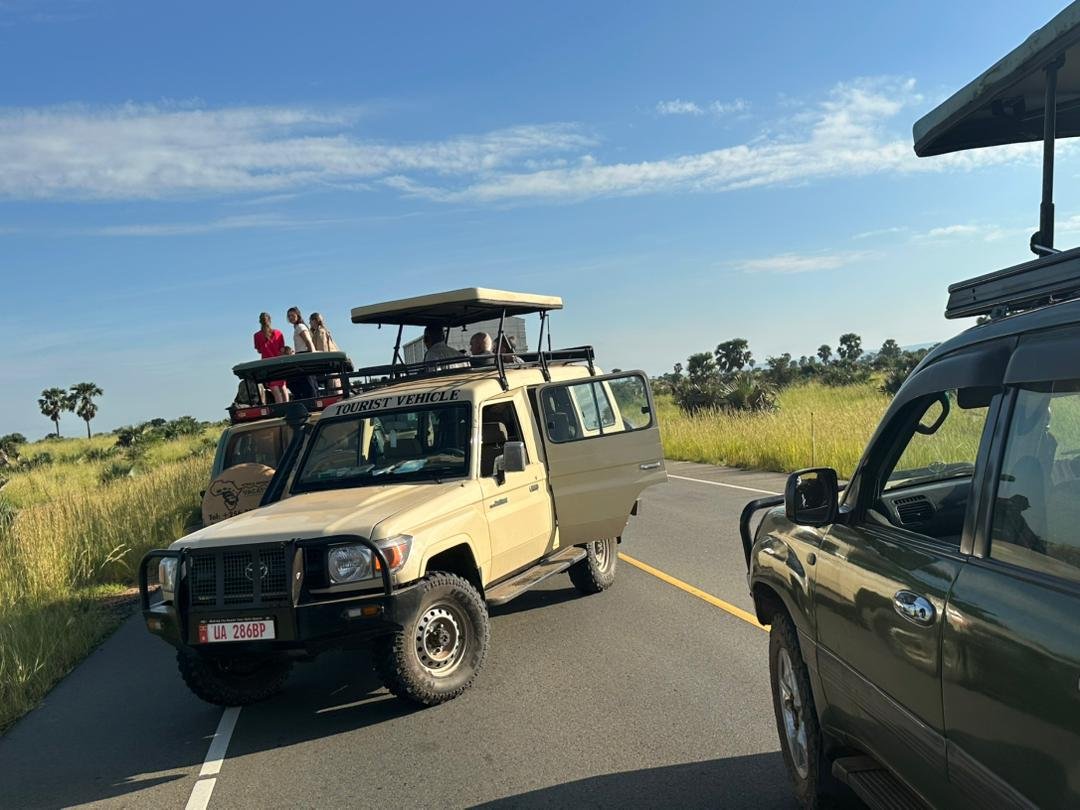
10 Days Uganda Primates and Wildlife
This 10-day Uganda Grand Safari is the most complete Uganda itinerary we offer at Pick and Transfer Safaris. It begins with a scenic northward drive from Entebbe to the vast open plains of Murchison
Tour Details →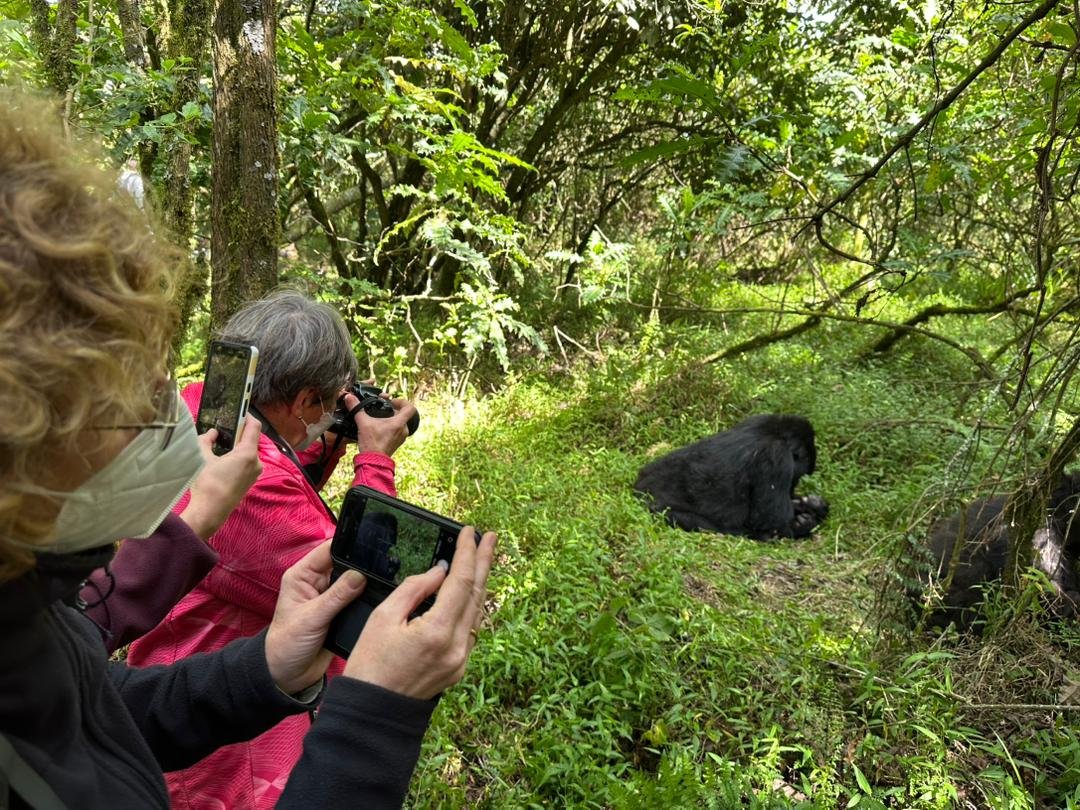
2 Days Uganda Gorilla Tour Starting from Kigali
This is the gentler cousin of our 1-Day Uganda Gorilla Safari Starting from Kigali — same idea, twice the breathing room. Instead of squeezing a 3,000-metre forest trek and two border crossings into a single very long day
Tour Details →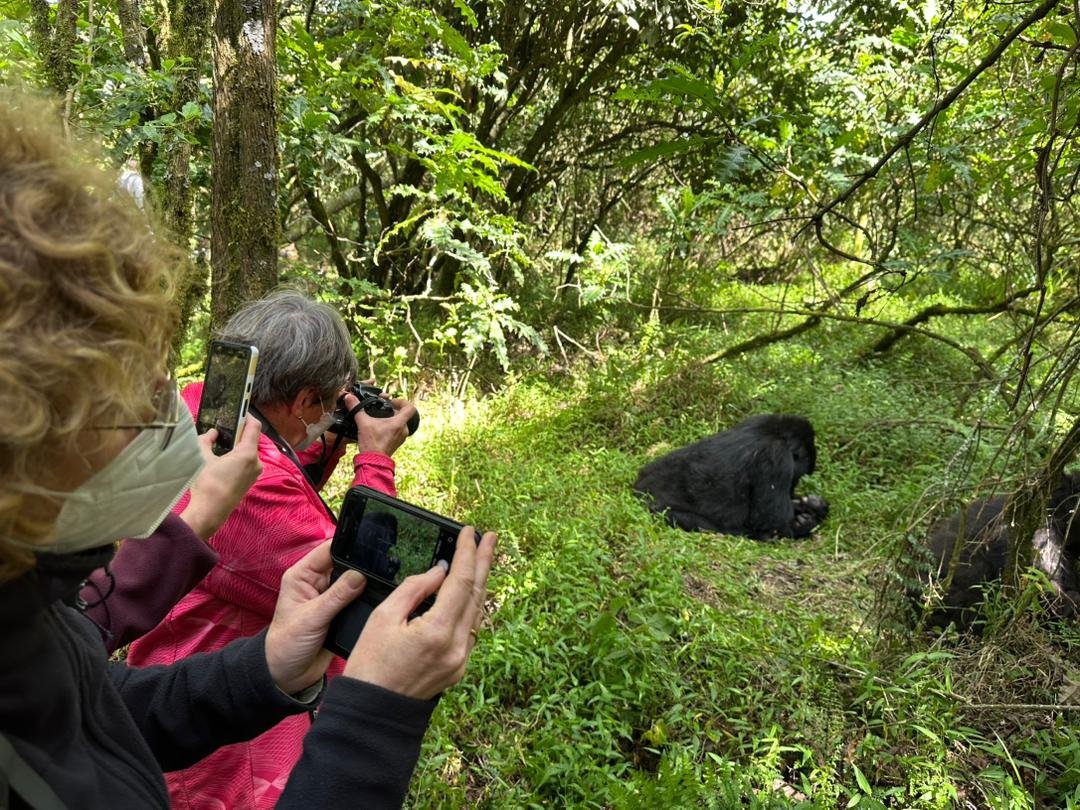
5-Day Uganda Gorilla and Chimpanzee Safari
This itinerary can be combined with a Rwanda extension or a wildlife-focused add-on through Queen Elizabeth National Park — browse our Uganda & Rwanda Safaris and Primate Safaris collections for ideas.
Tour Details →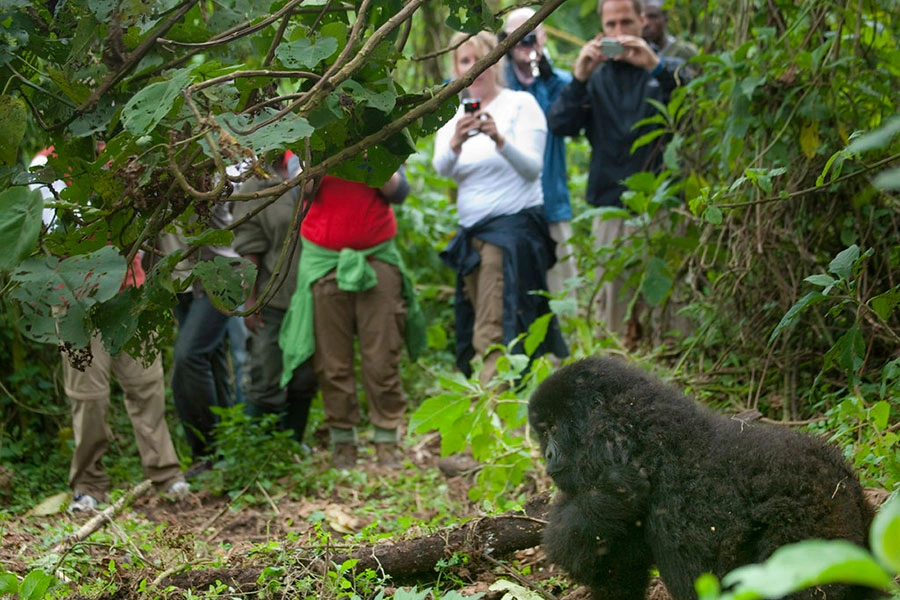
5 Days Rwanda Wildlife and Gorillas
This 5-day itinerary brings together Rwanda’s two flagship wildlife experiences: open savannah game drives and a boat safari in Akagera National Park, followed by a face-to-face encounters
Tour Details →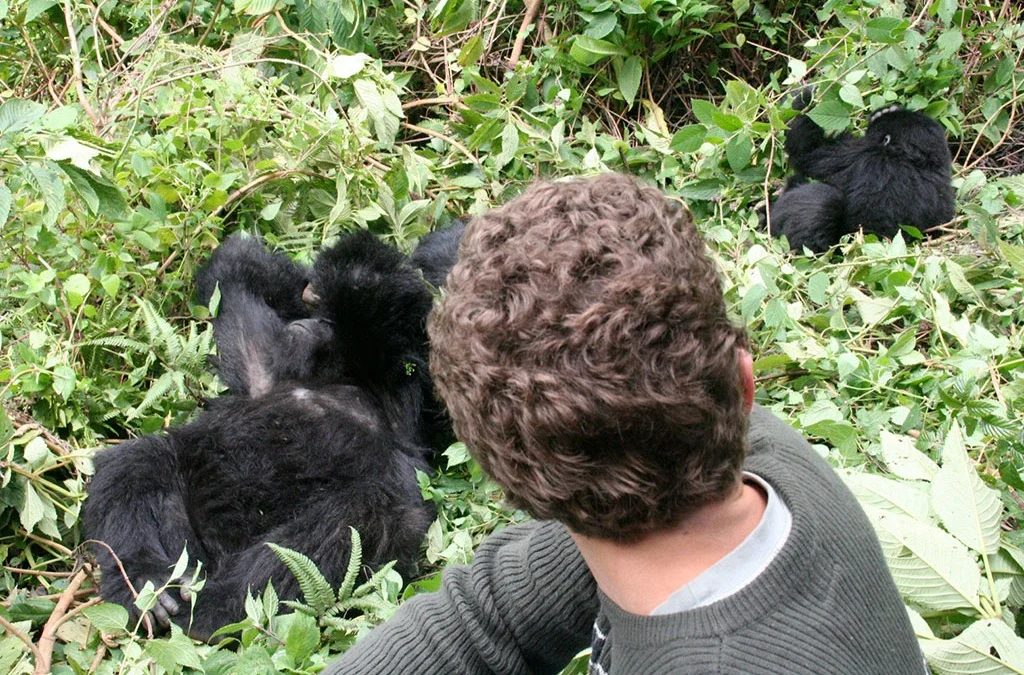
3 Days Uganda Gorilla Safari
For travelers who arrive in Entebbe with a tight schedule and a clear ambition, a 3-day gorilla safari to Bwindi Impenetrable Forest National Park is the most focused and rewarding short trip the country has to offer.
Tour Details →