- LET'S PLAN YOUR SAFARI
- +256 200 921 002
- +256 793 194 703
- info@pickandtransfersafaris.com

Safaris to Northern Uganda
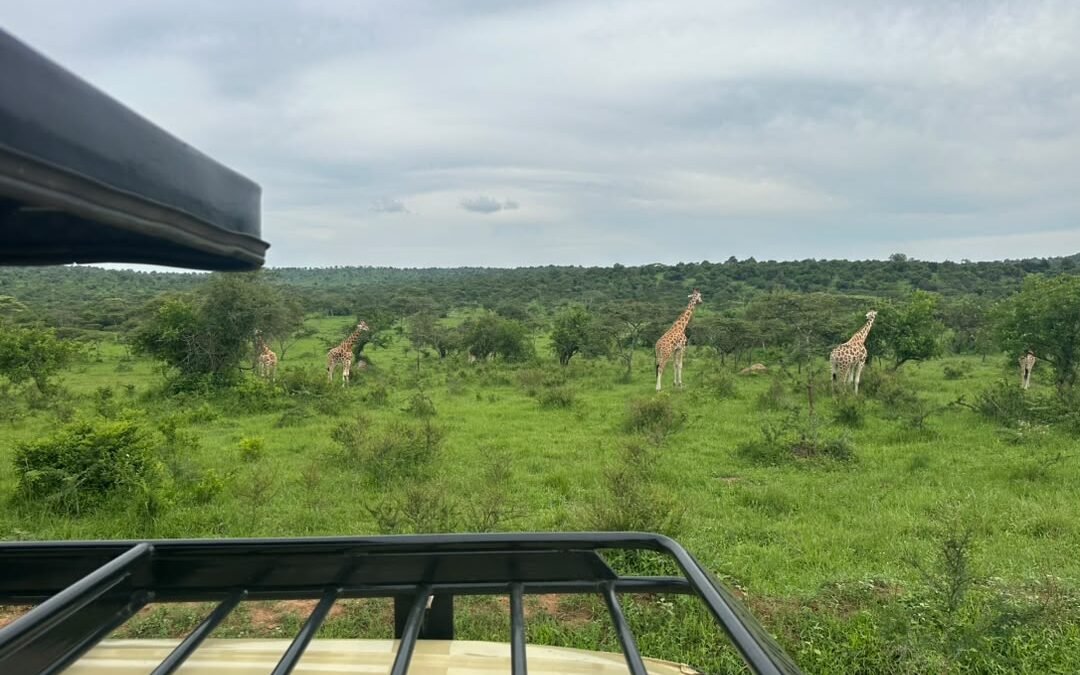
Safaris to Northern Uganda. Most travellers know Uganda for its mountain gorillas in the southwest. Far fewer discover the wild, open north, a region of golden savannahs, thundering waterfalls, rugged mountains and some of the most authentic cultures left in East Africa. Safaris to Northern Uganda take you away from the crowds and into landscapes that feel untouched.
Here you can watch lions resting on granite outcrops in Kidepo Valley, cruise the Nile to the foot of the world’s most powerful waterfall, track white rhinos on foot, and share a meal with Karamojong herders. It is Uganda at its most raw and rewarding.
At Pick and Transfer Safaris, we design affordable, tailor-made trips across Uganda and Rwanda. This complete guide explains where to go, what to see, how to get there, what it costs and how to combine the north with the rest of the country.
Why Choose a Safari to Northern Uganda?
Northern Uganda offers a very different safari experience from the busy southern circuit. Here is why more travellers are adding it to their plans:
- Fewer crowds: Kidepo Valley receives only a small share of Uganda’s visitors. You often have a whole valley of buffalo or elephants to yourself.
- Classic savannah game viewing: Lions, leopards, elephants, buffalo, giraffes and huge antelope herds roam open plains that rival Kenya and Tanzania.
- Unique wildlife: Kidepo is the only Ugandan park where you can see cheetahs, ostriches, striped hyenas, aardwolves and bat-eared foxes.
- The mighty Nile: Murchison Falls is where the Nile forces itself through a 7-metre gorge and plunges about 45 metres.
- Rich cultures and history: Karamojong pastoralists, the mountain-dwelling Ik, Acholi traditions and colonial-era sites such as Baker’s Fort at Patiko.
- Great value: Park fees and lodges are generally cheaper than gorilla-focused trips, and our Uganda wildlife safaris keep prices fair for budget and mid-range travellers.
Where Exactly Is Northern Uganda?
Northern Uganda stretches from the Nile and Lake Albert in the west to the semi-arid Karamoja region in the northeast, bordering South Sudan and Kenya. For safari purposes, it includes the Acholi sub-region around Gulu and Kitgum, West Nile around Arua, Lango, and Karamoja around Moroto and Kaabong.
Murchison Falls National Park sits on the southern edge of the region, roughly 300 km from Kampala. Kidepo Valley National Park lies in the far northeast corner, around 700 km from Kampala. Between them lie markets, waterfalls, historic forts and welcoming towns that make great overnight stops.
Kidepo Valley National Park: Uganda’s Last True Wilderness
Kidepo Valley National Park is the jewel of any safari to Northern Uganda. Covering about 1,442 square kilometres in the far northeast, it was gazetted as a national park in 1962. Rugged mountains ring the park, and two main valleys, the Narus and the Kidepo, give it a wild, cinematic feel that few African parks can match.
Kidepo is famous for its isolation. Getting there takes effort, but that effort rewards you with exclusive game viewing, dramatic light and a genuine sense of discovery. Many seasoned safari travellers call it one of Africa’s finest wilderness areas.
Wildlife in Kidepo Valley National Park
Kidepo protects more than 75 mammal species and around 475 bird species. Its semi-arid habitat supports animals you will not find anywhere else in Uganda.
- Big cats: Large lion prides often rest on rocky kopjes in the Narus Valley. Leopards hide in riverine woodland, and Kidepo is Uganda’s only home of the cheetah.
- Big herds: Buffalo herds numbering in the hundreds, elephants, Rothschild’s giraffes, zebras, elands, Jackson’s hartebeest, oribis and Uganda kobs.
- Dry-country specialists: Ostriches, striped hyenas, bat-eared foxes, aardwolves, caracals and greater and lesser kudu.
- Birds: Kori bustards, secretary birds, Abyssinian ground hornbills, Karamoja apalis, Clapperton’s francolins and over 50 raptor species.
Things to Do in Kidepo Valley National Park
- Game drives in the Narus Valley: The Narus has water all year, so it attracts the most wildlife. Morning and evening drives give the best light and lion activity.
- Kidepo Valley and Kanangorok Hot Springs: A drive to the dry, sandy Kidepo River bed with its borassus palms ends at the hot springs near the South Sudan border.
- Guided nature walks: Walk with an armed ranger around Apoka or the Narus Valley to learn about tracks, plants and smaller creatures.
- Hiking Mount Morungole: Climb into the mountains outside the park to meet the Ik people, one of Uganda’s smallest and most isolated communities.
- Karamojong cultural visit: Visit a traditional manyatta homestead to learn about cattle-keeping, dances and daily life.
- Birdwatching: Kidepo is a must for birders seeking dry-country species missing elsewhere in Uganda.
Where to Stay in Kidepo
Accommodation in Kidepo ranges from simple UWA bandas at Apoka to mid-range safari tents and an exclusive luxury lodge overlooking the Narus Valley. Several community and mid-range lodges sit just outside the park boundary. Because options are limited, book early for the dry season.
How Many Days Do You Need in Kidepo?
Plan at least two full nights in Kidepo, plus travel days. Three nights is ideal if you want to visit the Ik on Mount Morungole. Because the drive is long, most travellers combine Kidepo with Murchison Falls or fly in from Entebbe. Kenlink Tours explains the wider country in its Uganda destination guide, which helps you see how Kidepo fits into a full itinerary.
Murchison Falls National Park: Gateway to the North
Murchison Falls National Park is Uganda’s largest and oldest national park, covering about 3,840 square kilometres. The Victoria Nile cuts through the park from east to west, splitting it into a wildlife-rich northern bank and a forested southern sector. For most travellers, it is the first stop on a safari to Northern Uganda.
The park’s star is the waterfall itself. Here the entire Nile squeezes through a gap only about 7 metres wide before crashing down roughly 45 metres. The roar, the spray and the rainbows make it one of Africa’s most powerful natural sights.
Wildlife on the Northern Bank
The northern bank’s grasslands, dotted with borassus palms and acacia, offer Uganda’s best savannah game viewing. On a typical drive you may see:
- Rothschild’s giraffes, an endangered subspecies with a strong population here.
- Elephants, buffalo, Jackson’s hartebeest, oribis, waterbucks and large herds of Uganda kob.
- Lions, especially around the Buligi game tracks, and occasional leopards at dusk.
- Hippos and Nile crocodiles along the river and the Lake Albert delta.
- Over 450 bird species, including the rare shoebill stork in the delta papyrus swamps.
Top Activities in Murchison Falls
- Nile boat cruise to the falls: A launch trip upstream from Paraa brings you close to hippos, crocodiles, elephants and countless birds, ending below the falls.
- Hike to the top of the falls: Get dropped at the base and climb a trail to the top, where you feel the full force of the Nile.
- Morning and evening game drives: Explore the Buligi, Albert and Queen’s tracks on the northern bank.
- Delta boat trip: Head downstream to the Lake Albert delta in search of the shoebill.
- Chimpanzee tracking in Budongo Forest: The Kaniyo Pabidi sector in the south of the park hosts habituated chimpanzees.
- Sport fishing: Try for Nile perch and tigerfish below the falls.
Budongo Forest: Chimps in the North
Budongo Forest Reserve is one of East Africa’s largest remaining mahogany forests. It is a great place to track chimpanzees if you do not have time for Kibale Forest National Park. The Royal Mile, a wide forest track, is also a famous birding site for species like the Puvel’s illadopsis and chocolate-backed kingfisher.
How Long to Spend in Murchison Falls
Two to three nights is ideal. That allows a game drive, the boat cruise, the hike to the top of the falls and either chimp tracking or the delta trip. Our 3 Days Safari to Murchison Falls covers the highlights from Kampala or Entebbe, and it can easily be extended to Kidepo for a full northern adventure.
More Attractions on a Northern Uganda Safari
Kidepo and Murchison steal the headlines, but the journey between them is part of the adventure. These stops add variety, break up long drives and reveal a side of Uganda few visitors see.
Ziwa Rhino Sanctuary
Ziwa Rhino Sanctuary in Nakasongola, about three hours north of Kampala, is the only place in Uganda to see wild rhinos. Rhinos were wiped out in the country by the early 1980s. Ziwa’s breeding programme has since rebuilt a healthy population of southern white rhinos.
The highlight is rhino tracking on foot. Rangers lead you through the bush until you stand a safe distance from these giants. Ziwa sits right on the main road to Murchison Falls, so it is an easy and popular stop on the way north. With lion, leopard, elephant and buffalo seen in Murchison and Kidepo, a Ziwa visit lets you complete your Big Five in Uganda.
Ajai Wildlife Reserve
Ajai Wildlife Reserve lies on the west bank of the Nile in the West Nile region. Once famous for its white rhinos, it is now a quiet reserve with hippos, antelopes and rewarding birdlife. Ongoing restoration work makes it an interesting stop for travellers exploring Arua and the far northwest.
Aruu Falls
Aruu Falls in Pader District is one of the north’s hidden gems. The Aruu River tumbles over a series of rocky terraces in a peaceful, lightly visited setting. It makes a refreshing picnic stop on the drive between Gulu and Kidepo, and local guides can lead you along the rocks for great photos.
Gulu City
Gulu is the largest city in Northern Uganda and the heart of the Acholi people. It is a lively place with good guesthouses, restaurants and a busy central market. Travellers often overnight here to break the long journey to Kidepo. Gulu also has strong craft cooperatives, where you can buy beadwork, baskets and fabrics directly from local artisans.
Fort Patiko (Baker’s Fort)
About 30 km north of Gulu stands Fort Patiko, also called Baker’s Fort. Built in the 1870s by the explorer Sir Samuel Baker, it sits among granite boulders that were once used as a slave-trading post. Today it is a moving historical site that tells the story of the slave trade and resistance in the region.
Karamoja: Moroto, Pian Upe and Mount Moroto
The Karamoja region offers raw landscapes and some of Uganda’s strongest traditional cultures. Pian Upe Wildlife Reserve, Uganda’s second-largest protected area, holds roan antelope, eland, cheetah sightings and dry-country birds. Mount Moroto offers excellent hiking with views across the plains toward Kenya. Moroto town is a convenient base for both and a great place to learn about Karamojong life.
Mount Elgon and Sipi Falls on the Eastern Route
If you travel to Kidepo through the east, you can stop at Sipi Falls on the slopes of Mount Elgon. Three beautiful waterfalls, coffee tours and cool highland air make Sipi a perfect rest stop before entering Karamoja.
Culture and History of Northern Uganda
A safari to Northern Uganda is as much about people as wildlife. The region’s cultures are proud, distinctive and still closely tied to the land. Respectful cultural visits are among the most memorable parts of any northern trip.
The Karamojong
The Karamojong are semi-nomadic pastoralists whose lives revolve around cattle. Their homesteads, called manyattas, are circular compounds protected by thorn fences. Visitors can learn how families herd livestock, store grain, make traditional jewellery and celebrate with energetic jumping dances. Visits are arranged with community groups near Kidepo and Moroto, so your fee benefits local households directly.
The Ik of Mount Morungole
The Ik are a small community of around 10,000 people living high on the slopes of Mount Morungole, near Kidepo. They have their own language and a deep knowledge of mountain plants and honey gathering. A guided hike to an Ik village is challenging but unforgettable, offering sweeping views across the Kidepo Valley and into Kenya.
The Acholi
The Acholi of Gulu, Kitgum and Pader are known for their music and dance, especially the royal Bwola dance and the courtship Larakaraka. Acholi cuisine is delicious too. Try malakwang, a sour leafy dish served with groundnut paste, at a local restaurant in Gulu.
Resilience and Recovery
Northern Uganda suffered greatly during the long conflict with the Lord’s Resistance Army, which ended in the mid-2000s. Since then, the region has rebuilt with remarkable energy. Towns are growing, roads have improved and community tourism projects now welcome visitors. Travelling here supports this recovery and gives you a deeper understanding of modern Uganda.
Responsible Cultural Tourism Tips
- Always ask before taking photographs of people.
- Dress modestly, especially in villages.
- Use a local guide who can translate and explain customs.
- Buy crafts directly from producers or community cooperatives.
- Pay agreed fees to community groups rather than giving money or sweets to children.
At Pick and Transfer Safaris, community support is part of who we are. Part of our profits supports orphans through the Kigezi Foundation, and you can read more about us and our approach to responsible travel. If you enjoy meeting fellow travellers, Kenlink Tours also runs small-group tours in Uganda that can include cultural experiences.
How to Get to Northern Uganda
There are two main ways to reach the north: by road or by air. Many travellers mix both, driving one way and flying the other.
By road:
- Kampala to Murchison Falls: About 5–6 hours via Masindi, often with a stop at Ziwa Rhino Sanctuary.
- Murchison Falls to Kidepo: About 8–10 hours via Gulu and Kitgum, with a possible stop at Aruu Falls.
- Kampala to Kidepo directly: About 11–13 hours, so most travellers overnight in Gulu or come through Mbale, Sipi and Moroto on the eastern route.
Roads have improved greatly, and the main highways to Gulu and Kitgum are tarmac. The final stretches to Kidepo are murram, so a sturdy 4×4 safari vehicle with an experienced driver-guide is essential. For independent travellers, Kenlink Tours offers 4×4 car hire in Uganda suited to these remote routes.
By air: Scheduled and charter flights connect Entebbe or Kajjansi airfield to the Apoka (Kidepo) airstrip in about two to three hours. Flights to Pakuba and Bugungu airstrips serve Murchison Falls. Flying saves time, but it costs much more than road travel, and some scheduled services operate only with minimum passenger numbers.
How Much Does a Northern Uganda Safari Cost?
Your budget depends on trip length, lodge level and whether you drive or fly. Park fees are lower than in gorilla parks, which keeps northern safaris good value. Key fees under the current UWA tariff, for foreign non-residents, are:
| Item | Approximate cost (foreign non-resident) |
|---|---|
| Kidepo Valley NP entrance (per day) | US$40 |
| Murchison Falls NP entrance (per day) | US$45 |
| Game drive / birding activity fee | From US$30 |
| Murchison Falls boat cruise | About US$30–40 |
| Budongo chimpanzee tracking | Contact us for the current rate |
| Ziwa Rhino Sanctuary rhino tracking | Contact us for the current rate |
UWA reviews its tariffs periodically, so always ask us to confirm the fees that apply on your travel dates. On top of fees, you will pay for the vehicle and driver-guide, fuel, accommodation and meals. A road safari in a shared vehicle with budget or mid-range lodges is the most affordable option. Fly-in trips with luxury lodges cost significantly more.
Best Time to Visit Northern Uganda
Northern Uganda can be visited all year, but the seasons shape your experience.
- Dry seasons (December–March and June–August): The best time for game viewing. Grass is short, animals gather near water sources such as the Narus Valley, and roads are easier. Kidepo can get very hot and dusty in January and February.
- Wet seasons (April–May and September–November): Landscapes turn green and birding is excellent, with migrants present from November to April. Some murram roads become slippery, so allow extra driving time.
For a classic wildlife trip, aim for the dry season. For birding and photography with dramatic skies, the green season is beautiful.
Is Northern Uganda Safe for Tourists?
Yes. Northern Uganda has been peaceful for well over a decade, and Gulu, Kitgum, Murchison Falls and Kidepo welcome visitors every week. As anywhere, take normal precautions: travel with a reputable operator, avoid driving at night, and follow your guide’s advice in remote areas. Your driver-guide stays in touch with park authorities and local contacts throughout the trip.
What to Pack for a Northern Uganda Safari
- Light, breathable clothing in neutral colours, plus a warm layer for early mornings.
- A wide-brimmed hat, sunglasses and high-factor sunscreen for Kidepo’s strong sun.
- Comfortable walking shoes for nature walks, rhino tracking and the falls hike.
- Binoculars and a camera with a zoom lens.
- Insect repellent and any malaria medication your doctor recommends.
- Your yellow fever vaccination certificate, required for entry to Uganda.
Sample Itineraries for Safaris to Northern Uganda
Every trip we plan is tailor-made, but these sample routes show what is possible. Browse all our Uganda safari packages for more ideas.
3-Day Murchison Falls Safari
The perfect short taste of the north.
- Day 1: Drive from Kampala with rhino tracking at Ziwa Rhino Sanctuary. Continue to Murchison Falls and visit the top of the falls.
- Day 2: Morning game drive on the northern bank, afternoon boat cruise to the base of the falls.
- Day 3: Optional Budongo chimp tracking or delta shoebill trip, then return to Kampala or Entebbe.
6-Day Kidepo and Murchison Falls Safari
Our most popular route through the north.
- Day 1: Kampala to Murchison Falls via Ziwa Rhino Sanctuary.
- Day 2: Game drive, Nile boat cruise and hike to the top of the falls.
- Day 3: Drive to Kidepo via Gulu and Kitgum, with a stop at Aruu Falls.
- Day 4: Full day of game drives in the Narus Valley and a Karamojong cultural visit.
- Day 5: Morning drive to Kanangorok Hot Springs, then afternoon nature walk.
- Day 6: Fly back to Entebbe, or drive south with an overnight in Gulu.
10-Day Northern Uganda Explorer
For travellers who want the full northern experience: Ziwa, Murchison Falls and Budongo, Gulu and Fort Patiko, three nights in Kidepo with an Ik village hike, then a return through Moroto, Mount Moroto and Sipi Falls. It is ideal for photographers, birders and anyone who loves remote places. Birders can also look at Kenlink Tours’ 7-Day Birdwatching Safari in Uganda or our own 18 Days Uganda Birding and Wildlife Safari.
Combining Northern Uganda with Gorillas and Chimps
The north and the southwest complement each other perfectly. Savannah game in Kidepo and Murchison pairs naturally with chimpanzees in Kibale, tree-climbing lions in Queen Elizabeth National Park and mountain gorillas in Bwindi Impenetrable National Park.
A common plan is to start in the north and finish in the southwest, then fly home from Kigali. Because Bwindi’s southern sectors are only about four hours from Kigali, this route saves a long drive back to Entebbe. See our Uganda gorilla safaris for short gorilla extensions.
Recommended combined trips include:
- 7 Days Uganda Safari – One Week Tour
- 10 Days Uganda Primates and Wildlife
- 14-Day Uganda Primates and Safari Adventure
- 15 Days Rwanda Uganda Safari
- Long trips and extended safaris
For more long-route inspiration, compare Kenlink Tours’ 18-Day Adventure Safari in Uganda, 20-Day Wildlife and Nature Experience in Uganda, 25-Day Wildlife, Gorilla and Chimps Uganda Adventure and 10 Days Uganda Adventure Safari Itinerary. If you prefer to travel on fixed dates with others, check their scheduled departure safaris.
Extending to Kenya and the Rest of East Africa
Kidepo sits close to the Kenyan border, and many travellers combine Uganda with the Maasai Mara or other Kenyan parks. Our 18 Days Kenya Rwanda Uganda Safari links all three countries, and Kenlink Tours’ Kenya safaris page offers more Kenyan ideas.
Frequently Asked Questions About Safaris to Northern Uganda
What is the best national park in Northern Uganda?
Kidepo Valley National Park is the most spectacular for wilderness, big cats and unique dry-country wildlife. Murchison Falls National Park is the most accessible and combines great game viewing with the famous waterfall and Nile boat cruise. Ideally, visit both.
Can I see the Big Five in Northern Uganda?
Yes. Lions, leopards, elephants and buffalo live in both Murchison Falls and Kidepo. You can add rhinos by tracking them on foot at Ziwa Rhino Sanctuary on the way north.
How many days do I need for a Northern Uganda safari?
Three days covers Murchison Falls. Six to seven days lets you add Kidepo comfortably. Ten days or more allows you to include Karamoja, Gulu, Fort Patiko and cultural visits at a relaxed pace.
Is Kidepo worth the long journey?
Absolutely. The long drive is exactly why Kidepo feels so wild and uncrowded. You may enjoy lion sightings and huge buffalo herds without another vehicle in sight. If time is short, fly in from Entebbe.
Can I see cheetahs in Uganda?
Kidepo Valley National Park is the only national park in Uganda where cheetahs live. Sightings are not guaranteed, but the open Narus and Kidepo valleys give you a real chance.
Is Northern Uganda good for birdwatching?
Very good. Kidepo holds dry-country species found nowhere else in Uganda, such as the ostrich and Karamoja apalis, while Murchison offers the shoebill and Budongo’s forest specials.
Can I do a self-drive safari to Northern Uganda?
Yes, if you are an experienced driver. Hire a well-maintained 4×4, avoid driving at night and carry spare fuel for the remote stretches near Kidepo. Most first-time visitors prefer a driver-guide who knows the roads and wildlife.
Do I need a visa and vaccinations?
Most visitors need a Uganda tourist visa or an East Africa Tourist Visa if also visiting Rwanda and Kenya. A yellow fever vaccination certificate is required. Speak with your doctor about malaria prevention.
Can I combine Northern Uganda with a short safari?
Yes. If you only have a few days for the rest of Uganda, a short add-on like our 4 Days Wildlife and Primate Safari fits well before or after a northern trip.
Final Thoughts: Why Northern Uganda Belongs on Your Safari List
Safaris to Northern Uganda reveal a side of Africa that many travellers never see. In Kidepo, you get vast valleys, roaming lions and the rare thrill of having a wilderness almost to yourself. At Murchison Falls, the Nile shows its full power. In between, you meet Acholi, Karamojong and Ik communities whose cultures add depth to every mile.
Whether you have three days for Murchison or two weeks for the whole north, this region adds adventure, variety and value to any Uganda holiday. And with gorillas just a flight or long drive away, you can build one complete trip that covers savannah, forest and culture.
Plan Your Northern Uganda Safari with Pick and Transfer Safaris
Pick and Transfer Safaris is a locally owned company that makes Uganda and Rwanda safaris affordable for budget and mid-range travellers. We provide reliable 4×4 vehicles, experienced driver-guides and honest advice on every route. Explore all our Uganda and Rwanda destinations to start dreaming.
Ready to explore the wild north? Contact Pick and Transfer Safaris today, call +256 793 194 703, or email info@pickandtransfersafaris.com. Tell us your dates, interests and budget, and we will design your perfect safari to Northern Uganda.
7 Days Uganda Safari – One week tour
This 7-day itinerary is the classic one-week introduction to Uganda, covering the country’s three most iconic wildlife experiences: chimpanzee tracking in Kibale Forest National Park, Big Five game drives and a boat cruise in Queen
Tour Details →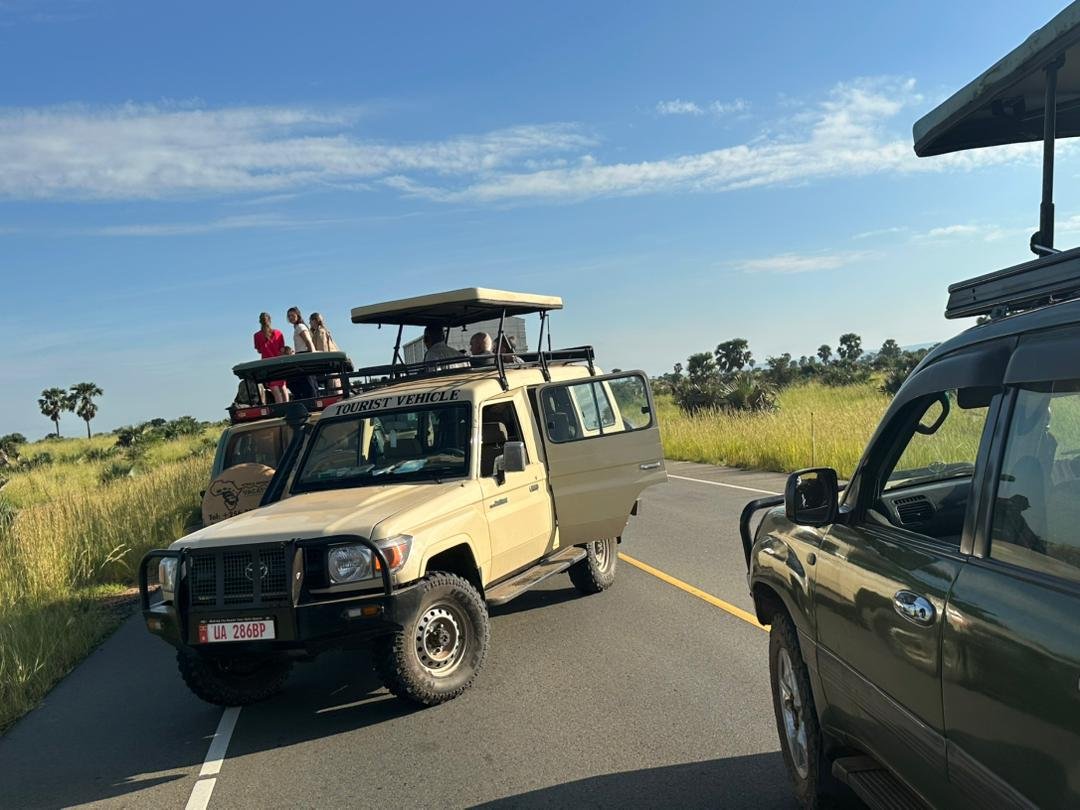
10 Days Uganda Primates and Wildlife
This 10-day Uganda Grand Safari is the most complete Uganda itinerary we offer at Pick and Transfer Safaris. It begins with a scenic northward drive from Entebbe to the vast open plains of Murchison
Tour Details →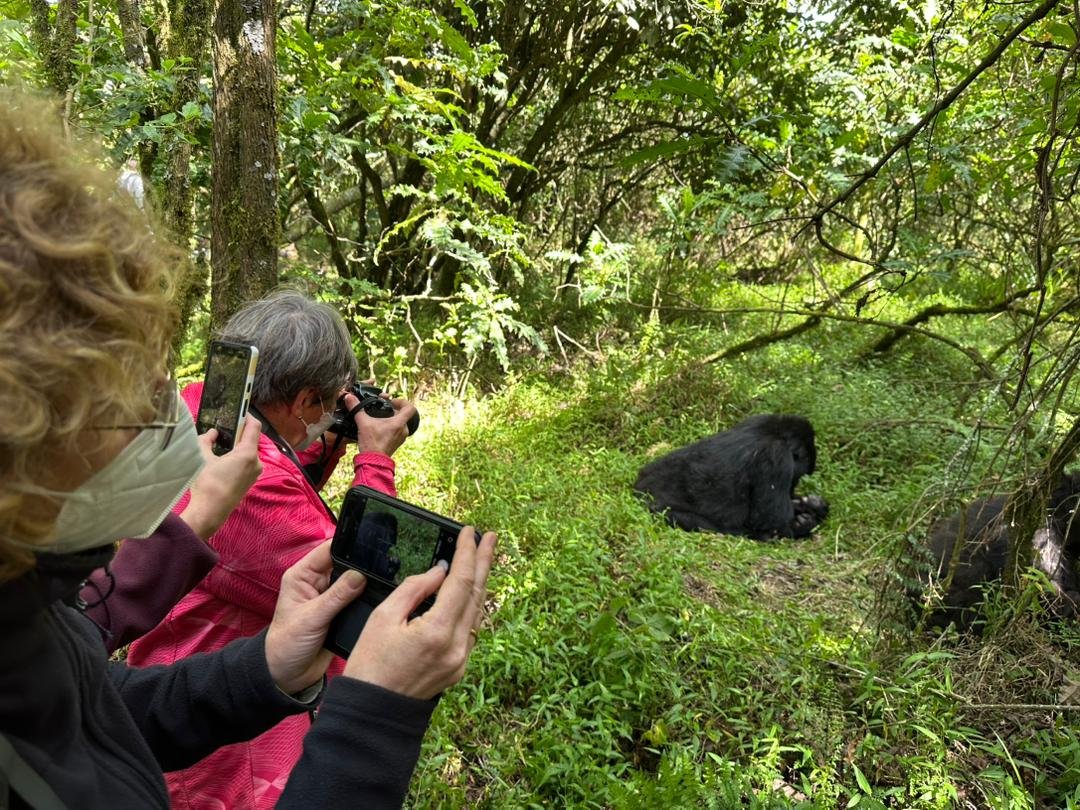
2 Days Uganda Gorilla Tour Starting from Kigali
This is the gentler cousin of our 1-Day Uganda Gorilla Safari Starting from Kigali — same idea, twice the breathing room. Instead of squeezing a 3,000-metre forest trek and two border crossings into a single very long day
Tour Details →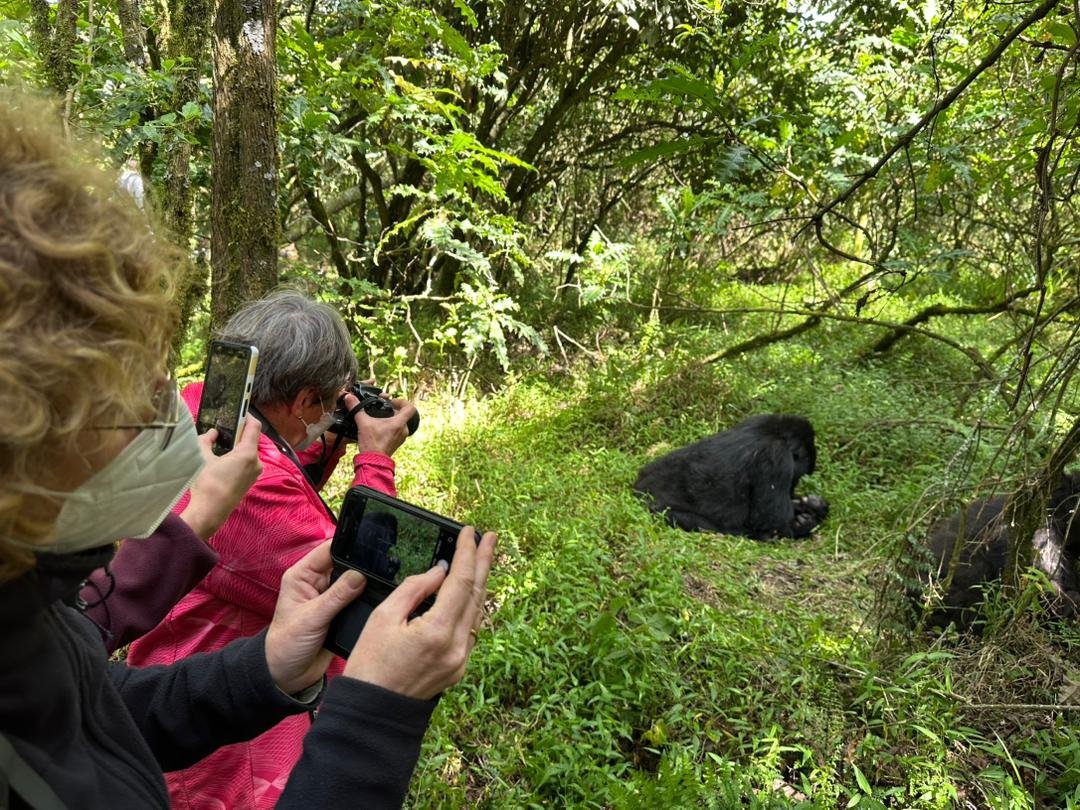
5-Day Uganda Gorilla and Chimpanzee Safari
This itinerary can be combined with a Rwanda extension or a wildlife-focused add-on through Queen Elizabeth National Park — browse our Uganda & Rwanda Safaris and Primate Safaris collections for ideas.
Tour Details →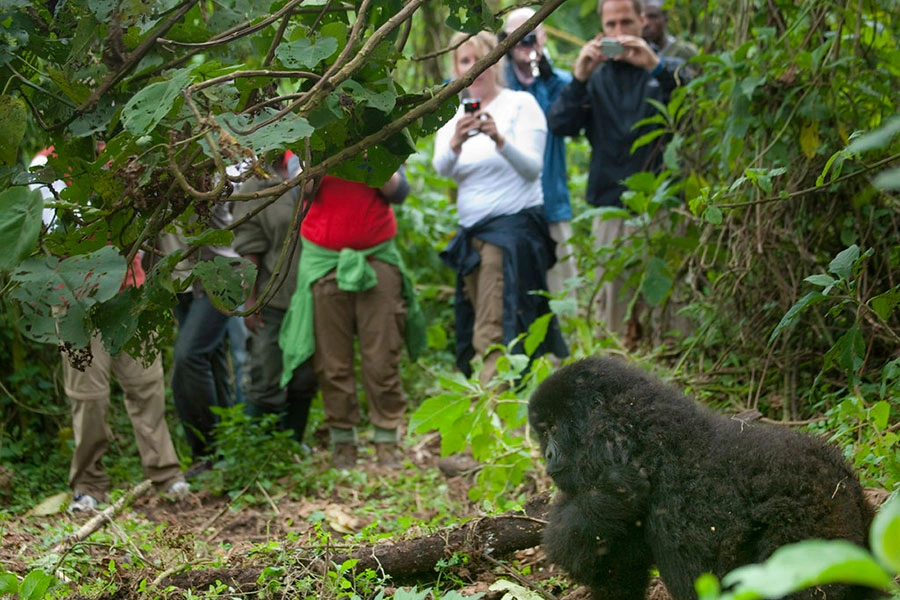
5 Days Rwanda Wildlife and Gorillas
This 5-day itinerary brings together Rwanda’s two flagship wildlife experiences: open savannah game drives and a boat safari in Akagera National Park, followed by a face-to-face encounters
Tour Details →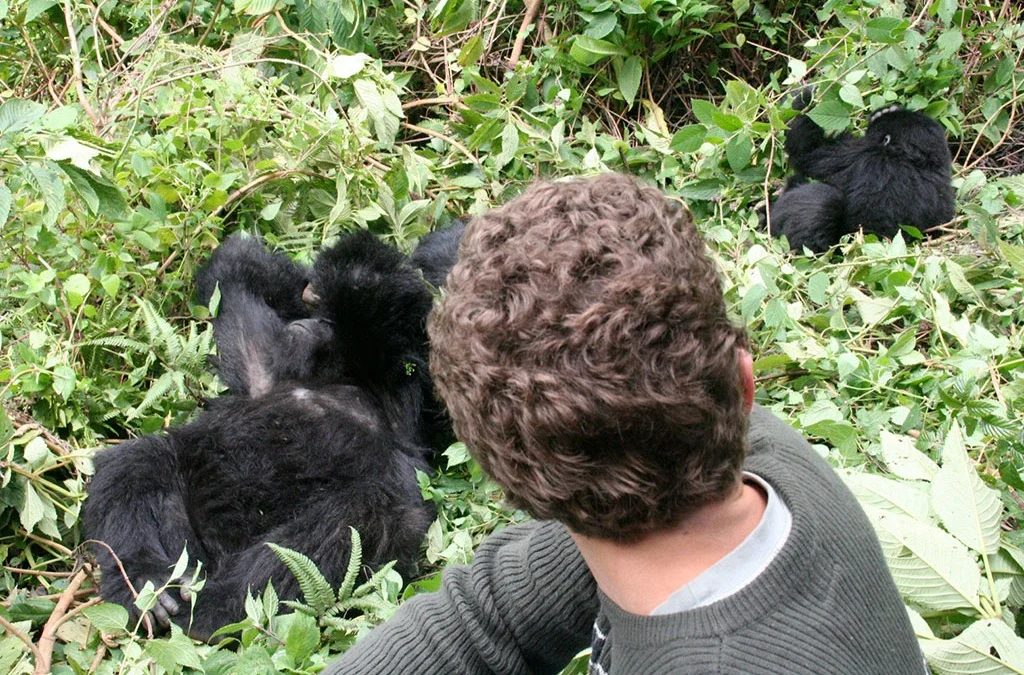
3 Days Uganda Gorilla Safari
For travelers who arrive in Entebbe with a tight schedule and a clear ambition, a 3-day gorilla safari to Bwindi Impenetrable Forest National Park is the most focused and rewarding short trip the country has to offer.
Tour Details →