- LET'S PLAN YOUR SAFARI
- +256 200 921 002
- +256 793 194 703
- info@pickandtransfersafaris.com

1 Day Uganda Gorilla Trek from Kigali
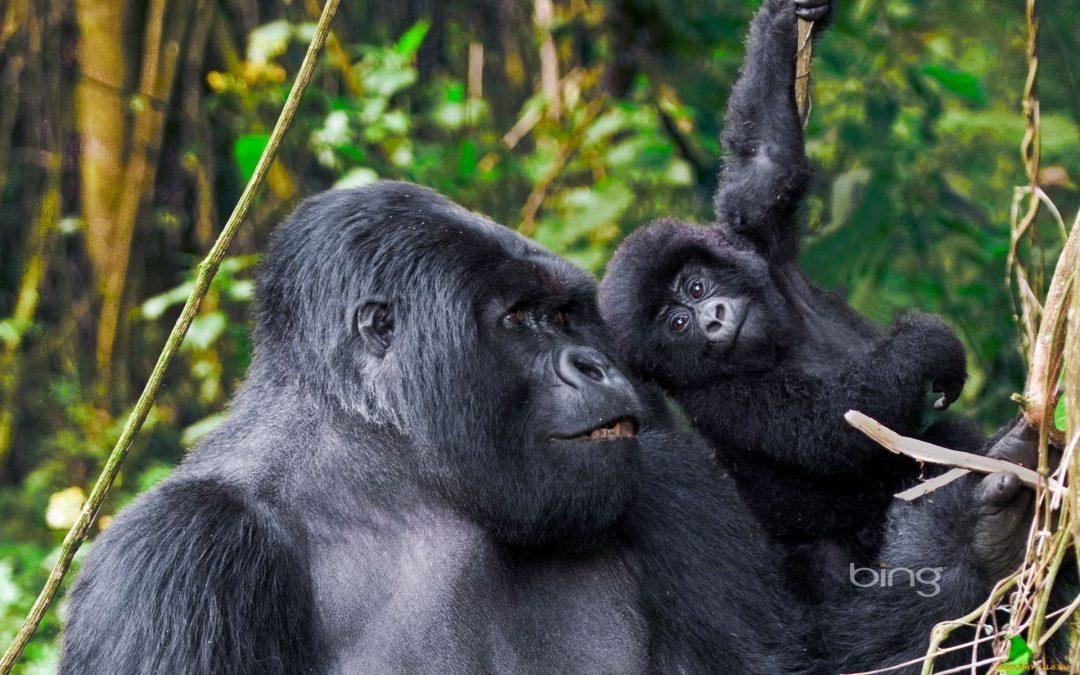
1 Day Uganda Gorilla Trek from Kigali. Most people planning a gorilla trekking trip assume they have to choose a country and commit to it — fly into Kigali for Rwanda’s Volcanoes National Park, or fly into Entebbe for Uganda’s Bwindi Impenetrable Forest, and stay within that border for the whole trip. Fewer people realise that Kigali is, in practical terms, closer to one of Uganda’s two gorilla parks than Uganda’s own capital is. Mgahinga Gorilla National Park sits just across the Cyanika and Gatuna border posts from Rwanda, roughly 120 to 150 kilometres from Kigali — a drive of two to three hours on a good day. That proximity has quietly turned the one-day Uganda gorilla trek from Kigali into one of the most popular add-ons for travellers already in Rwanda, and one of the least understood options for everyone else.
This isn’t a gimmick or a rushed compromise. It’s a genuine, well-established route that lets you cross an international border, track a habituated mountain gorilla family, and be back in your Kigali hotel bed the same night — and it exists largely because of simple geography. Kampala, Uganda’s capital, sits eight to nine hours from Bwindi and Mgahinga by road. Kigali sits a fraction of that distance away. For travellers whose main reason for visiting Uganda is the gorillas rather than the rest of the country, that difference matters enormously.
Why Kigali, and Why Mgahinga
Uganda has two places to trek mountain gorillas: Bwindi Impenetrable Forest, with its four sectors and roughly twenty habituated families, and Mgahinga Gorilla National Park, Uganda’s smallest park, home to a single habituated group called the Nyakagyezi family. Mgahinga sits on the Ugandan side of the same volcanic massif that contains Rwanda’s Volcanoes National Park, which is precisely why the geography works so neatly. The park entrance at Ntebeko Gate is only a short drive from the border town of Kisoro, and Kisoro itself is a manageable two-to-three-hour drive from Kigali once you’ve cleared immigration.
Bwindi, by contrast, is reachable from Kigali too — usually in four to five hours via the same border region — but that longer drive makes a genuine same-day round trip considerably harder to pull off comfortably. For a true one-day experience, Mgahinga is almost always the park in question, and it’s worth knowing that going in, since some travellers assume “gorilla trekking in Uganda” automatically means Bwindi.
What the Day Actually Looks Like
A one-day gorilla trek from Kigali starts early, and there’s no getting around that. Most itineraries have you leaving your hotel between 3:00 and 4:00 am, driving through the dark toward the border, clearing immigration on both the Rwandan and Ugandan sides, and continuing on to Ntebeko Gate in time for the standard 7:00 or 8:00 am briefing that every gorilla trek in the region begins with. Rangers assign trekking groups, share the rules for the encounter, and send small parties into the forest with trackers who have often already located the gorilla family’s general position from earlier signs.
The trek itself is genuinely variable. Because there’s only one habituated family in Mgahinga, there’s no allocation process the way there is in Bwindi’s four sectors — you’re trekking the Nyakagyezi group, full stop, and the walk to reach them can take anywhere from thirty minutes to several hours depending on where they slept the night before and how far they’ve ranged since. Once you find them, you get a strict one hour in their company: watching silverbacks doze in dappled light, juveniles tumble over each other, and the group go about the unhurried business of feeding and resting that makes up most of a wild gorilla’s day.
After the hour is up, it’s back down the mountain, back into the vehicle, back through the same two border crossings, and back to Kigali — typically arriving at your hotel sometime in the evening. It’s a full, tiring day. But it compresses an experience that would otherwise require an overnight stay in Uganda into a single, if long, outing from a Rwandan base.
What It Costs, and What It Doesn’t Include
The headline appeal of doing this from Uganda rather than trekking in Rwanda is cost. A Uganda gorilla permit currently runs USD 800 per person, issued by the Uganda Wildlife Authority, against Rwanda’s USD 1,500 permit for Volcanoes National Park — nearly double the price for what is, at the level of the encounter itself, a broadly comparable experience with the same species in the same mountain range. For travellers based in Kigali specifically to save money without sacrificing the core experience, that gap is significant enough to justify the early start and the long day.
What it doesn’t include is accommodation, since you’re not staying in Uganda at all, which simplifies logistics but also means there’s no cushion if the day runs long — a delayed border crossing, a longer-than-expected trek, or simply traffic on the Rwandan side can turn a long day into a very long one. It’s also worth being upfront that this is not a comfortable, leisurely way to experience gorilla trekking. If flexibility and a slower pace matter more to you than saving on the permit, an overnight stay near Mgahinga or a trek in Rwanda’s Volcanoes National Park, where the drive from Kigali is under two hours each way, may suit you better.
Getting the Logistics Right
The parts of this trip that go wrong are rarely the trekking itself — they’re the border crossing and the timing around it. You’ll need a valid passport, and depending on your nationality, a Uganda visa or East Africa Tourist Visa arranged in advance, since arriving at a land border without the right documentation is the single most common way this kind of day trip falls apart. A yellow fever vaccination certificate is generally expected for entry into Uganda as well. Because the whole plan hinges on a tight morning schedule, this is one of those trips where booking through an operator who handles the permit, the vehicle, the guide, and the border logistics as one coordinated package is worth the extra planning fee — arranging each piece independently leaves too many places for something to slip.
It’s also sensible to build in a little slack around the gorilla trekking permit booking itself. Permits for Mgahinga’s single family are limited to eight visitors per day, and while that’s a smaller allocation than Bwindi’s dozens of daily slots, it also means demand is genuinely finite. Booking well ahead of your travel dates, particularly in the June-to-September and December-to-February dry seasons when both countries see their highest visitor numbers, removes one more variable from an itinerary that’s already tightly timed.
Is It Worth Doing This Way?
For the right traveller, yes, unreservedly. If you’re already in Kigali for other reasons — a business trip, a Rwanda-focused holiday, a stopover between other destinations — and gorilla trekking is on your list but a multi-day Uganda itinerary isn’t in the cards, the one-day Mgahinga trek from Kigali genuinely delivers on its promise. You get the same species, a comparable forest encounter, at roughly half the permit cost of trekking in Rwanda, without needing to build out accommodation or a longer stay across the border.
What it isn’t is a substitute for a proper Uganda safari. If chimpanzee trekking, savannah game drives, or the wider primate circuit that Uganda offers also appeal to you, a single rushed day focused purely on the gorilla encounter will leave those experiences on the table. In that case, it’s worth thinking about a longer Uganda itinerary instead, built around Bwindi, Kibale, or Queen Elizabeth National Park, rather than squeezing everything into one very long day from a Rwandan base.
Either way, the option exists, and it’s a legitimate one — not a workaround, but a genuine feature of the geography that puts one of the world’s most remarkable wildlife encounters within a single day’s reach of Rwanda’s capital. If it fits how your trip is shaped, it’s worth serious consideration; if it doesn’t, at least talk it through with our travel experts — we can tell you honestly whether the one-day version or a longer stay makes more sense for what you’re hoping to get out of the trip.