- LET'S PLAN YOUR SAFARI
- +256 200 921 002
- +256 793 194 703
- info@pickandtransfersafaris.com

10 Best Places to Visit in Rwanda
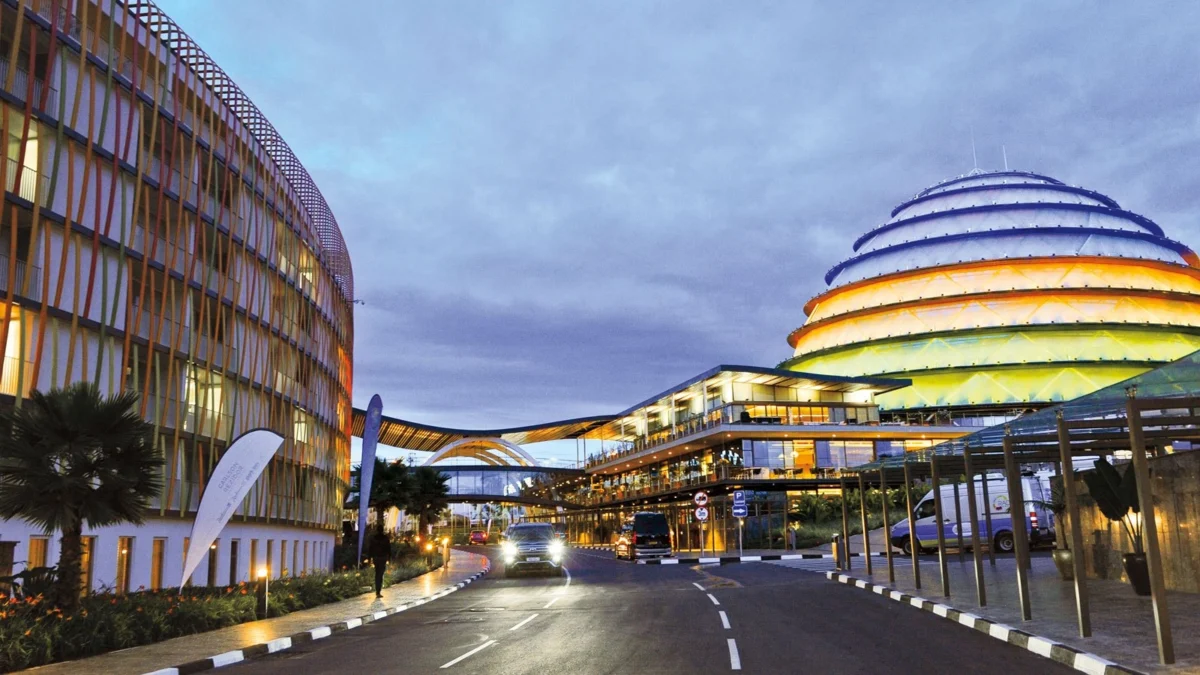
10 Best Places to Visit in Rwanda. Rwanda is small enough to drive across in a single day, yet it holds a genuinely remarkable spread of destinations for a country its size: volcanic highland forest, one of Africa’s oldest rainforests, a savannah park with all of the Big Five, a sprawling inland lake, royal history stretching back to the fifteenth century, and a capital city regularly ranked among the cleanest and safest on the continent. Most visitors arrive planning a trip built entirely around gorilla trekking, and leave having discovered that Rwanda’s other destinations more than earn their place on the itinerary too. This guide covers the ten best places to visit in Rwanda, what makes each one worth the trip, and how to combine them sensibly, based on the routes we plan for travellers every week at Pick and Transfer Safaris.
If you already know how many days you have and want a ready-made route rather than a destination list, our companion itineraries cover exactly that: a 5-day itinerary, a 7-day itinerary, a 10-day itinerary, and our full 2-week itinerary. This guide is the destination-by-destination reference behind all four, useful whether you are deciding what to prioritise or simply want to understand what each place actually offers before you commit.
What follows is not a ranking in the strict sense, the order below reflects how most travellers naturally prioritise these destinations given typical trip lengths and interests, rather than a claim that Nyanza is objectively better or worse than Lake Burera. Each entry explains what the destination actually offers, roughly how much time it deserves, and how it tends to fit alongside the others, so you can build a shortlist that matches your own trip rather than trying to force all ten into a single visit.
How This List Was Chosen
These ten destinations were selected for a combination of what they offer, how accessible they are from Kigali, and how well they combine into a realistic trip rather than a wishlist that would take a month to complete. Three are national parks built around the country’s headline wildlife experiences, three are cultural or historical sites that round out a trip with genuine depth beyond wildlife, and the rest are lakes, caves and quieter landscapes that reward travellers who have a few extra days to explore beyond the obvious highlights. Every one of these places sits within a day’s drive of Kigali, which is precisely what makes a Rwanda trip so efficient compared with the equivalent itinerary almost anywhere else in East Africa.
It is worth noting upfront that this list deliberately favours breadth over an exhaustive survey of every possible attraction in the country. Rwanda has dozens of smaller cultural sites, community tourism projects and lesser-known viewpoints beyond what fits into a top-ten format, and a handful of the strongest of those appear as honourable mentions toward the end of this guide. What follows is the set of destinations that, in our experience planning hundreds of Rwanda itineraries, consistently deliver the most value for the time and cost they require.
1. Volcanoes National Park: Rwanda’s Gorilla Trekking Country
Volcanoes National Park is, for most visitors, the entire reason Rwanda is on the itinerary in the first place. Spanning the lower slopes of five dormant volcanoes in the country’s northwest, roughly two and a half hours from Kigali, it protects Rwanda’s share of the world’s remaining mountain gorillas across a dozen habituated family groups. Beyond gorilla trekking, the park offers golden monkey trekking through its bamboo zone, the hike to primatologist Dian Fossey’s grave at the Karisoke Research Centre, and the Musanze Caves nearby, covered in more detail further down this list. We break down exactly what a gorilla trek costs and what to expect in our dedicated guides on gorilla trekking costs and gorilla versus chimpanzee trekking.
Plan for a minimum of two nights around Volcanoes National Park, one for the gorilla trek itself and, ideally, a second for golden monkey trekking or a visit to the Musanze Caves, since permits are capped daily and the physical demands of the trek mean most visitors want the following day free to rest rather than travelling immediately. The gateway town of Musanze offers the widest range of accommodation options in the region, from simple guesthouses to some of Rwanda’s most acclaimed luxury lodges positioned directly on the volcano slopes.
2. Akagera National Park: Rwanda’s Only Big Five Safari
Akagera National Park, in Rwanda’s east along the Tanzanian border, is the country’s only savannah park and the sole place in Rwanda where lion, leopard, elephant, buffalo and rhino all live together in the wild. After decades of poaching and habitat loss following the 1994 genocide, a sustained conservation effort has rebuilt the park’s Big Five population from near collapse, and today it offers game drives, a boat safari on Lake Ihema, and guided night drives across roughly 1,122 square kilometres of savannah, wetland and woodland. We cover exactly where to find each of the five species in our dedicated guide to Akagera’s Big Five.
Akagera rewards at least two full days, since the park’s north-south divide means lions and rhinos, concentrated on the open Kilala Plains in the north, sit roughly two hours from the lake-district lodges most visitors stay at in the south on their first night. A single day trip from Kigali, while popular and comfortable, generally only covers the southern circuit, so travellers specifically chasing lion and rhino sightings should budget for an overnight inside or near the park’s northern sector.
3. Nyungwe Forest National Park: Africa’s Oldest Rainforest
Nyungwe Forest National Park, in Rwanda’s southwest, protects one of Africa’s oldest and most biodiverse montane rainforests, home to chimpanzees, thirteen other primate species, East Africa’s only canopy walkway, and forest bird species found almost nowhere else in the region. Chimpanzee trekking here costs a fraction of a gorilla permit and moves at a noticeably faster, louder pace than a gorilla encounter, making Nyungwe a natural pairing with Volcanoes National Park for travellers who want to experience both of Rwanda’s great apes on the same trip, a comparison we cover fully in our guide to gorilla trekking versus chimpanzee trekking.
Beyond chimpanzees, Nyungwe’s canopy walkway, suspended roughly seventy metres above the forest floor, is worth the visit on its own merits, and the park’s large Angolan colobus monkey troops, some numbering several hundred individuals, offer an excellent, less strenuous alternative primate encounter for travellers who want a lighter activity alongside the main chimpanzee trek. Nyungwe sits roughly five to six hours from Volcanoes National Park by road, which is why most itineraries shorter than about ten days end up choosing between Nyungwe and Akagera rather than fitting in both.
4. Lake Kivu: Rwanda’s Inland Sea
Lake Kivu, Rwanda’s largest lake and the sixth largest in Africa, stretches along the country’s entire western border and offers a completely different pace from the trekking and safari destinations elsewhere on this list. Rubavu, formerly Gisenyi, on the lake’s northern shore is roughly an hour from Volcanoes National Park and offers colonial-era waterfront architecture, lakeside bars and boat trips to watch local fishermen at dawn or dusk. Karongi, formerly Kibuye, sits roughly halfway down the lake and makes a scenic overnight stop for travellers driving the full lake road south. The Congo Nile Trail, a 227-kilometre hiking and cycling route running the length of the shoreline in six stages, is one of Rwanda’s most underrated outdoor activities, and our partner Kenlink Tours runs a well-regarded 6-Day Rwanda Adventure covering great apes and Lake Kivu that pairs the lake with gorilla trekking in a single itinerary.
Lake Kivu earns its place on this list precisely because it is unlike anything else here: no permits, no early starts, and no strenuous climbing, just genuine rest time after the physical demands of gorilla or chimpanzee trekking. Coffee tours through the terraced hillside plantations surrounding the lake are another popular activity, reflecting Rwanda’s growing reputation as a specialty coffee origin, and several lakeside lodges now offer tastings and farm visits alongside the more typical boat trips and beach time.
5. Kigali: One of Africa’s Cleanest and Safest Capitals
Kigali is more than a transit point between the airport and the parks, and most itineraries that treat it as one miss a genuinely worthwhile city. The Kigali Genocide Memorial in Gisozi is essential, sobering context for understanding modern Rwanda, honouring more than 250,000 victims of the 1994 genocide against the Tutsi. Beyond the memorial, the Nyamirambo neighbourhood offers a lively walking and food tour through local daily life, Kimironko Market is the place for baskets, fabric and produce, and the Inema Arts Center showcases contemporary Rwandan art alongside traditional Intore dance performances. Kigali is also consistently ranked among the cleanest cities in Africa, a point of national pride reflected in the country’s monthly community clean-up exercise, Umuganda, held on the last Saturday of every month.
Kigali’s restaurant and nightlife scene has also grown considerably in recent years, with a genuinely wide range of options from traditional Rwandan cuisine to international fine dining, making the city a comfortable place to spend an extra day at either end of a longer trip rather than simply passing through. The Mount Kigali hike, offering panoramic views over the city, and Nyandungu Eco-Park, a restored wetland popular with birders, are two further half-day options for travellers who want to see a side of the capital beyond its historical sites.
6. King’s Palace Museum, Nyanza: Rwanda’s Royal History
Nyanza became Rwanda’s permanent royal seat in 1899, and the King’s Palace Museum there brings the country’s monarchical period, spanning the fifteenth century through 1961, vividly to life. The site combines a faithfully reconstructed traditional royal palace, complete with beehive-shaped thatched huts once used for beer and milk production, and an Art Deco residence built in 1932 for King Mutara III Rudahigwa. The museum’s most memorable residents are the Inyambo, long-horned royal cattle descended from the king’s own 1950s herd, still trained to respond to traditional songs and decorated for ceremonial displays exactly as they were under the monarchy. A single ticket also covers the nearby Rwesero Kwigira Museum, making Nyanza a rich half-day cultural stop for travellers routing between Nyungwe Forest and Kigali, and one we build into our 3-Day Rwanda Gorilla Tracking and Cultural Tour for exactly this reason.
Guided tours of the King’s Palace Museum typically run around ninety minutes to two hours, timed to coincide with a scheduled Inyambo cattle display, which is worth checking in advance since the ceremonial demonstrations do not run continuously throughout the day. The site’s location roughly midway between Nyungwe Forest and Kigali makes it an unusually convenient stop, adding real cultural depth to what would otherwise be a purely transitional driving day on many longer itineraries.
7. Musanze Caves: Volcanic Tunnels Beneath the Virunga
A short drive from Musanze town, the gateway to Volcanoes National Park, the Musanze Caves offer a genuinely different kind of Rwanda experience: roughly two kilometres of underground volcanic tunnels formed some 65 million years ago from basaltic lava flowing off Mount Bisoke and Sabyinyo, accessible through more than thirty entrances. A guided walk through the tunnels, helmets provided, takes about two hours and can be paired with basket weaving, traditional hunting tool demonstrations and local beer production on the surface. The caves were historically used as sites for royal coronations and, more recently, as refuges during the 1994 genocide, adding real historical weight to what might otherwise be treated as a purely geological curiosity. Most travellers visit on their way to or from a golden monkey trek, making it an easy, low-effort addition to any Volcanoes National Park itinerary.
The caves are also home to thousands of bats and several underground water streams, and their entrance fee of $55 per person makes them a comparatively affordable addition given how memorable the experience is, particularly for travellers who have already committed to the far larger expense of a gorilla permit and want a lower-cost activity to round out their time around Volcanoes National Park. Officially opened to tourism in 2014, the caves remain relatively uncrowded compared with the park’s primate trekking activities.
8. Huye and the National Museum of Rwanda: A Deeper Cultural Dive
Huye, formerly Butare and long considered Rwanda’s intellectual and academic centre, is home to the National Museum of Rwanda, widely regarded as the country’s best ethnographic collection, covering traditional Rwandan crafts, tools, royal regalia and daily life before and during the colonial period. Sitting roughly ninety minutes from Nyungwe Forest and on the natural route between Nyungwe and either Kigali or Akagera, Huye rewards travellers who want more cultural depth than a typical wildlife-focused itinerary provides, and it pairs naturally with a stop at the King’s Palace Museum in nearby Nyanza on the same day. We route through Huye on several of our longer combined itineraries, including our 10-Day Rwanda Wildlife and Gorilla Tour and full 2-week Rwanda itinerary.
Beyond the museum itself, Huye is home to the National University of Rwanda, giving the town a distinctly different character from the tourist-oriented towns around the national parks, with a genuine local café and restaurant scene worth exploring if your schedule allows a longer stop than the typical hour-long museum visit most itineraries budget for.
9. Lake Burera and Lake Ruhondo: Rwanda’s Twin Lakes
Tucked into the hills just north of Musanze, Lake Burera and Lake Ruhondo are two connected crater lakes that offer some of the most striking scenery in the entire Virunga region, terraced hillsides dropping straight into still water, with the volcanoes themselves visible on a clear day. Far less visited than Lake Kivu, the twin lakes reward travellers with an extra half-day around Volcanoes National Park with canoe trips, lakeside walking trails and a genuinely peaceful contrast to the intensity of gorilla trekking day. Local community-run boat operators offer short paddling excursions, and the drive between the two lakes alone, past terraced farmland and small fishing villages, is worth the detour for photographers and travellers who want to see rural Rwanda away from the main tourist circuit.
Because the twin lakes sit so close to Musanze, they are one of the easiest additions on this entire list logistically, requiring no separate overnight stay or major schedule change, simply a half-day carved out of an existing Volcanoes National Park stay. This makes them a natural choice for travellers who have finished their gorilla trek, feel they have covered the main activities in the area, and want one more memorable half-day before moving on to their next destination.
10. Gishwati-Mukura National Park: Rwanda’s Newest and Quietest Park
Gishwati-Mukura National Park, gazetted in 2015, is Rwanda’s fourth and newest national park, and its least visited by a wide margin. Positioned between Volcanoes National Park and Lake Kivu, it protects a smaller forest fragment that is nonetheless home to a chimpanzee community, golden monkeys, and a strong population of forest birds, alongside being a flagship example of Rwanda’s forest restoration work on land previously degraded by agriculture. For travellers who have already done a more conventional chimpanzee trek at Nyungwe and want a quieter, more exploratory second forest experience, or independent-minded visitors who simply prefer the road less travelled, Gishwati-Mukura is a genuinely rewarding stop that most itineraries, ours included, treat as an optional extension rather than a default inclusion.
Because Gishwati-Mukura’s chimpanzee community is less extensively habituated than Nyungwe’s larger, more established groups, sightings here can be somewhat less predictable, and this is precisely the trade-off that appeals to a specific type of traveller: near-total certainty of having the forest to yourself, in exchange for slightly lower odds of a guaranteed chimpanzee sighting. The park’s location roughly midway between Volcanoes National Park and Lake Kivu also makes it a logical stop for travellers driving that stretch of road who want to break up the journey with an activity rather than a straight transfer.
Which Destinations Pair Naturally Together
Rwanda’s geography groups these ten destinations into a few natural clusters, and understanding them makes route planning considerably easier. Volcanoes National Park, the Musanze Caves and Lake Burera and Ruhondo all sit within roughly an hour of each other in the north, making them a natural single-region cluster that most itineraries visit together over two to three nights. Nyungwe Forest, Nyanza’s King’s Palace Museum and Huye’s National Museum form a similar cluster in the south, connected by a single scenic road that makes stopping at all three on one drive genuinely practical rather than a detour. Akagera, in the far east, and Lake Kivu, running the length of the western border, both sit at opposite ends of the country from this southern cluster, which is exactly why a well-planned Rwanda itinerary tends to run as a loop, north, then south, then east or west, rather than crossing back and forth across the country multiple times. Kigali, sitting roughly in the geographic centre, naturally serves as the hub connecting all of these regional clusters, which is why nearly every itinerary in this guide begins and ends there.
Honourable Mentions Beyond the Top Ten
Rwanda has more worthwhile destinations than any single top-ten list can properly cover, and a handful of places just outside this list deserve a mention for travellers with extra time or particular interests. Rusizi, at the southern end of Lake Kivu where the Congo Nile Trail terminates, offers a quieter, less-developed lakeside town than Rubavu or Karongi, along with proximity to the Rusizi border crossing for travellers continuing into the Democratic Republic of Congo. The Rwanda Art Museum, housed in the former Presidential Palace in Kigali, adds a further layer to the capital’s cultural offering for visitors who want more than the Genocide Memorial and Nyamirambo alone. Nyandungu Eco-Park, a restored urban wetland on the edge of Kigali, is an excellent half-day birding destination for travellers who want a nature experience without leaving the capital. None of these quite earned a place in the primary ten, mainly because each serves a narrower interest than the destinations above, but they are all worth knowing about when building a longer, more customised itinerary.
How to Combine These Destinations in One Trip
No traveller needs to see all ten of these places on a single visit, and trying to would mean a much longer, more expensive trip than most people have time or budget for. The three national parks, Volcanoes, Akagera and Nyungwe, form the backbone of almost every well-planned Rwanda itinerary, and the remaining seven destinations are best treated as additions layered on depending on how many days you have. A five- to seven-day trip realistically covers Volcanoes and Akagera, with Kigali and perhaps the Musanze Caves as easy additions along the way, covered in detail in our 5-day and 7-day itineraries. A ten-day to two-week trip has room to add Nyungwe, Lake Kivu, and one or two cultural stops like Nyanza or Huye, the structure behind our 10-day and 2-week itineraries. Gishwati-Mukura and the twin lakes are the destinations most travellers add only on a second visit or a particularly generous first trip.
Best Time of Year to Visit Rwanda
Rwanda’s two dry seasons, June through September and December through February, offer the most reliable trekking conditions in both Volcanoes National Park and Nyungwe Forest, and the easiest driving on Akagera’s northern roads, but they are also peak season for gorilla permits, so book at least three to six months ahead if your trip falls in these windows. The shoulder and low season months, particularly April, May, October and November, bring a real chance of rain and muddier trekking conditions, but also lower lodge rates, easier permit availability, and, for gorilla trekking specifically, a 30 percent discount for travellers who also spend two or more nights at Akagera or Nyungwe. Lake Kivu, Kigali and the cultural sites like Nyanza and Huye are comfortable to visit year-round, since none depend on trekking conditions the way the national parks do.
For destinations like the Musanze Caves and the twin lakes, weather matters less for accessibility and more for photography and comfort, since neither involves the kind of sustained forest trekking that turns genuinely difficult in heavy rain. Travellers whose itinerary is anchored around a fixed gorilla permit date should plan the rest of their route around that date rather than the other way around, since the permit, not the weather, is the real scheduling constraint for most Rwanda trips, and every other destination on this list can flex around it far more easily than the trek itself can.
Getting Around: Transport Between These Destinations
A private vehicle with driver-guide, standard across our Rwanda and Uganda safari packages, remains the simplest way to move between these destinations, since public transport does not serve the national parks directly and several of the drives, particularly the roughly five-hour transfer between Volcanoes National Park and Akagera, benefit enormously from an experienced local driver who knows the route and the unpaved sections around the parks. Travellers who prefer to self-drive can compare independent options through Kenlink Tours’ car hire service, and travellers on a tighter schedule sometimes use a short domestic flight between Kigali and Kamembe, near Nyungwe, to save several hours of driving on longer itineraries. Travelling in a small group of three or four also meaningfully reduces the per-person cost of private transport, an option worth reviewing through Kenlink Tours’ own group tour departures if you are travelling solo or as a couple and open to joining others.
Sample Itineraries by Trip Length
If you have five days, prioritise Volcanoes National Park and Akagera, exactly the structure of our 5-day Rwanda safari itinerary. With seven days, the same two parks get a second full Akagera day and a fuller look at Kigali, covered in our 7-day itinerary. Ten days adds Nyungwe Forest and a Lake Kivu stopover on the way south, the route behind our 10-day itinerary, and two weeks allows for a full, unhurried version of all of it, plus cultural stops at Nyanza and Huye, as laid out in our 2-week Rwanda itinerary. Travellers extending into a third week or combining Rwanda with a second country should look at our 15-Day Rwanda and Uganda Safari, which adds Uganda’s own parks and primate trekking onto this same foundation.
What Each Destination Costs
Costs vary enormously across this list. Gorilla trekking at Volcanoes National Park is by far the single largest line item any Rwanda traveller will face, at $1,500 per international visitor, a cost we break down in full in our gorilla trekking cost guide. Chimpanzee trekking at Nyungwe costs roughly $100, Akagera’s daily park entrance fee runs around $100 for international visitors, and the Musanze Caves charge $55 per person for a guided tour. Kigali’s cultural sites, Lake Kivu’s beaches and boat trips, and the King’s Palace Museum and National Museum of Rwanda are all considerably cheaper, generally in the $10 to $30 range per activity, making them excellent lower-cost additions to round out a trip built primarily around the two big-ticket wildlife permits.
This cost spread is worth keeping in mind when deciding how to allocate your budget across a trip: the difference between a well-rounded itinerary and a purely wildlife-focused one is often only a few hundred dollars once the gorilla permit is already accounted for, since the cultural and lakeside destinations on this list add so little to the overall cost relative to the depth and variety they bring to the trip.
Packing and Practical Tips for Visiting Multiple Destinations
Because this list spans volcanic highland, rainforest, savannah and lakeside towns, pack for a wider range of conditions than a single-destination trip would require. Sturdy, broken-in hiking boots and waterproof rain gear cover both trekking days and the Musanze Caves walk, neutral-coloured, lightweight clothing suits the warmer Akagera game drives, and a swimsuit is worth packing if Lake Kivu or the twin lakes are on your route. A camera with reasonable zoom, binoculars for wildlife viewing, sunscreen, insect repellent and a basic first aid kit round out the essentials, along with a printed or digital copy of any gorilla or chimpanzee permits, which must be presented at the relevant park gate. Malaria prophylaxis is generally recommended for the lower-altitude stretches around Akagera and Lake Kivu, and comprehensive travel insurance covering trip interruption and medical evacuation is strongly advised given the physically demanding nature of the trekking destinations on this list.
Working with a Local Operator to Plan Your Route
Assembling a multi-destination Rwanda trip independently, coordinating permit dates, lodge availability and transport across several regions, is genuinely difficult to do reliably without local knowledge, particularly for travellers unfamiliar with which destinations pair well together within a limited number of days. Most travellers, even highly experienced independent ones, choose to have a local operator build the full route rather than booking each destination separately. If you are still comparing operators or want a second quote to benchmark against, our partner Kenlink Tours can be reached through their contact page, and their track record is outlined on their about us page, both useful references alongside our own destination guide above when deciding who to book this trip through. Kenlink Tours also runs strong standalone options worth comparing for specific legs of a trip, including their 3-Day Rwanda Gorilla Safari, 3-Day Akagera Game Drive Safari, and 3-Day Chimpanzee Tracking Safari, browsable through their Rwanda safaris and Uganda safaris collections.
Frequently Asked Questions About Places to Visit in Rwanda
What is the single best place to visit in Rwanda? For most travellers, Volcanoes National Park, since gorilla trekking remains Rwanda’s signature experience and the reason most visitors book the trip in the first place. Akagera and Nyungwe are close seconds, offering the Big Five savannah safari and chimpanzee trekking respectively, and between them the three parks account for the vast majority of what draws international visitors to the country each year.
How many of these ten places can I realistically see in one trip? That depends entirely on how many days you have. A one-week trip realistically covers two to three of these destinations well; two weeks can comfortably cover six to eight, as laid out in our 2-week itinerary. Trying to fit all ten into a single trip generally means too little time in each to enjoy them properly, which is why we generally recommend prioritising depth over completeness on any single visit.
Is Kigali worth more than a single day? Most itineraries, including several of our own, condense Kigali sightseeing into a single morning to preserve time for the parks, but travellers with a genuine interest in Rwanda’s history and culture, rather than purely wildlife, often find a full extra day in Kigali, split between the Genocide Memorial, Nyamirambo and the arts scene, well worth adding, particularly on trips of ten days or longer where the extra day does not come at the expense of a park visit.
Which of these destinations should families with young children priorities? Akagera, Kigali, Lake Kivu and the cultural sites at Nyanza and Huye are all suitable for children of any age. Gorilla and chimpanzee trekking both carry a strict minimum age of 15, so families travelling with younger children generally build their itinerary around the destinations without an age restriction instead, often supplementing the trip with a game drive-focused Akagera stay rather than the primate parks.
Do I need to visit all three national parks to have a complete Rwanda trip? No. Many excellent Rwanda itineraries focus on just one or two of the three parks, particularly on shorter trips, and add cultural or lakeside destinations from this list instead of a third park. The right combination depends on your interests and how many days you have available.
What is the most underrated place on this list? Lake Burera and Lake Ruhondo, the twin lakes north of Musanze, are consistently the destination travellers had not researched beforehand and end up describing as a highlight afterward, largely because they require so little extra planning to add to an existing Volcanoes National Park stay, and because so few other visitors make the same detour.
Can I visit these destinations without joining a guided tour? Some, yes, particularly Kigali, Lake Kivu and the cultural sites at Nyanza and Huye, which are all straightforward to visit independently with hired transport. The three national parks, by contrast, require a booked permit and an accompanying park guide by law, so independent, unguided access is not an option regardless of how confident a traveller feels navigating on their own, and this applies equally to Gishwati-Mukura despite its smaller size and lower visitor numbers.
Plan Your Rwanda Trip Around These Destinations
Every destination on this list, from gorilla trekking in the volcanoes to the Big Five at Akagera, the royal history of Nyanza and the shores of Lake Kivu, is something we build into custom Rwanda itineraries every week at Pick and Transfer Safaris. Explore our gorilla safari packages, our full wildlife safari collection, or browse every destination we cover. Learn more about us, or get in touch through our contact page for a personalised itinerary built around exactly which of these ten places matter most to you.
Rwanda rewards travellers who look past the gorillas alone, and every destination on this list is proof of that: a savannah park that has rebuilt its Big Five population from near collapse, one of Africa’s oldest rainforests, royal history stretching back centuries, and landscapes ranging from volcanic highland to lakeside calm, all within a country small enough to see meaningfully in a single well-planned trip. Whichever combination of these ten places fits your schedule and interests, the goal is the same one behind every itinerary in this series: enough time in each destination to experience it properly, rather than simply passing through.
7 Days Uganda Safari – One week tour
This 7-day itinerary is the classic one-week introduction to Uganda, covering the country’s three most iconic wildlife experiences: chimpanzee tracking in Kibale Forest National Park, Big Five game drives and a boat cruise in Queen
Tour Details →
10 Days Uganda Primates and Wildlife
This 10-day Uganda Grand Safari is the most complete Uganda itinerary we offer at Pick and Transfer Safaris. It begins with a scenic northward drive from Entebbe to the vast open plains of Murchison
Tour Details →
2 Days Uganda Gorilla Tour Starting from Kigali
This is the gentler cousin of our 1-Day Uganda Gorilla Safari Starting from Kigali — same idea, twice the breathing room. Instead of squeezing a 3,000-metre forest trek and two border crossings into a single very long day
Tour Details →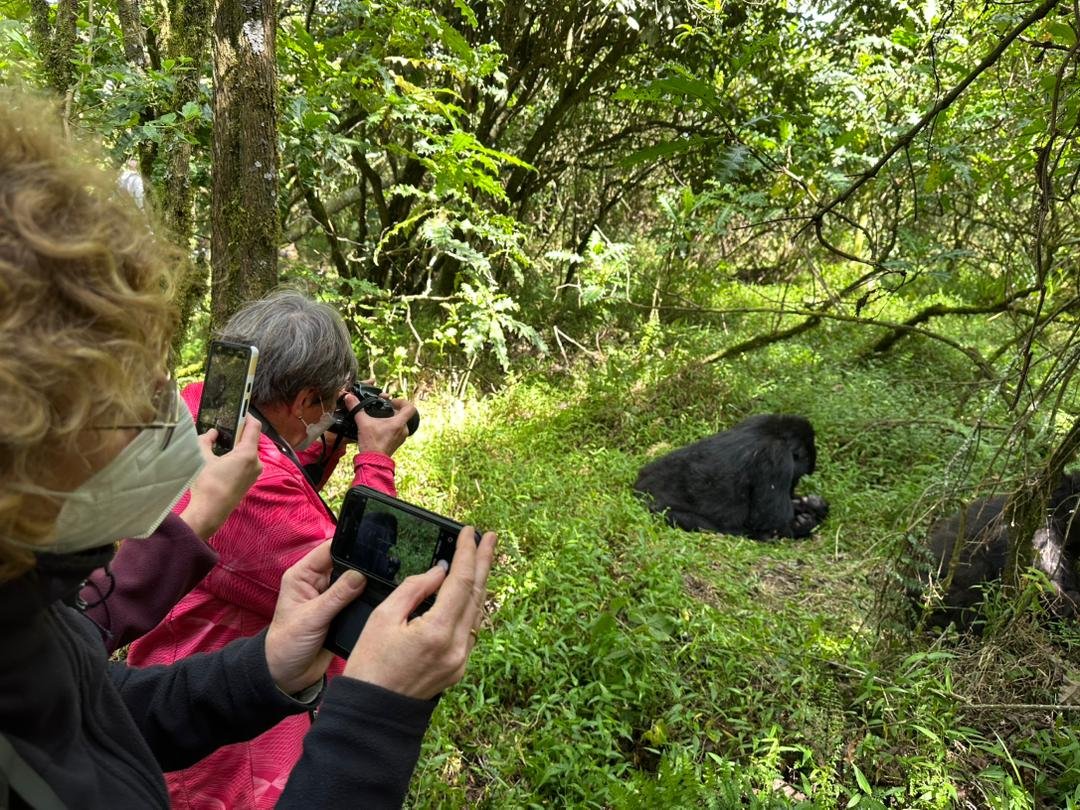
5-Day Uganda Gorilla and Chimpanzee Safari
This itinerary can be combined with a Rwanda extension or a wildlife-focused add-on through Queen Elizabeth National Park — browse our Uganda & Rwanda Safaris and Primate Safaris collections for ideas.
Tour Details →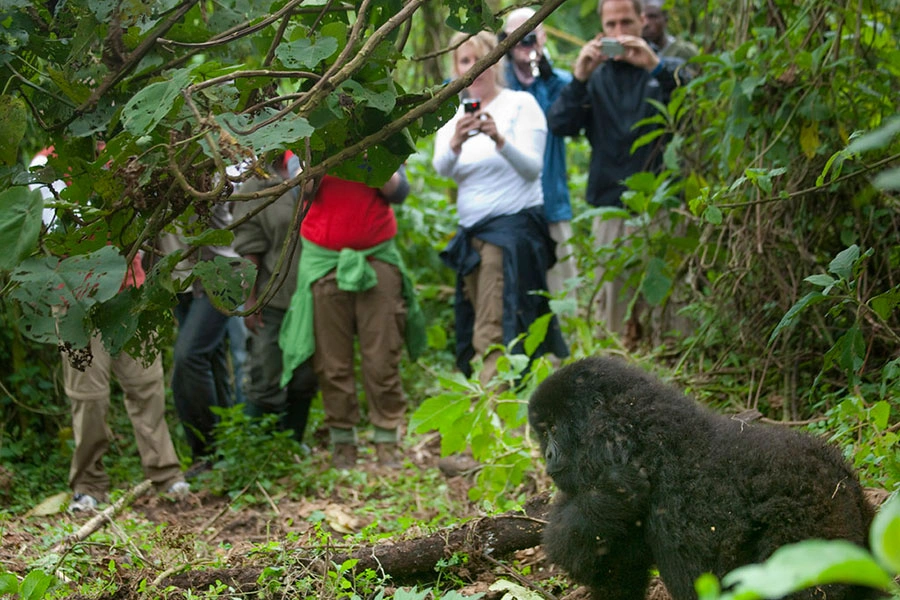
5 Days Rwanda Wildlife and Gorillas
This 5-day itinerary brings together Rwanda’s two flagship wildlife experiences: open savannah game drives and a boat safari in Akagera National Park, followed by a face-to-face encounters
Tour Details →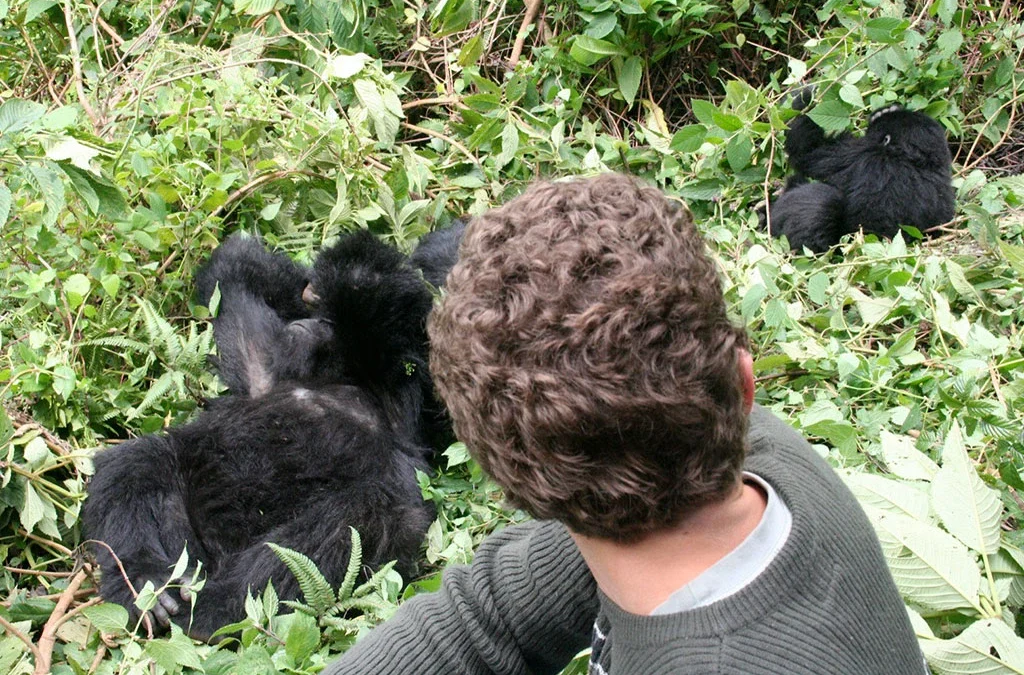
3 Days Uganda Gorilla Safari
For travelers who arrive in Entebbe with a tight schedule and a clear ambition, a 3-day gorilla safari to Bwindi Impenetrable Forest National Park is the most focused and rewarding short trip the country has to offer.
Tour Details →