- LET'S PLAN YOUR SAFARI
- +256 200 921 002
- +256 793 194 703
- info@pickandtransfersafaris.com

10-Day Rwanda Safari Itinerary
10-Day Rwanda Safari Itinerary. Rwanda packs an extraordinary range of experiences into a country roughly the size of Massachusetts, and ten days is exactly enough time to see almost all of it without rushing. In a single trip you can track mountain gorillas through misty bamboo forest, follow golden monkeys through bamboo thickets, watch lions and rhinos on a savannah game drive, walk a canopy bridge above chimpanzees in ancient rainforest, and unwind on the shores of Lake Kivu — all connected by some of the smoothest road transfers in East Africa. At Pick and Transfer Safaris we build this exact itinerary regularly for travelers who want depth, not just a checklist, and our 10 Days Rwanda Wildlife Gorilla Tour follows the same route outlined below. Independent trip-planning resources such as Kenlink Tours have also published detailed coverage of Rwanda’s parks and seasons, which is useful background reading as you plan. This guide walks through the full ten days, park by park, along with what to pack, where to stay, what it costs, photography tips, cultural etiquette and how to combine Rwanda with Uganda if you want to extend the adventure even further. Whether this is your first trip to East Africa or your fifth, the level of planning detail below should leave very few questions unanswered before you land in Kigali.
Why Rwanda Deserves a Full 10 Days
Many first-time visitors default to a rushed 4- or 5-day gorilla-only trip, but that leaves Rwanda’s other major parks unexplored. Ten days is the sweet spot: enough time to trek gorillas without racing straight back to the airport, enough time to add Akagera’s Big Five safari and Nyungwe’s rainforest chimp trekking, and enough buffer to actually relax on Lake Kivu before flying home. Rwanda’s compact size and excellent road network mean transfer days double as scenic drives through terraced hillsides rather than wasted travel time, which is part of why the country has earned its reputation as “the land of a thousand hills” and one of Africa’s most rewarding short safari destinations. A rushed trip also increases the risk of arriving at your gorilla trek jet-lagged and travel-worn, whereas building in a proper Kigali arrival day and sensible pacing between parks means you show up for each activity rested and able to actually enjoy it, rather than simply checking it off a list.
Best Time to Visit Rwanda for This Itinerary
Rwanda’s two dry seasons — June to September and December to February — offer the best trekking conditions, with drier trails in Volcanoes and Nyungwe National Parks and easier game viewing in Akagera. The long rains fall from March to May and the shorter rains from October to November; trekking is still possible in these months and forests are noticeably greener, but trails can be muddy and slippery. Coverage of seasonal planning from Rwanda and Botswana safari tours for 2025–2026 is a useful reference if you’re weighing shoulder-season travel for lower rates against peak-season trail conditions. Because Rwanda straddles the equator, temperatures stay relatively consistent year-round rather than swinging dramatically by season — the biggest variable is rainfall, not heat or cold — which means even a shoulder-season trip remains genuinely enjoyable as long as you pack for occasional showers and don’t mind a muddier trail underfoot.
Entry Requirements: Visa and Travel Documents
Most nationalities can obtain a Rwandan visa on arrival, and citizens of African Union, Commonwealth and La Francophonie member states qualify for a free 30-day entry visa. Travelers planning to combine Rwanda with Kenya or Uganda on this trip should look into the East Africa Tourist Visa, which covers all three countries under a single multiple-entry visa and is worth arranging before departure if your itinerary includes a border crossing. A passport valid for at least six months beyond your travel dates and proof of a yellow fever vaccination (if arriving from an endemic country) are standard requirements worth confirming with your airline before you fly. Requirements and visa fees can shift, so it’s worth double-checking the current policy directly with Rwanda’s immigration authorities or your booking agent within a few weeks of departure rather than relying solely on information gathered months earlier during initial planning.
Gorilla Permit Costs and How to Book Them
A Volcanoes National Park gorilla trekking permit currently costs USD $1,500 per person, covering park entry, an armed ranger escort, professional trackers and up to one hour with a habituated gorilla family. Permits are limited daily and regularly sell out months in advance during peak season, so booking early through our Gorilla Safaris page is one of the most important steps in planning this itinerary. Rwanda also offers a combined discount for visitors who add Akagera and Nyungwe to their trip during low season, which is one more reason a full 10-day itinerary often works out better value than a gorilla-only trip. Permits are non-transferable and tied to a specific date and gorilla family assignment, so once your dates are set, everything else in this itinerary — lodge bookings, transfers, and the other park permits — should be built around that fixed point rather than the other way around.
How This 10-Day Itinerary Is Structured
This itinerary moves in a loop from Kigali to the Volcanoes region in the northwest, southeast to Akagera on the Tanzanian border, southwest to Nyungwe rainforest, and back through Lake Kivu before returning to Kigali for departure. It’s built around our full Long Trips range and mirrors the structure of our 10 Days Rwanda Wildlife Gorilla Tour, though every day can be adjusted based on your gorilla trekking date, flight times and preferred pace. Treat the day-by-day breakdown below as a proven default rather than a rigid schedule — some travelers prefer to tackle Akagera before Volcanoes to ease into trekking gradually, while others want gorillas on day one of activities while energy levels are highest. Either sequence works logistically; what matters most is locking in your gorilla permit date first and building the rest of the loop around it.
Day 1: Arrival in Kigali
Your adventure begins at Kigali International Airport, where a driver-guide will meet you and transfer you to your hotel in the city. Kigali is consistently ranked one of Africa’s cleanest and safest capitals, and most first-time visitors are pleasantly surprised by its order, hillside views and genuinely warm welcome. Depending on your arrival time, spend the afternoon settling in, adjusting to the altitude, and enjoying a relaxed dinner before an early start the next morning. This first night is a good opportunity to review your full itinerary with your guide and confirm gorilla trekking logistics for later in the week. Kigali sits at roughly 1,500 meters above sea level, noticeably higher than many travelers are used to, so an easy first evening also helps your body start adjusting before you head further uphill toward the Volcanoes region later in the week. If your flight lands mid-morning, a short walk through the city center or a coffee at one of Kigali’s well-regarded cafés is a pleasant, low-effort way to shake off a long-haul flight.
Day 2: Kigali City Tour and Genocide Memorial
Spend your second day exploring Kigali City properly before heading out to the parks. A visit to the Kigali Genocide Memorial is a sobering but essential stop that offers real context for modern Rwanda’s remarkable recovery and its national commitment to unity and conservation. Balance the morning with something lighter in the afternoon — Kimironko Market for local crafts and coffee, or Inema Arts Center for contemporary Rwandan art. Travelers who want a shorter Kigali-based option later can compare this against our 4 Days Rwanda Wildlife and City Tour, which covers similar ground in a more condensed trip. Give yourself at least ninety minutes at the memorial itself; the exhibits move chronologically from pre-colonial Rwanda through the genocide and into the country’s reconciliation process, and most visitors find it far more moving, and more informative, than a quick walkthrough would suggest. Many guides recommend ending the day on something restorative rather than scheduling anything demanding immediately afterward.
Day 3: Transfer to Volcanoes National Park
The drive from Kigali to the Volcanoes National Park region takes roughly two to three hours through Rwanda’s famous terraced hillsides, with the five volcanic peaks of the Virunga range rising into view as you approach. Check into your lodge in the afternoon and use the remaining daylight to rest ahead of tomorrow’s trek — gorilla trekking days start early and require reasonable stamina. Our Volcanoes National Park destination page has more detail on the region’s lodges, terrain and trekking zones if you want to read ahead. The drive itself is part of the experience — expect to pass through busy roadside markets, endless terraced fields climbing the hillsides, and your first proper views of the volcanoes themselves as you near park headquarters in Kinigi. Many lodges in this area are set with direct volcano views, so arriving with enough daylight left to enjoy the scenery from your room is worth planning around.
Day 4: Gorilla Trekking in Volcanoes National Park
This is the day most travelers build the entire trip around. After an early briefing at park headquarters, you’ll be assigned to one of the habituated gorilla families and set off with rangers and trackers into the forest. Trek times vary from thirty minutes to several hours depending on where the family is feeding that morning, but the reward — a full hour observing a gorilla family at close range — is almost universally described as one of the most powerful wildlife encounters on the continent. Our 2 Days Volcanoes Gorilla Trek from Kigali package covers this exact experience for travelers on a tighter schedule, and independent coverage of a 3-Day Rwanda Gorilla Safari is useful if you want to compare pacing options. Groups are capped at eight visitors per gorilla family per day, which keeps the experience intimate and minimizes stress on the animals. Porters are available to hire at the trailhead for a modest fee — they carry daypacks and offer a steadying hand on muddy or steep sections, and hiring one is also a direct, meaningful way to support the local community around the park. Expect volcanic soil, dense vegetation and the occasional stinging nettle along the way, all part of what makes reaching the gorillas feel genuinely earned.
Day 5: Golden Monkey Trekking and the Dian Fossey Hike
Volcanoes National Park offers more than gorillas. Golden monkey trekking is shorter and less strenuous than gorilla trekking, taking you into bamboo forest to watch these playful, endangered primates leap through the canopy — a rewarding half-day activity that pairs well with a quieter afternoon. Energetic travelers can instead opt for the hike to Dian Fossey’s grave and the former Karisoke Research Center, a steeper trek that traces the path of the famous primatologist whose work put Rwanda’s gorillas on the global conservation map. Either option connects naturally with our 3 Days Rwanda Gorilla Tracking and Cultural Tour, and travelers combining gorillas with golden monkeys across the border may also want to look at this 4-day golden monkey and gorilla trekking itinerary for comparison. A golden monkey permit costs a fraction of a gorilla permit, and the trek itself is usually shorter and less physically demanding, making it a good add-on for travelers traveling with less-experienced hikers or anyone who wants a lighter second activity day in the same region without leaving the park.
Day 6: Transfer to Akagera National Park
Today’s drive takes you from the volcanic northwest across the country to Akagera National Park in Rwanda’s eastern savannah, a landscape of open plains, acacia woodland and lakes that feels worlds apart from the misty forests you’ve just left. The transfer takes around four to five hours, so plan for a scenic but full travel day. Akagera’s dramatic conservation turnaround — from a park stripped of most large wildlife during the 1990s to one of Africa’s genuine Big Five destinations today — is a story worth reading about before you arrive; our Akagera National Park destination page covers it in more detail. Lions were reintroduced from South Africa in 2015 and black rhinos followed in 2017, both part of a partnership between Rwanda Development Board and African Parks that turned a badly degraded landscape back into a functioning Big Five ecosystem within a single decade — a conservation story that adds real depth to the game drives you’ll do the following day.
Day 7: Big Five Game Drive and Boat Safari in Akagera
Spend a full day exploring Akagera by 4×4 game drive, tracking lions, elephants, buffalo and, if you’re fortunate, one of the park’s reintroduced black rhinos. In the afternoon, swap the vehicle for a boat safari on Lake Ihema, where hippos and crocodiles gather along the shoreline and the birdlife — including the striking African fish eagle — is exceptional. Our 3 Days Akagera National Park Safari from Kigali package covers this same experience for travelers focused specifically on Akagera, and this Akagera game drive safari offers another useful comparison of what a dedicated Akagera itinerary looks like. Early morning and late afternoon game drives generally produce the best sightings, since animals are more active outside the midday heat, and a full day in the park also gives you a realistic shot at spotting all of the Big Five in a single visit, something few East African parks this compact can genuinely offer.
Day 8: Transfer to Nyungwe Forest National Park
From Akagera, the journey continues to Nyungwe Forest National Park in southwestern Rwanda, one of Africa’s oldest and most biodiverse rainforests. The transfer is a longer one, so many itineraries break the journey with an overnight stop in Kigali or Huye along the way. Nyungwe is home to chimpanzees, thirteen species of primates in total, hundreds of bird species and one of the most photographed canopy walkways in Africa. Our Nyungwe Forest National Park destination page outlines the park’s trails and activities in more detail. The forest itself is thought to be one of Africa’s oldest, having survived largely unchanged through past ice ages, which partly explains its exceptional biodiversity — over 1,000 plant species, 300 bird species and roughly a dozen primate species share this single stretch of rainforest, including one of the largest troops of Angola colobus monkeys anywhere on the continent.
Day 9: Chimpanzee Trekking and Canopy Walk in Nyungwe
An early-morning chimpanzee trek is Nyungwe’s signature activity — the pace can be brisk since chimps move quickly through the canopy, but hearing their calls echo through ancient forest is an unforgettable experience distinct from gorilla trekking’s slower, more deliberate pace. In the afternoon, walk the Igishigishigi canopy trail, a suspended bridge nearly 200 feet above the forest floor with sweeping views across the valley. Our 2 Days Nyungwe Chimps Tracking Trip and 3 Days Nyungwe Safari packages both build around this same combination, and this Nyungwe Forest National Park tour offers a useful independent look at the park’s activities and trail difficulty. Chimp trekking success rates in Nyungwe run slightly lower than gorilla trekking in Volcanoes simply because chimpanzees range further and move faster, so treat a successful sighting as a genuine highlight rather than a guaranteed outcome, and consider the canopy walk itself worth the day even on a trek that turns out shorter than hoped.
Day 10: Lake Kivu Relaxation and Departure
Close out the trip with a short transfer to Lake Kivu, one of Africa’s Great Lakes and a genuinely restful place to decompress after nine active days. Depending on your flight time, spend a few hours by the water in Gisenyi or Karongi before the drive back to Kigali International Airport for your departure flight. Travelers wanting more lake time can extend this leg significantly — Rwanda-focused coverage of a Rwanda adventure combining great apes and Lake Kivu shows how a longer lakeside stay can be worked into a similar route. Lake Kivu’s shoreline towns are known for relaxed lakeside dining, boat trips out to small islands, and — depending on your route back to Kigali — a scenic final drive that offers one last look at Rwanda’s rolling hills before the airport.
Alternative Itinerary: Trimming or Extending This Route
Not every traveler has a full ten days, and this itinerary flexes easily in both directions. For a shorter trip that keeps the primate highlights, our 5 Days Best of Rwanda Primate Safari and 5 Days Rwanda Wildlife and Gorillas packages compress the gorilla, golden monkey and wildlife elements into a tighter loop. For travelers who want a full week without Lake Kivu, the 7 Days Best of Rwanda Safari is a strong middle-ground option, and those wanting gorillas plus chimpanzees specifically should look at 5 Days Rwanda Gorilla and Chimpanzee Safari. Conversely, travelers with two weeks or more can slow this same route down further, adding a second gorilla trek with a different family, an extra night on Lake Kivu, or a dedicated birding day in Nyungwe for the more than three hundred recorded species — Rwanda rewards a slower pace as much as it rewards a well-planned tight one.
What to Pack for a 10-Day Rwanda Safari
Pack in layers: mornings and evenings in the highlands can be cool, while afternoons in Akagera are warm and sunny. For trekking days, sturdy waterproof hiking boots, long trousers and long sleeves (forest vegetation and nettles make bare skin uncomfortable), gardening gloves for gripping vegetation on steep trails, and a light rain jacket are essential regardless of season. A good pair of binoculars pays off in Akagera and Nyungwe, and a dry bag or rain cover for cameras is worth having given how quickly weather can change in the forest. Neutral-colored clothing is recommended for both gorilla and chimp trekking, since bright colors can be more disruptive to the animals.
Photography Tips for Gorilla and Wildlife Trekking
Forest light is low and dappled, so a camera or phone with decent low-light performance matters more here than almost anywhere else on a typical safari. Flash photography is prohibited around gorillas and chimps, so raising your ISO and shooting at a wider aperture is usually the better trade-off than trying to force more light. A mid-range zoom lens (roughly 70–200mm equivalent) covers most gorilla and chimp encounters well, since regulations require keeping a respectful distance from the animals. In Akagera, a longer lens pays off for distant game, while a wide-angle lens captures the sweeping landscapes across the savannah and the Nyungwe canopy walk equally well. Bring extra batteries and memory cards — charging opportunities can be limited at remote lodges, and cold mountain mornings drain batteries faster than expected.
Where to Stay: Accommodation Options by Budget
Rwanda’s lodge scene spans the full range from comfortable mid-range guesthouses to some of the most exclusive properties in Africa. Budget and mid-range travelers will find solid, well-located options near each park that keep costs reasonable without sacrificing comfort, while travelers wanting a genuine splurge should look at what’s on offer near Volcanoes National Park specifically. Independent coverage asking whether Wilderness Safaris and Singita in Rwanda are worth the splurge is a useful read if you’re weighing a luxury lodge night against the extra cost, and our About Us page explains how we match accommodation recommendations to each traveler’s budget and priorities rather than pushing a single tier. Near Volcanoes National Park in particular, lodge quality varies enormously within a short distance, so it’s worth asking specifically about proximity to park headquarters, hot water reliability at altitude, and whether volcano views are guaranteed or dependent on room category before booking. Around Akagera and Nyungwe, options tend to be more limited but generally well-matched to each park’s pace, with several properties offering activities on-site for downtime between game drives or treks.
Health and Safety Tips for Rwanda
Rwanda is widely regarded as one of the safest countries in Africa for travelers, with low crime rates and a strong tourism infrastructure. Standard travel health precautions still apply: check current malaria prophylaxis recommendations with your doctor, stay hydrated at altitude (Volcanoes National Park sits well above 7,000 feet), and build a rest day or two into your itinerary if you’re not used to consecutive early starts. Trekking permits also come with a minimum age requirement and general fitness expectations, so it’s worth discussing your fitness level honestly with your operator when booking so the right family or trail difficulty can be assigned. Travel insurance that specifically covers trekking activities and emergency medical evacuation is worth arranging before departure, given the remote terrain involved in both gorilla and chimp trekking, and it’s sensible to carry a basic first-aid kit with blister care and rehydration salts even on a fully guided trip.
Money, Tipping and Connectivity in Rwanda
The Rwandan franc is the local currency, though US dollars are widely accepted for major expenses like permits and lodge bills — bring newer, undamaged bills, since older or worn notes are sometimes refused. Tipping is customary though not mandatory: guides, trackers and porters on trekking days, as well as your driver-guide across the full trip, are typically tipped separately, and your operator can advise on appropriate amounts so you’re not guessing on the day. Mobile data coverage is reasonably good in Kigali and along main routes, though it thins out inside the parks themselves, so it’s worth downloading offline maps and letting family know you may be unreachable for stretches of the trekking days. A local SIM card, available cheaply at the airport, is usually the most convenient way to stay connected throughout the trip.
Getting Around: Transport and Transfers
This itinerary depends on reliable road transfers between four distinct regions, and road quality on Rwanda’s main routes is generally excellent by regional standards. Most travelers book a private driver-guide for the full trip, which keeps the schedule flexible around trekking start times and weather. A private vehicle also means you’re not tied to fixed departure times shared with other travelers, which matters most on the early-morning trekking days when park briefings typically start around 7 a.m. sharp. Domestic flights between regions are not generally available in Rwanda given the country’s compact size, so road transfers remain the standard, and genuinely comfortable, way to move between parks. If you’re extending your trip with a self-drive option or need a vehicle for a portion of the journey, comparing rental options through a resource like Kenlink Tours’ car hire page alongside your operator’s own transfer service is a sensible way to weigh flexibility against convenience.
Combining Rwanda with Uganda for an Extended Safari
Travelers with more time often extend this route into Uganda, tracking a second gorilla population in Bwindi Impenetrable Forest or adding classic savannah game viewing in Queen Elizabeth National Park. Our 10 Days Uganda Rwanda Safari and, for those with even more time, 15 Days Rwanda Uganda Safari both build on the exact route in this article while adding Uganda’s parks. Independent coverage of Uganda-Rwanda connecting safaris and a dedicated 10-day Rwanda-Uganda safari in East Africa are both useful for comparing how a combined itinerary is typically structured. The Rwanda-Uganda border crossing at Cyanika or Kagitumba is generally straightforward for travelers holding the correct visa, and many extended itineraries use the crossing itself as a scenic transfer day, arriving in southwestern Uganda in time for an afternoon at leisure before the next park’s activities begin. Combining both countries also means comparing two distinct gorilla trekking experiences, since Bwindi’s terrain and Volcanoes’ terrain differ enough that many repeat visitors deliberately do both.
Estimated Budget for a 10-Day Rwanda Safari
Budgeting for this itinerary comes down to three major cost centers: the gorilla permit ($1,500), accommodation (ranging widely from comfortable mid-range lodges to ultra-luxury properties), and ground transport for a private driver-guide across ten days. Add park entrance fees for Akagera and Nyungwe, a chimp trekking permit, and a golden monkey permit if you choose that activity, and most travelers should budget several thousand dollars per person beyond the core gorilla permit, more at the luxury end. Requesting a detailed, itemized quote through our Contact Us page is the most reliable way to get an accurate figure for your specific dates, group size and accommodation preference, since published “from” prices rarely reflect every line item. As a rough guide, mid-range travelers often land somewhere in the $4,000–$6,000 per person range for the full ten days including permits, accommodation and transport, while budget-conscious travelers can trim costs by choosing simpler lodges and skipping optional add-ons like golden monkey trekking, and luxury travelers booking premium properties near Volcanoes National Park can easily double that figure. International flights, travel insurance and personal spending money sit outside these estimates and should be budgeted separately.
Sustainable and Responsible Tourism in Rwanda
Rwanda’s conservation model is genuinely worth understanding before you go. Gorilla permit revenue directly funds park protection and community development, and a portion is redistributed to communities living around the parks, which is a major reason gorilla numbers have grown steadily in recent decades even as the species remains endangered. Choosing operators and lodges that visibly support this model, respecting the strict trekking guidelines (distance from the animals, group size limits, no trekking while sick), and spending in local markets and community-run experiences all contribute to a more sustainable trip. Community-run cultural visits near several of the parks — including opportunities to meet former poachers now employed as conservation guides — offer a genuinely worthwhile way to put money directly into the hands of the people whose cooperation makes this conservation model work, and most operators can add one to a spare afternoon on request.
Cultural Etiquette and Local Customs to Know
Rwandans are generally warm and formal in first interactions, and a little effort goes a long way: greeting people before launching into a question, using “Muraho” (hello) or simply a genuine smile, and asking permission before photographing individuals, especially in rural areas and markets. Rwanda also has a notably strict stance on cleanliness and environmental responsibility — plastic bags are banned nationwide, and littering is taken seriously, which visitors quickly notice in how tidy even busy public spaces are. The last Saturday of every month is Umuganda, a nationwide community service morning during which most shops close and traffic is restricted until around midday; it’s worth checking whether your travel dates overlap with it so your driver can plan transfers accordingly.
Why Book Your 10-Day Rwanda Safari with Pick and Transfer Safaris
Planning a ten-day, four-region itinerary involves a lot of moving parts — permit timing, park entrance logistics, road transfer scheduling and accommodation matching across very different budgets. Our Pick and Transfer Safaris team builds this route regularly, drawing on direct experience across all of Rwanda’s destinations and our full range of safari packages, so nothing gets left to guesswork. Whether you follow this itinerary exactly or want it adjusted around your own priorities, our About Us page explains the approach we bring to every itinerary we design.
Frequently Asked Questions About the 10-Day Rwanda Itinerary
Is ten days enough time to see all of Rwanda’s major parks? Yes — this itinerary comfortably covers Volcanoes, Akagera and Nyungwe National Parks plus Kigali and Lake Kivu without over-packing any single day. Do I need to be very fit to complete this itinerary? Reasonable fitness helps, particularly for gorilla and chimp trekking, but treks are graded by difficulty and porters are available to assist on steeper trails. Can this itinerary be done independently without a guide? Gorilla and chimp trekking require a licensed guide by law, and given the number of transfers involved, most travelers find a private driver-guide far less stressful than self-driving the full route. What is the single most important thing to book first? Your gorilla trekking permit, since availability is the tightest constraint on the entire itinerary and everything else can be built around your confirmed trekking date. How far in advance should I book this itinerary? Three to six months ahead is a safe window for most of the year, but peak-season travelers (June to September and December) should aim for six months or more given how quickly gorilla permits sell out. Is this itinerary suitable for families with children? Gorilla trekking has a minimum age requirement of fifteen, so families with younger children often swap that day for extra time in Akagera or Lake Kivu, both of which are more flexible for younger travelers.
Conclusion: Start Planning Your 10-Day Rwanda Safari Itinerary
Ten days in Rwanda gives you enough time to genuinely experience the country rather than skim its highlights — mountain gorillas and golden monkeys in the Virungas, lions and rhinos on the Akagera plains, chimpanzees and a canopy walk in ancient rainforest, and a quiet close on the shores of Lake Kivu. Our 10 Days Rwanda Wildlife Gorilla Tour follows this exact route and can be tailored to your travel dates, fitness level and budget. Visit our homepage to explore our full range of Rwanda and Uganda safaris, or reach out through our Contact Us page to start planning your ultimate Rwanda adventure today. Whatever pace you choose and whichever parks make your final list, ten days in Rwanda is enough time to come home with a genuinely complete picture of one of Africa’s most remarkable small countries — and very likely enough reasons to start planning a return trip before you’ve even unpacked.
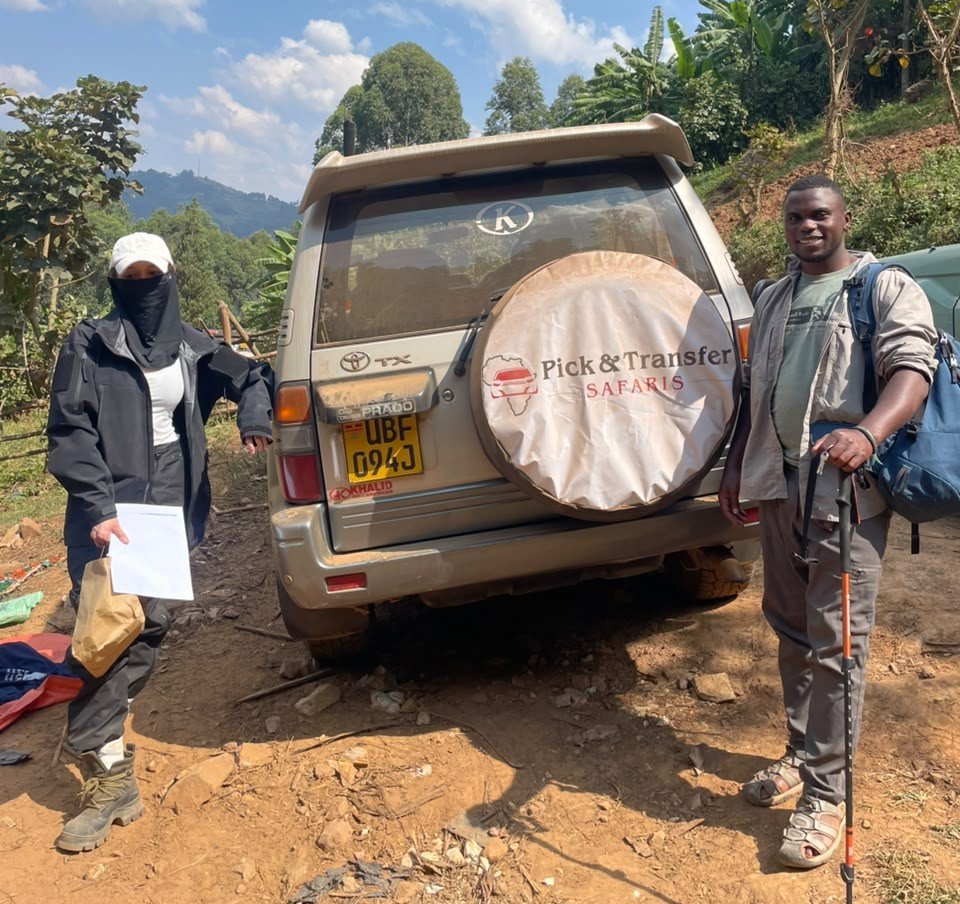
7 Days Uganda Safari – One week tour
This 7-day itinerary is the classic one-week introduction to Uganda, covering the country’s three most iconic wildlife experiences: chimpanzee tracking in Kibale Forest National Park, Big Five game drives and a boat cruise in Queen
Tour Details →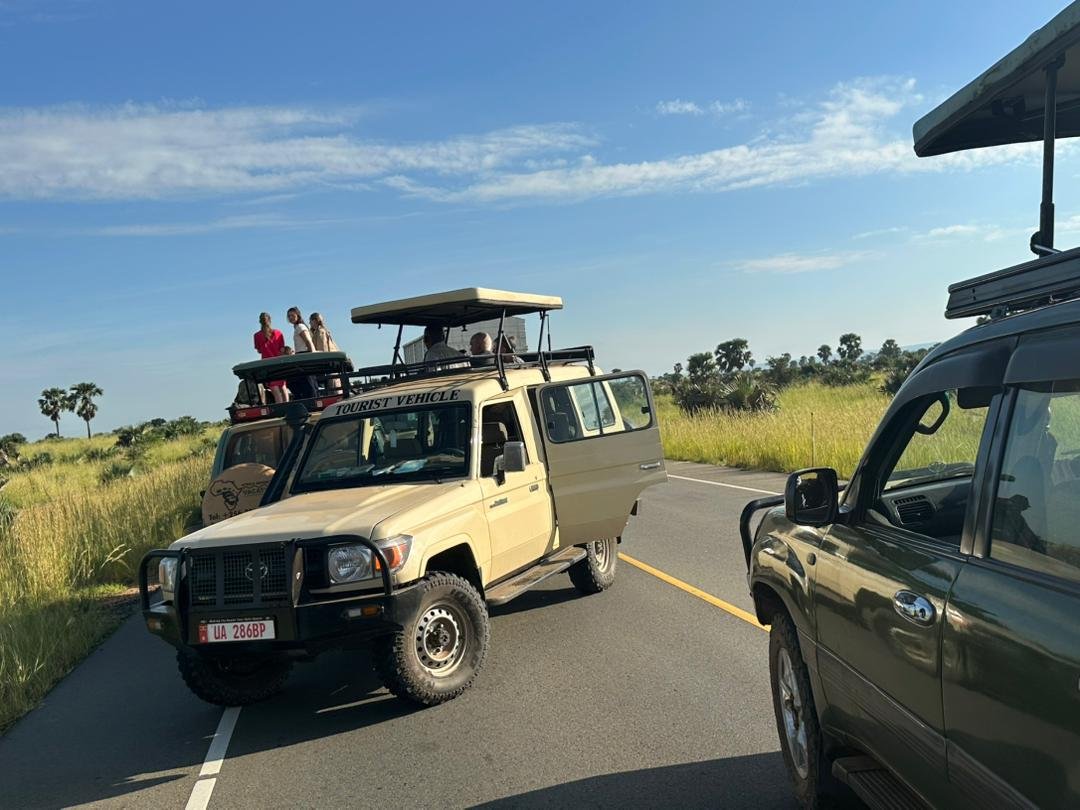
10 Days Uganda Primates and Wildlife
This 10-day Uganda Grand Safari is the most complete Uganda itinerary we offer at Pick and Transfer Safaris. It begins with a scenic northward drive from Entebbe to the vast open plains of Murchison
Tour Details →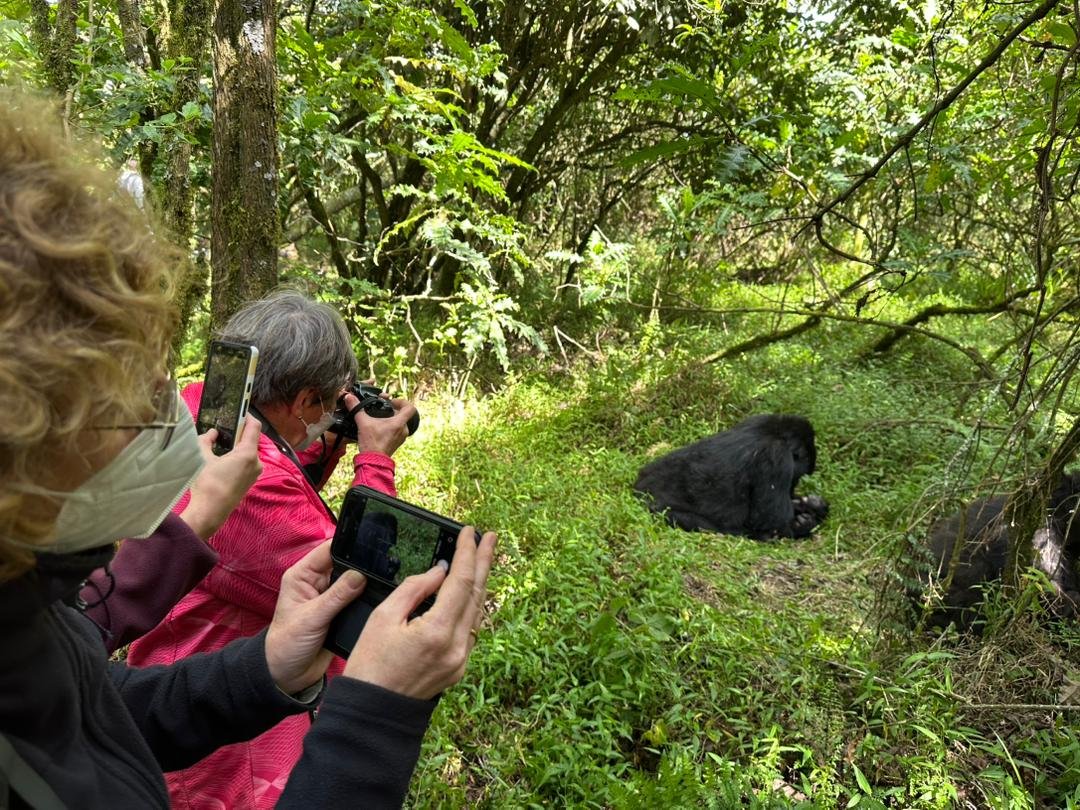
2 Days Uganda Gorilla Tour Starting from Kigali
This is the gentler cousin of our 1-Day Uganda Gorilla Safari Starting from Kigali — same idea, twice the breathing room. Instead of squeezing a 3,000-metre forest trek and two border crossings into a single very long day
Tour Details →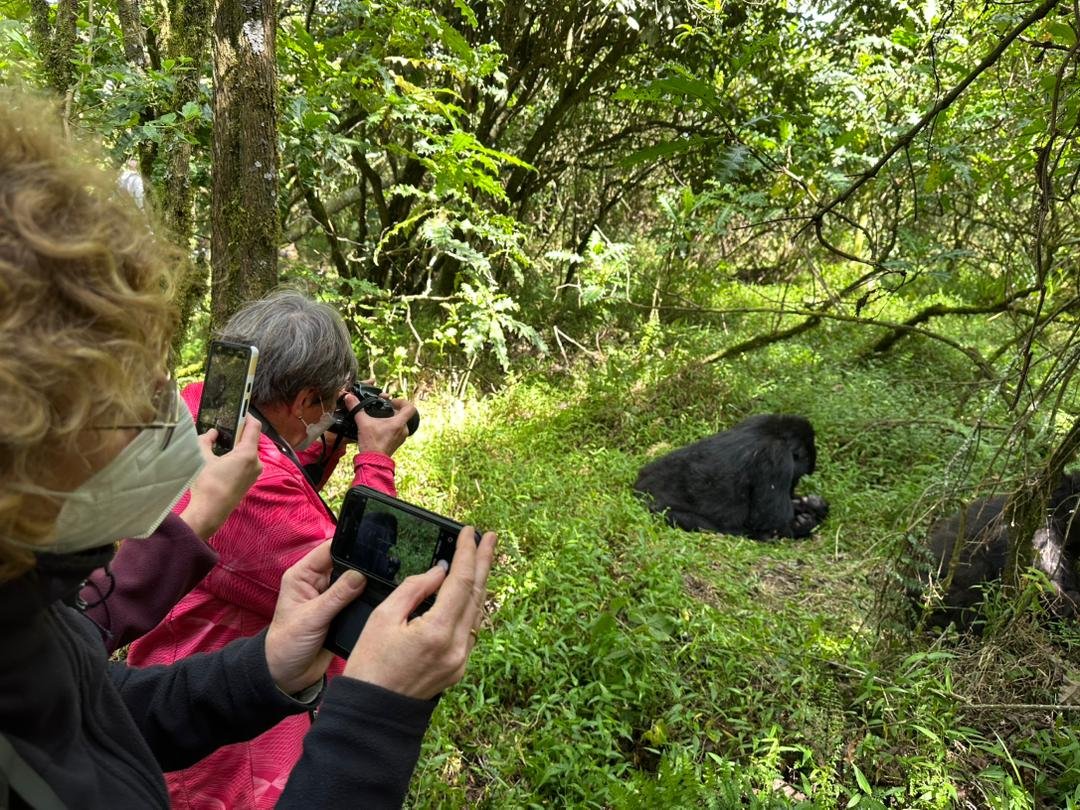
5-Day Uganda Gorilla and Chimpanzee Safari
This itinerary can be combined with a Rwanda extension or a wildlife-focused add-on through Queen Elizabeth National Park — browse our Uganda & Rwanda Safaris and Primate Safaris collections for ideas.
Tour Details →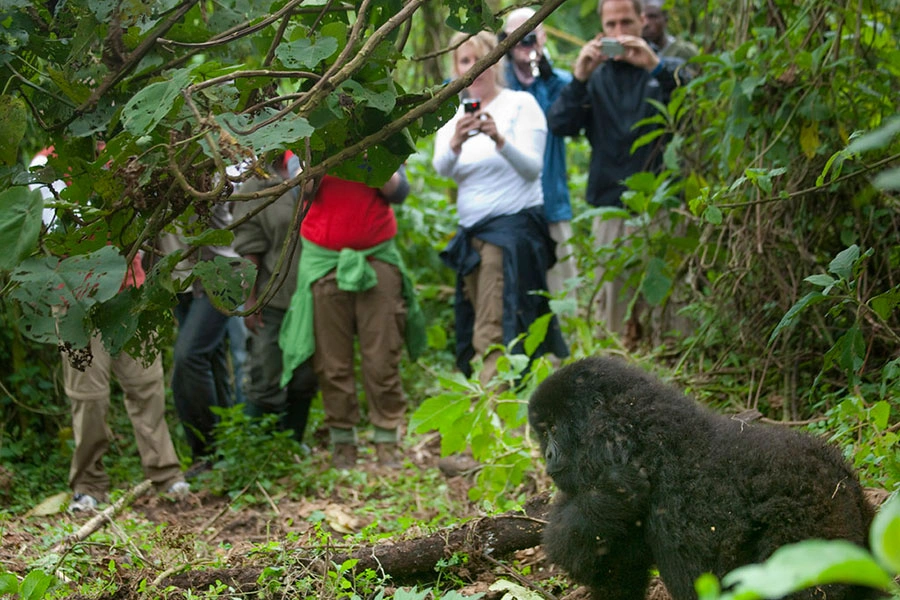
5 Days Rwanda Wildlife and Gorillas
This 5-day itinerary brings together Rwanda’s two flagship wildlife experiences: open savannah game drives and a boat safari in Akagera National Park, followed by a face-to-face encounters
Tour Details →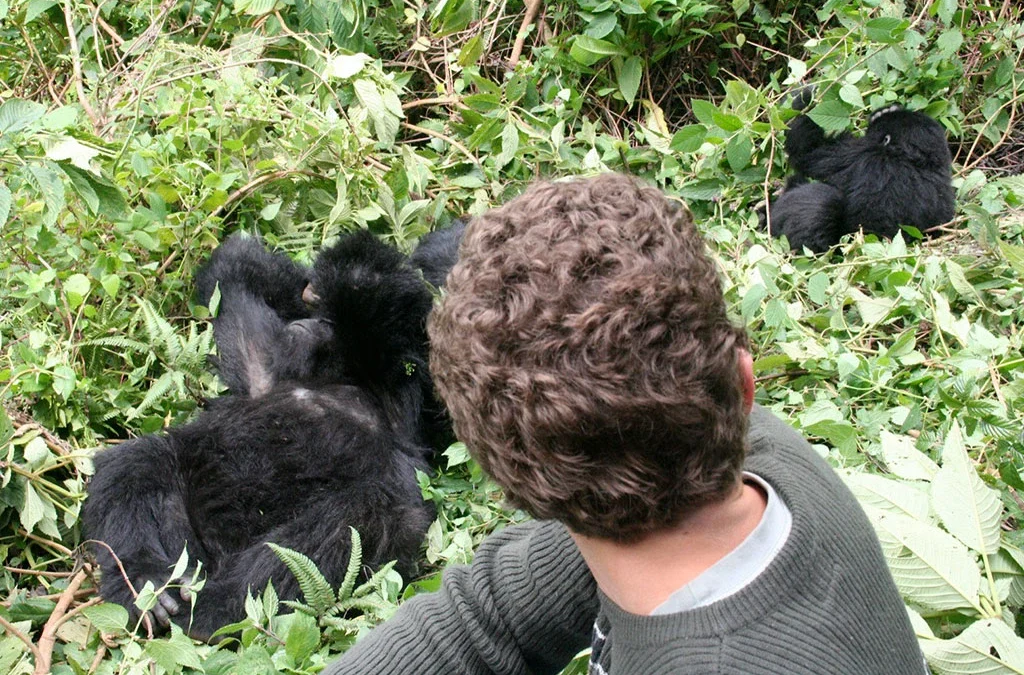
3 Days Uganda Gorilla Safari
For travelers who arrive in Entebbe with a tight schedule and a clear ambition, a 3-day gorilla safari to Bwindi Impenetrable Forest National Park is the most focused and rewarding short trip the country has to offer.
Tour Details →