- LET'S PLAN YOUR SAFARI
- +256 200 921 002
- +256 793 194 703
- info@pickandtransfersafaris.com

2 Days Gorilla Trek in Rwanda
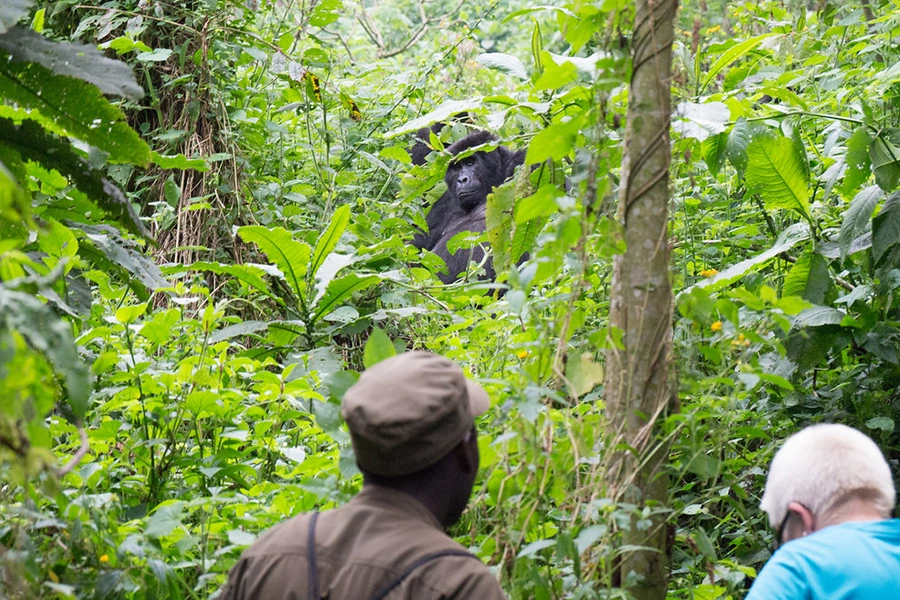
2 Days Gorilla Trek in Rwanda. A 2 Days Gorilla Trek in Rwanda is the fastest, most rewarding way to stand just a few metres from a wild mountain gorilla family and still be back in Kigali the next evening. Rwanda’s compact size, excellent roads and world-class conservation have made Volcanoes National Park the go-to destination for travellers who want a life-changing primate encounter without committing a week or more to the journey. Whether you are squeezing a gorilla trek into a business trip, adding it to a wider East Africa holiday, or simply ticking off a lifelong dream, a two-day itinerary gives you everything that matters: a scenic drive through the “Land of a Thousand Hills,” a restful night at the foot of the Virunga volcanoes, and one unforgettable hour with the gentle giants of the mist.
In this complete guide, our team at Pick and Transfer Safaris walks you through exactly how a two-day gorilla safari in Rwanda works, what it costs in 2026, how to prepare physically and practically, where to stay, and how to extend the trip if you have a little more time. By the end, you will know whether this short safari is right for you and how to book it with confidence.
Why Choose a 2 Days Gorilla Trek in Rwanda?
Rwanda is one of only three countries on earth where you can trek endangered mountain gorillas, alongside Uganda and the Democratic Republic of Congo. What sets Rwanda apart is accessibility. Volcanoes National Park sits roughly 110 kilometres northwest of Kigali International Airport, which translates to a comfortable two-to-three-hour drive on smooth tarmac. That short transfer is the reason a two-day trip is not only possible but genuinely relaxed.
Many travellers consider a same-day trek, leaving Kigali well before dawn and returning late at night. It can be done, but it compresses a precious experience into an exhausting marathon. Spreading the trip over two days means you arrive in the volcano region in daylight, sleep properly at altitude, and begin your trekking morning refreshed and focused. It also leaves room for a cultural visit or a short excursion on the first afternoon, so your safari becomes more than just the hour with the gorillas.
Other reasons travellers choose a two-day format include:
- Time efficiency: Perfect for business travellers, conference delegates and people on tight holiday schedules.
- No border crossing: Everything happens inside Rwanda, so there is no second visa or immigration queue.
- Premium experience: Rwanda’s small group sizes, highly trained guides and well-maintained trails offer a polished, safe trek.
- Easy to combine: The trip slots neatly before or after a longer safari in Rwanda, Uganda, Kenya or Tanzania.
If you would like to read a first-hand account of what the forest actually feels like underfoot, Kenlink Tours has a vivid write-up on what it’s like to trek gorillas in Uganda and Rwanda that pairs nicely with this guide.
Meet the Mountain Gorillas of the Virunga Massif
Mountain gorillas (Gorilla beringei beringei) are a subspecies of the eastern gorilla, and they live nowhere else on the planet except the Virunga volcanoes shared by Rwanda, Uganda and DR Congo, plus Bwindi Impenetrable Forest in Uganda. Decades ago their numbers fell to just a few hundred, and scientists feared they would disappear within a generation. Today the population has recovered to more than a thousand individuals, one of the great conservation success stories of our time, and responsible tourism is a big part of the reason.
Gorillas live in family groups led by a dominant silverback, an adult male whose back turns silver-grey with age. A family may include several adult females, juveniles, infants and sometimes younger “blackback” males. The silverback decides when the group moves, where it feeds and when it rests, and he defends the family fiercely against rival males. Yet in the presence of habituated visitors, gorillas are remarkably calm. You may watch a silverback lounging in a clearing, mothers grooming their babies, and youngsters tumbling through the vegetation as though putting on a show.
Volcanoes National Park is home to around a dozen habituated gorilla families available for tourism, including well-known groups such as Susa, Sabyinyo, Amahoro, Agashya, Hirwa, Kwitonda and Umubano. Each family has its own personality, home range and typical trekking difficulty, which is why rangers assign groups carefully on the morning of your trek.
A typical gorilla day follows a gentle rhythm. The family wakes shortly after sunrise, feeds heavily through the morning on bamboo shoots, wild celery, thistles and nettles, then settles into a midday rest when adults doze and youngsters play. In the afternoon they feed again and move slowly through their range before each gorilla builds a fresh nest of leaves and branches for the night. Because an adult silverback can eat more than 30 kilograms of vegetation a day, the family is constantly on the move, which is exactly why every trek is different. Some mornings you will find them within half an hour of the park boundary; on others, you will climb deep into the bamboo before hearing the first crack of a branch and the low rumble of a contented silverback.
2 Days Gorilla Trek in Rwanda: The Complete Itinerary
The itinerary below mirrors our popular 2 Days Volcanoes Gorilla Trek from Kigali package. It is designed to give you maximum time in the park with minimum stress, and every detail, from the permit to the pickup, is arranged in advance by our team.
Day 1: Kigali to Volcanoes National Park
Your adventure begins with a mid-morning pickup from your hotel or directly from Kigali International Airport. Your English-speaking driver-guide will brief you on the journey ahead and answer any last-minute questions. If you arrive a day early, we recommend spending a few hours exploring Kigali City, one of Africa’s cleanest and safest capitals, known for its vibrant markets, coffee shops, art galleries and the deeply moving Kigali Genocide Memorial.
The drive northwest to Musanze (formerly Ruhengeri) is a highlight in itself. The road winds through steep, terraced hills blanketed in banana plantations, tea and eucalyptus, with villages and roadside markets appearing around almost every bend. As you climb, the air cools and the dramatic silhouettes of the Virunga volcanoes (Karisimbi, Bisoke, Sabyinyo, Gahinga and Muhabura) begin to dominate the horizon. Photo stops are always welcome, so do not be shy about asking your guide to pull over.
You will reach your lodge in the Kinigi or Musanze area by early afternoon, in time for lunch and a rest. The afternoon is yours to enjoy, and there are several excellent options:
- Gorilla Guardians Village (formerly Iby’Iwacu Cultural Village): Watch traditional Intore dancers, learn about local herbal medicine and see how communities living beside the park benefit from tourism.
- Dian Fossey Gorilla Fund’s Ellen DeGeneres Campus: A modern conservation and research centre near the park headquarters with interactive exhibits on gorilla science and the legacy of Dian Fossey.
- Golden monkey tracking: If you arrive early enough and book in advance, you can add a lively encounter with the endangered golden monkeys that bounce through the park’s bamboo zones. Kenlink Tours explains the activity in detail in its guide to golden monkey tracking in Rwanda.
- Musanze Caves or the twin lakes: Explore ancient lava tubes or take a short scenic drive to Lakes Burera and Ruhondo for sunset views.
In the evening, enjoy dinner by the fireplace (the nights are genuinely chilly at this altitude), prepare your daypack for the morning, and get an early night.
Meals: Lunch and dinner | Overnight: Lodge near Volcanoes National Park
Day 2: Gorilla Trekking and Return to Kigali
Wake early for a hearty breakfast and a packed lunch before a short drive to the Kinigi park headquarters, where you should arrive by around 7:00 am. Here, you will enjoy hot Rwandan tea or coffee and traditional dance performances while rangers organise visitors into groups of no more than eight people. Each group is assigned a gorilla family based on fitness levels, age and preferences, so this is the moment to mention whether you would prefer a gentler or more challenging hike.
After a thorough briefing on gorilla etiquette and safety, you will drive to the trailhead for your assigned family. The trek begins through farmland at the forest edge before entering the park itself, where bamboo thickets, Hagenia woodland and giant lobelias create an otherworldly landscape. Trackers who set off at dawn stay in radio contact with your guide, following the gorillas’ trail of flattened vegetation, fresh dung and night nests.
Depending on where the family has moved overnight, the hike can take anywhere from 30 minutes to four hours or more. When you finally find them, the atmosphere changes instantly. You set down your walking stick and bags, move quietly into position, and spend one magical hour watching the gorillas feed, play, groom and rest. Many travellers describe this hour as the most profound wildlife experience of their lives.
Once your hour is over, you will hike back to the vehicles, collect your official gorilla trekking certificate, and enjoy lunch before the scenic drive back to Kigali. You can be dropped at your hotel or at the airport for an evening flight.
Meals: Breakfast and lunch | End of the 2 Days Gorilla Trek in Rwanda
How Much Does a 2 Days Gorilla Trek in Rwanda Cost?
Budget is one of the first questions travellers ask, and Rwanda is honest about its positioning as a premium, low-volume destination. The single biggest cost is the gorilla permit, currently priced at US$1,500 per person for foreign non-residents. That fee is not simply an entrance ticket; it funds park rangers, veterinary care, anti-poaching patrols and community projects, with a share of tourism revenue returned to communities living around the park.
Our all-inclusive 2 Days Volcanoes Gorilla Trek from Kigali starts from about US$2,050 per person on a mid-range basis. The final price depends on:
- Accommodation level: Budget guesthouses, mid-range lodges or ultra-luxury properties can change the price dramatically.
- Group size: Transport costs are shared, so couples and small groups pay less per person than solo travellers.
- Season: Some lodges charge higher rates in peak months.
- Add-ons: Golden monkey tracking, cultural visits, a Kigali city tour or extra nights.
A typical package includes the gorilla permit, private 4×4 transport with fuel, an English-speaking driver-guide, one night’s accommodation, meals as listed, drinking water and government taxes. What is usually excluded are international flights, visas, travel insurance, tips, porter fees and personal expenses.
Rwanda vs Uganda: Which Short Gorilla Trek Is Right for You?
If the US$1,500 Rwanda permit stretches your budget, there is a clever alternative. Uganda’s gorilla permits cost considerably less, and Uganda’s southern gorilla parks are only a few hours’ drive from Kigali. That is why so many travellers fly into Rwanda and trek in Uganda. Our 2 Days Uganda Gorilla Tour Starting from Kigali takes you across the border to Bwindi Impenetrable National Park or Mgahinga Gorilla National Park for a lower-cost encounter, while travellers truly pressed for time can consider our 1 Day Uganda Gorilla Safari Starting from Kigali.
Here is a quick comparison to help you decide:
- Permit cost: Rwanda is the most expensive; Uganda is significantly more affordable.
- Travel time from Kigali: Volcanoes is about 2 to 3 hours; Uganda’s southern sectors are roughly 3 to 5 hours including the border.
- Terrain: Rwanda features volcanic slopes and bamboo forest; Bwindi is dense, steep rainforest.
- Paperwork: Rwanda-only treks need one visa; Uganda trips need Uganda entry as well (or the East Africa Tourist Visa).
- Experience: Both offer the same one-hour encounter with habituated families, and both are unforgettable.
You can browse all of our cross-border options on our Uganda gorilla safaris starting from Rwanda page. For a thoughtful side-by-side look at the two countries, the Kenlink Tours overview of Uganda and Rwanda gorilla safaris is also a helpful read.
How to Book Your Rwanda Gorilla Permit
Gorilla permits for Volcanoes National Park are issued by the Rwanda Development Board (RDB) through the official Visit Rwanda booking system. Only eight visitors can see each habituated family per day, so the daily number of permits is strictly limited. In peak months (June to September and December to February), permits regularly sell out three to six months ahead, and sometimes even earlier around holidays.
The simplest and safest way to secure a permit is through a licensed tour operator. When you book your two-day trek with us, our team checks real-time availability, reserves the permit in your name, and matches the date with your transport and lodge. You will need to provide your full name as it appears in your passport, your nationality, passport number and preferred trekking date. Once the permit is confirmed, it is generally non-refundable, so make sure your dates are firm and your travel insurance covers cancellations.
Ready to check dates? Contact our travel experts with your preferred dates and group size for a free, no-obligation quote.
Best Time for a 2 Days Gorilla Trek in Rwanda
Gorilla trekking in Rwanda runs all year round, because the gorillas do not migrate and the park stays open in every season. However, the weather affects trail conditions and comfort.
Dry seasons (June to September and December to February): These are the most popular months. Trails are firmer and less slippery, skies are clearer for photography, and hiking is generally easier. The trade-off is higher demand, so book permits and lodges early.
Wet seasons (March to May and October to November): Rain showers are common, often in the afternoons, and the trails become muddy. On the upside, the forest is lush and green, there are fewer visitors, and some lodges offer attractive low-season rates. Gorillas may also stay at lower altitudes where food is plentiful, which can mean shorter treks.
A special time to visit is September, when Rwanda traditionally hosts Kwita Izina, the annual gorilla naming ceremony that celebrates newborn gorillas and conservation achievements. The event draws international attention and a festive atmosphere to the Musanze area.
Gorilla Trekking Rules and Etiquette
Rules exist to protect both the gorillas and visitors. Mountain gorillas share about 98 percent of our DNA, which means they are vulnerable to human illnesses such as colds and flu. Your guide will explain the rules during the briefing, but it helps to know them in advance:
- You must be at least 15 years old to trek.
- Do not trek if you are unwell; rangers may refuse entry to visitors showing signs of illness.
- Keep a distance of at least 7 metres (about 23 feet) from the gorillas. If a gorilla approaches you, calmly step back as your guide directs.
- Your time with the gorillas is limited to one hour.
- Do not eat, drink or smoke near the gorillas.
- Keep your voice low and avoid sudden movements.
- Flash photography is strictly prohibited.
- If you need to cough or sneeze, turn away and cover your nose and mouth.
- Never leave litter in the park; carry everything out.
- If a silverback charges, stay still, look down and crouch slowly. Never run. Follow your guide, who knows exactly how to handle the situation.
How Fit Do You Need to Be?
You do not need to be an athlete to enjoy a 2 Days Gorilla Trek in Rwanda, but a reasonable level of fitness makes the day far more enjoyable. Volcanoes National Park sits at high altitude, with trekking typically taking place between about 2,500 and 3,000 metres above sea level. At that elevation you may feel slightly breathless on steep sections, especially if you have just flown in from sea level.
Trails can be steep, muddy and slippery, particularly in the bamboo zone and after rain. A few weeks of preparation, such as brisk walks, stair climbing, hill hikes or cycling, will help a great deal. On the morning of the trek, tell the rangers honestly about your fitness level so they can assign a suitable family. Some groups are usually found closer to the park boundary and are well suited to older travellers or those with limited mobility.
We strongly recommend hiring a porter. For a modest fee, a local porter carries your daypack, offers a steadying hand on tricky slopes and shares knowledge about the forest. Many porters are former poachers or their family members, so hiring one directly supports the communities that protect the gorillas.
What to Pack for Gorilla Trekking in Rwanda
Packing the right gear makes a huge difference to your comfort on trekking day. Here is our tried-and-tested checklist:
- Waterproof hiking boots with good ankle support and grip, broken in before your trip.
- Long trousers and long-sleeved shirts in neutral colours (green, khaki, brown) to protect against nettles, thorns and insects.
- Gardening gloves for grabbing vines and branches, as some plants sting.
- A lightweight rain jacket, because weather in the mountains changes quickly.
- A warm fleece or sweater for cold early mornings and evenings.
- Gaiters or long socks to tuck trousers into and keep out mud and ants.
- A small waterproof daypack for water, snacks and your packed lunch.
- At least 1.5 to 2 litres of drinking water.
- Sunscreen, sunglasses and a hat.
- Insect repellent.
- A camera with spare batteries and memory cards (no flash). A zoom lens of 70 to 200mm is ideal.
- A face mask, which rangers may request near the gorillas.
- Your passport, needed for permit verification at the park headquarters.
- Cash in small denominations for tips, porter fees and souvenirs.
Where to Stay During Your 2-Day Gorilla Safari
Your single night in the Virunga region should be comfortable, warm and close enough to the Kinigi headquarters to avoid a rushed morning. Accommodation around Volcanoes National Park ranges from simple guesthouses in Musanze town to some of the most luxurious lodges in Africa.
Budget options: Musanze town has clean, affordable hotels and guesthouses, typically 20 to 30 minutes from the park headquarters. These are ideal for travellers who want to put their money into the permit rather than the room.
Mid-range lodges: Properties in and around Kinigi combine comfort with great views of the volcanoes. Many offer cosy cottages with fireplaces, hot showers and hearty meals. A popular example is Mountain Gorilla View Lodge, featured in this Kenlink Tours Mountain Gorilla View Lodge review, with its stone cottages and sweeping mountain views.
Luxury lodges: For a truly indulgent experience, the region offers high-end eco-lodges with private villas, spas, gourmet dining and personal butlers. These properties often feature striking architecture and exceptional service, turning your short trip into a memorable splurge.
Whatever your budget, our team will recommend the best available lodge for your dates and preferences when you request a quote.
Getting There: Transport and Logistics
Most international travellers fly into Kigali International Airport, served by RwandAir and several major international airlines with connections through hubs in Africa, Europe and the Middle East. From the airport, the drive to Volcanoes National Park takes about two to three hours depending on traffic and photo stops.
We use well-maintained 4×4 safari vehicles with experienced driver-guides who know the roads, the park procedures and the region’s culture intimately. A 4×4 is important for the final stretches of rough road to some trailheads, especially in the wet season. If you prefer to drive yourself for other parts of your holiday, Kenlink Tours offers 4×4 car hire in Uganda and Rwanda, though for gorilla trekking day we always recommend a professional driver-guide who can manage park timing and trailhead transfers.
Many travellers also ask whether they can start their journey in Rwanda and finish in Uganda. The answer is yes, and it is often the smartest routing. Read our guide on beginning your tour at Kigali Airport and ending at Entebbe Airport for a full breakdown.
Visa and Entry Requirements for Rwanda
Rwanda is one of the most visa-friendly countries in Africa. Citizens of many countries can obtain a visa on arrival at Kigali International Airport or at land borders, while others can apply online in advance through the official Rwanda immigration portal. Several nationalities, including citizens of East African Community and some African Union member states, enjoy visa-free entry for short stays.
If you plan to combine Rwanda with Uganda and Kenya, consider the East Africa Tourist Visa, which allows multiple entries between these three countries for 90 days on a single visa. It is an excellent option for anyone extending a two-day gorilla trek into a wider regional safari.
Entry requirements can change, so always confirm the latest rules with official government sources before you travel. A valid passport with at least six months’ validity and blank pages is required, and a yellow fever vaccination certificate may be requested depending on your travel history.
Health and Safety Tips
Rwanda consistently ranks among the safest countries in Africa for travellers. Kigali is clean, orderly and welcoming, and violent crime against visitors is rare. Standard travel precautions still apply: keep valuables secure, use reputable transport and follow your guide’s advice.
On the health side, speak to a travel doctor well before your trip about recommended vaccinations and malaria prevention. The high-altitude areas around Volcanoes National Park have a lower malaria risk than lowland regions, but prophylaxis is still commonly advised for a Rwanda visit. Drink bottled or treated water, apply sunscreen generously (the equatorial sun is strong even when it feels cool), and make sure your travel insurance covers adventure activities, medical evacuation and trip cancellation.
Photography Tips for Your Gorilla Encounter
Your hour with the gorillas passes astonishingly fast, so it pays to prepare your camera in advance. The forest is often dim, with dappled light filtering through the canopy, which makes photography challenging.
- Turn off your flash before you enter the forest. Flash is prohibited and can startle the gorillas.
- Use a fast lens with a wide aperture (f/2.8 to f/4) to capture more light.
- Raise your ISO; modern cameras handle ISO 1600 to 3200 well, and a slightly grainy sharp shot beats a blurry one.
- Focus on the eyes for emotional, engaging portraits.
- Switch to silent shutter mode if your camera has it.
- Protect your gear with a rain cover or a simple waterproof bag.
- Put the camera down for a few minutes. Some of the best memories are the ones you simply watch with your own eyes.
Responsible Tourism and Community Impact
Choosing a 2 Days Gorilla Trek in Rwanda is more than a holiday decision; it is a direct investment in conservation. Rwanda’s high-value, low-impact tourism model limits visitor numbers, protects the gorillas from overexposure and generates vital funding for park management. Through Rwanda’s revenue-sharing programme, a portion of tourism income supports schools, health centres, clean water projects and small businesses in communities bordering the park.
You can amplify your positive impact by hiring a porter, buying crafts from community cooperatives, visiting community-run cultural villages and tipping your guides and trackers fairly. At Pick and Transfer Safaris, a share of our proceeds also supports community projects through the Kigezi Foundation, helping families in the gorilla-trekking region build better futures.
Extending Your 2 Days Gorilla Trek in Rwanda
Once you have met the gorillas, you may find yourself wishing you had more time. Fortunately, Rwanda’s small size makes it easy to extend your adventure with just a day or two more.
3 days: Add golden monkey tracking, a hike to the Dian Fossey tomb or a cultural day with our 3 Days Rwanda Gorilla Tracking and Cultural Tour. Kenlink Tours offers a similar 3 Days Rwanda Gorilla Safari built around gorillas on one day and golden monkeys on the next.
5 days: Combine gorillas with a Big Five savannah safari in Akagera National Park on our 5 Days Rwanda Wildlife and Gorillas trip, or focus on primates with our 5 Days Best of Rwanda Primate Safari, which adds chimpanzee tracking in Nyungwe Forest National Park. For a comparison itinerary, see the Kenlink Tours 5-Day Volcanoes Gorillas and Akagera Wildlife Safari.
6 to 7 days: Relax on the shores of Lake Kivu, trek chimpanzees in Nyungwe and walk the famous canopy walkway. Our 7 Days Best of Rwanda Safari covers the country’s highlights, and the Kenlink Tours 6-Day Rwanda Adventure with Great Apes and Lake Kivu is another great reference. Nature lovers can also explore the lesser-visited Gishwati-Mukura National Park.
Rwanda plus Uganda: Double your gorilla encounters by trekking in both countries. Our 3 Days Uganda Gorilla Safari from Rwanda is an easy add-on, and Kenlink Tours’ 4-Day Rwanda-Uganda Golden Monkey and Gorilla Trekking shows how smoothly the two countries combine. If you head to Bwindi, our guide to what to do after a gorilla tour in Bwindi will help you plan the days that follow.
Other Things to Do in Rwanda Before or After Your Trek
Rwanda packs an astonishing variety of experiences into a small country. If you have extra time on either side of your gorilla trek, consider these highlights:
- Kigali city tour: Visit the Kigali Genocide Memorial, Kimironko Market, the Inema Arts Center and the city’s excellent coffee shops.
- Akagera game drives: Spot lions, elephants, rhinos, buffalo, leopards, giraffes and zebras in Rwanda’s only savannah park. Kenlink Tours runs a dedicated 3-Day Akagera Game Drive Safari.
- Nyungwe chimpanzee trekking: Track chimpanzees and 12 other primate species in one of Africa’s oldest montane rainforests, as shown in the 3-Day Nyungwe Forest National Park Tour.
- Lake Kivu: Unwind on sandy beaches in Rubavu, Karongi or Rusizi, enjoy boat trips and sample local fish.
- Volcano hiking: Climb Mount Bisoke to its stunning crater lake or tackle Karisimbi, Rwanda’s highest peak.
- Tea and coffee experiences: Tour plantations and learn how Rwanda’s famous speciality coffee and tea are produced.
For even more inspiration, see this list of must-see attractions and activities in Rwanda, or explore Kenlink’s full range of Rwanda safaris.
Common Mistakes to Avoid on a Short Gorilla Safari
After years of organising gorilla treks, we have seen a few recurring mistakes that can take the shine off an otherwise perfect trip:
- Booking permits too late: In peak season, waiting until a few weeks before travel often means no availability.
- Arriving on the same day as the trek: Flight delays happen. Always arrive in Rwanda at least the day before your trek.
- Wearing new boots: Blisters can ruin your day. Break in your footwear before the trip.
- Underestimating the cold: Mornings at the park can be surprisingly chilly, so bring warm layers.
- Skipping the porter: A porter makes the hike easier and supports local families. It is money well spent.
- Not telling rangers about your fitness: Honesty helps rangers assign the right gorilla family for you.
- Spending the entire hour behind a camera: Take your photos, then pause and simply enjoy the moment.
Why Book Your 2 Days Gorilla Trek in Rwanda with Pick and Transfer Safaris?
At Pick and Transfer Safaris, we believe that exploring Rwanda and Uganda should be accessible, affordable and stress-free. Based in the heart of the gorilla region, our team knows the parks, lodges, roads and border crossings intimately. When you book with us, you get:
- Guaranteed permit handling: We secure your gorilla permit through official channels and confirm it before you travel.
- Private, comfortable 4×4 transport with experienced, friendly English-speaking driver-guides.
- Flexible itineraries tailored to your dates, budget and interests.
- Honest advice on whether a Rwanda or Uganda trek best suits your budget and schedule.
- Transparent pricing with no hidden costs.
- 24/7 support from pickup to drop-off.
- Community impact through our support for local projects in the gorilla region.
Browse our full collection of Uganda and Rwanda safaris or reach out to start planning your trip today.
Frequently Asked Questions About a 2 Days Gorilla Trek in Rwanda
How long is the drive from Kigali to Volcanoes National Park?
The drive takes about two to three hours, covering roughly 110 kilometres on good tarmac roads through scenic hill country.
How much is a gorilla permit in Rwanda in 2026?
A gorilla trekking permit for Volcanoes National Park costs US$1,500 per person for foreign non-residents. Discounted rates may apply for East African citizens and residents.
Is a 2-day gorilla trek in Rwanda worth it?
Absolutely. It gives you the same one-hour gorilla encounter as longer safaris, with a restful night near the park and time for a cultural or conservation visit, all within a tight schedule.
How long does gorilla trekking take?
Trekking usually takes between 30 minutes and four hours each way, depending on the location of your assigned gorilla family, plus one hour with the gorillas.
Can I do gorilla trekking in one day from Kigali?
Yes, but it requires a very early start around 3:00 to 4:00 am and a late return. A two-day trek is far more comfortable and enjoyable.
What is the minimum age for gorilla trekking?
Visitors must be at least 15 years old to trek gorillas in Rwanda.
Are there porters available?
Yes. Porters can be hired at the trailhead for a modest fee, and they carry your bag and help on steep sections.
What happens if I do not see gorillas?
Sightings in Volcanoes National Park are extremely reliable because trackers locate the families early each morning. Missed sightings are very rare.
What is the best time for a 2 Days Gorilla Trek in Rwanda?
The dry seasons from June to September and December to February offer the easiest trekking conditions, but gorilla trekking is possible all year round.
Can I combine a Rwanda gorilla trek with Uganda?
Yes. Many travellers trek in Rwanda and then cross into Uganda for a second encounter in Bwindi or Mgahinga, or to add chimpanzee tracking and savannah safaris.
Final Thoughts: Your Gorilla Adventure Awaits
A 2 Days Gorilla Trek in Rwanda proves that some of the world’s greatest wildlife experiences do not require weeks of travel. In just two days you can journey from the vibrant streets of Kigali to the misty slopes of the Virunga volcanoes, sit quietly among a family of wild mountain gorillas, and return with memories that last a lifetime. With permits limited and demand high, the most important step is the first one: securing your date.
Let our experienced team handle every detail, from your gorilla permit and lodge to transport and timing, so you can focus on the adventure. Contact Pick and Transfer Safaris today for a free, no-obligation quote, or book our 2 Days Volcanoes Gorilla Trek from Kigali and take the first step towards meeting the gentle giants of Rwanda.
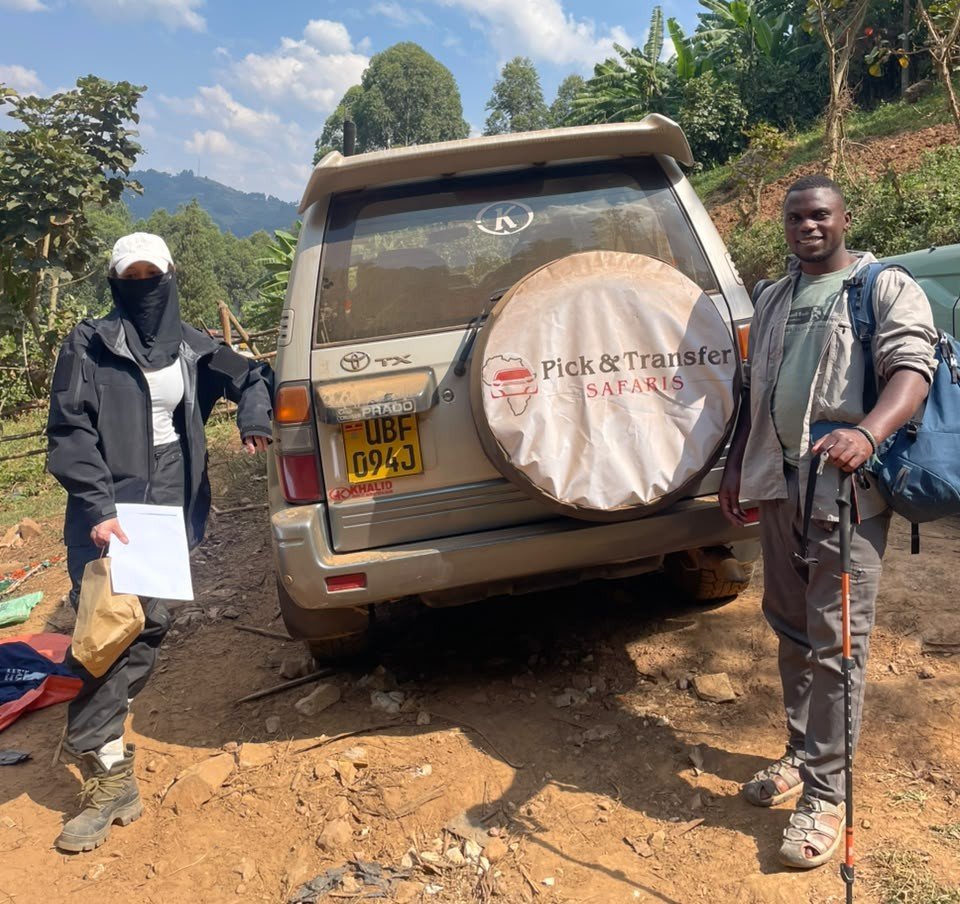
7 Days Uganda Safari – One week tour
This 7-day itinerary is the classic one-week introduction to Uganda, covering the country’s three most iconic wildlife experiences: chimpanzee tracking in Kibale Forest National Park, Big Five game drives and a boat cruise in Queen
Tour Details →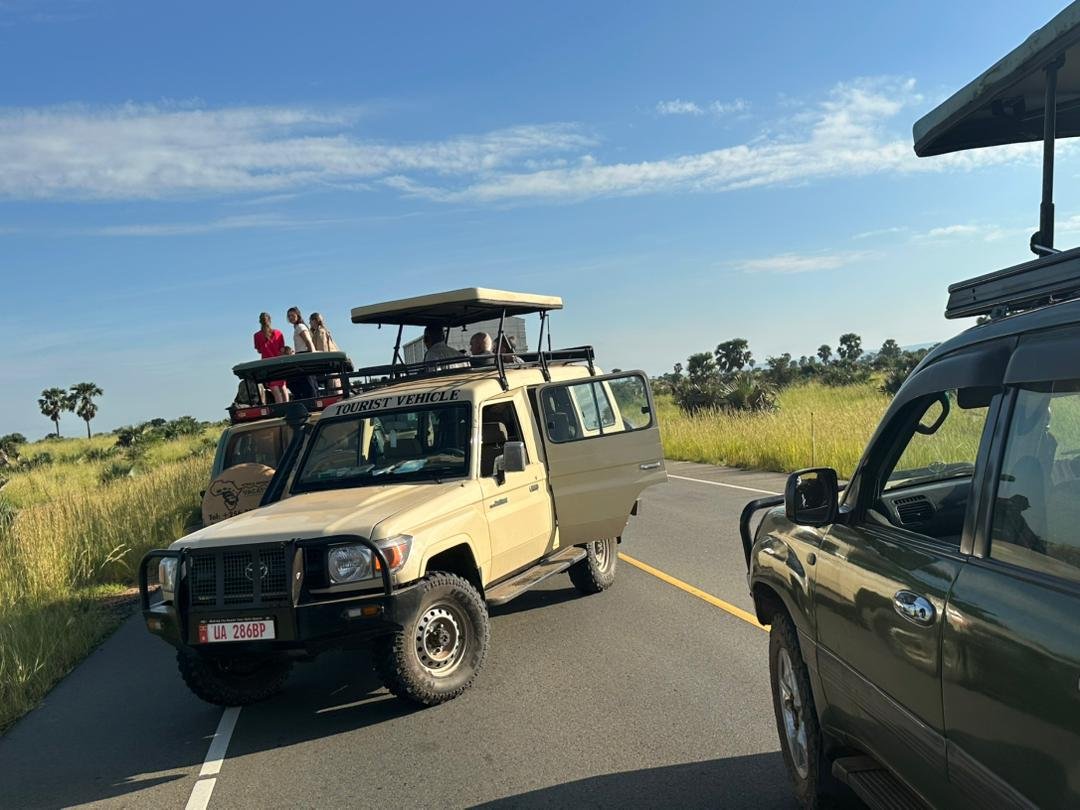
10 Days Uganda Primates and Wildlife
This 10-day Uganda Grand Safari is the most complete Uganda itinerary we offer at Pick and Transfer Safaris. It begins with a scenic northward drive from Entebbe to the vast open plains of Murchison
Tour Details →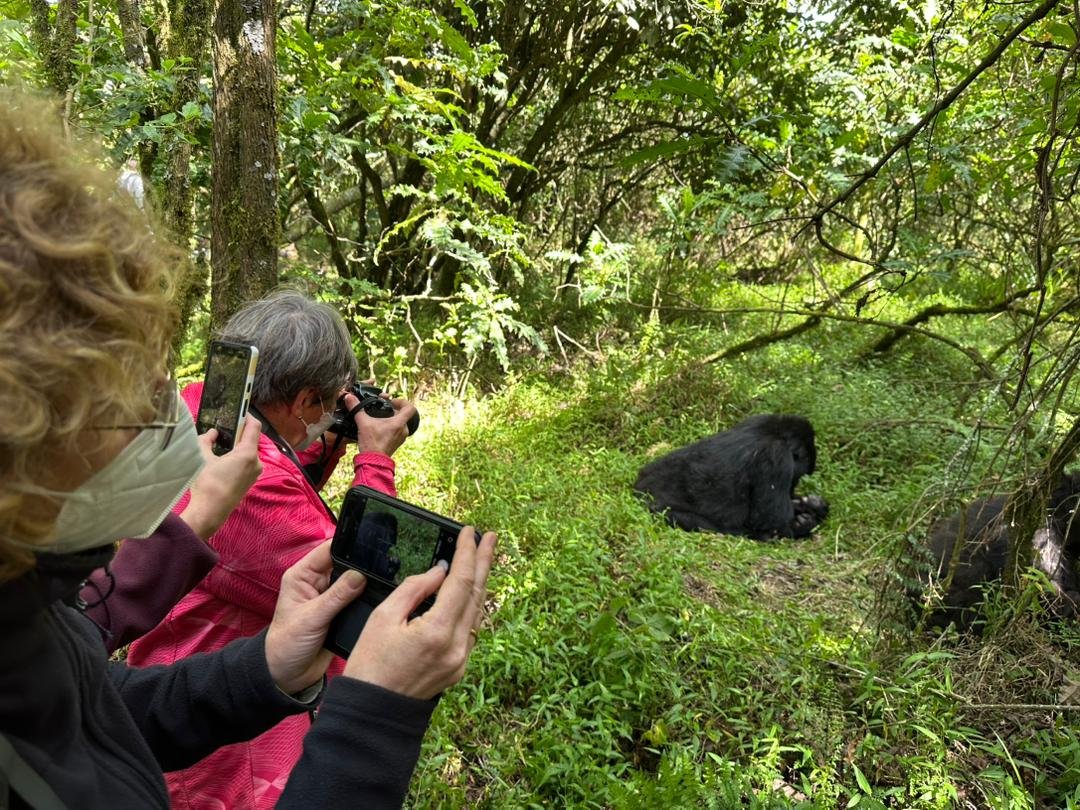
2 Days Uganda Gorilla Tour Starting from Kigali
This is the gentler cousin of our 1-Day Uganda Gorilla Safari Starting from Kigali — same idea, twice the breathing room. Instead of squeezing a 3,000-metre forest trek and two border crossings into a single very long day
Tour Details →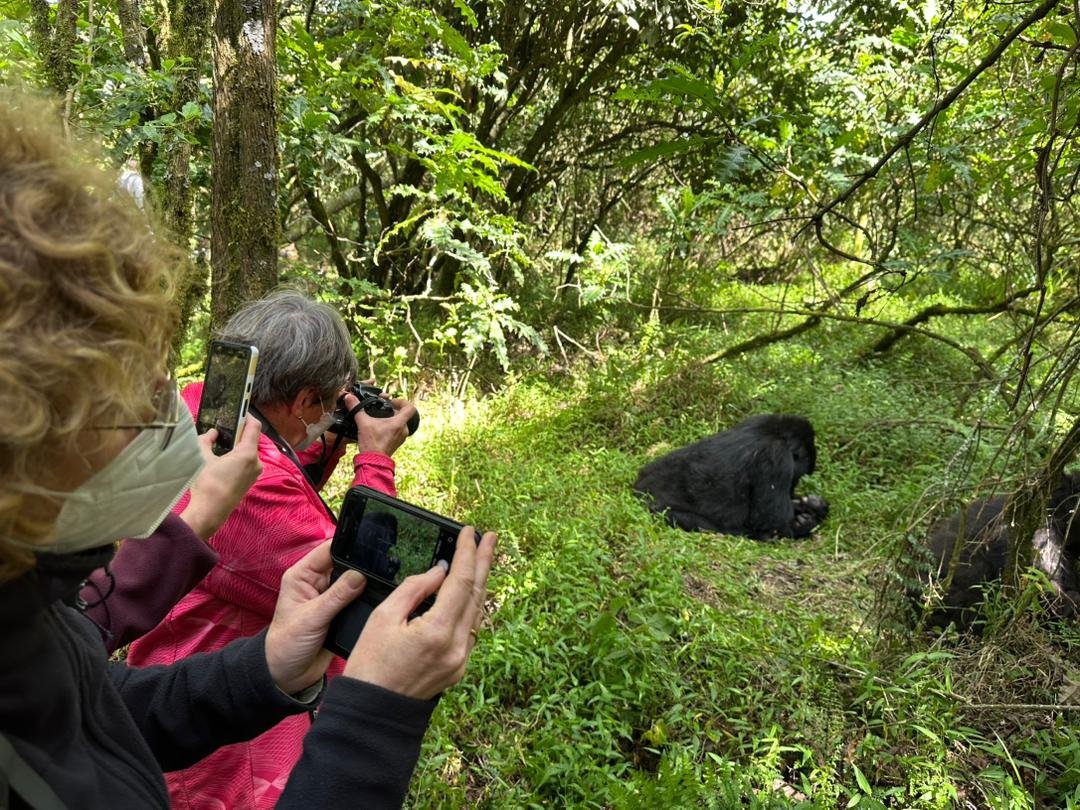
5-Day Uganda Gorilla and Chimpanzee Safari
This itinerary can be combined with a Rwanda extension or a wildlife-focused add-on through Queen Elizabeth National Park — browse our Uganda & Rwanda Safaris and Primate Safaris collections for ideas.
Tour Details →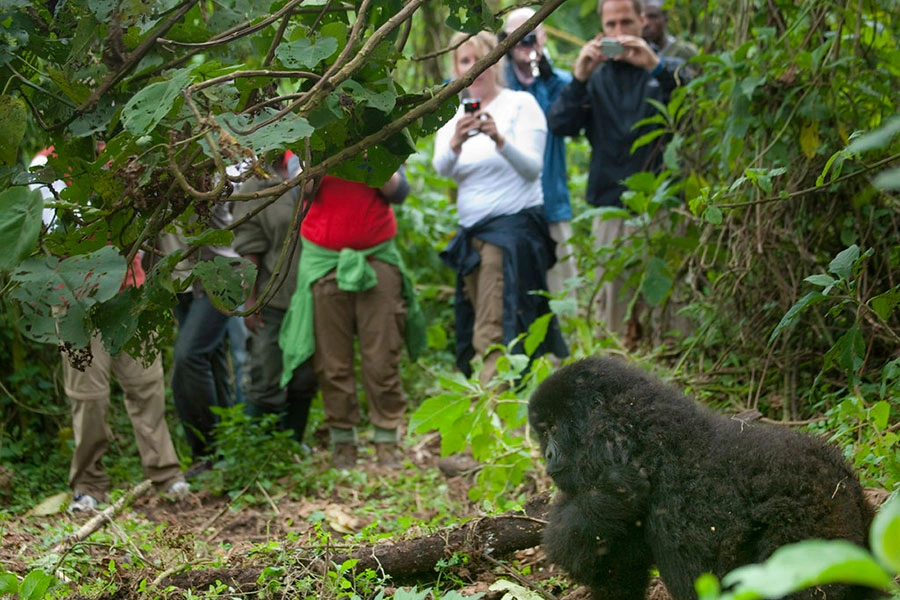
5 Days Rwanda Wildlife and Gorillas
This 5-day itinerary brings together Rwanda’s two flagship wildlife experiences: open savannah game drives and a boat safari in Akagera National Park, followed by a face-to-face encounters
Tour Details →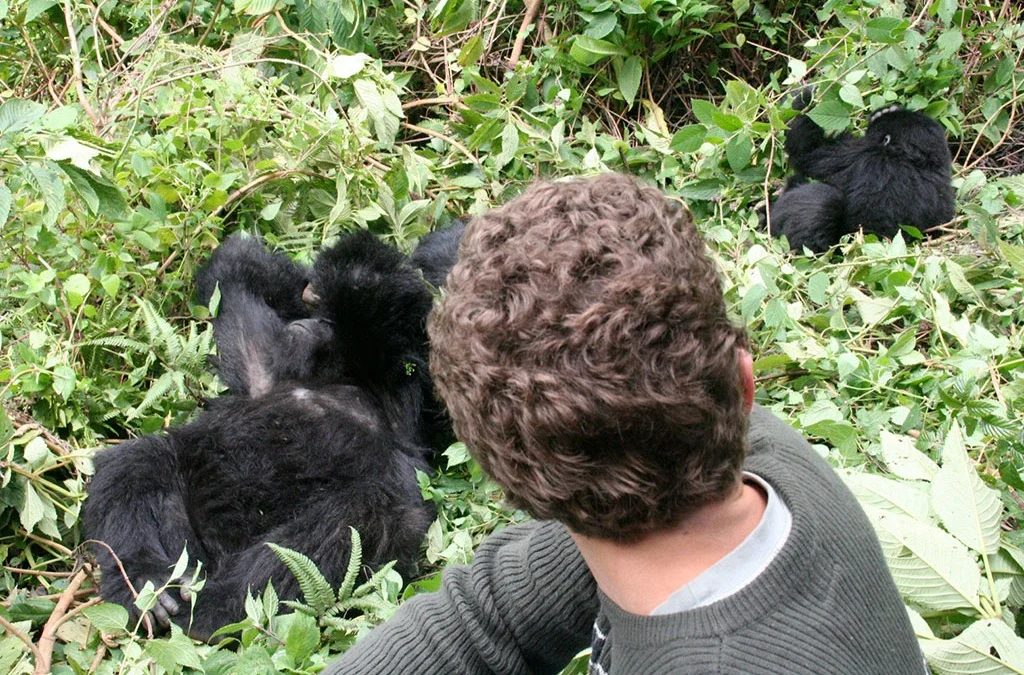
3 Days Uganda Gorilla Safari
For travelers who arrive in Entebbe with a tight schedule and a clear ambition, a 3-day gorilla safari to Bwindi Impenetrable Forest National Park is the most focused and rewarding short trip the country has to offer.
Tour Details →