- LET'S PLAN YOUR SAFARI
- +256 200 921 002
- +256 793 194 703
- info@pickandtransfersafaris.com

3-Day Gorilla Habituation Safari Itinerary
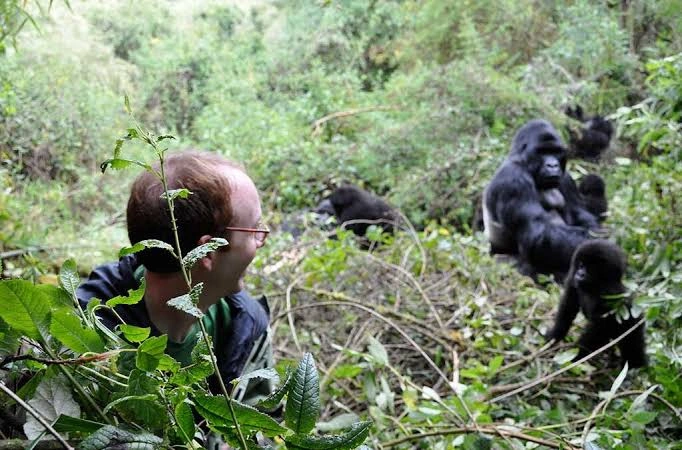
3-Day Gorilla Habituation Safari Itinerary. The Gorilla Habituation Experience in Rushaga rewards travelers who plan around it deliberately rather than squeezing it into a longer, busier itinerary. Because it only takes place in one sector of Bwindi Impenetrable National Park and involves a genuinely demanding day in the forest, a focused three-day structure, one day to travel, one day for the habituation experience itself, and one day to return, tends to work better than trying to combine it with multiple other activities. At Pick and Transfer Safaris, this is one of the itineraries we build most often for travelers routing through Kigali, and this guide walks through exactly how the three days come together.
Why Three Days Is the Right Length
A Gorilla Habituation Experience day is longer and more physically demanding than a standard one-hour gorilla trek, since participants spend up to four hours with a semi-habituated family rather than one, often on steep, forested terrain. Attempting this on the same day as a long overland transfer, or immediately before another activity, tends to leave travelers exhausted rather than able to properly absorb what is a genuinely rare wildlife encounter. A three-day structure gives the trip room to breathe: a full day to travel and settle in, a full day dedicated to the forest, and a full day to return without rushing.
This structure also matches how the experience is currently booked. Because permits for the Gorilla Habituation Experience are tied specifically to Bwindi’s Rushaga sector, and only eight permits are issued per day across the two families undergoing habituation, building the itinerary around Rushaga from day one avoids the wasted travel time that comes from booking a permit in the wrong location.
Day One: Kigali to Rushaga
The trip begins with a private transfer from Kigali International Airport or your Kigali hotel, heading northwest through Musanze before crossing into Uganda at the Cyanika border post. Cyanika is the natural choice for this route, since it sits close to Kisoro town and offers the shortest, most direct path to Rushaga compared to the alternative Katuna crossing further north. The full drive typically takes around four to five hours depending on border conditions, making it realistic to depart Kigali in the morning and arrive at your Rushaga lodge by early to mid-afternoon.
Because Cyanika operates on limited hours, generally 5:00 or 6:00 AM to 8:00 or 9:00 PM depending on the side of the border, timing this first day’s departure carefully matters. The rest of day one is best kept unstructured: settling into your lodge, resting after the journey, and getting an early night ahead of the following day’s demanding forest visit.
Day Two: The Gorilla Habituation Experience
This is the centerpiece of the trip. The day begins early, typically with a 6:00 or 7:00 AM departure from your lodge to the Rushaga park headquarters for briefing around 7:00 to 8:00 AM. Rangers and researchers explain safety protocols, group conduct, and what to expect before assigning your group of up to four visitors to the specific semi-habituated gorilla family scheduled for that day.
From there, the trek into the forest begins, following trackers who typically head out ahead of the main group at dawn to locate the family’s overnight position. Once located, participants spend up to four hours with the gorillas, considerably longer than the standard one-hour trek, observing feeding and social behavior while researchers continue their ongoing habituation work. According to details published by the Uganda Wildlife Authority, Bwindi’s terrain ranges from roughly 1,160 to 2,607 meters in elevation, and Rushaga’s trails can be steep, so a reasonable level of fitness makes a meaningful difference to how comfortable this day feels.
The return trek and drive back to your lodge typically wraps up by mid to late afternoon, leaving the evening free to rest. Given how physically full this day is, most travelers find it’s the one part of the trip they wouldn’t want compressed or rushed.
Day Three: Rushaga to Kigali
The final day retraces the route back through Cyanika to Kigali, generally allowing a late morning departure after breakfast, given the previous day’s exertion, and arriving back in Kigali in the afternoon or early evening depending on border conditions and any stops along the way. Travelers with an evening flight out of Kigali should build in a reasonable buffer, since border crossings can occasionally take longer than expected, particularly during busier periods.
For travelers wanting to extend the trip rather than heading straight back, this final day can also be adjusted to include a stop at Mgahinga Gorilla National Park for golden monkey trekking, since Mgahinga sits only around 30 minutes from Cyanika and offers a lower-intensity primate activity well suited to a day after a demanding gorilla habituation trek.
What to Pack and Prepare For
Because day two involves several hours of hiking, often on steep or muddy forest trails, sturdy waterproof hiking boots and a good rain jacket are essential regardless of season, since Bwindi’s high-altitude forest sees rain at almost any time of year. Long trousers and long-sleeved shirts protect against nettles and undergrowth, and gardening gloves are genuinely useful for handling vegetation on steeper sections. A daypack with water, energy snacks, and a camera rounds out the essentials, and given the extended four-hour window with the gorillas compared to a standard trek’s one hour, bringing enough water and a light lunch is worth the extra weight.
Given the minimum age requirement of 15 years for any gorilla trekking activity in Uganda, and the physical demands of a habituation day specifically, this itinerary is best suited to travelers in reasonably good health and fitness rather than those looking for a gentler wildlife encounter.
Booking the Permit Before Anything Else
Because only eight Gorilla Habituation Experience permits are available per day, and full payment is now required at the time of booking under current Uganda Wildlife Authority procedures, securing this permit should happen before finalizing lodge bookings or transfer dates, not after. Peak season travel, June through September and December through February, sells out particularly quickly, and this permit is generally recommended to be booked two to three months ahead at minimum, considerably earlier for peak dates. Since pricing for this permit has been under review through 2026, it’s worth confirming the current rate directly with a licensed operator or the Uganda Wildlife Authority before committing, given permits are non-refundable once purchased.
Where to Stay in Rushaga
Rushaga has a reasonable spread of accommodation given its status as Bwindi’s most visited sector, ranging from community-run budget camps to mid-range lodges and a handful of higher-end options with forest and volcano views. Because the habituation day starts early and the previous day’s transfer can run long, choosing a lodge reasonably close to the Rushaga park headquarters, rather than one requiring a lengthy additional drive, makes the early morning start considerably more manageable.
Adjusting the Itinerary
While three days is the tightest sensible structure for this trip, travelers with more time can extend it in either direction: adding a day in Kigali before departure to adjust for jet lag, or extending the return leg to include Mgahinga, Lake Bunyonyi, or a wider Bwindi circuit covering one of the park’s other sectors. Our Gorilla Safaris page outlines other itinerary combinations built around this same Kigali-based route.
Visa and Border Requirements
Since this itinerary crosses into Uganda and back, travel documents need to be arranged ahead of departure. Most travelers use the East African Tourist Visa, covering multiple entries across Uganda, Rwanda, and Kenya over 90 days for 100 US dollars through Uganda’s official immigration portal, which is generally the more convenient option given this route re-enters Rwanda at the end. A standard single-entry Uganda Tourist Visa also works if you won’t be returning to Rwanda afterward. A valid yellow fever vaccination certificate is required for entry into Uganda regardless of which visa type you choose.
Planning Your 3-Day Gorilla Habituation Safari with Pick and Transfer Safaris
A three-day structure gives the Gorilla Habituation Experience the space it genuinely needs, without the fatigue of cramming it alongside other activities or long overland travel. If you would like help securing your permit, arranging your Rushaga lodge, or booking the private transfer from Kigali, get in touch through our Contact Us page. We’ll build the itinerary around your travel dates, confirm permit availability before anything else is booked, and make sure your border crossing and documentation are sorted well ahead of your trip.