- LET'S PLAN YOUR SAFARI
- +256 200 921 002
- +256 793 194 703
- info@pickandtransfersafaris.com

3-Day Rwanda to Uganda Gorilla Express
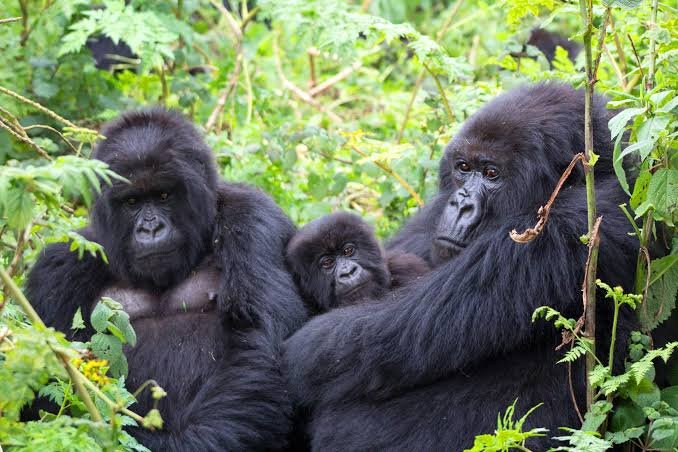
3-Day Rwanda to Uganda Gorilla Express. Somewhere between the rushed, sunrise-to-midnight pace of a single-day gorilla dash and the fuller, slower rhythm of a week-long Uganda safari sits the 3-Day Rwanda to Uganda Gorilla Express — the itinerary that has quietly become the favorite of travelers who want the full gorilla trekking experience, a little breathing room around it, and nothing wasted. It’s built for people who don’t have a week to spare but refuse to treat a mountain gorilla encounter as something to squeeze into a single frantic day.
This guide covers exactly how the three-day express route from Kigali works: the drive and border crossing into Uganda, a full day-by-day breakdown, what makes three days meaningfully better than two without tipping into a longer commitment, permit and cost details, packing advice, and the practical logistics — visas, health precautions, lodging — that decide whether the trip runs smoothly. Throughout, we link to detailed itinerary pages and outside resources so you can move straight from reading into booking.
What Makes This a “Gorilla Express” Itinerary
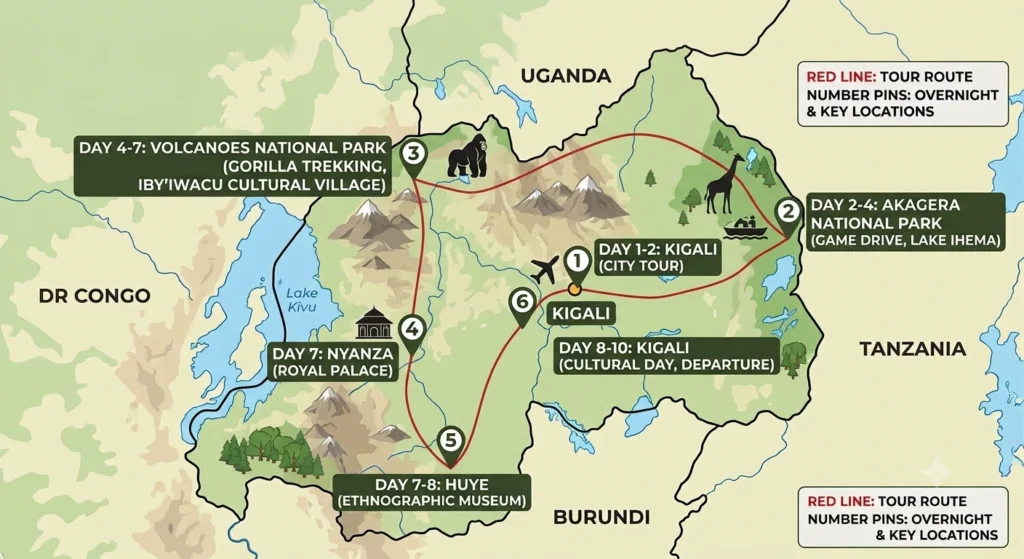
The word “express” in this itinerary’s name isn’t marketing gloss — it describes a specific design choice. Rather than spreading a gorilla trek across a leisurely week with multiple parks and long transfer days, the Gorilla Express compresses the trip down to its essential elements: an efficient overland crossing from Kigali into Uganda, one focused day of trekking, and just enough extra time on either side to make the trip comfortable rather than exhausting.
Where a 2-Day Bwindi Gorilla Safari from Kigali asks you to trek the morning after you arrive and drive straight back to Kigali the same afternoon, the three-day version adds a single extra night — either before or after the trek — which changes the entire feel of the trip. You’re no longer racing the clock on both ends. There’s time for an unhurried breakfast, a stop at a scenic viewpoint, or a short cultural detour that a two-day schedule simply can’t accommodate. It’s still a fast, tightly run trip by safari standards, but it stops feeling like one from the inside.
This itinerary corresponds directly to our 3 Days Uganda Gorilla Safari from Rwanda package, and sits within our broader Gorilla Safaris collection alongside the shorter one and two-day options if you want to compare pacing before deciding.
Why Kigali Is the Right Starting Point for This Route
The logic behind starting in Kigali rather than Entebbe is the same reasoning behind every short gorilla itinerary in this region, and it’s worth restating because it’s the entire foundation of the “express” concept. Bwindi Impenetrable National Park’s trekking sectors sit in Uganda’s extreme southwest, close to both the Rwandan and Congolese borders. Kigali International Airport puts you within 3 to 4.5 hours of the park’s southern trailheads by road. Entebbe, on Uganda’s central Lake Victoria shore, puts you 9 to 11 hours away.
That gap is the difference between a genuine three-day trip and a five or six-day one. Flying into Kigali, crossing overland into Uganda, and returning the same way keeps the whole itinerary tight without cutting corners on the trek itself — you still get the full, unhurried one-hour gorilla encounter and a proper night’s rest before and after it. This is also why the route works so well for travelers who are already visiting Rwanda and want to add Uganda’s gorillas as an extension, rather than book an entirely separate Uganda trip.
The Route: Kigali, the Katuna Border, and Bwindi’s Southern Sectors
The Gorilla Express runs overland through the Katuna (Gatuna) border crossing, connecting Kigali to Bwindi’s Rushaga and Nkuringo trekking sectors — the same southern sectors covered in our dedicated guide to the 2-Day Bwindi Gorilla Safari from Kigali, since they’re the only sectors close enough to Rwanda to support a short, efficient express itinerary.
From Kigali, the drive climbs through Rwanda’s terraced hillsides toward Musanze before reaching Katuna, one of the busiest and best-organized tourist border posts in the region, typically processed within 30 to 60 minutes when documents are in order. From the Ugandan side, the road continues through Kabale before the final approach into the Bwindi hills, with the last stretch running on partially unpaved, switchbacked roads — scenic, but exactly why a private 4×4 with an experienced driver-guide matters on this route rather than a standard sedan transfer.
Total driving time between Kigali and the southern Bwindi trailheads runs roughly 3.5 to 4.5 hours each way, which the three-day structure spreads out far more comfortably than the two-day version does.
Day 1: Kigali to Bwindi
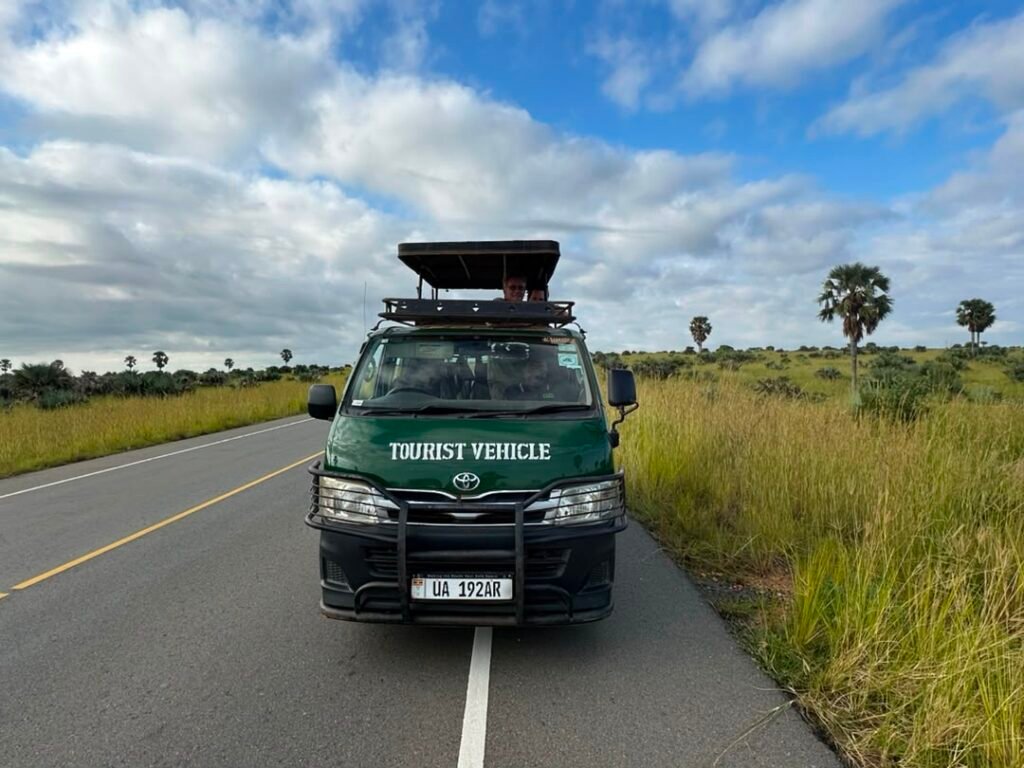
Morning departure. Pickup from your Kigali hotel or the airport typically happens between 7:00 and 8:00 AM, timed to allow a relaxed pace through the border crossing and arrival at your lodge with daylight to spare.
The Katuna crossing. Passports, Uganda visas, and yellow fever certificates are checked on both sides of the border. Our driver-guides handle vehicle paperwork directly with officials, keeping this stage as smooth as the busy but well-run Katuna post allows.
Onward into Uganda. After the crossing, the drive continues toward Kabale, often with a stop for lunch at a spot overlooking the surrounding hills, before the final climb into Rushaga or Nkuringo sector.
Afternoon and evening at leisure. Because this is a three-day trip rather than two, Day 1 ends with genuine downtime — time to settle into your lodge, enjoy the forest-edge views, and go over the next morning’s trek briefing without the rushed feeling that a same-day trek-and-return schedule creates.
Day 2: The Gorilla Trek
Pre-dawn start. Breakfast is served well before sunrise, along with a packed lunch for the trail, ahead of a park briefing that typically begins around 7:30 to 8:00 AM.
Ranger briefing and group assignment. Trekkers are organized into groups of up to eight per habituated gorilla family, briefed on distance rules and forest etiquette, and given the option to hire a porter — worth doing regardless of fitness level, both for the physical support and as direct income for the local community.
The trek itself. Trackers who entered the forest at dawn radio the gorilla family’s overnight location, and rangers lead the group at a pace set by its slowest member through Bwindi’s steep, densely forested terrain. Depending on where the family has moved, the hike in can take anywhere from under an hour to four hours or more.
The gorilla encounter. Once the family is located, the final approach is made quietly and on foot alone, without bags. You get a strict maximum of one hour in the gorillas’ presence, at a minimum seven-meter distance, with rangers positioning the group so everyone gets a clear view.
Return and certificate. The hike back to the trailhead is typically quicker than the way in, and a certificate confirming your trek is issued once you’re back at park headquarters.
Evening back at the lodge. Unlike a two-day itinerary, which pushes straight into the return drive after trekking, the express three-day structure allows an evening of rest back at your lodge — a genuinely welcome change after a physically demanding day in the forest.
Day 3: Return to Kigali, With Room to Breathe
Relaxed morning. With the trek already behind you, Day 3 starts at a normal hour rather than before dawn — a proper breakfast, a chance to pack unhurried, and time to enjoy the lodge’s surroundings one last time.
Optional stop en route. This is where the three-day version earns its keep over the two-day one: there’s genuine room in the schedule for a short stop at Lake Bunyonyi, one of the most scenic spots in southwestern Uganda, or a Batwa community visit near the trailhead, without derailing the day’s plans.
Return drive and border crossing. The drive back through Katuna and on to Kigali mirrors Day 1 in reverse, typically arriving in Kigali by late afternoon or early evening — usually with enough buffer to connect with an evening international flight if your onward travel requires it.
Gorilla Permit Costs on This Itinerary
The core financial logic of this route is identical to every Kigali-departure Uganda gorilla itinerary: a Uganda gorilla trekking permit currently costs USD 800 per person through the Uganda Wildlife Authority, compared with USD 1,500 for the equivalent permit in Rwanda’s own Volcanoes National Park. On a three-day trip, that roughly USD 700 per-person saving comfortably covers the cost of the extra night’s accommodation and meals that the express structure adds over the two-day version, which is a large part of why this itinerary has become so popular among cost-conscious travelers who still want a properly paced trip.
Because daily permits are capped per gorilla family, booking three to six months ahead is the safest approach for June–September and December travel, with two to three months usually sufficient for the quieter shoulder and rainy seasons.
What’s Included in a Standard Package
A typical 3-Day Rwanda to Uganda Gorilla Express package bundles: the Uganda gorilla trekking permit, private 4×4 transport from Kigali and back, an experienced driver-guide, border-crossing assistance at Katuna, two nights’ accommodation near the Bwindi trailhead, meals throughout the trip including the trekking-day packed lunch, and drinking water in the vehicle. Typically excluded are international flights into Kigali, Uganda visa fees, travel insurance, porter and guide tips, and optional extras like a Batwa cultural visit or the Gorilla Habituation Experience permit, which can be added for travelers with a specific interest in either.
Best Time of Year for This Route
Bwindi is accessible for trekking year-round, with gorilla families remaining in their forest range and daily permit availability. The dry seasons from June to September and December to February feature better trails and views, attracting the most visitors, so early permit booking is advisable. Conversely, the rainy seasons from March to May and October to November offer lush landscapes, fewer crowds, and better lodge options at potentially lower rates. The extra day in the itinerary provides a buffer for unexpected rain delays, making it appealing for those trekking outside of the peak dry-season months.
Fitness, Terrain, and What to Expect on the Trail
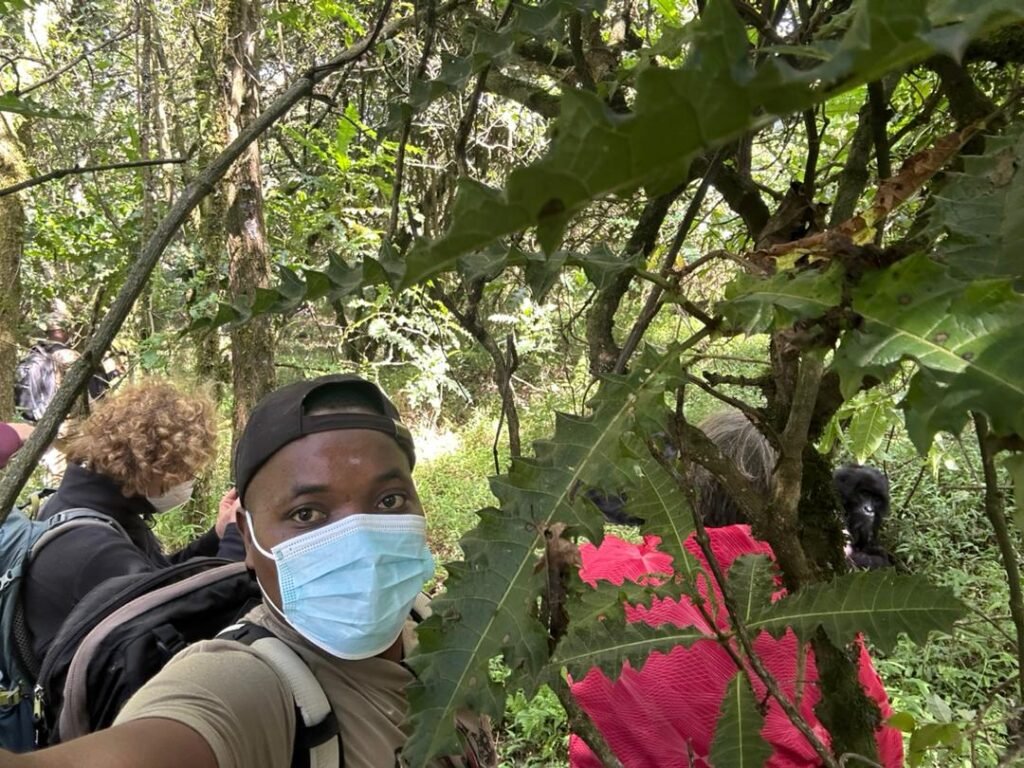
Bwindi’s terrain is genuinely demanding — dense, steep, and often muddy, with trailhead elevations around Rushaga and Nkuringo sitting between roughly 1,400 and 2,200 meters. There’s no fixed trek distance or duration, since it depends entirely on where trackers find the gorilla family that morning; some groups reach their family within 45 minutes, others trek for four hours or more before locating them.
A reasonable baseline fitness — comfortably walking briskly uphill for an hour without stopping — makes for a noticeably more enjoyable day, though trekkers across a wide range of fitness levels complete the hike successfully with the help of a hired porter, who also offers a steadying hand on slippery terrain. Because the express itinerary allows a full rest day before the trek rather than trekking the morning right after arrival, travelers often find themselves in noticeably better physical shape for the hike than they would be on the more compressed two-day version.
What to Pack for the Gorilla Express
- Waterproof hiking boots with solid ankle support, already broken in before the trip.
- Long trousers and a long-sleeved shirt in neutral colors, tucked into boots and gloves against nettles and safari ants.
- Gardening gloves for gripping vegetation on steep sections.
- A lightweight rain jacket, regardless of season.
- Gaiters to keep mud and insects out of your boots.
- A small daypack for water, snacks, and camera gear on trekking day.
- A hat and sunscreen for open sections of trail.
- A camera or phone with a capable low-light lens — flash photography is prohibited near the gorillas.
- Cash in small denominations for porter tips and trailhead crafts.
- Passport, Uganda visa confirmation, yellow fever certificate, and printed permit confirmation.
- One flexible duffel-style bag rather than a hard suitcase, since you’re moving between two lodges over three days.
Where You’ll Stay
Because this itinerary spans two nights rather than one, accommodation plays a slightly larger role in the overall experience than it does on the two-day version. Most travelers choose a mid-range lodge near Rushaga or Nkuringo offering ensuite comfort, hot water, and a breakfast service tuned to early trekking departures — comfortable, practical, and well-suited to a trip built around one focused activity day. Travelers who’d like to treat the extra night as a small splurge often upgrade to one of the panoramic lodges built directly on the forest edge, with glass-walled rooms and volcano or canopy views. We match lodge selection to your stated budget and preferences as part of every booking, arranged through our contact page.
Visa and Border Document Checklist
Because this route crosses into Uganda and back, having documents ready in advance keeps both border crossings quick. Most nationalities can obtain a Uganda visa on arrival at Katuna, but applying through Uganda’s e-visa portal ahead of travel is faster and safer, particularly during peak trekking months when crossing volumes rise. A yellow fever vaccination certificate is mandatory for entry into both Rwanda and Uganda and is checked at the border — carry the physical certificate alongside your passport rather than relying on a phone photo. Travelers planning to continue on to Kenya may find the East Africa Tourist Visa, valid across all three countries, more convenient than arranging separate visas.
How This Compares to the Two-Day and Longer Options
The Gorilla Express sits deliberately between our shorter and longer itineraries, and knowing where the tradeoffs fall helps decide which fits your trip best.
Compared with our 2-Day Bwindi Gorilla Safari from Kigali, the extra day removes the need to trek the very morning after a long travel day and adds a relaxed return leg with room for a scenic or cultural stop — a meaningful comfort upgrade for a relatively small increase in cost and time.
Compared with longer options like our 5 Days Uganda Gorilla and Chimps Safari Starting from Rwanda, the express version stays focused on a single primate species and skips a second major activity, which keeps the trip tighter and more affordable for travelers who specifically want gorillas without extending into a longer, multi-activity safari.
For a like-for-like comparison from outside our own offering, Kenlink Tours’ 3 Days Bwindi Gorilla Safari Starting from Kigali follows a broadly similar three-day structure and is worth reviewing if you’d like to compare pacing and inclusions between operators, and their shorter 2 Days Rwanda to Uganda Gorilla Trekking Safari offers a useful reference point for the more compressed alternative.
Extending the Express Itinerary
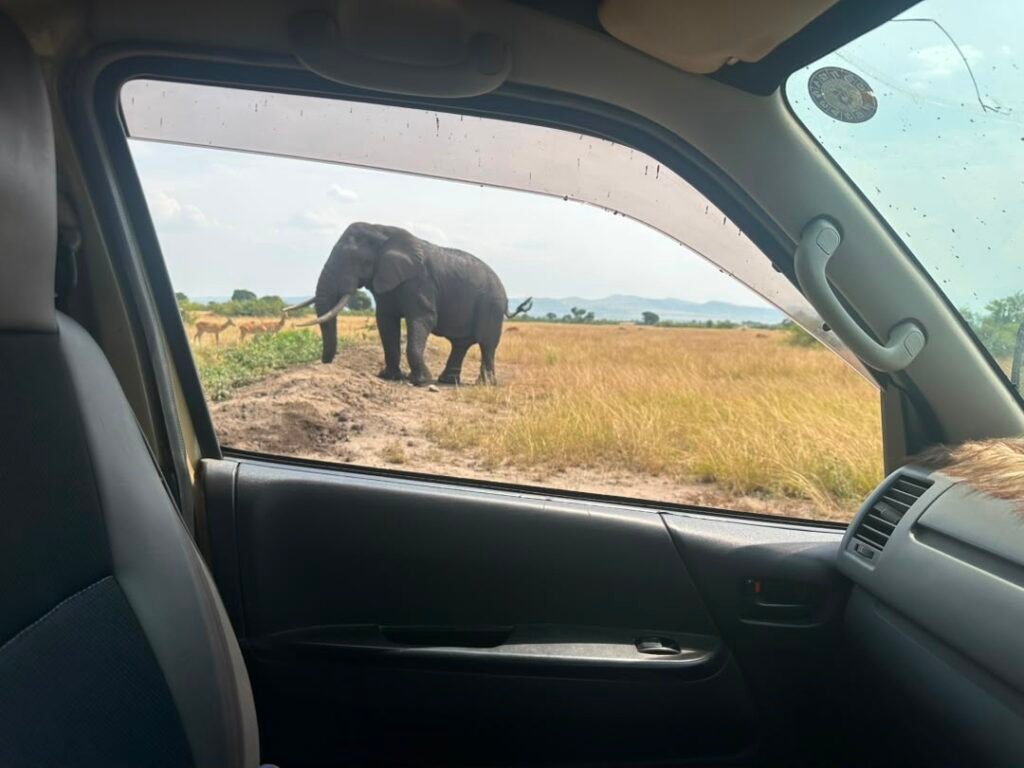
For travelers who complete this three-day trip and want to add on rather than plan an entirely separate journey, a few natural extensions exist. Adding a second trek in Rwanda’s own Volcanoes National Park turns the trip into a double-gorilla experience across two countries — our 2 Days Volcanoes Gorilla Trek from Kigali can be tacked onto either end of this itinerary for travelers based in Kigali long enough to fit both in. Alternatively, extending into Queen Elizabeth National Park for Big Five game drives, covered on our 3 Days Safari to Queen Elizabeth National Park page, turns the trip into a broader Uganda wildlife safari rather than a gorilla-only trip.
Wildlife and Scenery Along the Way
The gorilla trek is the highlight of the itinerary, enhanced by a drive that showcases more of the Rwandan landscape than a two-day version. The route from Kigali to the border reveals terraced hillsides and tea plantations with views of the Virunga volcanoes. Bwindi is home to over 350 bird species and other primates, providing great birding opportunities. An optional stop on Day 3 at Lake Bunyonyi offers a scenic, tranquil crater lake perfect for swimming, creating a relaxing conclusion to the trip before returning to Kigali.
Health, Safety, and Travel Insurance
Standard regional health precautions apply on this route. Malaria risk is present in the lower-elevation stretches of both Rwanda and Uganda, so antimalarial medication and insect repellent are worth packing even for a short trip. Trailhead elevations around Rushaga and Nkuringo sit high enough that travelers arriving directly from sea level may notice mild breathlessness on steep sections, though genuine altitude sickness is uncommon at this elevation.
Comprehensive travel insurance covering trekking activities and emergency medical evacuation is strongly recommended for this itinerary — Bwindi’s remoteness means an injury on the trail is a logistical event rather than a minor inconvenience, and evacuation coverage removes a real source of worry from what should be one of the highlights of your trip.
A Realistic Cost Breakdown
Understanding what drives the price of this itinerary helps you compare quotes accurately, since the fixed and variable costs behave differently from each other.
Gorilla permit — USD 800 per person. Set by the Uganda Wildlife Authority and identical across every operator; any quote significantly below this figure is either omitting the permit or referring to a different park.
Ground transport. Priced per vehicle rather than per person for the full round trip, which makes the per-person cost drop noticeably for couples, families, or small groups traveling together.
Two nights’ accommodation. With an extra night over the two-day version, lodging plays a somewhat larger role in total cost here — a reasonable place to decide whether you want to keep things simple with a mid-range lodge or treat the trip to one night in a higher-end property.
Meals, typically bundled across all three days including the trekking-day packed lunch.
Tips. Budgeting roughly USD 10–20 for your porter and a similar combined amount for your guide and park rangers is standard practice, and this income matters meaningfully to the communities around the park.
Because the permit is fixed, most of the real price variation between operators on this itinerary comes down to vehicle quality, driver-guide experience, and how transparently accommodation is priced — worth comparing carefully rather than choosing on the headline number alone.
Who This Itinerary Suits Best
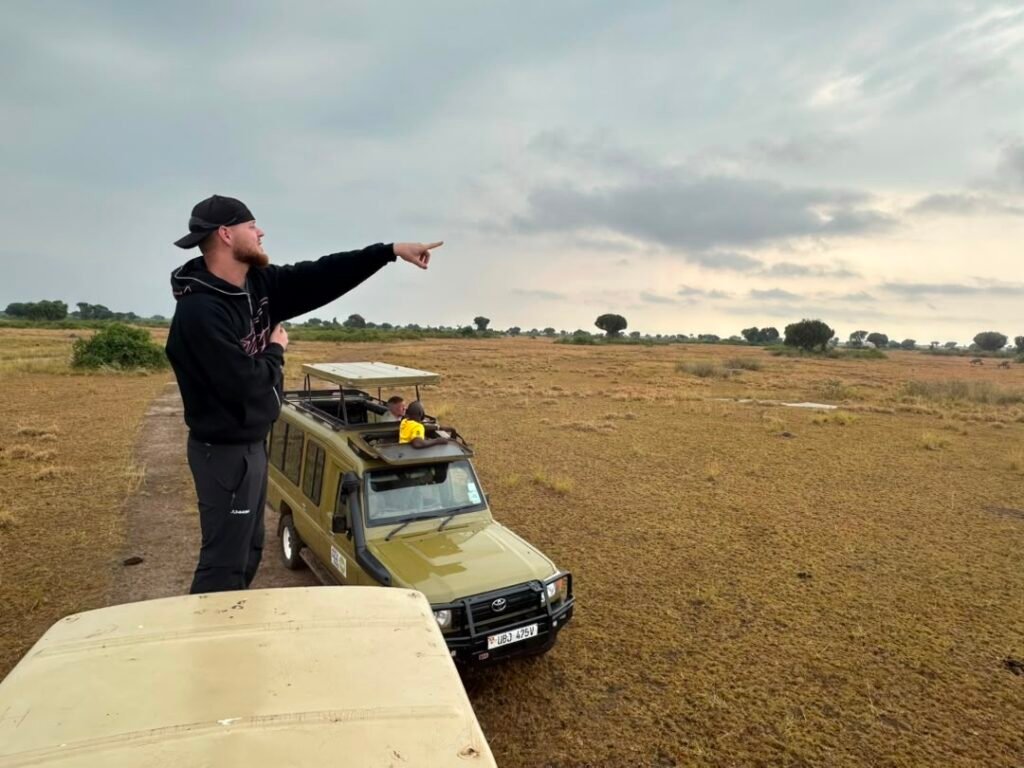
Three days is a genuinely versatile length, but it’s worth being clear about who benefits most from it. It suits travelers who want the full gorilla trekking experience without feeling rushed on either end, Rwanda-based tourists looking to add Uganda’s gorillas as a well-paced extension rather than a frantic day trip, couples or small groups who’d like a little room in the schedule for a scenic or cultural stop, and cost-conscious travelers who specifically want Uganda’s lower permit price without stretching into a longer, multi-park safari.
It suits this group less well if your priority is squeezing the trip into the smallest possible window regardless of comfort — in which case the two-day version remains faster and marginally cheaper — or if you’re hoping to combine gorillas with a second major wildlife activity like extended game drives or chimpanzee tracking, which generally deserve a longer, five-day-plus itinerary to do justice.
Private Touring vs. Joining a Group
Because gorilla permits are allocated per person rather than per vehicle, both private and group-based versions of this itinerary end up standing with the same gorilla family for the same one-hour visit — the real difference lies in the transport and pacing around that encounter.
We run the Gorilla Express as a private tour by default: your vehicle, schedule, and driver-guide are dedicated to your party alone, which matters more on a three-day itinerary than it might sound, since it lets you adjust the pace of Day 3’s return leg, linger at Lake Bunyonyi if the mood strikes, or shift timing around your flight without coordinating with other travelers. For couples, families, and small groups, private touring on this route is rarely dramatically more expensive than a scheduled group departure once transport costs are split across the vehicle.
Scheduled group departures remain a solid lower-cost option for solo travelers who’d rather not absorb a full vehicle’s transport cost alone; Kenlink Tours’ scheduled departure safaris are worth reviewing if that structure suits your budget better than a private tour.
Photography Tips for the Trek
With one gorilla encounter as the centerpiece of this trip, a little preparation goes a long way. Flash photography is banned near the gorillas, so a lens that performs reasonably in low light matters more than raw zoom range — a mid-range zoom paired with a camera body that handles higher ISO cleanly generally outperforms a longer, slower lens under Bwindi’s shaded canopy. Phone photographers should keep the camera steady, avoid digital zoom, and trust the guide’s positioning rather than chasing a better angle independently. A rain cover for your bag and a microfiber cloth for lens spatter are worth the small amount of extra packing space. And, as with any gorilla encounter, it’s worth setting the camera down for a few minutes during your hour with the family — the photos matter, but so does simply being present for it.
The Gorilla Habituation Experience: An Optional Upgrade
Travelers specifically drawn to Rushaga sector have access to an option most visitors don’t know exists: the Gorilla Habituation Experience, a permit that allows a maximum of four visitors — rather than the standard eight — to spend up to four hours, rather than one, with a gorilla family still being acclimatized to human presence, accompanied by researchers and trackers rather than only rangers.
This permit costs more than the standard USD 800 trekking permit and is limited to a very small number of daily slots, so it needs booking even further in advance than a standard trek. It changes the shape of Day 2 significantly given the longer time commitment, but for travelers with a genuine interest in gorilla research and behavior — rather than simply the sighting itself — it’s worth asking about when you enquire, since Rushaga is the only sector in Uganda where this experience is offered, and it pairs naturally with the extra flexibility a three-day schedule already provides.
Final Pre-Departure Checklist
Before setting off on the Gorilla Express, confirm you have: your passport with at least six months’ validity, a printed or digital Uganda visa confirmation, your original yellow fever vaccination certificate, printed confirmation of your gorilla permit and lodge bookings, appropriate trekking footwear already broken in, a rain jacket regardless of season, cash in small denominations for tips, and travel insurance documentation that includes evacuation coverage. Confirming all of this the day before departure rather than the morning of removes nearly every source of last-minute stress from what should be a genuinely relaxed three days.
Common Mistakes to Avoid on This Itinerary
Booking the permit too late. With gorilla families capped at eight visitors per day, popular dates in peak season sell out months in advance; booking early protects your entire three-day schedule.
Treating Day 3 as another full activity day. The express itinerary’s third day is deliberately lighter — trying to cram in a second major activity on top of the return drive usually backfires and turns a relaxed final day into a rushed one.
Underpacking rain gear because the trip is short. Bwindi’s weather doesn’t care how many days you’re staying; a proper rain jacket belongs in the bag regardless of season.
Skipping travel insurance because the trip feels low-risk. A short, well-organized itinerary is not the same as a risk-free one, and evacuation coverage is worth arranging regardless of trip length.
Forgetting that this is still an international crossing. Even with a comfortable extra day built in, visa and yellow fever documentation still need to be sorted before departure, not at the border itself.
Frequently Asked Questions About the 3-Day Rwanda to Uganda Gorilla Express
How is this different from the 2-Day Bwindi Gorilla Safari? The core trek is identical — same permit, same sectors, same one-hour gorilla encounter. The extra day removes the need to trek the morning immediately after a long travel day and adds a more relaxed return leg, often with room for a scenic or cultural stop.
Which sector will I trek — Rushaga or Nkuringo? This depends on permit availability for your specific date; we confirm your sector as part of booking and can accommodate a preference between Rushaga’s broader family selection and Nkuringo’s more dramatic scenery and terrain.
Can I add a second activity, like golden monkey trekking or a Batwa visit, without adding a fourth day? A short cultural stop on Day 3 is often possible depending on timing, but a full second activity like golden monkey trekking generally works better as an added day rather than squeezed into this itinerary’s schedule.
Do I need a Uganda visa for a trip this short? Yes — any entry into Uganda requires a valid visa regardless of trip length, so apply through the e-visa portal in advance rather than risk delays at Katuna.
Is this itinerary suitable for solo travelers? Yes; transport is priced per vehicle rather than per person, so solo travelers typically pay a modest single-traveler supplement, while the permit itself is issued individually regardless of group size.
Can the return leg connect with an evening flight out of Kigali? In most cases, yes — we time the Day 3 return drive to arrive in Kigali with a comfortable buffer before evening international departures, though it’s worth flagging your flight time when booking so we can plan precisely.
Booking Your 3-Day Rwanda to Uganda Gorilla Express
The 3-Day Rwanda to Uganda Gorilla Express is, for a great many travelers, the best-balanced way to experience Uganda’s mountain gorillas from Kigali — long enough to avoid feeling rushed, short enough to fit into a limited holiday window, and priced around Uganda’s significantly lower permit cost. At Pick and Transfer Safaris, we run this itinerary with the same principle behind everything we offer: make an unforgettable, once-in-a-lifetime encounter genuinely accessible, with every logistical detail — permits, border paperwork, transport, and lodging — handled on your behalf.
To start planning, see the full itinerary on our 3 Days Uganda Gorilla Safari from Rwanda page, compare it against our shorter and longer options in the Gorilla Safaris collection, or reach out directly through our contact page with your travel dates and group size. We’ll confirm permit availability, match a lodge to your budget, and handle the border crossings — leaving you with nothing to plan except the walk into the forest.