- LET'S PLAN YOUR SAFARI
- +256 200 921 002
- +256 793 194 703
- info@pickandtransfersafaris.com

5 Days Gorilla Trek and Chimps Tour in Uganda
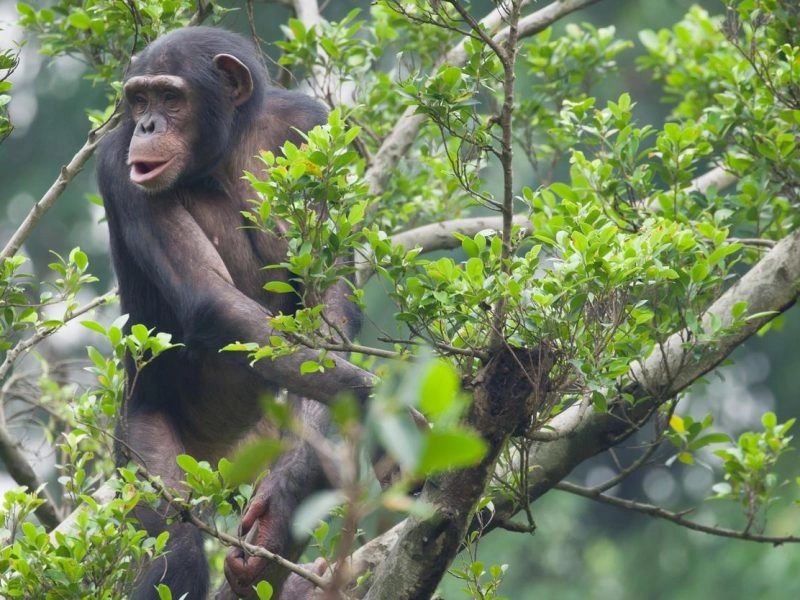
5 Days Gorilla Trek and Chimps Tour in Uganda. If you have ever dreamed of locking eyes with a 200-kilogram silverback in a misty rainforest, then tracking a troop of playful chimpanzees through the same green wilderness two days later, a 5 Days Gorilla Trekking and Chimpanzee Tour in Uganda is the single most efficient way to make that dream real. Uganda is one of only three countries on earth where mountain gorillas survive in the wild, and it is the only country where you can pair that encounter with world-class chimpanzee tracking in the same short trip. In just five days you can fly into Entebbe, drive through rolling tea plantations and crater lakes, track chimpanzees in Kibale Forest National Park, trek to mountain gorillas in Bwindi Impenetrable National Park, and fly home having seen two of our closest living relatives in their natural habitat.
At Pick and Transfer Safaris, we design and operate this exact itinerary for travelers every month, handling airport pickups, road transfers, permit bookings, and accommodation so that all you have to do is show up with your camera and your hiking boots. This guide walks you through everything you need to know before booking a 5-day gorilla and chimpanzee safari in Uganda: the best time to travel, permit prices for 2026, a full day-by-day itinerary, packing advice, health rules, lodge recommendations, and the answers to the questions we get asked most often by first-time trekkers.
Why Choose a 5-Day Gorilla and Chimpanzee Safari in Uganda
Uganda is nicknamed “the Pearl of Africa” for good reason, and nowhere is that nickname more deserved than in the primate-rich forests of the southwest. A 5-day gorilla trekking and chimpanzee tour in Uganda gives you the highest wildlife-to-time ratio of any safari itinerary on the continent. Instead of spending two weeks island-hopping between parks, you compress the two most sought-after primate experiences in Africa into a single manageable trip that fits comfortably into a work leave allowance.
Unlike Rwanda, where gorilla permits alone cost $1,500 and chimpanzee tracking is limited to Nyungwe Forest, Uganda lets you combine Kibale Forest National Park (the “chimpanzee capital of the world”) with Bwindi Impenetrable National Park (home to roughly half of the world’s remaining mountain gorillas) on one continuous overland route. The result is a trip that feels complete rather than rushed: two full trekking days, comfortable forest lodges, and enough buffer time to actually enjoy the landscape between activities rather than just transiting through it.
This itinerary also works exceptionally well for couples, solo travelers, and small groups because the logistics are simple. You do not need a light aircraft charter or a complicated multi-country visa strategy. A single Uganda visa, one experienced driver-guide, and one well-planned route through the west of the country is all it takes. That simplicity is exactly what our team at Pick and Transfer Safaris specializes in arranging for guests flying in from Europe, North America, Asia, and elsewhere in Africa.
Best Time to Go Gorilla Trekking and Chimpanzee Trekking in Uganda
Uganda sits on the equator, so trekking is possible all year round, but the timing of your trip still matters a great deal for comfort and value. The two dry seasons, December to February and June to September, offer the firmest trails, the least mud, and the clearest forest visibility for photography. These months are also the busiest, so gorilla permits should be booked three to six months in advance if you are traveling in July, August, or December.
The shoulder months of April, May, and November are Uganda’s official low season, and the Uganda Wildlife Authority currently discounts gorilla permits to $600 for foreign non-residents during this window, down from the standard $800 high-season rate. The trade-off is wetter trails and a higher chance of rain during the trek itself, but the forest is also greener, quieter, and significantly cheaper. Chimpanzee tracking in Kibale is less weather-sensitive than gorilla trekking because the terrain is flatter, so many of our guests choose to travel in the shoulder season purely to take advantage of the gorilla permit discount.
Whichever season you choose, mornings in both Kibale and Bwindi start early. Briefings begin around 7:30 or 8:00 a.m., so travelers usually spend the night before each trek at a lodge close to the park headquarters rather than trying to drive in on the morning of the activity.
Understanding Gorilla and Chimpanzee Permits for 2026
Permits are the single largest cost on this itinerary and also the item most likely to sell out, so it is worth understanding exactly how the pricing works before you commit to dates.
For 2026, Uganda Wildlife Authority gorilla trekking permits are priced at $800 per person for foreign non-residents during the high season, and $600 per person during the April, May, and November low season. Foreign residents of Uganda pay $700 in high season and $500 in low season, while East African citizens pay approximately 300,000 Ugandan shillings year-round. As of March 2026, full payment is required at the time of booking rather than a partial deposit, and the previous seven-day reservation hold has been removed, so permits are effectively booked on a first-paid, first-served basis. It is also worth noting that low-season permits purchased at the discounted rate cannot be rescheduled, so those dates should be treated as fixed once booked.
Travelers who want an extended, more intimate encounter can also book the Gorilla Habituation Experience in Bwindi’s Rushaga sector for $1,500 per person, which allows up to four hours with a semi-habituated gorilla family instead of the standard one-hour visit granted to fully habituated groups.
Chimpanzee trekking permits in Kibale Forest National Park are considerably more affordable. Foreign non-residents currently pay around $250 per person, Uganda residents pay approximately $200, and East African citizens pay roughly 250,000 Ugandan shillings. Because Kibale has a larger habituated chimpanzee population and more available slots per day than Bwindi has gorilla groups, chimpanzee permits are generally easier to secure on shorter notice, though we still recommend booking at least four to six weeks ahead in peak months.
All permit prices are set directly by the Uganda Wildlife Authority and are subject to periodic revision, so our team always reconfirms current rates before finalizing your booking to make sure your quote reflects the exact figures in effect on your travel dates.
Who Can Go Gorilla and Chimpanzee Trekking: Age and Health Rules
The official minimum age for gorilla trekking in Uganda is 15 years old, a rule codified in the Uganda Wildlife Authority’s Guidelines for the Management of Gorilla and Chimpanzee Tracking. Age is verified against your passport on the morning of the trek, not on the date you made the booking, so a traveler who turns 15 shortly before departure is generally fine, while one who turns 15 shortly after the trek date is not. Chimpanzee trekking in Kibale has no strict minimum age, making it a good primate activity for families traveling with younger children who are not yet eligible for the gorilla trek.
Health screening happens at the park gate before both activities. Because gorillas and chimpanzees share close to 98% of human DNA, they are highly susceptible to human respiratory illnesses, and rangers can and do turn away visitors who show visible symptoms of a cold, flu, or other contagious illness. If you feel unwell on the morning of your trek, tell your guide immediately; UWA policy allows rescheduling in genuine medical cases, and travelling with insurance that covers this is strongly advised. A basic level of fitness is also required for gorilla trekking, since trails in Bwindi can involve several hours of walking on steep, muddy terrain at altitude, while Kibale’s flatter forest floor makes chimpanzee tracking more accessible to trekkers of varying fitness levels.
Day 1: Arrival in Entebbe and Road Transfer Toward Kibale Forest
Your 5-day gorilla and chimpanzee tour in Uganda begins the moment you land at Entebbe International Airport, where a driver-guide from Pick and Transfer Safaris will be waiting to meet you regardless of your arrival time. If your flight lands with enough daylight remaining, we typically begin the drive west immediately; if you arrive late in the evening, we arrange an overnight stay near Entebbe or Kampala so you start the safari fresh the next morning.
The drive from Kampala toward Kibale Forest National Park takes you through Mubende and Fort Portal, past tea estates, crater lakes, and views of the Rwenzori Mountains on a clear day. Many guests choose to break the journey with a stop at the Igayaza tea plantations or one of the crater lakes near Fort Portal for lunch and photographs. Depending on traffic out of Kampala and how many stops you make, the drive typically takes six to seven hours, and you will arrive at your lodge near Kibale in the late afternoon, in time to relax before an early start the next morning.
If your itinerary begins or ends across the border rather than at Entebbe, our team can also arrange for your tour to start from Kigali Airport and end in Entebbe Airport, which is a popular option for travelers combining Rwanda and Uganda into one continuous safari loop.
Day 2: Chimpanzee Trekking in Kibale Forest National Park
Day two is dedicated to Kibale Forest National Park, widely regarded as the chimpanzee capital of the world thanks to its population of over 1,500 chimpanzees living across several habituated communities. After an early breakfast, you will report to the Kanyanchu Visitor Centre for a briefing from your park ranger, who will cover safety rules, group sizes, and what to expect once you enter the forest.
Chimpanzee trekking in Kibale is generally less physically demanding than gorilla trekking in Bwindi because the terrain is flatter and the forest is more open, though you should still expect two to four hours of walking depending on how far the chimpanzee community has moved that morning. Chimpanzees are considerably more active and vocal than gorillas; you are likely to see them swinging through the canopy, calling to each other across the forest, and occasionally descending to the forest floor, which makes for very different but equally memorable photography compared to the following day’s gorilla encounter. Once you locate the group, you are permitted one hour in their presence, observing their social behavior at a respectful distance under your ranger’s guidance.
Travelers with extra time or a strong interest in primatology can upgrade to the Chimpanzee Habituation Experience, which allows a full morning or afternoon with a community that is still being acclimatized to human presence, offering a longer and more research-focused encounter than the standard one-hour trek. In the afternoon, Kibale also offers optional add-on activities including the Bigodi Wetland Sanctuary walk, known for birdlife and eight additional primate species, which pairs well with a chimpanzee trek if you want to extend your day in the forest.
Day 3: Transfer from Kibale to Bwindi Impenetrable National Park
The third day of your safari is a scenic transfer day connecting Uganda’s two flagship primate destinations. The most popular route runs from Kibale south through Queen Elizabeth National Park and the Ishasha sector, famous for its tree-climbing lions, before continuing on to Bwindi. This route typically takes six to seven hours including stops, and because it passes directly through a working national park, many travelers spot elephants, buffalo, kob antelope, and occasionally the tree-climbing lions draped over fig tree branches, turning a transfer day into an unplanned mini game drive.
Bwindi Impenetrable National Park is divided into four main trekking sectors: Buhoma in the north, Ruhija in the east, Rushaga in the south, and Nkuringo in the southwest. Which sector your gorilla family is allocated to depends on where you are staying and which permits are assigned to your booking, so our team matches your lodge choice to the correct sector well in advance to minimize early-morning driving on trekking day. Guests looking for comfortable accommodation on the Kisoro side of the park, close to the Rushaga and Nkuringo sectors, often stay at properties such as Ikoro Hotel in Kisoro, which offers an easy base for an early gorilla trekking start the following morning.
Day 4: Gorilla Trekking in Bwindi Impenetrable National Park
This is the day most travelers book the entire trip for. After an early breakfast, you will drive to your assigned sector headquarters for briefing, ranger introductions, and group allocation, typically starting between 7:30 and 8:00 a.m. Each gorilla family is visited by a maximum of eight trekkers per day, a rule designed to minimize stress on the gorillas and limit disease transmission risk, and each group is assigned an experienced ranger along with armed trackers who use radio contact with an advance scouting team already following the gorillas’ overnight nesting trail.
The trek itself can last anywhere from one to seven hours round trip depending on where the gorilla family has moved since the previous evening, over terrain that ranges from gentle forest paths to steep, muddy slopes that justify Bwindi’s “impenetrable” name. Porters are available to hire at the trailhead for a modest fee and are highly recommended even for fit trekkers, both for carrying gear and for the physical assistance they provide on the steeper sections; hiring a porter also directly supports the local community around the park.
Once the tracking team locates the gorilla family, you leave your bags with the porters and approach on foot with only your camera, maintaining the mandatory seven-meter distance from the animals. You are permitted one hour with the gorillas, watching silverbacks patrol their territory, mothers groom their infants, and juveniles tumble through the undergrowth with astonishing indifference to the small group of humans watching them. For many travelers, this hour ranks among the most profound wildlife experiences available anywhere on earth. After the trek, you will receive a certificate from the Uganda Wildlife Authority commemorating your encounter before returning to your lodge for a well-earned rest. For ideas on how to spend the remainder of your day, our guide on what to do after your gorilla tour in Bwindi covers everything from community walks to simply relaxing at your lodge with a view of the forest.
Day 5: Departure or Extension Toward Entebbe
Your final day is built around your onward flight schedule. Most travelers depart Bwindi after breakfast for the long drive back toward Kampala and Entebbe, a journey of roughly eight to nine hours depending on the route and road conditions, which our drivers break into comfortable stages with stops for lunch, fuel, and photographs. Travelers with an evening flight can comfortably make the full drive in a day; those with an early morning departure the next day are usually better served by an overnight stop closer to Kampala.
Alternatively, guests who are not in a rush can extend the itinerary by a day or two to include Lake Bunyonyi, one of the most scenic lakes in Africa and just a short drive from Bwindi, or to fly out from Kihihi or Kisoro airstrip directly to Entebbe rather than driving the full distance, saving significant travel time. Our team at Pick and Transfer Safaris is happy to build either of these options into your final itinerary, and can also arrange your departure to route through Kigali instead of Entebbe if that better suits your onward travel plans.
What to Pack for a Uganda Gorilla and Chimpanzee Safari
Packing correctly makes a meaningful difference to your comfort on trek days. Sturdy, broken-in hiking boots with good ankle support are essential, since Bwindi’s trails are frequently muddy and uneven regardless of season. Gardening gloves or light hiking gloves protect your hands from stinging nettles and thorny vegetation along the trail, and long trousers tucked into socks, along with a long-sleeved shirt, help guard against biting insects and scratches from dense undergrowth.
A daypack with a rain cover, a reusable water bottle, high-energy snacks, and a lightweight rain jacket are all worth carrying even in the dry season, since forest weather can change quickly. For photography, bring a camera with a zoom lens if possible, spare batteries, and a dry bag or plastic sleeve to protect equipment from sudden rain, and remember that flash photography is prohibited during both gorilla and chimpanzee encounters. Insect repellent, sunscreen, a hat, and any personal medication rounds out the essentials, along with a small denomination of US dollars in cash for porter tips and park gratuities.
Health, Safety, and Travel Documentation
Uganda requires proof of yellow fever vaccination for entry, and travelers should carry their international certificate of vaccination alongside their passport. Anti-malarial medication is strongly recommended for the duration of your trip, since the safari route passes through malaria-endemic areas, and a pre-travel consultation with a travel health clinic is worthwhile several weeks before departure. Comprehensive travel insurance that specifically covers trekking activities, emergency medical evacuation, and trip interruption is essential given the remote location of both parks relative to major hospitals.
Most nationalities can obtain a Uganda visa online in advance through the official e-visa portal, and travelers combining Uganda and Rwanda on one trip may be eligible for the East Africa Tourist Visa, which covers both countries plus Kenya on a single visa. Our reservations team can advise on the current visa requirements for your specific nationality when you book your safari with us.
Where to Stay: Lodges Along the Kibale to Bwindi Route
Accommodation on this route ranges from comfortable mid-range lodges to high-end luxury camps, and where you stay significantly affects both your comfort and your proximity to the morning briefing points. Near Kibale, most guests choose a lodge within a twenty- to thirty-minute drive of the Kanyanchu Visitor Centre, allowing a relaxed breakfast before the day’s chimpanzee trek. Near Bwindi, the right lodge depends entirely on which sector your gorilla permit is allocated to; guests trekking from Rushaga or Nkuringo often prefer to base themselves closer to Kisoro town, where properties like Ikoro Hotel in Kisoro offer solid mid-range comfort with an easy morning drive to the trailhead, while guests assigned to Buhoma or Ruhija stay in lodges directly adjacent to those sectors instead.
Our team always confirms your gorilla sector allocation before finalizing lodge bookings, because arriving at the wrong side of Bwindi on trekking morning can mean an additional two to three hours of unnecessary driving before your trek even begins. If you would like to see a full list of properties matched to your travel dates and budget, get in touch with Pick and Transfer Safaris and our reservations team will put together options within a day.
How Pick and Transfer Safaris Makes This Itinerary Seamless
A five-day itinerary covering two national parks and roughly 700 kilometers of driving depends entirely on smooth logistics behind the scenes, and that is exactly where our team adds the most value. From the moment you land, Pick and Transfer Safaris handles your airport pickup, provides an experienced English-speaking driver-guide for the entire route, books and pays for your gorilla and chimpanzee permits well in advance, and reserves lodges that match your budget and your gorilla sector allocation.
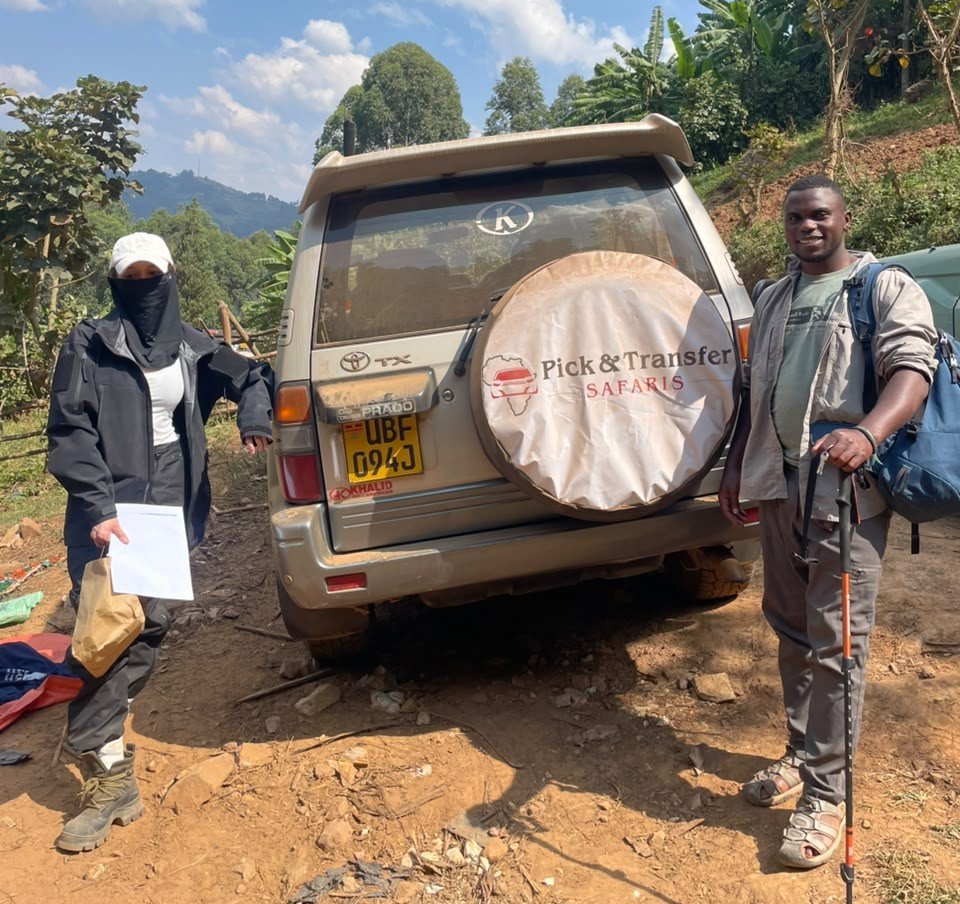
We operate a fleet of well-maintained 4×4 safari vehicles built for Uganda’s rural roads, which matters considerably on the unpaved sections leading into both Kibale and Bwindi. Every itinerary we run includes a private vehicle and driver rather than a shared shuttle, giving you full flexibility to stop for photographs, wildlife sightings, or rest breaks whenever you like. Because our drivers work this exact route regularly, they also know which lodges pair best with which gorilla sectors, which stretches of road benefit from an earlier start, and how to adjust your schedule on the fly if a flight is delayed or a permit needs to be rebooked. If your journey starts or ends in Rwanda rather than Uganda, we also arrange safaris where you begin at Kigali Airport and finish at Entebbe Airport, a route many of our international guests prefer.
Combining Your Gorilla and Chimpanzee Tour with Other Uganda Experiences
While five days is enough to comfortably complete both primate treks, many travelers choose to extend their trip with additional experiences once they see how much Uganda has to offer. Queen Elizabeth National Park, which you pass through on the drive between Kibale and Bwindi, can be extended into a full game drive and boat cruise on the Kazinga Channel, adding hippos, elephants, and prolific birdlife to your primate-focused safari. Travelers who enjoy cultural experiences often add a Batwa community visit near Bwindi, offering insight into the indigenous forest people who lived alongside the gorillas for generations before the park was established.
For those wanting to extend further north, Murchison Falls National Park adds classic savanna game viewing and a boat cruise to the base of the Nile’s most powerful waterfall, while Lake Bunyonyi near Bwindi offers a relaxing final day of canoeing and lakeside rest before flying home. Our team at Pick and Transfer Safaris can extend any 5-day gorilla and chimpanzee itinerary into a longer custom safari, and we are happy to build a quote around whichever combination of parks and activities interests you most.
For travelers who want to compare notes or read about a broader range of primate itineraries across the region, Kenlink Tours also publishes a detailed 5-day gorilla and chimpanzee tour itinerary, and their broader Uganda safaris page is a useful reference if you are still deciding between different park combinations before booking with us.
Extending Your Trip: Combining Uganda and Rwanda Gorilla Trekking
Because Kigali is only a few hours’ drive from Bwindi’s southern sectors, many travelers choose to extend a Uganda-based itinerary into a two-country primate trip rather than treating Uganda and Rwanda as separate holidays. This works particularly well if you want to compare gorilla trekking experiences in both countries, or if a second gorilla permit in Rwanda’s Volcanoes National Park is easier to secure on your travel dates than a second Bwindi permit. Operators across the region publish a range of combined routes worth reviewing while you plan, including a 15-day Rwanda-Uganda primate and Big Five safari, a faster 2-day Rwanda to Uganda gorilla trekking safari for travelers short on time, and a 9-day Uganda and Rwanda gorilla and Big Five safari for those who want a fuller regional experience.
If a Rwanda extension appeals to you, mention it when you first enquire with our Pick and Transfer Safaris team, since it affects which airport you should fly into and out of, and whether it makes more sense to book your Uganda tour so that you begin in Kigali and end in Entebbe rather than looping back to your starting point.
Alternative Itinerary Lengths If You Have More or Less Time
Five days is our most popular gorilla and chimpanzee combination, but it is by no means the only option, and it helps to know what the alternatives look like before you commit to dates. Travelers with tighter schedules sometimes choose a 3-day chimp tracking safari to Kibale Forest National Park or a compact 3-day gorilla trekking trip focused on a single park, accepting a faster pace in exchange for less time away from work or family. At the other end of the spectrum, travelers who have a week or more available often prefer an 8-day Uganda gorilla, chimpanzee, and wildlife safari or a broader 4-day Uganda primate tour that adds extra game-viewing days in Queen Elizabeth or Murchison Falls National Park around the two primate treks.
Whichever length suits your schedule and budget, the core building blocks stay the same: a gorilla permit, a chimpanzee permit, reliable road transport, and well-placed lodges near each park headquarters. Our team at Pick and Transfer Safaris can adapt the itinerary in this guide up or down to match however many days you have available.
Arranging Reliable Ground Transport for Your Safari
Because this itinerary covers close to 700 kilometers of driving on a mix of paved highway and rural murram roads, your choice of vehicle and driver matters as much as your choice of lodge. A high-clearance 4×4 with a driver who knows the route between Kibale and Bwindi well is non-negotiable during the rainy season, when sections of road near both parks can become slippery. Some travelers ask about self-driving or independent car hire for this route, but given the distances, the unmarked rural junctions, and the value of a driver who can spot wildlife and navigate around a delayed permit or a washed-out section of road, the vast majority of visitors are better served by a private driver-guide rather than renting a vehicle themselves.
That is precisely the service our airport transfer and private 4×4 hire team at Pick and Transfer Safaris provides for every gorilla and chimpanzee itinerary we run, whether you are traveling as a couple, a family, or a small group of friends splitting one vehicle.
Sample Cost Breakdown for a 5-Day Gorilla and Chimpanzee Tour
While every quote is tailored to your specific lodges and preferences, a typical mid-range budget for this itinerary includes a gorilla permit at $600 to $800 depending on season, a chimpanzee permit at roughly $250, four to five nights of lodge accommodation ranging from mid-range to luxury depending on your preference, a private 4×4 vehicle with driver-guide for the full route including fuel, park entrance fees for both Kibale and Bwindi, and airport transfers at both ends of your trip. Meals are typically included at the lodges you stay in, and most itineraries also build in a contingency for porter tips, ranger gratuities, and incidental purchases along the way.
Because permit availability and lodge pricing both fluctuate by season, we recommend requesting a firm, itemized quote from our team at Pick and Transfer Safaris at least three to four months before your intended travel dates, particularly if you are traveling during the June to September or December to February peak seasons when both gorilla permits and popular lodges can sell out.
Frequently Asked Questions About Uganda’s 5-Day Gorilla and Chimpanzee Tour
Is five days enough time for both gorilla and chimpanzee trekking in Uganda?
Yes. Five days is the minimum realistic itinerary that comfortably includes one full day of travel to Kibale, one day of chimpanzee trekking, one day of travel to Bwindi, one day of gorilla trekking, and a final departure day, without rushing any of the activities themselves.
Can I do gorilla trekking and chimpanzee trekking on the same day?
Physically it is not possible within this itinerary, since Kibale and Bwindi are roughly six to seven hours apart by road and each trek requires an early morning start at its own park headquarters. The two activities are always scheduled on separate days.
How much does a 5-day gorilla and chimpanzee safari in Uganda cost in total?
Total cost depends heavily on your choice of lodges, but budget, mid-range, and luxury versions of this itinerary are all available. Permits alone (one gorilla permit plus one chimpanzee permit) typically run between $850 and $1,050 per person before accommodation, transport, and park fees are added.
Do I need a visa to enter Uganda for this safari?
Most nationalities need a Uganda visa, which can usually be obtained online in advance through the official e-visa system, or through the East Africa Tourist Visa if you are also visiting Rwanda or Kenya on the same trip.
What happens if it rains on my gorilla trekking day?
Gorilla trekking proceeds in almost all weather conditions since Bwindi is a rainforest and rain is common year-round. Treks are rarely cancelled for rain alone; instead, expect muddier trails and pack accordingly with rain gear and gaiters.
Is gorilla trekking safe for someone with an average fitness level?
Yes, with preparation. Gorilla trekking involves variable terrain and can require several hours of walking, but porters are available to assist, and rangers set the pace according to the group’s ability. Chimpanzee trekking in Kibale is generally easier for travelers with lower fitness levels due to flatter terrain.
What is the difference between standard gorilla trekking and the Gorilla Habituation Experience?
Standard gorilla trekking grants one hour with a fully habituated gorilla family and costs $600 to $800 depending on season. The Gorilla Habituation Experience, available only in Bwindi’s Rushaga sector, allows up to four hours with a semi-habituated family under the supervision of researchers and costs $1,500 per person, making it a good option for travelers who want a deeper, less rushed encounter.
Can I add Rwanda gorilla trekking to this same trip?
Yes. Because Kigali is only a few hours from Bwindi’s southern sectors, many travelers extend this itinerary into a combined Uganda-Rwanda primate safari. Let our team at Pick and Transfer Safaris know at the enquiry stage if you would like to add Rwanda, since it changes which airport you should fly in and out of.
5 Days Gorilla Trek and Chimps Tour in Uganda
A 5-day gorilla trekking and chimpanzee tour in Uganda delivers two of the most extraordinary wildlife encounters on the planet within a single, manageable trip. From the moment you land at Entebbe to your final drive back for departure, every part of the journey, from Kibale’s chimpanzee-filled canopy to Bwindi’s mist-covered gorilla trails, rewards the traveler willing to spend a few days off the beaten path. With the right season, the right permits, and the right team handling your logistics, this itinerary consistently ranks among the most memorable trips our guests take anywhere in Africa.
If you are ready to start planning, contact Pick and Transfer Safaris today and our team will build a custom 5-day gorilla and chimpanzee itinerary around your travel dates, budget, and the experiences that matter most to you.
7 Days Uganda Safari – One week tour
This 7-day itinerary is the classic one-week introduction to Uganda, covering the country’s three most iconic wildlife experiences: chimpanzee tracking in Kibale Forest National Park, Big Five game drives and a boat cruise in Queen
Tour Details →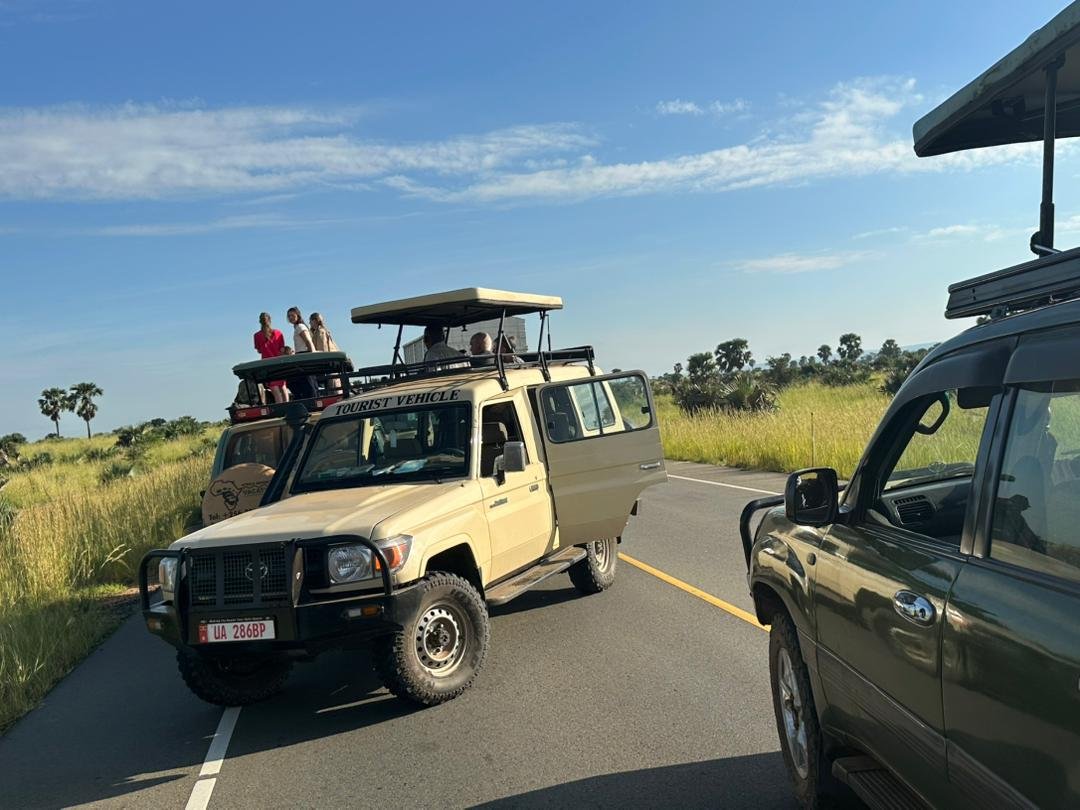
10 Days Uganda Primates and Wildlife
This 10-day Uganda Grand Safari is the most complete Uganda itinerary we offer at Pick and Transfer Safaris. It begins with a scenic northward drive from Entebbe to the vast open plains of Murchison
Tour Details →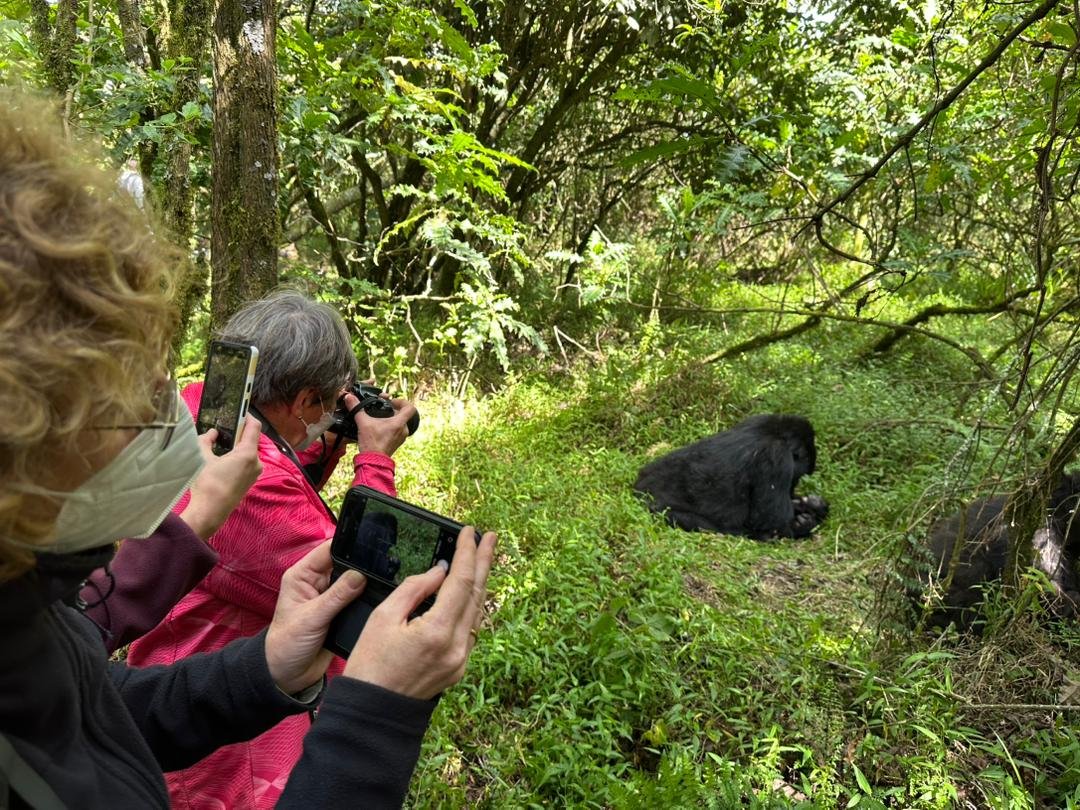
2 Days Uganda Gorilla Tour Starting from Kigali
This is the gentler cousin of our 1-Day Uganda Gorilla Safari Starting from Kigali — same idea, twice the breathing room. Instead of squeezing a 3,000-metre forest trek and two border crossings into a single very long day
Tour Details →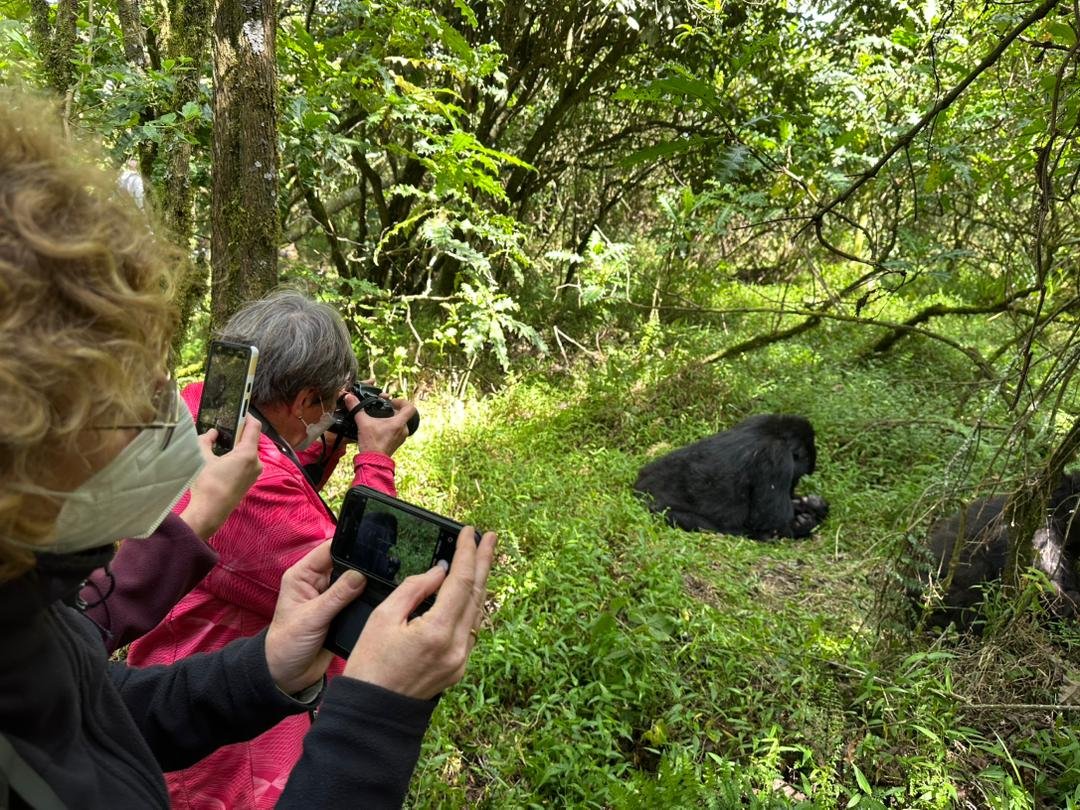
5-Day Uganda Gorilla and Chimpanzee Safari
This itinerary can be combined with a Rwanda extension or a wildlife-focused add-on through Queen Elizabeth National Park — browse our Uganda & Rwanda Safaris and Primate Safaris collections for ideas.
Tour Details →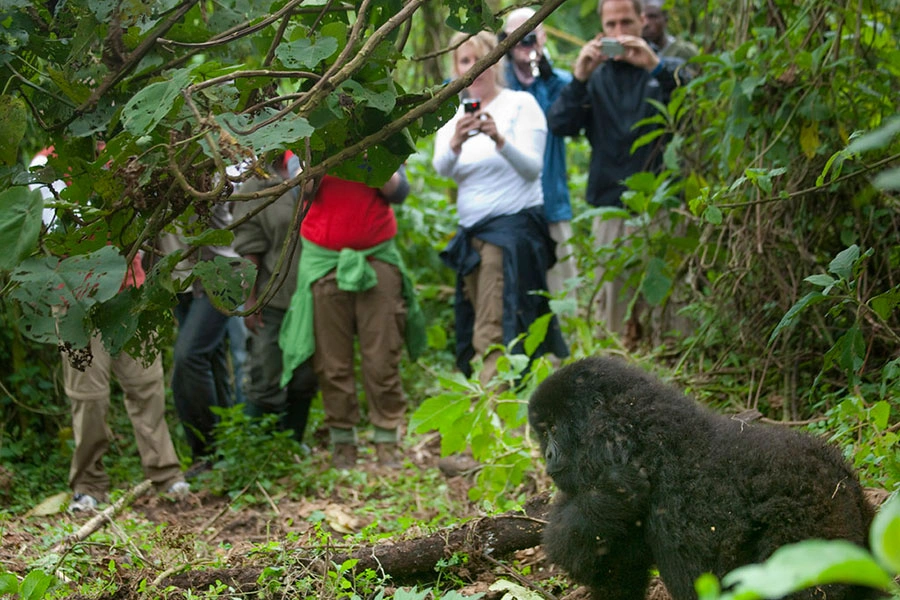
5 Days Rwanda Wildlife and Gorillas
This 5-day itinerary brings together Rwanda’s two flagship wildlife experiences: open savannah game drives and a boat safari in Akagera National Park, followed by a face-to-face encounters
Tour Details →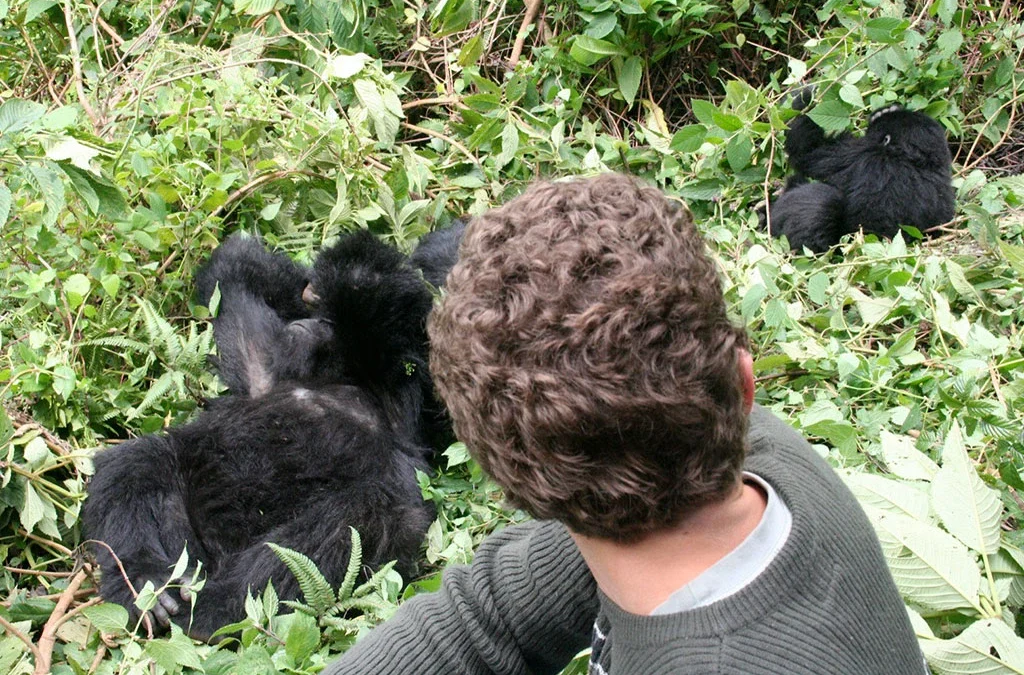
3 Days Uganda Gorilla Safari
For travelers who arrive in Entebbe with a tight schedule and a clear ambition, a 3-day gorilla safari to Bwindi Impenetrable Forest National Park is the most focused and rewarding short trip the country has to offer.
Tour Details →