- LET'S PLAN YOUR SAFARI
- +256 200 921 002
- +256 793 194 703
- info@pickandtransfersafaris.com

6 Days Gorilla and Chimpanzee Safari in Uganda
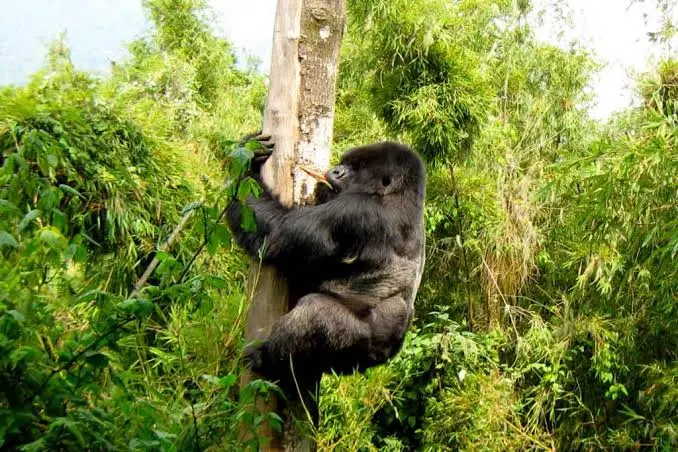
6 Days Gorilla and Chimpanzee Safari in Uganda is the most rewarding way to meet Africa’s two great apes on one trip. In less than a week, you track wild chimpanzees in Kibale Forest, cruise the Kazinga Channel among hippos and elephants, search for tree-climbing lions in Ishasha, and finally sit within meters of a mountain gorilla family in Bwindi Impenetrable Forest.
Few countries on earth can offer this combination in such a short time. Uganda is home to roughly half of the world’s remaining mountain gorillas and more than 5,000 chimpanzees, and its main primate parks sit along one scenic route in the west of the country. That makes a six-day itinerary the sweet spot: long enough to enjoy each park without rushing, short enough to fit into a busy holiday calendar.
At Pick and Transfer Safaris, we design affordable, well-paced primate tours for budget and mid-range travellers. This guide walks you through the full day-by-day itinerary, what each experience feels like, how much permits cost in 2026, the best time to travel, what to pack, and how to book. Whether this is your first African safari or your fifth, you will finish this article knowing exactly how to plan your trip.
What Is a 6 Days Gorilla and Chimpanzee Safari in Uganda?
A 6 days gorilla and chimpanzee safari in Uganda is a guided road trip through the country’s western circuit, combining three headline experiences: chimpanzee tracking, a classic savannah game safari, and mountain gorilla trekking. You travel in a private 4×4 safari vehicle with an English-speaking driver-guide, staying in lodges near each park.
The standard route runs from Entebbe or Kampala to Kibale Forest National Park for chimps, then south to Queen Elizabeth National Park for wildlife, and finally to Bwindi Impenetrable National Park for gorillas. On day six you return to Entebbe, or cross into Rwanda and fly out of Kigali, which is often closer to Bwindi.
If you have less time, our 5-Day Uganda Gorilla and Chimpanzee Safari covers the two apes in a tighter schedule. For comparison, Kenlink Tours runs a similar 5 Days Gorilla and Chimpanzee Tracking Tour that shows how the route works in five days. The sixth day, however, is what lets you add the Queen Elizabeth game drives and boat cruise without long, tiring drives.
Who Is This Uganda Primate Safari For?
This safari suits first-time visitors to Africa, wildlife photographers, couples, families with children over 15 (the minimum age for gorilla trekking), and nature lovers who want more than the usual Big Five. It works well for solo travellers too, since your driver-guide handles every transfer, permit and lodge check-in.
You do not need to be an athlete. A reasonable level of fitness and the willingness to walk on muddy forest trails for a few hours is enough. We explain how to prepare later in this guide.
Why Uganda Is the Best Country for a Gorilla and Chimpanzee Safari
Uganda is often called the Pearl of Africa, and for primate lovers the name fits perfectly. No other country offers mountain gorillas, chimpanzees and classic savannah wildlife within a single, easy-to-drive circuit. Here is why travellers choose Uganda over its neighbours.
1. More gorilla families to visit. Bwindi Impenetrable National Park and Mgahinga Gorilla National Park together host over 20 habituated gorilla families spread across five trekking sectors. More families mean more permits and more flexibility with dates.
2. Better value permits. A Uganda gorilla permit costs USD 800 for foreign non-residents, compared with USD 1,500 in Rwanda. For a couple, that saving alone can cover several nights of lodge accommodation.
3. The primate capital of the world. Kibale Forest has one of the highest densities of primates in Africa, with 13 species including chimpanzees, red colobus, black-and-white colobus and L’Hoest’s monkeys. Chimp tracking success rates in Kibale are consistently above 90%.
4. Big game on the way. Queen Elizabeth National Park sits right between Kibale and Bwindi. Instead of a long empty drive, you get elephants, buffalo, lions, leopards, hippos and over 600 bird species as a bonus.
5. Warm people and rich culture. Ugandans are known for their friendliness. Along the route you pass tea plantations, crater lakes, banana farms and village markets, and you can add community walks to meet local families.
To learn more about the country before you travel, the Kenlink Tours Uganda destination guide gives a good overview of the national parks, climate and culture.
Mountain Gorillas vs Chimpanzees: Two Very Different Encounters
Many travellers ask whether it is worth doing both apes. The answer is yes, because the experiences could not be more different.
Mountain gorillas are calm, gentle giants. A silverback can weigh over 200 kg, yet he will usually sit quietly feeding on leaves while the youngsters tumble and play nearby. Once your group finds the family, you spend one magical hour watching them at a distance of about seven metres. The mood is peaceful, almost meditative.
Chimpanzees are loud, fast and full of drama. They share about 98% of our DNA, and you see it in their behaviour: hugging, grooming, arguing, drumming on tree buttresses and screaming pant-hoots through the forest. Tracking them often means hurrying along trails as the community moves through the canopy. It is energetic and thrilling.
Doing both on a 6 days gorilla and chimpanzee safari in Uganda gives you the full picture of great ape life, from the quiet strength of the gorilla to the restless intelligence of the chimp.
6 Days Uganda Safari Itinerary at a Glance
| Day | Route | Main activity | Overnight |
|---|---|---|---|
| 1 | Entebbe / Kampala to Fort Portal | Scenic drive west, tea plantations | Kibale area |
| 2 | Kibale Forest | Chimpanzee tracking + Bigodi Wetland walk | Kibale area |
| 3 | Kibale to Queen Elizabeth | Afternoon Kazinga Channel boat cruise | Queen Elizabeth |
| 4 | Queen Elizabeth to Bwindi via Ishasha | Morning game drive, tree-climbing lions | Bwindi |
| 5 | Bwindi Impenetrable Forest | Mountain gorilla trekking | Bwindi |
| 6 | Bwindi to Entebbe or Kigali | Departure transfer | End of tour |
This route can also run in reverse, or start and end in Kigali if you prefer to fly into Rwanda. Many of our guests choose Kigali because the drive to Bwindi is much shorter; our Uganda gorilla safaris starting from Kigali are built around that advantage.
Day 1: Entebbe or Kampala to Kibale Forest National Park
Your 6 days gorilla and chimpanzee safari in Uganda begins with a morning pick-up from your hotel in Entebbe or Kampala, or directly from Entebbe International Airport. After a short briefing from your driver-guide, you head west on the Kampala–Fort Portal highway.
The drive takes about five to six hours, but it is far from boring. You pass papyrus swamps, roadside markets selling roasted plantain and fresh fruit, and the rolling hills of Mubende. As you approach Fort Portal, the landscape turns bright green with endless tea plantations framed by the Rwenzori Mountains, the legendary Mountains of the Moon.
You stop for lunch in Fort Portal, one of Uganda’s prettiest towns, then continue to your lodge near Kibale Forest or the nearby crater lakes. If time allows, take a short evening walk around the Ndali-Kasenda crater lakes, where volcanic craters filled with blue water create some of the most beautiful views in East Africa.
Dinner and overnight at your lodge in the Kibale area.
Meals: Lunch, Dinner | Drive time: 5–6 hours
Day 2: Chimpanzee Tracking in Kibale Forest and Bigodi Wetland Walk
Today is your first great ape encounter. After an early breakfast, you drive to the Kanyanchu Visitor Centre for a briefing by Uganda Wildlife Authority rangers at 8:00 am. Groups of up to eight people are assigned to a ranger and set off into the forest.
You often hear the chimps before you see them. Loud pant-hoots echo through the trees, and your ranger follows the calls along narrow trails. Once you find the community, you spend one full hour watching them feed on figs, groom each other, swing between branches or settle disputes with dramatic displays. Sightings are usually close, and photography opportunities are excellent when the chimps come down to the forest floor.
Beyond the chimps, keep your eyes open for red colobus monkeys, grey-cheeked mangabeys, blue monkeys and colourful birds such as the great blue turaco. Kibale is a true primate paradise.
After lunch, join a guided community walk through the Bigodi Wetland Sanctuary. This four-kilometre trail follows boardwalks through a papyrus swamp managed by the local community. It is one of the best places in Uganda to see the great blue turaco, along with eight primate species and more than 200 birds. Your fee directly supports local schools and conservation.
If you want to spend more time with the chimps, you can upgrade to the Chimpanzee Habituation Experience, which allows up to four hours with a community still getting used to humans. Ask us when booking. For travellers who only want chimps, our 3 Days Chimpanzee Tour in Uganda focuses entirely on Kibale. Kenlink Tours also offers a dedicated 3-Day Chimpanzee Tracking Safari and a 3 Days Chimp Tracking Safari to Kibale National Park if you are comparing options.
Dinner and overnight at your lodge.
Meals: Breakfast, Lunch, Dinner | Activity: Chimpanzee tracking (2–4 hours)
Day 3: Kibale to Queen Elizabeth National Park and Kazinga Channel Boat Cruise
After breakfast, you drive south for about three hours to Queen Elizabeth National Park, crossing the Equator along the way. Stop for photos at the Equator marker and enjoy the views of the Rift Valley escarpment as you descend onto the park’s savannah plains.
Queen Elizabeth is known as the Medley of Wonders. Its open grasslands, crater lakes, swamps and forests support nearly 100 mammal species and more than 600 bird species, making it one of the most biodiverse parks in Africa.
After checking in and enjoying lunch at your lodge, you head to Mweya Peninsula for the highlight of the day: a two-hour boat cruise on the Kazinga Channel. This 32-kilometre natural channel connects Lake George and Lake Edward and attracts huge numbers of animals coming to drink. Expect to see hundreds of hippos, large herds of buffalo, elephants bathing at the water’s edge, Nile crocodiles basking on the banks, and an incredible variety of water birds including pelicans, African fish eagles, kingfishers and open-billed storks.
The boat cruise is relaxed, rewarding and ideal for photography, especially in the soft late-afternoon light. Dinner and overnight at your lodge in Queen Elizabeth.
If you would like more time in this park, our 3 Days Safari to Queen Elizabeth National Park is a great stand-alone trip, and Kenlink Tours’ 3 Days Queen Elizabeth National Park wildlife encounter follows a similar format.
Meals: Breakfast, Lunch, Dinner | Drive time: About 3 hours
Day 4: Morning Game Drive and Transfer to Bwindi via Ishasha
Wake up early for a sunrise game drive on the Kasenyi plains, the best area in the park for predators. Early morning is when lions are most active, hunting Uganda kob that graze in large herds. You may also spot leopards, spotted hyenas, warthogs, waterbucks, elephants and buffalo. Your guide knows the tracks well and will position the vehicle for the best views.
After breakfast, you drive south through the remote Ishasha sector, famous for its tree-climbing lions. Unlike most lions, the Ishasha prides often rest in the branches of large fig and acacia trees during the heat of the day. Spotting a lion lounging on a branch is one of the most memorable sights of any Uganda safari.
From Ishasha, the road climbs into the misty hills of southwestern Uganda. Terraced farms cling to steep slopes, and the forest of Bwindi appears on the horizon like a dark green blanket. You arrive at your lodge in the late afternoon, in time to relax and prepare for tomorrow’s trek.
Dinner and overnight at your lodge near your gorilla trekking sector.
Meals: Breakfast, Lunch, Dinner | Drive time: 4–5 hours with game viewing
Day 5: Mountain Gorilla Trekking in Bwindi Impenetrable Forest
This is the day you have been waiting for. After an early breakfast, you report to the park headquarters of your trekking sector (Buhoma, Ruhija, Rushaga or Nkuringo) by 7:30 am. Rangers give a briefing on gorilla etiquette and safety, then divide trekkers into groups of a maximum of eight people, each assigned to one habituated gorilla family.
The trek itself can take anywhere from one to six hours, depending on where the gorillas spent the night. Trackers go ahead early to locate the family and radio their position to your ranger. Trails wind through thick vegetation, bamboo and steep valleys. Porters are available at the starting point, and we strongly recommend hiring one. They carry your bag, help you on slippery slopes, and the fee supports local families.
When you finally reach the gorillas, everything else fades away. You spend one unforgettable hour watching the silverback, mothers cradling infants, and curious juveniles playing just a few metres away. Every visit is different. Some families are feeding, some are resting, and sometimes a young gorilla walks right past you. It is a deeply emotional experience that most travellers describe as the best hour of their lives.
After the trek, you receive a gorilla trekking certificate. Return to the lodge for a late lunch and rest. In the afternoon, you can join an optional Batwa cultural experience or a community walk to learn about the forest people who once lived inside Bwindi.
For a short gorilla-only trip, see our 3 Days Uganda Gorilla Safari, or compare with the 3-Day Uganda Gorillas Safari from Kenlink Tours.
Meals: Breakfast, Lunch, Dinner | Activity: Gorilla trekking (2–8 hours)
Day 6: Return to Entebbe or Transfer to Kigali
After a relaxed breakfast, your 6 days gorilla and chimpanzee safari in Uganda comes to an end. You have two options for the final day.
Option 1: Return to Entebbe. Drive back to Entebbe or Kampala via Mbarara, with a lunch stop and a photo stop at the Equator in Kayabwe. The drive takes about nine to ten hours, so we recommend booking an evening or late-night international flight. Alternatively, you can take a scheduled domestic flight from Kihihi or Kisoro airstrip to Entebbe in about one hour.
Option 2: Transfer to Kigali. Cross into Rwanda through the Katuna or Cyanika border and reach Kigali in about four to five hours. This is a much shorter journey and lets you catch a same-day flight home or extend your trip with a Kigali city tour. Our 2 Days Uganda Gorilla Tour Starting from Kigali shows how well this route works.
You can also extend your journey with a visit to Volcanoes National Park in Rwanda for golden monkeys, or relax at Lake Bunyonyi for a few days before flying home.
Meals: Breakfast, Lunch | End of the safari
Uganda Gorilla and Chimpanzee Permit Costs in 2026
Permits are the biggest fixed cost of any primate safari, and they must be booked in advance. All permits in Uganda are issued by the Uganda Wildlife Authority (UWA), and foreign visitors book them through a licensed tour operator such as Pick and Transfer Safaris.
| Permit | Foreign non-resident | Foreign resident | Time with the apes |
|---|---|---|---|
| Gorilla trekking (Bwindi / Mgahinga) | USD 800 | USD 700 | 1 hour |
| Gorilla habituation (Rushaga, Bwindi) | USD 1,500 | Ask us | Up to 4 hours |
| Chimpanzee tracking (Kibale) | USD 250 | USD 200 | 1 hour |
| Chimpanzee habituation (Kibale) | USD 300 | Ask us | Up to 4 hours |
Permit prices include park entry for the day of the activity and the services of an armed UWA ranger. In 2026, UWA also introduced discounted low-season gorilla and chimpanzee permits for April, May and November. Rates and rules can change, so contact us for the latest prices before you book.
Gorilla permits sell out months ahead for June to September and December to February. We recommend booking at least four to six months in advance, and earlier if you are travelling as a group.
How Much Does a 6 Days Gorilla and Chimpanzee Safari in Uganda Cost?
The total cost depends on your accommodation level, group size and season. As a guide, here is what a person sharing with one other traveller can expect to pay, including permits:
| Safari level | Estimated price per person (2 people) | Accommodation style |
|---|---|---|
| Budget | USD 2,000 – 2,600 | Clean guesthouses and simple lodges |
| Mid-range | USD 2,700 – 3,600 | Comfortable lodges with en-suite rooms |
| Luxury | USD 4,500 and above | Exclusive eco-lodges with premium service |
Typically included: gorilla and chimpanzee permits, park entrance fees, Kazinga Channel boat cruise, game drives, private 4×4 safari vehicle with fuel, English-speaking driver-guide, accommodation, meals as listed, bottled drinking water and airport transfers.
Typically excluded: international flights, Uganda visa (USD 50, or the East Africa Tourist Visa at USD 100), travel insurance, porter fees (around USD 20), tips, drinks, and optional activities such as the Batwa experience.
Larger groups pay less per person because the vehicle and guide costs are shared. Pick and Transfer Safaris specialises in affordable trips, and we are happy to adjust any itinerary to match your budget. You can browse all our safaris to compare prices and durations.
Best Time for a Gorilla and Chimpanzee Safari in Uganda
Gorilla trekking and chimp tracking run all year round, but the weather affects your experience.
Dry seasons (June to September and December to February): These are the most popular months. Trails are drier and easier to walk, game viewing in Queen Elizabeth is excellent as animals gather near water, and photography conditions are good. The downside is higher demand for permits and lodges.
Wet seasons (March to May and October to November): Rain makes forest trails muddy and slippery, but the landscape is lush and green, there are fewer visitors, and lodges often offer discounts. With the new low-season permit rates in April, May and November, this can be the best-value time to travel. Rain usually falls in short heavy showers rather than all day.
Because Bwindi is a rainforest, it can rain at any time of year. Pack a rain jacket no matter when you travel.
What to Pack for Gorilla and Chimpanzee Trekking
Packing the right gear makes your trek far more comfortable. Here is a practical checklist:
- Waterproof hiking boots with good ankle support, already worn in
- Lightweight long-sleeved shirts and long trousers to protect against nettles and insects
- Gardening gloves for gripping branches and vines
- A light rain jacket or poncho
- Gaiters or long socks to tuck trousers into, keeping out safari ants
- A small daypack with a waterproof cover
- At least two litres of drinking water and energy snacks
- Insect repellent and sunscreen
- A camera with spare batteries and memory cards (no flash allowed)
- Binoculars for birds and monkeys in the canopy
- A warm fleece for cool evenings in Bwindi and Fort Portal
- Your passport, yellow fever vaccination certificate and printed permit details
Neutral colours such as green, khaki and brown are best in the forest. Avoid bright colours and strong perfumes.
How Fit Do You Need to Be for Gorilla Trekking?
You do not need to be a marathon runner, but gorilla trekking is a real hike. Bwindi sits between 1,160 and 2,600 metres above sea level, and trails often involve steep climbs, muddy descents and thick undergrowth. A trek can last from one hour to most of the day.
To prepare, take regular walks or hikes in the weeks before your trip, ideally on hills or stairs. When booking, let us know your fitness level. Rangers try to match trekkers with gorilla families that suit their ability, and older travellers or those with limited mobility can request a closer family or use a sedan chair carried by local porters.
Chimpanzee tracking in Kibale is generally easier, on flatter trails at a lower altitude, though you may need to move quickly when the chimps are travelling.
Gorilla and Chimpanzee Trekking Rules and Etiquette
These rules protect both you and the apes, who are vulnerable to human diseases:
- Minimum age is 15 years for gorilla trekking and 12 years for chimpanzee tracking
- Keep a distance of at least seven to eight metres from the apes
- Do not trek if you have a cold, flu or any contagious illness
- Wear a face mask when instructed by your ranger
- Do not eat, drink or smoke near the apes
- Keep your voice low and avoid sudden movements
- No flash photography
- If a gorilla charges, stay still, look down and follow the ranger’s instructions
- Never leave rubbish in the forest
Following these guidelines ensures a safe experience and helps keep these endangered animals healthy for future generations.
Where You Stay: Accommodation on Your 6 Days Uganda Safari
Every park on this route offers lodges for every budget, so you can choose the comfort level that suits you.
Kibale Forest: Options range from simple bandas and guesthouses near Bigodi to charming crater-lake lodges with views over the Rwenzori Mountains. Staying near the Kanyanchu Visitor Centre keeps your morning drive to the chimp briefing short.
Queen Elizabeth National Park: Lodges sit on the Mweya Peninsula, along the Kazinga Channel or on the edge of the crater lakes. Many have open decks where you can watch elephants and hippos from your dinner table.
Bwindi Impenetrable Forest: It is important to stay near the sector where your gorilla permit is booked, because the road between sectors can take several hours. Lodges range from community-run guesthouses to luxury forest lodges.
If your permit is in the southern sectors of Rushaga or Nkuringo, or in Mgahinga, our own Ikoro Hotel in Kisoro is a comfortable, friendly base. It sits opposite Nyakabande Airstrip at the foot of the Virunga volcanoes, about 15 km from Mgahinga and 36 km from Bwindi.
Ways to Extend or Customise Your Gorilla and Chimpanzee Safari
The beauty of a private safari is flexibility. Here are popular ways to adapt the 6 days gorilla and chimpanzee safari in Uganda:
- Add Murchison Falls. Watch the Nile explode through a seven-metre gorge in Murchison Falls National Park, Uganda’s largest park. Our 7 Days Uganda Safari – One Week Tour and Kenlink Tours’ 7 Days Gorilla and Wildlife Safari are good examples of longer routes.
- Go deeper with ten days. Our 10 Days Uganda Primates and Wildlife safari covers almost every highlight, while Kenlink Tours’ 10 Days Best of Primate and Culture adds strong cultural content.
- A slightly longer primate trip. The 8-Day Uganda Gorilla Chimpanzee and Wildlife Safari adds Lake Mburo or Lake Bunyonyi to the same core route.
- Shorter options. If you have only four or five days, consider our 4 Days Wildlife and Primate Safari, or Kenlink Tours’ 4 Days Uganda Primate Tour and 5 Days Chimps and Gorilla Safari.
- Start from Rwanda. Fly into Kigali and join our 5 Days Uganda Gorilla and Chimps Safari Starting from Rwanda to save hours of driving.
- Drive yourself. Prefer independence? Hire a well-maintained 4×4 and follow the same route at your own pace. Kenlink Tours offers 4×4 car hire in Uganda with or without a driver.
You can also add wildlife-only extensions from our wildlife safaris collection, or explore all our Uganda and Rwanda destinations for more ideas.
Why Book Your Uganda Gorilla and Chimpanzee Safari with Pick and Transfer Safaris
Choosing the right operator makes a huge difference to your safari. Here is what you get when you travel with us:
- Affordable prices. Our company was founded to make East African adventures accessible to budget and mid-range travellers, without cutting corners on quality.
- Local experts based in Kisoro. We live and work next to the gorilla parks. Our guides know the trails, the lodges and the rangers personally.
- Guaranteed permits. As a licensed operator, we secure your gorilla and chimpanzee permits directly with UWA as soon as you confirm.
- Private, tailor-made trips. Every itinerary can be adjusted to your dates, interests, fitness and budget.
- Reliable 4×4 vehicles. Our safari vehicles are well maintained, with pop-up roofs for game viewing and charging points for cameras.
- Responsible tourism. Part of our profits supports orphans and community projects through the Kigezi Foundation.
Read more about us and the team behind your journey.
Frequently Asked Questions About a 6 Days Gorilla and Chimpanzee Safari in Uganda
Is it possible to see gorillas and chimpanzees in one trip? Yes. Kibale Forest (chimpanzees) and Bwindi (gorillas) are connected by a scenic road through Queen Elizabeth National Park, making Uganda the easiest country in the world to see both apes on one safari.
How close do you get to the gorillas? The official guideline is seven metres, but gorillas do not read the rules. Young gorillas sometimes come closer out of curiosity. Your ranger will guide you on when to step back.
Is gorilla trekking safe? Yes. Habituated gorilla families are used to human visitors, and every group is accompanied by experienced rangers and armed guards. Uganda’s national parks are well protected and visited by thousands of tourists every year.
What if I do not see the gorillas or chimps? Sightings of gorillas are almost guaranteed, at over 95%. Chimpanzee sightings in Kibale are above 90%. In the rare case of a missed chimp sighting, rangers will often arrange a repeat trek.
Do I need a visa and vaccinations? Most visitors need a Uganda e-visa, applied for online before travel. A yellow fever vaccination certificate is required on entry. Malaria prevention is strongly recommended, so speak to your doctor before you travel.
Can children join the safari? Children of all ages can join the game drives and boat cruise, but the minimum age is 15 for gorilla trekking and 12 for chimpanzee tracking.
Should I fly or drive? Driving lets you enjoy the scenery and wildlife between parks. Domestic flights to Kihihi or Kisoro save time on the first or last day if you prefer.
Plan Your 6 Days Gorilla and Chimpanzee Safari in Uganda Today
A 6 days gorilla and chimpanzee safari in Uganda delivers more unforgettable moments than almost any other week-long trip in Africa. You will hear chimpanzees calling through Kibale’s ancient forest, watch elephants and hippos from the Kazinga Channel, search for lions resting in Ishasha’s fig trees, and finish with an emotional hour in the company of mountain gorillas in Bwindi.
Permits are limited, especially in the peak months, so early planning is the key to securing your preferred dates. Tell us when you want to travel, how many people are in your group and your preferred comfort level, and our team will send you a tailored itinerary and quote within 24 hours.
Contact Pick and Transfer Safaris today to start planning your Uganda primate adventure. We plan, you explore.
7 Days Uganda Safari – One week tour
This 7-day itinerary is the classic one-week introduction to Uganda, covering the country’s three most iconic wildlife experiences: chimpanzee tracking in Kibale Forest National Park, Big Five game drives and a boat cruise in Queen
Tour Details →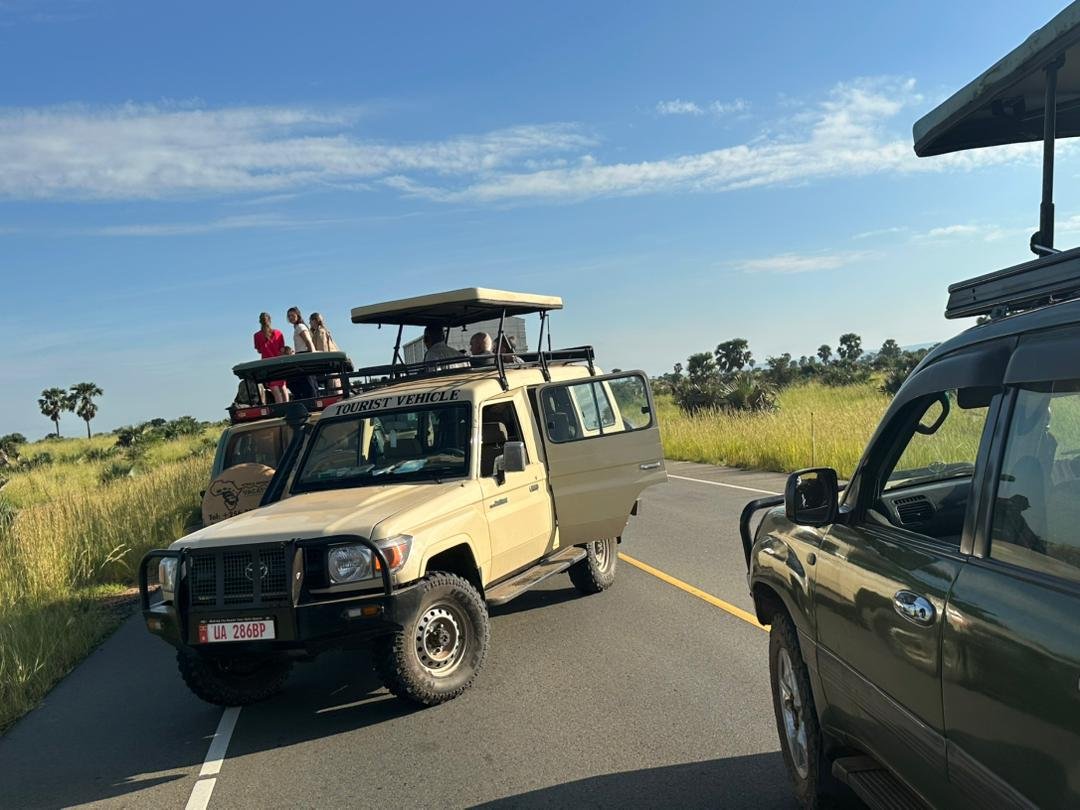
10 Days Uganda Primates and Wildlife
This 10-day Uganda Grand Safari is the most complete Uganda itinerary we offer at Pick and Transfer Safaris. It begins with a scenic northward drive from Entebbe to the vast open plains of Murchison
Tour Details →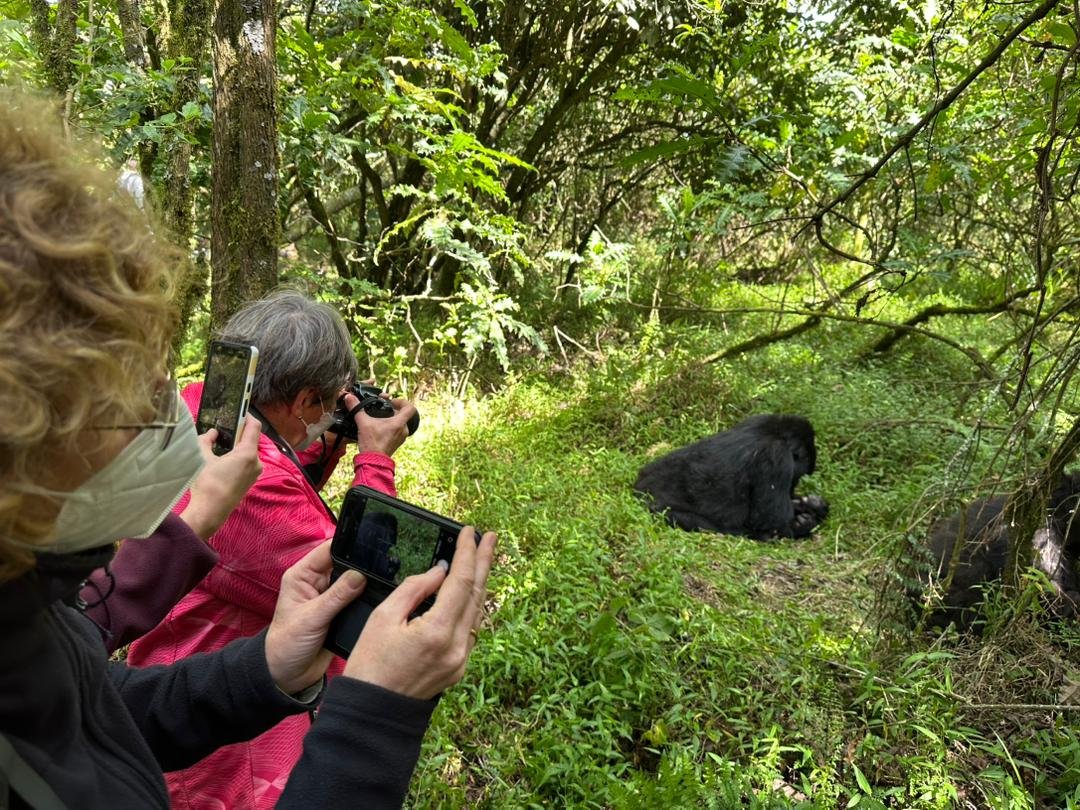
2 Days Uganda Gorilla Tour Starting from Kigali
This is the gentler cousin of our 1-Day Uganda Gorilla Safari Starting from Kigali — same idea, twice the breathing room. Instead of squeezing a 3,000-metre forest trek and two border crossings into a single very long day
Tour Details →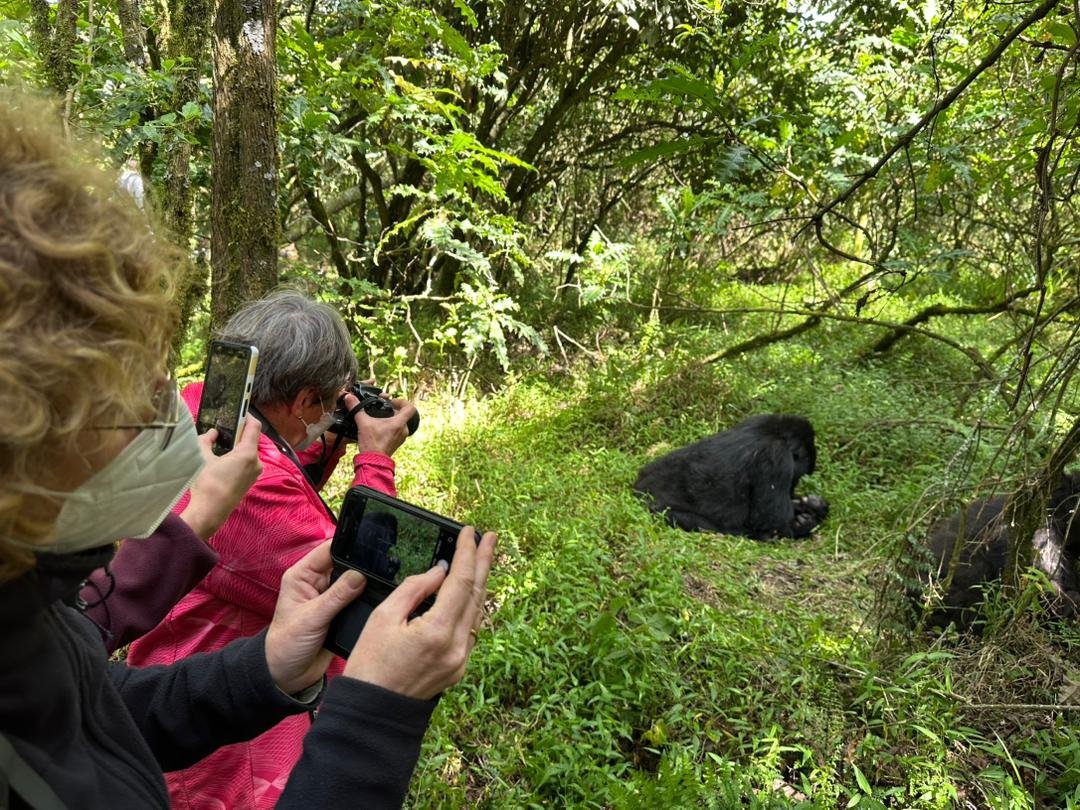
5-Day Uganda Gorilla and Chimpanzee Safari
This itinerary can be combined with a Rwanda extension or a wildlife-focused add-on through Queen Elizabeth National Park — browse our Uganda & Rwanda Safaris and Primate Safaris collections for ideas.
Tour Details →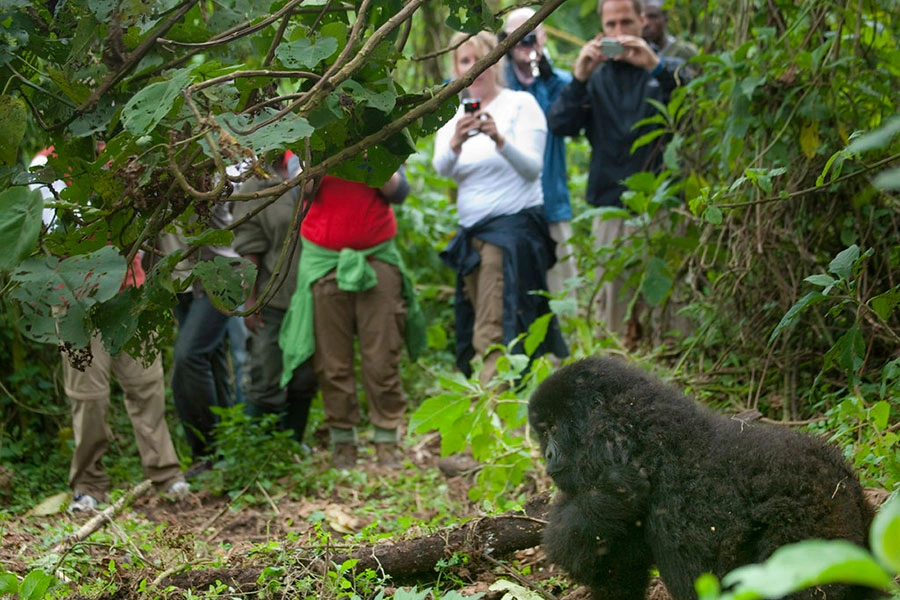
5 Days Rwanda Wildlife and Gorillas
This 5-day itinerary brings together Rwanda’s two flagship wildlife experiences: open savannah game drives and a boat safari in Akagera National Park, followed by a face-to-face encounters
Tour Details →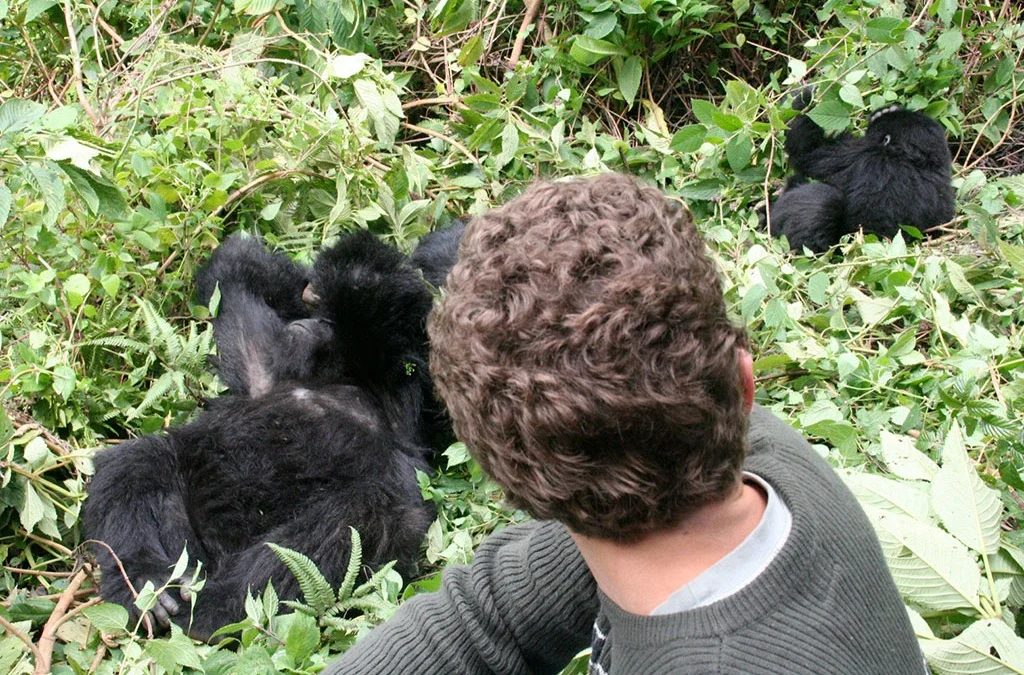
3 Days Uganda Gorilla Safari
For travelers who arrive in Entebbe with a tight schedule and a clear ambition, a 3-day gorilla safari to Bwindi Impenetrable Forest National Park is the most focused and rewarding short trip the country has to offer.
Tour Details →