- LET'S PLAN YOUR SAFARI
- +256 200 921 002
- +256 793 194 703
- info@pickandtransfersafaris.com

How Many Hours Does It Take to Drive from Kigali to Bwindi?
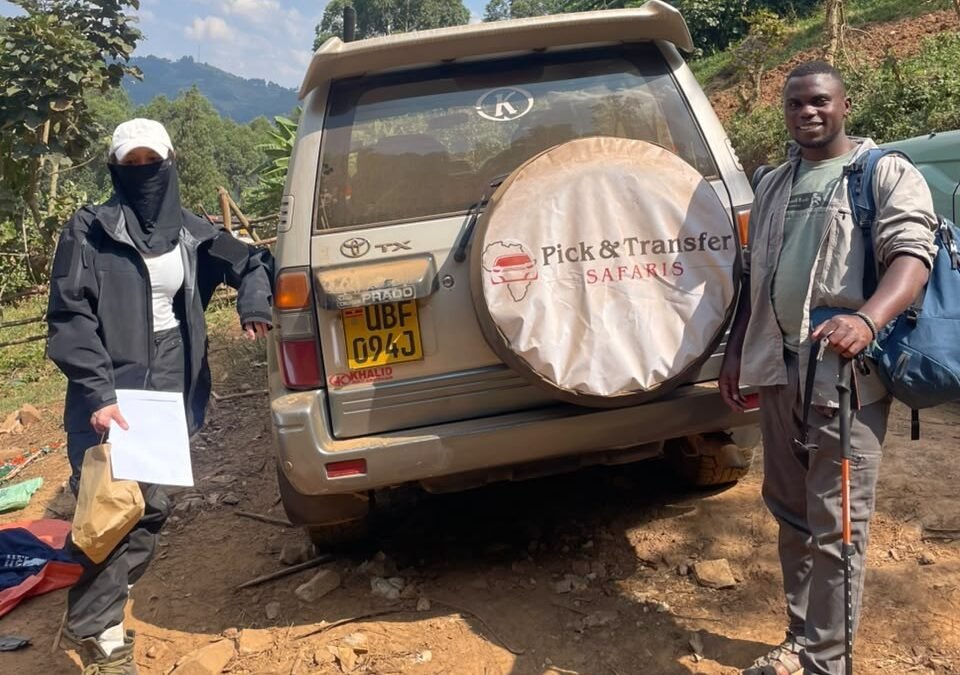
Travelers typically take four to six hours to drive from Kigali to Bwindi Impenetrable National Park, depending on the trekking sector and border crossing used. This manageable half-day journey is why many choose to fly into Kigali over Entebbe International Airport for gorilla trekking. The guide provides detailed information on routes, sectors, and border posts to help plan your itinerary with accurate travel times.
The Short Answer: 4 to 6 Hours, Depending on the Route
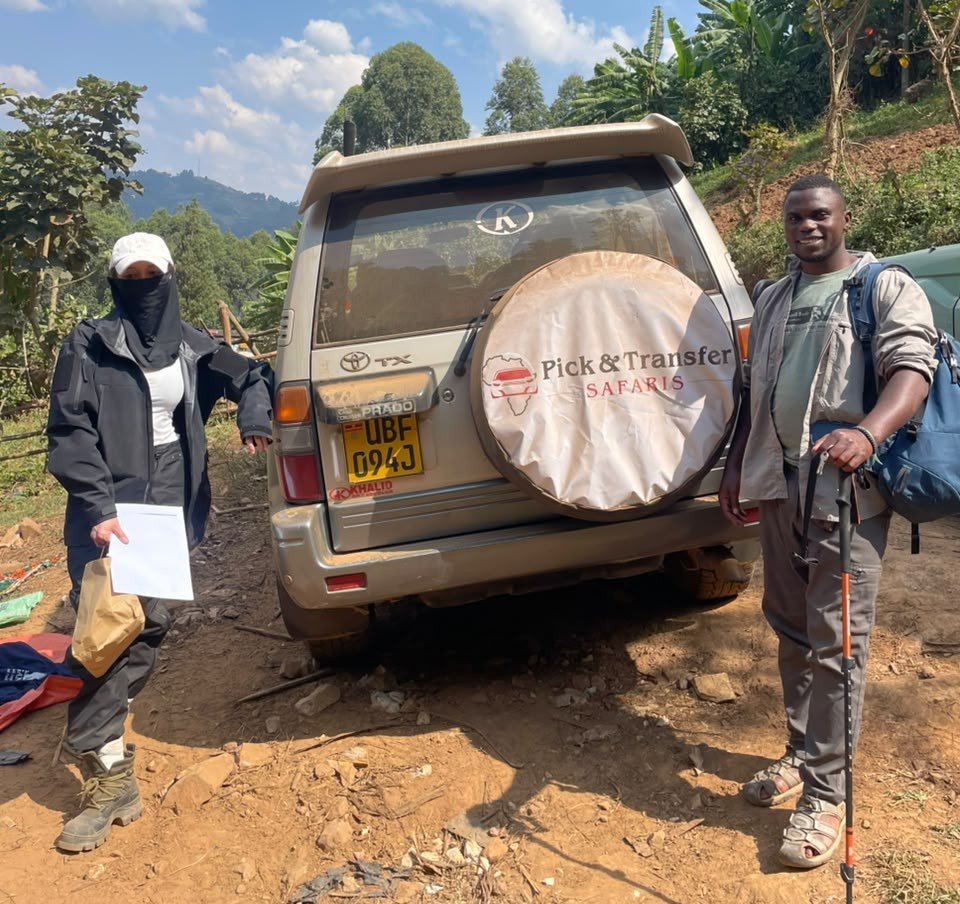
Understanding the Drive: How Many Hours Does It Take to Drive from Kigali to Bwindi?
For most travelers heading to Bwindi’s southern sectors — Rushaga or Nkuringo — from Kigali, the drive takes around four hours door to door, including the border crossing itself. For the more northern sectors, Ruhija and Buhoma, the drive stretches to five or six hours, since they sit farther from the border and require additional driving time once you’re inside Uganda. Total road distance ranges from roughly 160 to 250 kilometers depending on the specific sector and border post used, which, on the region’s mix of paved and unpaved mountain roads, translates into the hours quoted above.
These numbers assume a private vehicle with an experienced driver-guide, a standard mid-morning departure, and no major delays at the border. It’s worth treating four to six hours as a realistic planning range rather than a fixed number, since actual drive time shifts a little depending on the specific sector your gorilla permit is booked for, road conditions on the day, and how long the border crossing itself takes.
Why the Drive Time Varies: It Depends on Which Bwindi Sector You’re Visiting
Bwindi Impenetrable National Park isn’t a single point on the map — it’s a large forest reserve divided into four separate trekking sectors, each with its own access road and its own habituated gorilla families. Your gorilla permit is booked for a specific sector, and that sector determines your actual drive time from Kigali far more than anything else. Rushaga and Nkuringo, in the park’s southern section, sit closest to the Rwanda border and are consistently the fastest sectors to reach. Ruhija and Buhoma, farther north, add extra driving time once you’ve crossed into Uganda.
This is one of the most important things to understand before booking a Kigali-based itinerary: two travelers both flying into Kigali and both trekking in Bwindi can have meaningfully different drive times simply based on which sector their permit happens to be assigned to. If a shorter drive matters to you, it’s worth telling your operator that preference early, since Rushaga and Nkuringo permits can often be prioritized specifically for Kigali-based travelers.
Two Border Crossings, Two Different Routes
Travelers driving from Kigali to Bwindi cross into Uganda through one of two land border posts: Katuna (also called Gatuna) or Cyanika (also spelled Kyanika). Both are legitimate, well-used tourism border crossings, and which one your driver chooses depends primarily on which Bwindi sector you’re heading to. Understanding both routes helps make sense of why quoted drive times vary so much across different sources online.
Route 1: Kigali to Bwindi via the Katuna (Gatuna) Border
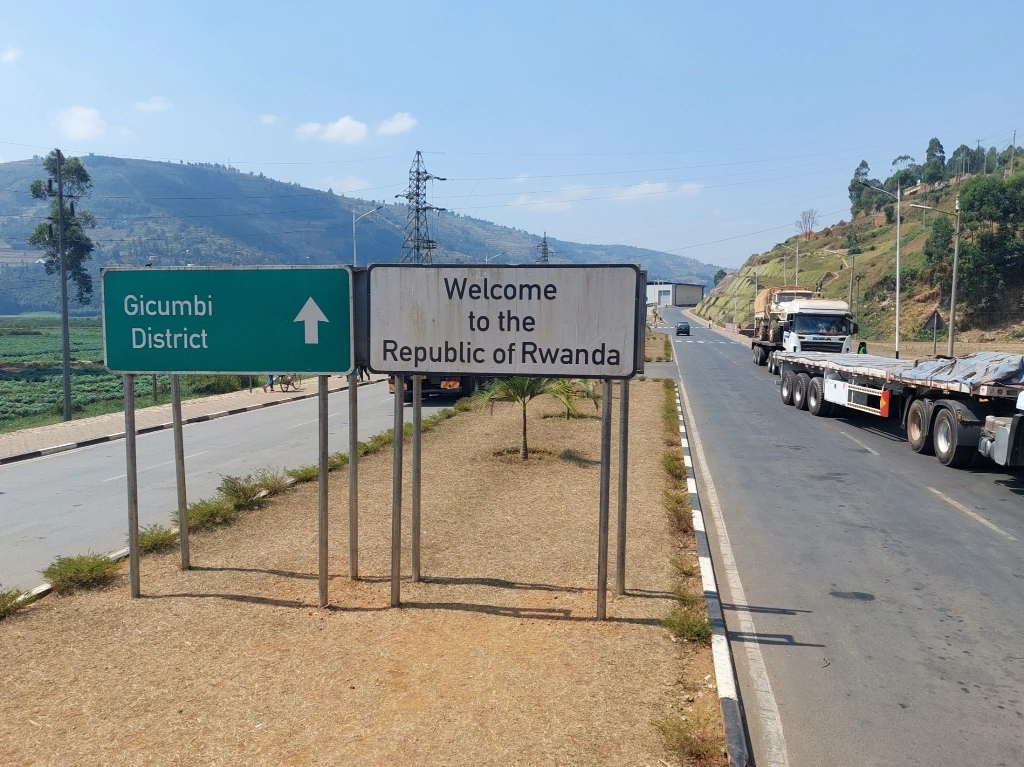
The Katuna border crossing is roughly 80 kilometers from Kigali, a drive of about two hours along a well-paved road. After crossing into Uganda, the route continues through Kabale town before heading toward Bwindi’s various sectors. This route is the more commonly used option for travelers heading to the Ruhija, Rushaga, Nkuringo, or Buhoma sectors, since Kabale functions as something of a hub town for onward routes into the park.
From the Katuna border, the additional drive time to each sector varies: roughly two hours on to Ruhija, around two and a half hours to Rushaga, closer to three and a half hours to Nkuringo, and three to four hours further on to Buhoma in the park’s north. Adding the initial two-hour drive from Kigali to the border, total journey times on this route generally fall in the four-to-six-hour range depending on the final sector.
Route 2: Kigali to Bwindi via the Cyanika Border
The Cyanika border crossing sits a little farther from Kigali, roughly 119 kilometers away, taking about three hours to reach, and is the more direct route for travelers heading toward Bwindi’s southern sectors or continuing on to Mgahinga Gorilla National Park. After crossing into Uganda, the route passes through Kisoro town before reaching the southern Bwindi sectors.
This route tends to be the faster overall option specifically for Rushaga and Nkuringo, since it avoids the longer loop through Kabale required on the Katuna route. Total journey time via Cyanika to Rushaga or Nkuringo generally falls around four hours, making it the quickest combination available for a same-day Kigali-to-Bwindi transfer.
Drive Time to Each of Bwindi’s Four Trekking Sectors
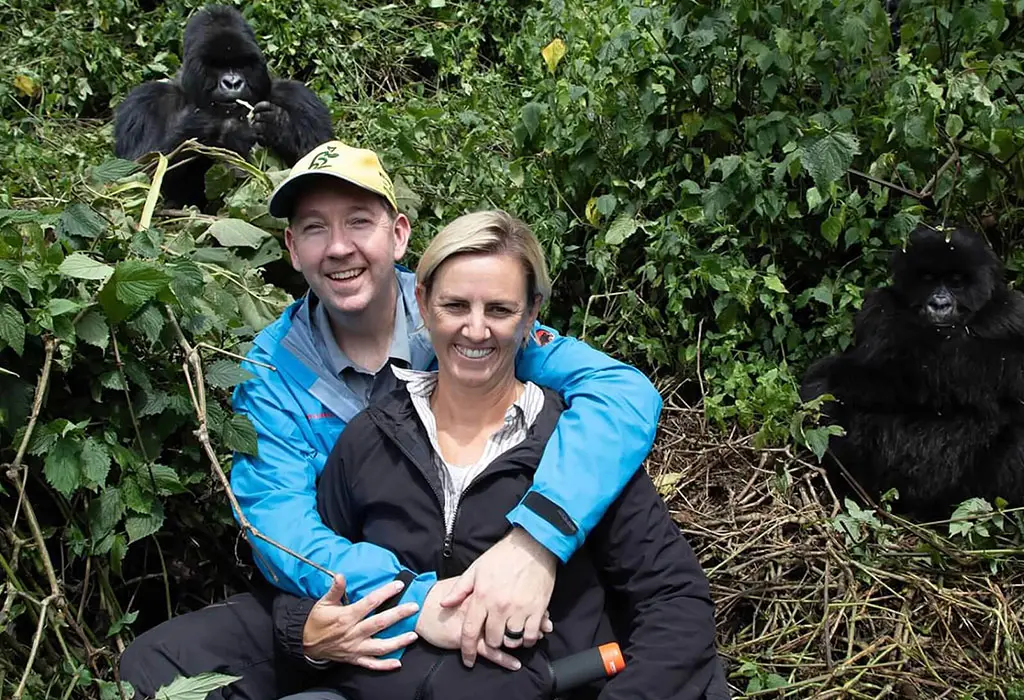
Bringing both routes together, here’s a practical summary of what to expect for each of Bwindi’s four sectors when traveling from Kigali, using whichever border crossing is faster for that specific destination.
Rushaga Sector: The Fastest Sector to Reach from Kigali
Rushaga, in the far south of Bwindi, is consistently the quickest sector to reach from Kigali, typically around four hours door to door via the Cyanika border. It also happens to host one of the largest concentrations of habituated gorilla families in the entire park, spread across several trekking trailheads, which generally means good permit availability alongside its convenient location. For travelers specifically prioritizing a short drive, Rushaga is usually the sector operators recommend first when booking a Kigali-based gorilla trek.
Nkuringo Sector: A Close Second
Nkuringo sits a little farther south-west than Rushaga but remains one of the closer sectors to the Rwanda border, with a total drive time from Kigali of around four to four and a half hours via Cyanika. Nkuringo is known for its dramatic, steep terrain and rewarding views over the Virunga volcanoes, and while its treks tend to be somewhat more physically demanding than other sectors, its proximity to Kigali makes it a popular choice for travelers on a Kigali-based itinerary who don’t mind a slightly more challenging hike in exchange for stunning scenery.
Ruhija Sector: A Bit Farther North
Ruhija, located in the central-eastern part of the park, adds meaningfully more drive time, typically five to six hours from Kigali via the Katuna border. It’s known for its high elevation, cooler climate, and excellent birdwatching in addition to gorilla trekking, making it a worthwhile choice for travelers with a broader interest in the park’s biodiversity, though it does require accepting a longer drive than the southern sectors.
Buhoma Sector: The Longest Drive, But Still Faster Than From Entebbe
Buhoma, in the north of the park and Bwindi’s original, most established trekking sector, is the farthest from Kigali among the four options, typically requiring five to six hours via the Katuna border, sometimes stretching toward seven hours depending on road conditions and stops along the way. Even so, this remains considerably shorter than the nine-to-eleven-hour drive required to reach Buhoma from Entebbe, so it’s still a meaningfully faster route for Kigali-based travelers, even if it’s the longest option among Bwindi’s four sectors. Buhoma is also the sector closest to Queen Elizabeth National Park’s Ishasha area, making it a strong choice for travelers planning to combine gorilla trekking with a tree-climbing lion game drive.
What the Road Actually Looks Like Along the Way
The drive itself is genuinely scenic rather than tedious, and it’s worth knowing what to expect visually along the way. Leaving Kigali, the road winds through Rwanda’s famous terraced hillsides — the country’s nickname, Land of a Thousand Hills, is not an exaggeration — passing tea plantations, small trading towns, and layered green valleys for much of the journey to the border. Once across into Uganda, the scenery shifts to mountainous terrain around Kisoro or Kabale, with dramatic views of the Virunga volcanoes on clear days, followed by winding roads through farmland and forest edge as you approach whichever Bwindi sector you’re headed to.
Road surfaces are a mix of paved highway for most of the Rwandan portion and the initial stretch into Uganda, transitioning to unpaved, sometimes rougher murram roads on the final approach to Bwindi’s more remote sectors, particularly Ruhija and Buhoma. A good 4×4 vehicle handles these conditions comfortably, and experienced driver-guides who make this crossing regularly know how to pace the journey and time stops well.
How Long the Border Crossing Itself Takes
The border crossing, whether at Katuna or Cyanika, typically adds around thirty minutes to an hour to the overall journey, depending on how busy the border is at the time you arrive and how quickly paperwork is processed on both sides. Both crossings are well-established tourism routes used daily by safari vehicles, and your driver-guide handles the practical logistics of the crossing while you step out briefly for passport stamping on each side.
Arriving at the border reasonably early in the day, rather than during a busier midday period, tends to make for a smoother, faster crossing. Both Katuna and Cyanika operate during standard daytime hours, so your driver will typically time the journey to ensure you reach the border comfortably within its operating window rather than risking an after-hours arrival.
Comparing the Drive Time to Flying into Entebbe Instead
It’s worth putting these numbers in context against the alternative route through Uganda’s main international airport. A drive from Entebbe to Bwindi typically takes nine to eleven hours, often broken across two days with an overnight stop along the way, since a single-day drive of that length is both exhausting and, for some sectors, borders on impractical to complete safely in daylight. Even Bwindi’s closest sector to Entebbe still requires a substantially longer drive than any Kigali-based route to any of the park’s four sectors.
This gap — roughly four to six hours from Kigali versus nine to eleven hours from Entebbe — is the single biggest reason so many travelers now choose to fly into Rwanda’s capital specifically for Uganda gorilla trekking, even though Bwindi itself sits inside Uganda. For trips focused purely on gorilla trekking rather than a broader multi-park Uganda safari, the shorter Kigali route frees up an entire extra day that would otherwise be spent on the road.
Does the Season Affect Drive Time?
Yes, to a modest degree. During the dry seasons, roughly June through September and December through February, roads are generally at their firmest and drive times tend to sit toward the shorter end of the ranges given above. During the wetter months, particularly March through May, unpaved sections closer to Bwindi’s more remote sectors can become muddier and slower to navigate, occasionally adding thirty minutes to an hour to the overall journey, particularly for Ruhija and Buhoma.
This isn’t usually dramatic enough to reshape your itinerary planning, but it’s worth building in a little extra buffer time if you’re traveling during the rainier months, especially if your schedule is tight and you need to arrive in time for a trekking briefing the following morning.
Tips to Make the Drive More Comfortable
A few small habits make a real difference to how the journey feels. Starting the drive reasonably early in the morning, rather than a late departure, gives more daylight margin to absorb any delays at the border or along the road, and avoids arriving at your lodge after dark. Bringing snacks, water, and any personal medication in an easily accessible bag saves you from having to dig through checked luggage during a roadside stop.
Most operators build in at least one stop along the route, whether for lunch, a coffee break, or simply a scenic viewpoint to stretch your legs, and it’s worth embracing rather than rushing through these breaks, since they break the drive into manageable segments and are often a highlight of the day in their own right. Motion sickness medication is worth packing if you’re prone to it, given the winding mountain roads on the Ugandan side of the journey.
Should You Drive Straight Through or Break the Journey?
For most travelers, the Kigali-to-Bwindi drive is short enough to comfortably complete in a single day, particularly for the closer southern sectors, Rushaga and Nkuringo. Breaking the journey with an overnight stop partway is rarely necessary on this specific route, unlike the much longer Entebbe-to-Bwindi drive, where a two-day journey is common practice.
The main reason to consider spreading the journey across parts of two days is if your itinerary already includes an overnight stay in Kigali before departure — for example, if your international flight lands the evening before your gorilla trek — in which case the drive itself remains a single day, simply starting from a rested position rather than straight off a long-haul flight. This is one of the reasons the two- and three-day Kigali-based gorilla safari formats have become so popular: they build in exactly this kind of buffer without requiring an extra day purely for driving.
What Time Should You Leave Kigali For a Same-Day Arrival
If your itinerary requires arriving at your Bwindi lodge the same day you depart Kigali, timing your departure well matters. For the southern sectors, Rushaga and Nkuringo, a departure between 8:00 and 10:00 a.m. typically allows a comfortable arrival by early-to-mid afternoon, with time to spare for the border crossing and a lunch stop along the way. For the more distant Ruhija and Buhoma sectors, an earlier departure, ideally by 7:00 or 8:00 a.m., gives more margin to arrive before dark, particularly during the wetter months when road conditions can slow the journey slightly.
For travelers doing the compressed 1-day Uganda gorilla safari starting from Kigali, where the drive, trek, and return all happen within a single day, departure times shift much earlier still, typically 4:00 or 5:00 a.m., to allow enough daylight margin for the entire round trip plus the trek itself.
Self-Drive vs Guided Transfer: Does It Change the Time?
The drive times outlined in this guide assume a private vehicle with an experienced local driver-guide, which is how the overwhelming majority of travelers complete this route. Self-driving the same journey independently is technically possible but adds real complexity and risk: unfamiliar mountain roads, a border crossing process that’s considerably easier with local knowledge of current requirements, and no local expertise if something goes wrong along the way. Self-drive rental options do exist in the region, including through our own self-drive safari service, but this route specifically is one most travelers, even experienced ones, choose to complete with a guided transfer rather than independently, given the cross-border logistics involved.
In practical terms, a guided transfer and a confident self-drive covering the same route would take roughly similar amounts of driving time, but a guided transfer removes the uncertainty around navigation, border paperwork, and unfamiliar road conditions, which is why it remains the default choice for the vast majority of Kigali-based gorilla trekking itineraries.
How This Drive Time Shapes Itinerary Length (1, 2, or 3 Days)
Understanding the actual drive time helps explain why Kigali-based gorilla safaris are typically packaged as one-day, two-day, or three-day itineraries rather than open-ended trips. The 1-day Uganda gorilla safari starting from Kigali works specifically because the four-to-five-hour drive to a southern sector like Rushaga is short enough to combine with a trek and a return drive within a single very long day.
The 2-day Uganda gorilla tour starting from Kigali spreads the same drive across a more relaxed schedule, with an overnight near the park removing the single-day time pressure. A 3-day Uganda gorilla safari from Rwanda adds a full separate day for the outbound drive and another for the return, turning a manageable transfer into a genuinely unhurried journey with time to enjoy the scenery, stop for photos, and arrive well rested ahead of the trek. Understanding the base drive time for your chosen sector is the starting point for deciding which of these formats suits your available time.
Comparing Sources: Why Quoted Times Vary Online
Quoted drive times for routes can vary significantly, with some sources indicating four hours while others suggest eight or nine. This discrepancy arises from different sources referencing various routes without clarity. Typically, a four-hour estimate pertains to Rushaga or Nkuringo via Cyanika under favorable conditions, whereas an eight to nine-hour estimate often refers to worst-case scenarios for Buhoma or Ruhija via Katuna, which may include allowances for stops or conservative estimates not reflecting normal conditions on a well-managed private transfer.
Reliable regional sources such as Kenlink Tours’ detailed breakdown of drive times to Bwindi’s different sectors and their dedicated guide on how many hours the Kigali to Bwindi drive actually takes are useful references for cross-checking sector-specific estimates, and it’s generally worth trusting numbers from operators with direct, regular experience running this exact route over generic travel blogs, since actual on-the-ground timing can differ from theoretical map-based distance calculations.
A Sector-by-Sector Summary Table, in Plain Terms
Because the numbers above are spread across several sections, it helps to see them summarized in one place. Rushaga sits at roughly four hours from Kigali via the Cyanika border, the shortest of the four sectors. Nkuringo follows closely behind at around four to four and a half hours, also typically reached via Cyanika. Ruhija, reached via the Katuna border, generally takes five to six hours. Buhoma, also via Katuna, is the longest at five to six hours, occasionally stretching toward seven depending on road conditions and stops.
These figures assume a private vehicle, a reasonably early departure, and typical daytime border conditions. They’re a solid planning baseline, but your specific operator should confirm exact timing based on current road conditions, since maintenance work, weather, or unusually busy border traffic can shift things by thirty minutes to an hour in either direction on any given day. Treat these numbers as a dependable range rather than a guaranteed exact time, and build a little flexibility into your schedule wherever possible, particularly if you’re arriving the same day as your permit is booked.
Comparing the Drive to Coming from Kampala or Other Ugandan Towns
For context, it’s worth briefly comparing the Kigali route to driving from within Uganda itself, since this helps illustrate just how favorable the Kigali corridor is. From Kampala, Uganda’s capital, the drive to Bwindi typically takes eight to nine hours, covering roughly 530 kilometers of road that winds through the country’s central and western regions before reaching the park’s southwestern corner. From Mbarara, a common overnight stopover point for travelers driving from Entebbe or Kampala, the remaining drive to Bwindi still takes another three to four hours.
Even Uganda’s own second city, Mbarara, doesn’t offer a meaningfully shorter route to Bwindi than Kigali does, despite being entirely within Uganda’s own borders. This is really the crux of why Kigali has become such a popular gateway for gorilla trekking specifically: geography simply favors it, regardless of the fact that Bwindi itself sits inside Uganda rather than Rwanda. The shortest practical route to the park, for most sectors, genuinely does run through Rwanda’s capital rather than Uganda’s own major cities.
What Kind of Vehicle Makes This Drive
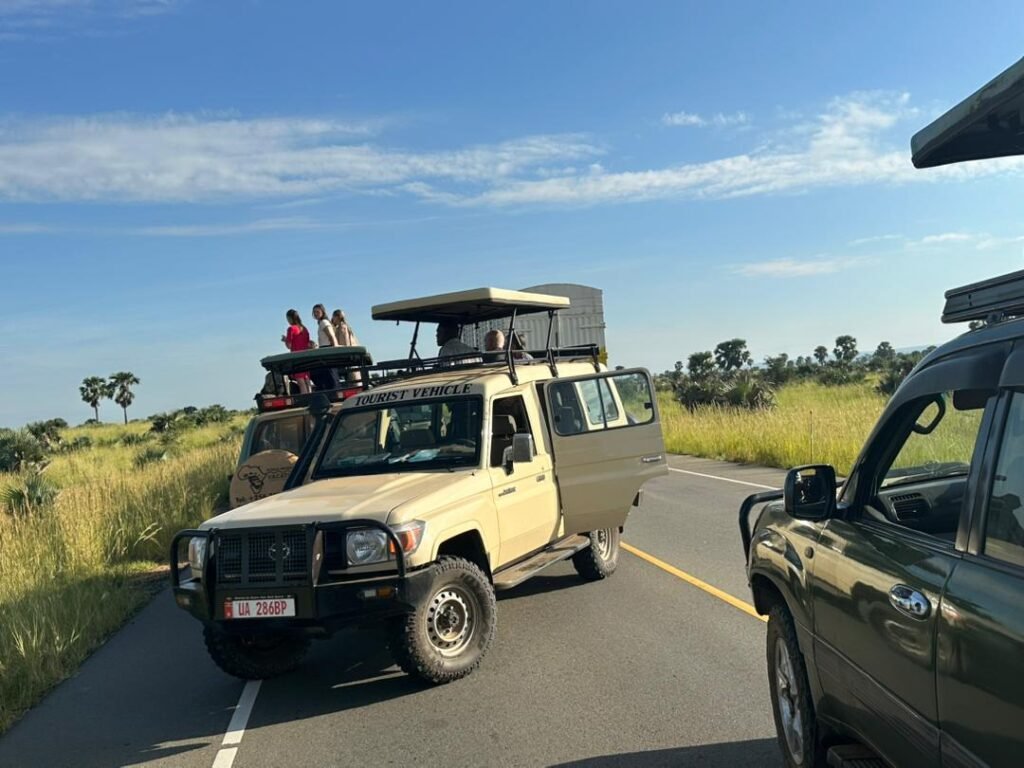
The vehicle used for this transfer matters more than travelers sometimes expect, particularly given the mix of paved and unpaved road surfaces along the route. Nearly all operators, including ourselves, use 4×4 vehicles — typically Toyota Land Cruisers or similar robust models — rather than standard sedans, both for the comfort of higher ground clearance on rougher sections near the park and for the reassurance of reliable traction if rain has made the final unpaved stretches slippery.
A well-maintained 4×4 with a knowledgeable driver-guide makes a genuine difference to how comfortable the four-to-six-hour journey feels, particularly on the winding, occasionally bumpy roads closer to Bwindi’s more remote sectors. It’s worth asking your operator directly what vehicle type they use for this specific transfer, since a mismatched vehicle — for instance, a smaller sedan attempting the unpaved final stretch to Ruhija or Buhoma after heavy rain — can turn a manageable journey into an uncomfortable, sometimes genuinely difficult one.
Documents and Preparation Needed for the Border Crossing
Beyond simply knowing how long the drive takes, it’s worth being prepared with the right documents to keep the border crossing itself quick and hassle-free. A valid passport with at least six months’ remaining validity is essential, along with your Rwanda entry visa or East Africa Tourist Visa documentation and your Uganda visa or East Africa Tourist Visa if traveling on the combined option. Keeping these documents easily accessible, rather than buried in checked luggage, speeds up the process considerably when you step out of the vehicle at the border post.
It’s also worth carrying a printed or digital copy of your gorilla permit confirmation and your tour operator’s contact details, in case any questions arise at the border about the purpose of your visit. Yellow fever vaccination certificates are also sometimes checked at the border, so having that documentation on hand, alongside your passport, is a sensible precaution even if it isn’t always requested. A well-prepared traveler with documents in order rarely spends more than the typical thirty-to-sixty-minute window at either Katuna or Cyanika.
Combining the Drive with a Rwanda Gorilla Trek: Timing Considerations
Some travelers use this same Kigali-Bwindi corridor as part of a combined itinerary that includes gorilla trekking in Rwanda’s own Volcanoes National Park as well as Uganda’s Bwindi. If you’re planning both, it’s worth understanding how the drive times interact. Volcanoes National Park sits roughly two to three hours northwest of Kigali, in a completely different direction from the Bwindi route, so a combined itinerary typically treats the two treks as separate legs of the trip rather than a single continuous drive.
A common structure for this kind of combined trip places the Rwanda trek first, given its shorter drive from Kigali, followed by a return to Kigali and then the four-to-six-hour onward drive to Bwindi for the Uganda trek, or vice versa depending on flight timing and permit dates. Either way, it’s worth building at least one extra day into your itinerary specifically to accommodate this additional leg, since attempting both treks with only the bare minimum driving time between them leaves very little room for delay.
A Realistic Example: What a Rushaga-Bound Transfer Actually Looks Like
To make the whole journey feel more concrete, it helps to walk through what a typical Kigali-to-Rushaga transfer looks like in practice, since Rushaga represents the shortest and most commonly booked option for Kigali-based travelers. Pickup from a Kigali hotel or the airport typically happens around 8:30 or 9:00 a.m., allowing for a relaxed rather than rushed start to the day. The first two to three hours cover the drive to the Cyanika border, passing through Rwanda’s terraced countryside with a coffee or bathroom stop usually built in around the halfway point.
The border crossing itself, arriving typically around late morning, generally takes thirty to forty-five minutes for a well-prepared traveler with documents in order. From there, the final stretch into Uganda toward Rushaga typically takes another hour to ninety minutes, often including a stop for lunch in Kisoro town along the way. Most travelers following this schedule arrive at their Rushaga-area lodge by early-to-mid afternoon, comfortably in time to settle in, enjoy the surrounding views, and rest ahead of the following morning’s trek — illustrating just how manageable a well-planned Kigali-to-Bwindi transfer really is when broken down step by step.
What Happens If There’s a Delay Along the Way
Even on a well-planned route, delays occasionally happen — a slow border queue, a temporary road closure for maintenance, or heavier-than-usual rain making an unpaved stretch slower to navigate. It’s worth understanding how much of a buffer typical itineraries build in to absorb these possibilities. For same-day, single-sector transfers to Rushaga or Nkuringo, most operators plan a departure time with at least one to two hours of built-in slack before the lodge’s typical check-in cutoff, which is usually more than enough to absorb a routine delay without disrupting the following day’s trekking schedule.
The scenario that requires closer attention is the compressed 1-day gorilla safari format, where the drive, trek, and return all happen within a single day with a fixed trekking briefing time to meet. On this itinerary, an early departure — often before dawn — is specifically chosen to build in that same margin, since there’s no second day to fall back on if the morning runs late. This is one of the clearest practical reasons a 2-day or 3-day itinerary offers more comfort than the 1-day version: an overnight stay near the park the evening before removes any risk that a delayed drive could cause you to miss your trekking slot entirely.
Why Getting This Number Right Matters for Your Itinerary
It might seem like a small detail, but understanding the real drive time to your specific Bwindi sector shapes nearly every other decision in planning a Kigali-based gorilla safari — how many days to book, what time to schedule your flight, whether an overnight stay in Kigali makes sense before departure, and how much buffer to build in for the unexpected. Travelers who plan around vague, unsourced estimates sometimes end up either overestimating the trip’s difficulty and booking more days than necessary, or underestimating it and cutting their schedule uncomfortably close.
Getting accurate, sector-specific numbers from an operator with direct experience running this exact route — rather than a generic online estimate — is one of the simplest ways to plan a smoother trip from the outset. It’s a small piece of due diligence that pays off considerably once you’re actually on the road, watching Rwanda’s hills roll past the window with confidence that your schedule has room to breathe.
Is There a Faster Alternative? Charter Flights from Kigali
For travelers who want to skip the road journey entirely, or who simply have less time than even the fastest driving route allows, chartered domestic flights offer a faster, if considerably more expensive, alternative. While there’s no scheduled commercial flight directly connecting Kigali to an airstrip inside Bwindi itself, some travelers combine a charter flight from Entebbe or Kajjansi airfield to airstrips near the park, such as Kihihi or Kisoro, which can cut the final approach to certain sectors down to under an hour once airborne.
For a Kigali-based trip specifically, this option is less commonly used, since it typically requires routing back through Uganda’s own airports rather than flying directly out of Kigali, which can end up taking a similar amount of total time once positioning flights and ground transfers on both ends are factored in. For the vast majority of Kigali-based travelers, the four-to-six-hour road transfer remains both the simpler and the more cost-effective option, and it’s worth discussing the charter alternative with your operator only if your schedule is exceptionally tight or budget isn’t a primary constraint.
What the Transfer Typically Costs
While this guide focuses on time rather than cost, the two are related closely enough to be worth a brief mention. Ground transportation for the Kigali-to-Bwindi transfer is usually quoted as part of an overall safari package rather than as a standalone cost, covering the vehicle, fuel, driver-guide, and border-crossing logistics for the full round trip. Because the drive itself is relatively short compared to the alternative Entebbe route, this transfer tends to be more cost-efficient as part of an overall package than the equivalent longer Entebbe-based drive, simply due to lower fuel consumption and less vehicle wear over the shorter distance.
Private transfers, where the vehicle and driver are dedicated solely to your group, cost more than shared group transfers but offer considerably more flexibility in departure timing and stops along the way — a worthwhile trade-off for most travelers given how much the specific pacing of this journey affects overall comfort. It’s worth asking your operator for a clear breakdown of what the quoted transfer cost includes, particularly whether border fees, meals along the route, and any scenic stops are built in or charged separately.
Worthwhile Stops Along Rwanda’s Countryside
Because the Rwandan portion of this drive passes through such consistently scenic countryside, it’s worth knowing about a few worthwhile stops that some itineraries build in along the way, particularly for travelers on the more relaxed 2-day or 3-day formats where there’s less time pressure than the compressed 1-day version. Musanze, a town roughly on the way toward the Cyanika border for travelers heading to southern Bwindi, sits close to Rwanda’s own Volcanoes National Park and offers a natural coffee or lunch stop with dramatic volcano views in clear weather.
Smaller roadside markets and viewpoints along the terraced hillsides also make for worthwhile brief stops, offering a chance to stretch your legs, take photographs, and get a closer look at Rwanda’s rural life away from the capital. None of these stops are essential, and a driver focused purely on efficient travel time can skip them entirely, but for travelers who see the drive itself as part of the overall Rwanda and Uganda experience rather than simply a means to an end, they’re worth asking your operator to include.
Packing Specifically for the Drive Itself
Beyond the general gorilla trekking packing list, it’s worth thinking specifically about what makes the several-hour drive itself more comfortable. A neck pillow or small cushion is a small addition that makes a real difference on winding mountain roads, particularly for anyone prone to needing a rest during the journey. Snacks that don’t require refrigeration — nuts, dried fruit, energy bars — are worth having on hand for the stretches between meal stops, along with a reusable water bottle that your driver can help refill along the way.
A phone or camera charger that works with your vehicle’s power outlet, where available, helps ensure your device is fully charged by the time you reach the trailhead the following morning, particularly important given how much photography most travelers do once the gorilla trek itself begins. Motion sickness remedies are worth packing for the winding sections of road on the Ugandan side of the journey if you’re at all prone to travel sickness, since the terrain becomes noticeably more mountainous as you approach the park.
Frequently Asked Questions
What’s the absolute shortest drive time from Kigali to Bwindi? Around four hours, for the Rushaga or Nkuringo sectors via the Cyanika border under good road conditions with an efficient border crossing.
Which sector should I choose if I want the shortest drive? Rushaga is generally considered the fastest and most convenient sector to reach from Kigali, and it also offers strong permit availability given its multiple trekking trailheads.
Is the drive safe? Yes — this is a well-established, frequently used tourism route, driven daily by experienced local guides in well-maintained 4×4 vehicles, on roads that are largely paved with some unpaved sections closer to the park itself.
Can I do the drive and trek in the same day? Yes, this is exactly how the 1-day Uganda gorilla safari from Kigali is structured, though it requires a very early departure and makes for a long, physically demanding day.
Does the drive time include the border crossing? The ranges given throughout this guide include an average thirty-minute-to-one-hour allowance for the border crossing itself, though this can vary depending on how busy the crossing is at the time you arrive.
Plan Your Kigali to Bwindi Transfer with Pick and Transfer Safaris
At Pick and Transfer Safaris, the Kigali-to-Bwindi transfer is one of the routes we run most often, and getting the timing right is exactly the kind of detail we handle for every traveler booking one of our Gorilla Safaris starting from Kigali. We match your departure time, route, and border crossing to your specific trekking sector, build in sensible buffers for road conditions and border delays, and use comfortable, well-maintained 4×4 vehicles driven by guides who know this exact corridor well.
Whether you’re working with a tight one-day schedule or a more relaxed multi-day itinerary, understanding the real drive time to your specific sector is the first step to planning a trip that runs smoothly rather than one built on rough estimates. Reach out through our contact page with your preferred trekking sector and travel dates, and we’ll confirm exact timing and build an itinerary around it.
How This Route Compares Across Different Traveler Priorities
Different travelers weigh this drive time differently depending on what matters most to their trip. For travelers prioritizing pure speed and minimal time away from other commitments, Rushaga via Cyanika at roughly four hours is the clear choice, and pairs naturally with the compressed 1-day itinerary format. For travelers more interested in scenery and a slightly gentler pace, Nkuringo offers a similar drive time with dramatic mountain views, while accepting a somewhat steeper trek once you arrive.
For travelers drawn to Bwindi’s original, most established trekking area or planning to combine their trip with Ishasha’s tree-climbing lions, Buhoma’s longer five-to-six-hour drive is worth accepting given the sector’s other advantages, particularly its proximity to Queen Elizabeth National Park. There’s no single “correct” choice among the four sectors — the right one depends on balancing drive time against the specific trekking experience, scenery, and any additional destinations you’re hoping to combine into the same trip, and a good operator will talk through these trade-offs with you rather than defaulting to whichever sector is simplest to book.
Final Thoughts
The honest answer to how many hours it takes to drive from Kigali to Bwindi is: it depends on your sector, but plan for somewhere between four and six hours in almost every realistic case. That’s a meaningfully shorter, more manageable journey than the alternative route from Entebbe, and it’s precisely why this corridor has become the backbone of so many short, efficient Uganda gorilla safaris. Knowing the real numbers for your specific sector — rather than a vague, unsourced estimate — is the difference between planning a trip with confidence and simply hoping the logistics work out, and it’s worth confirming those specifics with your operator before you commit to your final dates.
At the end of the day, this drive is less an obstacle to plan around and more a genuine part of the overall experience — rolling Rwandan hills giving way to Ugandan mountains, a well-worn border crossing, and a gradual sense of anticipation building the closer you get to the forest. Whether your itinerary allows for a fast four-hour transfer straight to a trekking briefing or a more relaxed multi-day version with stops along the way, understanding exactly what that drive involves lets you plan a trip that matches your available time and travel style, rather than guessing and hoping it works out on the day.