- LET'S PLAN YOUR SAFARI
- +256 200 921 002
- +256 793 194 703
- info@pickandtransfersafaris.com

Best Group Safaris in Uganda
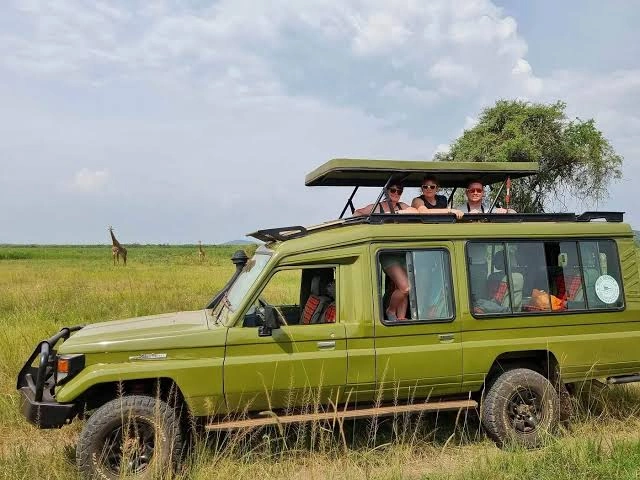
Best Group Safaris in Uganda. Uganda has earned its nickname, the “Pearl of Africa,” honestly. Nowhere else on the continent can you track endangered mountain gorillas through misty rainforest in the morning and watch tree-climbing lions or cruise past pods of hippos by afternoon. For travelers who want that experience without carrying the full cost of a private vehicle, guide and driver, group safaris in Uganda have become the smartest way to explore the country. You share the adventure — and the cost — with like-minded travelers, while still getting an expertly guided, well-planned trip through Uganda’s best national parks.
In this guide we break down everything you need to know about booking the best group safaris in Uganda, from the top circuits and national parks to sample itineraries, permit prices, packing tips and how to pick a safari company you can trust. Whether you’re a solo traveler looking to join a scheduled departure, a small family wanting a semi-private group rate, or a company organizing a corporate retreat, this guide will help you plan a trip that ranks among the best in East Africa.
We’ve built this guide the way we’d plan a trip for our own family: starting with the parks and experiences that consistently deliver the highest satisfaction, then working backward into logistics — timing, budget, permits and accommodation — so that by the end you’ll know exactly which group safari format fits your travel dates, your interests and your budget. Every itinerary referenced below is a real, bookable package, not a theoretical route, so you can move from reading this guide to reserving your seat in a matter of minutes.
Why Uganda Is Africa’s Top Destination for Group Safaris
Uganda packs an extraordinary amount of biodiversity into a relatively compact country. It is home to roughly half of the world’s remaining mountain gorillas, over 1,000 recorded bird species, ten national parks, and savannah landscapes that rival anything in Kenya or Tanzania — often at a lower cost. Group safaris make this accessibility even better, because tour operators can combine travelers heading to the same destinations into one vehicle, cutting per-person transport and guiding costs significantly.
Beyond the financial benefit, group safaris in Uganda are simply more social. You’ll share sundowners at a lodge overlooking the Kazinga Channel, compare photos after a gorilla trek in Bwindi, and swap travel stories around a campfire in Murchison Falls National Park. For many travelers, especially solo adventurers, this camaraderie is just as memorable as the wildlife itself.
What Exactly Is a Group Safari? (Group vs Private Explained)
A group safari means you travel with other guests — usually between 4 and 12 people — in a shared 4×4 safari vehicle with one driver-guide, following a fixed itinerary and departure date. This is different from a private safari, where you and your own party have the vehicle, guide and schedule entirely to yourselves. Both options use the same quality lodges, parks and guides; the difference is cost-sharing and flexibility.
Pick and Transfer Safaris runs both formats. If you’d rather have full control over your pace and stops, browse our extended safaris and wildlife safaris pages for private options, or get in touch through our contact us page to ask about joining an upcoming group departure.
Best Time of Year to Book a Group Safari in Uganda
Uganda is a year-round safari destination, but timing affects both trekking conditions and group availability. The two dry seasons — December to February and June to September — offer the easiest hiking conditions for gorilla trekking in Bwindi Impenetrable Forest and better game visibility in the savannah parks, since animals gather more predictably around waterholes and rivers.
These dry months are also the most popular for scheduled group departures, so gorilla permits and lodge beds fill up fastest. If you want the widest choice of group dates and the best rates, aim to book three to six months ahead for July–September and December–January travel. The wetter months (March–May and October–November) bring lush scenery, fewer crowds, discounted lodge rates, and excellent birding — a great option if you’re flexible and want a quieter group experience.
Month-by-Month Guide to Group Safaris in Uganda
December to February is short-dry-season, one of the best windows for gorilla trekking and general game viewing, with clear mornings and minimal mud on forest trails. It’s a peak booking period, so scheduled group departures for our 3-day Uganda gorilla safari tend to sell out first for this window.
March to May is Uganda’s long rainy season. Trekking trails get muddier and afternoon showers are common, but this is also when the forest is at its greenest, migratory birds are present in large numbers, and lodge rates drop noticeably — a smart choice for budget-conscious groups willing to pack a good rain jacket.
June to September is the second and longest dry season, widely considered the best all-round period for group safaris. Game drives in Queen Elizabeth National Park and Murchison Falls National Park benefit from animals concentrating near water sources, and this is also peak season for chimpanzee tracking in Kibale Forest National Park.
October to November brings Uganda’s short rainy season — a genuinely underrated time to travel. Crowds thin out, rates soften again, and trekking conditions remain very manageable between showers, making it a favorite window for groups who prioritize value and a quieter park experience over guaranteed dry trails.
Gorilla Trekking Group Safaris in Bwindi and Mgahinga
Gorilla trekking is the single biggest reason travelers come to Uganda, and it’s the anchor of almost every top-rated group itinerary. Trekking groups are capped at eight visitors per gorilla family per day, which naturally creates the intimate, small-group feel that makes this experience so special. Most treks take place in Bwindi Impenetrable Forest National Park, home to roughly half of Uganda’s habituated gorilla families, while a smaller number of groups trek from Mgahinga Gorilla National Park near the Rwanda and Congo borders.
For travelers short on time, our 1-day gorilla safari starting from Kigali and 2-day Uganda gorilla tour are popular add-ons for travelers already visiting Rwanda. If you have a bit more time, the 3-day Uganda gorilla safari is consistently one of our most-booked group departures, balancing trekking with time to relax at your lodge. Compare formats and read reviews on trusted third-party platforms such as SafariBookings and TripAdvisor before you commit to a departure date.
Wildlife and Big Five Group Safaris in Queen Elizabeth National Park
Queen Elizabeth National Park is Uganda’s most visited savannah park and a staple of nearly every group circuit. Game drives here regularly turn up elephants, buffalo, hippos, Nile crocodiles and the park’s famous tree-climbing lions in the Ishasha sector. A launch cruise along the Kazinga Channel — one of the highest concentrations of hippos and birdlife anywhere in Africa — is included on almost every group itinerary that passes through.
Our 3-day safari to Queen Elizabeth National Park is built specifically for groups who want a fast, high-impact wildlife experience without the long drive times that Kenya or Tanzania itineraries often require. Because Queen Elizabeth sits roughly midway between Bwindi and the airport, it slots naturally into longer wildlife safaris as well.
Boat Cruises and Big Game Group Safaris in Murchison Falls National Park
Murchison Falls National Park, Uganda’s largest protected area, is where the Nile River is forced through a narrow 7-metre gorge with tremendous force — one of the most dramatic natural sights in East Africa. Group safaris here typically combine a morning or afternoon game drive across the northern savannah with a boat cruise to the base of the falls, spotting elephants, giraffes, lions and enormous Nile crocodiles along the riverbank.
Our 3-day safari to Murchison Falls is a favorite for groups flying into Entebbe with limited time, since it delivers big-game viewing, a boat cruise and one of Africa’s most photogenic waterfalls in a compact itinerary.
Chimpanzee Tracking Group Safaris in Kibale Forest National Park
Kibale Forest National Park holds the highest concentration and diversity of primates in East Africa, including over 1,500 habituated chimpanzees. A guided chimpanzee tracking walk here is a natural complement to gorilla trekking, giving group travelers a fuller primate experience in one trip. Many of our multi-day group itineraries pair a morning chimp trek with an afternoon community walk through the surrounding Bigodi Wetland, supporting local guides and conservation initiatives.
For groups who want both gorillas and chimpanzees in one seamless loop, our 5-day Uganda gorilla and chimpanzee safari is purpose-built to cover Kibale and Bwindi without excessive driving days.
Combined Uganda-Rwanda Group Safaris
Because Bwindi sits so close to the Rwandan border, many travelers combine both countries into a single group safari rather than choosing one. This lets you compare gorilla trekking experiences, add Rwanda’s Volcanoes National Park, and fly in or out of Kigali instead of backtracking to Entebbe — a real time-saver for group logistics.
Our 3-day Uganda gorilla safari from Rwanda and 10-day Uganda-Rwanda safari are both designed around this cross-border flow, and for travelers who want to see both countries’ gorilla parks in depth, our 5-day best of Rwanda primate safari is a strong standalone option to pair with a Uganda extension.
Extended Multi-Country Group Safaris (10–25 Days)
For travelers with more time, extended group safaris that weave together Uganda, Rwanda and even Kenya deliver the fullest picture of East Africa’s wildlife, from mountain gorillas and chimpanzees to the Maasai Mara’s plains game. These trips reward patient planning, since permits, park entry and cross-border logistics all need to line up across multiple countries.
Our 10-day Uganda primates and wildlife safari and 15-day Rwanda-Uganda safari are both popular group formats for travelers who want depth over speed, while our 18-day Kenya-Rwanda-Uganda safari is our most comprehensive group itinerary, built for travelers who genuinely want to see it all in one trip. If you’d rather stay within one week, the 7-day Uganda safari one-week tour remains our most-requested format for first-time group travelers.
Uganda vs Kenya and Tanzania: How Group Safaris Compare
Travelers weighing Uganda against the more famous Kenya and Tanzania circuits often assume they have to choose one primate-focused trip or one big-game trip. In practice, Uganda quietly outperforms both on primates and holds its own on classic savannah game, while typically costing less per day than an equivalent Maasai Mara or Serengeti group safari, largely because park fees and lodge rates remain lower outside the peak wildebeest-migration corridor.
If your group genuinely wants both worlds — Uganda’s gorillas and chimpanzees alongside the open plains game of the Serengeti or Maasai Mara — regional operators that run departures across multiple countries are worth comparing. Kenlink Tours, for instance, has operated multi-country group safaris across Uganda, Kenya, Rwanda and Tanzania since 2010, and their 14-day East Africa safari combining Uganda gorillas and Serengeti wildlife is a useful reference itinerary if you’re deciding whether to extend a Uganda trip into Tanzania rather than keep it as a standalone journey.
Understanding Uganda Gorilla Permit Prices for Group Bookings
As of 2026, a standard gorilla trekking permit issued by the Uganda Wildlife Authority costs USD 800 per person for foreign non-residents, USD 700 for foreign residents, and a discounted rate for East African Community citizens. The permit covers one hour with a habituated gorilla family, park entrance, ranger-guides, trackers and armed escort; porters are hired locally and paid separately, typically USD 15–20 per day.
Permits are allocated per gorilla family, not per tour company, and they sell out well ahead of peak season. Booking as part of an organized group safari — rather than trying to secure an individual permit yourself — is usually the easiest way to guarantee a trekking date, since established operators reserve blocks of permits months in advance. Reach out through our contact us page early if your travel dates fall in June–September or December–January.
Chimpanzee tracking permits for Kibale Forest National Park are considerably cheaper than gorilla permits and generally easier to secure on shorter notice, which is one reason many budget-conscious groups prioritize a chimp-and-wildlife itinerary over a full gorilla-inclusive trip. If your budget allows for only one primate trekking experience, gorilla trekking remains the more sought-after and typically the more dramatic encounter, but chimpanzee tracking is an excellent standalone alternative or complement.
Budget-Friendly vs Mid-Range vs Luxury Group Safaris
Group safaris in Uganda span every budget tier. Budget-friendly group tours typically use guesthouses or basic lodges, shared 4×4 safari vans, and set departure dates to keep per-person costs low — a great option for backpackers and first-time visitors. Mid-range group safaris upgrade to comfortable en-suite lodges with better food and slightly smaller group sizes, offering the best value-to-comfort ratio for most travelers.
Luxury group departures use premium tented camps or boutique lodges, smaller vehicles per traveler, and more flexible scheduling around game viewing rather than fixed timetables. Whichever tier fits your trip, Pick and Transfer Safaris positions itself firmly as Uganda’s price-friendly specialist — you can browse sample pricing and inclusions across our full range of gorilla safaris and wildlife safaris.
Sample 7-Day Best of Uganda Group Safari Itinerary
A well-built 7-day group itinerary is long enough to combine primates and big game without feeling rushed. A typical route looks like this: Day 1, arrive at Entebbe and transfer toward Lake Mburo or straight to Queen Elizabeth region; Days 2–3, game drives and a Kazinga Channel boat cruise in Queen Elizabeth National Park; Day 4, transfer to Bwindi through the scenic Ishasha plains; Day 5, gorilla trekking in Bwindi Impenetrable Forest; Day 6, community walk and transfer toward Kibale; Day 7, chimpanzee tracking in Kibale Forest National Park before returning to Entebbe.
This exact structure is what our 7-day Uganda safari one-week tour follows, and it consistently ranks as one of the best-value group itineraries we run, since it captures Uganda’s three signature experiences — gorillas, big game and chimpanzees — in a single manageable week. Meals, park entry fees, an English-speaking driver-guide and all ground transport in a 4×4 safari vehicle are included throughout, so the only major variable cost is your gorilla permit.
Groups with only 3–5 days available don’t need to sacrifice the highlights entirely — our 3-day Uganda gorilla safari and 5-day gorilla and chimpanzee safari simply trim the Queen Elizabeth game-drive days, while groups with 10 days or more can add Murchison Falls or a Rwanda extension onto this same 7-day backbone without restructuring the whole trip.
Best National Parks to Combine in One Group Safari
Not every park needs to be on your list, and the strongest group itineraries are selective rather than exhaustive. Beyond the parks already covered, Murchison Falls National Park is worth prioritizing if you have an extra two to three days, while Mgahinga Gorilla National Park suits groups who also want a shot at golden monkey trekking on the same trip.
If your group is extending into Rwanda, add Volcanoes National Park for gorilla trekking on the Rwandan side, or Akagera National Park for classic Big Five game drives. For deeper forest and canopy walk experiences, Nyungwe Forest National Park is an excellent addition to a combined Uganda-Rwanda circuit.
What to Pack for a Group Safari in Uganda
Group safaris move on a fixed schedule, so packing efficiently matters more than on a private trip. Essentials include waterproof hiking boots for gorilla and chimp trekking, gardening-style gloves for gripping vegetation on steep trails, a lightweight rain jacket, neutral-colored clothing (avoid bright colors and camouflage), a wide-brimmed hat, high-SPF sunscreen, insect repellent with DEET, a daypack for trekking days, and a good pair of binoculars for game drives and birding.
Because gorilla trekking can involve several hours of hiking through dense, muddy terrain, most experienced travelers also pack gaiters and a walking stick — many lodges and trailheads rent these locally if you’d rather not carry your own. Soft-sided duffel bags are strongly preferred over hard suitcases, since group vehicles have limited luggage space.
For photography, a mid-range zoom lens (100–400mm) covers most game-drive and trekking distances well, and a dry bag or rain cover for your camera is essential during the wet season. Bring extra memory cards and a portable power bank, since charging opportunities can be limited at remote lodges, and pack a printed or offline copy of your permit confirmation and travel insurance details in case connectivity is patchy in the parks.
Choosing the Right Uganda Safari Company for Your Group
Not all group safari operators are equal, and the difference shows up in vehicle condition, guide experience, permit handling and how well a company communicates before departure. Look for a locally-based operator with verifiable reviews, transparent pricing, and a track record of running the specific circuit you want. Reading independent reviews on platforms such as SafariBookings, TripAdvisor, and BookAllSafaris before booking is one of the simplest ways to confirm an operator delivers what it promises.
For groups exploring wider East and Southern Africa beyond Uganda, experienced regional operators such as Kenlink Tours have been running scheduled group departures since 2010 across Uganda, Rwanda, Kenya, Tanzania, Namibia and Botswana, and their group tours and scheduled departure safaris pages are a useful reference point for comparing fixed-date group formats and inclusions before you choose an itinerary. It’s also worth checking whether an operator has been vetted independently — Kenlink’s own about us page and third-party review profiles are a good example of the kind of track record you should look for before committing to any company, local or international.
A few practical questions will tell you a lot about an operator before you pay a deposit: Do they own or directly contract their vehicles, or subcontract to unknown third parties? Is airport transfer included, and is it shared or private? How many permits do they hold for your preferred trekking date, and what happens if a permit isn’t available? A transparent operator will answer all of these clearly and in writing before you book.
Comparing Uganda Group Safari Packages Across Operators
It’s worth comparing package structure, not just price, when shortlisting a group departure. Kenlink Tours’ Uganda safaris page lists several useful comparison points, including their 3-day gorilla trekking safari, 5-day gorilla and chimpanzee safari, and 7-day gorillas, chimps and golden monkeys safari, which mirror the same core circuits covered in this guide but are worth reviewing side-by-side with our own gorilla safaris for pricing and inclusions.
Longer regional comparisons are also useful: Kenlink’s 10-day Rwanda-Uganda safari and 14-day East Africa safari extend into Tanzania’s Serengeti, which is a helpful benchmark if you’re deciding between a Uganda-only trip and a broader East Africa circuit.
Accommodation Options for Group Travelers in Uganda
Accommodation is one of the biggest variables in group safari pricing. Budget group tours typically use community campsites or simple guesthouses; mid-range trips use comfortable lodges with private bathrooms and hot water, often located just outside park boundaries; luxury departures use premium tented camps with viewing decks over waterholes or forest canopy.
Near Bwindi and Mgahinga, our recommended base is Ikoro Hotel in Kisoro District, a comfortable, well-located option for groups trekking in the Mgahinga and southern Bwindi sectors. Wherever your itinerary places you, accommodation is arranged as part of every package listed on our gorilla safaris and wildlife safaris pages, so you won’t need to book lodges separately.
Room configurations for groups are usually flexible — most lodges can accommodate twin, double or triple sharing, and solo travelers can typically request a single room for a modest supplement rather than being required to share. If your group includes families, ask specifically about family rooms or interconnecting units, since not every lodge near the parks offers them.
Getting to Uganda and Airport Transfers for Groups
Most international travelers fly into Entebbe International Airport, roughly 40 minutes from Kampala. Group safaris typically include a shared airport pickup, with your driver-guide meeting the whole group before setting off toward the first park on the itinerary. If your flights land at different times, most operators — including Pick and Transfer Safaris — will coordinate pickup windows so the group departs together the following morning.
A Uganda tourist visa can be applied for online in advance through the official e-visa portal, and most nationalities are approved within a few business days, so it’s worth completing this step as soon as your dates are confirmed rather than leaving it until departure week. East African Community citizens and holders of the East Africa Tourist Visa can often move between Uganda, Rwanda and Kenya on a single visa, which is especially useful for combined group itineraries.
If your safari route brings you through Rwanda first, Kigali International Airport is a common alternative entry point, particularly for our 2-day Volcanoes gorilla trek from Kigali and other Kigali-based departures. For travelers who prefer to explore independently between group segments, our partner service Self Drive Safaris Uganda offers 4×4 vehicle rentals across the country.
Group Safaris for Families, Students and Corporate Teams
Group safaris aren’t only for solo backpackers or retirees — they work well for a wide range of travel styles. Families with older children (most parks set a minimum trekking age of 15 for gorilla permits) benefit from the shared-cost structure while still getting a professionally guided trip, and many lodges near Queen Elizabeth National Park and Bwindi Impenetrable Forest offer family-friendly rooms and flexible game-drive pacing for children.
University and school groups studying conservation, ecology or African studies often use a structured group safari as a field component, pairing standard game drives with visits to research stations, ranger briefings and community projects. Corporate teams and incentive-travel groups also choose Uganda group safaris for their combination of adventure, team bonding and genuinely once-in-a-lifetime wildlife encounters — a shared gorilla trek tends to create stronger team memories than a conference room ever could. Whatever your group profile, our contact us page is the fastest way to discuss custom group sizes, dates or add-ons.
Community-Based and Sustainable Group Tourism in Uganda
A meaningful share of Uganda’s tourism revenue supports the communities living alongside its national parks, and group safaris amplify that impact simply by bringing more visitors through local trails, craft markets and cultural performances. Gorilla permit fees in particular fund conservation and community revenue-sharing programs around Bwindi and Mgahinga, directly linking your trekking permit to habitat protection and local livelihoods.
We work closely with grassroots partners such as the Kigezi Foundation, which supports education and conservation initiatives around the Bwindi and Mgahinga region, so that every group safari booked through us contributes beyond the trail itself. Choosing a locally rooted operator, rather than an international reseller with no on-the-ground presence, means a much larger share of what you spend stays in Uganda’s own tourism economy.
Group travel itself is a quietly sustainable choice, too: sharing one vehicle among six or eight travelers, instead of running separate private vehicles for each party, meaningfully reduces the fuel consumption and road congestion associated with tourism in fragile park environments. It’s a small detail, but it adds up across thousands of visitors every season.
Group Safari Etiquette: Making the Most of a Shared Trip
A few simple habits make a shared group safari more enjoyable for everyone. Be ready at the agreed pickup time each morning, since a group vehicle waits for the whole party, not one traveler. Keep noise down during game drives and gorilla treks, since sudden movement or loud talking can startle wildlife and reduce sighting opportunities for the whole group. Pack light, follow your guide’s trekking pace suggestions, and be considerate about window seats and camera angles, especially during close wildlife encounters.
Most travelers find that these small courtesies are rarely an issue — group safari guests tend to be experienced, considerate travelers, and shared excitement over a gorilla sighting or a pride of lions usually brings the group closer together rather than creating friction. It’s also worth discussing tipping norms with your guide early in the trip: group tips for drivers and trekking staff are usually pooled and split at the end of the safari, which simplifies things considerably compared to a private trip.
How to Book a Group Safari in Uganda: Step by Step
Booking a group safari is straightforward once you know the sequence. First, decide on your travel window and rough trip length, then check which scheduled departures or flexible-start itineraries match those dates. Second, confirm gorilla permit availability for your preferred trekking day — this should happen before you book flights, since permits are the hardest piece of the puzzle to change later. Third, review the full itinerary and inclusions (meals, transport, park fees, accommodation tier) rather than comparing headline prices alone, since two “3-day gorilla safaris” can include very different levels of service.
Fourth, pay your deposit to secure your seats and permits — most Uganda operators require 30–50% upfront, with the balance due before arrival. Finally, complete your pre-trip checklist: travel insurance with medical evacuation cover, any required visas, a fitness check if trekking is physically demanding for you, and your packing list. Start this whole process by reaching out through our contact us page, and our team will confirm live availability for your preferred dates.
Frequently Asked Questions About Group Safaris in Uganda
What is the best group safari in Uganda? For most first-time visitors, a 5- to 7-day itinerary combining Bwindi gorilla trekking with Queen Elizabeth National Park offers the best balance of primates, big game and manageable driving distances. Our 7-day Uganda safari one-week tour is built around exactly this structure.
How much does a group safari cost in Uganda? Costs vary by trip length, accommodation tier and whether gorilla trekking is included, since the USD 800 permit fee is the single largest line item. Budget group tours without gorilla trekking can start well below that figure, while gorilla-inclusive trips naturally cost more due to the permit alone.
How many people are in a typical Uganda group safari? Most safari vehicles seat between 4 and 7 guests comfortably, with some larger group departures using minibuses for up to 12 travelers on non-trekking days.
Is Uganda safe for group travel? Yes. Uganda’s national parks are patrolled, gorilla treks are accompanied by armed rangers, and organized group safaris follow well-established routes with experienced local guides, making it one of the more straightforward African destinations for first-time group travelers.
Do groups get a discount on gorilla trekking permits? Permit pricing is fixed by the Uganda Wildlife Authority and does not vary by group size, but booking through an operator that reserves permits in bulk often secures better availability and can reduce administrative delays.
What is the best month for gorilla trekking in Uganda? The driest, most reliable trekking conditions fall in June–September and December–February, though gorilla trekking runs year-round and rainy-season treks are still very rewarding for flexible travelers.
How fit do I need to be for a group gorilla trek? Reasonable fitness helps, since treks can range from a 30-minute walk to a 6-hour hike depending on where the gorilla family is on trekking day, but porters are available to carry your daypack and assist on steep sections, making treks accessible to most moderately active travelers.
Can solo travelers join a Uganda group safari? Yes — group safaris are one of the most popular ways for solo travelers to visit Uganda, since you’re paired into an existing group rather than paying a costly single-traveler supplement for a private vehicle.
What’s included in a typical group safari price? Most quoted prices include accommodation, all meals during the safari, park entrance fees, an English-speaking driver-guide, ground transport, and airport transfers. Gorilla and chimpanzee permits, international flights, visas, tips and personal items are usually quoted separately.
Should I book directly with a Uganda-based operator or through an international agency? Booking directly with a licensed, locally based operator such as Pick and Transfer Safaris typically means lower prices, since you’re not paying a foreign agency’s markup, along with more direct communication about permit status, weather updates and itinerary changes.
Can I combine a Uganda group safari with a beach extension? Yes — travelers flying via Kenya or Tanzania often tack on a few days in Zanzibar or along the Kenyan coast after their Uganda safari, since both are reachable with a short regional flight and pair naturally with the adventure-then-relaxation rhythm many group travelers prefer.
Do I need travel insurance for a Uganda group safari? Yes, and it should specifically include medical evacuation cover, since remote national parks are hours from the nearest major hospital. Most reputable operators will ask to see proof of insurance before your trekking day.
Best Group Safaris in Uganda
Uganda offers one of the richest, most varied group safari experiences on the continent — gorilla trekking in Bwindi, tree-climbing lions in Queen Elizabeth, thundering waterfalls at Murchison Falls, and chimpanzee tracking in Kibale, all within a country roughly the size of the United Kingdom. Whether you’re planning a short 3-day gorilla escape or an extended 18-day multi-country adventure, joining a well-organized group safari is the most efficient, social and cost-effective way to experience it all.
The best group safaris share three things in common: a well-sequenced route that minimizes backtracking, an operator who secures your gorilla permits early, and a realistic pace that leaves room to actually enjoy each park rather than just passing through it. Use this guide as your planning checklist, compare a couple of itineraries side by side, and lock in your preferred trekking date as early as you can — peak-season permits are genuinely the one part of this trip that rewards early booking above everything else.
Ready to plan your trip? Explore our full range of gorilla safaris, wildlife safaris and extended safaris, learn more about us, or contact us today to reserve your spot on our next Uganda group departure.
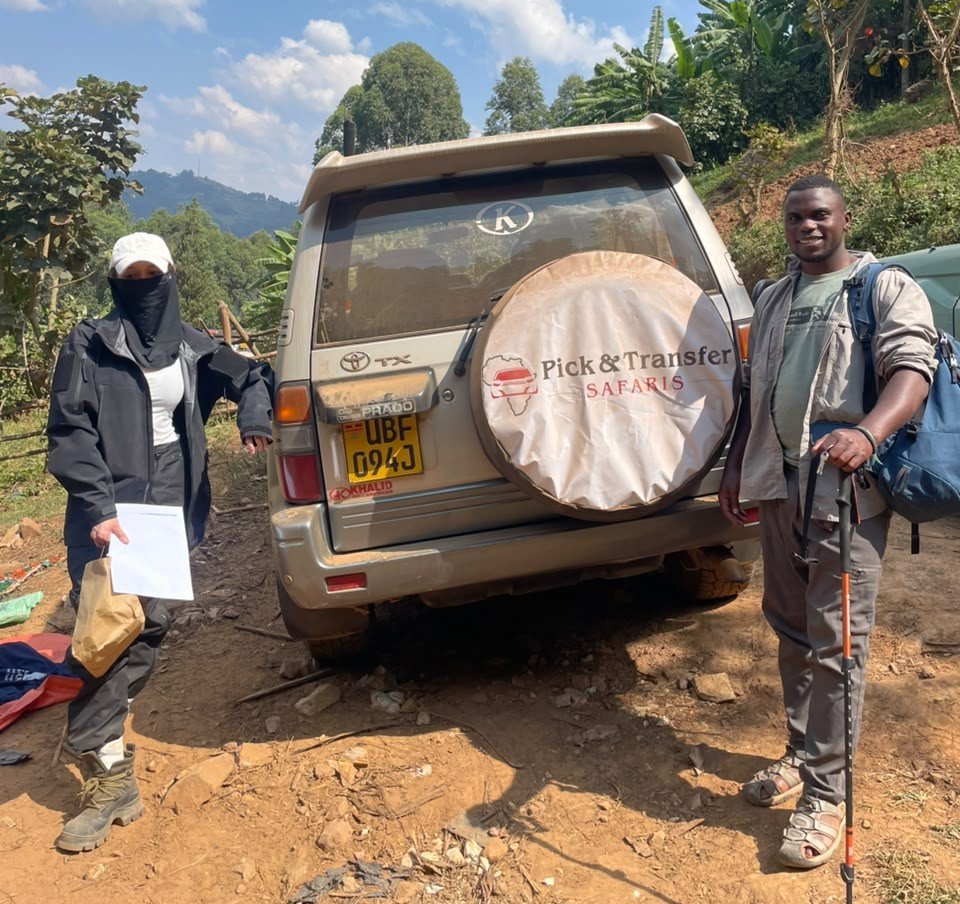
7 Days Uganda Safari – One week tour
This 7-day itinerary is the classic one-week introduction to Uganda, covering the country’s three most iconic wildlife experiences: chimpanzee tracking in Kibale Forest National Park, Big Five game drives and a boat cruise in Queen
Tour Details →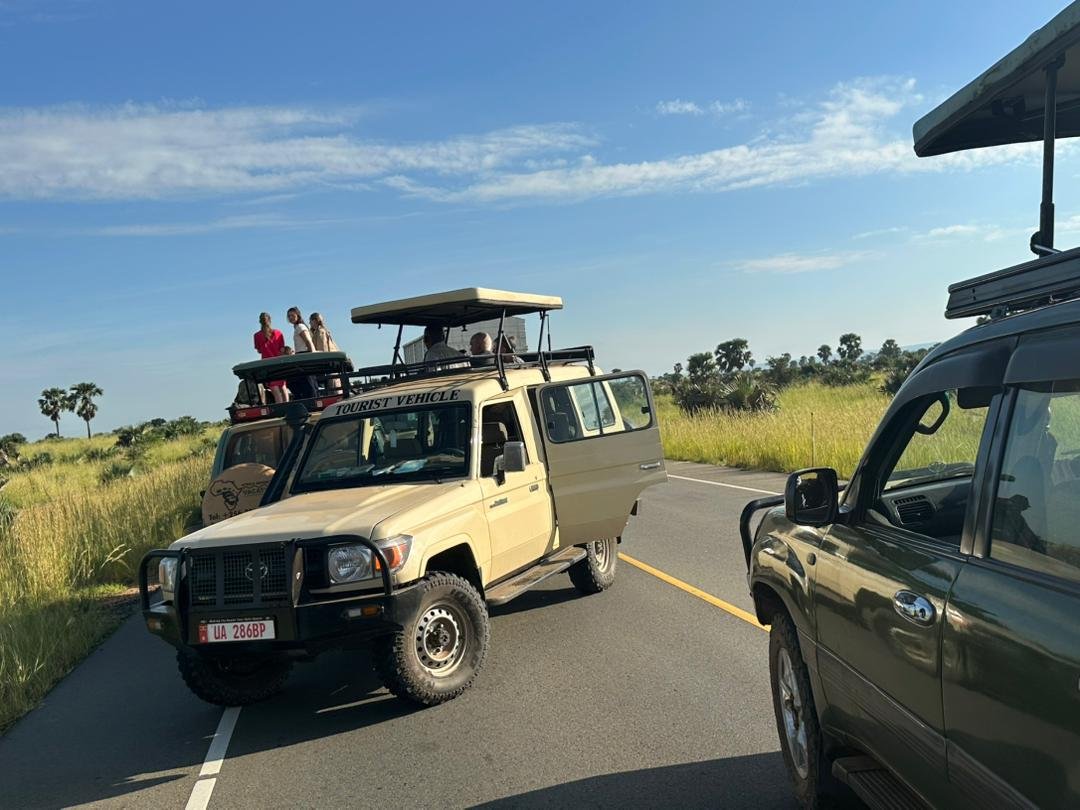
10 Days Uganda Primates and Wildlife
This 10-day Uganda Grand Safari is the most complete Uganda itinerary we offer at Pick and Transfer Safaris. It begins with a scenic northward drive from Entebbe to the vast open plains of Murchison
Tour Details →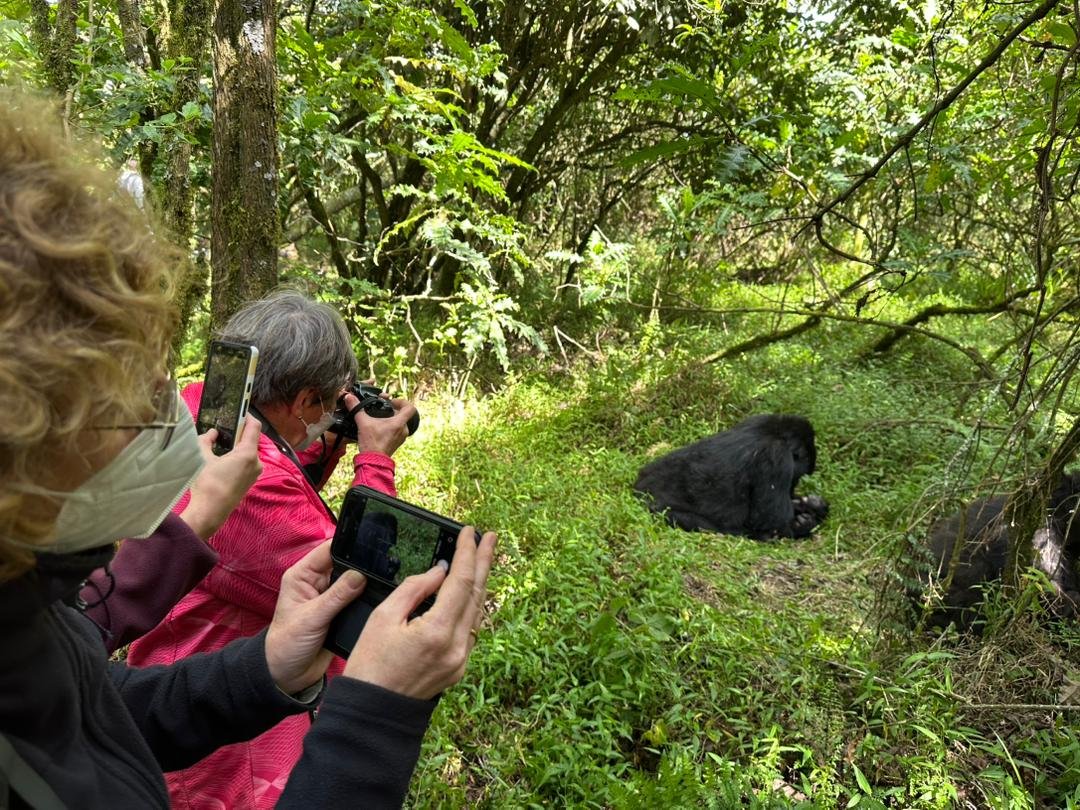
2 Days Uganda Gorilla Tour Starting from Kigali
This is the gentler cousin of our 1-Day Uganda Gorilla Safari Starting from Kigali — same idea, twice the breathing room. Instead of squeezing a 3,000-metre forest trek and two border crossings into a single very long day
Tour Details →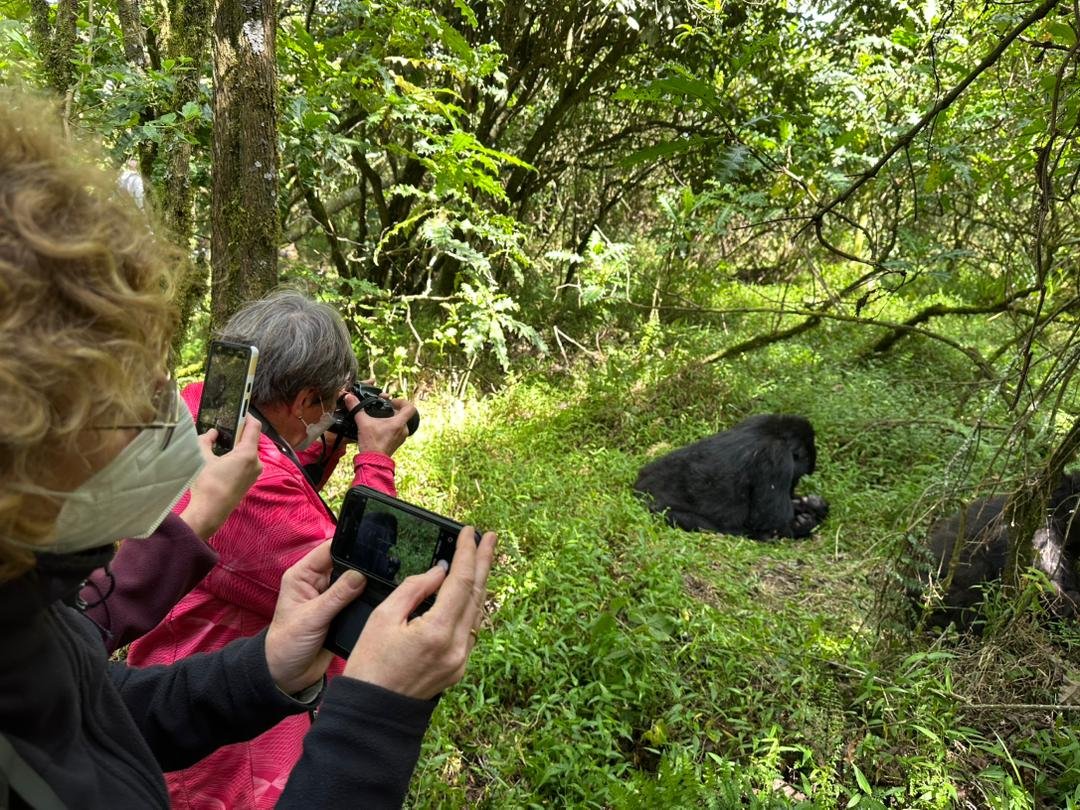
5-Day Uganda Gorilla and Chimpanzee Safari
This itinerary can be combined with a Rwanda extension or a wildlife-focused add-on through Queen Elizabeth National Park — browse our Uganda & Rwanda Safaris and Primate Safaris collections for ideas.
Tour Details →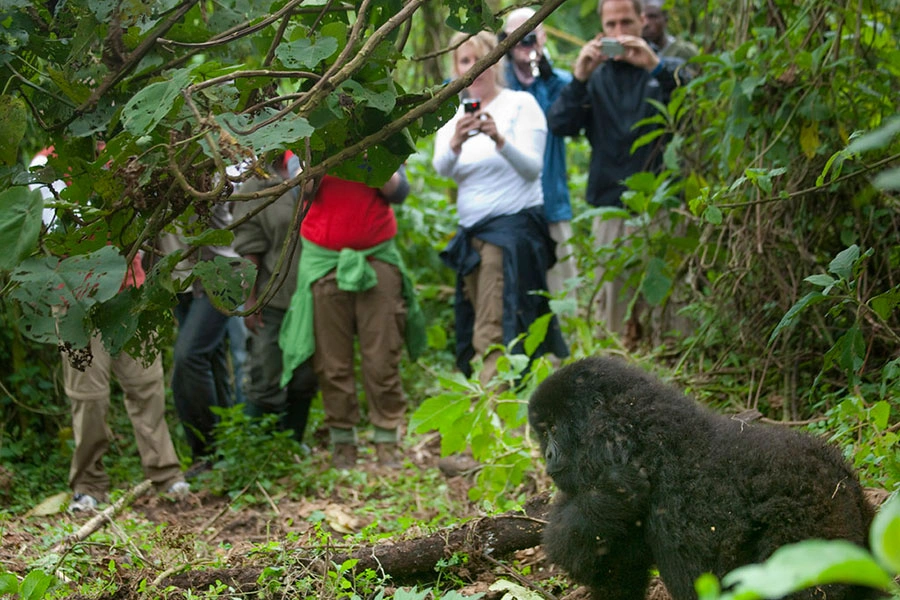
5 Days Rwanda Wildlife and Gorillas
This 5-day itinerary brings together Rwanda’s two flagship wildlife experiences: open savannah game drives and a boat safari in Akagera National Park, followed by a face-to-face encounters
Tour Details →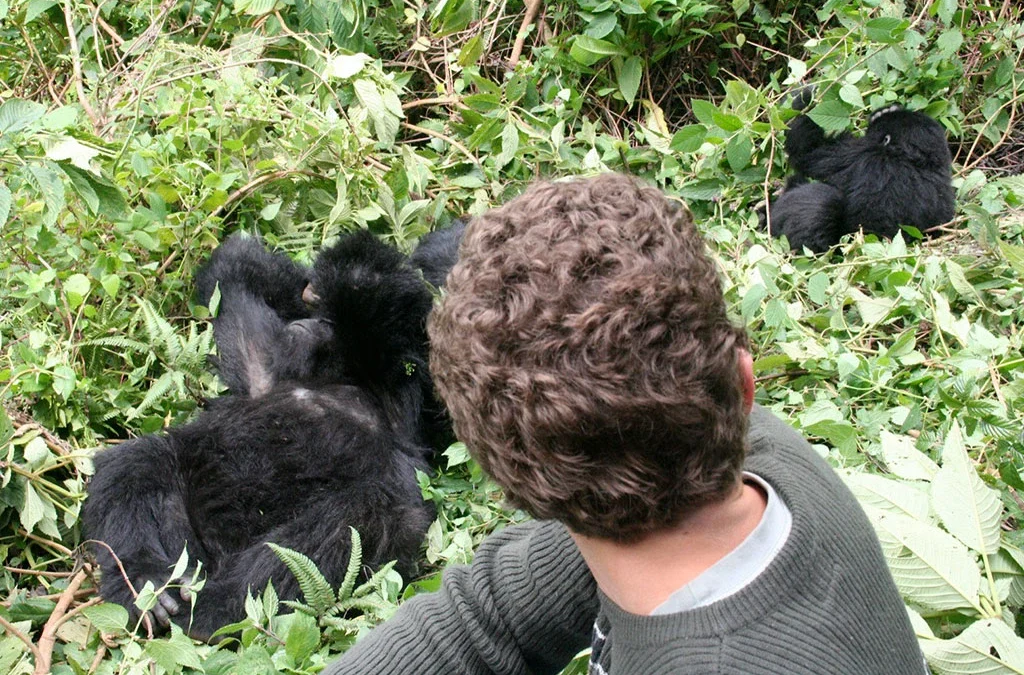
3 Days Uganda Gorilla Safari
For travelers who arrive in Entebbe with a tight schedule and a clear ambition, a 3-day gorilla safari to Bwindi Impenetrable Forest National Park is the most focused and rewarding short trip the country has to offer.
Tour Details →