- LET'S PLAN YOUR SAFARI
- +256 200 921 002
- +256 793 194 703
- info@pickandtransfersafaris.com

Best Places to See Monkeys and Primates in Rwanda
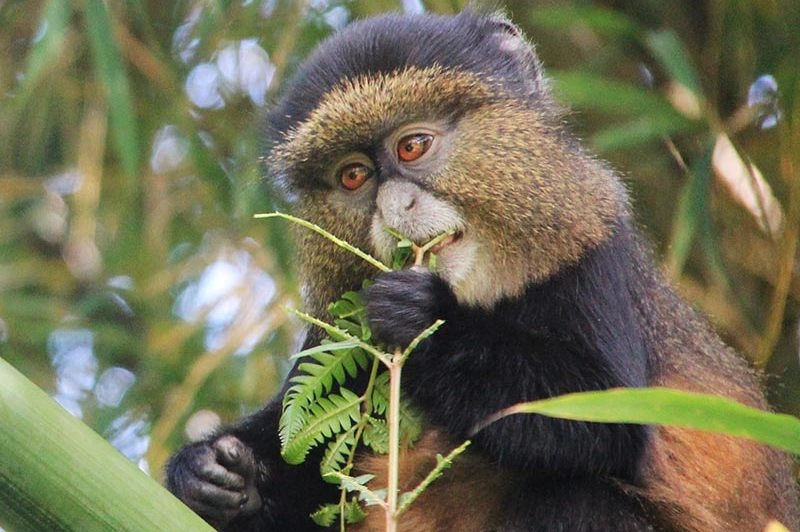
Best Places to See Monkeys and Primates in Rwanda. Rwanda packs more primate diversity into its small footprint than almost anywhere else on Earth. Within a single trip, you can trek mountain gorillas through bamboo forest, watch a troop of 400 Angolan colobus monkeys leap between rainforest canopies, follow a chimpanzee community at dawn, and photograph golden monkeys tumbling through low bamboo in a single, tightly packed itinerary. No other country of Rwanda’s size offers this much primate variety within a few hours’ drive of its capital.
This guide walks through every major primate-watching destination in Rwanda, species by species and park by park, so you can decide exactly where to go, what you’ll realistically see, and how to build an itinerary around it. Whether gorillas are your main goal or you’re chasing a full primate checklist, we’ll point you toward the specific tours and resources you need to book the trip.
It’s worth saying upfront that “seeing primates in Rwanda” means something very different depending on which species you’re after. A mountain gorilla trek is a highly regulated, permit-based activity with strict group sizes and a firm age limit. A vervet monkey sighting, by contrast, might happen unannounced outside your lodge room before breakfast. Understanding which category each species in this guide falls into, permit-required trek, lower-cost forest walk, or incidental sighting, will save you both money and planning time as you build your itinerary.
Why Rwanda Is One of Africa’s Top Primate-Watching Destinations
Rwanda sits at the heart of the Albertine Rift, a biodiversity hotspot running along the western edge of the East African Rift Valley that holds an unusually high concentration of primate species found nowhere else on the continent. Combine that geography with Rwanda’s dense network of protected forests, Volcanoes National Park, Nyungwe Forest, Gishwati-Mukura, and Akagera, and you get a country where primate diversity rivals destinations many times its size.
What sets Rwanda apart from other African primate destinations is proximity. Nyungwe Forest alone hosts 13 recorded primate species within a single reserve, while Volcanoes National Park adds both mountain gorillas and golden monkeys within the same compact volcanic highland zone. Few countries let you move between this many primate-rich ecosystems without multi-day drives between them, and our Wildlife Safaris collection is built specifically to take advantage of that compactness.
Rwanda’s conservation record also matters here. Decades of habitat protection and community-based conservation funding, largely driven by primate tourism revenue, have allowed populations of mountain gorillas, golden monkeys, and several Nyungwe species to stabilize or grow, even as many primate populations decline elsewhere in Africa. Every trekking permit you purchase directly funds that ongoing protection work.
Volcanoes National Park: Mountain Gorillas and Golden Monkeys
Volcanoes National Park is Rwanda’s most famous primate destination and the single best starting point for any primate-focused itinerary. Covering the Rwandan side of the Virunga Massif, a chain of volcanic peaks shared with Uganda and the Democratic Republic of Congo, the park protects both mountain gorillas and golden monkeys within the same bamboo and montane forest habitat.
The park’s proximity to Kigali, roughly a two-hour drive, makes it exceptionally easy to combine with other parts of Rwanda in a short trip. Our 2 Days Volcanoes Gorilla Trek from Kigali is the fastest way to experience the park, while the 5 Days Best of Rwanda Primate Safari pairs it with Nyungwe for a fuller primate circuit.
Beyond its two headline primates, Volcanoes National Park also protects golden cats, forest buffalo, and a range of forest bird species, making even a single trekking day here a genuinely varied wildlife experience rather than a single-species outing. The park’s volcanic slopes, part of the same chain that includes Mount Karisimbi, Rwanda’s highest peak, also draw hikers pursuing summit treks unrelated to primates, giving multi-interest travel groups plenty to do beyond wildlife alone if a trekking day needs to be split across different activities.
Mountain Gorilla Trekking: Meeting Rwanda’s Ten Habituated Families
Volcanoes National Park manages 10 habituated mountain gorilla families available for tourist visits, each limited to a maximum of eight visitors per trek to minimize disturbance and disease risk. Family sizes and characters vary considerably: the Susa family, the largest in the park and the first group studied by primatologist Dian Fossey, contains around 33 members, while smaller, more mobile families like Ugenda offer a different kind of trek, often involving a longer hike but a more intimate encounter.
Each family is assigned to trekkers on the morning of the trek based on fitness level and preference, so travelers hoping for a shorter walk or a larger, more socially active family can mention that preference to their guide during the pre-trek briefing. Silverbacks, the dominant males in each troop, are usually the most striking presence in any encounter, though the real highlight for most visitors is watching the interactions between mothers, infants, and juveniles within the group.
A 3 Days Rwanda Gorilla Tracking and Cultural Tour gives you a full trekking day plus buffer time in case weather or gorilla movement extends your hike, while our 10 Days Rwanda Wildlife Gorilla Tour builds gorilla trekking into a much longer national primate and wildlife circuit.
Golden Monkey Trekking: Rwanda’s Other Volcanoes Primate
Golden monkeys are one of the most visually striking primates in Africa, with vivid orange-gold fur across their back and flanks that stands out sharply against the green bamboo forest they call home. Endemic to the Albertine Rift, golden monkeys live only in the forests of the Virunga Massif and a handful of nearby ranges, making Volcanoes National Park one of the only places on Earth to see them reliably.
Unlike mountain gorillas, golden monkeys form fast-moving, highly social troops that can number in the dozens, spending much of the day feeding on bamboo shoots and leaping actively through low vegetation. Because groups sleep in smaller clusters of around four individuals but forage together in much larger numbers during the day, sightings tend to be lively and photogenic, with near-constant movement rather than the more still, ground-based behavior typical of gorilla encounters.
Golden monkey trekking also carries a lower minimum age than mountain gorilla trekking in most of the region, making it a popular choice for families with younger teenagers. It pairs naturally with a gorilla trek on a multi-day Volcanoes itinerary; ask your consultant to add it to any 2 Days Volcanoes Gorilla Trek from Kigali booking through our Contact Us page.
Nyungwe Forest National Park: Africa’s Primate Capital
If Volcanoes National Park is Rwanda’s most famous primate destination, Nyungwe Forest National Park is arguably its richest. This 970-square-kilometer montane rainforest in southwestern Rwanda is one of Africa’s oldest surviving forest ecosystems and holds a recorded 13 primate species within its boundaries, more than almost any other single protected area on the continent.
That diversity spans everything from great apes to small, rarely seen forest monkeys: chimpanzees, Angolan colobus monkeys, L’Hoest’s monkeys, blue monkeys, red-tailed monkeys, golden monkeys, owl-faced monkeys, crowned monkeys, Dent’s mona monkeys, vervet monkeys, olive baboons, grey-cheeked mangabeys, and more all share this single forest, often visible from the same network of trails on a well-guided day.
A 3 Days Nyungwe Safari is the standard way to properly experience this diversity, combining a primate trek with the forest’s famous canopy walkway. Travelers building a dedicated primate-focused trip should also consider our 5 Days Best of Rwanda Primate Safari, which threads Nyungwe together with Volcanoes National Park for the widest possible primate checklist in a single week.
Chimpanzee Trekking in Nyungwe Forest
Chimpanzees are Nyungwe’s flagship primate and the reason most visitors book a dedicated trekking day here rather than a standard forest walk. More than 400 habituated chimpanzees live across two main communities in the park, and treks typically begin at dawn, when chimpanzees are most vocal and active before the day’s heat sets in.
Chimpanzee trekking differs noticeably from gorilla trekking. Chimpanzees move quickly through the upper canopy and across the forest floor, meaning treks can be longer, more physically demanding, and less predictable in terms of exact viewing time compared to the more sedentary behavior typical of mountain gorilla families. The reward is watching genuinely dynamic social behavior, including tool use, vocal calling between group members, and the kind of expressive, humanlike interactions that make chimpanzees such compelling primates to observe in the wild.
A 2 Days Nyungwe Chimps Tracking Trip is the most efficient way to fit a chimpanzee trek into a shorter Rwanda itinerary. For a comparison point on chimpanzee trekking logistics elsewhere in the region, Kenlink Tours’ 3-Day Nyungwe Forest National Park Tour and their 3-Day Chimpanzee Tracking Safari in Uganda both illustrate how similar trips are structured across the Albertine Rift.
Angolan Colobus Monkeys: Nyungwe’s Largest Primate Troop
Few primate sightings anywhere in Africa compare to Nyungwe’s Angolan colobus monkeys. This striking black-and-white species forms the single largest primate troop in the park, with counts frequently cited between 300 and 400 individuals moving together through the canopy near the Uwinka reception area, an almost unheard-of group size for any primate species worldwide.
Angolan colobus monkeys are remarkable acrobats, capable of leaping distances of 10 to 15 meters between trees, using their long white tail plumes for balance mid-air. Watching a troop of this size move through the canopy together, with dozens of animals leaping in near-simultaneous waves, is one of the most visually dramatic primate encounters available anywhere in East Africa, and it requires no special permit beyond a standard Nyungwe forest walk.
Because the colobus troop ranges near the park’s main visitor center, this sighting is often combined with a shorter forest walk rather than a full-day trek, making it an efficient addition to any 3 Days Nyungwe Safari itinerary, even for travelers with limited time in the park.
The sheer scale of a troop this size also creates a unique soundscape that many visitors describe as one of the most memorable parts of a Nyungwe visit: branches shaking in sequence as dozens of animals move through the canopy together, punctuated by the occasional deep, rasping call males use to announce their position to the rest of the group. Guides familiar with the troop’s typical daily range can often predict roughly where to find them based on recent feeding patterns, improving the odds of a sighting even on a shorter walk.
Blue Monkeys, L’Hoest’s Monkeys, and Nyungwe’s Smaller Primates
Beyond its headline species, Nyungwe holds a long list of smaller, less commonly photographed primates that reward patient, guide-led forest walks. Blue monkeys, named for the subtle blue-grey sheen of their coat under forest light, spend most of their time high in the canopy along the park’s canopy walkway and Umuyove trail, making them a frequent sighting for visitors combining a forest walk with the canopy walk itself.
L’Hoest’s monkeys behave very differently, spending most of their time on the forest floor across a wide elevation range and often appearing near roadside clearings, though they tend to flee quickly at the sight of humans. Red-tailed monkeys, easily identified by their distinctive rust-colored tail, are among the most adaptable and widely distributed primates in the park, using cheek pouches to store food while moving between feeding sites, while crowned monkeys travel in larger troops of up to 25 individuals organized around a single dominant male.
Dent’s mona monkeys add an unusual behavioral detail to any Nyungwe walk: guides frequently note individuals acting as informal scouts for nearby colobus troops, moving ahead of the larger group before a shift in location. Spotting several of these species in a single outing is common on a well-guided 3 Days Nyungwe Safari, particularly for travelers who prioritize a dedicated forest walk alongside their primary chimpanzee or colobus trek.
Olive Baboons and Vervet Monkeys: Rwanda’s Most Widespread Primates
Not every primate in Rwanda requires a dedicated forest trek to see. Olive baboons, the largest monkey species found in the country, are also among the most numerous primates in Nyungwe and appear across a wide range of habitats nationwide, from forest edges to open savannah in Akagera. Their adaptability occasionally brings them into conflict with farmers near park boundaries, a reminder of how closely Rwanda’s conservation successes and community livelihoods are intertwined.
Vervet monkeys are similarly widespread and among the easiest primates to observe in Rwanda, often visible around lodges, roadsides, and park entrance areas without requiring a formal trek at all. Their complex social structure includes distinct alarm calls for different predator types and a shared “allomothering” system in which multiple troop members help care for infants, behavior that’s fascinating to observe even during a brief, casual sighting.
These two species are a great starting point for younger travelers or anyone easing into primate watching before a more demanding trek, and they’re commonly spotted during transfers between parks on itineraries like our 4 Days Rwanda Wildlife and City Tour.
Owl-Faced Monkeys and Other Rare Nyungwe Sightings
For dedicated primate enthusiasts, Nyungwe’s rarer species are often the real prize. Owl-faced monkeys, named for the distinctive white facial markings surrounding their eyes, live in small groups of fewer than ten individuals at high elevations and are genuinely difficult to spot even for experienced guides, making a confirmed sighting a significant highlight for any serious primate trip.
Grey-cheeked mangabeys, forming groups of 5 to 30 individuals, are being considered by park authorities as a future habituation candidate alongside the existing chimpanzee and colobus programs, which would eventually make them easier to track on a dedicated basis rather than relying on chance encounters during general forest walks.
Travelers specifically chasing a complete primate checklist should communicate that goal clearly when booking, since guides can tailor a Nyungwe itinerary toward these rarer species rather than defaulting to the standard chimpanzee-and-colobus combination. Mention your primate priorities through our Contact Us page when planning a 5 Days Best of Rwanda Primate Safari or similar multi-day Nyungwe itinerary.
Gishwati-Mukura National Park: Chimpanzees Off the Beaten Path
Gishwati-Mukura National Park is Rwanda’s newest and least-visited park, gazetted in 2015 after a major forest restoration project reversed decades of deforestation between Volcanoes National Park and Lake Kivu. It protects a smaller, quieter chimpanzee population along with several other primate species, offered through guided forest walks rather than the more structured trekking format used at Nyungwe.
Because visitor numbers here remain low, Gishwati-Mukura offers something increasingly rare in Rwanda’s more popular parks: genuine solitude on the trail, often with just your small group and a single guide for the entire walk. It won’t match Nyungwe’s species count, but for travelers who value a quieter, less crowded primate encounter, it’s one of the most underrated additions to a Rwanda itinerary.
This park works best paired with a Volcanoes National Park visit given the short driving distance between the two. Ask your consultant to build it into a broader itinerary through our Extended Safaris collection if a quieter forest experience appeals to your group.
Akagera National Park: Primates Beyond the Big Five
Most travelers associate Akagera National Park with lions, rhinos, and Big Five game drives, but Rwanda’s only savannah park also holds a solid population of vervet monkeys and olive baboons, both easily spotted during standard game drives around the park’s woodland and lakeshore habitats. While Akagera won’t compete with Nyungwe’s primate diversity, it offers a useful reminder that even a savannah-focused safari day here comes with primate sightings built in, without requiring a separate trek.
For travelers combining a Big Five safari with a broader primate trip, a 3 Days Akagera National Park Safari from Kigali pairs naturally with a Volcanoes or Nyungwe leg later in the same trip. Our 5 Days Rwanda Wildlife and Gorillas itinerary is built around exactly this combination, giving you savannah wildlife and mountain gorillas within a single efficient week.
Best Multi-Park Primate Safari Itineraries in Rwanda
Because Rwanda’s parks sit relatively close together, the best primate trips almost always combine at least two destinations rather than focusing on a single park. For travelers chasing the widest possible species list, our 5 Days Best of Rwanda Primate Safari combines gorilla trekking, golden monkey trekking, and Nyungwe’s chimpanzee and colobus encounters into one streamlined week.
Travelers who want to add savannah wildlife alongside primates should consider the 5 Days Rwanda Gorilla and Chimpanzee Safari or the longer 10 Days Rwanda Wildlife Gorilla Tour, both of which layer Akagera’s Big Five game drives around a primate-focused core.
For a complete national circuit with more breathing room between activities, our 7 Days Best of Rwanda Safari threads together Volcanoes National Park, Nyungwe, Akagera, and Kigali into a single, comfortably paced week that covers essentially every primate destination in the country.
Rwanda vs Uganda: Comparing Primate Trekking Destinations
Rwanda’s primate offering is frequently compared with Uganda’s, since both countries share the same mountain gorilla population across the Virunga Massif and both hold outstanding chimpanzee trekking destinations. Uganda’s Bwindi Impenetrable National Park offers mountain gorilla trekking across a larger number of habituated families spread over four different sectors, while Kibale Forest National Park is widely regarded as one of the best chimpanzee trekking destinations in Africa, giving Uganda a genuinely strong primate portfolio of its own.
Rwanda’s advantage is compactness and infrastructure. Volcanoes National Park and Nyungwe sit within a manageable drive of each other and of Kigali, with generally smoother roads and shorter transfer times than Uganda’s more spread-out park network. Many travelers solve this comparison by simply doing both: our 10 Days Uganda Rwanda Safari and 15 Days Rwanda Uganda Safari both combine the two countries’ primate destinations into one extended trip.
For a direct comparison of how another regional operator structures this same combination, review Kenlink Tours’ 5-Day Uganda Rwanda Double Gorilla Safari and their 9-Day Uganda Rwanda Gorilla and Big Five Safari, both useful reference points if you’re deciding how much time to allocate to each country’s primate parks. Their dedicated About Uganda overview and Rwanda Safaris collection are also worth a look if you want a second perspective on how each country’s primate parks are typically packaged.
How Other Regional Operators Structure Primate Safaris
Benchmarking your itinerary against how other operators in the region package primate trips is a useful sanity check before booking. Kenlink Tours’ 5-Day Volcanoes Gorillas and Akagera Park Wildlife Safari follows the same gorilla-plus-savannah pairing we recommend, confirming this is considered a genuinely proven route across the industry rather than something specific to a single operator.
For travelers considering a shorter cross-border primate add-on, their 2-Day Uganda Gorilla Safari Starting from Kigali shows how efficiently a second country’s gorilla families can be reached from a Kigali base, while the more comprehensive 15-Day Rwanda-Uganda Primate and Big-Five Safari Adventure illustrates just how deep a combined primate checklist can go when both countries are included in a single, longer trip. Groups planning primate safaris together should also review Kenlink Tours’ Group Tours page and their Car Hire service for a sense of how transport and logistics are typically priced across multi-park regional itineraries, useful context when comparing quotes.
Primate Trekking Permit Prices and Age Limits in Rwanda
Permit pricing varies significantly by species and activity. A standard mountain gorilla trekking permit in Rwanda costs $1,500 per person for foreign non-residents, while golden monkey trekking and Nyungwe chimpanzee tracking permits are considerably less expensive, making them accessible additions to a broader itinerary rather than a major budget line on their own.
Age limits also differ by species. Mountain gorilla and chimpanzee trekking both carry a minimum age of 15 in Rwanda, strictly enforced through passport checks on the morning of your trek. Golden monkey trekking generally allows younger participants, making it a popular choice for families with teenagers under the gorilla trekking age threshold. Forest walks aimed at spotting colobus monkeys, baboons, and vervet monkeys typically carry no formal age restriction at all, since they involve less demanding terrain and no direct approach protocol.
Because pricing and rules can shift from season to season, always confirm current permit costs and age policies directly with your operator before booking. Our Gorilla Safaris page keeps permit-inclusive packages updated, and our team can walk through exactly which permits your itinerary needs during a Contact Us consultation.
Best Time of Year for Primate Trekking in Rwanda
Rwanda’s two dry seasons, June through September and December through mid-February, offer the most comfortable trekking conditions across all primate destinations, with firmer trails and generally better visibility in the forest canopy. These months are also peak season, meaning gorilla and chimpanzee permits should be booked at least three to six months in advance to guarantee availability.
The wetter shoulder seasons, March through May and October through November, bring a genuine trade-off worth considering. Trails are muddier and rain is more frequent, but lodge rates drop, crowds thin out significantly, and permits are far easier to secure on shorter notice. Primate behavior doesn’t change dramatically with the seasons, so travelers prioritizing value over comfort often find shoulder-season primate trekking just as rewarding as a peak-season trip.
Whichever season you choose, our team sequences multi-park primate itineraries around seasonal trail conditions as part of every custom Wildlife Safaris booking, prioritizing whichever species matter most to your specific trip.
One seasonal detail worth planning around specifically: golden monkeys and colobus troops tend to range more widely during wetter months when fruiting and bamboo growth patterns shift across the forest, which can occasionally mean a slightly longer walk to locate them compared to the more predictable dry-season pattern. This is rarely a significant issue, but it’s one more reason experienced local guides are worth the investment regardless of when you travel.
What to Pack and How to Prepare for a Primate Trek
Primate trekking in Rwanda, whether for gorillas, chimpanzees, or Nyungwe’s smaller species, demands genuine physical preparation. Sturdy, broken-in hiking boots are essential, since trails are frequently muddy, root-covered, and steep regardless of season. Layered clothing handles Rwanda’s shifting forest temperatures well, and a rain jacket is worth packing even during the dry season, since mountain and forest microclimates can shift quickly.
Gardening gloves are a popular, low-cost addition for gorilla and chimpanzee treks, since stinging nettles are common along forest trails and can make grabbing vegetation for balance uncomfortable without hand protection. A daypack with water, snacks, and a rain cover for cameras rounds out the basics, and binoculars are genuinely essential for spotting canopy-dwelling species like blue monkeys and owl-faced monkeys, which rarely come down to eye level.
Physical preparation matters too. While no formal fitness test is required, treks can last anywhere from one to six hours depending on where the primate group has moved that morning, and hiring a porter is a smart, affordable way to make the experience more comfortable while directly supporting the local community around each park.
Camera gear deserves special thought given how different Rwanda’s primate habitats are from one another. Volcanoes National Park’s bamboo forest is often overcast and low-light, favoring a camera body that performs well at higher ISOs, while Nyungwe’s dense canopy creates dappled, high-contrast lighting that can challenge autofocus systems tracking fast-moving colobus or blue monkeys overhead. A single versatile zoom lens, rather than multiple primes, tends to serve most travelers better given how quickly conditions and subject distance can change between one primate encounter and the next.
Physical documents matter just as much as gear. Bring your original passport for every gorilla and chimpanzee trek, since photocopies are not accepted at check-in, and keep your permit confirmation accessible, whether printed or on your phone, since park staff may ask to see it alongside your identification during the morning registration process.
Tips for Ethical and Responsible Primate Viewing
Rwanda’s primate tourism rules exist to protect species that are, in most cases, endangered and highly susceptible to human disease transmission. Maintaining the required distance from gorillas and chimpanzees, generally around seven meters, is not just a park regulation but a genuine conservation necessity given how closely related these species are to humans biologically.
Avoid trekking if you’re feeling unwell, even mildly. Guides are trained to screen for illness before every trek, and a sick trekker poses a real transmission risk to primate populations that have had limited historical exposure to human pathogens. Keep voices low during encounters, avoid flash photography, which can startle sensitive species, and always follow your ranger guide’s instructions immediately if a primate displays warning behavior.
Choosing operators who prioritize small group sizes, trained local guides, and community revenue-sharing also supports the broader conservation model that has made Rwanda’s primate populations increasingly stable. Every booking through our About Us page channels a portion of your trip toward these same community and conservation partnerships.
Photography etiquette deserves a specific mention. While it’s tempting to move closer for a better shot, guides enforce distance rules precisely because primates communicate stress through body language long before they act on it, and a stressed troop can abandon a feeding site or, in rarer cases, become defensive. A longer zoom lens is a far better investment than a closer approach for any serious primate photographer visiting Rwanda’s forests.
Frequently Asked Questions About Primate Watching in Rwanda
How many primate species can I see in Rwanda? Nyungwe Forest alone holds 13 recorded primate species, and combined with Volcanoes National Park’s mountain gorillas and golden monkeys, plus Akagera and Gishwati-Mukura’s smaller populations, a well-planned trip can realistically expose you to a dozen or more species in a single visit.
Is Nyungwe or Volcanoes National Park better for first-time primate trekkers? Volcanoes National Park is the better starting point if mountain gorillas are your priority, while Nyungwe offers far greater overall species diversity. Most serious primate trips combine both parks rather than choosing one over the other.
Do I need separate permits for each primate species? Yes. Gorilla trekking, golden monkey trekking, and chimpanzee tracking each require their own dedicated permit, while sightings of colobus monkeys, baboons, and vervet monkeys during general forest walks or game drives typically require no additional permit.
What is the easiest primate to see in Rwanda without a formal trek? Vervet monkeys and olive baboons are the most widely distributed and easiest to spot, often visible around lodges, roadsides, and park entrance areas without a dedicated trekking permit.
Can children see primates in Rwanda if they’re under the gorilla trekking age limit? Yes. Golden monkey trekking, colobus monkey walks, and general forest walks in Nyungwe typically carry lower or no age restrictions, making them accessible alternatives for younger travelers who don’t yet meet the 15-year minimum for gorilla and chimpanzee trekking.
How difficult is Angolan colobus monkey viewing compared to gorilla trekking? Generally easier. Because the largest colobus troop ranges near Nyungwe’s main visitor center, sightings often require only a shorter forest walk rather than the longer, more physically demanding hikes typical of gorilla or chimpanzee trekking.
Final Thoughts: Planning a Complete Rwanda Primate Safari
Rwanda’s primate diversity extends far beyond its famous mountain gorillas. Between Volcanoes National Park’s golden monkeys, Nyungwe’s extraordinary 13-species lineup, Gishwati-Mukura’s quieter chimpanzee population, and the incidental sightings woven into an Akagera game drive, this small country offers one of the most complete primate-watching circuits anywhere in Africa. Building a trip around this full picture, rather than a single gorilla trekking day, gives you a far richer sense of what Rwanda’s forests actually protect.
The most rewarding primate trips are the ones planned around variety: a demanding gorilla or chimpanzee trek paired with a gentler colobus or golden monkey walk, savannah baboon sightings mixed in with rainforest specialists, and enough time in each park to let a knowledgeable guide actually find the rarer species most visitors miss. That kind of pacing takes planning, but it turns a single-species trip into a genuine primate safari.
Ready to build your own Rwanda primate itinerary? Reach out to Pick and Transfer Safaris and tell us which species matter most to your group, and we’ll design a route from our full Gorilla Safaris, Wildlife Safaris, and Extended Safaris collections that covers everything from silverbacks to owl-faced monkeys in a single, well-paced trip.
Browse our full Destinations overview to see every park covered in this guide in one place, or learn more about how our team plans these itineraries on our About Us page before you start narrowing down dates and destinations.
However you choose to structure the trip, the underlying advice stays the same: decide early which primates matter most to you, whether that’s the drama of a silverback encounter, the sheer scale of a 400-strong colobus troop, or simply checking as many species as possible off a growing life list, and let that priority guide your park sequencing, your permit budget, and your pacing. Rwanda’s forests reward travelers who slow down enough to actually watch, rather than simply photograph, the primates they came to see.
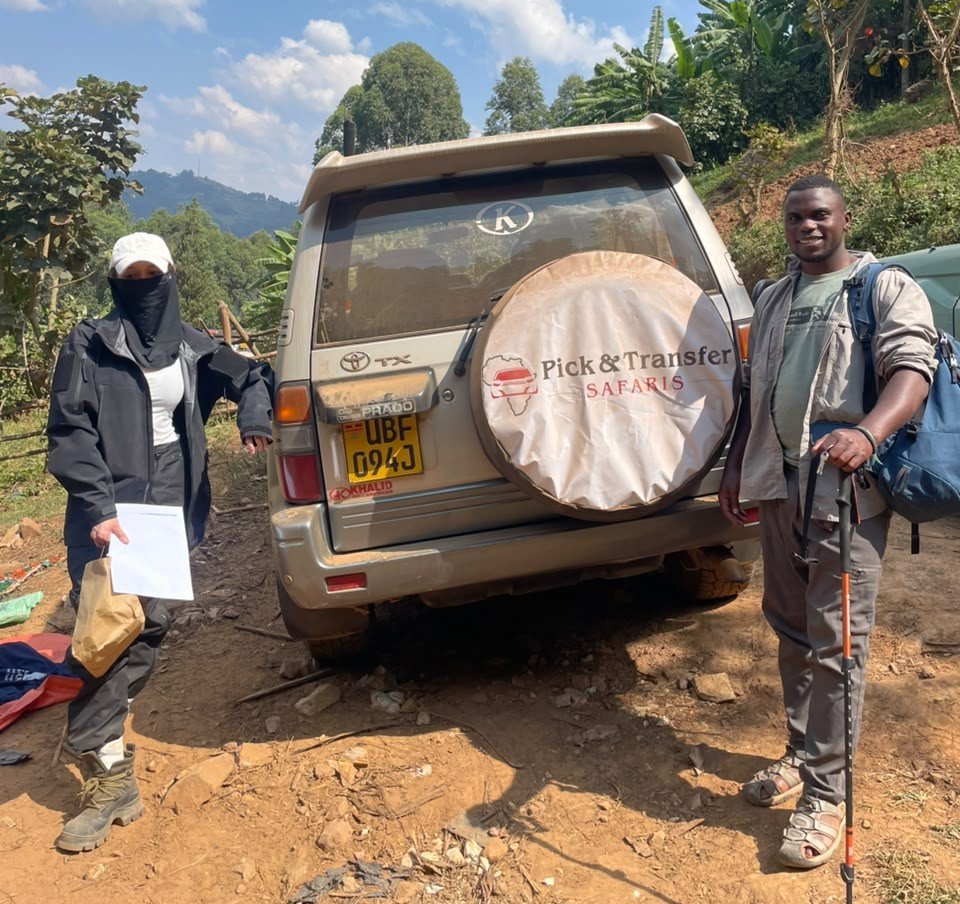
7 Days Uganda Safari – One week tour
This 7-day itinerary is the classic one-week introduction to Uganda, covering the country’s three most iconic wildlife experiences: chimpanzee tracking in Kibale Forest National Park, Big Five game drives and a boat cruise in Queen
Tour Details →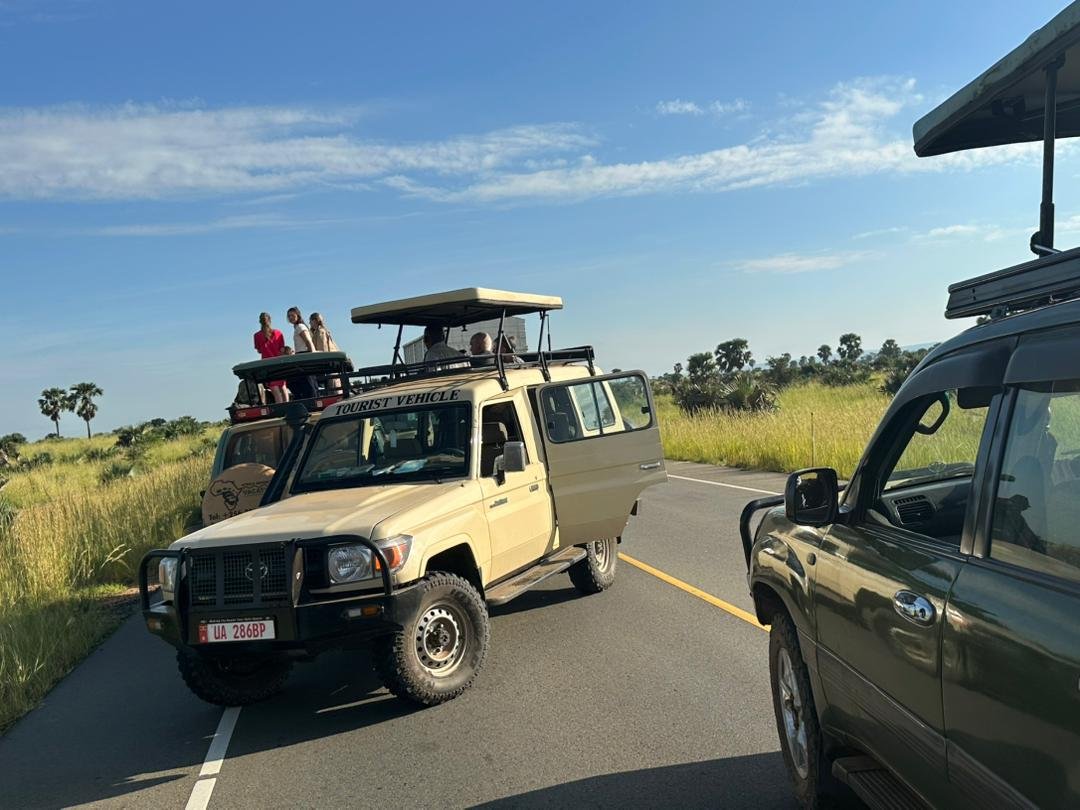
10 Days Uganda Primates and Wildlife
This 10-day Uganda Grand Safari is the most complete Uganda itinerary we offer at Pick and Transfer Safaris. It begins with a scenic northward drive from Entebbe to the vast open plains of Murchison
Tour Details →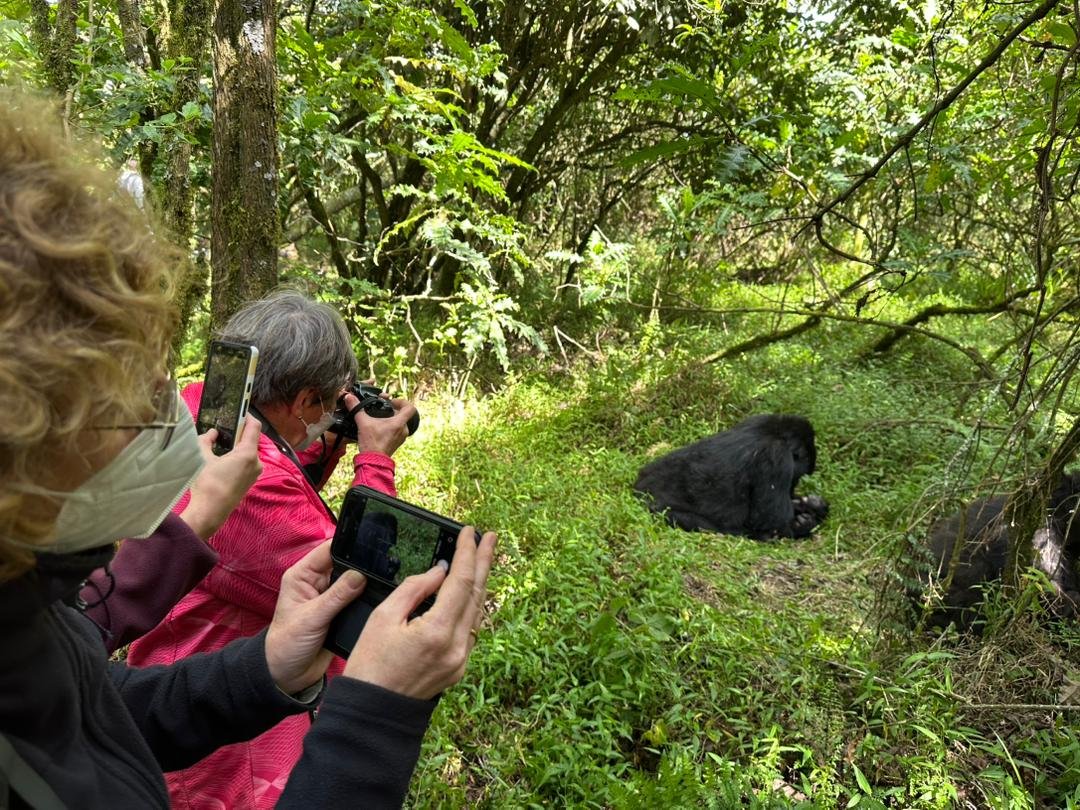
2 Days Uganda Gorilla Tour Starting from Kigali
This is the gentler cousin of our 1-Day Uganda Gorilla Safari Starting from Kigali — same idea, twice the breathing room. Instead of squeezing a 3,000-metre forest trek and two border crossings into a single very long day
Tour Details →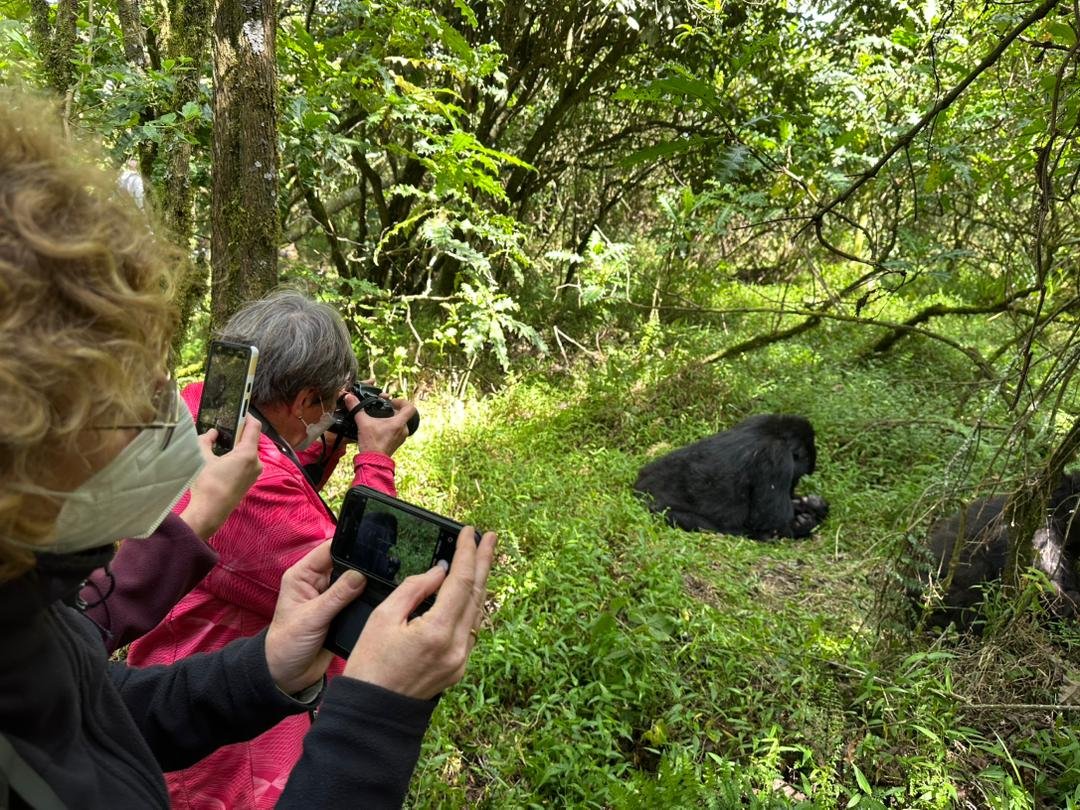
5-Day Uganda Gorilla and Chimpanzee Safari
This itinerary can be combined with a Rwanda extension or a wildlife-focused add-on through Queen Elizabeth National Park — browse our Uganda & Rwanda Safaris and Primate Safaris collections for ideas.
Tour Details →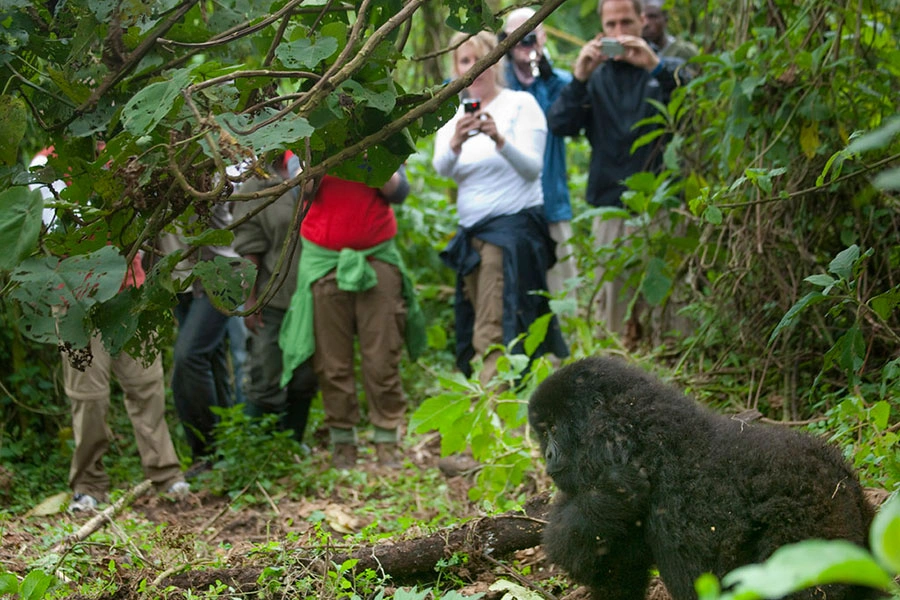
5 Days Rwanda Wildlife and Gorillas
This 5-day itinerary brings together Rwanda’s two flagship wildlife experiences: open savannah game drives and a boat safari in Akagera National Park, followed by a face-to-face encounters
Tour Details →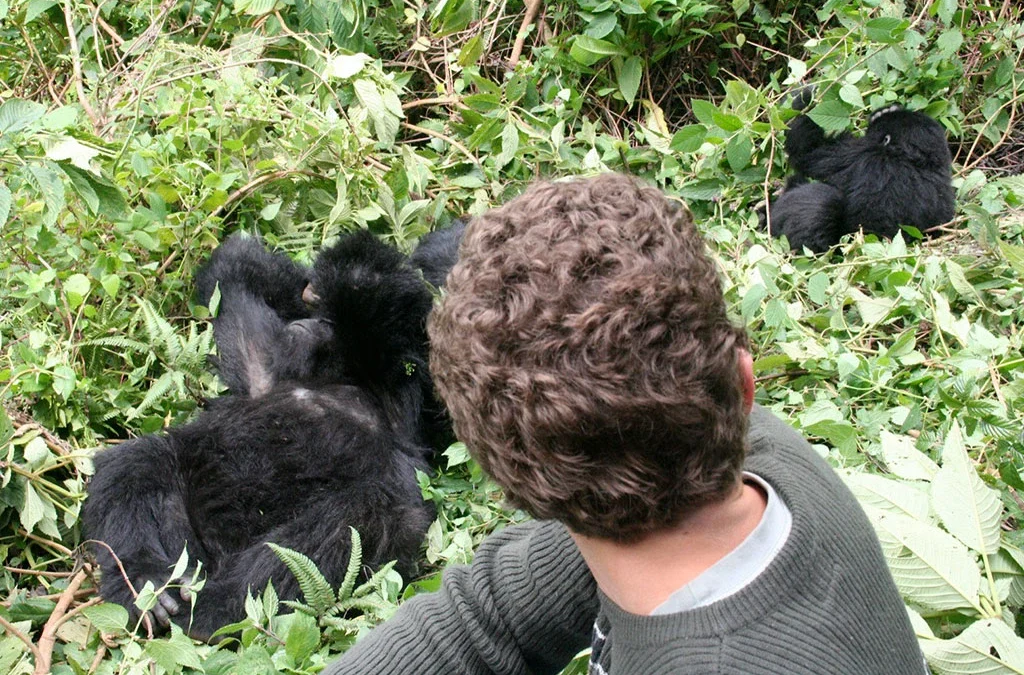
3 Days Uganda Gorilla Safari
For travelers who arrive in Entebbe with a tight schedule and a clear ambition, a 3-day gorilla safari to Bwindi Impenetrable Forest National Park is the most focused and rewarding short trip the country has to offer.
Tour Details →