- LET'S PLAN YOUR SAFARI
- +256 200 921 002
- +256 793 194 703
- info@pickandtransfersafaris.com

Best Rwanda Gorilla Safaris
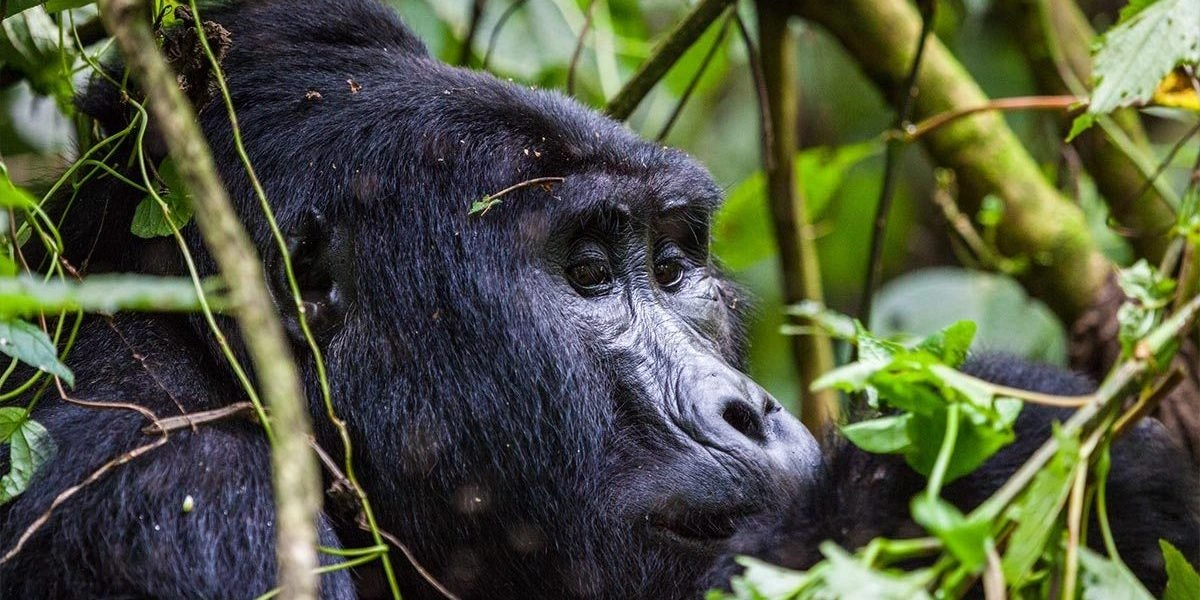
Best Rwanda Gorilla Safaris. Rwanda has quietly become one of the most polished, effortless gateways to mountain gorilla trekking anywhere in Africa. A small, densely green country often called the Land of a Thousand Hills, it pairs some of the shortest, most reliable gorilla treks on the continent with a capital city, Kigali, that regularly ranks among Africa’s cleanest and safest, and a network of parks close enough together that a genuinely complete safari fits comfortably into a week. The best Rwanda gorilla safaris combine all of this: a trek to meet a habituated mountain gorilla family in Volcanoes National Park, golden monkey tracking in the same forest, a Big Five game drive in Akagera National Park, and, for those with a little more time, chimpanzee tracking beneath Nyungwe Forest’s ancient canopy.
At Pick and Transfer Safaris, we build Rwanda itineraries year-round for travelers ranging from first-time gorilla trekkers on a long weekend to those combining Rwanda with a much longer East Africa circuit. This guide covers what actually makes a Rwanda gorilla safari worth the premium price tag, how the logistics work, what everything costs, and sample itineraries you can adapt to your own dates.
Popular Rwanda Gorilla Safari Packages at a Glance
Before the full planning guide, here is a quick side-by-side comparison of some of our most-booked Rwanda itineraries, useful for weighing duration against route before reading further.
| Safari Package | Duration | Highlights |
|---|---|---|
| 2-Day Volcanoes Gorilla Trek from Kigali | 2 Days | Fast, focused single gorilla trek |
| 2-Day Nyungwe Chimps Tracking Trip | 2 Days | Chimpanzee tracking in Nyungwe Forest |
| 3-Day Rwanda Gorilla Tracking and Cultural Tour | 3 Days | Gorilla trek plus local cultural visit |
| 3-Day Nyungwe Safari | 3 Days | Canopy walk, chimps, forest birding |
| 3-Day Akagera National Park Safari from Kigali | 3 Days | Big Five game drives near Kigali |
| 5-Day Best of Rwanda Primate Safari | 5 Days | Gorillas plus golden monkey tracking |
| 5-Day Rwanda Gorilla and Chimpanzee Safari | 5 Days | Volcanoes NP and Nyungwe combined |
| 5-Day Rwanda Wildlife and Gorillas | 5 Days | Gorillas plus Akagera Big Five |
| 7-Day Best of Rwanda Safari (One Week) | 7 Days | Volcanoes, Akagera and Nyungwe together |
| 10-Day Rwanda Wildlife Gorilla Tour | 10 Days | The fullest Rwanda-only circuit |
What Makes Rwanda One of the Best Gorilla Safari Destinations
Rwanda’s reputation as a premier gorilla trekking destination rests on a combination of geography and deliberate tourism policy. Volcanoes National Park sits barely two to three hours’ drive from Kigali International Airport, which means travelers can land in the morning and be trekking gorillas within a day or two, a logistical convenience few other gorilla destinations can match. The park’s terrain, while still a genuine hike, tends to involve somewhat gentler average trekking conditions than parts of Uganda’s Bwindi Impenetrable Forest, and Rwanda deliberately caps daily visitor numbers to keep each trek intimate rather than crowded.
Rwanda has also invested heavily in positioning gorilla tourism as a high-value, low-volume experience, channeling a significant share of permit revenue into conservation and community development, a strategy that has helped fund one of the more remarkable wildlife recovery stories on the continent. For travelers weighing where to trek, understanding this positioning matters just as much as comparing park maps, since it shapes everything from permit pricing to the overall pace and feel of a Rwanda safari.
Volcanoes National Park: Rwanda’s Gorilla Trekking Heart
Volcanoes National Park, known locally as Parc National des Volcans, forms the Rwandan section of the Virunga Massif, a transboundary forest ecosystem shared with Uganda’s Mgahinga Gorilla National Park and DR Congo’s Virunga National Park. Its five volcanic peaks, cloaked in bamboo and montane forest, are home to the majority of the Virunga’s habituated gorilla families available for tourism, making Rwanda the single most accessible entry point into this particular gorilla population. The park’s proximity to Kigali, combined with its well-organized trekking base at Kinigi near the town of Musanze, has made it the benchmark against which other gorilla trekking destinations are often measured.
Travelers interested in exploring the wider Virunga ecosystem beyond Rwanda’s borders can compare notes with our coverage of Volcanoes National Park on our destinations page, which outlines the park’s trekking sectors and what to expect on a typical day.
How Many Gorilla Families Can Be Trekked in Rwanda
Rwanda Development Board manages roughly a dozen habituated gorilla families across Volcanoes National Park at any given time, a considerably larger roster than Uganda’s Mgahinga Gorilla National Park offers with its single Nyakagezi family, though smaller than the combined total across Bwindi’s four sectors. Each family is limited to a maximum of eight visitors per day, the standard rule applied across all mountain gorilla trekking destinations in the region to minimize stress on the animals, which means Rwanda’s total daily permit allocation still sells out well in advance during peak months despite the larger number of families on offer.
Families are typically assigned to trekking groups the morning of the visit based on fitness level, ease of access, and, where possible, personal preference, so travelers hoping to trek a specific well-known family should mention this to their operator during booking, though assignment is ultimately at the discretion of park rangers on the day.
Rwanda Gorilla Permit Cost and What It Includes
A standard gorilla trekking permit in Rwanda currently costs around 1,500 US dollars per person, considerably higher than Uganda’s roughly 800 dollar permit, reflecting Rwanda’s deliberate high-value, low-volume tourism strategy. The permit fee covers park entrance, the services of trained trackers and armed ranger guides, and the guaranteed one-hour viewing window once a gorilla family is located, though it does not cover transport, accommodation, or porter fees, which are arranged separately.
Because permits are strictly limited and Rwanda’s trekking experience is heavily marketed toward higher-budget travelers, availability during the June-to-September and December-to-February dry seasons can sell out several months in advance, and we strongly recommend booking permits as early as possible once your travel dates are confirmed.
The Gorilla Habituation Experience in Rwanda
For travelers wanting a longer, more immersive encounter than the standard one-hour trek allows, Rwanda also offers access to gorilla families still in the process of being habituated to human presence, generally through partnership programs with research and conservation teams working in Volcanoes National Park. This experience typically allows several hours in the forest alongside a family that is not yet fully accustomed to visitors, offering a rawer, less predictable encounter than a standard trek, usually at a premium price above the standard permit. Availability for this experience is considerably more limited than standard trekking permits, so travelers interested in it should raise the option with their operator well in advance of planning the rest of their itinerary.
Golden Monkey Tracking: Rwanda’s Other Primate Highlight
Volcanoes National Park’s bamboo forest is also home to golden monkeys, an endangered and strikingly colored primate found only in the Virunga Massif’s higher-altitude bamboo zones. Golden monkey tracking is considerably less physically demanding than gorilla trekking, generally involves a shorter hike, and is often added to a Rwanda itinerary on a separate day from the gorilla trek, giving travelers a second, more relaxed primate encounter in the same forest. Because golden monkey permits are both more affordable and more readily available than gorilla permits, this activity is a popular way to add real value to a trip without significantly increasing the overall budget.
What to Expect on the Day of Your Gorilla Trek
A Rwanda gorilla trek begins early, typically with a 7 am briefing at Kinigi park headquarters, where rangers divide the day’s visitors into groups of eight and assign each group to a specific gorilla family based on fitness level, ease of access, and permit allocation for that day. Briefings cover trekking etiquette, the rules around distance and behavior once the gorillas are located, and a general sense of how long that day’s hike is expected to take, since trekking times vary considerably depending on where each family happens to be feeding.
Because Rwanda’s daily allocation spans a dozen or so families across different sectors of Volcanoes National Park, actual trekking times can range from a genuinely gentle thirty-minute walk for a family feeding close to the park boundary to a more strenuous three or four hour hike up steeper volcanic slopes for a family ranging higher into the forest. Once located, visitors are permitted exactly one hour in the family’s presence, observing feeding, resting, and social behavior at a respectful distance before making the return hike, after which certificates are typically issued back at park headquarters to mark the completed trek.
Kigali: The Most Convenient Safari Gateway in Africa
Almost every Rwanda gorilla safari begins and ends in Kigali, and the city itself has become a genuine part of the appeal rather than simply a transit point. Clean, hilly, and notably safe by regional standards, Kigali offers a walkable city center, a respected culinary scene, and the sobering but important Kigali Genocide Memorial, which most visitors find a meaningful, if difficult, stop before or after the lighter experience of gorilla trekking. Many itineraries build in a half-day city tour on arrival or departure, both to adjust to the time zone after a long flight and to give the capital its due rather than treating it purely as an airport transfer point.
Our Kigali city guide covers the practical details of what to see and do during a stopover, which pairs naturally with either end of a gorilla trekking itinerary.
Combining Gorilla Trekking With Nyungwe Forest and Chimpanzees
Travelers with a little more time often extend their Rwanda safari south to Nyungwe Forest National Park, one of Africa’s oldest and most biodiverse rainforests, home to habituated chimpanzee communities, thirteen species of primate in total, and a well-known canopy walkway suspended high above the forest floor. Pairing a gorilla trek in the north with a chimpanzee tracking day in Nyungwe gives travelers a genuine two-species primate experience within Rwanda alone, an itinerary style reflected in our 5-day Rwanda gorilla and chimpanzee safari and the shorter 2-day Nyungwe chimps tracking trip for those wanting to focus specifically on the southern forest.
Nyungwe’s distance from Volcanoes National Park, generally a half-day drive, means most travelers treat it as a dedicated extension rather than a quick add-on, and our 3-day Nyungwe safari is built specifically around giving this southern forest the time it deserves.
Akagera National Park: Rwanda’s Big Five Comeback Story
On the opposite side of the country, close to the Tanzanian border, Akagera National Park tells one of Africa’s genuine conservation comeback stories. Lions were reintroduced here in 2015 after being locally extinct for roughly two decades, and eastern black rhinos followed in 2017 alongside a subsequent southern white rhino translocation, restoring a functioning Big Five population within a park that sits just a few hours from Kigali. This makes Akagera a natural addition to a Rwanda gorilla safari for travelers who want classic savannah game viewing alongside their primate trekking, without needing to add a second country to their itinerary.
Our 3-day Akagera National Park safari from Kigali and the broader 5-day Rwanda wildlife and gorillas safari both combine this Big Five element with gorilla trekking in a single, well-paced Rwanda-only trip.
Getting to Rwanda: Kigali International Airport and Visa Requirements
Kigali International Airport is well served by a growing number of international carriers connecting Rwanda directly with hubs in Europe, the Middle East, and elsewhere in Africa, making the country considerably more accessible than it was a decade ago and reducing the need for connecting flights through Nairobi or Addis Ababa for many travelers. Most nationalities can obtain a Rwandan visa online in advance through the country’s electronic visa system, and Rwanda participates in the East Africa Tourist Visa alongside Kenya and Uganda, a single-entry visa that simplifies travel for itineraries crossing into either of those neighboring countries.
Because gorilla trekking requires an early morning start at Kinigi, roughly two to three hours from Kigali, most itineraries build in at least one night in or near the capital on arrival before heading to Volcanoes National Park, both to recover from international travel and to allow a buffer in case of flight delays ahead of a tightly scheduled trekking day.
Best Time of Year for a Rwanda Gorilla Safari
Gorilla trekking in Rwanda is possible year-round, since Volcanoes National Park’s forest is permanently inhabited, though conditions shift with the seasons in the same pattern seen across the wider region. The two dry seasons, roughly June to September and December to February, bring firmer trails and are generally the most popular and comfortable months to trek, while the wetter months from March to May and October to November bring muddier conditions but noticeably fewer visitors competing for permits.
For travelers adding Akagera to their itinerary, the dry seasons also tend to concentrate wildlife more predictably around water sources, making game drives somewhat easier, while Nyungwe’s rainforest, true to its name, sees rainfall throughout the year regardless of season, meaning a rain jacket is essential for that leg of the trip at any time of year.
How Many Days Do You Need for a Rwanda Gorilla Safari?
A focused gorilla trekking trip can realistically be done in as little as 3 to 4 days, enough time for arrival, a single trek, and a short Kigali city stop on either end, reflected in options such as our 2-day Volcanoes gorilla trek from Kigali for travelers with a genuinely tight schedule. Travelers wanting to add golden monkey tracking, a cultural excursion, or a short Akagera extension should budget closer to 5 to 7 days, while those wanting the fullest possible Rwanda experience, gorillas, golden monkeys, Nyungwe chimpanzees, and Akagera’s Big Five together, generally need 7 to 10 days to cover the country properly without feeling rushed.
Sample Itinerary: 4-Day Classic Rwanda Gorilla Safari
A typical 4-day itinerary begins with arrival in Kigali and a short city orientation, including a visit to the Kigali Genocide Memorial for travelers who wish to include it. Day two moves to Musanze near Volcanoes National Park, positioning travelers for an early gorilla trek on day three, followed by an optional afternoon of golden monkey tracking or a visit to a local cultural village. Day four returns to Kigali for departure. This compact structure mirrors our 3-day Rwanda gorilla tracking and cultural tour, extended by a day for travelers who prefer a less rushed pace around the trek itself.
Sample Itinerary: 7 to 10 Day Best of Rwanda Safari
For travelers wanting a comprehensive Rwanda experience, a 7 to 10 day itinerary adds both Akagera National Park and Nyungwe Forest to the standard gorilla trekking base. This kind of trip typically opens with a day or two in Akagera for Big Five game viewing, continues to Volcanoes National Park for gorilla and golden monkey trekking, and finishes with a southern extension to Nyungwe for chimpanzee tracking and the forest canopy walk, before returning to Kigali for departure. This is the structure behind our 7-day best of Rwanda safari one-week tour and the more extensive 10-day Rwanda wildlife gorilla tour, both built to cover the country’s full range of parks without excessive backtracking.
Where to Stay Near Volcanoes National Park
Accommodation around Volcanoes National Park ranges from comfortable mid-range lodges in and around Musanze to considerably more polished properties set closer to the park boundary itself, many designed with dramatic views of the volcanoes and shorter early-morning transfers to the trekking start point. Because Rwanda’s gorilla tourism strategy leans toward higher-value, lower-volume visitation, the general standard of lodges here tends to run slightly higher than in parts of Uganda, though genuinely comfortable mid-range options remain available for travelers on a more moderate budget. We work across a full range of comfort levels and tailor accommodation choices to each traveler’s budget and preferred style rather than applying a one-size-fits-all package.
Budgeting for a Rwanda Gorilla Safari
Cost on a Rwanda gorilla safari is driven overwhelmingly by the gorilla permit itself, which at roughly 1,500 US dollars per person represents a significant share of most travelers’ total budget regardless of how the rest of the itinerary is structured. Beyond the permit, private vehicle hire, park entrance fees, accommodation, and meals add a fairly predictable daily cost, generally running somewhat higher than an equivalent Uganda itinerary given Rwanda’s positioning toward higher-value tourism. Adding golden monkey tracking, a second trek, or an Akagera and Nyungwe extension increases the total in fairly linear increments, and because the core gorilla permit cost is fixed regardless of who books it, the main lever travelers have over their overall budget is trip length and accommodation category.
Packing and Trekking Preparation for Rwanda
Gorilla trekking in Rwanda calls for the same core packing list as anywhere in the Virunga Massif: sturdy, waterproof hiking boots, long trousers tucked into socks, a light long-sleeved shirt, gardening gloves for gripping vegetation on steep or nettle-lined trails, and a reliable rain jacket regardless of season. Because Volcanoes National Park sits at considerable altitude, mornings can be notably cold before the trek begins, so a warm layer for the early start is worth packing alongside lighter clothing for the trek itself once the body warms up. Porters are available at the park headquarters in Kinigi for a modest fee and are worth hiring regardless of fitness level, both for practical assistance on steeper sections and because porter fees form an important part of local household income around the park.
Rwanda vs Uganda Gorilla Trekking: Which Should You Choose
This is one of the most common questions we field from first-time gorilla trekkers, and the honest answer depends on priorities rather than one destination being objectively superior. Rwanda offers faster access from the capital, a larger roster of habituated families than Uganda’s Mgahinga, generally gentler average trekking terrain, and the added convenience of Kigali as a genuinely enjoyable stopover city, all at a considerably higher permit price. Uganda offers a lower permit cost, the chance to combine gorilla trekking with chimpanzee tracking and savannah Big Five game viewing within the same country, and a larger total number of habituated families once Bwindi’s four sectors are included, at the cost of somewhat longer transfer times and, in places, more physically demanding trekking terrain.
Many travelers with sufficient time simply do both rather than choosing one over the other, an option covered in more detail in the next section.
Combining Rwanda With Uganda for a Bigger Trip
Because Volcanoes National Park sits only a few hours’ drive from Uganda’s Bwindi Impenetrable Forest and Mgahinga Gorilla National Park, combining the two countries into a single trip is straightforward and lets travelers trek gorillas twice in genuinely different forest ecosystems. Travelers starting in Rwanda can cross into Uganda through routes such as our one-day Uganda gorilla safari starting from Kigali or the longer 5-day best of Rwanda primate safari, both of which can be extended into a full cross-border itinerary through our broader extended safari packages.
Conservation and the Kwita Izina Gorilla Naming Ceremony
Rwanda’s approach to gorilla tourism is inseparable from its conservation strategy, and a significant share of every permit fee is directed back into park protection, veterinary care for the gorilla population, and community development programs in the districts surrounding Volcanoes National Park. Each year, Rwanda holds Kwita Izina, a public naming ceremony for gorilla infants born over the preceding year, modeled loosely on a traditional Rwandan naming custom and now a significant national event that draws conservationists, government officials, and travelers alike. The ceremony is a visible symbol of how closely gorilla conservation is woven into Rwanda’s national identity, well beyond its role as a tourism draw.
Photography Tips for a Rwanda Gorilla Trek
Photographing gorillas in Volcanoes National Park’s forest interior calls for a camera capable of shooting comfortably at higher ISO settings and a moderately fast lens, since light levels under the canopy are considerably lower than in open savannah. Shooting handheld rather than relying on a tripod is generally more practical given the narrow forest trails and the need to move quickly once the gorillas are located, and flash photography is strictly prohibited around the gorillas both to protect their eyes and to avoid disturbing natural behavior. Setting exposure compensation before the encounter begins, rather than trying to adjust once the hour starts, makes a meaningful difference to the usability of the resulting images.
Travelers extending their trip to Akagera for Big Five game viewing will want a longer zoom lens for distant sightings across open savannah, while a wide-angle lens is worth packing separately for landscape shots of the Virunga volcanoes themselves, which form one of the most photogenic backdrops of the entire trip even outside the trekking hour.
Health and Safety Considerations for a Rwanda Safari
A yellow fever vaccination certificate is a standard entry requirement for Rwanda, and travelers should discuss malaria prophylaxis with a travel health professional ahead of departure, particularly if extending the trip to lower-altitude Akagera National Park, which sits in a malaria-risk zone. Volcanoes National Park itself sits at considerable altitude, and travelers arriving directly from sea level sometimes notice mild effects of altitude during the trek, so pacing the hike and staying well hydrated is worth keeping in mind, particularly for less experienced hikers.
As with gorilla trekking anywhere in the region, visitors showing symptoms of a cold, flu, or other communicable illness are asked not to trek, since gorillas share close to ninety-eight percent of their DNA with humans and are highly susceptible to human respiratory infections. Comprehensive travel insurance covering trekking activities and emergency medical evacuation is strongly recommended given the remote forest location and the strict, largely non-refundable nature of gorilla permit bookings.
Common Mistakes to Avoid When Planning a Rwanda Gorilla Safari
The most frequent mistake is underestimating how far in advance gorilla permits need to be booked, given Rwanda’s smaller daily allocation and strong demand from higher-budget travelers; four to six months ahead is a reasonable minimum during peak season. A second mistake is assuming Rwanda’s premium permit price includes accommodation or transport, when in fact these are arranged and budgeted separately. A third mistake is trying to cover Volcanoes National Park, Akagera, and Nyungwe within a trip that is simply too short, given the driving distances involved between Rwanda’s northern, eastern, and southwestern regions. Planning the whole route as one coordinated itinerary, rather than booking each park separately, helps avoid all three.
Frequently Asked Questions About Rwanda Gorilla Safaris
How much does gorilla trekking cost in Rwanda? A standard trekking permit currently costs around 1,500 US dollars per person, covering park entrance, guide and tracker services, and the one-hour viewing window with the gorilla family, though accommodation, transport, and porter fees are arranged separately.
How far in advance should I book a Rwanda gorilla permit? We recommend booking four to six months ahead of your intended travel dates, and earlier still for the peak dry seasons of June to September and December to February, since Rwanda’s smaller daily permit allocation sells out quickly during these months.
Can I combine gorilla trekking with a Big Five safari entirely within Rwanda? Yes. Akagera National Park, a few hours from Kigali, now hosts a reintroduced Big Five population including lions and both black and white rhinos, making it possible to pair gorilla trekking with genuine Big Five game viewing without leaving Rwanda.
Is Rwanda safe for travelers? Rwanda is widely regarded as one of the safest countries in Africa for travelers, with Kigali in particular known for its cleanliness and low crime rate, though as with any international trip, checking current travel advisories for your specific nationality before departure is sensible.
Should I choose Rwanda or Uganda for my first gorilla trek? Both offer excellent trekking, and the choice largely comes down to budget, available time, and whether you want to combine the trek with savannah Big Five viewing and chimpanzee tracking in the same country, which favors Uganda, or prioritize faster access from the capital and a slightly more premium overall experience, which favors Rwanda.
Is Rwanda gorilla trekking suitable for older travelers or those with limited fitness? Rwanda’s trekking terrain is generally regarded as somewhat gentler on average than parts of Uganda’s Bwindi, and rangers do their best to assign less physically demanding families to visitors who flag fitness concerns during the morning briefing. Porters are available to assist on steeper sections, and while no gorilla trek can be guaranteed easy given the unpredictable location of each family, Rwanda’s reputation for shorter average trekking times makes it a popular choice for older travelers or those with moderate fitness levels.
What happens if I don’t see gorillas during my trek? Sightings are effectively guaranteed once a group sets out, since rangers track each family’s location daily using trackers who go ahead of the main group, meaning failed treks are extremely rare in Rwanda. In the unlikely event a family cannot be located, Rwanda Development Board’s policies for rescheduling or partial refunds should be confirmed with your operator at the time of booking.
How Rwanda’s Gorilla Tourism Model Differs From Its Neighbors
Rwanda’s approach to gorilla tourism is worth understanding on its own terms, since it reflects a deliberate national strategy rather than simply mirroring what Uganda or the DR Congo offer. Where Uganda has generally prioritized broader access through a larger number of habituated families and a lower permit price, Rwanda has leaned into a smaller, more curated visitor experience, reflected not only in its higher permit cost but in the overall infrastructure built up around Volcanoes National Park, from the quality of roads leading to Kinigi to the caliber of lodges clustered near the park boundary.
This strategy has had real conservation benefits, with permit revenue funding both the anti-poaching and veterinary programs that have helped the Virunga Massif’s gorilla population grow substantially over recent decades, and community development projects in the districts surrounding the park, including initiatives that have measurably improved local livelihoods in what was historically one of Rwanda’s poorer regions. Understanding this context helps explain why many repeat visitors describe Rwanda’s gorilla trekking experience as feeling distinctly more polished than treks elsewhere in the region, even though the core encounter with a wild gorilla family is fundamentally similar wherever it takes place.
Extended Rwanda Safari Options Worth Exploring
Travelers wanting to see how a Rwanda gorilla safari can be extended or combined with neighboring Uganda have several further options worth reviewing. A 5-day Volcanoes gorillas and Akagera Park wildlife safari and the longer 6-day Rwanda adventure covering great apes and Lake Kivu both demonstrate how Rwanda’s parks and its scenic Lake Kivu shoreline can be woven into a single itinerary. For travelers pairing Rwanda with Uganda, a 4-day Rwanda-Uganda golden monkey and gorilla trekking itinerary and the longer 10-day fantastic tour in Rwanda and Uganda both show how the two countries’ gorilla populations can be combined within one trip.
Shorter cross-border options are also worth considering, including a 2-day Uganda gorilla safari starting from Kigali, a 3-day Bwindi gorilla safari starting from Kigali, and a 5-day Uganda-Rwanda double gorilla safari, all of which use Kigali as a convenient starting point for a Uganda-based trek. General planning resources such as this Rwanda safaris overview and this dedicated 3-day Rwanda gorilla safari itinerary are useful further reading when comparing route options, alongside this 3-day Akagera game drive safari for travelers focusing specifically on the Big Five portion of a Rwanda trip.
Why Book Your Rwanda Gorilla Safari With Pick and Transfer Safaris
Planning a Rwanda gorilla safari well means more than simply booking a permit; it means sequencing Kigali, Volcanoes National Park, and any extension to Akagera or Nyungwe into a route that flows naturally rather than backtracking across the country. Our team coordinates gorilla and golden monkey permits, private vehicle transfers, and accommodation across Rwanda as one seamless itinerary, and we are equally well placed to extend a Rwanda trip across the border into Uganda for travelers wanting a second, larger gorilla population within the same journey.
Whether you want a focused gorilla safari, a Big Five-inclusive wildlife safari, or a longer regional circuit through our extended safari packages, our team can tailor the pace, comfort level, and route to match your time and budget. Browse our full range of safari packages and destination guides on our destinations page, learn more on our about us page, and when you are ready to start planning, get in touch with our team for a tailored quote.
Final Thoughts: Planning the Best Rwanda Gorilla Safari for You
Rwanda’s combination of fast access from Kigali, a genuinely impressive roster of habituated gorilla families, golden monkey tracking in the same forest, and a Big Five comeback story unfolding in Akagera makes it one of the most complete and convenient gorilla trekking destinations anywhere in Africa. The premium permit price reflects a deliberate national strategy rather than simple scarcity pricing, and for many travelers, the shorter transfers, gentler average terrain, and overall polish of the experience justify the difference.
If you are ready to start mapping out your own Rwanda gorilla safari, whether as a focused long weekend or part of a longer regional circuit, our team at Pick and Transfer Safaris would be glad to help you turn this guide into a tailor-made itinerary built around your dates, budget, and interests. Explore our full collection of safari packages to see where your own Rwanda adventure might begin.
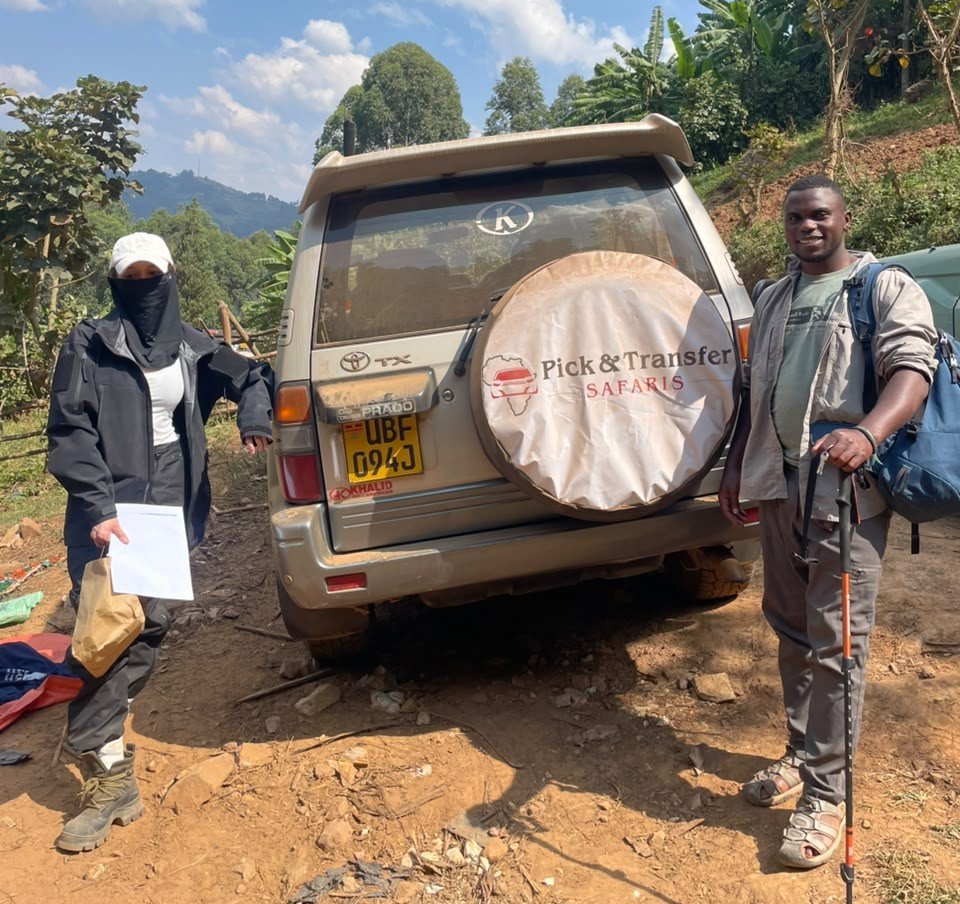
7 Days Uganda Safari – One week tour
This 7-day itinerary is the classic one-week introduction to Uganda, covering the country’s three most iconic wildlife experiences: chimpanzee tracking in Kibale Forest National Park, Big Five game drives and a boat cruise in Queen
Tour Details →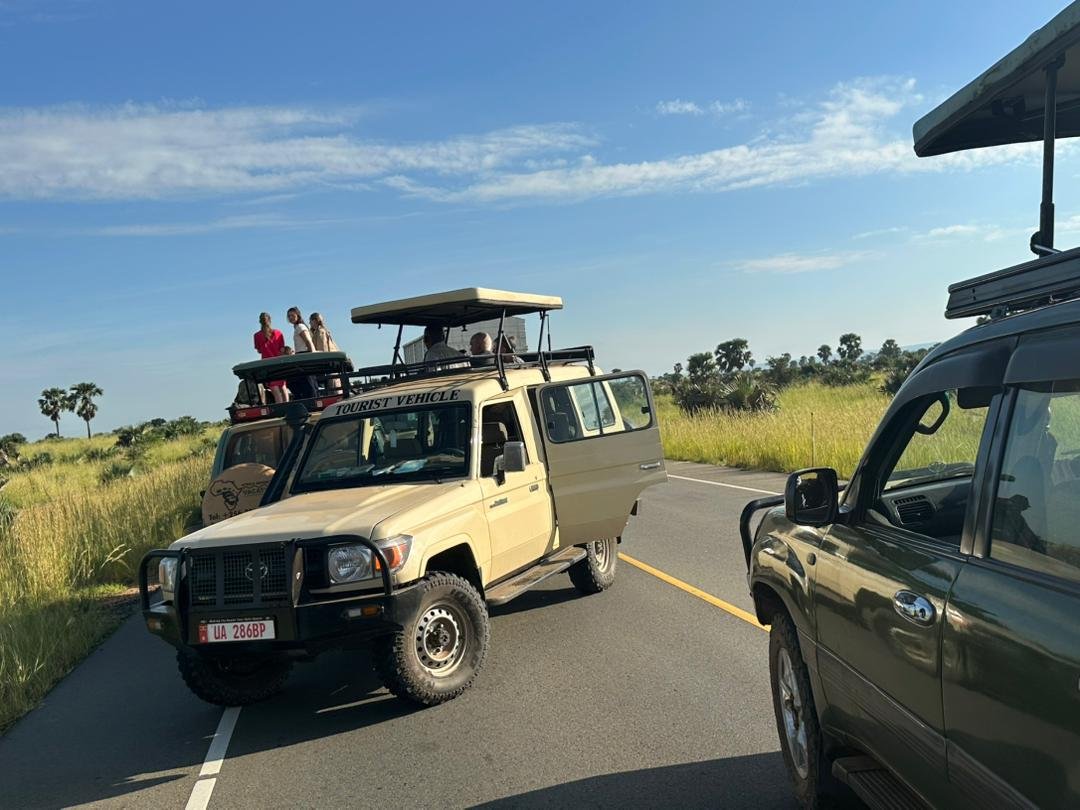
10 Days Uganda Primates and Wildlife
This 10-day Uganda Grand Safari is the most complete Uganda itinerary we offer at Pick and Transfer Safaris. It begins with a scenic northward drive from Entebbe to the vast open plains of Murchison
Tour Details →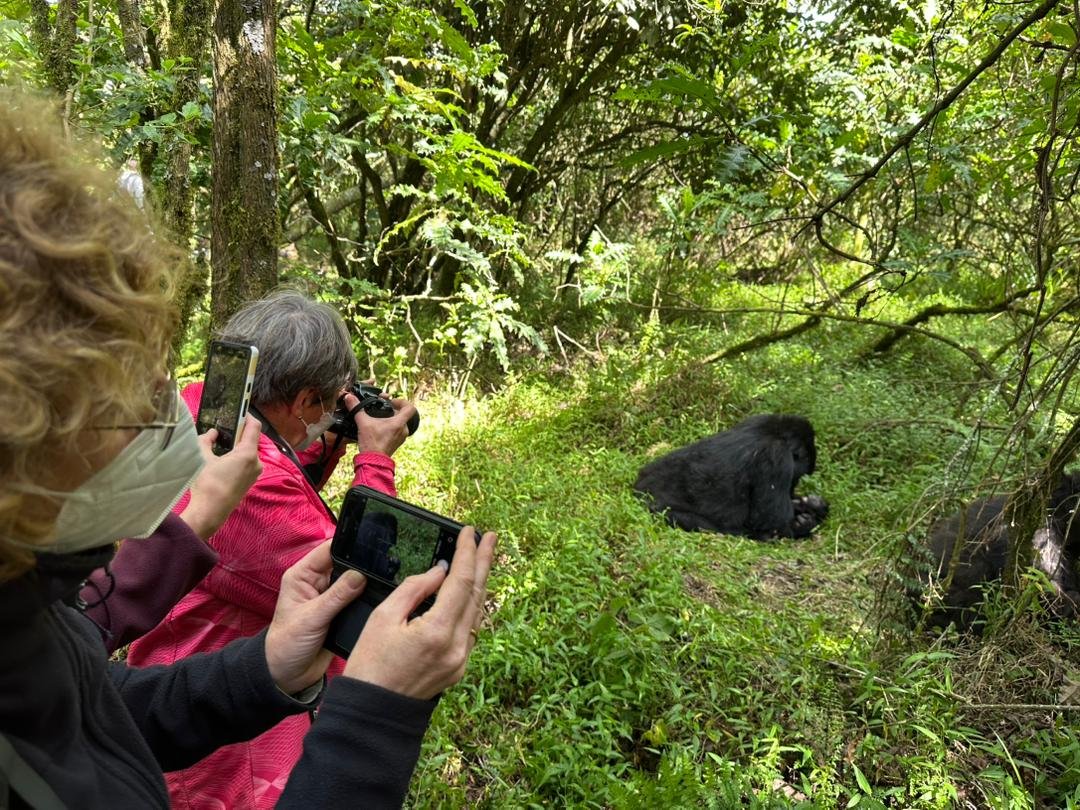
2 Days Uganda Gorilla Tour Starting from Kigali
This is the gentler cousin of our 1-Day Uganda Gorilla Safari Starting from Kigali — same idea, twice the breathing room. Instead of squeezing a 3,000-metre forest trek and two border crossings into a single very long day
Tour Details →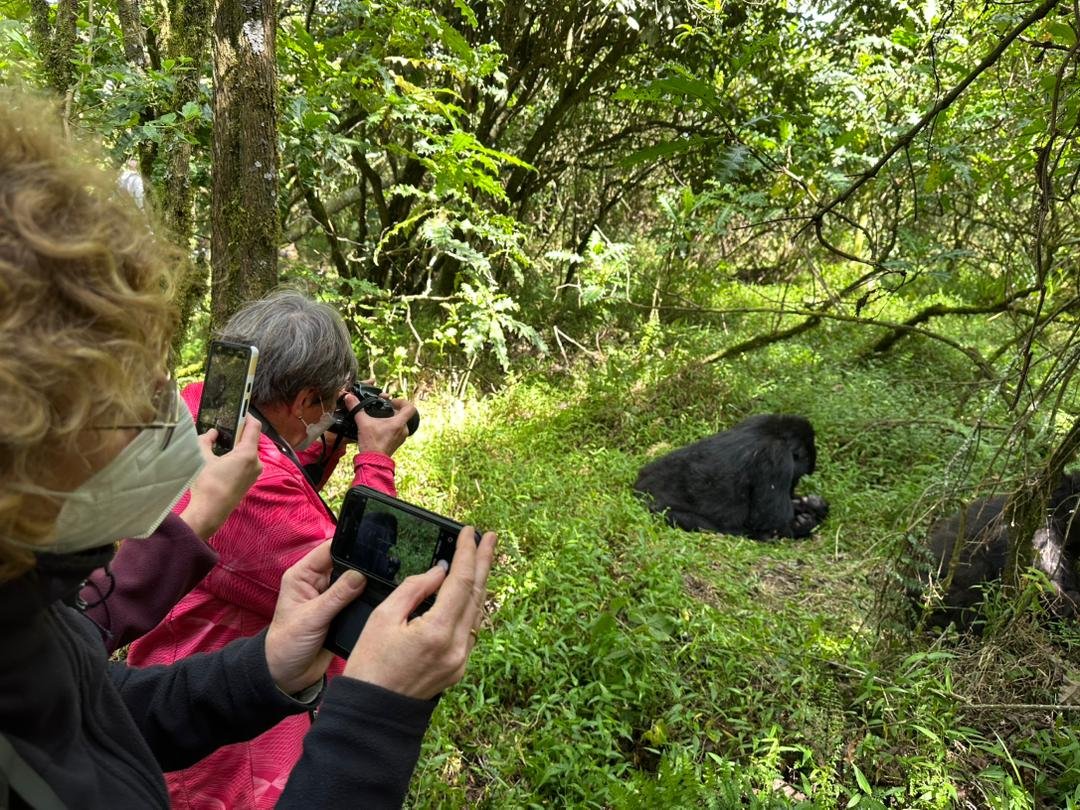
5-Day Uganda Gorilla and Chimpanzee Safari
This itinerary can be combined with a Rwanda extension or a wildlife-focused add-on through Queen Elizabeth National Park — browse our Uganda & Rwanda Safaris and Primate Safaris collections for ideas.
Tour Details →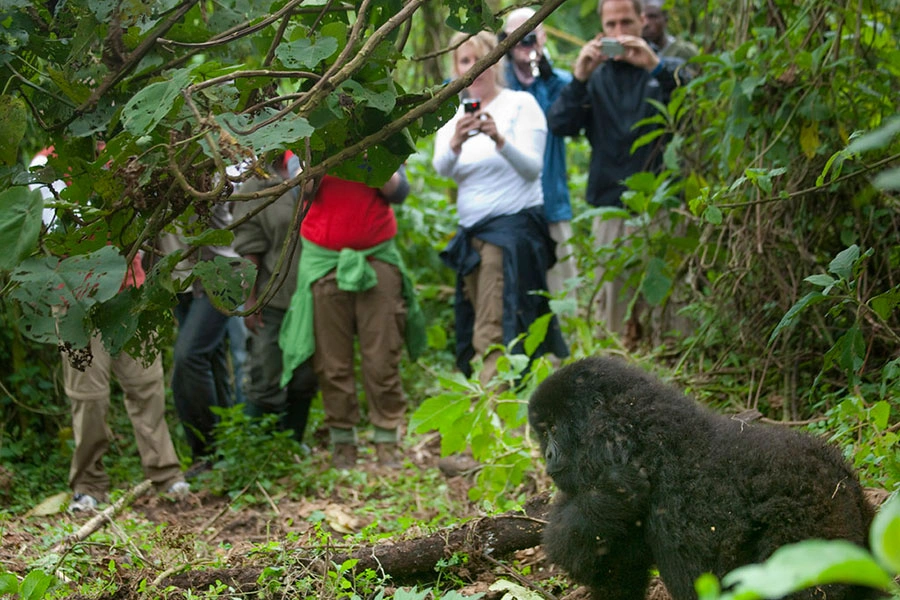
5 Days Rwanda Wildlife and Gorillas
This 5-day itinerary brings together Rwanda’s two flagship wildlife experiences: open savannah game drives and a boat safari in Akagera National Park, followed by a face-to-face encounters
Tour Details →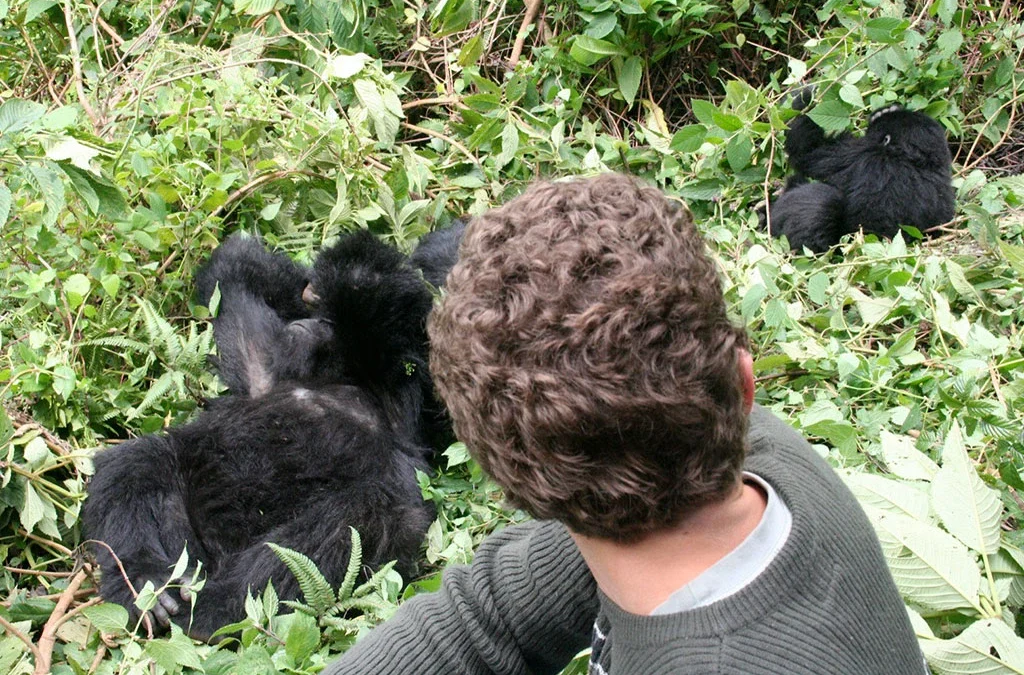
3 Days Uganda Gorilla Safari
For travelers who arrive in Entebbe with a tight schedule and a clear ambition, a 3-day gorilla safari to Bwindi Impenetrable Forest National Park is the most focused and rewarding short trip the country has to offer.
Tour Details →