- LET'S PLAN YOUR SAFARI
- +256 200 921 002
- +256 793 194 703
- info@pickandtransfersafaris.com

Best Safari Companies offering Gorilla Tours in Uganda
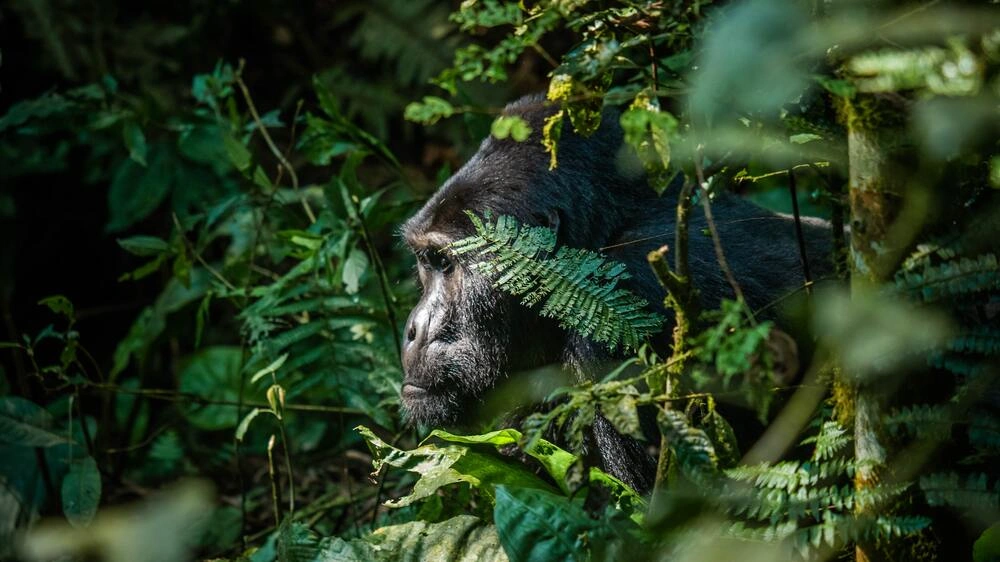
Best Safari Companies offering Gorilla Tours in Uganda. Uganda is home to nearly half of the world’s remaining mountain gorillas, and every year thousands of travelers search for the best safari companies offering gorilla tours in Uganda before they book a single day of their trip. Choosing the right operator is arguably a bigger decision than choosing the destination itself, because the company you book with determines your permit allocation, your guide’s expertise, the vehicle you’ll spend long hours in, and how smoothly your trek to Bwindi Impenetrable National Park or Mgahinga Gorilla National Park actually goes. This guide breaks down exactly what separates a genuinely excellent gorilla safari company from an average one, profiles two operators worth knowing, walks through permit costs and timing, and answers the questions travelers ask most before locking in a booking.
Why Uganda Is Africa’s Leading Gorilla Trekking Destination
Uganda holds a unique position in East African tourism because it combines two of the region’s rarest wildlife experiences — mountain gorilla trekking and chimpanzee tracking — inside a single, compact country. Of the roughly 1,000 mountain gorillas left on Earth, more than half live within Uganda’s borders, concentrated mainly in the forests of southwestern Uganda. That density is precisely why gorilla tours in Uganda have become the centerpiece of the country’s tourism economy, and why so many travelers begin their trip planning by comparing safari companies rather than comparing parks.
Beyond the gorillas themselves, Uganda offers a level of biodiversity that is difficult to match on a single itinerary. A traveler can track gorillas in Bwindi in the morning of one day and be watching tree-climbing lions or boat-cruising past hippos and crocodiles in Queen Elizabeth National Park within 48 hours. This is part of the reason the best gorilla safari companies in Uganda rarely sell gorilla trekking as a standalone product — they package it alongside wildlife safaris, cultural encounters, and extended multi-park itineraries so travelers get the full value of the country in one trip.
Uganda’s gorilla permits are also priced more accessibly than neighboring Rwanda’s, which has made the country the preferred choice for budget-conscious travelers, families, and repeat visitors who want to trek more than once. That affordability, combined with the country’s dramatic volcanic scenery, has turned “gorilla tours Uganda” into one of the most searched safari terms in East African travel — and it’s why the quality of the company you book with matters so much.
Tourism built around gorilla trekking has also become one of Uganda’s most significant sources of foreign exchange earnings, and a meaningful share of every permit fee is reinvested directly into park management, ranger salaries, and community development projects around Bwindi and Mgahinga. This economic model is part of why the mountain gorilla population has grown steadily over recent decades even as the species remains endangered — a rare conservation success story that responsible safari companies are proud to be part of, and one worth keeping in mind when comparing which operator to trust with your trip.
What to Look for in the Best Gorilla Safari Companies in Uganda
Not every company advertising gorilla tours in Uganda is equipped to deliver a safe, well-organized, and memorable trek. Because gorilla permits are limited, non-transferable, and tied to a specific date and park, a disorganized operator can cost you your only trekking slot of the trip. Here is what genuinely reliable companies have in common.
- Proper licensing and registration. A credible operator should be registered with the Uganda Tourism Board and able to produce a valid business permit on request.
- Direct relationships with the Uganda Wildlife Authority (UWA). The best gorilla safari companies secure permits directly or through verified UWA-approved channels, rather than reselling through unknown middlemen.
- Transparent, itemized pricing. Reputable companies break down what is included — permit, transport, accommodation, park fees, meals — rather than quoting a vague lump sum.
- Well-maintained 4×4 vehicles. The drive to Bwindi involves several hours on rough terrain; a reliable, safari-fitted vehicle with an experienced driver-guide is non-negotiable.
- Verifiable reviews across multiple platforms. Look beyond a company’s own website testimonials to TripAdvisor, Google Reviews, and independent travel forums.
- Flexible, well-structured itineraries. The strongest operators offer everything from a fast one-day trek to extended two-week wildlife circuits, which usually signals depth of local experience.
- Responsible tourism practices. Ethical companies respect UWA trekking rules, group size limits, and community-benefit programs around the parks.
Companies such as Pick and Transfer Safaris and Kenlink Tours are frequently mentioned by travelers researching this checklist because they meet each of these criteria consistently, which is why both are worth a closer look below. A quick way to stress-test any shortlist is to ask each company the same pointed question — “which specific gorilla family and sector will I be assigned, and on what date has the permit actually been confirmed?” — since a vague or delayed answer usually reveals how far a company’s promises are from its actual UWA access.
Bwindi Impenetrable National Park: Uganda’s Gorilla Trekking Capital
Bwindi Impenetrable National Park is the single most important gorilla trekking destination in the country, hosting the majority of Uganda’s habituated gorilla families across its four trailheads — Buhoma, Ruhija, Rushaga, and Nkuringo. The park’s name is well earned: dense, ancient rainforest blankets steep volcanic hills, and the trekking difficulty varies significantly depending on which sector and which gorilla family you are assigned.
Because Bwindi has four separate trekking sectors, each roughly a two-to-four-hour drive apart, the safari company you choose has a real influence on your experience. An experienced operator will know which sector suits your fitness level, which lodges are closest to your assigned trailhead, and how to structure the itinerary so you’re not spending your morning trek in a state of exhaustion from a long overnight drive. This is one of the most overlooked reasons travelers should book gorilla tours in Uganda through an established company rather than arranging permits and logistics independently.
Mgahinga Gorilla National Park: The Quieter Alternative
Mgahinga Gorilla National Park, tucked into the Virunga volcanic range near the borders of Rwanda and the Democratic Republic of Congo, offers a smaller-scale but equally rewarding trekking experience. With typically only one habituated gorilla family available for trekking, Mgahinga sees far fewer visitors than Bwindi, which appeals to travelers who want a more exclusive, less crowded encounter. Its volcanic peaks — Muhabura, Gahinga, and Sabinyo — also make it a popular add-on for travelers interested in golden monkey tracking or volcano hiking alongside their gorilla permit.
Because Mgahinga’s permit availability is limited and depends heavily on the gorilla family’s location on any given day, working with a company experienced in this specific park is especially valuable. Operators who regularly send clients to Mgahinga can advise realistically on trekking difficulty and manage expectations about sighting duration in a way that generic online booking platforms cannot.
Pick and Transfer Safaris: A Leading Gorilla Tour Operator
Pick and Transfer Safaris has built its reputation around exactly the qualities travelers should demand from a gorilla safari company: direct permit sourcing, well-planned itineraries, and flexibility for travelers arriving from Kigali, Entebbe, or overland from Rwanda. The company’s about page outlines a business built specifically around the logistics that make or break a gorilla trek — reliable transfers, experienced driver-guides, and route planning across the Uganda-Rwanda border corridor.
What distinguishes this operator from many competitors is its focus on short, efficient gorilla itineraries designed for travelers who are based in Kigali or have limited time. Rather than forcing every client into a standard week-long circuit, its gorilla safari packages range from single-day treks to multi-day combined wildlife experiences, giving travelers real flexibility depending on their schedule and budget. That range is a strong signal of operational maturity — running a same-day cross-border gorilla trek smoothly requires far more precision than a standard multi-day lodge-based safari.
Travelers who want a personalized quote or have questions about permit availability for a specific date can reach the team directly through the contact page, where the company lists direct phone and email contact rather than routing every inquiry through a generic form — another detail that separates established operators from newer, less accountable ones.
Group size and customization are two more areas where this operator’s approach stands out. Because the company runs mostly small, private groups rather than filling large shared vehicles, travelers get more control over pace, photography stops, and rest breaks during the long drive to the southwest. This is particularly valuable for older travelers, families with teenagers, or photographers who want extra time at scenic viewpoints along the way rather than sticking to a rigid shared-vehicle schedule.
Popular Gorilla Safari Packages Worth Booking
One of the clearest ways to judge a safari company is to look at the range and specificity of its packaged itineraries. Vague, one-size-fits-all offers are usually a red flag; well-built, clearly scoped packages suggest an operator who has actually run these exact routes many times. A few standout examples worth comparing when researching gorilla tours in Uganda include:
- 1 Day Uganda Gorilla Safari starting from Kigali — ideal for travelers based in Rwanda who want a same-day cross-border trek without an overnight stay in Uganda.
- 2 Days Uganda Gorilla Tour starting from Kigali — a slightly more relaxed version of the same route with an overnight near the park.
- 3 Days Uganda Gorilla Safari — a comfortable pace that allows for proper rest before and after the trek itself.
- 5 Days Uganda Gorilla and Chimps Safari starting from Rwanda — combines gorilla trekking with chimpanzee tracking for travelers who want both primate experiences on one trip.
- 5-Day Uganda Gorilla and Chimpanzee Safari — a Uganda-based version of the combined primate itinerary above.
Operators outside Uganda’s immediate south-west corridor also compete for this market, and it’s worth comparing broader multi-day options such as Kenlink Tours’ 3-Day Best of Uganda Gorilla Safari, its 5-Day Wildlife and Gorilla Safari, and its longer 8-Day Uganda Gorilla, Chimpanzee and Wildlife Safari, which layers gorilla trekking into a fuller national park circuit for travelers with more time to spend in the country.
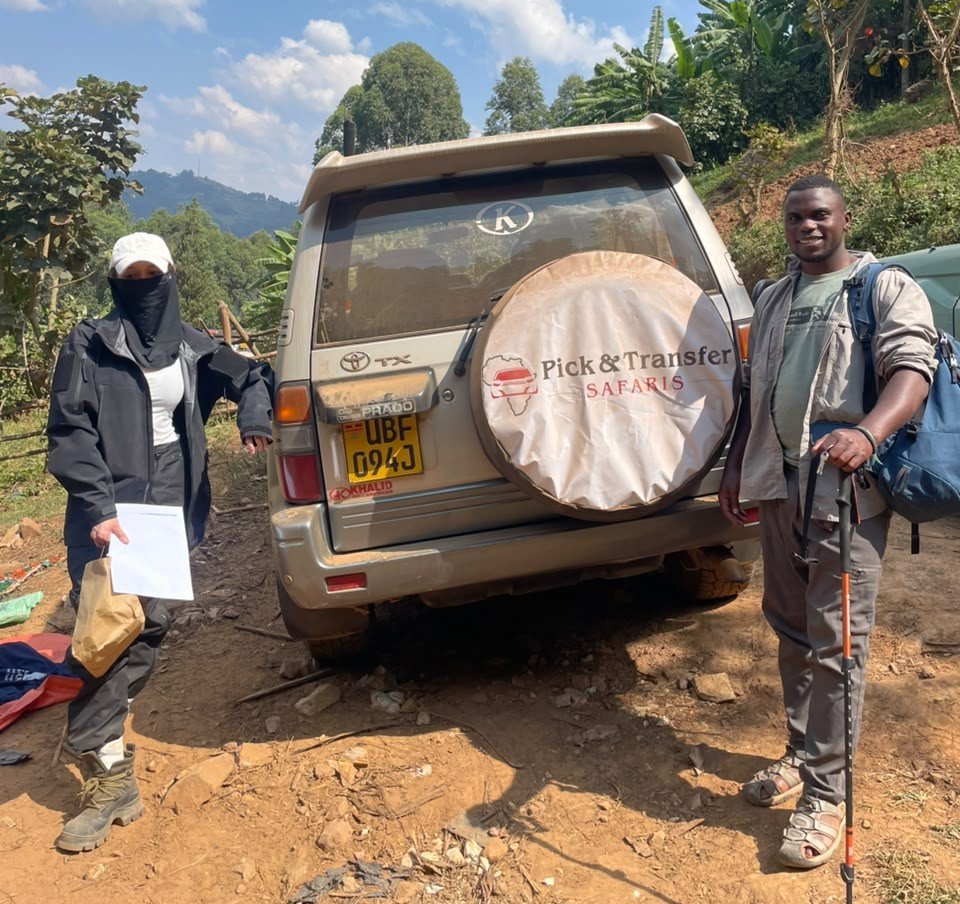
7 Days Uganda Safari – One week tour
This 7-day itinerary is the classic one-week introduction to Uganda, covering the country’s three most iconic wildlife experiences: chimpanzee tracking in Kibale Forest National Park, Big Five game drives and a boat cruise in Queen
Tour Details →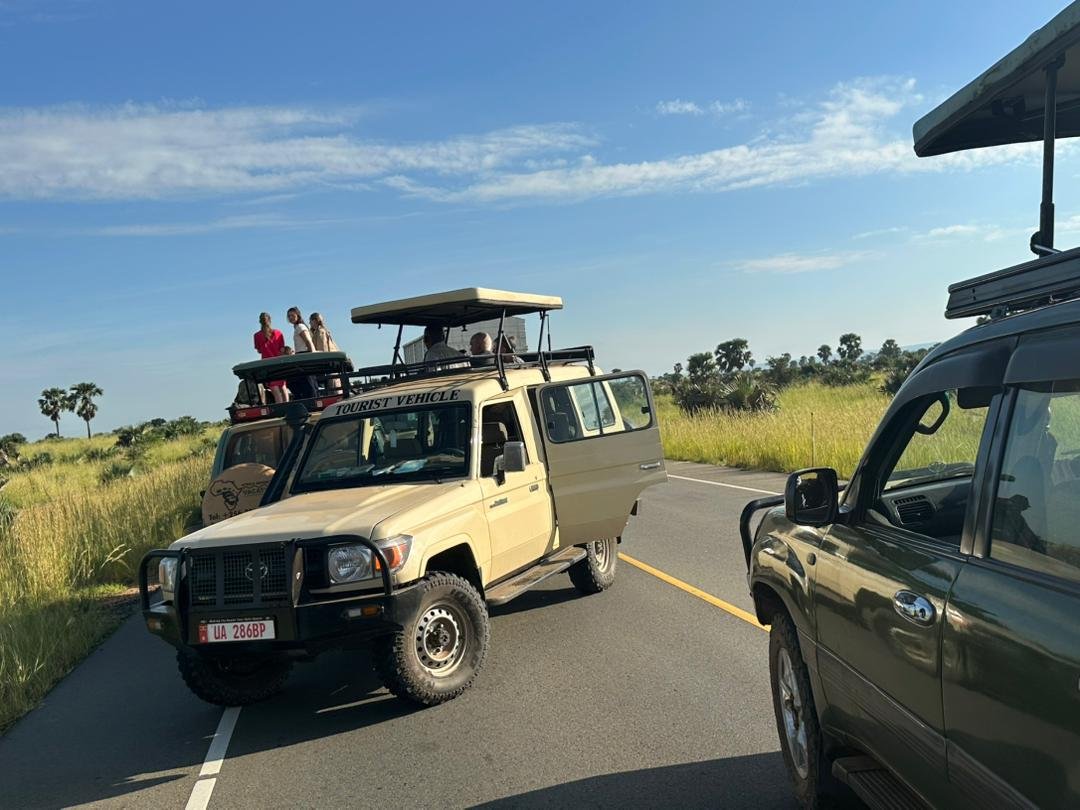
10 Days Uganda Primates and Wildlife
This 10-day Uganda Grand Safari is the most complete Uganda itinerary we offer at Pick and Transfer Safaris. It begins with a scenic northward drive from Entebbe to the vast open plains of Murchison
Tour Details →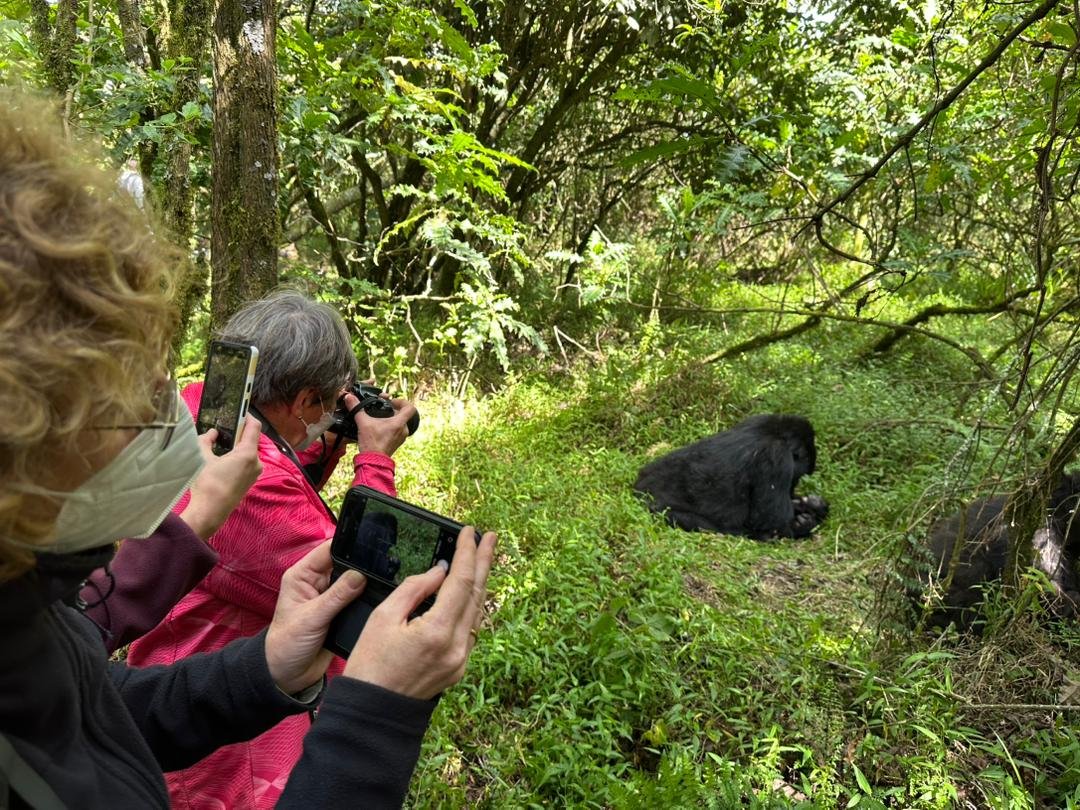
2 Days Uganda Gorilla Tour Starting from Kigali
This is the gentler cousin of our 1-Day Uganda Gorilla Safari Starting from Kigali — same idea, twice the breathing room. Instead of squeezing a 3,000-metre forest trek and two border crossings into a single very long day
Tour Details →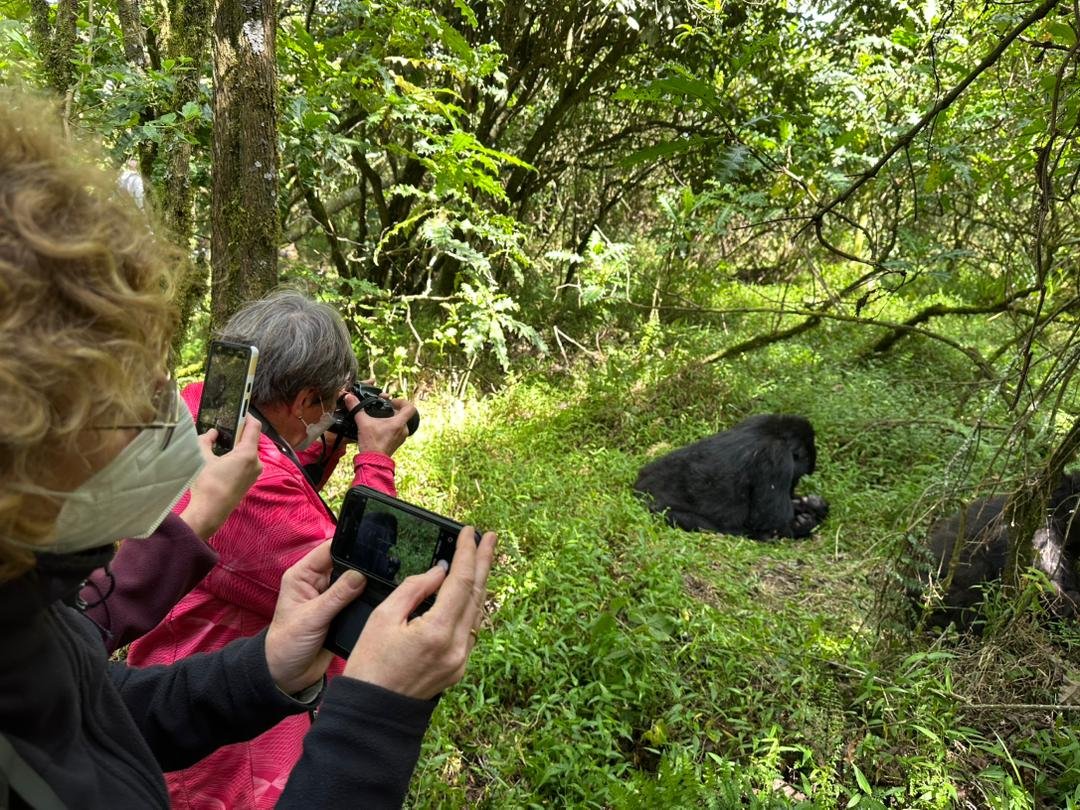
5-Day Uganda Gorilla and Chimpanzee Safari
This itinerary can be combined with a Rwanda extension or a wildlife-focused add-on through Queen Elizabeth National Park — browse our Uganda & Rwanda Safaris and Primate Safaris collections for ideas.
Tour Details →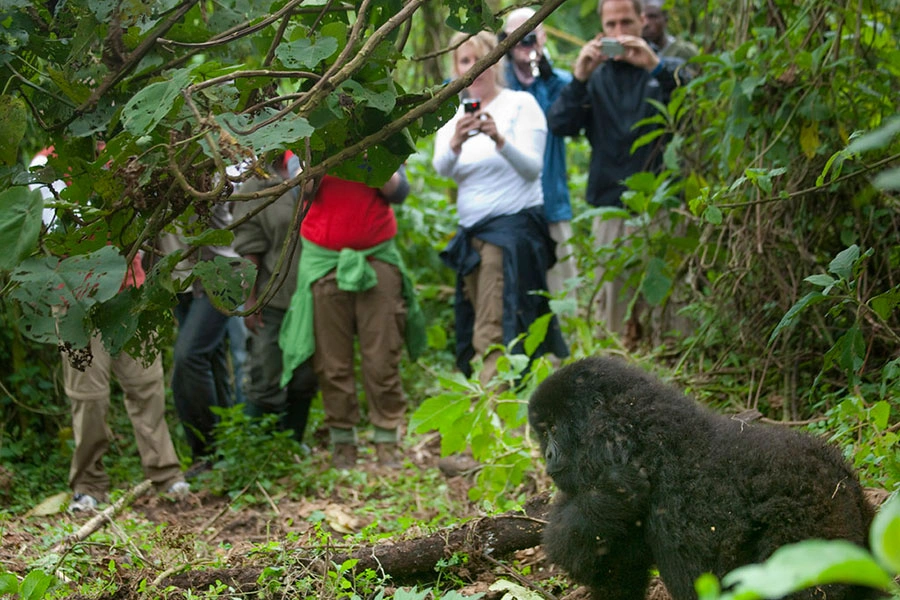
5 Days Rwanda Wildlife and Gorillas
This 5-day itinerary brings together Rwanda’s two flagship wildlife experiences: open savannah game drives and a boat safari in Akagera National Park, followed by a face-to-face encounters
Tour Details →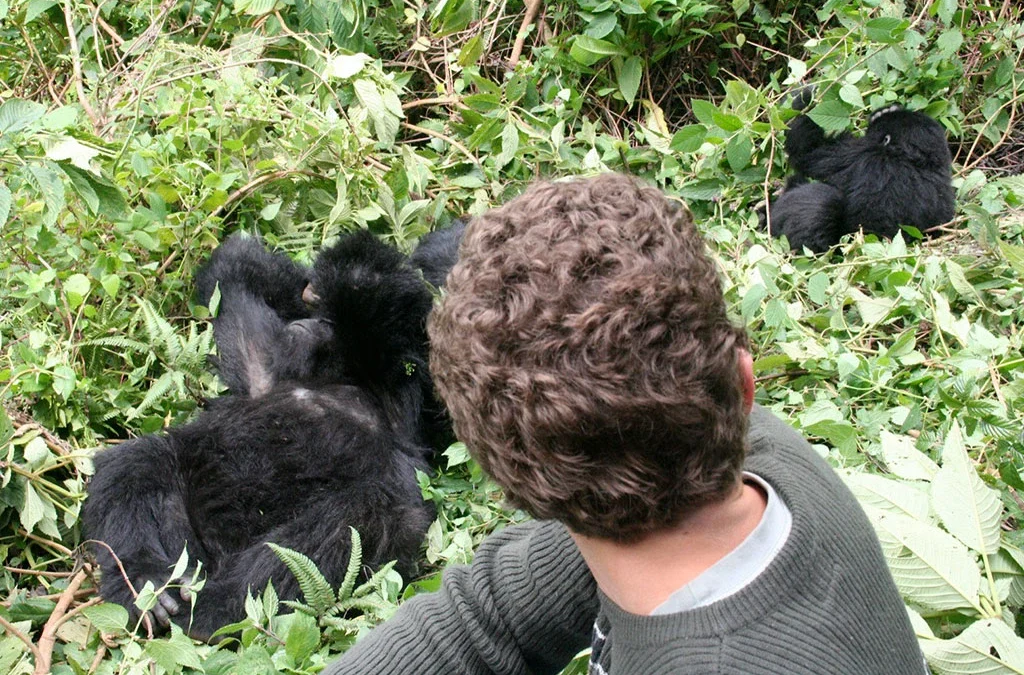
3 Days Uganda Gorilla Safari
For travelers who arrive in Entebbe with a tight schedule and a clear ambition, a 3-day gorilla safari to Bwindi Impenetrable Forest National Park is the most focused and rewarding short trip the country has to offer.
Tour Details →When comparing package listings like these side by side, look closely at what each itinerary actually includes day by day rather than judging purely on headline duration. A 5-day package that spends three of those days purely in transit offers a very different experience from one that balances travel days with genuine wildlife-viewing time. The strongest itineraries are explicit about drive times, park entry points, and which nights are spent at which specific lodge, which makes it far easier to compare two similarly priced packages on their actual merits rather than on marketing copy alone.
Kenlink Tours: A Trusted Regional Safari Partner
Kenlink Tours has established itself as one of the more experienced regional operators running gorilla tours across both Uganda and Rwanda. Its Uganda safaris page lists a broad catalogue of gorilla, chimpanzee, and wildlife itineraries ranging from short three-day treks to extended multi-week circuits, which reflects the kind of route depth that only comes from years of operating in the region.
The company’s about page details a team built around East African travel specialists rather than a purely transactional booking platform, and its car hire service is a useful option for independent travelers who want a reliable 4×4 and driver-guide without committing to a fully packaged itinerary. For travelers comparing multiple operators before committing to gorilla tours in Uganda, Kenlink Tours is a name that consistently appears in that shortlist alongside more locally focused operators such as Pick and Transfer Safaris.
What also makes Kenlink Tours a useful reference point is its reach beyond Uganda and Rwanda alone — the company runs safaris into Kenya, Namibia, and Botswana as well, which gives its planning team a comparative view of trekking and wildlife-viewing standards across the wider region. For a traveler weighing whether to add a broader East or Southern African leg onto a gorilla trekking trip, that regional breadth can be a genuinely useful planning resource, even for those who ultimately book their Uganda leg with a different operator.
Comparing Uganda and Rwanda Gorilla Trekking
Because Uganda and Rwanda share the same Virunga gorilla population and sit only a few hours apart by road, most serious gorilla safari companies operate across both countries rather than committing to just one. Rwanda’s Volcanoes National Park is more compact and offers shorter drive times from Kigali, but its gorilla permits are priced significantly higher than Uganda’s. This price gap is precisely why so many travelers based in Kigali choose a cross-border itinerary such as a 2 Days Volcanoes Gorilla Trek from Kigali when they want the Rwanda experience specifically, or a same-day crossing into Uganda when budget is the priority.
For travelers who want to experience both trekking styles, or who are undecided about which country to prioritize, packages like a 3 Days Rwanda Gorilla Tracking and Cultural Tour or a 3 Days Uganda Gorilla Safari from Rwanda offer a way to sample the Rwandan cultural side trip and the more affordable Ugandan trekking experience without needing two separate bookings. Kenlink Tours runs a comparable route with its own 3 Days Rwanda Gorilla Safari, and its Uganda destination overview is a useful reference for travelers still deciding which side of the border to base their trip in.
A practical question many first-time travelers ask is whether it’s realistic to trek in Uganda and still make it back across the border the same day — a logistics question that Kenlink Tours addresses directly in its article “Can I trek gorillas in Bwindi and drive to Kigali same day?”, which is worth reading before committing to a tightly scheduled itinerary. The honest answer depends heavily on which trekking sector your permit is assigned to and how quickly your specific gorilla family is located that morning, which is exactly why a company with strong on-the-ground coordination — rather than a rigid, pre-fixed schedule — matters so much for this style of trip.
Understanding Gorilla Trekking Permits
A gorilla trekking permit is the single most expensive and most tightly controlled line item in any gorilla tour budget, and understanding how it works is essential before comparing safari companies. In Uganda, permits are issued exclusively by the Uganda Wildlife Authority and allow one hour with a habituated gorilla family once trackers locate them, which can take anywhere from thirty minutes to several hours of hiking depending on the family’s location that day.
Because UWA issues a strictly limited number of permits per gorilla family per day, availability during the July–September and December–February peak seasons can sell out months in advance. This is precisely why the best safari companies offering gorilla tours in Uganda encourage clients to confirm permit availability and pay a deposit well ahead of their travel dates, rather than waiting until arrival. A company with direct UWA relationships can typically secure and confirm a permit within days, while less established resellers may take considerably longer or fail to secure a preferred date at all.
Permit pricing in Uganda has remained notably lower than in Rwanda, which is part of why gorilla tours in Uganda continue to grow in popularity among budget-conscious travelers, honeymooners looking to combine a trek with a broader safari, and repeat visitors who want to trek more than once without the higher Rwandan permit cost. Always confirm current permit pricing directly with your chosen operator, since UWA periodically revises rates.
How Much Does a Full Gorilla Safari Package Cost?
The permit itself is only one line in the total budget. A complete gorilla safari quote typically bundles the permit fee, ground transport in a 4×4 safari vehicle, a driver-guide, park entry fees, and one to several nights of accommodation near the trekking sector. Where costs diverge most sharply between companies is the accommodation tier: budget lodges and guesthouses near Buhoma or Kisoro keep the overall package affordable, mid-range lodges add private ensuite comfort and better meals, and luxury lodges perched on the forest edge can multiply the total cost several times over for the same permit and trek.
Because of this variation, two quotes for what looks like “the same” gorilla trek can differ enormously depending purely on which accommodation category is included. When comparing quotes from different gorilla safari providers, always ask for the accommodation name specifically rather than accepting a generic category label like “mid-range,” since standards vary widely even within the same price bracket. It’s also worth asking whether the quote is per person sharing a double room or a single-traveler rate, since solo travelers often face a single supplement that isn’t obvious in an initial quoted price.
Travelers on a tighter budget can reduce costs meaningfully by trekking during the shoulder rainy season, booking a shorter one or two-day itinerary rather than a full week, and choosing community-run guesthouses over lodge accommodation — all without compromising on the trek itself, since every visitor sees the same gorilla family regardless of where they sleep the night before.
Where to Stay Near Bwindi and Mgahinga
Accommodation choice matters almost as much as the operator you book with, since a long, tiring drive followed by a poor night’s sleep can noticeably affect your energy for the trek itself. Lodges near Bwindi Impenetrable National Park are generally clustered around each of the four trailheads, so the right lodge depends entirely on which sector — Buhoma, Ruhija, Rushaga, or Nkuringo — your permit is assigned to. Booking accommodation before your sector is confirmed can mean a much longer pre-dawn drive than necessary, which is another reason permit confirmation should always come before finalizing lodge bookings.
Travelers heading to Mgahinga Gorilla National Park typically base themselves in or around the town of Kisoro, which also serves as a convenient stopover for travelers crossing overland to or from Rwanda. Whichever park you’re trekking in, an experienced operator will usually offer two or three accommodation options at each price tier rather than a single default choice, which is a useful indicator that they know the area well rather than simply reselling whichever lodge pays the highest commission.
Best Time of Year for Gorilla Trekking in Uganda
Uganda’s gorilla trekking season runs essentially year-round, since the parks remain open in all months, but trekking conditions vary considerably with the rainfall pattern. The two dry seasons — roughly June to September and December to February — offer firmer trails, easier hiking conditions, and are generally considered the best time to trek gorillas in Uganda. These months also coincide with school holidays in Europe and North America, which means permits and lodge availability during this window book out earliest.
The wetter months, particularly March to May and October to November, see fewer crowds and occasionally discounted lodge rates, but trekking through Bwindi’s steep, muddy terrain becomes noticeably more physically demanding. Travelers with strong fitness levels and flexible schedules can find genuine value trekking during these shoulder months, particularly if a safari company can offer a more accommodating cancellation policy in case of unexpected downpours.
Because vegetation, food availability, and gorilla family movement patterns shift with the seasons, an experienced local operator will also factor rainfall trends into recommending which of Bwindi’s four trekking sectors is likely to offer the most manageable hike during your specific travel month.
Combining Gorilla Trekking with Other Wildlife Experiences
Because gorilla permits only guarantee a single morning of trekking, most well-designed itineraries extend the trip to include Uganda’s broader wildlife circuit. Queen Elizabeth National Park is the most commonly paired destination, offering boat cruises along the Kazinga Channel, tree-climbing lions in the Ishasha sector, and some of the country’s richest birdlife. Travelers heading further north often add Murchison Falls National Park, home to the dramatic Nile waterfall, large elephant herds, and boat safaris along the Victoria Nile.
For travelers who want a second primate experience beyond gorillas, Kibale Forest National Park is widely regarded as the best chimpanzee tracking destination in East Africa, with habituation success rates that make sightings highly likely. Many of the strongest gorilla safari companies bundle two or more of these parks into a single circuit under their wildlife safari or extended safari packages, which is often the most cost-efficient way to experience Uganda’s full range of wildlife rather than booking a standalone gorilla trek in isolation.
Getting There: Transport and Car Hire Options
Reaching Uganda’s gorilla parks is itself a significant part of the planning process, since Bwindi and Mgahinga both sit in the remote southwestern corner of the country, roughly 8 to 10 hours by road from Entebbe or a far shorter 4 to 5 hours from Kigali. Most travelers choose between a private safari vehicle with driver-guide, a scheduled shared shuttle, or a short domestic flight into an airstrip near the park.
For independent travelers who prefer to self-drive or need a reliable vehicle without a full guided package, Kenlink Tours’ car hire service is a practical option, while travelers planning a full guided circuit can review the range of destinations covered by an all-inclusive operator to decide which route and transport style best suits their itinerary. Whichever option you choose, confirm in advance whether airport pickup, park transfers, and fuel are included in your quoted price, since transport costs can vary significantly between companies advertising seemingly similar packages.
A short domestic flight is worth considering for travelers short on time or uncomfortable with long road transfers. Scheduled flights connect Entebbe to airstrips at Kihihi or Kisoro, cutting the journey to Bwindi down to roughly an hour in the air rather than a full day on the road, though this option adds cost and still requires a road transfer of an hour or two from the airstrip to your specific lodge. Most established operators can arrange this flight booking alongside your ground package if requested at the time of booking.
What to Pack for Your Gorilla Trekking Safari
Gorilla trekking is a physically demanding hike through dense, often muddy rainforest, and the right gear noticeably improves the experience. A few essentials that experienced operators consistently recommend include:
- Waterproof hiking boots with good ankle support for uneven, slippery terrain.
- Gardening-style gloves to protect your hands from stinging nettles and thorny undergrowth.
- Long-sleeved, neutral-colored clothing tucked into socks to guard against biting ants and insects.
- A lightweight, packable rain jacket, since Bwindi’s forest canopy means showers can appear with little warning.
- A daypack with drinking water, energy snacks, and a dry bag for your camera.
- A telephoto or zoom lens for photography, since flash photography is prohibited near the gorillas.
- A walking stick, which most park entrances provide, and porter assistance, which is available for hire and directly supports the local community.
Reputable safari companies typically send a detailed packing list once your permit is confirmed, and the better operators will tailor that advice to the specific trekking sector and season you’re visiting.
Responsible and Sustainable Gorilla Tourism
Mountain gorillas remain an endangered species, and every trekking group is capped at a maximum of eight visitors per gorilla family per day specifically to minimize stress and disease transmission risk to the gorillas. The best safari companies offering gorilla tours in Uganda take these rules seriously, briefing clients thoroughly on the mandatory seven-meter viewing distance, the requirement to wear a face mask near the gorillas, and the rule against trekking while visibly unwell.
Beyond the trekking rules themselves, sustainable operators also channel meaningful economic benefit back into the communities bordering the parks — hiring local guides and porters, sourcing from community lodges, and supporting conservation initiatives funded in part by permit revenue. Choosing a company that visibly prioritizes these practices isn’t just an ethical preference; it directly supports the long-term survival of the very gorilla population that makes these tours possible in the first place.
This same conservation-minded approach extends to the broader ecosystem around the parks, including golden monkey populations in the Virunga foothills and the forest habitats that Bwindi and Mgahinga share with dozens of other primate and bird species. Operators who invest in local guide training and community education programs tend to produce guides with noticeably deeper ecological knowledge on the trail, which is often the difference between a rushed sighting and a genuinely memorable, well-narrated encounter with the gorillas.
How to Choose Between Multiple Gorilla Safari Companies
With dozens of companies now advertising gorilla tours in Uganda online, narrowing down a shortlist can feel overwhelming. A practical approach is to request a detailed, itemized quote from two or three operators for the same dates and compare exactly what’s included — permit, accommodation category, meals, transport, and guide fees. Cross-check each company’s claimed permit availability directly against known UWA booking timelines, and be cautious of any operator offering prices dramatically below the market average, since this often signals an unlicensed reseller or a permit that hasn’t actually been secured.
It’s also worth reading recent, dated reviews rather than older ones, since staff, vehicles, and service quality can change over time. Finally, favor operators who are willing to have a real conversation about your specific fitness level, travel dates, and budget rather than pushing a single fixed package — that flexibility is usually the clearest sign you’re dealing with an experienced, trustworthy team.
A few warning signs are worth flagging explicitly. Be cautious of any company that asks for full payment via untraceable methods before issuing any written confirmation, that cannot name the specific lodge or trekking sector included in your quote, or that has no verifiable physical office or landline contact in Uganda or Rwanda. None of these red flags alone is automatically disqualifying, but two or more appearing together is a strong reason to keep shopping before you commit a deposit.
Frequently Asked Questions About Gorilla Tours in Uganda
How much does a gorilla trekking permit cost in Uganda?
Uganda’s gorilla permits are priced lower than Rwanda’s, though rates are periodically revised by the Uganda Wildlife Authority. Always confirm the current rate with your operator before booking, since promotional low-season pricing sometimes applies.
How fit do I need to be to trek gorillas in Bwindi?
Moderate fitness is recommended, as treks can last anywhere from thirty minutes to six hours through steep, sometimes muddy terrain. Porters are available for hire to carry bags and provide physical support on tougher sections.
Can I do a gorilla trek in Uganda as a day trip from Kigali?
Yes. Same-day cross-border treks are a popular option for travelers based in Rwanda, typically involving an early morning departure, though this requires careful planning around border crossing times and trek scheduling.
What is the difference between gorilla trekking and gorilla habituation experiences?
Standard trekking permits allow one hour with a habituated gorilla family, while habituation experiences (available in Rushaga) allow up to four hours with a family still being acclimated to human presence, typically at a higher permit cost.
Is it better to book gorilla tours in Uganda directly or through an agent?
Both approaches work, provided the company or agent has verifiable UWA relationships and transparent pricing. Established local operators often provide better on-ground flexibility if plans change unexpectedly.
Can children trek to see the gorillas?
The Uganda Wildlife Authority sets a minimum age of 15 for gorilla trekking, primarily due to the physical demands of the hike and group size restrictions near the gorillas.
How far in advance should I book a gorilla safari company in Uganda?
For peak season travel (June–September and December–February), booking three to six months ahead is strongly recommended to secure your preferred date and gorilla family sector. Shoulder-season trekkers often have more flexibility and can sometimes confirm a permit within a few weeks of travel.
What happens if it rains on the day of my trek?
Treks proceed regardless of rain, since gorillas remain active in the forest in all weather. A good rain jacket and waterproof boots are essential, and reputable operators will factor rainy-season conditions into their trekking-sector recommendations in advance.
Final Thoughts: Booking the Best Gorilla Safari in Uganda
Finding the best safari companies offering gorilla tours in Uganda comes down to a handful of concrete checks: verified UWA permit access, transparent pricing, well-reviewed logistics, and an itinerary structure flexible enough to match your travel dates and fitness level. Operators such as Pick and Transfer Safaris and Kenlink Tours consistently meet that bar, offering everything from same-day cross-border treks to extended multi-park wildlife circuits across Uganda and Rwanda. Whichever company you ultimately choose, treat the research phase itself as part of the trip preparation — the hour spent comparing itineraries, confirming permit dates, and reading recent reviews is what turns a good gorilla trek into an exceptional one.
Ready to start planning? Explore the full range of gorilla safari packages, browse Uganda and Rwanda destinations, or get in touch for a personalized gorilla trekking quote tailored to your travel dates.