- LET'S PLAN YOUR SAFARI
- +256 200 921 002
- +256 793 194 703
- info@pickandtransfersafaris.com

Best Time to Visit Rushaga for Gorilla Habituation
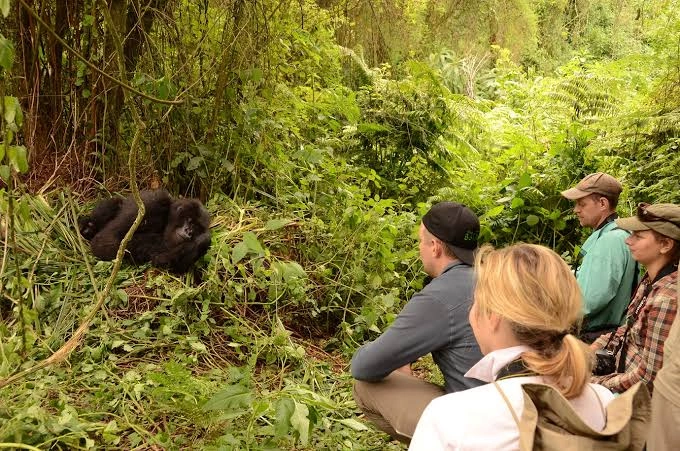
Best Time to Visit Rushaga for Gorilla Habituation. “Best time to visit” is one of those travel questions that sounds like it should have a single clean answer, and for Rushaga, it mostly does, but with enough genuine nuance that a month-by-month breakdown is more useful than a simple “go in July.” At Pick and Transfer Safaris, we help travelers weigh trekking conditions against permit availability, cost, and crowd levels rather than defaulting to the obvious dry-season answer, and this guide lays out how each part of the year actually compares for the Gorilla Habituation Experience specifically.
The Short Answer
For the most comfortable trekking conditions, June through September and December through February are Uganda’s two dry seasons and the periods most commonly recommended for gorilla-related activities generally. For the Gorilla Habituation Experience specifically, given how much longer and more physically demanding the day is compared to standard trekking, these dry months carry extra weight, since firmer trails meaningfully reduce the strain of an eight-to-ten-hour day. That said, the rainy months, roughly March to May and September to November, offer real advantages of their own, particularly around cost, crowd levels, and permit availability, worth genuine consideration rather than automatic avoidance.
June Through September: The Long Dry Season
This stretch is widely considered the most reliable window for comfortable trekking conditions, with firmer trails and generally the most settled weather of the year. It’s also peak season for tourism across Uganda and Rwanda, meaning Rushaga’s limited luxury lodge inventory and the Gorilla Habituation Experience’s eight daily permits both come under considerable pressure. Travelers set on these months should expect to book six months to a year ahead, particularly for July and August specifically, which tend to be the single busiest weeks of the year given Northern Hemisphere summer holiday timing.
December Through February: The Short Dry Season
Uganda’s second dry window offers broadly similar trekking conditions to the June-to-September period, firm trails and comfortable hiking weather, though December specifically overlaps with the Christmas and New Year holiday period, driving demand and pricing up further still. January and February tend to be somewhat quieter than December within this window while still offering favorable dry-season conditions, making them worth considering for travelers who want dry-season comfort without quite the same booking pressure as the December holidays.
March Through May: The Long Rainy Season
This is Bwindi’s wettest stretch, and Rushaga’s already steep terrain becomes considerably more demanding underfoot during these months. Given the Gorilla Habituation Experience’s extended four-hour observation window and longer overall day, the added difficulty of wet, slippery trails compounds more than it would on a shorter standard trek. The trade-off is real, though: this is genuinely Rushaga’s quietest period, permit availability loosens considerably, and lodge rates across the sector tend to drop, sometimes significantly, from peak-season pricing. Travelers who are reasonably fit, comfortable with a physically harder day, and prioritizing cost or a quieter forest over ideal underfoot conditions may find this window genuinely worthwhile rather than simply a compromise.
September Through November: The Short Rainy Season
This period tends to be somewhat less extreme than the March-to-May stretch, with rainfall generally less sustained, though still meaningfully wetter than the dry-season months on either side. September in particular often serves as a genuine transition month, with some years seeing largely dry conditions carrying over from the preceding dry season before the rains properly set in through October and November. This makes September worth watching closely if you want a chance at both lighter crowds and reasonably good trekking conditions, though it’s worth treating as a bet rather than a guarantee given how variable this transition period can be from year to year.
How Season Affects the Habituation Permit Specifically
It’s worth being clear that seasonal weather has no bearing on whether the Gorilla Habituation Experience itself operates, the activity runs year-round regardless of rainfall, since the gorillas themselves don’t relocate or become unavailable during the wetter months. What changes is trail difficulty, permit competition, and overall trip cost, not whether the experience is available at all. Unlike some standard trekking permits, which have seen low-season discounts introduced for specific months, it’s not clear that equivalent discounting currently extends to the Gorilla Habituation Experience specifically, so cost savings during the rains tend to come more from lodge rates and reduced competition than from a lower permit price itself.
Weighing Trekking Conditions Against Crowd Levels
For many travelers, the real decision isn’t simply “dry versus wet” but rather how much they value firm trails against a quieter, less booked-out experience. Since the Gorilla Habituation Experience already caps at just four visitors per day regardless of season, crowd levels don’t affect the actual forest encounter the way they might on a busier standard trek elsewhere in the park. What changes more with season is booking pressure and lead time, how far ahead you need to plan, how much competition exists for the sector’s limited luxury lodges, and how much flexibility you have if your preferred dates don’t come through on the first attempt.
Matching Timing to Your Physical Readiness
Given how demanding this particular activity already is, even under ideal conditions, travelers with any hesitation about their own fitness level should lean toward the dry season specifically, since firmer trails genuinely reduce the physical toll of an already long day. Conversely, travelers who are confident in their fitness, comfortable with mud and slower, more effortful walking, and specifically motivated by lower costs or a quieter forest, have a legitimate case for choosing the rains deliberately rather than treating them as a fallback.
Booking Timeline by Season
For peak dry-season dates, June through September and December through February, book six months to a year ahead given how quickly both the permit and Rushaga’s limited lodge inventory fill up. For the rainy season, two to four months ahead is often sufficient given lower overall demand, though given only eight permits exist per day regardless of season, earlier is always safer than later. September, sitting at the edge of the short rainy season, deserves a slightly earlier booking window than the deeper rainy months given its appeal to travelers hoping to catch favorable transition-period conditions.
Combining Timing with the Rest of Your Trip
Travelers extending their Rushaga stay to include Mgahinga Gorilla National Park for golden monkeys, or continuing on to Lake Bunyonyi for recovery, should factor the same seasonal considerations into those legs of the trip as well, since road conditions on the connecting routes between these destinations are similarly affected by rainfall. A well-timed dry-season trip tends to keep the entire circuit, not just the Rushaga forest day, running more smoothly.
Visa and Border Requirements
Regardless of when you travel, the same entry requirements apply. Most travelers arriving via Rwanda use the East African Tourist Visa, covering multiple entries across Uganda, Rwanda, and Kenya over 90 days for 100 US dollars through Uganda’s official immigration portal. A standard single-entry Uganda Tourist Visa works just as well for travelers not planning to re-enter Rwanda. A valid yellow fever vaccination certificate is required for entry into Uganda year-round.
Planning Your Rushaga Trip Timing with Pick and Transfer Safaris
The best time to visit Rushaga genuinely depends on what you’re optimizing for, trail comfort, cost, or booking flexibility, rather than a single universally correct month. If you would like help weighing these trade-offs against your own travel dates, confirming Gorilla Habituation Experience availability for your preferred season, or building your itinerary around the timing that suits you best, get in touch through our Contact Us page. We’ll help you choose a season that matches your priorities, not just the calendar’s default recommendation.