- LET'S PLAN YOUR SAFARI
- +256 200 921 002
- +256 793 194 703
- info@pickandtransfersafaris.com

Best Tourism Internship Opportunities in Uganda
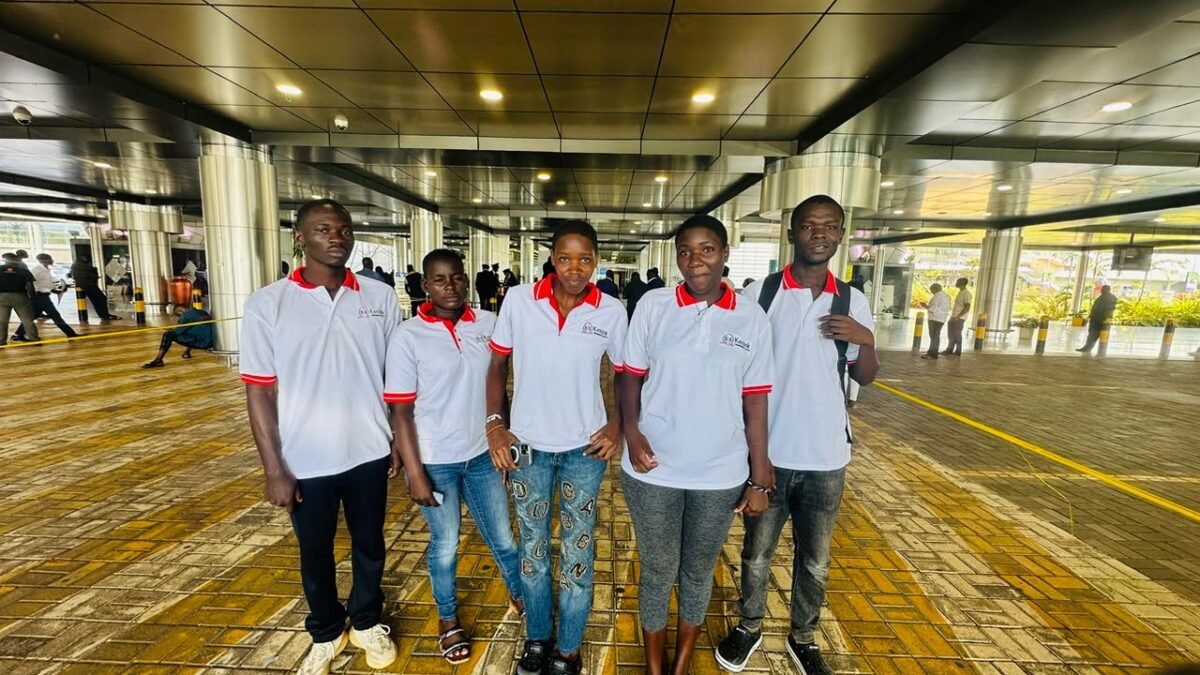
Best Tourism Internship Opportunities in Uganda. Uganda’s tourism sector is one of the fastest-growing parts of the national economy, built around wildlife, culture, and adventure travel that draws visitors from every corner of the world. That growth has created real demand for young, well-trained people who understand how the industry actually works — not just in theory, but on the ground, in the field, in front of guests.
Exploring the Best Tourism Internship Opportunities in Uganda can significantly enhance your resume.
The Best Tourism Internship Opportunities in Uganda are designed to provide practical experience.
Many students seek the Best Tourism Internship Opportunities in Uganda to gain hands-on skills.
Understanding the Best Tourism Internship Opportunities in Uganda is crucial for career advancement.
Students targeting the Best Tourism Internship Opportunities in Uganda can expect valuable field experience.
The Best Tourism Internship Opportunities in Uganda provide insight into the industry’s workings.
Many interns explore the Best Tourism Internship Opportunities in Uganda to enhance their skills.
Securing the Best Tourism Internship Opportunities in Uganda can lead to exciting job prospects.
Inquiring about the Best Tourism Internship Opportunities in Uganda can lead to valuable contacts.
The Best Tourism Internship Opportunities in Uganda vary widely, catering to various interests.
Finding the Best Tourism Internship Opportunities in Uganda can enhance your professional profile.
Engaging in the Best Tourism Internship Opportunities in Uganda equips you with essential skills.
Interns at hotels often explore the Best Tourism Internship Opportunities in Uganda for growth.
The Best Tourism Internship Opportunities in Uganda provide experience in diverse hospitality settings.
Many seek the Best Tourism Internship Opportunities in Uganda to gain practical conservation insights.
Those interested in conservation often pursue the Best Tourism Internship Opportunities in Uganda.
The Best Tourism Internship Opportunities in Uganda help develop communication and leadership skills.
Interns delve into the Best Tourism Internship Opportunities in Uganda to learn marketing strategies.
Exploring the Best Tourism Internship Opportunities in Uganda enriches your professional journey.
Many discover the Best Tourism Internship Opportunities in Uganda through networking and research.
Companies that offer the Best Tourism Internship Opportunities in Uganda often seek passionate candidates.
Interns can apply for the Best Tourism Internship Opportunities in Uganda through various platforms.
For students and recent graduates, a tourism internship is often the single most effective way to bridge that gap between classroom learning and a genuine career in the sector. This guide looks at where those opportunities exist in Uganda, what different types of internships involve, and how to choose one that actually sets you up for a job afterward.
Many internships lead to the Best Tourism Internship Opportunities in Uganda that enhance employability.
Participating in the Best Tourism Internship Opportunities in Uganda can shape your career path.
Students often discuss the Best Tourism Internship Opportunities in Uganda to share experiences.
Why a Tourism Internship Matters in Uganda
The Best Tourism Internship Opportunities in Uganda support personal and professional growth.
Many organizations offer the Best Tourism Internship Opportunities in Uganda tailored to various skills.
Choosing the Best Tourism Internship Opportunities in Uganda requires careful consideration of interests.
Discovering the Best Tourism Internship Opportunities in Uganda
The Best Tourism Internship Opportunities in Uganda help bridge the gap between theory and practice.
Interns seeking the Best Tourism Internship Opportunities in Uganda can enhance their employability.
Finalizing your choice of the Best Tourism Internship Opportunities in Uganda can impact your future.
The Best Tourism Internship Opportunities in Uganda can open doors to further education and training.
By considering the Best Tourism Internship Opportunities in Uganda, you set a strong foundation for your career.
Investing time in the Best Tourism Internship Opportunities in Uganda can yield lasting benefits.
Tourism in Uganda is not a small, abstract sector — it is one of the country’s largest sources of foreign exchange and employment, built around genuinely world-class assets: mountain gorillas, the source of the Nile, Big Five wildlife, and a cultural diversity that few countries can match.
But running that industry well requires people who know how to plan an itinerary, manage a booking, guide a group safely through a national park, or run the front desk of a lodge during peak season. Classroom study can teach the theory behind all of this, but only hands-on exposure teaches the judgment that comes with doing it for real, under time pressure, with an actual guest waiting on the other end.
This is exactly what a well-structured internship provides. Interns typically work under the supervision of experienced staff, gradually taking on more responsibility as they build competence.
They gain the kind of practical skills and industry contacts that are difficult to acquire any other way. For many young Ugandans and international students alike, an internship placement with a tour operator, hotel, or conservation body becomes the first real credential on a tourism CV, and frequently the direct route into a first full-time job.
Types of Tourism Internships Available in Uganda
Not all tourism internships look the same, and understanding the different tracks available makes it much easier to choose one that matches your interests and career goals.
Tour operations and travel planning. This track places interns inside a tour company, working alongside travel consultants and operations staff to plan itineraries, cost trips, coordinate transport and accommodation bookings, and support client communication.
It is the closest thing to a general management-track internship in the sector, since it touches nearly every part of how a safari or tour actually comes together behind the scenes.
Hospitality and hotel operations. Placements in hotels, lodges, and guesthouses expose interns to front office operations, guest services, housekeeping standards, and food and beverage management.
This track suits anyone aiming for a hotel management career specifically, since it builds the operational fundamentals that underpin the entire hospitality side of tourism.
Conservation and park-based tourism. Some internships are based directly within or around national parks and conservation areas, giving interns exposure to how ecotourism, ranger-guided activities, and community revenue-sharing programs actually function on the ground.
These placements suit students interested in the intersection of tourism and wildlife conservation specifically, rather than the commercial side of the industry alone.
Tour guiding and field leadership. For those drawn to the guest-facing side of the industry, guiding-focused internships build the communication, safety management, and destination knowledge skills needed to lead groups through parks, cultural sites, and multi-day itineraries.
Marketing and destination promotion. A smaller but growing track places interns in tourism marketing roles, supporting destination promotion, content creation, and digital marketing for tour companies, hotels, or tourism boards.
This reflects how much of the modern booking journey now happens online.
Where to Find the Best Tourism Internships in Uganda
Tour Operators
Uganda’s licensed tour operators are one of the most common and valuable places to intern, since they expose students to the full arc of the industry — planning, logistics, guest communication, and field operations — often within a single placement. Kenlink Tours runs a structured tourism internship program built specifically to bridge the gap between academic study and real-world tourism work, giving interns hands-on exposure to tour planning, logistics, and guest coordination alongside experienced tour guides and travel consultants. Programs like this are a useful benchmark for what a well-run tour operator internship should look like: structured supervision, genuine field exposure rather than administrative busywork alone, and a clear connection back to the skills taught in a tourism or hospitality qualification.
At Pick and Transfer Safaris, we work closely with students and training institutions in the same spirit, since we understand firsthand how much of a tour operator’s daily work — building itineraries across our destinations, coordinating logistics for multi-day trips like our gorilla safaris, and communicating with travelers before and during their trip — is exactly the kind of practical exposure a strong internship should offer. If you are a student or recent graduate interested in exploring what an internship or attachment with our team might look like, reach out to us directly to discuss current opportunities and how they might fit your course requirements.
Hotels, Lodges, and Resorts
Uganda’s growing network of safari lodges, city hotels, and boutique guesthouses represents another major internship pathway, particularly for students specializing in hospitality and hotel management rather than tour operations specifically. These placements tend to be highly structured, since hotels generally run formal, department-based rotation programs covering front office, housekeeping, food and beverage, and sometimes hotel administration, giving interns a genuinely broad view of how a property runs end to end.
Uganda Wildlife Authority and Conservation Organizations
For students specifically interested in the conservation side of tourism, placements connected to national park management, ranger-guided activities, and community tourism programs offer a different but equally valuable kind of exposure.
These roles tend to focus less on the commercial mechanics of selling and running tours, and more on how protected areas manage the balance between visitor access, wildlife protection, and community benefit.
Training Institutes and Their Industry Partnerships
Several of Uganda’s dedicated tourism and hospitality training institutions maintain direct partnerships with tour operators, hotels, and lodges specifically to place their students in internships as part of their coursework.
The same institute also publishes a broader guide to the best internship placements in Uganda, useful for comparing options across tourism and several adjacent sectors.
For students who want to strengthen their profile before applying, or professionals looking to pivot into tourism from another field, short, practical courses can make a real difference in how competitive an internship application looks.
Kenlink Tours’ overview of tourism short courses in Uganda is a useful reference point for the kind of focused, skills-based training that many host organizations look favorably on when reviewing internship applicants who lack extensive prior experience.
For students who want to strengthen their profile before applying, or professionals looking to pivot into tourism from another field, short, practical courses can make a real difference in how competitive an internship application looks. Kenlink Tours’ overview of tourism short courses in Uganda is a useful reference point for the kind of focused, skills-based training — covering areas like tour guiding, customer care, and travel operations — that many host organizations look favorably on when reviewing internship applicants who lack extensive prior experience.
How to Choose the Right Internship for You
With so many possible tracks and host organizations, a few practical questions can help narrow down the right fit.
What part of the industry actually interests you? Someone who wants to eventually run a tour company should prioritize a tour operations placement.
Choosing based on your genuine long-term interest, rather than whichever placement is easiest to secure, pays off considerably in how much you actually learn.
How structured is the program? The strongest internships have a clear plan — defined rotations, a named supervisor, and real responsibilities that grow over the placement period.
It is entirely reasonable to ask a prospective host organization how their internship program is structured before committing.
Does it connect to your academic requirements? Many training institutions require a formal introductory or recommendation letter, and some require the internship to cover specific competencies tied to your coursework.
Confirming this alignment before you start avoids the frustration of completing a placement that does not actually satisfy your program’s requirements.
Is there a realistic path to employment afterward? While not every internship leads directly to a job offer, host organizations that have a track record of retaining strong interns tend to offer a more motivating and ultimately more useful experience.
What You Can Expect to Learn
Regardless of the specific track, most tourism internships in Uganda build a fairly consistent core set of skills, layered on top of whatever specialized knowledge the placement focuses on.
Practical operational skills — the day-to-day mechanics of the specific role, whether that is itinerary costing, guest check-in procedures, or field logistics coordination — form the foundation of almost every placement.
These are usually what interns describe as the most immediately useful part of the experience.
Customer service and communication are central to nearly every tourism role, since the industry is fundamentally about managing guest experience under real, sometimes unpredictable conditions.
Internships expose students to this pressure in a supervised setting, which is difficult to replicate in a classroom.
Industry networks built during an internship often prove just as valuable as the technical skills learned, since tourism in Uganda runs heavily on professional relationships and word-of-mouth reputation.
Cultural and destination knowledge deepens naturally through fieldwork, whether that means learning the details of specific national parks or understanding community tourism dynamics.
Exposure to sustainable and responsible tourism practice, particularly in placements connected to conservation-linked tourism, gives interns a grounding in the ethical and environmental dimensions of the industry.
Typical Requirements to Qualify
Most tourism internships in Uganda share a similar baseline set of requirements, though specifics vary by host organization. Applicants are typically expected to be currently enrolled in, or have recently completed, a relevant qualification in tourism, hospitality, travel operations, or a closely related field.
An introductory or recommendation letter from your training institution is commonly required to confirm your enrollment status.
Making the Most of Your Internship
Securing a placement is only the first step — how you approach it determines how much value you actually get out of it.
Treat the internship as a genuine job from day one rather than a formality to complete.
Frequently Asked Questions
Do tourism internships in Uganda pay a salary? It varies by host organization. Some, particularly larger hotels and government bodies, offer a stipend; others may charge a modest facilitation fee to cover training and field costs instead.
How long do tourism internships typically last? Duration ranges from a few weeks to several months, depending on the host organization and your academic program’s requirements.
Can international students intern with Ugandan tour operators? Yes, many tour operators and hotels welcome international students, particularly those studying tourism, hospitality, or related fields abroad.
Is a tourism qualification required before applying? Most placements expect applicants to be currently studying or to have completed a relevant qualification, but requirements vary.
What is the difference between an internship and an attachment in Uganda’s system? The terms are often used interchangeably, though “industrial attachment” more specifically refers to a placement required as a formal part of a diploma or degree program.
Final Thoughts
Uganda’s tourism industry offers a genuinely wide range of internship pathways, from hands-on tour operations and hospitality placements to conservation-linked fieldwork and destination marketing roles with national tourism bodies.
The right choice depends less on which option is easiest to find and more on which part of the industry actually excites you.
If you would like to explore what an internship or industry attachment with our own team could look like, learn more about Pick and Transfer Safaris and get in touch — we are always glad to talk with students who are serious about building a future in this industry.
Uganda’s tourism industry offers a genuinely wide range of internship pathways, from hands-on tour operations and hospitality placements to conservation-linked fieldwork and destination marketing roles with national tourism bodies. The right choice depends less on which option is easiest to find and more on which part of the industry actually excites you, since real skill and real opportunity both tend to follow genuine interest. Whether you are drawn to planning itineraries, managing a lodge front desk, guiding travelers through a national park, or something else entirely, Uganda’s tourism sector has room for you to learn by doing. If you would like to explore what an internship or industry attachment with our own team could look like, learn more about Pick and Transfer Safaris and get in touch — we are always glad to talk with students who are serious about building a future in this industry.