- LET'S PLAN YOUR SAFARI
- +256 200 921 002
- +256 793 194 703
- info@pickandtransfersafaris.com

Best Wildlife Photography Experiences in Rwanda
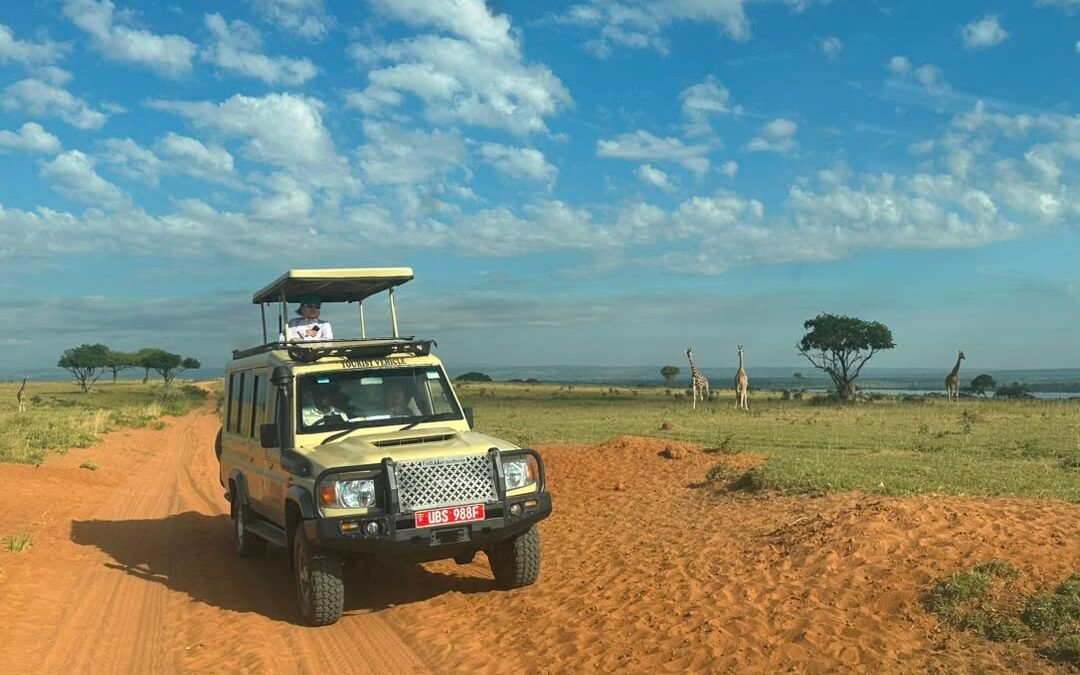
Best Wildlife Photography Experiences in Rwanda. Rwanda offers something few wildlife destinations can match for photographers: an enormous range of subjects and light conditions packed into an unusually small, easily navigable country. Within a single week you can photograph a silverback mountain gorilla in soft, diffused bamboo-forest light, catch a lion pride backlit by savannah golden hour in Akagera, and shoot a 400-strong colobus troop leaping through Nyungwe’s canopy, all without the multi-day drives that photography trips in larger African countries typically demand.
This guide is built specifically for photographers planning a Rwanda trip, whether you’re a serious enthusiast upgrading from phone shots to a proper telephoto setup, or a working professional weighing commercial filming permits. We’ll walk through every major photographic opportunity in the country, the gear and settings that actually matter, the rules you need to know before you raise a camera near a gorilla, and the specific tours built to get you into position for the shot.
Photography-focused travel differs meaningfully from a standard leisure safari, even when the destinations overlap. A photographer needs more time at each sighting, more flexibility around light and weather, and a guide who understands composition, not just species identification. Building those needs into your itinerary from the start, rather than trying to retrofit a standard tour after booking, is the single biggest factor separating a portfolio-building trip from a pleasant but forgettable vacation.
Why Rwanda Is a World-Class Wildlife Photography Destination
Rwanda’s photographic appeal starts with proximity. Volcanoes National Park, Nyungwe Forest, and Akagera National Park each sit within a manageable drive of Kigali and of each other, meaning a photography-focused itinerary can realistically cover savannah, rainforest, and volcanic highland subjects without losing entire days to transit. Few African countries let you shoot this much variety on a single, tightly sequenced route, and our Wildlife Safaris collection is built around exactly that compactness.
The subjects themselves are equally compelling. Mountain gorillas offer some of the most intimate, emotionally resonant wildlife photography available anywhere on Earth, a genuinely rare opportunity given how few individuals remain worldwide. Akagera’s recovering Big Five population, rebuilt almost entirely through reintroduction programs over the past decade, gives photographers a classic savannah portfolio with a genuine conservation story behind every frame. Nyungwe adds forest light, canopy-level access, and primate diversity that few single reserves anywhere in Africa can match.
Rwanda’s altitude and equatorial position also produce consistently dramatic natural light, misty volcanic mornings in Kinigi, crisp golden hour across Akagera’s open plains, and filtered, painterly light through Nyungwe’s dense canopy. Photographers who plan their shooting days around these conditions, rather than around a standard tourist schedule, consistently come home with stronger portfolios.
Rwanda’s conservation story adds a documentary dimension that few other destinations can offer alongside pure wildlife imagery. Akagera’s Big Five were rebuilt almost entirely through reintroduction over the past decade, and photographing that recovery in progress, healthy prides, breeding rhinos, growing elephant herds, carries a narrative weight that pure wildlife portraiture sometimes lacks. Photographers interested in conservation storytelling should ask their guides about the reintroduction history behind specific animals or family groups they encounter, since that context often shapes stronger captions and a more compelling final body of work.
Photographing Mountain Gorillas in Volcanoes National Park
Gorilla photography in Volcanoes National Park is the centerpiece of most Rwanda photography trips, and for good reason. The park’s 10 habituated gorilla families offer a full range of compositions, from tender mother-and-infant portraits to dramatic silverback close-ups, all within a single observation hour once you locate the group.
Photographers should expect challenging but rewarding light conditions. Bamboo forest canopy filters sunlight into soft, diffused patches that flatter primate portraiture but require a camera capable of performing well at higher ISOs, since direct light rarely reaches the forest floor. Weather adds another variable: misty mornings are common at Volcanoes’ elevation, and a light drizzle can transform a straightforward portrait session into something far more atmospheric if you’re prepared to shoot through it.
Because you’re limited to a single hour with each gorilla family, preparation matters enormously. Our 2 Days Volcanoes Gorilla Trek from Kigali and 3 Days Rwanda Gorilla Tracking and Cultural Tour both build in a full pre-trek briefing where photographers can ask guides about typical family behavior and positioning before entering the forest.
Camera Gear for Gorilla Trekking Photography
The single biggest gear decision for gorilla photography is lens choice. Because the mandatory 7-meter minimum distance still applies, and gorillas move unpredictably within their forest clearing, a versatile zoom in the 70-200mm or 100-400mm range generally outperforms fixed telephotos, letting you adapt quickly as the group shifts closer or further away without missing a shot while swapping lenses.
Low light is the defining technical challenge. Bamboo forest canopy blocks a significant amount of direct sunlight, and flash photography is strictly prohibited across all gorilla trekking parks, since sudden bursts of light can startle or agitate the animals. This means a camera body that handles high ISO performance cleanly, ideally usable up to ISO 3200 or beyond, matters more here than almost any other technical spec. A fast aperture lens, f/2.8 or wider where possible, helps compensate further.
Bring more battery and memory capacity than you think you’ll need. Cold, damp forest conditions drain batteries faster than usual, and a full trekking day, including the hike in and out, can easily exceed the single observation hour by several hours. Pack cards and batteries in a waterproof bag given the frequent light rain at this elevation, and consider a rain sleeve for your camera body regardless of forecast.
A monopod is worth serious consideration for gorilla treks, offering meaningfully more stability than handholding a heavy telephoto through a full hour of shooting, without the bulk and setup time of a full tripod on uneven, muddy terrain. Some photographers prefer a simple beanbag they can rest across a walking stick or a porter’s shoulder, an improvised but genuinely effective stabilization method that experienced local guides frequently recommend. Whatever support system you choose, test it before your trip rather than during the single hour that matters most.
Lens hygiene deserves more attention in Rwanda’s forest parks than in drier savannah environments. Humidity and light rain are near-constant realities at Volcanoes and Nyungwe’s elevation, and condensation on a cold lens moving into warmer forest air can ruin an entire shooting window if you’re not prepared with a simple microfiber cloth and a few minutes of acclimatization time before raising your camera.
Golden Monkey Photography: Fast Subjects in Low Light
Golden monkeys present a completely different photographic challenge from mountain gorillas. Where gorillas tend to sit relatively still within a forest clearing, golden monkey troops move constantly, leaping through low bamboo in fast, unpredictable bursts, which demands a faster shutter speed and quicker autofocus tracking than a typical gorilla session.
Their striking orange-gold coloring photographs beautifully against green bamboo, particularly in the soft, filtered light typical of their forest habitat, but capturing sharp images of fast-moving subjects in low light requires genuine technical skill. Continuous autofocus tracking, a shutter speed of at least 1/1000th of a second where light allows, and a willingness to shoot in burst mode all improve your odds of a usable frame.
Golden monkey trekking pairs naturally with a gorilla trek on the same multi-day Volcanoes itinerary, giving photographers two very different technical challenges within a single park visit. Ask your consultant to build this combination into a 2 Days Volcanoes Gorilla Trek from Kigali booking through our Contact Us page.
Akagera National Park: Big Five and Golden-Hour Savannah Light
Akagera National Park offers Rwanda’s most classically “safari” photographic experience: open savannah, golden hour light, and Big Five subjects shot from the comfort of a vehicle rather than on foot. Following the reintroduction of lions in 2015 and rhinos across multiple waves between 2017 and 2021, Akagera now offers genuine Big Five photography, elephants, leopards, buffalo, lions, and both black and white rhinos, within a single park.
Early morning and late afternoon game drives consistently deliver the best light and the most active wildlife behavior, since Akagera’s animals are far less active during the heat of midday. Photographers serious about capturing dramatic backlit or rim-lit compositions should prioritize the first and last hour of daylight, when the low sun angle across the open plains produces the kind of warm, directional light that defines classic safari photography.
A 3 Days Akagera National Park Safari from Kigali gives photographers two full days of game drives, enough time to work both golden hour windows multiple times rather than relying on a single lucky sighting. For a longer combined circuit, our 5 Days Rwanda Wildlife and Gorillas itinerary pairs Akagera’s savannah light with Volcanoes National Park’s forest conditions in one trip.
Photographing Lions and Leopards in Akagera
Akagera’s lion population, now estimated at 70 or more following the original 2015 and 2017 reintroductions, is tracked using GPS collars that report hourly location data, which gives experienced guides a genuine advantage in positioning photographers ahead of pride activity rather than searching blind. This tracking data is one of the more underrated tools available to photographers visiting the park, since it meaningfully improves the odds of a well-composed sighting rather than a distant, backlit silhouette.
Leopards remain considerably harder to photograph, with an estimated population of around 60 animals spread across dense woodland and riverine habitat. Sightings tend to be brief and often partially obscured by vegetation, so photographers chasing a clean leopard portrait should treat any encounter as a priority shot rather than assuming a second opportunity will follow.
Both species reward patience over rushing between sightings. Guides experienced with Akagera’s terrain, like those on our Wildlife Safaris itineraries, often recommend staying with a promising pride or a fresh leopard track for longer stretches rather than covering more ground in search of additional species.
Lake Ihema Boat Safaris: Photographing Hippos, Crocs, and Water Birds
A boat safari on Lake Ihema offers a genuinely different photographic vantage point from a standard Akagera game drive. Shooting from water level puts you eye-to-eye with hippo pods and Nile crocodiles rather than looking down from a raised vehicle, producing far more intimate, dramatic compositions than a typical distant savannah shot.
The lake’s birdlife adds another strong photographic dimension: African fish eagles diving for fish, herons and storks wading along the shoreline, and kingfishers perched on overhanging branches all offer close, well-lit subjects that are considerably easier to photograph from a slow-moving boat than from land. Morning boat trips typically offer the calmest water and softest light, both of which improve reflection shots across the lake’s surface.
Because boat safaris aren’t automatically included in every standard Akagera package, photographers should specifically request this add-on when booking through our Contact Us page to ensure it’s built into their 3 Days Akagera National Park Safari from Kigali itinerary.
Nyungwe Forest: Photographing Chimpanzees and Canopy Primates
Nyungwe Forest National Park presents perhaps the most technically demanding photography in Rwanda. Chimpanzees move quickly through both the canopy and forest floor, often backlit against bright gaps in the canopy above, creating high-contrast lighting conditions that challenge even experienced photographers’ metering and dynamic range.
The payoff is genuinely dynamic imagery: tool use, vocal calling, and expressive social interaction that static primate photography rarely captures. A fast burst mode and reliable subject-tracking autofocus matter enormously here, since usable compositions often last only a second or two before a chimpanzee moves out of frame or behind foliage.
Beyond chimpanzees, Nyungwe’s other 12 recorded primate species, including the extraordinary 300-to-400-strong Angolan colobus troop near Uwinka, offer additional photographic subjects within the same park visit. A 3 Days Nyungwe Safari gives photographers time for both a chimpanzee trek and a dedicated colobus-focused forest walk, while our 2 Days Nyungwe Chimps Tracking Trip suits photographers with tighter schedules who still want a serious primate session.
The Nyungwe Canopy Walk: Aerial Forest Photography
The Nyungwe canopy walkway, suspended roughly 50 meters above the forest floor across three linked sections, offers a genuinely unique photographic vantage point unavailable anywhere else in Rwanda. Shooting down into the canopy rather than up from the forest floor completely inverts the typical composition of forest wildlife photography, and it’s one of the best places in the park to photograph canopy-dwelling species like blue monkeys from a level, unobstructed angle.
Landscape photographers also benefit enormously from the walkway, since the elevated vantage point offers sweeping views over Nyungwe’s unbroken forest canopy that no ground-level trail can match. Morning visits often catch mist rising through the valleys below the walkway, producing atmospheric, layered compositions that have become some of the most recognizable images associated with Rwanda’s forest parks.
Because the walkway is fixed infrastructure rather than a moving wildlife encounter, photographers can take considerably more time composing shots here than during a typical trek, making it a valuable addition to any 3 Days Nyungwe Safari itinerary.
Birdwatching Photography: Rwanda’s 700+ Species
Rwanda’s bird photography opportunities are exceptional relative to the country’s size, with more than 700 recorded species spread across its varied habitats. Nyungwe alone accounts for roughly 300 species, including forest specialists and several endemic to the Albertine Rift, while Akagera contributes a completely different water and savannah bird list, including African fish eagles, storks, herons, and the strikingly colored papyrus gonolek best photographed along the lakeshore.
Bird photography demands its own gear considerations, generally longer focal lengths than mammal photography, since most species are smaller and more skittish at close range, along with faster shutter speeds to freeze wing motion during flight shots. A sturdy monopod or beanbag support helps considerably during longer birding sessions, particularly from a stationary boat or vehicle.
Dedicated birding days reward slower travel and specialist local guiding. Photographers building a bird-focused itinerary should discuss pacing directly with their consultant through our Wildlife Safaris collection, since a standard game drive schedule often moves faster than serious bird photography requires.
Photographing Rwanda’s Landscapes: Volcanoes, Terraced Hills, and Lake Kivu
Rwanda’s nickname, “the land of a thousand hills,” describes a landscape that photographs beautifully in its own right, independent of any wildlife encounter. The volcanic peaks surrounding Volcanoes National Park, including Mount Karisimbi, Rwanda’s highest point, offer dramatic backdrops for both wide landscape shots and environmental portraits of trekkers against the mountain skyline.
Rwanda’s terraced hillsides, visible across much of the country’s rural interior, create striking graphic compositions, particularly in early morning or late afternoon light when shadows accentuate the contour lines carved into the landscape by generations of agricultural terracing. Lake Kivu adds a further landscape dimension, calm reflective water, dramatic sunset light, and a shoreline largely free of the crocodiles and hippos found in many other African Great Lakes, making it one of the more accessible lakeside photography locations on the continent.
Photographers building landscape time into their itinerary should consider our 4 Days Rwanda Wildlife and City Tour, which naturally includes transit through some of Rwanda’s most photogenic rural terrain between parks.
Best Light and Time of Day for Wildlife Photography in Rwanda
Timing your shooting day around Rwanda’s natural light is one of the simplest ways to improve your photography without upgrading any gear. In Akagera, the first and last hour of daylight consistently produce the strongest results, both for wildlife activity levels and for the warm, low-angle light that flatters savannah subjects. Midday game drives, by contrast, tend to produce harsh, flat light and less active animals, making them better suited to scouting than serious shooting.
Forest photography in Nyungwe and Volcanoes National Park behaves differently. Canopy cover filters direct sunlight throughout the day, meaning the harsh midday light that hurts savannah photography is less of a concern in the forest, though overall light levels remain consistently lower, which is why camera gear capable of strong high-ISO performance matters so much across both parks.
Seasonal timing matters too. Rwanda’s dry seasons, June through September and December through mid-February, offer the clearest skies and most predictable light, while the wetter shoulder seasons bring dramatic, moody cloud cover that many photographers actually prefer for atmospheric landscape and portrait work, even if it means occasionally shooting through rain.
Cloud cover itself is worth reconsidering rather than avoiding. A fully clear sky over Akagera’s savannah often produces harsher, less directional light than a partly overcast morning, when clouds act as a natural diffuser and extend the usable golden-hour window well beyond its typical duration on a cloudless day. Photographers fixated on chasing perfectly blue skies sometimes miss stronger images available on a moodier, more textured weather day, particularly for dramatic wide-angle landscape work around the volcanic peaks near Kinigi.
Drone Photography Rules in Rwanda’s National Parks
Aerial photography in Rwanda is tightly regulated, and photographers planning to bring a drone need to prepare well in advance of their trip. All drones must be registered with the Rwanda Civil Aviation Authority using form RCAA-UAS001, a process that carries a registration fee of roughly $130 and can take up to three months to complete, meaning last-minute drone plans are rarely feasible.
Operational restrictions are strict once you’re in the country. Drones cannot exceed 100 meters in altitude, must remain within 300 meters of the pilot with constant visual contact, and are prohibited from night flights entirely. A minimum 50-meter distance must be maintained from people, buildings, vehicles, and animals unless they are part of an approved filming project, and flying within 10 kilometers of an airport requires special additional permission.
Given these restrictions, most independent travelers find it simpler to skip drone photography entirely or to arrange it well in advance through a specialized filming permit rather than attempting casual aerial shots during a standard trekking or game drive day. If aerial photography is central to your trip, raise it with your consultant through our Contact Us page months before departure.
Rules Every Wildlife Photographer Must Follow
Rwanda’s wildlife photography rules exist to protect genuinely vulnerable species, and they are enforced consistently across every park. Flash photography is strictly prohibited during gorilla and chimpanzee trekking, since a sudden burst of light can startle or agitate primates that share close genetic ties with humans and can react defensively to perceived threats. The mandatory 7-meter minimum distance from gorillas applies to photographers just as much as any other visitor, meaning a longer lens, not a closer approach, is the only acceptable way to fill the frame.
Quiet, controlled movement matters as much as camera settings. Sudden gestures, raised voices, or aggressive repositioning for a better angle can all disturb wildlife and, in primate encounters specifically, potentially provoke a defensive reaction from a dominant male. Guides are trained to manage group positioning during any wildlife encounter, and photographers should follow their instructions immediately, even mid-shot, if asked to back away or lower their camera.
Respecting the strict one-hour gorilla observation window is also essential. Rather than treating this as a limitation, most experienced wildlife photographers use it as a forcing function: planning compositions and settings in advance during the pre-trek briefing means less time fumbling with gear once the hour actually begins.
Professional and Commercial Filming Permits in Rwanda
Photographers planning commercial work, whether for a magazine assignment, a documentary project, or promotional content, need to secure a separate filming permit distinct from a standard trekking permit. Commercial filming permits in Rwanda’s gorilla parks cost significantly more than standard tourist permits, running into the thousands of dollars per person depending on the scope of the project, and are arranged directly through Rwanda Development Board or a trusted local tour operator on your behalf.
This distinction matters even for photographers who don’t consider themselves “commercial.” Any imagery intended for sale, licensing, or use in promotional material beyond personal social media typically falls under commercial filming rules rather than standard tourist photography, so it’s worth clarifying your intended use with your operator well before booking to avoid confusion or denial at the park gate.
Standard tourist photography, meaning personal, non-commercial images captured during a normal trek, requires no separate permit beyond your standard gorilla, chimpanzee, or park entry permit. Our team can advise on which category your project falls into during a Contact Us consultation, well ahead of booking.
Best Multi-Park Photography Safari Itineraries
Because Rwanda’s parks sit close together, the strongest photography portfolios almost always come from multi-park itineraries rather than a single-destination trip. Our 5 Days Best of Rwanda Primate Safari combines gorilla, golden monkey, and chimpanzee photography across multiple parks, giving photographers a genuinely varied primate portfolio within a single week.
For photographers who want Big Five savannah shots alongside primate photography, our 5 Days Rwanda Gorilla and Chimpanzee Safari and the longer 10 Days Rwanda Wildlife Gorilla Tour both layer Akagera’s golden-hour game drives around a primate-focused core. Travelers with more time should consider our 7 Days Best of Rwanda Safari, which threads together every major photographic opportunity in the country into a single, unrushed week.
Combining Rwanda and Uganda for a Bigger Photography Portfolio
Photographers chasing an even broader wildlife portfolio often extend their trip into neighboring Uganda, adding tree-climbing lions in Queen Elizabeth National Park, Nile-side wildlife along Murchison Falls, and chimpanzee tracking in Kibale Forest to an already strong Rwanda itinerary. Our 10 Days Uganda Rwanda Safari and 15 Days Rwanda Uganda Safari are both built around this combination, while the shorter 7 Days Uganda Rwanda Safari Adventure suits photographers with tighter schedules.
For a sense of how other regional operators structure this same cross-border route, Kenlink Tours’ 9-Day Uganda Rwanda Gorilla and Big Five Safari and their 14-Day East Africa Safari: Uganda Gorillas and Serengeti Wildlife both illustrate how far a photography-focused regional itinerary can stretch when Rwanda and Uganda’s parks are combined. Their 7-Day Birdwatching Safari in Uganda is also a useful reference for photographers specifically building a bird-focused extension, and their Rwanda Safaris and About Uganda pages offer additional background on how each country’s parks are typically packaged for visiting photographers.
How Other Regional Operators Package Photography-Focused Safaris
It’s worth benchmarking your own photography itinerary against how other operators in the region structure similar trips, particularly when deciding how many days to allocate to each park. Kenlink Tours’ 5-Day Volcanoes Gorillas and Akagera Park Wildlife Safari mirrors the same primate-plus-savannah pairing recommended throughout this guide, a useful confirmation that this combination is considered a proven, high-value route across the industry rather than something specific to a single company.
For photographers weighing a longer regional circuit, their 10-Day Fantastic Tour in Rwanda Uganda Safari in East Africa and Kenya Safaris collection show how a Rwanda-anchored trip can extend into Kenya’s Maasai Mara for classic Great Migration photography, adding an entirely different savannah lighting and subject profile to an existing portfolio. Photography groups traveling together should also review Kenlink Tours’ Group Tours page and their Car Hire service, since coordinating vehicle access and window space matters more for photographers than for typical leisure travelers, and understanding how other operators price and structure this logistics layer helps when comparing quotes.
Tips From Experienced Guides for Better Wildlife Shots
Ranger and driver guides spend more time reading animal behavior than any visiting photographer ever will, and their input consistently improves final results. Ask your guide directly about typical positioning, likely movement direction, and behavioral cues before an encounter begins, information that lets you anticipate a shot rather than react to one after it’s already happening.
Shoot in RAW format wherever your camera supports it, particularly in Rwanda’s frequently challenging forest light, since RAW files preserve far more recoverable detail in shadows and highlights than compressed JPEGs, especially useful given the high-contrast conditions common in both Nyungwe and Volcanoes National Park.
Slow down between sightings. Many of the strongest wildlife images come from staying with a single subject or scene longer than feels necessary, waiting for a behavioral moment, a change in light, or a better composition, rather than moving quickly between encounters in search of more subjects. Guides on our Gorilla Safaris and Wildlife Safaris itineraries are experienced at pacing days around this kind of patience-driven photography when travelers request it.
Think in sequences rather than single frames, particularly during primate encounters. A short burst capturing an interaction unfolding, a mother reaching for an infant, a silverback shifting posture, a chimpanzee reacting to a call from elsewhere in the group, almost always produces a stronger final selection than a single well-composed static portrait. Review your shots periodically throughout the day rather than waiting until evening, since spotting a recurring technical issue, such as a focus point drifting or a white balance shift between forest and open ground, early enough to correct it can save an entire session’s worth of images.
Finally, build a genuine relationship with your guide before the trip begins rather than meeting them for the first time on trekking morning. Share reference images of the kind of shots you’re hoping to capture, ask about specific families or prides they know well, and be upfront about your experience level. Guides who understand your goals in advance consistently position groups more effectively than those working from a generic tourist itinerary.
Frequently Asked Questions About Wildlife Photography in Rwanda
Can I use flash photography during gorilla or chimpanzee trekking in Rwanda? No. Flash photography is strictly prohibited around gorillas and chimpanzees across all Rwandan parks, since sudden bursts of light can startle or agitate the animals. Photographers should rely on high-ISO performance and fast apertures instead.
Do I need a special permit for drone photography in Rwanda’s national parks? Yes. Drones must be registered with the Rwanda Civil Aviation Authority in advance, a process that can take up to three months, and strict operational limits apply, including a 100-meter altitude cap and a 50-meter minimum distance from animals and people.
What camera gear works best for gorilla trekking photography? A versatile telephoto zoom in the 70-200mm or 100-400mm range, paired with a camera body that performs well at high ISO settings, is generally the most practical setup given the low light and the mandatory 7-meter minimum distance rule.
Is professional or commercial photography treated differently from personal tourist photography? Yes. Commercial filming and photography intended for sale, licensing, or promotional use requires a separate, considerably more expensive permit arranged through Rwanda Development Board, distinct from the standard trekking permit used for personal photography.
What is the best time of day for wildlife photography in Akagera? Early morning and late afternoon consistently offer the best combination of active wildlife and flattering golden-hour light, while midday tends to produce harsher light and less animal activity across the park’s open savannah.
Which Rwanda park offers the most technically challenging wildlife photography? Nyungwe Forest is generally considered the most demanding, given its fast-moving chimpanzee subjects, high-contrast canopy lighting, and generally lower overall light levels compared to Akagera’s open savannah.
Final Thoughts: Building a Photography Trip Around All of Rwanda
Rwanda rewards photographers who plan around its full range of light and subjects rather than treating a single gorilla trekking day as the entire trip. Between Volcanoes National Park’s intimate primate portraiture, Akagera’s classic golden-hour savannah photography, and Nyungwe’s technically demanding forest and canopy work, this small country offers a genuinely complete wildlife photography portfolio within a single, efficiently sequenced itinerary.
The strongest results come from matching your gear, your shooting schedule, and your pacing to each park’s specific conditions rather than applying a single approach across the whole trip. A camera setup built for low-light forest primates behaves very differently from one optimized for backlit savannah action, and building enough time into your itinerary to actually wait for the right light and behavior, rather than rushing between sightings, consistently separates strong portfolios from rushed snapshots.
Ready to plan a photography-focused Rwanda safari? Reach out to Pick and Transfer Safaris and tell us which subjects and light conditions matter most to your work, and we’ll build a route from our full Gorilla Safaris, Wildlife Safaris, and Extended Safaris collections designed around getting you into position for the shot, not just the sighting. Learn more about how our team plans these trips on our About Us page, or browse our full Destinations overview to see every park covered in this guide in one place.
Above all, treat your camera bag as part of your trip planning from day one, not an afterthought packed the night before departure. Confirm your gear list against the specific parks on your itinerary, budget realistic time for both golden-hour game drives and low-light forest treks, and communicate your priorities clearly to your operator and guides well before you land in Kigali. A trip planned around light, subject, and pacing from the start will consistently outperform one where photography is treated as a bonus alongside a standard tourist schedule, and Rwanda’s compact, varied park network rewards exactly that kind of deliberate planning better than almost anywhere else in Africa.
7 Days Uganda Safari – One week tour
This 7-day itinerary is the classic one-week introduction to Uganda, covering the country’s three most iconic wildlife experiences: chimpanzee tracking in Kibale Forest National Park, Big Five game drives and a boat cruise in Queen
Tour Details →
10 Days Uganda Primates and Wildlife
This 10-day Uganda Grand Safari is the most complete Uganda itinerary we offer at Pick and Transfer Safaris. It begins with a scenic northward drive from Entebbe to the vast open plains of Murchison
Tour Details →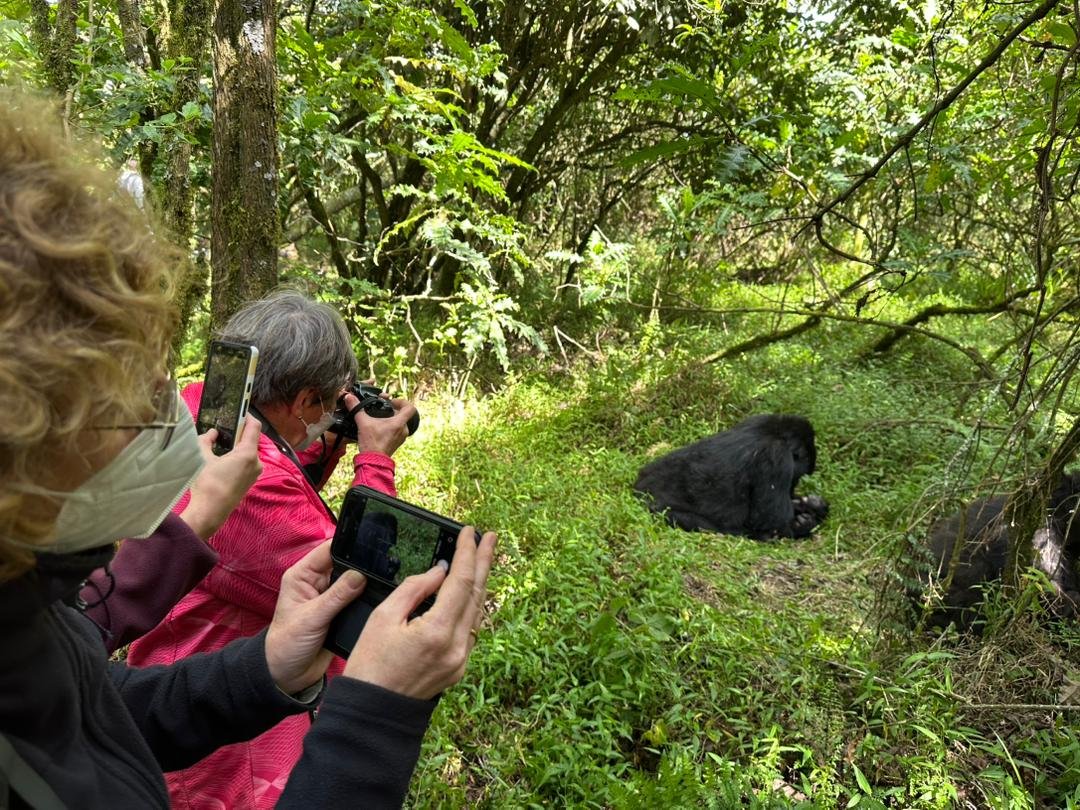
2 Days Uganda Gorilla Tour Starting from Kigali
This is the gentler cousin of our 1-Day Uganda Gorilla Safari Starting from Kigali — same idea, twice the breathing room. Instead of squeezing a 3,000-metre forest trek and two border crossings into a single very long day
Tour Details →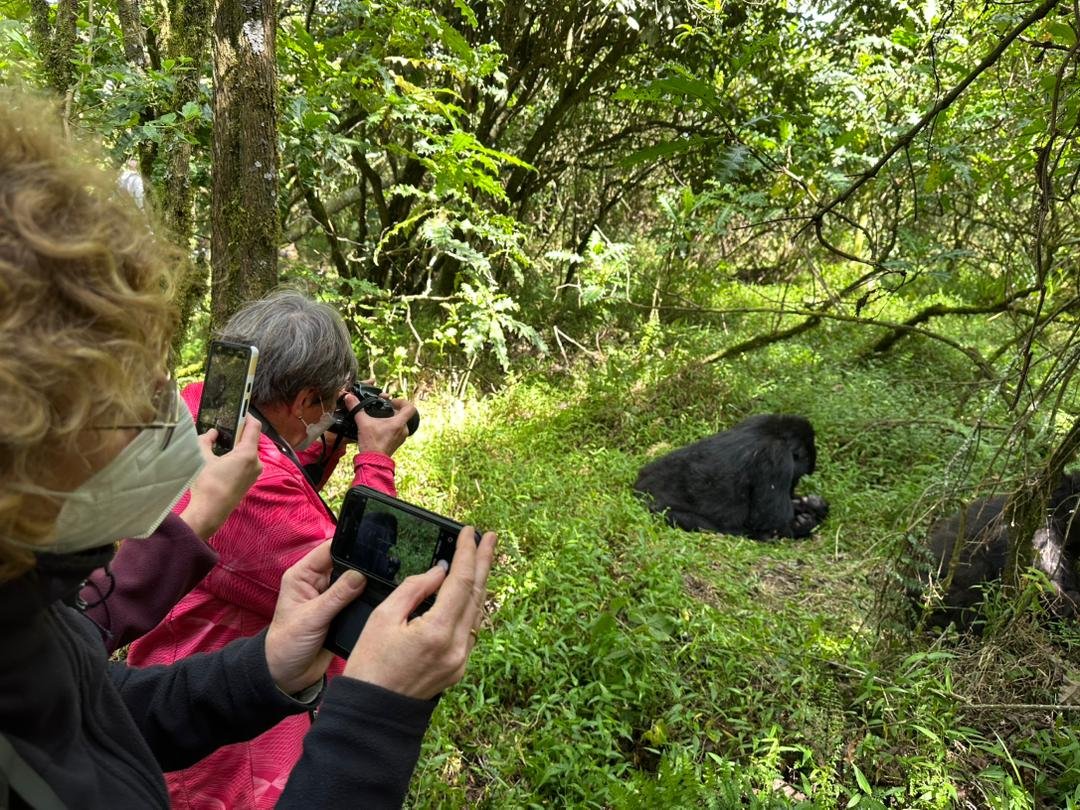
5-Day Uganda Gorilla and Chimpanzee Safari
This itinerary can be combined with a Rwanda extension or a wildlife-focused add-on through Queen Elizabeth National Park — browse our Uganda & Rwanda Safaris and Primate Safaris collections for ideas.
Tour Details →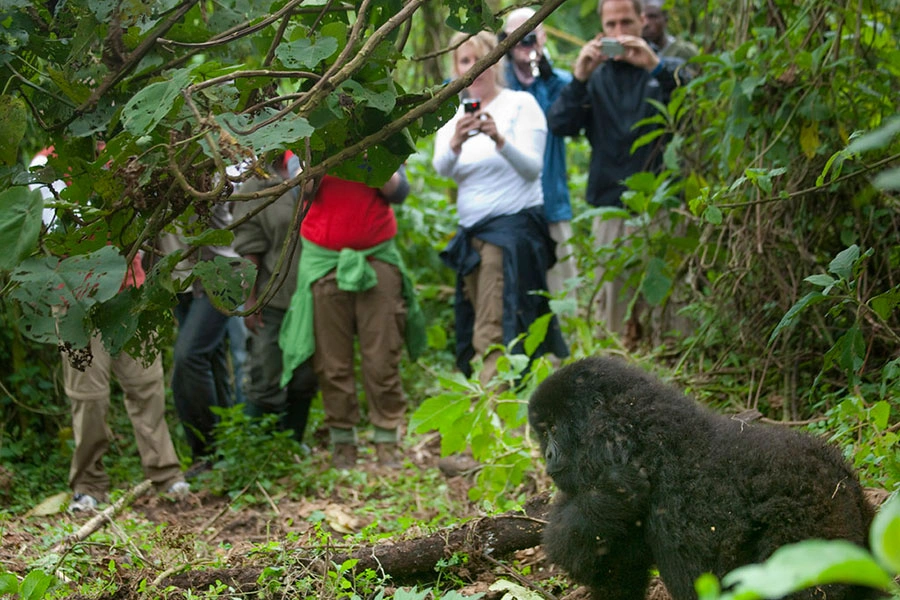
5 Days Rwanda Wildlife and Gorillas
This 5-day itinerary brings together Rwanda’s two flagship wildlife experiences: open savannah game drives and a boat safari in Akagera National Park, followed by a face-to-face encounters
Tour Details →
3 Days Uganda Gorilla Safari
For travelers who arrive in Entebbe with a tight schedule and a clear ambition, a 3-day gorilla safari to Bwindi Impenetrable Forest National Park is the most focused and rewarding short trip the country has to offer.
Tour Details →