- LET'S PLAN YOUR SAFARI
- +256 200 921 002
- +256 793 194 703
- info@pickandtransfersafaris.com

Birdwatching During Gorilla Habituation in Bwindi
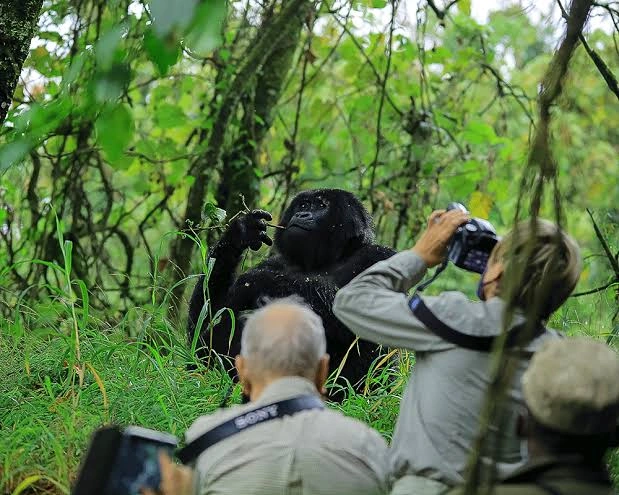
Birdwatching During Gorilla Habituation in Bwindi. Most travelers heading to Rushaga for the Gorilla Habituation Experience are focused entirely on the gorillas, and understandably so. But Bwindi Impenetrable National Park is also ranked among Africa’s finest birding destinations, home to over 350 recorded species, including nearly all of Uganda’s Albertine Rift endemics found almost nowhere else on earth. For travelers with even a passing interest in birds, the days surrounding a Gorilla Habituation Experience offer a genuine opportunity to add serious birdwatching to what might otherwise be a primate-only trip. At Pick and Transfer Safaris, we help travelers build this into their Rushaga itinerary, and this guide explains what’s possible and how to fit it around the demands of a habituation day.
Why Bwindi Is a Serious Birding Destination
Bwindi’s reputation among birders rests on its status as one of the richest sites for Albertine Rift endemics anywhere in Africa, species found only in this narrow band of forest spanning parts of Uganda, Rwanda, the Democratic Republic of Congo, and Burundi. The park holds roughly 23 to 25 of the region’s Albertine Rift endemics, alongside 14 species found nowhere else in Uganda, drawing serious birders from around the world specifically for this reason. Species like the African green broadbill, Grauer’s swamp warbler, and Shelley’s crimsonwing, one of Africa’s rarest finches, rank among the most sought-after sightings for visiting birders, and skilled guides can identify upward of 100 species in a single day session under the right conditions.
The Africa Bird Club has ranked Bwindi among the continent’s very best birding areas, a distinction that places it in genuinely rarefied company given how many exceptional birding destinations Africa has to offer. Beyond its rare endemics, the park also supports a broader mix of Guinea-Congo biome and Afrotropical highland species, meaning even travelers without a specific target list tend to come away with a long and varied checklist by the end of a short visit.
This density of rare, range-restricted species is precisely why Bwindi draws dedicated birding trips independent of gorilla trekking altogether, and why travelers already making the journey to Rushaga for the habituation experience have a genuine opportunity to fold in serious birdwatching without needing to visit an entirely separate destination.
What You Can Realistically See Around Rushaga
While Bwindi’s most celebrated birding site, Mubwindi Swamp, sits in the Ruhija sector rather than Rushaga, the southern sectors still offer genuinely rewarding birding of their own. Rushaga and neighboring Nkuringo are described by birding guides as remote, pristine settings attracting rarities including the Archer’s robin-chat and the yellow-eyed black flycatcher, species that reward patient, quiet observation along the sector’s quieter, less-trafficked trails. Regional Albertine endemics such as the handsome francolin, purple-breasted sunbird, and blue-headed sunbird are also realistic sightings in this part of the park, alongside more visible species like the black-billed turaco.
Birding around Rushaga tends to be best conducted early morning or late afternoon with an experienced local guide, since many of Bwindi’s key species are deep-forest dwellers identified as much by call as by sight, making local knowledge genuinely valuable rather than optional.
Fitting Birdwatching Around a Habituation Day
Given how physically demanding the Gorilla Habituation Experience is, up to four hours in Rushaga’s steep forest terrain, most travelers schedule dedicated birding either the day before or the day after the habituation trek itself, rather than attempting both in the same session. A gentle birding walk along Rushaga’s trails makes a genuinely pleasant, low-intensity activity for a rest day either side of the main gorilla trek, offering a way to remain engaged with the forest without repeating the physical demands of the habituation day.
Some birding also happens incidentally during the gorilla trek itself, since the walk to and from the semi-habituated family passes through the same forest that hosts these species, though the primary focus during the trek naturally remains on the gorillas rather than pausing for extended birding stops.
Extending to Ruhija for Serious Birders
Travelers with a genuine, dedicated interest in birding, rather than a casual add-on to their gorilla trip, often extend their itinerary to include Bwindi’s Ruhija sector specifically, home to Mubwindi Swamp, widely regarded as the single most reliable site in the park for the elusive African green broadbill, alongside Grauer’s swamp warbler and the Rwenzori batis. The swamp alone has recorded over 100 bird species, and serious birders often plan an early start there specifically to catch mixed flocks moving through at dawn, when many of Bwindi’s more elusive species are most active and vocal. Ruhija sits several hours from Rushaga by road, so this addition requires a genuine extension to the trip rather than a same-day detour, but for birders specifically chasing Albertine Rift endemics, it’s often considered worth the additional travel time given Mubwindi’s reputation among the region’s birding community.
Combining Birding with Mgahinga
Travelers extending their trip toward Mgahinga Gorilla National Park for golden monkey trekking will find genuine birding value there too, since Mgahinga’s Virunga volcano forests host their own mix of Albertine endemics, including the Rwenzori turaco, Rwenzori batis, and double-collared sunbird, among others. Given the short drive between Rushaga and Mgahinga, birders combining the Gorilla Habituation Experience, golden monkeys, and casual birding across both parks can cover a genuinely broad cross-section of this region’s endemic species without an extensive detour.
Best Time of Year for Birding
Bwindi’s dry seasons, June through September and December through February, generally offer the most comfortable birding conditions, with firmer trails and clearer visibility through the canopy. That said, the park also hosts migratory species passing through between roughly November and April, adding seasonal variety for birders visiting outside the peak dry months. Given that gorilla trekking itself operates year-round regardless of season, birders have real flexibility to time their trip around either the most comfortable trekking conditions or the richest seasonal bird activity, depending on which matters more to their particular interests.
What to Bring for Birding Alongside Gorilla Trekking
A decent pair of binoculars is worth packing specifically for birding days, since Bwindi’s canopy birding often involves spotting movement or catching brief glimpses through dense foliage rather than clear, sustained views. A local field guide or a guide experienced in bird calls specifically adds considerable value given how much of Bwindi’s birding relies on vocal identification in thick forest. Beyond this, the same practical gear recommended for any Bwindi forest activity, waterproof boots, a rain jacket, and layers for the cool, high-altitude climate, applies equally to birding days as it does to the gorilla trek itself.
Visa and Border Requirements
Since most birding-focused Rushaga trips begin in Rwanda, the East African Tourist Visa tends to be the most convenient option, covering multiple entries across Uganda, Rwanda, and Kenya over 90 days for 100 US dollars through Uganda’s official immigration portal. A standard single-entry Uganda Tourist Visa works just as well for travelers not planning to re-enter Rwanda. A valid yellow fever vaccination certificate is required for entry into Uganda regardless of visa type.
Planning Your Birding and Gorilla Habituation Trip with Pick and Transfer Safaris
Bwindi’s reputation as one of Africa’s premier birding destinations makes it a genuinely worthwhile addition to a Gorilla Habituation Experience itinerary, whether that means a casual morning walk around Rushaga or a dedicated extension to Ruhija’s Mubwindi Swamp for serious Albertine Rift endemics. If you would like help arranging a birding guide alongside your Rushaga stay, extending your trip to include Ruhija, or coordinating your permits and transfers around both interests, get in touch through our Contact Us page. We’ll build an itinerary that gives both the gorillas and the birds their proper share of your time.