- LET'S PLAN YOUR SAFARI
- +256 200 921 002
- +256 793 194 703
- info@pickandtransfersafaris.com

Book Gorilla Trekking in Uganda
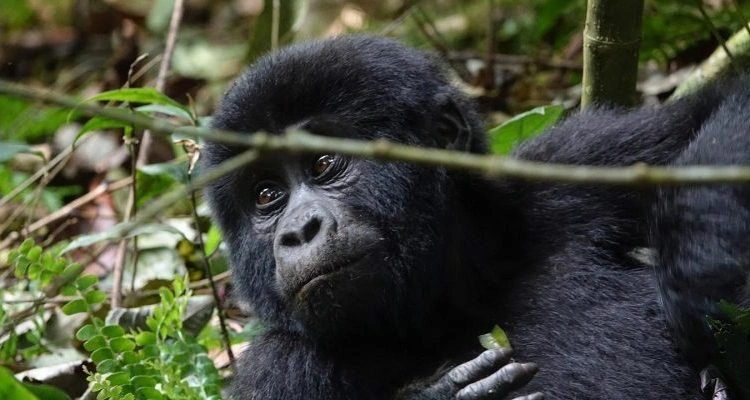
Book Gorilla Trekking in Uganda. Booking gorilla trekking in Uganda is not like booking a hotel room or a flight. Permits are limited, allocated to specific parks and sectors on specific dates, and controlled directly by the Uganda Wildlife Authority, which means the process rewards travellers who understand exactly how it works and can genuinely derail a trip for those who don’t. Get the booking sequence right and the rest of the trip falls into place smoothly. Get it wrong, arriving without a confirmed permit, booking the wrong sector, or missing a document at the border, and you can lose the very experience you flew across the world for.
This guide walks through the entire booking process from first decision to trek-day departure: how to choose a park and sector, how far ahead to book, what documents you need, how payment and deposits work, how group size caps affect availability, and how to avoid the mistakes that trip up first-time trekkers most often. Wherever a step benefits from a specialist rather than a do-it-yourself approach, we explain exactly why, and how a coordinated gorilla trekking package removes most of the risk from the process.
Whether you are booking a single permit for a quick two-day trip from Kigali or coordinating a full family group across multiple sectors, the underlying booking logic is the same: confirm the permit first, in writing, with a real reference number, and build everything else around that confirmed date.
What “Booking” a Gorilla Trek Actually Involves
A confirmed gorilla trek booking has three distinct layers that all have to line up correctly: the permit itself, issued by the Uganda Wildlife Authority for a specific park, sector, and date; the logistics around it, transport, accommodation, and border arrangements if you are crossing from Rwanda; and the paperwork, your passport details, nationality, and payment, that ties the permit to you personally. Missing or mismatching any one of these three layers is what causes booking problems, not the trekking itself.
Understanding this structure up front makes the rest of the process far less confusing, because it tells you exactly what to lock down first (the permit date and sector), what to arrange second (transport and lodging around that date), and what to double-check last (that your documents match what was submitted at booking).
Gorilla Safaris
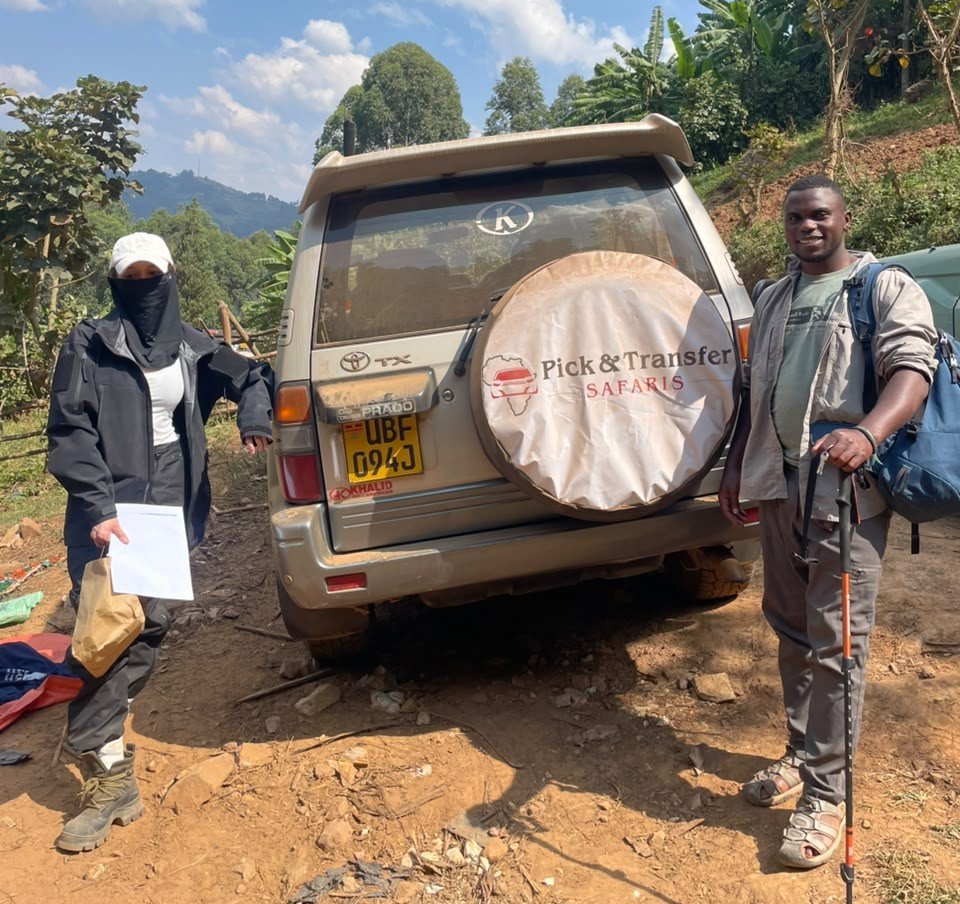
One day Uganda Gorilla Safari Starting from Kigali
It’s a long but thrilling day, and exactly the kind of efficient, “one foot in two countries, ” adventure that has made starting a gorilla safari from Kigali so popular
Tour Details →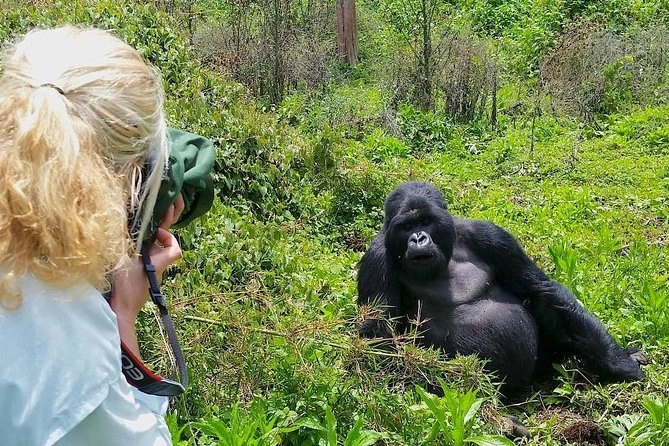
3 Days Uganda Gorilla Safari from Rwanda
This 3-day gorilla trekking package is designed to be quick, efficient, and unforgettable. Departing from Kigali, the itinerary takes advantage of Rwanda’s short distance to southwestern Uganda
Tour Details →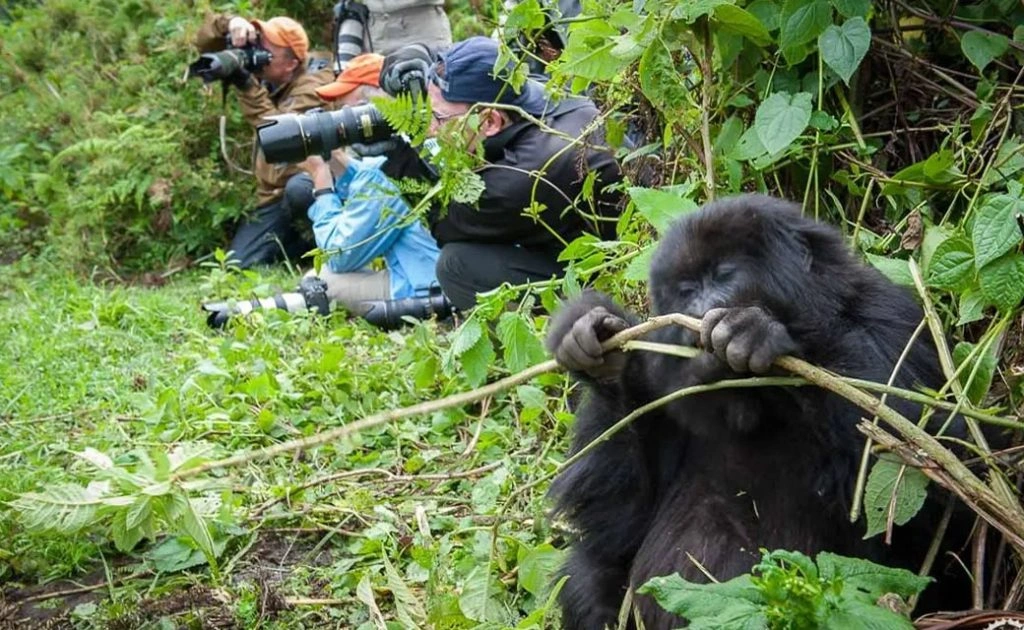
5 Days Uganda Gorilla and Chimps Safari from Rwanda
this 5-day safari is built around two of Africa’s most extraordinary forest encounters: tracking mountain gorillas in National Park and following wild chimps
Tour Details →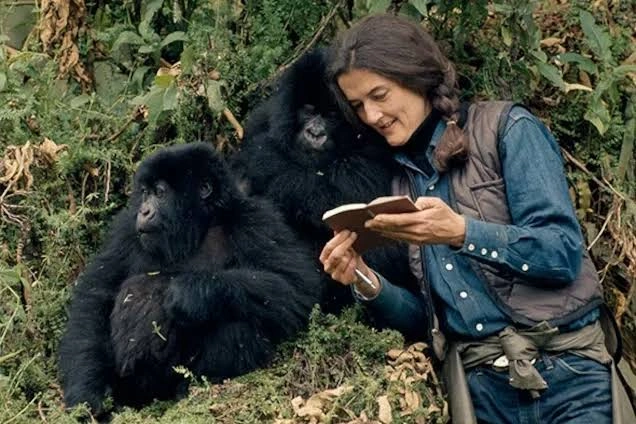
10 Days Uganda Primates and Wildlife
This 10-day Uganda Grand Safari is the most complete Uganda itinerary we offer at Pick and Transfer Safaris. It begins with a scenic northward drive from Entebbe to the vast open plains of Murchison Falls
Tour Details →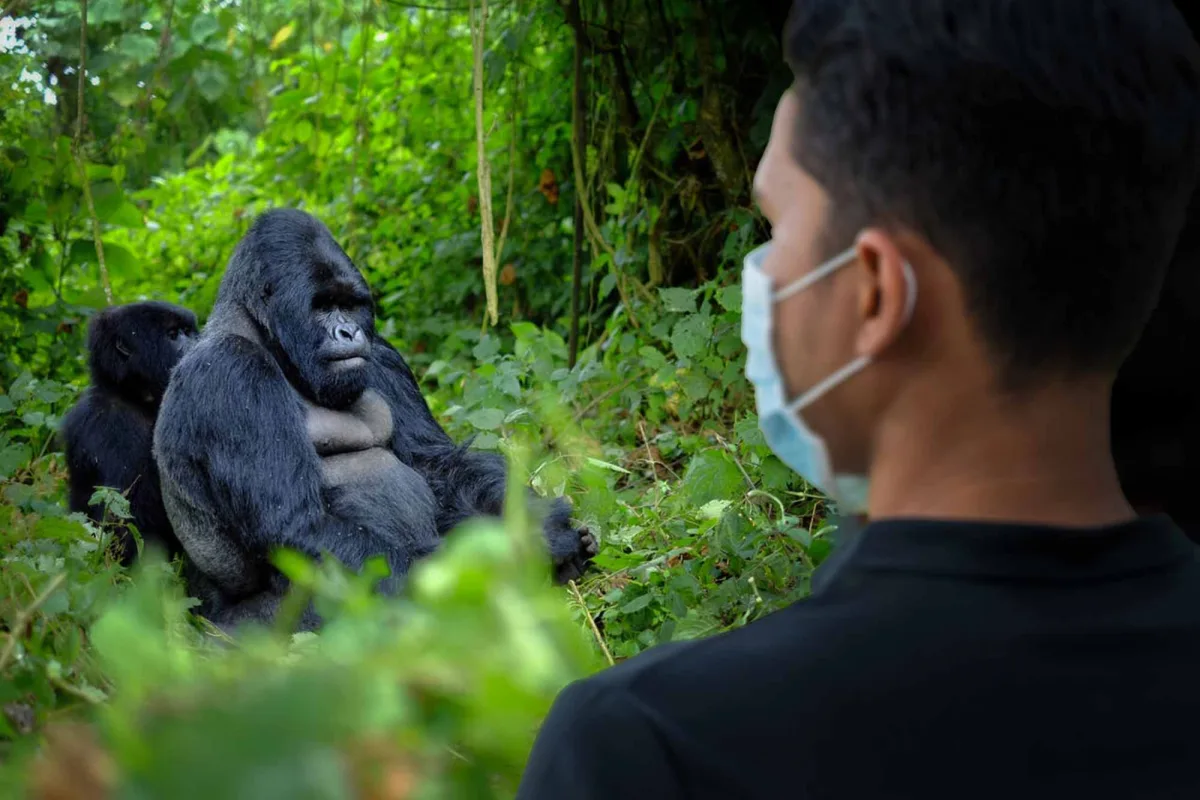
5 Days best of Rwanda Primate Safari
This 5-day Rwanda Primate Safari brings those two encounters together in a single, logically routed itinerary that begins and ends in Kigali and takes you to the two most important primate parks in Rwanda
Tour Details →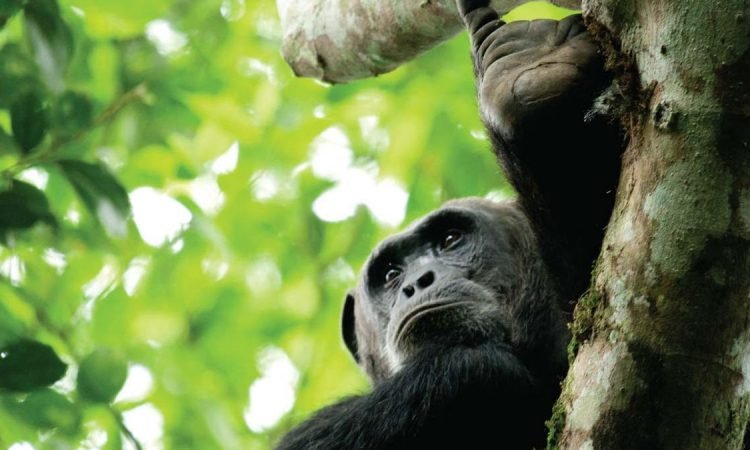
2 Days Nyungwe Chimps Tracking Trip
This 2-day trip from Kigali is built for travelers who want to experience Rwanda beyond the volcanoes: a long, scenic drive south through Rwanda’s thousand hills on day one
Tour Details →
3 Days Rwanda Gorilla Tracking and Cultural Tour
This 3-day tour pairs mountain gorilla trekking in Volcanoes National Park with a deeper look at Rwanda’s history and culture, both in Kigali City and in the communities living alongside the park itself.
Tour Details →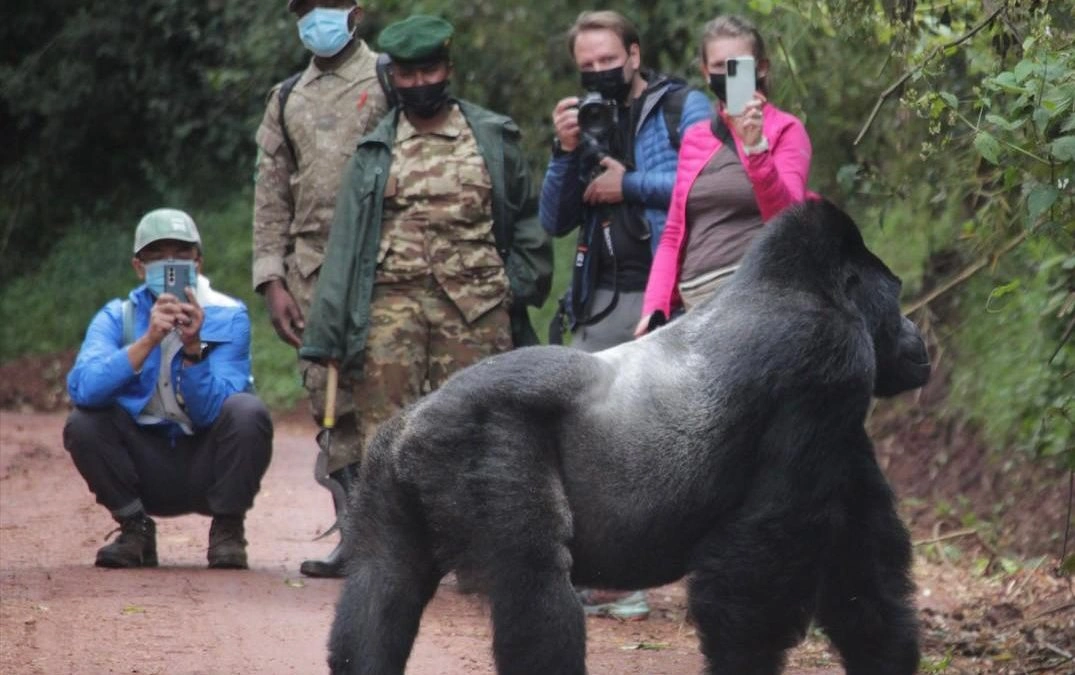
2 Days Volcanoes Gorilla Trek from Kigali
This itinerary stays entirely within Rwanda, with just a two-to-three-hour drive each way between Kigali and the foothills of the Virunga Mountains, so there’s no border paperwork to worry about.
Tour Details →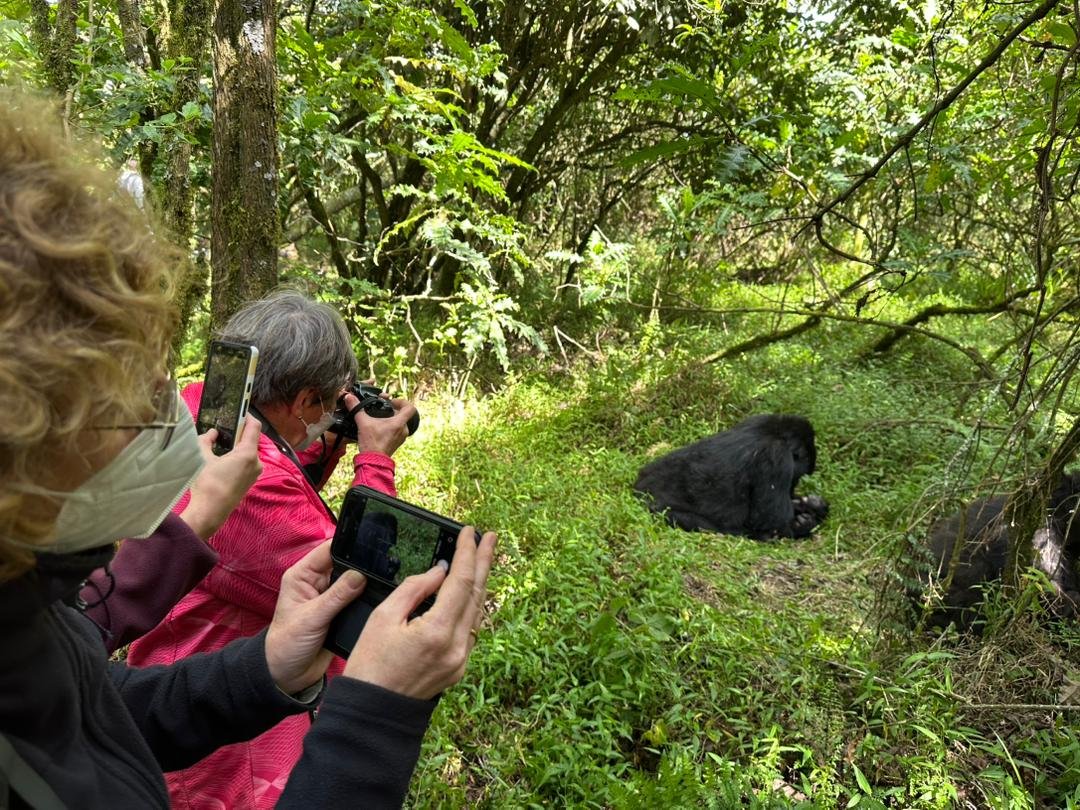
2 Days Uganda Gorilla Tour Starting from Kigali
Bwindi’s Rushaga and Nkuringo sectors sit just a few kilometres inside Uganda from the Cyanika crossing, making them the natural choice for a Kigali-based itinerary — Rushaga in particular has the greatest number of habituated gorilla families
Tour Details →Step One: Choose Your Park and Sector
Uganda offers two gorilla trekking parks: Bwindi Impenetrable National Park, home to the vast majority of Uganda’s habituated gorilla families across four sectors, Buhoma, Ruhija, Rushaga, and Nkuringo, and Mgahinga Gorilla National Park, a smaller park with a single habituated family that suits travellers who want a quieter trek or who are already crossing near the Cyanika border.
Your sector choice should be driven by where you are travelling from. Visitors arriving from Kigali should generally book Rushaga or Nkuringo, both close to the Cyanika border, while visitors flying into Entebbe usually find Buhoma more convenient. Booking the wrong sector for your entry point is one of the most common and most easily avoided planning mistakes, so confirm this before locking in a date.
Step Two: Pick Your Travel Dates and Season
Once you know your park and sector, the next decision is timing. Uganda’s dry seasons, June to September and December to February, offer the firmest trails and the most predictable weather, and they are also the busiest, so permits for these months should be booked as early as possible. April, May, and November fall in the low season, when the Uganda Wildlife Authority offers a discounted permit rate, and trekking still runs daily despite the higher rainfall.
If your dates are fixed, for example around a specific flight or work schedule, book as far ahead as you can regardless of season, since even off-peak dates can sell out around public holidays. If your dates are flexible, aligning them with the discount window or simply avoiding the July-August and December peaks gives you a wider choice of sectors and lodges to choose from.
Step Three: Reserve Your Permit
This is the step that actually locks in your trek. Permits can be booked directly through the Uganda Wildlife Authority or through a licensed tour operator, and for the vast majority of travellers, especially those coordinating a cross-border trip from Rwanda, booking through an operator is significantly simpler, since they handle the application, confirm availability in real time, and manage payment on your behalf.
Whichever route you choose, insist on written confirmation that includes your name, the specific date, park, and sector, and a permit reference or serial number before you consider the booking secure. A verbal or informal confirmation with no reference number is not a booking you should rely on. This is exactly the confirmation process built into every one-day and two-day gorilla package booked through a specialist operator.
Step Four: Provide the Right Documents
Booking a gorilla permit requires your full legal name exactly as it appears on your passport, your nationality, a copy of your passport photo page, and your date of birth, since the minimum age for gorilla trekking is fifteen. Any mismatch between the name on your permit and the name on your passport can cause delays or complications at the park gate, so double-check spelling carefully when submitting your details, particularly for travellers with multiple middle names or non-Latin script names that require transliteration.
If you are booking for a group, whether family, friends, or a tour group, each traveller’s details must be submitted individually and correctly, since permits are non-transferable between people once issued. Keep a digital and physical copy of your permit confirmation and passport details accessible throughout your trip, not just at the point of booking.
Step Five: Pay the Deposit and Balance
Most operators require a deposit, commonly around 30 percent of the total package cost, to confirm and lock in your permit application, with the balance due closer to your travel date. Permit payments themselves now run on a cashless system, meaning cash is not accepted at the park gate, so any outstanding balance needs to be settled with your operator in advance rather than on arrival.
Confirm exactly what currency your quote is in, what payment methods are accepted, and whether any bank or card processing fees apply, since these details vary between operators. A transparent payment schedule, deposit now, balance by a clear date, is a good sign you are booking with a properly licensed and organised operator rather than an informal reseller.
Step Six: Arrange Transport and Accommodation Around Your Permit Date
Once your permit date is confirmed, transport and accommodation should be built around it, not the other way around. If you are travelling from Kigali, this means booking a transfer that reaches your sector’s park headquarters in time for the standard early-morning briefing, typically around 7:30am, which for southern sectors like Rushaga and Nkuringo means departing Kigali the day before your trek rather than the same morning unless you are doing a dedicated one-day round trip.
Accommodation should be booked in the same sector as your permit, or close enough that the drive to the briefing point on trek morning is short and predictable. Booking transport and lodging through the same operator that secured your permit, as with any three-day gorilla safari from Rwanda, keeps all three pieces coordinated on a single, confirmed schedule.
Step Seven: Prepare for Trek Day
In the days before your trek, reconfirm your pickup time, briefing location, and what to bring, since briefing points and start times can shift slightly depending on the park’s daily schedule. Pack your permit confirmation, passport, appropriate clothing, and cash for tipping the night before, so trek morning itself is simply a matter of showing up ready.
Arrive at the briefing point on time. Rangers organise trekking groups and assign gorilla families shortly after the briefing begins, and arriving late can mean being placed with whichever group has capacity left rather than the trek you may have hoped for.
Booking Directly with UWA vs Booking Through a Tour Operator
It is technically possible to book a Uganda gorilla permit directly with the Uganda Wildlife Authority without going through a tour operator, but in practice this only suits travellers who are also independently arranging their own transport, accommodation, and border logistics, since UWA sells permits, not full itineraries. For anyone crossing from Rwanda, coordinating a permit booked directly with UWA against a separately booked transfer and separately booked lodge introduces exactly the kind of scheduling risk described earlier in this guide.
Booking through a specialist operator such as Pick and Transfer Safaris means the permit, transport, and accommodation are confirmed as one coordinated booking rather than three separate ones that need to line up perfectly on your own. For travellers who want full control and are comfortable managing every moving part themselves, direct booking remains an option, but most first-time trekkers find the operator route both simpler and, once transport coordination is factored in, no more expensive.
Choosing a Licensed and Verified Tour Operator
Since so much of a successful booking depends on the operator handling your permit application, choosing the right one is arguably the single most important decision in the entire process. A properly licensed operator will be registered with the relevant tourism authority, will have a physical office and verifiable contact details in Uganda or Rwanda, and will provide written permit confirmations with a genuine reference number rather than vague assurances that “it’s being handled.”
Look for operators with a track record of published, verifiable itineraries and clear terms, and be willing to ask direct questions before paying a deposit: which park and sector will the permit be for, what happens if that sector sells out, and what the cancellation policy looks like. Reviewing how established operators present their booking terms, such as Kenlink Tours’ terms and conditions or general planning resources like their Uganda travel guide, is a useful way to benchmark what a properly structured booking process should look like before you commit to an operator.
Booking Rwanda Permits Alongside Your Uganda Trek
Travellers who want to experience gorilla trekking in both countries, or who are simply comparing options before deciding, should know that Rwanda permits are booked entirely separately through the Rwanda Development Board, with their own pricing, sector allocation, and booking timeline. If you plan to combine a Uganda trek with a Rwanda trek, such as through the three-day Rwanda gorilla tracking and cultural tour, both permits need to be booked and confirmed independently, ideally by the same operator so the two trekking dates and locations are scheduled with enough travel time between them.
Rwanda’s booking process requires the same core documents as Uganda, full name, nationality, and passport copy, along with a comparable deposit structure. For travellers weighing up a Rwanda-only booking before deciding whether to cross into Uganda, Kenlink’s three-day Rwanda gorilla safari and broader Rwanda safaris listings are a useful comparison point for how Rwanda-side bookings are typically packaged.
Booking Chimpanzee Tracking Permits at the Same Time
If your itinerary includes chimpanzee tracking alongside gorilla trekking, that permit needs to be booked with the same lead time and the same attention to accurate documentation as your gorilla permit, since chimpanzee tracking slots in Kibale Forest or Kyambura Gorge are also date and location-specific with their own daily visitor caps. Booking both permits through the same operator in a single request, rather than adding the chimpanzee permit as an afterthought, avoids date clashes between the two activities.
This is precisely the structure behind combination packages like the five-day gorilla and chimps safari from Rwanda, where both permits are secured together as part of one booking rather than two separate transactions that a traveller has to coordinate themselves.
What Happens After You Book: Confirmation and Pre-Trip Checklist
Once your deposit is paid and your permit is confirmed, you should receive a written confirmation listing your name, permit date, park, sector, and reference number, along with an itinerary outlining your transport pickup, accommodation, and balance payment due date. Save this confirmation in at least two places, a printed copy and a digital copy accessible offline, since border crossings and remote park areas do not always have reliable internet access.
In the weeks before travel, reconfirm your pickup time and location with your operator, check that your passport is valid for at least six months beyond your travel dates, and verify your visa or East Africa Tourist Visa status if applicable. A short checklist call or message with your operator roughly a week before departure catches the vast majority of last-minute issues before they become a problem at the border or park gate.
How Far in Advance You Should Book
Three to six months ahead is a safe general rule for Uganda gorilla permits, and up to a full year ahead if your travel falls in July, August, or December, when demand is highest and permits for popular sectors can sell out well before the date itself. Rwanda’s permits, sold separately through the Rwanda Development Board, follow a similar two-to-six-month booking window and are worth locking in early if you are combining a Rwanda trek with your Uganda itinerary via the two-day Volcanoes gorilla trek from Kigali.
Booking last-minute is possible when availability allows, particularly in the April, May, and November low season, but it limits your choice of sector and increases the risk of being assigned a less convenient trekking point relative to your entry border.
Booking for Solo Travellers vs Groups
Solo travellers can book a gorilla permit exactly like anyone else, since permits are issued per person rather than per group, but transport becomes the main consideration, since a private vehicle costs the same for one traveller as it does for four. Ask your operator whether they can place you into an existing scheduled group departure, such as those listed under Kenlink’s scheduled departure safaris, which reduces the transport cost for solo bookings considerably.
Group bookings, whether a family, a group of friends, or a full tour group, should be submitted together with all travellers’ details at once, since the Uganda Wildlife Authority caps each gorilla family at eight visitors per day, and an operator will need everyone’s passport information to secure the same sector and date for the whole group.
Understanding Group Size Limits When You Book
Every habituated gorilla family is capped at eight visitors per day, a rule enforced strictly by the Uganda Wildlife Authority to limit stress on the gorillas and preserve the quality of the experience for everyone on the trek. This cap has a direct practical effect on booking: once eight permits are sold for a given family on a given date, no further permits can be issued for that specific trek, regardless of how far in advance you try to book after that point.
This is also why larger groups, wedding parties, corporate retreats, or bigger family reunions, sometimes need to be split across two or more gorilla families on the same date, or across consecutive days, since a single family cannot accommodate more than eight trekkers at once. If you are booking for a group larger than eight, raise this early with your operator so they can plan sector and family allocation accordingly, rather than assuming everyone will automatically be placed together.
Booking Multi-Day and Combination Packages
If your gorilla trek is part of a longer trip, it is almost always more efficient to book the entire itinerary as one package rather than booking the gorilla permit separately and adding activities afterward. Combination packages such as the five-day gorilla and chimps safari from Rwanda or the more wildlife-focused ten-day Uganda primates and wildlife safari bundle the permit booking together with chimpanzee tracking permits, park entrance fees, and savannah game drives, so every piece of the trip is confirmed on the same coordinated schedule rather than booked piecemeal.
This matters particularly for permit-dependent activities like chimpanzee tracking, since those permits are also date and location-specific and need to be booked with the same lead time as your gorilla permit. Kenlink’s seven-day gorilla and wildlife safari and eight-day gorilla, chimpanzee and wildlife safari are useful references for how a well-sequenced multi-permit itinerary is typically structured.
Booking from Kigali vs Booking from Entebbe
Where you book your permit from matters less than which sector you request, but your entry point should directly inform that sector choice. Travellers flying into Kigali and crossing overland should specifically request Rushaga or Nkuringo permits and mention their Rwanda entry point when booking, so the operator can plan transport, accommodation, and the correct border crossing from the outset.
This distinction is exactly why itineraries are often listed separately as, for example, a standard three-day Uganda gorilla safari versus a three-day Uganda gorilla safari from Rwanda, even though both include the same permit type. The itinerary structure, sector, route, and border crossing, changes based on where your trip actually begins.
Comparing Package Prices Before You Book
Because the permit fee is fixed, price differences between operators quoting the same park, sector, and dates almost always come down to transport, accommodation tier, and operator margin rather than the permit itself. When comparing quotes, ask each operator to break down the permit cost, transport cost, and accommodation cost separately, since a bundled headline figure makes it difficult to see where one quote is genuinely cheaper than another.
It is reasonable, and often useful, to compare a quote for something like the two-day Uganda gorilla tour from Kigali against a similarly structured itinerary elsewhere, such as Kenlink’s 2-day Uganda gorilla safari from Kigali, purely to sanity-check that transport and accommodation costs are in a reasonable range for the route and season.
Booking Transport and the Border Crossing in Advance
If your trek involves crossing from Rwanda, the transport booking should be confirmed at the same time as your permit, not arranged afterward. Your operator needs to know your exact permit date and sector to schedule a vehicle that reaches the correct park headquarters in time for the morning briefing, factoring in border processing time at Cyanika or Katuna, which can vary depending on how busy the crossing is that day.
Travellers arranging their own vehicle rather than a guided transfer should confirm rental and cross-border driving permit requirements well ahead of time, since not every rental agreement automatically covers cross-border travel. Comparing rental options, such as car hire services, against a fully guided transfer during the booking stage avoids discovering a coverage gap once you are already at the border.
Booking Tips for Families Travelling with Children
Because the minimum age for gorilla trekking is fifteen in both Uganda and Rwanda, families travelling with younger children need to plan the booking around this restriction rather than assuming the whole family can trek together. Many operators can arrange a supervised activity, a guided nature walk, a visit to a local school project, or a shorter forest walk, for children who are not yet old enough to trek, while older family members complete the gorilla trek itself.
When booking as a family, communicate ages clearly upfront so your operator can plan sector assignments, childcare arrangements, and accommodation that suits everyone, rather than discovering a restriction only once you are already at the park gate. Family-friendly combination itineraries built around a longer wildlife-focused route often work better than a tightly packed short trip, since they leave more room for non-trekking activities the whole family can share.
Common Booking Mistakes to Avoid
The most damaging mistake is paying for a permit through an unverified source without receiving a written confirmation and reference number, which can mean arriving at the park to discover no permit was ever actually issued in your name. Always request that confirmation in writing before paying any balance, and be wary of prices that sit noticeably below the standard rate outside the official low-season discount window.
Other common mistakes include booking the wrong sector for your entry point, submitting passport details that do not exactly match your travel document, and leaving transport and accommodation until after the permit is booked rather than coordinating all three from the start. Each of these is avoidable by booking through a single operator who manages the full sequence rather than assembling the trip from separate, uncoordinated bookings.
What If Your Preferred Sector Is Sold Out
Popular sectors, particularly Rushaga during peak months, can sell out weeks or even months ahead of a given date. If this happens, you generally have three options: shift to a nearby sector such as Nkuringo, which still suits travellers arriving from Kigali and involves only a modest difference in drive time; adjust your travel dates by a few days if your schedule allows; or consider Mgahinga Gorilla National Park, which often has more availability precisely because it holds only one habituated family and receives fewer bookings overall.
A good operator will proactively suggest these alternatives rather than simply telling you your preferred date is unavailable, and will explain the practical trade-offs, drive time, group size, and trail difficulty, of each option so you can make an informed choice rather than defaulting to whatever is left.
Booking Around Public Holidays and Peak Weeks
Christmas, New Year, and Easter are consistently the busiest periods for gorilla trekking bookings, with permits for popular sectors often selling out six months or more in advance. If your travel dates fall around any major holiday period, treat the standard three-to-six-month booking window as a minimum rather than a comfortable buffer, and confirm your permit as early as your travel plans allow.
Outside of fixed public holidays, mid-week trekking days tend to have marginally better availability than weekends, since a large share of both local and international travellers gravitate toward weekend treks. If your schedule has any flexibility at all, asking your operator about mid-week availability can occasionally open up sectors that appear fully booked for weekend dates. General seasonal planning context, such as Kenlink’s travel news updates, can also help flag when demand is unusually high in a given year.
Verifying Your Booking Before You Travel
In the final weeks before departure, it is worth doing a simple verification pass on your entire booking: confirm the permit reference number matches the name on your passport exactly, confirm your transport pickup time and location in writing, confirm which lodge you are booked into and for how many nights, and confirm the total balance paid against what was originally quoted. This takes only a few minutes but catches the majority of errors before they become a problem on the ground.
If anything looks inconsistent, a date, a sector name, a spelling in your name, raise it with your operator immediately rather than assuming it will sort itself out at the park gate. Corrections are far easier to make by email weeks before travel than in person at a remote park headquarters on trek morning.
It is also worth checking your travel insurance policy against your finalised itinerary at this stage, confirming that trekking activities, altitude, and any cross-border travel are explicitly covered rather than assumed. A quick call to your insurer to confirm coverage details takes only a few minutes and closes off one of the few risks a careful booking process cannot otherwise protect against.
Cancellation, Rescheduling, and Refund Policies
Standard peak-season Uganda gorilla permits can generally be rescheduled or refunded under UWA’s policies if changed with sufficient notice, though specific rules and fees vary and should be confirmed at the time of booking. Discounted low-season permits are typically non-reschedulable once paid for, which is worth weighing carefully if your travel dates are not fully fixed.
Ask your operator for their own cancellation and rescheduling terms in writing before paying a deposit, since these may differ from the underlying park authority’s policy, particularly around transport and accommodation portions of a package. Reviewing an operator’s published terms, such as Kenlink’s terms and conditions, gives a useful sense of how a properly licensed operator structures these policies.
Booking for Special Occasions
Gorilla trekking is an increasingly popular choice for honeymoons, milestone birthdays, and family celebrations, and booking for one of these occasions is generally no different from a standard booking, aside from requesting matching or adjacent sector permits so the group treks together. Couples and families should book well ahead of the occasion date itself, since a fixed celebration date removes the flexibility that helps most with last-minute availability.
If you are planning a honeymoon or anniversary trip, a longer combination itinerary such as the seven-day Uganda Rwanda safari adventure pairs the gorilla trek with additional wildlife and cultural experiences, giving the celebration more room to breathe beyond a single trekking day. Mention the occasion when booking, since many lodges near Bwindi and the Virunga foothills can arrange a small surprise, a private dinner setting or a decorated room, at no extra cost when they know in advance.
Why Book Your Gorilla Trek Through Pick and Transfer Safaris
Every step covered in this guide, sector selection, permit application, document handling, deposit and balance payment, transport coordination, and accommodation booking, is exactly what Pick and Transfer Safaris manages on your behalf as one coordinated process rather than a series of separate bookings you have to line up yourself. Because the team works across both Uganda and Rwanda, cross-border itineraries starting in Kigali are planned with the correct sector and border crossing from the very first conversation.
To start the booking process, browse the full range of gorilla safari packages, review all available safaris, learn more on the about us page, or reach out directly through the contact page with your preferred dates and entry point so a written permit confirmation can be secured for you.
Frequently Asked Questions About Booking Gorilla Trekking in Uganda
How do I book gorilla trekking in Uganda? Choose your park and sector, confirm your travel dates, book your permit through the Uganda Wildlife Authority or a licensed operator, submit accurate passport details, pay the required deposit, and coordinate transport and accommodation around your confirmed permit date.
How far in advance should I book a gorilla permit? Three to six months is a safe general window, and up to a year ahead for July, August, or December travel dates.
Can I book gorilla trekking last minute? Sometimes, particularly during the April, May, and November low season, though availability for popular sectors is limited and last-minute bookings often mean less convenient sector assignments.
What documents do I need to book a gorilla permit? Your full legal name as it appears on your passport, nationality, date of birth, and a copy of your passport photo page.
Is a deposit required to book? Yes, most operators require roughly 30 percent of the total package cost as a deposit to confirm the permit application, with the balance due closer to travel.
Can I reschedule my gorilla trekking booking? Standard permits can generally be rescheduled with sufficient notice under park authority rules, though discounted low-season permits are typically non-reschedulable, so confirm the specific policy at the time of booking.
What if my preferred sector is fully booked? Your operator can usually suggest a nearby alternative sector, a nearby date, or Mgahinga Gorilla National Park as a substitute, since availability shifts constantly as other bookings are confirmed or cancelled.
Can I book gorilla trekking and chimpanzee tracking together? Yes, and it is generally easier to book both permits in a single request with one operator so the two activities are scheduled on compatible dates without a conflict.
Do children need a separate booking process? Children under fifteen cannot be issued a gorilla trekking permit at all, so families should tell their operator the ages of everyone travelling before booking so alternative activities can be planned for younger family members.
Final Thoughts on Booking Your Uganda Gorilla Trek
Booking gorilla trekking in Uganda comes down to sequencing: lock in the right park and sector for your entry point, confirm the permit in writing with a real reference number, submit accurate documents, and build transport and accommodation around that confirmed date rather than the other way around. Follow that order and the process is genuinely straightforward, even for a cross-border trip starting in Kigali.
Most booking problems that travellers run into, sold-out sectors, mismatched passport names, uncoordinated transport, come from skipping or reordering these steps rather than from the process itself being unusually complicated. Treat the permit confirmation as the anchor point for everything else, verify your booking details a few weeks before departure, and choose an operator willing to put every commitment in writing, and there is little reason a Uganda gorilla trekking booking should go wrong.
Ready to lock in your permit? Explore gorilla trekking packages, browse extended safaris for longer combination trips, check all Uganda and Rwanda destinations, or get in touch through the contact page to start your booking with a written permit confirmation.