- LET'S PLAN YOUR SAFARI
- +256 200 921 002
- +256 793 194 703
- info@pickandtransfersafaris.com

Booking Gorilla Permit in Uganda
Booking Gorilla Permit in Uganda. Few wildlife encounters in the world compare with sitting quietly in a misty forest while a 200-kilogram silverback watches you, unbothered, from a few metres away. Uganda is the best place on earth to have that moment. The country protects around half of the world’s remaining mountain gorillas, a population that has grown to just over 1,000 animals, in Bwindi Impenetrable National Park and Mgahinga Gorilla National Park. It also offers the widest choice of habituated families, trekking sectors and budgets of any gorilla destination.
But one document stands between you and that encounter: the gorilla permit. Only a limited number of permits are issued every day, they sell out months in advance for peak season, and the rules for buying them changed noticeably in 2026. Booking a gorilla permit in Uganda is therefore not something to leave until flights and hotels are sorted. It should be the very first thing you lock in.
What You Will Learn in This Guide
This complete guide to booking a gorilla permit in Uganda walks you through every decision in the order you will face it. You will learn what the permit is, what it costs for 2026 and 2027, which Bwindi sector or Mgahinga to choose, how the booking process works now that permits are sold through licensed operators, when to book, what the refund conditions are, and how to turn a one-hour trek into a complete safari.
Everything here is written from the perspective of a ground operator who arranges permits, transfers and lodging every week. If you would rather have the whole process handled for you, you can browse our Uganda gorilla safari packages at Pick and Transfer Safaris, or read a companion overview such as Kenlink Tours’ guide to gorilla trekking in Uganda.
Prices and policies below are current as of September 2026. The Uganda Wildlife Authority (UWA) revises its tariff from time to time, so always confirm the final figure with your operator before you pay.
What Is a Uganda Gorilla Trekking Permit?
A gorilla trekking permit is the official authorisation, issued by the Uganda Wildlife Authority, that allows one person to visit one habituated mountain gorilla family on one specific date in one specific sector. It is personal, it carries your passport details, and it cannot be transferred to another traveller. Without it, no ranger will let you past the briefing point, no matter how far you have travelled to get there.
The permit pays for the encounter itself: your time with the gorillas, the ranger guides and armed escorts who lead the trek, and your access to the park on the day. It does not pay for your transport to the park, accommodation, meals, porters or tips. Those costs sit on top of the permit, which is why a well-planned Uganda gorilla trekking safari always shows the permit and the logistics as separate line items.
Why Permits Are Limited
Uganda caps every habituated gorilla family at eight visitors per day, and each group spends a maximum of one hour with the animals. These limits are not a sales tactic. Mountain gorillas share about 98 percent of their DNA with humans and are highly vulnerable to our respiratory illnesses, so keeping numbers small protects the families you have come to see. It also protects the quality of your experience, because a group of eight is quiet, mobile and personal in a way a crowd could never be.
Because only a few dozen permits are released for each sector every day, availability is the real currency of a gorilla safari. In the peak months, popular sectors are fully booked long before international flights become cheap. Understanding that scarcity early is what separates travellers who trek on their dream dates from those who settle for whatever is left.
Who Can Get a Permit?
Anyone aged 15 or above who is in reasonable health can apply. Your visitor category, foreign non-resident, foreign resident, other African passport holder or East African citizen, determines the price you pay, and you will need to be able to prove that category with a passport or residence permit at the park gate. The next section breaks down the exact numbers.
Uganda Gorilla Permit Prices for 2026 and 2027
The standard gorilla trekking permit for a foreign non-resident costs USD 800 in the high season and USD 600 in the low season months of April, May and November. Other categories are priced lower, as the table shows. These are the rates published for the current tariff period, which runs to 31 December 2026, and operators report that standard permit prices are unchanged going into 2027.
| Visitor category | High season (Jan-Mar, Jun-Oct, Dec) | Low season (Apr, May, Nov) |
|---|---|---|
| Foreign non-resident | USD 800 | USD 600 |
| Foreign resident | USD 700 | USD 500 |
| Other African passport holder | USD 500 | USD 500 |
| East African citizen | UGX 300,000 | UGX 300,000 |
Gorilla Habituation Experience Price
The Gorilla Habituation Experience, which lets you spend up to four hours with a semi-habituated family, is priced separately. It costs USD 1,500 per foreign non-resident through the end of 2026, and operators report an increase to USD 1,800 from 1 January 2027. It is offered only in the Rushaga sector of Bwindi, and we cover it in detail later in this guide.
How to Read the Low-Season Discount
The USD 200 saving in April, May and November is real, and it makes those months the smartest choice for budget travellers who can handle rain on the trail. There is one important catch. Low-season permits cannot be rescheduled to another date once paid, so they suit travellers whose plans are firm. If your dates might change, the extra USD 200 for a high-season permit buys valuable flexibility.
If you are comparing costs across a whole trip, our friends at Kenlink Tours have a useful breakdown of how to do a cheap gorilla safari in Uganda, and you can request a tailored quote from our team that shows the permit, transport and lodging in one clear price.
What Is Not Included in the Permit Price
Budget separately for a porter (a tip of roughly USD 15 to 20 is customary), accommodation near the park, meals, ground transport and your tips for rangers and trackers. A common mistake is to quote only the permit and then discover the trip costs double. Ask any operator for a fully itemised price before you commit.
Where to Trek: Choosing Between Bwindi’s Four Sectors and Mgahinga
When you book a gorilla permit in Uganda you are not only choosing a date. You are choosing a sector, which decides your gorilla family, your trekking difficulty, your drive from Entebbe and the lodges you can use. Getting this choice right matters as much as the price. Uganda offers five gorilla trekking areas across two parks, and each has a distinct character.
Buhoma Sector: The Classic First-Timer’s Choice
Buhoma, in the north of Bwindi Impenetrable National Park, is where Uganda’s gorilla tourism began. The terrain is comparatively gentle, the lodge choice is the widest, and the village and forest walks nearby make it easy to fill a rest day. If you want the most comfortable introduction to trekking, this is usually the sector we recommend.
Ruhija Sector: Altitude, Birds and Fewer Crowds
Ruhija sits high in the eastern part of the forest, at around 2,300 metres. The air is cooler, the scenery is dramatic and the birdwatching is outstanding, with several Albertine Rift endemics. It sees fewer visitors than Buhoma, which makes it a good match for travellers who prefer a quieter forest. It also links conveniently with the drive from Queen Elizabeth National Park.
Rushaga Sector: The Most Gorilla Families
Rushaga, in the south, has the largest number of habituated families, which means the best chance of securing a permit on your preferred date. It is also the only place where the Gorilla Habituation Experience is offered. Trekking difficulty varies by family, from moderate to demanding, and your guide will match you to a suitable group at the briefing.
Nkuringo Sector: Big Views and a Tougher Trek
Nkuringo is the most remote and physically demanding sector, with steep valley terrain and sweeping views toward the Virunga volcanoes. It rewards fit travellers with solitude and scenery. Accommodation in the south, including comfortable stops such as the Ikoro Hotel in Kisoro, makes the Rushaga and Nkuringo corner easy to reach from the Rwanda border side.
Mgahinga Gorilla National Park: Volcanoes and Golden Monkeys
The smallest of Uganda’s gorilla parks, Mgahinga Gorilla National Park, has a single habituated family and a limited number of permits each day. The reward is a volcanic landscape and the chance to add a golden monkey trek. Because that family sometimes crosses into neighbouring Rwanda or the DRC, the park has a refund policy if the gorillas cannot be visited, so it pays to ask your operator how it works.
How to Choose the Right Sector
Match the sector to your fitness, your route and your calendar. First-time and older trekkers usually do best in Buhoma or a gentler Rushaga family. Birders and travellers combining Queen Elizabeth do well in Ruhija. Adventurous hikers should consider Nkuringo, and travellers arriving from Kigali often find Rushaga or Mgahinga the shortest drive.
How to Book a Gorilla Permit in Uganda, Step by Step
Booking is simple once you know the sequence, and 2026 brought two changes worth understanding. Operators report that from 1 March 2026 the old seven-day reservation hold was scrapped, so a permit now needs full payment at the moment you book. Payments are also cashless, and foreign visitors are expected to book through a licensed Ugandan tour operator. Here is the process from first idea to confirmed permit.
Step 1: Fix Your Dates and Preferred Sector
Start with the window in which you can travel and rank your sectors from the previous section. Flexibility is your biggest asset. Even a shift of two or three days can turn a sold-out sector into an available one.
Step 2: Choose a Licensed Operator
Select an operator registered with the Uganda Tourism Board and, ideally, a member of the Association of Uganda Tour Operators. Check for a physical office, verifiable reviews and clear written terms. If you are still comparing companies, Kenlink Tours publishes a helpful overview of Uganda safari companies, and you can learn who we are on our About Us page.
Step 3: Send Your Passport Details and Visitor Category
Your operator needs your full name exactly as written in your passport, your passport number, nationality and visitor category. A single spelling mistake can cause problems at the park gate, so double-check everything before it is submitted.
Step 4: Confirm Availability With UWA
Your operator checks live availability for your chosen date and sector and tells you exactly which permits can be secured. If your first choice is full, ask for alternatives on adjacent dates or in a neighbouring sector before you decide.
Step 5: Pay in Full and Receive Confirmation
Because there is no unpaid hold, payment is what secures the permit. Once it clears, you receive written confirmation showing your name, date, sector and permit number. Keep a digital copy and a printed copy in your hand luggage.
Step 6: Carry Your Passport on Trek Day
The name on your permit must match your passport. Rangers check both at the morning briefing before assigning you to a gorilla family.
Can You Book Directly With UWA?
For most international visitors the answer in 2026 is no, since permits for foreign non-residents are now sold through licensed operators. Residents and East African citizens should confirm the current route with UWA or their operator. Either way, use only official payment channels and never send money to a personal account, which is the most common sign of a permit scam.
Best Time to Book and Best Time to Trek
There are two separate questions here, and travellers often mix them up. One is when you should buy the permit. The other is when you should actually go. The answer to the first is almost always sooner than you think, and the answer to the second depends on how much you value dry trails against lower prices.
How Far in Advance Should You Book?
For the busy months of June to September and December to February, plan to book six to nine months ahead. For Christmas and New Year, aim for nine to twelve months. If you want the Gorilla Habituation Experience, which has only a handful of permits a day, secure it at least six months out. In the low season, two to three months ahead is usually enough, although a specific sector on a specific weekend can still sell out sooner.
The reasoning is simple. Permits are the one part of a gorilla safari that cannot be increased, whereas lodges can add rooms and vehicles can be found. When permits run out for a sector, your trip either moves or it does not happen, so treat the permit as the anchor and build everything else around it.
The Dry Season: June to September and December to February
These months bring the firmest trails, clearer views and the easiest hiking. They are also the most expensive and the most crowded, since the full USD 800 permit applies and demand is at its highest. If you are hoping for photographs with dry light and dependable conditions, this is when to go, provided you book early.
The Low Season: April, May and November
The rains make trails muddy and slippery, and some roads need extra time. In return, you get a USD 600 permit, quieter forests and better lodge availability. Gorillas do not mind the rain, and many photographers love the soft, moody light. If you can pack good waterproofs and a flexible attitude, the savings are worth it, bearing in mind that low-season permits cannot be rescheduled.
The Shoulder Months: March and Early June
March and the start of June often fall between the extremes, with showers that are shorter and lighter. They attract fewer travellers than peak months while still paying the full permit rate, so they are a sensible compromise for people who dislike both crowds and heavy rain.
Tips for Securing Your Preferred Date
Remain flexible on the day of the week, be ready to change sector if your first choice is full, and pay as soon as your operator confirms availability. Since no reservation hold exists any more, hesitation is the single biggest reason permits are lost.
Gorilla Habituation Experience vs Standard Gorilla Trekking
If one hour with a gorilla family feels too short, the Gorilla Habituation Experience is the upgrade to consider. Offered only in the Rushaga sector of Bwindi, it places you with a family that is still being accustomed to human presence, and it lets you stay with them for up to four hours instead of one. Our gorilla habituation experience in Uganda page explains the day in full, but the essentials are below.
How the Habituation Experience Works
You set out in the early morning with the trackers, researchers and rangers who work with the family every day. Because the gorillas are semi-habituated, the group is smaller, and you follow the animals as they feed, rest and move. Instead of a single hour at close range, you get time to watch behaviour unfold: play among the juveniles, grooming, feeding routines and the calm authority of the silverback. It is closer to fieldwork than to a walk-in visit, and it suits photographers and wildlife enthusiasts especially well.
Price, Availability and Who It Suits
The experience costs USD 1,500 per foreign non-resident through 2026 and is expected to rise to USD 1,800 from 1 January 2027. A maximum of eight people can take part each day, which makes it one of the scarcest permits in East Africa. Book at least six months ahead, and be realistic about fitness, because trekking with semi-habituated animals can involve longer and steeper walks than a standard trek.
Standard Trekking or Habituation: Which Should You Choose?
Choose standard trekking if it is your first time, if you have limited fitness or if you are travelling on a moderate budget. Choose habituation if you are a photographer, a repeat visitor or someone who wants the deepest possible encounter and is comfortable paying nearly twice as much. Many travellers do both on a longer trip, starting with a standard trek and returning for a habituation day.
Gorilla Trekking Rules, Age Limit and Health Requirements
The rules exist to protect the gorillas first and your safety second. Learn them before you arrive, because the ranger briefing is short and the encounter itself is even shorter. For a traveller’s-eye view of the whole day, Kenlink Tours has a good account of what it is like to trek gorillas in Uganda and Rwanda.
Age Limit and Fitness
The minimum age is 15, and this is applied strictly. Fitness requirements are moderate rather than extreme, but a trek can last anywhere from thirty minutes to several hours each way, at altitudes above 2,000 metres, on steep and often slippery ground. Regular walking, stair climbing and hill work in the weeks before you travel make a real difference. If you have mobility limits, ask your operator about a sedan chair carried by porters, which is available on request for an additional fee.
Health Rules That Protect the Gorillas
Gorillas catch human colds, flu and other infections, and those illnesses can be fatal for them. If you have a cough, cold, diarrhoea or any other contagious condition on trek day, you will be asked to stay behind. Operators report that visitors are now also expected to wear a surgical-grade face mask during the encounter, so bring your own and ask your guide about the current requirement. Vaccination advice changes, so speak to a travel clinic well before departure and carry proof of yellow fever vaccination.
Behaviour Rules During the Encounter
Keep your voice low and your movements slow. Do not eat or drink near the gorillas, and never touch them, even if a curious juvenile comes close. Stay with your group, keep to the distance your ranger instructs, which operators report is now around ten metres, and step back calmly if an animal approaches. Flash photography is not allowed, so turn it off before you leave the briefing point. If you feel a sneeze or cough coming, turn away and cover your mouth.
What Happens if You Are Too Ill to Trek?
If a park warden decides you are too unwell to trek, operators report that a partial refund of around half of the permit may be offered, although this is not guaranteed. This is one more reason to buy travel insurance that explicitly covers permits and cancellations, since it can recover the rest of the cost.
Rescheduling, Refunds and Cancellation Rules
Because a permit is paid in full up front, understanding what happens if your plans change is just as important as the booking itself. The figures below are those most widely reported by Ugandan operators for 2026. Ask for the exact terms in writing before you pay, since they can be updated.
The Refund Schedule
Refunds depend on how far ahead of the trek date you cancel. Operators commonly report that cancelling 91 days or more before the trek returns about 75 percent of the permit, 46 to 90 days returns about 50 percent, 9 to 45 days returns about 25 percent, and cancelling within eight days returns nothing. The earlier you tell your operator, the more of your money you keep.
Can You Change Your Trek Date?
Rescheduling is generally allowed only when the request is made 91 or more days before the original date, and it usually carries a fee of roughly 20 to 25 percent. The most important exception concerns low-season permits. Those sold at the discounted April, May and November rate cannot be moved at all, so treat them as fixed commitments.
If the Gorillas Cannot Be Found
Mountain gorilla sightings in Uganda are reliable, with success rates reported above 98 percent, because trackers locate each family before you set out. On the rare day a family cannot be reached, UWA may offer a next-day attempt, subject to availability, or a partial refund. At Mgahinga, if the single habituated family has moved across the border and cannot be visited, a full refund applies.
How to Protect Your Investment
Buy comprehensive travel insurance the same day you pay for the permit, and make sure it names gorilla permits and non-refundable safari costs. Choose an operator that explains cancellation terms in plain language and shows them in your booking confirmation. If your dates are uncertain, pay the high-season price for the flexibility it brings, rather than risking a non-reschedulable low-season permit.
What to Pack and How to Prepare for Your Gorilla Trek
A permit gets you to the trailhead. The right preparation gets you comfortably through the forest and back. Bwindi’s rainforest is cool in the morning, warm by midday and wet at any time of year, so you need clothing that layers well and shoes that grip.
Clothing and Footwear
Wear long trousers and a long-sleeved top in muted colours such as green, khaki or brown. They protect you from nettles, thorns and biting insects. Sturdy, broken-in hiking boots with ankle support are essential, and gaiters help keep mud and driver ants out of your socks. Pack a light waterproof jacket, because rain can arrive without warning even in the dry season.
Gear That Makes the Difference
Bring thin gardening gloves for grabbing branches and vines, a comfortable daypack, at least two litres of water, a hat, sunscreen, insect repellent and a few energy snacks. Carry your camera or phone in a waterproof bag, and set it to silent with the flash turned off. A packed lunch is normally provided by your lodge. Hiring a porter for USD 15 to 20 is one of the best value decisions of the trip, since it supports the local community and takes weight off your back.
Physical Preparation Before You Travel
In the four to six weeks before you fly, walk several kilometres most days, add stairs or hills, and wear your boots at least a few times so they are broken in. If you are coming from a low-lying country, allow a day to adjust to altitude before your trek. None of this needs to be extreme, but it does turn a hard hike into an enjoyable one.
What to Do After Your Trek
The day after a gorilla trek is best used for a slower rhythm: a village walk, a batwa cultural experience, a birding walk or simply a long lunch. Our guide to what to do after a gorilla tour in Bwindi shares practical ideas for turning the afternoon after your trek into a memorable part of the trip.
Combining Gorilla Trekking With Other Uganda Safari Experiences
Once your permit is secured, you can build a complete trip around it. Uganda is compact for a country of its variety, and its parks line up naturally along the road to Bwindi. A well-designed Uganda safari itinerary mixes primates, big game, water and culture so that the gorillas become the highlight of a longer story rather than a single day.
Queen Elizabeth National Park: Game Drives, Boat Cruises and Tree-Climbing Lions
Between Kampala and southern Bwindi, Queen Elizabeth National Park offers game drives on the Kasenyi plains, a boat cruise on the Kazinga Channel and the famous tree-climbing lions of Ishasha. It is the most popular pairing for a gorilla safari because it breaks up the long drive and adds classic savannah wildlife. A short introduction is Kenlink Tours’ 3-day wildlife encounter in Queen Elizabeth National Park.
Kibale Forest: Chimpanzee Tracking
Kibale is home to one of the highest concentrations of primates in Africa, including habituated chimpanzees you can track on foot. Our chimpanzee tracking in Uganda guide covers permits and timing, and Kenlink Tours offers a compact 3-day chimpanzee tracking safari if you want a short add-on.
Murchison Falls National Park: Big Game and a Mighty Waterfall
If your schedule allows a week or more, Murchison Falls National Park in the north is worth adding. The Nile crashes through a narrow gorge in a dramatic waterfall, and game drives and river launches deliver elephants, giraffes, hippos and crocodiles. It pairs well with a gorilla safari on a ten-day itinerary.
Culture, Community and Birding
Uganda’s people are as memorable as its wildlife. Batwa forest walks, coffee and banana-beer tours, and community visits around Bwindi and Kisoro add depth to the trip. For ideas on weaving culture into a primate itinerary, see Kenlink Tours’ article on combining gorilla trekking with culture. Birders should also allow extra time, as Bwindi and Queen Elizabeth together offer hundreds of species in a single trip.
How Many Days Do You Need?
Three days is the minimum for a fly-in or fast road trip to a single sector. Five to seven days lets you combine gorillas with Queen Elizabeth or Kibale, and ten days or more opens the way to chimpanzees, Murchison Falls and a slower pace between them.
Getting to the Gorillas: Entebbe, Kigali, Roads and Flights
Bwindi and Mgahinga sit in the far south-west corner of Uganda, close to the borders with Rwanda and the Democratic Republic of Congo. That remoteness is part of what keeps the forests intact, but it also means the journey needs planning. You have three main options, and the right one depends on your budget and how much time you would rather spend on the road.
By Road From Entebbe or Kampala
Most travellers drive. From Entebbe or Kampala, the trip to Bwindi takes roughly eight to ten hours depending on the sector, so many itineraries break the journey with a night near Lake Mburo or in Queen Elizabeth National Park. A private 4×4 with a driver-guide gives you flexibility to stop for photos, roadside markets and the equator crossing. Professional airport transfers in Uganda mean a driver is waiting when you land, and our car hire in Uganda service is available with a driver for longer trips.
By Domestic Flight
Scheduled and charter flights run from the Entebbe area to small airstrips near Bwindi and Kisoro in about an hour and a half, replacing a full day of driving. Seats on light aircraft are limited and baggage allowances are strict, so book them at the same time as your permit. The flight is more expensive than the road but valuable if your holiday is short.
From Kigali Into Southern Uganda
Rwanda’s capital is often the closest international gateway for Rushaga, Nkuringo and Mgahinga, with the drive to the border and on to Kisoro taking only a few hours. If you like the idea of flying into one country and out of another, read our answer to the question can I begin my tour from Kigali Airport and end in Entebbe Airport, and explore our Rwanda gorilla safari options if you want to trek in both countries. Kenlink Tours’ 5-day Uganda and Rwanda double gorilla safari is one example of that kind of route.
Self-Drive vs Driver-Guide
Some adventurous visitors rent a vehicle and drive themselves, and it can be done, as Kenlink Tours explains in its guide to a Uganda gorilla safari on self-drive. For most first-time visitors, however, a driver-guide is safer and more relaxing. Mountain roads are narrow, rain can make them slick, and a local driver knows the shortcuts, the fuel stops and the best places to eat.
Sample Gorilla Safari Itineraries Built Around Your Permit
A permit is only as good as the trip built around it. These three sample routes show how the same gorilla day can fit a short break, a classic week or a longer primate adventure. Each can be adjusted to your sector, budget and dates.
A 3-Day Fly-In Gorilla Safari
This is the fastest way to meet the gorillas. On day one you fly from Entebbe to a Bwindi airstrip and transfer to your lodge. Day two is your trek, followed by a relaxed afternoon. On day three you fly back to Entebbe in time for an evening departure. Kenlink Tours describes a comparable route in its 3-day Uganda gorillas safari. It costs more per day but saves two days of driving.
A 5-Day Gorillas and Chimpanzees Safari
This itinerary combines Uganda’s two most sought-after primate encounters. Drive from Entebbe to Kibale for chimpanzee tracking, continue through Queen Elizabeth or Ishasha to Bwindi, trek gorillas on day four and return by road or air on day five. For a similar plan, see Kenlink Tours’ 5-day gorilla and chimpanzee tour in Uganda. It is a popular short circuit for first-time visitors.
A 7-Day Gorillas and Wildlife Safari
With a week you can trek gorillas, track chimpanzees, cruise the Kazinga Channel and enjoy a full game drive day, all without rushing. You might spend two nights near Kibale, two in Queen Elizabeth and two near Bwindi, leaving a buffer day for travel. A close match is the 7-day gorilla and wildlife safari in Uganda from Kenlink Tours.
Group Departures and Custom Trips
If you are travelling with friends or family, a private group departure lets you share vehicle costs and keeps everyone together on trek day. Kenlink Tours also lists scheduled group tours. For anything more personal, tell us your dates and interests and we will shape an itinerary around the permits actually available.
Frequently Asked Questions About Booking a Gorilla Permit in Uganda
How Much Is a Gorilla Permit in Uganda in 2026?
A foreign non-resident pays USD 800 in the high season and USD 600 in April, May and November. Foreign residents pay USD 700 and USD 500, and East African citizens pay UGX 300,000.
Can I Buy a Gorilla Permit on Arrival?
No. Permits are limited, sell out months ahead and must be paid in full when booked. Turning up at a park without a permit means no trek.
How Long Do You Spend With the Gorillas?
A standard permit gives you one hour once you find the family. The Gorilla Habituation Experience allows up to four hours.
What Is the Minimum Age for Gorilla Trekking?
Fifteen years. There are no exceptions, so children under that age cannot join a trek, although families often use the time for other activities nearby.
Is Uganda or Rwanda Better for Gorilla Trekking?
Both deliver superb encounters. Uganda usually costs less per permit, offers more sectors and pairs easily with other wildlife, while Rwanda offers shorter transfers from Kigali. Many travellers do both, and our team at Pick and Transfer Safaris can arrange either route.
Is Gorilla Trekking Safe?
Yes. Trekking groups are escorted by armed rangers, and incidents are extremely rare. The greater risk is slippery ground, so wear proper boots and consider a porter.
What if It Rains on My Trek Day?
The trek goes ahead. Rangers only cancel for safety reasons, so pack waterproofs and enjoy the atmosphere of the misty forest.
Do I Need Travel Insurance?
We strongly recommend it. Choose a policy that covers non-refundable safari costs, medical care and evacuation, and check that it does not exclude trekking at altitude.
Final Thoughts: Book Your Gorilla Permit in Uganda Early and Travel With Confidence
Booking a gorilla permit in Uganda comes down to a few clear decisions. Pick your dates and sector, choose a licensed operator, pay in full as soon as availability is confirmed, and protect the purchase with insurance and a clear understanding of the refund rules. Do those things early and the rest of the trip, from lodges to transfers to the trek itself, falls into place.
The reward for that planning is hard to describe. After a morning in the forest, most visitors say the hour with the gorillas passed in a moment and stayed with them for years. It is an experience that also supports conservation, because your permit fee funds the rangers, trackers and community projects that keep the mountain gorillas growing in number.
Plan Your Gorilla Safari With Pick and Transfer Safaris
Our team can check live permit availability, recommend the right sector for your fitness and route, and arrange every transfer from the moment you land. Contact Pick and Transfer Safaris with your dates and we will reply with a clear, itemised proposal. If you would like to compare routes and prices from another trusted team before you decide, you can also browse the full range of Uganda safaris at Kenlink Tours.
The gorillas are waiting, and so is the forest. Secure your permit today, and start planning the trip of a lifetime.
7 Days Uganda Safari – One week tour
This 7-day itinerary is the classic one-week introduction to Uganda, covering the country’s three most iconic wildlife experiences: chimpanzee tracking in Kibale Forest National Park, Big Five game drives and a boat cruise in Queen
Tour Details →
10 Days Uganda Primates and Wildlife
This 10-day Uganda Grand Safari is the most complete Uganda itinerary we offer at Pick and Transfer Safaris. It begins with a scenic northward drive from Entebbe to the vast open plains of Murchison
Tour Details →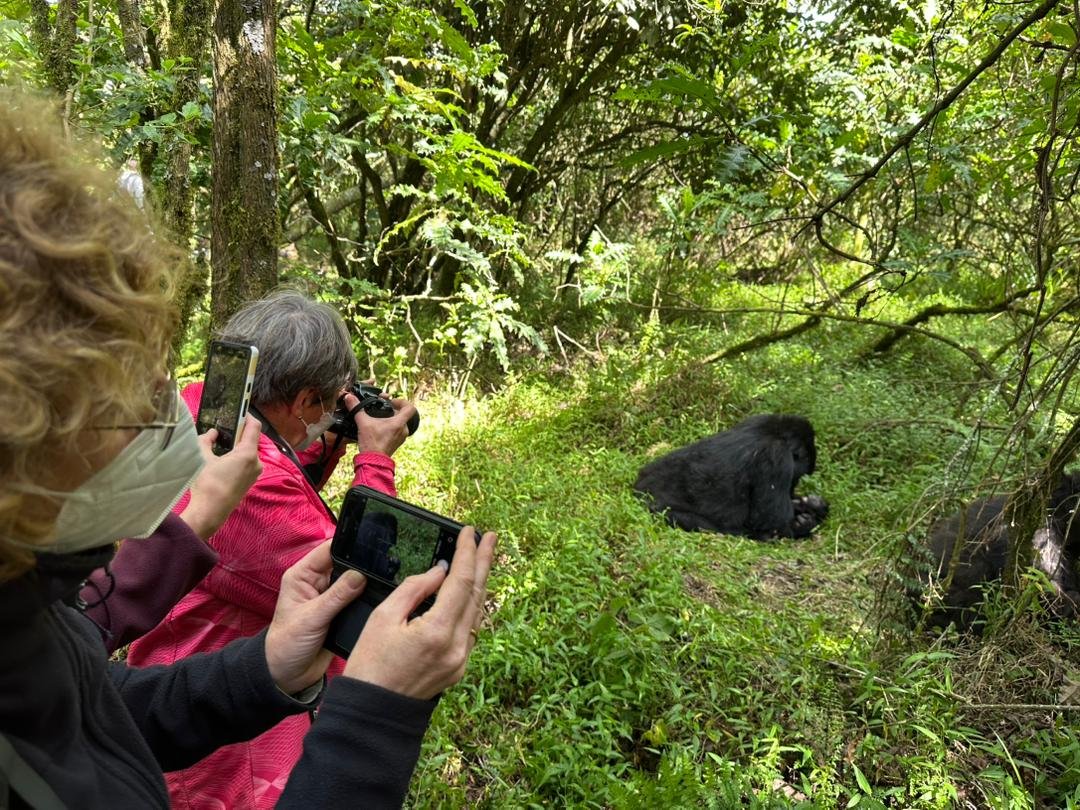
2 Days Uganda Gorilla Tour Starting from Kigali
This is the gentler cousin of our 1-Day Uganda Gorilla Safari Starting from Kigali — same idea, twice the breathing room. Instead of squeezing a 3,000-metre forest trek and two border crossings into a single very long day
Tour Details →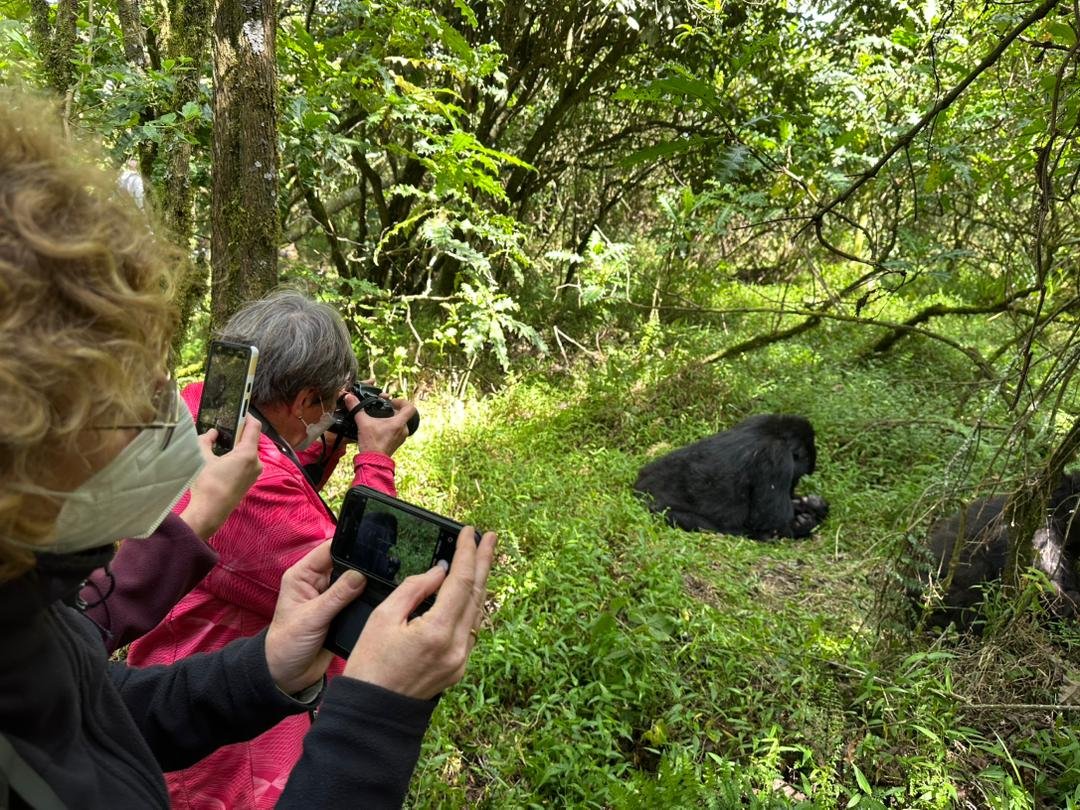
5-Day Uganda Gorilla and Chimpanzee Safari
This itinerary can be combined with a Rwanda extension or a wildlife-focused add-on through Queen Elizabeth National Park — browse our Uganda & Rwanda Safaris and Primate Safaris collections for ideas.
Tour Details →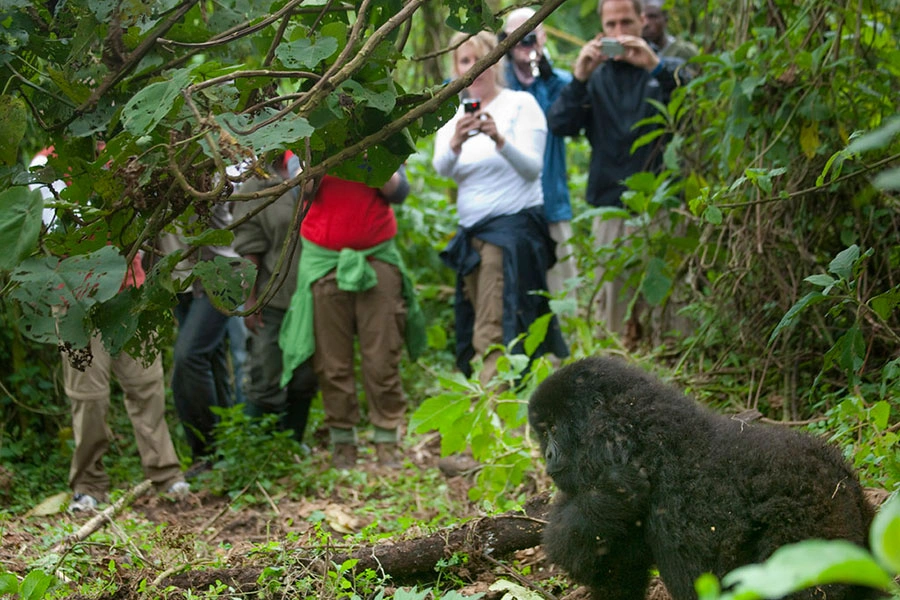
5 Days Rwanda Wildlife and Gorillas
This 5-day itinerary brings together Rwanda’s two flagship wildlife experiences: open savannah game drives and a boat safari in Akagera National Park, followed by a face-to-face encounters
Tour Details →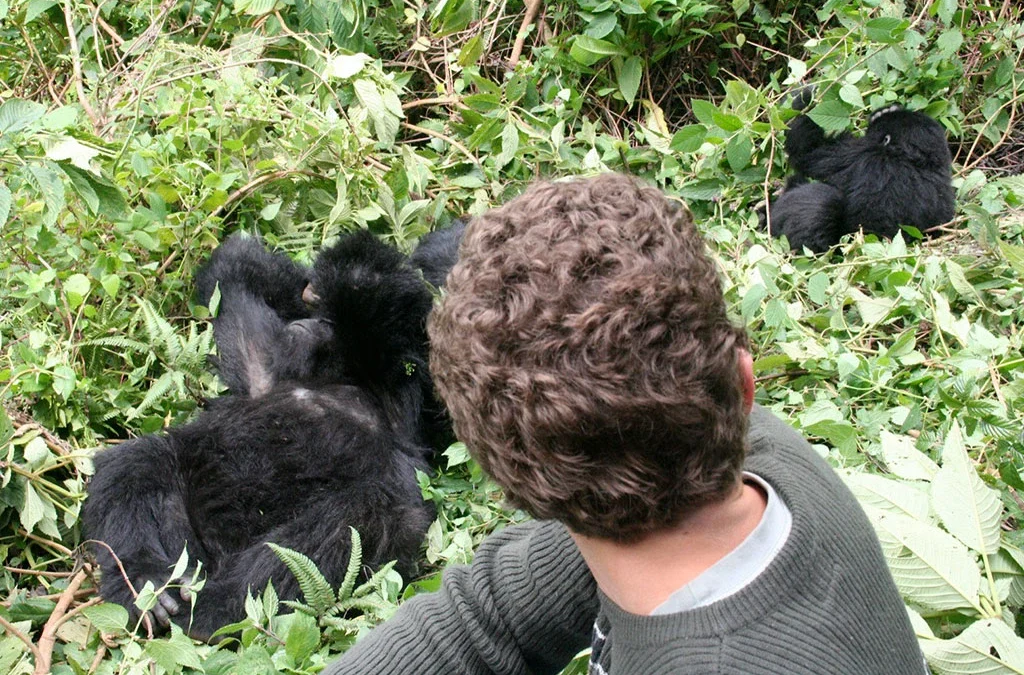
3 Days Uganda Gorilla Safari
For travelers who arrive in Entebbe with a tight schedule and a clear ambition, a 3-day gorilla safari to Bwindi Impenetrable Forest National Park is the most focused and rewarding short trip the country has to offer.
Tour Details →