- LET'S PLAN YOUR SAFARI
- +256 200 921 002
- +256 793 194 703
- info@pickandtransfersafaris.com

Burundi Safaris Starting from Kigali
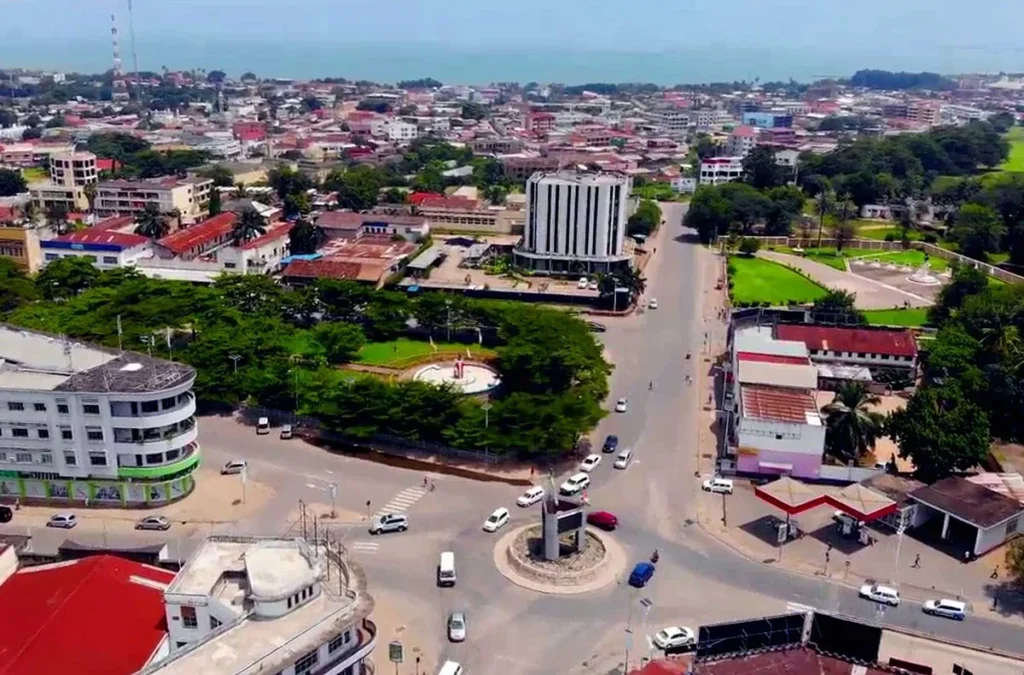
Burundi, nestled between Rwanda, the Democratic Republic of Congo, and Tanzania, is one of East Africa’s last undiscovered gems, featuring the world’s second-deepest lake, lush rainforests teeming with primates, rich royal drumming traditions, and vibrant green hillsides. While Rwanda and Uganda are renowned for mountain gorilla trekking, Burundi offers unique treasures for those looking to continue their adventure, with Kigali, Rwanda, serving as the ideal starting point for exploration.
This guide walks you through everything you need to know about planning Burundi safaris starting from Kigali, from the logistics of the border crossing to the best national parks, the ideal time of year to travel, sample itineraries, and practical tips that will save you time, money, and stress. Whether you are a seasoned Africa traveler looking for your next frontier or a first-timer wondering whether Burundi is safe and worth the detour, you will find the answers here.
Why Burundi Deserves a Place on Your East Africa Itinerary
Burundi is often reduced to a footnote on East Africa maps, overshadowed by its more famous neighbors. That is precisely what makes it so rewarding to visit. Because so few international tour operators run regular trips here, the country still feels unpolished in the best possible way. There are no queues at the national parks, no crowds jostling for the same photograph, and no sense that you are following a well-worn tourist trail. Instead, you get genuine encounters: fishermen hauling in the day’s catch at dawn on Lake Tanganyika, children waving from roadside villages carved into impossibly green hillsides, and drummers whose rhythms have echoed across the same hills for generations.
Geographically, Burundi packs a surprising amount of variety into a small footprint. In a single week you can move from the humid shoreline of one of Africa’s Great Lakes to misty montane rainforest above 2,000 meters, and from a bustling lakeside city to a national park where hippos and crocodiles rule the riverbanks. The country’s small size, in fact, works in its favor: distances between attractions are short, roads (while sometimes rough) are manageable, and it is entirely possible to see the highlights in four to seven days without feeling rushed.
For travelers already exploring Rwanda, Uganda, or the wider Great Lakes region, adding Burundi to the itinerary is less about ticking off a new country and more about experiencing East Africa the way it looked before mass tourism arrived. It is a chance to slow down, engage with local communities on their own terms, and add a genuinely off-the-beaten-path chapter to a trip that might otherwise follow the same well-documented gorilla-trekking route as everyone else.
Why Start Your Burundi Safari from Kigali, Rwanda
There are technically a handful of ways to reach Burundi — flying into Bujumbura International Airport directly, overlanding from Tanzania, or crossing from the Democratic Republic of Congo — but for the vast majority of international travelers, starting from Kigali is by far the most practical option, and here is why.
Kigali is already East Africa’s best-connected regional hub. Kigali International Airport receives direct flights from major cities across Europe, the Middle East, and Africa, along with an expanding network of connections from North America. That means most travelers heading to Burundi will pass through Kigali anyway, whether or not they plan to visit Rwanda’s own attractions. Rather than booking a separate, often more expensive and less frequent flight into Bujumbura, it makes far more sense to fly into Kigali and continue overland.
The overland route itself is refreshingly short. Unlike the long hauls required to reach some of Uganda’s national parks from Entebbe, the drive from Kigali to the Burundi border, and onward to Bujumbura, is a manageable journey that can be completed comfortably in a single day, with plenty of scenic hillside villages, tea plantations, and terraced farmland to enjoy along the way. This is a significant advantage for travelers with limited time who still want to experience Burundi properly rather than rushing through it.
Burundi Safaris Starting from Kigali: A Unique Adventure
Starting from Kigali also opens the door to easy multi-country combinations. Because Rwanda, Uganda, and Burundi sit so close together, a Kigali-based itinerary lets you weave together gorilla trekking, savannah game drives, and a Burundi extension into one seamless trip, without the logistical headache of multiple international flights. For travelers who have already discovered how convenient it is to base a gorilla safari starting from Kigali, extending that same logic to Burundi is a natural next step.
Finally, Kigali offers a level of comfort and infrastructure — reliable hotels, good restaurants, functioning ATMs, and a genuinely welcoming, safe atmosphere — that makes it an ideal launchpad and a pleasant place to decompress before or after the more rustic experience that Burundi offers. If you would like a broader sense of what the region north of the border has to offer before you set off, the Rwanda safaris and national parks overview published by Kenlink Tours is a useful companion resource for understanding how Rwanda’s own parks fit alongside a Burundi extension.
Getting from Kigali to Bujumbura: Routes, Distance and Border Crossing
The classic overland route from Kigali to Bujumbura runs south through Rwanda via Huye (formerly Butare), crossing into Burundi at the Kanyaru–Akanyaru border post before continuing on to the capital region around Lake Tanganyika. The total driving distance is approximately 270 to 300 kilometers, and depending on road conditions and how many stops you make along the way, the journey typically takes between six and eight hours by private vehicle.
The road itself is one of the more scenic border crossings in the region. As you leave Kigali, the landscape unfolds into rolling hills covered in banana plantations, tea estates, and small trading centers. South of Huye, the terrain becomes hillier still as you approach the Burundian frontier, with sweeping views over valleys that straddle the two countries.
At the border, formalities are generally straightforward for travelers who have arranged their visa in advance or who are eligible for a visa on arrival (more on this below). Having a private driver-guide handle the paperwork, vehicle documentation, and any translation needs makes the crossing considerably smoother than attempting it independently, particularly for first-time visitors unfamiliar with the process.
For travelers short on time, a private charter flight between Kigali and Bujumbura is also occasionally available, cutting the journey down to under an hour, though this option is less predictable and considerably more expensive than the road transfer. Most visitors find that the overland drive, broken up with photo stops and a lunch break, is not only more affordable but also a memorable part of the experience in its own right — a proper introduction to the hillsides that give this region its nickname.
Because road and border conditions can change with little notice, it is always worth confirming the latest route information and any entry requirements with a specialist operator before you travel, rather than relying on outdated blog posts or forum threads.
Visa Requirements and Entry Formalities for Burundi
Entry requirements for Burundi have evolved considerably in recent years as the country has worked to open itself up to more tourism, so it pays to double-check current rules close to your travel dates. As a general guide, most nationalities can obtain a visa on arrival at land borders and at Bujumbura International Airport, though it is often faster and less stressful to apply for an e-visa online in advance through Burundi’s official immigration portal.
Travelers should carry a passport valid for at least six months beyond their intended stay, along with passport photos and, in some cases, proof of yellow fever vaccination, which is a standard requirement across much of the East African Community. If you are also visiting Rwanda or Uganda on the same trip, it is worth checking whether the East Africa Tourist Visa — a single visa covering Rwanda, Uganda, and Kenya — applies to your itinerary, though note that Burundi currently sits outside that particular scheme and requires its own separate entry permit.
Because visa policies and border procedures can shift, and because the paperwork can occasionally be confusing for independent travelers, most people find it far less stressful to let an experienced local operator handle the details. A good safari company will confirm exactly which documents you need well before departure, help you complete any online applications, and make sure everything is in order at the border itself, so you can focus on enjoying the journey rather than worrying about immigration stamps.
Best Time to Visit Burundi on a Safari from Kigali
Burundi sits close to the equator, which means temperatures remain fairly consistent throughout the year, generally ranging from the low twenties to low thirties Celsius depending on altitude. What changes more dramatically is rainfall, and understanding the country’s two main seasons will help you plan a more comfortable trip.
The long dry season, running roughly from June through August, is widely considered the best time for a Burundi safari. Roads are in better condition, wildlife viewing in parks like Rusizi is easier as animals gather near permanent water sources, and hiking in Kibira National Park is far more pleasant without the daily downpours. This period also lines up conveniently with the peak dry season for gorilla trekking in Rwanda and Uganda, making it an excellent window for a combined itinerary.
A shorter dry spell also occurs from December to February, offering another good window for travel, with slightly warmer temperatures and generally clear skies, ideal for enjoying Lake Tanganyika’s beaches and boat excursions.
The rainy seasons, from September to November and again from March to May, bring heavier and more frequent showers, particularly in the highlands around Kibira National Park. While travel is still very much possible during these months — and the landscape becomes even more vividly green — road conditions can deteriorate, and some remote trails may become harder to access. Budget-conscious travelers, however, often find the rainy season offers better rates and noticeably quieter parks.
Whichever season you choose, working with a local team that monitors current road and weather conditions will help ensure your itinerary is adjusted appropriately, rather than relying on generic seasonal advice that does not account for that year’s specific conditions.
Bujumbura: Your Gateway to Burundi’s Wild Side
Most Burundi itineraries begin and end in Bujumbura, the country’s largest city and former capital, beautifully positioned on the northeastern shore of Lake Tanganyika with the mountains of the Democratic Republic of Congo rising dramatically across the water. Although Gitega has since taken over as the official political capital, Bujumbura remains the commercial and cultural heart of the country, and its relaxed, palm-lined lakefront makes it a genuinely pleasant place to spend a day or two acclimatizing after the drive from Kigali.
The city’s markets are a highlight in themselves. The Central Market bustles with vendors selling everything from Lake Tanganyika’s famous small silver fish, known locally as ndagala, to colorful fabrics, coffee, and handicrafts. A guided walk through the market offers an easy, low-pressure introduction to Burundian daily life and is a good opportunity to pick up a few souvenirs directly from the people who make them.
In the late afternoon, Bujumbura’s lakeside beaches come alive as locals gather to swim, play volleyball, and watch the sunset melt into the water behind the DRC’s Mitumba Mountains — one of the most photographed sunsets in the entire Great Lakes region. Several relaxed beachfront restaurants and bars serve fresh Tanganyika fish alongside cold drinks, making this the perfect way to unwind after a day of travel.
History enthusiasts may also want to visit the Living Museum (Musée Vivant) on the city’s outskirts, which houses a small but interesting collection focused on Burundian culture, traditional architecture, and local wildlife, offering useful context before heading out into the national parks.
Lake Tanganyika: Africa’s Deepest Lake and Burundi’s Blue Heart
No Burundi safari would be complete without time spent on the shores of Lake Tanganyika, the longest freshwater lake in the world and, after Lake Baikal, the second deepest. Sharing its waters with the Democratic Republic of Congo, Zambia, and Tanzania, the lake dominates Burundi’s western border and shapes much of the country’s climate, culture, and cuisine.
Boat excursions on Lake Tanganyika are one of the most popular activities for visitors, offering a completely different perspective on the country than the hillside drives and forest trails elsewhere on the itinerary. Sunset cruises are particularly beautiful, as the water turns gold and pink and fishing canoes head out for the night’s catch using traditional lantern-fishing techniques that have barely changed in generations.
For travelers interested in getting beneath the surface, quite literally, Lake Tanganyika is home to an extraordinary diversity of endemic fish species, including hundreds of types of colorful cichlids found nowhere else on Earth. Snorkeling and diving operators based around Bujumbura and further south near Rumonge offer trips to explore this underwater world, which rivals many marine reefs for sheer variety of color and species, despite being entirely freshwater.
South of Bujumbura, quieter beach stretches near Resha and Rumonge offer a more secluded lakeside experience, ideal for travelers who want a day of genuine relaxation between the more active portions of a Burundi itinerary. The combination of warm water, dramatic mountain backdrops, and a near-total absence of crowds makes this one of the most underrated lakeside experiences in East Africa.
Kibira National Park: Burundi’s Primate and Rainforest Wilderness
For travelers whose East Africa trip has been built around primate encounters — perhaps inspired by gorilla trekking in Rwanda’s Volcanoes National Park — Kibira National Park offers a fascinating extension into a different kind of forest ecosystem. Located in the northwestern highlands along the crest of the Congo-Nile watershed, Kibira protects one of the last significant stretches of montane rainforest in Burundi, forming an ecological link with neighboring Nyungwe Forest across the border in Rwanda.
Kibira’s dense, high-altitude forest is home to chimpanzees, several species of monkey including the striking black-and-white colobus, and an impressive array of birdlife that draws serious birders from around the world. Guided forest walks along Kibira’s trails wind through moss-draped trees, tumbling streams, and dense undergrowth, offering the kind of immersive rainforest experience that feels a world away from the lakeside heat of Bujumbura, just a few hours’ drive south.
Because Kibira receives relatively few visitors compared to its more famous rainforest cousins across the border, guided treks here have a genuinely exploratory feel. Sightings are not guaranteed in the same way they might be in a heavily monitored gorilla-trekking zone, but that unpredictability is part of the appeal for travelers who enjoy a slower, more contemplative style of wildlife watching.
Given the altitude and rainfall in this part of the country, sturdy waterproof hiking boots, a good rain jacket, and layered clothing are essential, regardless of the season. Local guides, arranged in advance, are required for forest walks and add tremendous value through their knowledge of trails, wildlife behavior, and the forest’s ecology.
Rusizi National Park: Hippos, Crocodiles and Riverine Wildlife
Just a short drive from Bujumbura, where the Rusizi River empties into Lake Tanganyika, Rusizi National Park offers a completely different wildlife experience from the rainforests of Kibira. This wetland and savannah reserve protects a rich riverine ecosystem, and its combination of accessibility and wildlife density makes it one of the easiest and most rewarding half-day excursions available on a Burundi itinerary.
Boat safaris along the Rusizi River are the highlight here, offering close encounters with pods of hippos wallowing in the shallows and Nile crocodiles basking along the muddy banks. The park’s wetlands and grasslands also support sitatunga antelope, various species of monkey, and a truly exceptional variety of birdlife, including fish eagles, herons, kingfishers, and — during the migration season — an array of Palearctic migrants that pass through the Rusizi Delta.
Beyond the wildlife, Rusizi National Park is notable for its striking scenery, where the wide, slow-moving river meets the lake against a backdrop of distant mountains. Early morning and late afternoon boat trips offer the best light for photography and the highest chance of active wildlife sightings, as animals move to feed and drink during the cooler parts of the day.
Because Rusizi sits so close to Bujumbura, it pairs naturally with a city stay, allowing travelers to fit in a rewarding half-day safari without needing to rearrange accommodation, making it one of the most time-efficient wildlife experiences in the entire country. Travelers who enjoy this style of river and wetland game viewing often also appreciate Rwanda’s own savannah parks; the Akagera game drive safari itinerary offered by Kenlink Tours gives a helpful sense of how a Big Five game drive on the Rwandan side compares to the boat-based wildlife viewing found along the Rusizi River.
Gitega and Burundi’s Living Cultural Heritage
While national parks and lakeside excursions understandably dominate most Burundi itineraries, no visit to the country is complete without experiencing its extraordinary cultural traditions, and Gitega — the country’s official capital since 2019 — is the best place to do exactly that.
Gitega is home to the Burundi National Museum, which houses an excellent collection of traditional artifacts, royal regalia, and exhibits detailing the country’s pre-colonial and colonial history. For travelers keen to understand Burundi beyond its landscapes, a couple of hours here provides valuable context that enriches everything else you will see on the trip.
The undisputed highlight for most visitors, however, is witnessing Burundi’s legendary royal drummers in performance. Recognized by UNESCO as an Intangible Cultural Heritage practice, the ritual drumming of Burundi is a mesmerizing spectacle: drummers balance enormous carved drums on their heads as they dance toward the performance circle, then unleash thunderous, perfectly synchronized rhythms accompanied by acrobatic leaps and chanting. Historically performed exclusively for the royal court and reserved for significant ceremonial occasions, drumming performances are now more widely arranged for visitors, particularly around Gitega and in villages near Bujumbura, offering an unforgettable cultural encounter that few other East African destinations can match.
Combining a stop in Gitega with the drive between Bujumbura and Kibira National Park is an efficient way to weave this cultural experience into a broader itinerary without adding significant extra travel time.
Karera Waterfalls and Southern Burundi
For travelers with a little extra time, the southeastern region of Burundi holds a scenic reward well worth the detour: the Karera Waterfalls, a series of cascades near the town of Rutana that tumble through lush, forested gorges. The falls are relatively easy to reach and offer beautiful short hiking trails leading to several viewpoints, making this a rewarding stop for travelers who enjoy combining light adventure with photography.
Nearby, the source of the Nile marker — one of several locations across the region that claim historical or symbolic significance as a source point of the world’s longest river — offers an interesting, if slightly whimsical, addition to an itinerary for travelers fascinated by the geography of the African Great Lakes.
Southern Burundi more broadly rewards travelers who enjoy rural scenery: rolling tea and coffee plantations, traditional villages, and some of the country’s most dramatic hillside views. While this region requires a bit more driving time and is often reserved for longer itineraries, it offers a genuinely rewarding, off-the-beaten-path day for travelers who have already covered the core highlights around Bujumbura and Kibira.
Sample Itinerary: 4-Day Burundi Safari Starting from Kigali
For travelers with limited time, a well-planned four-day itinerary can still deliver a satisfying introduction to Burundi’s highlights.
On day one, depart Kigali early, cross into Burundi, and drive to Bujumbura to settle into your hotel and enjoy a sunset along Lake Tanganyika. Day two features a city and market tour in Bujumbura, followed by an afternoon boat safari on the Rusizi River to see hippos and crocodiles. On day three, take a guided forest walk in Kibira National Park, visit the national museum in Gitega, and, if possible, arrange a royal drumming performance before returning to Bujumbura for the night. Day four is the return drive to Kigali, with scenic photo stops, arriving in the capital by early evening.
This compact itinerary works particularly well as an add-on for travelers who are already in the region for a Rwanda gorilla trekking trip and want to experience something different without committing an entire extra week to their journey.
Sample Itinerary: 7-Day Burundi and Rwanda Combined Safari
Travelers with a full week to spare can enjoy a much richer combination of Burundi and Rwanda, blending Burundi’s lakeside and cultural experiences with Rwanda’s own outstanding wildlife.
The week begins with two days in Kigali, Rwanda, including a city tour and visits to cultural sites, before traveling overland to Bujumbura on day three. Days four and five focus on Burundi, featuring a boat safari on the Rusizi River, beach time, and a day trip to Kibira National Park for forest walks, museum visits, and drumming performances. On day six, travelers return to Kigali, potentially stopping at Akagera National Park for a game drive. The final day offers a relaxed morning for souvenir shopping and departure preparations.
This itinerary strikes a good balance between depth and pace, giving travelers enough time to properly absorb both countries without feeling rushed between destinations.
Extending Further: Combining Burundi with Uganda and Rwanda
For travelers who want to go all in on the Great Lakes region, Burundi can also be woven into a much longer, multi-country adventure covering Uganda, Rwanda, and Burundi together. Itineraries of this scale typically combine mountain gorilla trekking in Uganda’s Bwindi Impenetrable Forest, savannah game drives in Rwanda’s Akagera National Park, and the lakeside and cultural experiences described throughout this guide, before capping the journey off with several days exploring Burundi.
Our own 20 Days Uganda Rwanda Burundi Combo Safari is designed exactly for this kind of traveler: someone who has three weeks to spare and wants to experience the very best of all three countries in one seamless, professionally arranged journey, without the stress of coordinating multiple separate bookings or figuring out border logistics independently.
Because all three countries sit so close together, and because Kigali functions as such a convenient regional hub, itineraries of this length are far more feasible here than almost anywhere else on the continent. A traveler could realistically track mountain gorillas in Bwindi, watch lions and elephants on a Kazinga Channel boat cruise, cruise the Rusizi River past basking hippos, and dance alongside Burundi’s royal drummers, all within the same three-week trip.
Travelers who want a general sense of how a Uganda-Rwanda combination typically flows before adding a Burundi extension on top can also review the 10 Days Uganda Rwanda Combining Safari itinerary from Kenlink Tours, which outlines a similar cross-border structure using Kigali as the connecting hub between the two countries’ primate and wildlife experiences.
How Burundi Compares to Rwanda and Uganda Safaris
Travelers weighing up whether Burundi is worth the extra time and effort often find it helpful to understand exactly how the experience differs from the more established safaris in neighboring Rwanda and Uganda. Rwanda’s Volcanoes National Park and Uganda’s Bwindi Impenetrable Forest are built around a single headline experience — a face-to-face encounter with mountain gorillas — supported by outstanding infrastructure, well-trained guides, and a permit system that, while expensive, guarantees a highly organized, predictable experience. Uganda’s national parks and safari destinations also offer classic savannah game drives, tree-climbing lions, and boat cruises on a scale that Burundi, with its much smaller protected area network, simply cannot match.
Burundi, by contrast, does not try to compete on those terms, and that is precisely its appeal. There is no single headline species pulling in crowds, no permit system to navigate, and no need to book activities months in advance. What Burundi offers instead is variety packed into a small, walkable-scale country: a Great Lake shoreline, a rainforest with primates and birdlife, a wildlife-rich river delta, and a cultural tradition — the royal drumming — that has no real equivalent anywhere else in the region. Where a Rwanda or Uganda safari is built around ticking off a bucket-list wildlife encounter, a Burundi safari is built around soaking up atmosphere, culture, and scenery at a noticeably slower, more exploratory pace.
For many travelers, the two styles complement each other perfectly rather than competing. A trip that opens with the adrenaline of gorilla trekking and the drama of a Big Five game drive, then closes with a few unhurried days on the shores of Lake Tanganyika, tends to feel far more balanced than a trip spent entirely inside national parks chasing sightings.
Combining Burundi with Rwanda’s Gorillas and Akagera Wildlife
Even travelers who cannot commit to a full three-week itinerary can still combine Burundi with a shorter Rwanda-focused trip. Because Kigali is the shared starting point for both experiences, it is entirely possible to build a ten- to twelve-day itinerary that includes gorilla trekking in Volcanoes National Park, a savannah safari through Akagera National Park, and a four- or five-day Burundi extension, all without ever needing to book a second international flight.
This kind of combined itinerary appeals particularly to travelers who want variety: the drama and intensity of a face-to-face gorilla encounter, the classic safari thrill of spotting lions and elephants on a game drive, and then the slower, more cultural rhythm of Burundi’s lakeside and hillside experiences. Because each destination offers such a different type of experience, a well-paced itinerary rarely feels repetitive, even across ten or more days of travel.
Travelers interested in this style of trip should browse our full range of Rwanda gorilla safaris starting from Kigali for inspiration on how a Burundi extension might slot into an existing itinerary structure.
What to Pack for a Burundi Safari
Packing for Burundi requires balancing the needs of several different environments within a single, relatively short trip. For the lakeside portions of the journey around Bujumbura, lightweight, breathable clothing, sunscreen, a hat, and swimwear are essential, given the heat and humidity at lake level.
For forest walks in Kibira National Park, the packing list shifts considerably. Sturdy, broken-in hiking boots with good ankle support are essential given the sometimes slippery, muddy trails, along with a reliable rain jacket, as showers can arrive with little warning even outside the official rainy season. Long trousers and long-sleeved shirts help protect against scratches from dense undergrowth and reduce exposure to insects.
A good pair of binoculars will significantly enhance both the birdwatching opportunities in Rusizi National Park and the wildlife viewing along Lake Tanganyika’s shoreline, while a dry bag or waterproof cover for cameras and electronics is a worthwhile investment for boat excursions. Given that Burundi remains a cash-based economy in many areas outside Bujumbura, carrying sufficient local currency, along with US dollars in good condition for larger transactions, is strongly recommended, since ATMs and card payment facilities are far less widespread than in Kigali.
Finally, a basic first-aid kit, insect repellent, and any personal medication should always be packed, along with proof of yellow fever vaccination, which border officials may request on entry.
Safety Tips for Traveling in Burundi
Burundi’s international reputation has, for many years, been shaped by a history of political instability that no longer reflects the day-to-day reality most travelers encounter, particularly in the tourist areas around Bujumbura, Gitega, and the national parks. That said, sensible precautions remain worthwhile for any traveler visiting the country, just as they would anywhere else in the region.
Traveling with a reputable, experienced local operator is by far the single most effective safety measure available, since a knowledgeable driver-guide will be up to date on current road conditions, any areas best avoided, and the appropriate local customs to observe. It is also wise to check the latest travel advisories from your home country’s foreign affairs department before departure, as conditions can occasionally shift and it is always better to travel with current, accurate information rather than outdated assumptions.
Within Bujumbura and the main tourist areas, standard urban precautions apply: avoid displaying valuables openly, use hotel safes for passports and extra cash, and prefer arranged transport over unmarked taxis, particularly after dark. Photography of government buildings, military installations, and border checkpoints should always be avoided unless explicit permission has been given, a rule that applies broadly across the region and not just in Burundi.
As with any developing tourism destination, patience and flexibility go a long way. Infrastructure, particularly outside Bujumbura, is less developed than in Rwanda, and delays or changes to planned activities are not uncommon. Travelers who approach the trip with a spirit of adventure, rather than rigid expectations, tend to have the most rewarding experience.
Where to Stay: Accommodation Options in Burundi
Accommodation standards in Burundi have improved considerably in recent years, particularly in and around Bujumbura, though the overall range remains more limited than in Rwanda or Uganda, which is part of what gives the country its authentic, uncrowded feel.
In Bujumbura, several comfortable mid-range and upscale hotels line the lakeshore, offering swimming pools, lake-view rooms, and on-site restaurants serving both international dishes and local specialties built around fresh Lake Tanganyika fish. These properties make an excellent base for exploring the city, Rusizi National Park, and day trips into the surrounding countryside.
Near Kibira National Park and Gitega, accommodation options are simpler, typically consisting of guesthouses and small lodges geared toward practicality rather than luxury, though what they lack in polish they generally make up for in warm hospitality and genuinely spectacular views over the surrounding hills.
Given the relatively limited number of properties compared to more established safari destinations, booking accommodation well in advance through a specialist operator is strongly recommended, particularly during the peak dry season when demand is highest. A good local partner will also be able to recommend the properties that best match your comfort expectations and budget, since online reviews for lesser-known Burundian lodges can be sparse or outdated.
Why Book Your Burundi Safari with Pick and Transfer Safaris
Planning a trip to Burundi independently is entirely possible, but it comes with a fair amount of complexity: navigating visa requirements, arranging a reliable vehicle and driver for the border crossing, securing accommodation in a market with limited online booking infrastructure, and coordinating activities like forest walks and drumming performances that typically require local guides and advance arrangement.
At Pick and Transfer Safaris, our mission has always been to make East Africa’s most rewarding experiences accessible and affordable, and Burundi fits perfectly within that philosophy. Because we are based in the region and already operate extensively across Uganda and Rwanda, extending an itinerary to include Burundi is a natural and well-supported addition to any trip, handled with the same attention to comfortable, reliable, well-organized travel that we bring to our gorilla trekking and wildlife safaris.
Our team takes care of every detail: confirming current visa and border requirements, arranging a comfortable 4×4 vehicle and experienced driver-guide for the overland journey from Kigali, booking accommodation that suits your budget and comfort preferences, and coordinating activities like Kibira forest walks, Rusizi River boat safaris, and royal drumming performances well in advance. Whether you are looking for a short four-day taster or a full multi-country adventure spanning Uganda, Rwanda, and Burundi, we design each itinerary around your interests, timeframe, and budget, rather than pushing a one-size-fits-all package.
To start planning your own Burundi safari starting from Kigali, browse our full collection of East Africa destinations for inspiration, or get in touch directly through our contact page and let our team build a personalized itinerary around your travel dates.
Practical Travel Tips: Money, Connectivity and Language
A little practical preparation goes a long way toward making a Burundi safari feel smooth rather than stressful. The Burundian franc is the official currency, and while US dollars are widely accepted for larger expenses such as hotels, private transport, and guided activities, smaller vendors, local markets, and roadside stalls generally expect payment in francs. It is worth changing a reasonable amount of cash in Bujumbura shortly after arrival, since exchange facilities become scarcer the further you travel from the capital, and card payment infrastructure remains limited outside the main hotels.
Mobile network coverage is generally reliable in Bujumbura and along the main routes toward Gitega and the border, though it becomes patchier inside Kibira National Park’s forested interior. Travelers who need to stay connected throughout the trip can purchase a local SIM card on arrival, which is inexpensive and straightforward to set up with the help of a driver-guide, or rely on their accommodation’s WiFi, which is generally available in Bujumbura’s better hotels.
French and Kirundi are Burundi’s two official languages, a legacy of the country’s colonial history and its distinct linguistic identity compared to English-speaking Uganda and increasingly English-oriented Rwanda. English is understood in the main tourist-facing businesses in Bujumbura, but it is far less widely spoken than in Kigali, which is another reason a knowledgeable driver-guide who can bridge the language gap adds enormous value, particularly for activities like market visits, village walks, and interactions in more rural areas.
Electricity in Burundi runs on the same 220-240V standard used across much of East Africa, with power cuts occasionally occurring outside the capital, so packing a portable charger for phones and cameras is a sensible precaution, particularly for multi-day stretches away from Bujumbura.
Responsible Tourism in Burundi
Because Burundi’s tourism industry is still relatively young compared to Rwanda’s or Uganda’s, every visitor has an outsized opportunity to travel in a way that genuinely benefits local communities rather than simply passing through. Choosing locally owned guesthouses and restaurants where possible, hiring local guides for forest walks and drumming performances, and buying handicrafts directly from artisans in Bujumbura’s markets all channel tourism income directly into the communities that host visitors, rather than leaking it out to international intermediaries.
Respecting cultural norms matters too. Always ask permission before photographing people, particularly in villages and at drumming performances, and dress modestly when visiting rural areas or attending cultural ceremonies, out of respect for local customs. When visiting Kibira National Park or the Rusizi Delta, sticking to designated trails and following your guide’s instructions helps minimize disturbance to wildlife and protects fragile forest and wetland ecosystems that remain far less degraded than in many other parts of the region precisely because visitor numbers have stayed low.
Supporting community-based tourism initiatives, where they exist, is another meaningful way to give back. Several cooperatives around Lake Tanganyika and near Kibira National Park now offer guided experiences — from traditional fishing demonstrations to craft workshops — that put income directly into local hands. A responsible operator will be able to point you toward these opportunities and help you understand which activities have the most positive local impact, turning your Burundi safari into something that benefits the destination as much as it benefits you.
Photography Tips for a Burundi Safari
Burundi rewards photographers with a genuinely varied set of subjects within a compact geographic area, and a little planning will help you make the most of each location. On Lake Tanganyika, the golden hour just before sunset consistently produces the most dramatic light, with traditional fishing canoes silhouetted against the water and the mountains of the DRC forming a striking backdrop across the lake. A polarizing filter is particularly useful here, cutting glare off the water’s surface and deepening the blue of both the lake and sky.
Inside Kibira National Park, low light levels beneath the forest canopy call for a wider aperture lens and a willingness to push your camera’s ISO settings, since flash photography is generally discouraged around wildlife and can be genuinely disruptive to primates and birdlife. A lightweight rain cover for your camera bag is essential given the forest’s frequent showers.
Royal drumming performances offer some of the most dynamic photographic opportunities of the entire trip, with drummers leaping and spinning in near-constant motion. A fast shutter speed will help freeze the action, while a slightly slower setting can produce beautifully blurred, energy-filled shots of the dancers in motion — worth experimenting with if you have the chance to shoot the same performance from multiple angles. As with any cultural performance, always check with your guide or the performers themselves before photographing at close range, and consider purchasing a small souvenir or offering a tip as a courteous way of supporting performers who make their living from these traditions.
Frequently Asked Questions About Burundi Safaris from Kigali
How far is it from Kigali to Bujumbura? The overland distance is approximately 270 to 300 kilometers, and the drive typically takes between six and eight hours by private vehicle, including the border crossing at Kanyaru–Akanyaru.
Do I need a visa to enter Burundi? Most nationalities require a visa, which can generally be arranged on arrival at the border or airport, or in advance through Burundi’s e-visa system. Requirements can change, so it is best to confirm current rules close to your travel dates, ideally with the help of a local operator.
Is Burundi safe for tourists? The main tourist areas around Bujumbura, Gitega, and the national parks are generally safe for visitors who take sensible precautions and travel with an experienced local guide. As with any destination, checking current travel advisories before departure is recommended.
How many days do I need for a Burundi safari? A satisfying introduction to Burundi’s highlights is possible in four days, while five to seven days allows for a more relaxed pace, including deeper exploration of Kibira National Park and additional cultural experiences around Gitega.
Can I combine Burundi with gorilla trekking in Rwanda or Uganda? Yes, this is one of the most popular ways to experience Burundi. Because Kigali serves as a shared gateway, it is straightforward to combine a Burundi extension with gorilla trekking in Rwanda’s Volcanoes National Park or Uganda’s Bwindi Impenetrable Forest, along with wildlife viewing in Akagera National Park.
What is the best time of year to visit Burundi? The dry seasons, from June to August and December to February, offer the best road conditions and most comfortable travel for both wildlife viewing and hiking, though Burundi can be visited year-round.
What currency should I bring to Burundi? The Burundian franc is the local currency, but US dollars in good condition are widely accepted for larger payments such as accommodation and activities. ATMs are limited outside Bujumbura, so carrying sufficient cash is recommended.
Final Thoughts: Is a Burundi Safari from Kigali Worth It?
For travelers who have already experienced the well-trodden highlights of East Africa, or who simply crave a destination that still feels genuinely undiscovered, Burundi offers an experience that is increasingly rare on this continent. The combination of Lake Tanganyika’s dramatic shoreline, Kibira’s misty rainforest trails, Rusizi’s riverine wildlife, and the spine-tingling power of Burundi’s royal drummers adds up to a trip that lingers in the memory long after the more famous gorilla-trekking photographs have been shared and forgotten.
Because Kigali offers such convenient access — a short flight from major global hubs, followed by a scenic, manageable overland journey — there has never been an easier time to add Burundi to an East Africa itinerary. Whether as a short four-day extension or the centerpiece of a longer multi-country adventure, a Burundi safari starting from Kigali rewards travelers with authenticity, warmth, and landscapes that few visitors ever get to see for themselves.
There is also a practical case to be made for going now rather than waiting. As Burundi’s tourism infrastructure continues to develop, the country will inevitably see more visitors, more lodges, and, eventually, more of the polish and predictability found in Rwanda and Uganda. That evolution is a good thing for Burundi’s economy and its people, but it also means the current window — where you can watch royal drummers perform without another tour bus in sight, hike Kibira’s trails without passing another group, and have long stretches of Lake Tanganyika’s shoreline largely to yourself — will not last forever. Travelers who value that sense of discovery have good reason to prioritize a visit sooner rather than later.
It is also worth remembering that a Burundi safari does not need to stand alone. Because the logistics from Kigali are so manageable, it works equally well as a short, focused extension bolted onto an existing Rwanda or Uganda trip, or as the centerpiece of a longer, more deliberate journey through the Great Lakes region. Either way, the investment in the extra days pays off disproportionately, given how few travelers can say they have genuinely experienced this corner of Africa for themselves.
If you are ready to start planning, our team is here to help design an itinerary that fits your interests, timeframe, and budget, ensuring every logistical detail — from the border crossing to the final drumming performance — is taken care of, so all that is left for you to do is enjoy the journey.