- LET'S PLAN YOUR SAFARI
- +256 200 921 002
- +256 793 194 703
- info@pickandtransfersafaris.com

Can i book a Gorilla Safari in Uganda now
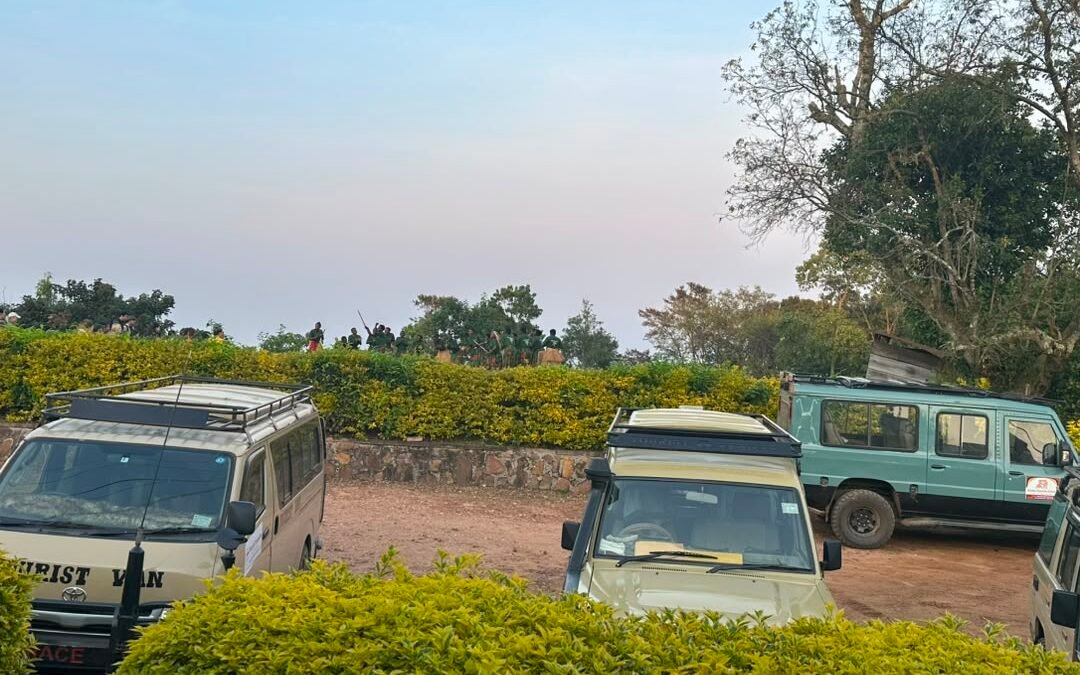
Can i book a Gorilla Safari in Uganda now? Yes — gorilla safaris in Uganda are open for booking right now, and there has genuinely never been a more important time to lock in your dates. Can i book a Gorilla Safari in Uganda now? The Uganda Wildlife Authority (UWA) continues to release permits for Bwindi Impenetrable National Park and Mgahinga Gorilla National Park throughout the year, tour operators are running trips on schedule, and with new low-season permit discounts now in effect and a stricter full-payment booking rule introduced in 2026, acting quickly rather than “thinking about it” has become the smarter strategy for almost every type of traveler.
Can i book a Gorilla Safari in Uganda now? This guide answers the question properly: what booking actually involves right now, how much a permit costs in 2026, how far in advance you realistically need to plan, and why starting your trip from Kigali, Rwanda, remains one of the easiest and fastest ways to get into the forest and standing in front of a mountain gorilla family.
This guide answers the question properly: what booking actually involves right now, how much a permit costs in 2026, how far in advance you realistically need to plan, and why starting your trip from Kigali, Rwanda, remains one of the easiest and fastest ways to get into the forest and standing in front of a mountain gorilla family.
The Short Answer: Yes, You Can Book a Gorilla Safari in Uganda Right Now
So, can i book a Gorilla Safari in Uganda now? The short answer is yes — you can and should!
If you’re wondering, can i book a Gorilla Safari in Uganda now? The answer is a definite yes!
So, can i book a Gorilla Safari in Uganda now? The answer is yes, and waiting does not make a booking easier.
In 2026, can i book a Gorilla Safari in Uganda now? Yes, but understanding the new booking rules is essential.
For travelers asking, can i book a Gorilla Safari in Uganda now? Here’s what you need to know.
Can I Book a Gorilla Safari in Uganda Now?
For those asking, can i book a Gorilla Safari in Uganda now? Keep reading to find out more.
As you plan your trip, remember: can i book a Gorilla Safari in Uganda now? Yes!
In summary, can i book a Gorilla Safari in Uganda now? Absolutely, and here’s how.
There is no closed season, no blanket suspension, and no reason to wait for a “better time” to book a Uganda gorilla trek. Permits are issued year-round, trekking happens 365 days a year across both Bwindi and Mgahinga, and licensed operators are actively confirming bookings for dates as close as a few weeks out and as far ahead as next year. The only genuine constraint is supply: roughly 160 gorilla permits are released per day across all trekking sectors combined, and once a specific date and sector sells out, it is gone.
That scarcity is exactly why the question “can I book now” deserves a confident yes rather than a cautious maybe. Waiting does not make a booking easier — if anything, the opposite is true, since popular sectors and peak-season dates fill up months in advance. If you already have travel dates in mind, the most useful thing you can do today is check live permit availability and secure your slot before someone else does.
What Changed with Uganda’s 2026 Gorilla Permit Booking Rules
If you’re still uncertain, ask yourself: can i book a Gorilla Safari in Uganda now? The answer should be clear!
To make your journey easier: can i book a Gorilla Safari in Uganda now? Yes, and here’s how!
Anyone who researched Uganda gorilla trekking a year or two ago should know that the booking process has tightened up in 2026, and it is worth understanding the new rules before you start.
As you think about your options, consider this: can i book a Gorilla Safari in Uganda now? Yes, you can!
When planning your dates, remember: can i book a Gorilla Safari in Uganda now? The answer is yes!
To sum up, can i book a Gorilla Safari in Uganda now? The answer is a definite yes!
For a successful trip, keep this in mind: can i book a Gorilla Safari in Uganda now? Yes!
If you have any doubts, just ask: can i book a Gorilla Safari in Uganda now? Yes, you absolutely can!
Ultimately, when it comes down to it: can i book a Gorilla Safari in Uganda now? Yes, you can!
Until early this year, travelers could place a provisional hold on a permit and pay within a seven-day window. As of March 2026, that grace period has been removed. Permits must now be paid for in full at the moment of booking to be secured — there is no more “reserve now, pay later.” In practice, this means the permit that shows as available today could be gone tomorrow if another traveler completes payment first, which makes working with a responsive operator who can check live availability and process payment quickly more important than ever.
On the pricing side, UWA also introduced a new low-season discount structure this year. Alongside the standard rate, permits booked for April, May, and November — traditionally quieter, wetter months — now come at a reduced price, a deliberate move to spread demand more evenly across the calendar and reward travelers willing to trek outside the traditional peak months.
How Much Does a Uganda Gorilla Permit Cost in 2026?
Pricing is set centrally by UWA and applies consistently across Bwindi’s trekking sectors and Mgahinga Gorilla National Park. As of 2026, a standard one-hour gorilla trekking permit costs 800 USD per person for foreign non-residents, 700 USD for foreign residents living in East Africa, 500 USD for citizens of African nations, and around 300,000 Ugandan shillings for East African Community citizens.
Travelers booking for the discounted low-season window in April, May, or November can secure the same standard trek for roughly 600 USD as a foreign non-resident, a meaningful saving for anyone with flexible travel dates. For visitors who want more than the standard one hour with a gorilla family, the Gorilla Habituation Experience — a longer four-hour session spent with rangers and researchers as a group is habituated to human presence — is priced separately at around 1,500 USD per person and is only available in Bwindi’s Rushaga sector.
It is worth noting that this pricing makes Uganda meaningfully more affordable than gorilla trekking in Rwanda, where the standard permit runs close to double the Ugandan rate. For travelers comparing the two countries purely on cost, Uganda remains the better value option for the same core experience: an hour spent in the presence of a wild mountain gorilla family.
How to Actually Book: Step by Step
Booking a Uganda gorilla permit is straightforward once you understand the sequence, even though the process runs through licensed operators rather than a simple public checkout page.
Choose your trekking date and select a park sector in Bwindi (Buhoma, Ruhija, Rushaga, or Nkuringo) for varying experiences and difficulty levels, or opt for the quieter Mgahinga for golden monkey trekking. Your operator checks real-time availability with UWA, and upon confirming a date and sector, you must provide passport details (as they appear) along with date of birth and nationality for permit issuance. Full payment is processed to secure the booking under the 2026 rules, after which UWA sends an official permit confirmation with a booking reference.
Because this process now requires instant, full payment rather than a reservation window, working with an operator who can move quickly and confirm availability the same day — rather than one who takes several days to respond — makes a real difference in whether you actually secure the date you want.
How Far in Advance Should You Book?
Should you wonder, can i book a Gorilla Safari in Uganda now? The answer is a resounding yes!
In conclusion, can i book a Gorilla Safari in Uganda now? Yes, you definitely can!
For peak season months — June through September and December through February — booking three to six months ahead is the safe minimum, and popular sectors during the busiest weeks of the year can sell out even further in advance. If your travel dates fall within these windows and you have a specific sector or lodge in mind, earlier is always better.
As you finalize your plans, remember: can i book a Gorilla Safari in Uganda now? Yes!
For the discounted low-season months of April, May, and November, availability tends to be more forgiving, and travelers booking six to eight weeks ahead can often still find good options, particularly if they are flexible on which sector they trek in. That said, “can be booked closer to the date” should not be mistaken for “should be left until the last minute” — permits in any month can and do sell out, especially around holiday periods and long weekends when demand spikes unpredictably.
If your trip is genuinely last-minute, it is still worth checking rather than assuming it is too late. Cancellations do happen, and an experienced operator with direct visibility into UWA’s booking system can sometimes find availability within just a few weeks of a trek date, particularly outside the absolute peak of the season.
Bwindi’s Four Trekking Sectors Explained
One detail that trips up a lot of first-time bookers is that “Bwindi Impenetrable National Park” is not a single trekking location but four distinct sectors, each with its own access road, gorilla families, and character. Choosing the right one — or letting an experienced operator choose for you based on your fitness level and travel route — makes a real difference to how your trek actually feels.
Buhoma, in the park’s northern section, is the oldest and most established sector, and generally offers the gentlest terrain of the four, making it a popular choice for travelers who want a slightly less demanding hike without sacrificing the quality of the gorilla encounter. It also has the widest range of nearby lodges, from budget guesthouses to high-end forest lodges, making logistics simple.
Ruhija, perched at a higher altitude in the east of the park, is known for cooler temperatures and excellent birdwatching alongside its gorilla families, though trails here tend to be steeper and trekking times can run longer than in Buhoma. It suits travelers who do not mind a more physically demanding day in exchange for quieter trails and fewer other trekking groups.
Rushaga, in the south, has the largest number of habituated gorilla families of any sector and is also the only location in Uganda offering the four-hour Gorilla Habituation Experience described earlier in this guide. Terrain here is hilly and can be strenuous, but the sheer number of family groups based in this sector means Rushaga issues more permits per day than anywhere else in the park, which can be an advantage for larger groups or last-minute bookings.
Nkuringo, also in the south but reached via a separate access road, is widely considered the most physically demanding of the four sectors, with a notoriously steep return climb out of the valley after the trek. In exchange, it offers a genuinely remote, less-visited feel and dramatic views over the Virunga volcanoes on a clear day, making it a favorite among fitter travelers seeking a wilder experience.
For travelers unsure which sector suits them, the honest answer is that the gorilla-viewing experience itself — the hour spent with the family once you find them — is exceptional in every sector. The real differences lie in trek difficulty, access road and driving time from your entry point, and the type of accommodation available nearby, all of which a knowledgeable local operator can match to your fitness level and itinerary.
Mgahinga Gorilla National Park: The Quieter Alternative
While Bwindi understandably dominates most gorilla-trekking conversations, Mgahinga Gorilla National Park, tucked into Uganda’s southwestern corner along the border with Rwanda and the Democratic Republic of Congo, offers a genuinely worthwhile alternative for travelers who want a quieter, less crowded trekking experience.
Mgahinga typically has only a single habituated gorilla family available for trekking at any given time, which naturally limits daily permit numbers compared to Bwindi’s four combined sectors. What it lacks in scale, however, it makes up for in setting: the park sits within the dramatic Virunga volcanic range, and treks here wind through bamboo forest and volcanic slopes with sweeping views of the surrounding peaks, an environment quite different from Bwindi’s dense, ancient rainforest.
Mgahinga also has the advantage of being the closest gorilla-trekking park to the Rwandan border, making it a particularly convenient choice for travelers starting their journey from Kigali who want to minimize driving time before their trek. Beyond gorillas, the park is also one of only two places in Uganda where golden monkey trekking is possible, offering an easy and rewarding add-on activity for travelers with an extra day to spare, since golden monkey permits are considerably cheaper than gorilla permits and the trek itself is generally shorter and less strenuous.
Because Mgahinga issues fewer permits per day than Bwindi, availability here can sometimes be tighter during peak weeks, so it is worth checking early if this sector appeals to you specifically.
Why Book Your Uganda Gorilla Safari Starting from Kigali
One of the most practical decisions in the entire booking process is where you fly into, and for a growing number of travelers, that answer is Kigali rather than Entebbe. Kigali International Airport offers strong international connectivity, and the drive from Kigali to Bwindi Impenetrable National Park is significantly shorter than the long haul from Entebbe, which can take nine to eleven hours on the road. Starting from Kigali means less time in transit and more time actually in the forest.
This is exactly the logic behind our own short gorilla safaris starting from Kigali, designed specifically for travelers who want to combine the convenience of Rwanda’s better-connected airport with the lower permit prices and outstanding trekking experience found across the border in Uganda. For travelers on a tight schedule, our 1-Day Uganda Gorilla Safari Starting from Kigali makes it possible to trek gorillas and return to Kigali the same day, while those with a little more time often prefer the more relaxed pace of a full 3-Day Uganda Gorilla Safari, which allows for an overnight near the park rather than a single very long day of driving.
For a broader sense of how a Uganda-based gorilla itinerary typically comes together, the 3-Day Uganda Gorillas Safari itinerary from Kenlink Tours is a useful point of comparison, outlining a similar structure built around Bwindi trekking.
The Best Time of Year to Trek Gorillas in Uganda
Because gorilla trekking happens year-round, there is no single “correct” month to travel, but understanding how Uganda’s seasons affect the experience will help you choose dates that match your priorities, whether that is budget, comfort, or fewer crowds.
The two dry seasons, running roughly from June to September and again from December to February, are traditionally considered peak season. Trails are firmer and less slippery, driving conditions on the approach roads improve, and the overall trekking experience tends to be more comfortable underfoot. These months also coincide with school holidays and the northern hemisphere’s summer and winter breaks, which means permits, lodges, and flights all book up faster and prices across the board tend to sit at their highest.
The wetter months, particularly March to May and October to November, see fewer visitors, quieter trails, and — as covered earlier — discounted permit pricing during April, May, and November specifically. Rain in Bwindi’s rainforest is common even in the driest months, so travelers should not expect to avoid it entirely by picking a dry-season date, but wet-season treks do tend to involve more mud and slower going underfoot. In exchange, the forest is at its most lush and green, waterfalls run fuller, and birdwatching is often at its best, since migratory species pass through during these shoulder months.
For travelers prioritizing value and a quieter forest experience over guaranteed dry trails, the discounted low season is genuinely worth considering rather than dismissing as a compromise. For those who prioritize firmer trekking conditions above all else and are less concerned about cost or crowds, the June-to-September window remains the safest bet.
What’s Included in the Gorilla Permit Price
It is worth understanding exactly what the permit fee covers, since it is easy to assume — incorrectly — that it accounts for the entire cost of the day. The permit price includes park entry for the day of your trek, the services of an armed ranger guide and trackers who locate the gorilla family in advance, and the one hour (or four hours, for the habituation experience) spent in the gorillas’ presence once they are found.
What the permit does not include is transport to and from the park, accommodation the night before and after your trek, meals, a porter to carry your bag and assist on the trail, or gratuities for your ranger guide, trackers, and porter, all of which are customary and genuinely appreciated given the physically demanding nature of their work. Porters, in particular, are drawn from communities living around the park’s boundary, and hiring one — even if you feel physically capable of managing without help — is one of the most direct and meaningful ways to put tourism income straight into the local economy.
When budgeting for a Uganda gorilla safari, it is best to think of the permit as the single largest line item within a broader package that also needs to cover transport, lodging, meals, and tips, rather than as a stand-alone total cost.
What to Pack for a Uganda Gorilla Trek
Because trekking conditions can shift quickly inside a rainforest environment, packing correctly makes a meaningful difference to how enjoyable the day feels. Sturdy, waterproof hiking boots with good ankle support are essential, given that trails are frequently muddy, uneven, and occasionally steep, regardless of season. Gaiters are a smart addition for keeping mud and biting ants out of your boots on the way through dense undergrowth.
Layered clothing works best, since temperatures can shift noticeably between the drive to the trailhead, the exertion of the climb itself, and the cooler, shaded moments spent still inside the forest. A lightweight, waterproof rain jacket is non-negotiable, even during the driest months, since Bwindi’s rainforest earns its name honestly and showers can appear with little warning. Long trousers and a long-sleeved shirt offer protection from nettles, thorny undergrowth, and biting insects along the trail.
Gardening gloves are a small, often-overlooked addition that many experienced trekkers swear by, useful for gripping vegetation and tree roots on steep sections without getting scratched. A daypack to carry water, snacks, a rain cover, and a camera is essential, along with at least two liters of water per person, since treks can run considerably longer than expected depending on where the gorilla family is located that day. Insect repellent, sunscreen, a hat, and a basic first-aid kit round out a sensible packing list, along with a printed or digital copy of your permit confirmation and passport, which you will need to present at the park gate before setting off.
Where to Stay Near Bwindi and Mgahinga
Accommodation options around Uganda’s gorilla-trekking parks have expanded considerably in recent years, and there is now a genuine range to suit almost every budget. Around Buhoma, Ruhija, Rushaga, and Nkuringo, travelers can choose from simple community-run guesthouses offering basic but comfortable rooms and home-cooked meals, mid-range lodges with private cottages and forest views that strike a good balance between comfort and value, and high-end luxury lodges offering premium amenities, guided nature walks, and in some cases direct views into the forest canopy itself.
Because each sector has its own cluster of nearby lodges, where you choose to stay is closely tied to which sector you plan to trek in, and booking accommodation and your permit together — rather than separately — helps avoid the common mistake of securing a permit in one sector while booking a lodge closer to another, which can add hours of unnecessary early-morning driving on trek day.
Most lodges near Bwindi and Mgahinga operate on a full-board basis, given the remote, rural setting and limited independent dining options nearby, and many source ingredients from surrounding community farms, adding a genuinely local flavor to meals after a long day on the trail.
Health, Fitness and What to Expect on Trek Day
Booking the permit is only the first step — it is worth understanding what the day itself actually involves before you commit to dates. Gorilla trekking takes place in dense, often steep and muddy rainforest terrain, and trek duration can range from a manageable one-hour walk to a strenuous five- or six-hour hike, depending entirely on where the gorilla family happens to be feeding on that particular day. A reasonable level of fitness makes the experience considerably more enjoyable, though porters are available in every sector to carry bags and provide a helping hand on steeper sections, and rangers set a pace suited to the group.
Because mountain gorillas share close to 98.4 percent of human DNA, they are highly susceptible to human respiratory illnesses. Anyone experiencing a cough, flu, or fever before their trek is required to report this to the park warden rather than trek regardless. Under current UWA guidance, travelers who voluntarily step aside due to illness and have their condition certified by the warden are generally eligible for a 50 percent refund of the permit fee, a policy designed to protect the gorillas without unfairly penalizing genuinely unwell travelers.
Only travelers aged 15 and above are permitted to trek, a rule set to protect both the gorillas and younger children from the physical demands of the forest.
Uganda Visa and Entry Requirements
Alongside the gorilla permit itself, most international travelers will also need a valid Uganda visa, and it is worth sorting this out well before your trek date rather than leaving it until arrival. The majority of nationalities can apply for a Uganda e-visa online in advance, a process that typically takes a few business days to process and is generally more predictable than relying on a visa on arrival, which some travelers still prefer for its simplicity despite the potential for longer queues at the airport.
Travelers combining Uganda with Rwanda and, in some cases, Kenya, should also look into the East Africa Tourist Visa, a single visa that covers all three countries and can work out considerably cheaper and more convenient than applying for separate visas, provided your itinerary fits within its terms. This is particularly relevant for travelers starting their gorilla safari from Kigali, since it removes the need for a separate Rwanda entry visa on top of the Uganda one.
A passport valid for at least six months beyond your travel dates is required for entry, along with proof of yellow fever vaccination, which is checked at the border and occasionally at the airport, in line with regional health requirements across the East African Community. Because visa rules and fees can shift with relatively little notice, it is always worth confirming current requirements close to your travel dates rather than relying on older information, and a good local operator will typically flag anything you need to arrange well before you fly.
Group vs Private Gorilla Permits
When considering travel options, don’t forget: can i book a Gorilla Safari in Uganda now? The answer is yes!
Keep in mind: can i book a Gorilla Safari in Uganda now? Yes!
Another decision worth understanding before booking is whether you will be trekking as part of a shared group or on a private, exclusive basis. Under standard UWA rules, each habituated gorilla family is visited by a maximum of eight trekkers per day, and if you book independently or in a small party, you will typically be grouped together with other travelers who booked the same date and sector to make up that maximum of eight.
Lastly, remember this: can i book a Gorilla Safari in Uganda now? Yes!
In summary: can i book a Gorilla Safari in Uganda now? The answer is clear!
To clarify, can i book a Gorilla Safari in Uganda now? Yes!
So, to answer your question: can i book a Gorilla Safari in Uganda now? Absolutely!
In the end, can i book a Gorilla Safari in Uganda now? The answer is yes!
To confirm: can i book a Gorilla Safari in Uganda now? Yes, indeed!
As your journey approaches, ask yourself again: can i book a Gorilla Safari in Uganda now? Yes!
So, is it time to decide? Can i book a Gorilla Safari in Uganda now? Yes!
Ultimately, if you’re still wondering: can i book a Gorilla Safari in Uganda now? The answer is yes!
For travelers who prefer a more exclusive experience, some operators can arrange private trekking groups, particularly for larger families or groups of friends traveling together who wish to fill most or all of the eight available slots themselves. This does not change the permit price, since UWA charges per person regardless of group composition, but it does mean you avoid being paired with strangers and can set a pace that suits your own party without needing to accommodate other trekkers’ fitness levels or preferences.
So, in conclusion, can i book a Gorilla Safari in Uganda now? Yes!
To reiterate: can i book a Gorilla Safari in Uganda now? Yes, you can!
Keep this in mind: can i book a Gorilla Safari in Uganda now? Yes!
Finally, can i book a Gorilla Safari in Uganda now? Yes, the answer is a resounding yes!
In short, can i book a Gorilla Safari in Uganda now? Yes, don’t hesitate!
For solo travelers or couples, joining a shared group is the norm and is, in fact, one of the more enjoyable aspects of the experience for many visitors, since it creates a natural sense of shared achievement among trekkers who reach the gorillas together after a demanding climb.
Photography and Trekking Etiquette
Understanding a few ground rules before your trek day will help you get the most out of your hour with the gorillas while keeping both yourself and the animals safe. Flash photography is strictly prohibited around gorillas, since sudden bursts of light can startle or distress them, so a camera capable of performing well in the low light of a forest interior, or simply a willingness to shoot at a higher ISO, will serve you far better than relying on flash.
Visitors are required to maintain a minimum distance of seven meters from the gorillas at all times, a rule enforced by rangers primarily to protect the gorillas from human diseases, though the animals themselves do not always respect this boundary and will sometimes approach trekkers on their own terms. Loud noises, sudden movements, and direct, prolonged eye contact with a silverback are all discouraged, and your ranger guide will brief you thoroughly on appropriate behavior before you begin the final approach to the family.
Eating, drinking, and smoking are not permitted once you are in the gorillas’ presence, and anyone showing symptoms of illness, as covered earlier in this guide, should not proceed with the trek at all. Beyond these formal rules, most visitors find that simply following their ranger’s lead and staying calm and quiet produces the most rewarding encounter, allowing the family to go about its natural behavior largely undisturbed by the small group of visitors watching from a respectful distance.
The bottom line: can i book a Gorilla Safari in Uganda now? Yes!
So, when asking can i book a Gorilla Safari in Uganda now? The answer is yes!
The Conservation Story Behind Every Permit
It is worth understanding where your permit fee actually goes, since it is easy to view the price purely as a cost rather than as a contribution to one of conservation’s genuine long-term success stories. A significant portion of gorilla permit revenue is channeled back into UWA’s conservation and anti-poaching operations, funding ranger salaries, veterinary care for habituated families, and park infrastructure, while a share is also directed toward community revenue-sharing programs that support schools, health clinics, and development projects in villages bordering the park.
This funding model is widely credited as a major factor behind the recovery of the mountain gorilla population, which has grown steadily over recent decades even as the species remains classified as endangered, making it one of the few great ape populations globally trending in the right direction. Every permit booked, in other words, is directly tied to the continued survival of the very animals travelers are coming to see, a detail that adds genuine meaning to what might otherwise be viewed simply as an expensive line item on a travel budget.
Making the Most of Your Trip Beyond the Permit
Because a gorilla permit only covers a single hour with the gorillas themselves, most travelers build a broader itinerary around the trek rather than treating it as a standalone day trip. Combining gorilla trekking with a stop at Volcanoes National Park on the Rwandan side, a savannah game drive through Akagera National Park, or an extension into chimpanzee tracking are all popular ways to round out a Uganda-Rwanda trip without needing extra international flights, since Kigali functions as a shared gateway for all of these experiences.
Sample Itinerary: 2-Day Gorilla Safari from Kigali
A two-day gorilla safari in Bwindi offers a quick yet rewarding experience for travelers with limited time. The first day involves an early departure from Kigali to your lodge near the trekking sector, with time to relax and attend a pre-trek briefing. On the second day, an early transfer takes you to the park headquarters for check-in and a ranger meeting before embarking on a trek lasting one to six hours to see the gorillas. After spending an hour with them, you return to your lodge and drive back to Kigali, arriving in the early evening.
This compact structure works particularly well for travelers who have already spent time exploring Rwanda and want to add gorilla trekking as a focused, efficient extension rather than a multi-day commitment.
Sample Itinerary: 3-Day Gorilla Safari from Kigali
A three-day itinerary offers a relaxed pace compared to a rushed single trekking day. Day one involves a leisurely drive from Kigali to a lodge near Bwindi, with optional stops at scenic viewpoints or cultural sites. Day two is dedicated to trekking, followed by free time in the afternoon for relaxation, a guided nature walk, or visiting a community project. Day three is focused on the return to Kigali, allowing for stops and a comfortable arrival time for those with later flights.
This extra day also builds in a natural buffer in case trek timings run long or road conditions cause delays, which many first-time visitors appreciate for the added peace of mind.
Combining Gorilla Trekking with Chimpanzee Tracking
Travelers who want to see more of Uganda’s primates in a single trip often pair gorilla trekking with chimpanzee tracking in Kibale Forest National Park, widely regarded as the primate capital of East Africa thanks to its exceptionally high concentration of habituated chimpanzee communities alongside numerous other monkey species. While Kibale sits further from the Rwandan border than Bwindi does, making it a less natural fit for a short Kigali-based add-on, travelers with a week or more to spare frequently combine the two experiences into a single, richer Uganda itinerary.
The physical and behavioral contrast between gorilla trekking and chimpanzee tracking is part of what makes combining them so rewarding. Where a gorilla encounter tends to be a calm, quiet hour spent observing a family group at close range, chimpanzee tracking is a livelier, more physically active experience, following a fast-moving, vocal community through the forest canopy. Travelers who enjoy the atmosphere of Bwindi’s rainforest often find Kibale’s high-energy chimpanzee communities a fascinating and complementary counterpoint on the same trip.
Travelers who want a general overview of how Uganda’s parks and gorilla-trekking regions fit together before finalizing an itinerary can also review the Uganda national parks and safari destinations overview published by Kenlink Tours, which offers useful background on the country’s broader wildlife regions beyond Bwindi and Mgahinga.
The Bottom Line
You can book a Uganda gorilla safari now, and it’s advantageous to do so under the current 2026 rules, as permits are competitively priced compared to Rwanda, and low-season discounts offer even better value. The removal of the reservation-hold system ensures that those who book and pay first secure their dates. Understanding sector choice, accommodation, visas, and packing is manageable, especially with the guidance of a good local operator to assist in decision-making.
What stays constant, regardless of which sector, season, or itinerary length you choose, is the encounter itself: a wild mountain gorilla family, going about its day in dense rainforest, largely indifferent to the small group of visitors watching quietly a few meters away. It is an experience that consistently exceeds expectations, however much research a traveler has done beforehand, and it remains one of the very few wildlife encounters left on the planet that genuinely earns the description “once in a lifetime.”
Ready to Book? Here’s What to Do Next
If your travel dates are set, the smartest move is to check live permit availability today rather than waiting, particularly given the new full-payment booking rule that leaves no room for a “hold it while I decide” approach. At Pick and Transfer Safaris, we check real-time permit availability directly, handle passport and booking paperwork on your behalf, and design the surrounding itinerary — transport, accommodation, and any extensions into Rwanda’s wildlife parks — around your dates and budget.
Reach out through our contact page with your preferred travel dates, and our team will confirm availability, walk you through current 2026 pricing, and get your permit secured before it is gone.
Money Matters: Budgeting Beyond the Permit
Because the permit fee is only one component of the total trip cost, it helps to have a realistic sense of the other expenses involved before you commit to dates. Transport is typically the second-largest cost, whether that means a private 4×4 with driver-guide for the Kigali-to-Bwindi route or a domestic flight within Uganda to one of the airstrips serving the southwest of the country. Accommodation costs vary enormously depending on whether you choose a community guesthouse, a mid-range lodge, or a luxury property, and this is usually the easiest area to adjust up or down depending on your overall budget.
Tips for your ranger guide, trackers, and porter are customary and typically budgeted separately in cash, since these individuals are not included in the permit fee itself and rely on gratuities as a meaningful part of their income. A reasonable daily tip in the range of ten to twenty US dollars per trekker for the ranger team, and a similar or slightly lower amount for a porter, is a widely used guideline, though this is ultimately a personal decision based on the quality of service received.
US dollars remain the most widely accepted foreign currency across southwestern Uganda’s lodges and tour operators, though notes should be relatively recent and in good condition, since older or damaged bills are sometimes refused. Ugandan shillings are useful for smaller purchases, markets, and tipping in local currency where preferred, and can be exchanged in Kampala or at major border crossings.
Frequently Asked Questions
Can I book a Uganda gorilla safari last minute? Sometimes, particularly outside peak season, but availability is never guaranteed. Checking as early as possible gives you the best chance of getting your preferred date and sector.
Do I need to pay the full permit price upfront? Yes. As of March 2026, UWA no longer allows a reservation hold without payment — permits must be paid for in full at the time of booking to be secured.
Is it cheaper to trek gorillas in Uganda or Rwanda? Uganda is significantly more affordable, with a standard permit costing roughly half the price charged in Rwanda for the same core experience.
What is the cheapest time of year to book a gorilla permit? April, May, and November currently qualify for UWA’s discounted low-season permit rate, offering a meaningful saving over the standard price.
Can children trek gorillas in Uganda? No. Trekkers must be at least 15 years old due to the physical demands of the trek and considerations around gorilla health and safety.
How long does a gorilla trek actually take? It varies widely depending on where the gorilla family is feeding that day. Some treks take as little as one hour each way, while others can run five or six hours through steep, dense terrain before the family is located.
What happens if it rains on trek day? Trekking proceeds as planned in almost all cases, since Bwindi is a rainforest and rain is a normal part of the experience regardless of season. Waterproof clothing and boots are essential precisely for this reason.
Do I need travel insurance for a gorilla trek? While not always formally required, travel insurance that covers trekking activities, emergency evacuation, and trip cancellation is strongly recommended given the remote location and physical nature of the activity.
Can I get a refund if I cancel my gorilla permit? Permit fees are generally non-refundable outside the illness-related exception described earlier in this guide, so it is worth confirming your operator’s own cancellation policy alongside UWA’s rules before booking.
Is it better to book a gorilla safari directly or through a tour operator? Foreign visitors are required to book through a licensed Ugandan tour operator rather than directly with UWA, so working with an experienced local company is not just convenient but a standard part of the process.
How many gorilla families can I visit in one trip? Each permit is valid for a single trek with one gorilla family on one day. Travelers wanting multiple encounters can book permits for consecutive days, often alternating between different sectors for a varied experience.
Can I combine gorilla trekking with a Rwanda visit on the same trip? Yes, and this is one of the most popular ways to experience the region. Starting from Kigali makes it straightforward to combine Uganda gorilla trekking with Rwandan wildlife parks and cultural experiences without needing a second international flight.