- LET'S PLAN YOUR SAFARI
- +256 200 921 002
- +256 793 194 703
- info@pickandtransfersafaris.com

Can i go to Bwindi Through Cyanika Boarder from Kigali
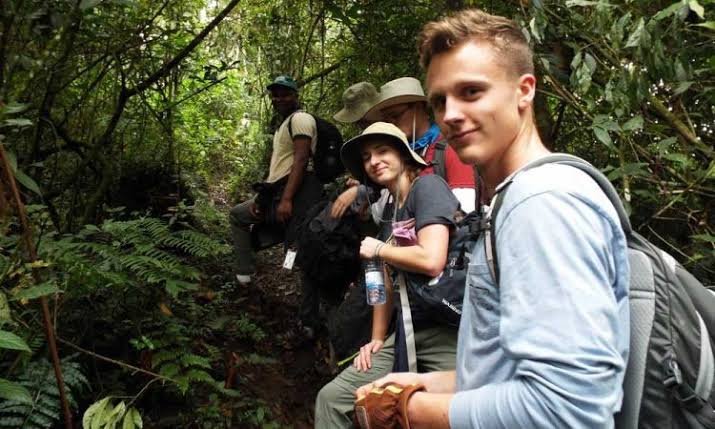
Can i go to Bwindi Through Cyanika Boarder from Kigali. Short answer first: yes, you can absolutely reach Bwindi Impenetrable National Park from Kigali through the Cyanika border, and for a good chunk of the park it’s actually the smarter route. The longer answer is that “Bwindi” isn’t one single destination — it’s four separate trekking sectors spread across a large forest, and Cyanika only makes sense for some of them. Get the sector-to-border matching wrong and you can add three or four unnecessary hours to your transfer day, which is the last thing you want the morning before a 7 am gorilla briefing. Uganda Wildlife Authority permits are non-refundable and tied to a fixed date and sector, so a transfer plan that underestimates the drive isn’t just an inconvenience — it can mean forfeiting money already spent on a trek you never make it to. For clarity, this guide details how you can effectively navigate the question: Can i go to Bwindi Through Cyanika Boarder from Kigali.
This guide breaks down exactly when Cyanika is the right call, when it isn’t, how long the drive actually takes, and what you need in hand at the border. We wrote it from the Uganda side, where our team runs this exact Kigali-to-Bwindi route every week — you can browse our ready-built gorilla safaris or read on for the full picture, and cross-check route notes from Gorilla Tracking Tours if you’d like a second operator’s perspective.
Understanding whether you can go to Bwindi through Cyanika Boarder from Kigali will significantly impact your travel plans. This guide breaks down exactly when Cyanika is the right call, when it isn’t, how long the drive actually takes, and what you need in hand at the border. We wrote it from the Uganda side, where our team runs this exact Kigali-to-Bwindi route every week — you can browse our ready-built gorilla safaris or read on for the full picture, and cross-check route notes from Gorilla Tracking Tours if you’d like a second operator’s perspective.
So, can i go to Bwindi Through Cyanika Boarder from Kigali? Absolutely, if your trek takes you to the southern sectors.
If your permit is for Rushaga or Nkuringo, can i go to Bwindi Through Cyanika Boarder from Kigali? Yes, it’s the shortest, most direct route. If your permit is for Buhoma or Ruhija, while it is technically possible to go through Cyanika, it adds hours of rough driving compared with the alternative Katuna border, and most experienced operators will steer you away from it for those two sectors. The rest of this guide explains exactly why, with real distances and drive times.
The Quick Answer: Yes, But It Depends on Your Sector
Cyanika is a fully functioning, tourist-friendly border post between Rwanda and Uganda, and it does lead to Bwindi — but it leads well to some sectors and poorly to others. If your gorilla permit is for Rushaga or Nkuringo, Cyanika is the shortest, most direct route from Kigali, full stop. If your permit is for Buhoma or Ruhija, Cyanika is technically possible but adds hours of rough driving compared with the alternative Katuna border, and most experienced operators will steer you away from it for those two sectors. The rest of this guide explains exactly why, with real distances and drive times.
Understanding Cyanika’s Location and What It Connects
Cyanika sits on the Rwanda-Uganda frontier just south of Kisoro town, a short hop from Musanze — the gateway town to Rwanda’s Volcanoes National Park. On the Uganda side, it drops you into Kisoro District, which is also home to Mgahinga Gorilla National Park and the closest access point to Bwindi’s southern trekking sectors. If you’re asking, can i go to Bwindi Through Cyanika Boarder from Kigali? The answer depends on your permit.
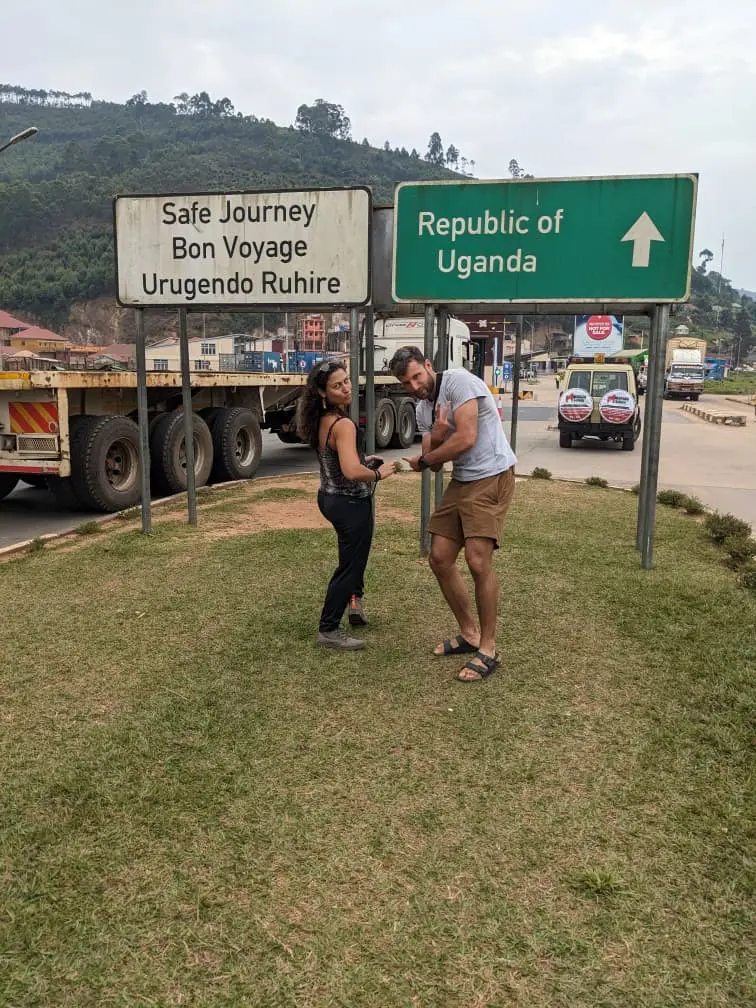
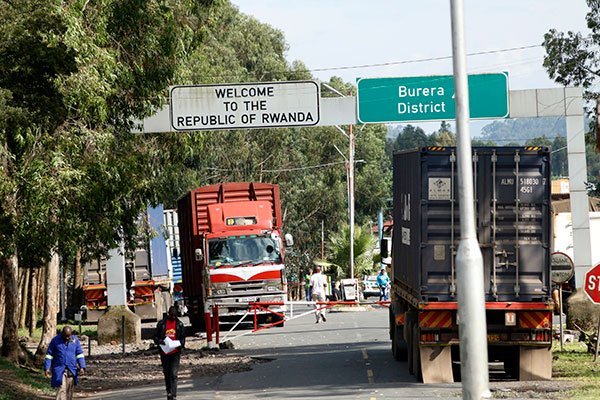
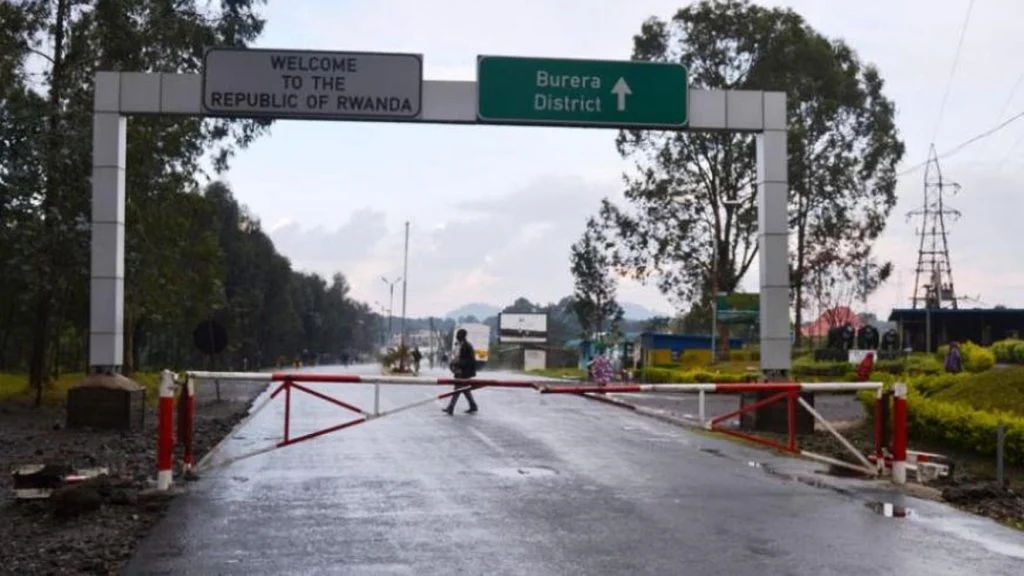
Cyanika sits on the Rwanda-Uganda frontier just south of Kisoro town, a short hop from Musanze — the gateway town to Rwanda’s Volcanoes National Park. On the Uganda side, it drops you into Kisoro District, which is also home to Mgahinga Gorilla National Park and the closest access point to Bwindi’s southern trekking sectors. Geographically, this makes Cyanika the natural crossing for anyone whose Uganda leg starts or ends in the southwest corner of the country, rather than the more central Buhoma area further north.
The Route: Kigali to Cyanika, Step by Step
The drive out of Kigali heads west on well-maintained tarmac through Rwanda’s hill country, passing through or near Muhanga and Musanze before reaching the border post itself. It’s a single, well-signposted road for virtually the entire distance, and unlike some overland African routes it doesn’t require any detours through unpaved backroads to reach the crossing — the rough sections, where they exist, come after you’ve entered Uganda, not before.
How Far Is It, and How Long Does It Actually Take?
From Kigali to the Cyanika border post is roughly 115 kilometers, and on the paved Rwandan road network that takes about three to four hours depending on traffic through Kigali and Musanze. Musanze itself sits only about 25 kilometers short of the border, so if you’re breaking the journey with a night near Volcanoes National Park first, the final leg to Cyanika is a quick one. Once you’re through immigration on the Uganda side, plan on another one and a half to two and a half hours to reach most southern Bwindi lodges, which puts a full Kigali-to-Rushaga transfer at somewhere between four and a half and six hours door to door.
Which Bwindi Sectors Cyanika Serves Best
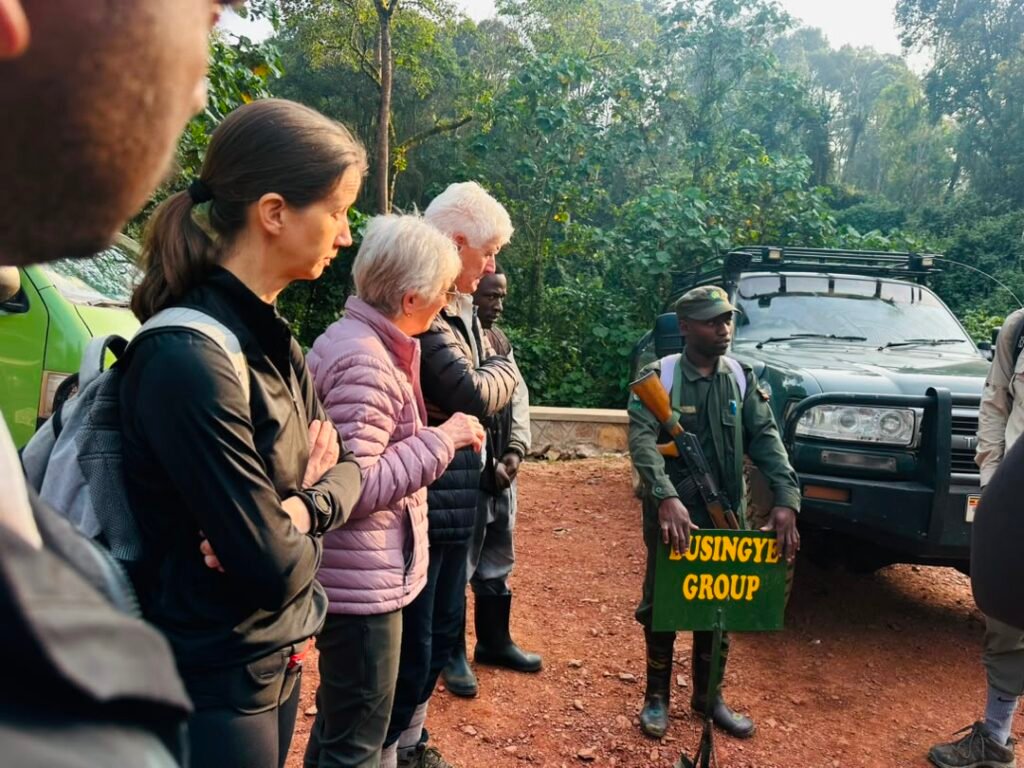
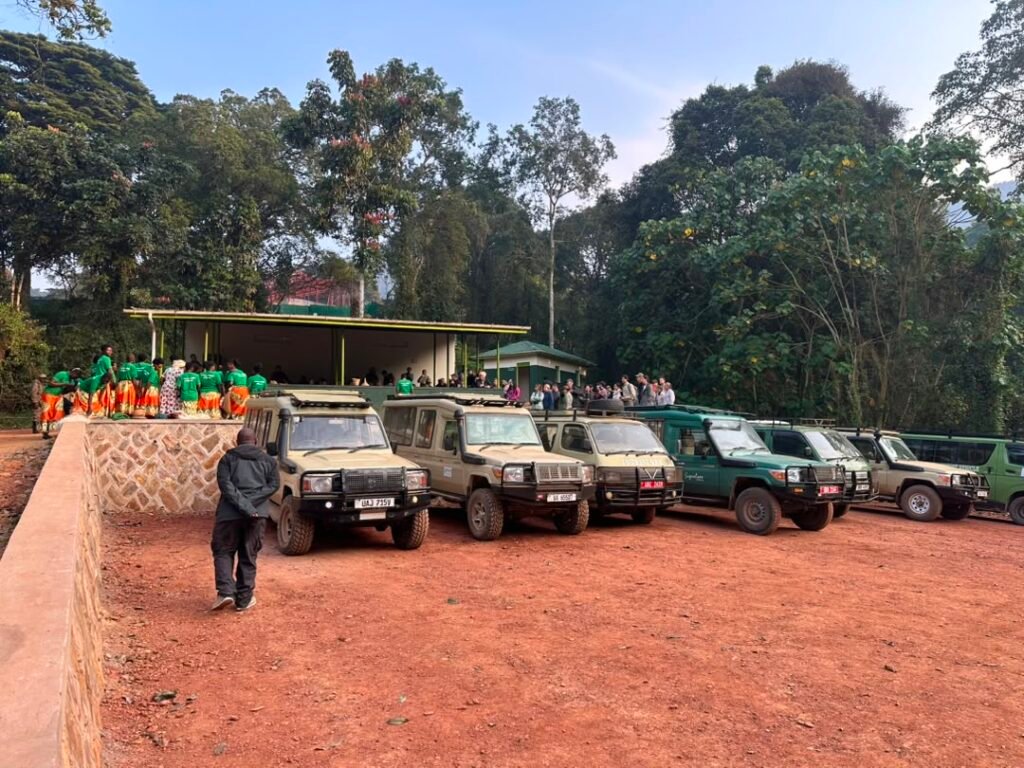
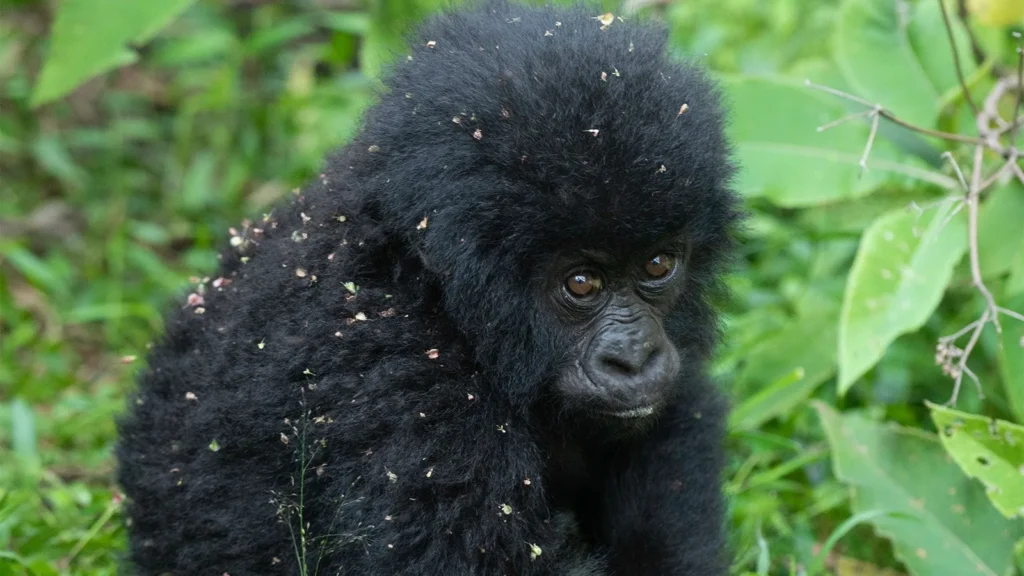
Cyanika’s real strength is the southern half of Bwindi. From the border, Rushaga sector is roughly one and a half to two hours away, and Nkuringo sector is about two and a half hours — both perfectly manageable as a same-day transfer if you leave Kigali reasonably early. These two sectors host some of Bwindi’s most rewarding treks, including several habituated gorilla families and, at Rushaga, the option of the longer gorilla habituation experience. If your itinerary looks anything like our 3 Days Uganda Gorilla Safari from Rwanda, there’s a very good chance Cyanika is already built into the route.
Mgahinga Gorilla National Park: The Bonus Stop Near Cyanika
One advantage of routing through Cyanika that travelers often overlook is how close it sits to Mgahinga Gorilla National Park — only about thirty minutes from the border post. Mgahinga offers golden monkey tracking and, when its gorilla family is in residence on the Uganda side of the Virunga range, gorilla trekking as well, all without the longer drive required to reach Bwindi proper. Travelers with an extra day sometimes use the Cyanika route specifically to combine Volcanoes National Park in Rwanda with Mgahinga in Uganda before continuing on to Bwindi, and Gorilla Tracking Tours covers this same combination on its own Mgahinga Gorilla National Park page.
Why Cyanika Isn’t the Right Choice for Buhoma or Ruhija
In short, if you want to know can i go to Bwindi Through Cyanika Boarder from Kigali, make sure your permit aligns with your border crossing choice.
Visa Requirements for Crossing at Cyanika: If you’re wondering can i go to Bwindi Through Cyanika Boarder from Kigali, you need to consider the visa rules at Cyanika. They are identical to those at any other Rwanda-Uganda crossing — this is a standard, government-recognized immigration post.
Buhoma is Bwindi’s original and most developed sector, and Ruhija sits close beside it — but both are in the northern part of the park, a considerable distance from Kisoro and Cyanika. Reaching either from Cyanika means driving well past Rushaga and Nkuringo on rougher, more time-consuming roads, often adding several extra hours compared with routing through the Katuna border instead, which drops you much closer to both sectors via Kabale. Unless your itinerary specifically calls for the scenery along that longer southern loop, there’s little upside to forcing a Cyanika crossing onto a Buhoma-bound trip.
Cyanika vs Katuna: Choosing the Right Border for Your Sector
| Factor | Cyanika Border | Katuna Border |
|---|---|---|
| Best for sectors | Rushaga, Nkuringo, Mgahinga | Buhoma, Ruhija |
| Distance from Kigali | ~115 km / 3–4 hrs | ~230 km / 5–7 hrs |
| Traffic | Lighter, less commercial cargo | Heavier, main Kigali-Kampala highway |
| Feel of the drive | Quieter, scenic volcanic hills | Busier highway with more trucks |
In short: match the border to the sector printed on your gorilla permit, not to whichever crossing sounds more convenient. A good operator will always check this before finalizing your transfer, which is one of the first things our team does for guests booking through Pick and Transfer Safaris.
Visa Requirements for Crossing at Cyanika
The visa rules at Cyanika are identical to those at any other Rwanda-Uganda crossing — this is a standard, government-recognized immigration post, not a shortcut around the usual paperwork. East African Community citizens cross visa-free with a passport or, at times, a national ID. Everyone else needs a Uganda visa, a Rwanda visa, or the East Africa Tourist Visa, sorted out in advance since Uganda does not offer visa-on-arrival at land posts for nationalities that require one.
The East Africa Tourist Visa and Why It Suits This Route
For most international travelers pairing a Volcanoes gorilla trek in Rwanda with a Bwindi trek in Uganda, the East Africa Tourist Visa is the simplest option — one application, 100 USD, multiple entries across Rwanda, Uganda and Kenya for ninety days. It’s the visa behind combined routes such as our 7 Days Uganda Rwanda Safari Adventure and the longer 15 Days Rwanda Uganda Safari. Apply through whichever of the three countries you’ll enter first — usually Rwanda’s Irembo portal if you’re flying into Kigali before driving to Cyanika.
Documents to Carry When Crossing at Cyanika
Bring your original passport with at least six months of remaining validity, a printed or offline copy of your visa or East Africa Tourist Visa approval, your yellow fever vaccination certificate, and a copy of your gorilla trekking permit or safari itinerary. Immigration officers at Cyanika occasionally ask about the purpose of travel, and having a full itinerary from a licensed operator on hand — the kind provided with any booking through Pick and Transfer Safaris — tends to speed things along.
Passport Validity and Yellow Fever Rules
Both Rwanda and Uganda enforce the standard six-month passport validity rule at Cyanika just as strictly as at any other post, and both require a valid yellow fever vaccination certificate. Neither requirement is unique to this crossing, but travelers sometimes assume a smaller, quieter border post means looser enforcement — it doesn’t. Check your passport expiry date and vaccination records well before travel rather than at the counter.
Cyanika Border Hours and the Best Time to Cross
The Cyanika post operates seven days a week, roughly from 6:00 am to 7:00 pm. Because most southern Bwindi lodges are one and a half to two and a half hours beyond the border, an early departure from Kigali or Musanze is worth planning for, particularly if you’re trekking the next morning and want to arrive at your lodge with daylight and time to rest rather than pulling in after dark.
What Happens at the Cyanika Immigration Post
The process mirrors any other Rwanda-Uganda crossing: an exit stamp at the Rwandan desk, a short walk to the Ugandan side, and an entry check covering your passport, visa or EATV approval, and yellow fever certificate. Cyanika tends to be quieter than the larger Katuna post, with less commercial truck traffic, so on an average day the formalities move quickly — often comfortably under an hour with documents in order.
Road Conditions from Kigali to Cyanika
The Rwandan side of this route is entirely paved and well maintained, a smooth drive through terraced hillsides and volcano views that makes the Kigali-to-border leg one of the more pleasant stretches of an East Africa road trip. Conditions on the Uganda side past Kisoro toward Rushaga and Nkuringo are more mixed — largely graded murram roads that are perfectly manageable in a proper safari vehicle but slower going than Rwanda’s tarmac, especially after rain. A 4×4 safari vehicle handles these sections without difficulty in most conditions, and licensed operators running this route regularly know which stretches to allow extra time for, particularly the final approach roads into individual lodges that can turn narrow and steep near the forest edge.
From Cyanika to Kisoro Town: What to Expect
Kisoro town sits just a short drive past the border and functions as the main service hub for this corner of Uganda — banks, fuel stations, basic shops, and a good spot to withdraw Ugandan Shillings if you didn’t bring enough cash across. Most safari vehicles pause here briefly before continuing on to the trekking sectors, and it’s also where you’d overnight if your schedule calls for breaking the Kigali-to-Bwindi journey into two days rather than one long push.
Onward from Kisoro to Rushaga Sector
Whether considering the drive or your trekking options, always consider: can i go to Bwindi Through Cyanika Boarder from Kigali? This will help you align your itinerary effectively.
Rushaga lies roughly one and a half to two hours beyond Kisoro on a mostly graded road climbing into the hills south of Bwindi. It’s home to several habituated gorilla families and the starting point for Uganda’s gorilla habituation experience, a longer, less crowded alternative to a standard one-hour trek. Itineraries built around this sector, like our 5 Days Uganda Gorilla and Chimps Safari Starting from Rwanda, are structured specifically around this Cyanika-to-Rushaga timing.
Onward from Kisoro to Nkuringo Sector
Nkuringo sits about two and a half hours from Kisoro, on the western edge of Bwindi with some of the park’s most dramatic scenery — steep ridge-top trails and sweeping views into the forest canopy below. It’s a slightly longer add-on than Rushaga but well within reach of a single transfer day from Kigali if you leave with a reasonable buffer built in.
Currency and Money Along This Route
Rwanda uses the Rwandan Franc and Uganda uses the Ugandan Shilling, and while informal money changers sometimes work the border itself, a bank or forex bureau in Musanze or Kisoro is the more reliable place to exchange cash. Cyanika’s own facilities are basic, so handle currency needs before or after the crossing rather than expecting much at the post itself. US Dollars are widely accepted for lodge bills and permit fees on both sides.
A Sample One-Day Itinerary: Kigali to Rushaga via Cyanika
A typical transfer day starts with a 6:00 to 6:30 am departure from a Kigali hotel, reaching the Cyanika border by roughly 9:30 or 10:00 am. Allow up to an hour for immigration formalities on both sides, then continue on through Kisoro toward Rushaga, arriving at most lodges by early-to-mid afternoon. That timing leaves guests comfortably settled well before the following morning’s 7 am trekking briefing, without the rushed feel of a same-morning border crossing.
Combining a Volcanoes Gorilla Trek Before Crossing at Cyanika
Because Musanze — the gateway to Volcanoes National Park — sits barely 25 kilometers from Cyanika, this route is a natural fit for travelers who want to trek gorillas in Rwanda first and continue into Bwindi afterward without much extra driving. It’s exactly the structure behind our 2 Days Volcanoes Gorilla Trek from Kigali, which can be extended into Uganda through Cyanika, and Gorilla Tracking Tours runs a similar 2 Days Volcanoes Gorilla Trek from Kigali itinerary worth comparing.
Self-Drive or Guided Transfer on This Route?
Self-driving from Kigali to Cyanika is straightforward on the Rwandan tarmac, but the graded roads on the Uganda side toward Rushaga or Nkuringo, combined with unfamiliar left-hand driving once you cross, catch some independent travelers off guard. A guided transfer removes that learning curve entirely — an experienced driver who knows this exact crossing, the road conditions beyond it, and the timing needed to hit a trekking briefing on schedule. It’s the core of what Pick and Transfer Safaris offers on this route, door to door from a Kigali hotel to a Bwindi lodge.
Lodging Options Near Rushaga and Nkuringo After Crossing
Once you’re through Cyanika and past Kisoro, both Rushaga and Nkuringo have a good spread of accommodation ranging from budget guesthouses to upscale forest lodges perched on the park boundary, many with views straight into the Bwindi canopy. Booking a lodge close to your specific trailhead — rather than simply “somewhere in Bwindi” — shaves meaningful time off the final approach after a long transfer day, and it’s a detail worth confirming with your operator alongside the border and permit sector. Our team can recommend lodges matched to whichever Rushaga or Nkuringo trailhead your permit assigns.
Flying In Instead: Does It Change the Cyanika Question?
Some travelers skip the overland Kigali-to-Bwindi drive entirely by flying between Kigali and one of Uganda’s small airstrips near Bwindi, such as Kihihi or Kisoro. If flying appeals to you, note that a Kisoro airstrip landing puts you right back in Cyanika territory anyway, just without the road time from Kigali to the border — you’d still be well positioned for Rushaga, Nkuringo, or Mgahinga rather than Buhoma. Flying trims hours off the journey but adds cost, and doesn’t remove the need for the same visa, passport, and yellow fever documentation covered earlier in this guide, since you still cross an international border either way.
Cost Considerations: Private Transfer vs Shared Options
A private transfer via Cyanika costs more than joining a shared shuttle or budget bus route between Kigali and Kisoro, but it buys flexibility that matters a great deal on a border-crossing day — departure time built around your trekking briefing, no waiting on other passengers at immigration, and a driver who can adjust the schedule if the crossing runs slower than expected. For a once-in-a-lifetime gorilla trekking trip with a fixed, non-refundable permit date, most travelers find the reliability of a private transfer worth the difference, particularly on a route where a missed morning briefing means forfeiting an already-paid permit.
Traveling as a Family or Larger Group Through Cyanika
Families and larger groups crossing at Cyanika follow the same basic rules covered earlier — every traveler, children included, needs their own passport and visa or EATV, plus a yellow fever certificate. Groups add one practical consideration: coordinating everyone’s documents at once tends to move faster through immigration when one person on the trip (often the guide) has pre-organized copies of each traveler’s paperwork rather than everyone searching their own bags at the counter. Larger groups may also want to budget slightly more transfer time, since even quick individual checks add up across several passengers.
Combining Cyanika with Chimpanzee Tracking or Extended Routes
Travelers with more time sometimes extend a Cyanika-routed trip beyond gorilla trekking alone, adding chimpanzee tracking in Rwanda’s Nyungwe Forest before crossing, or continuing north from Bwindi into Uganda’s Kibale Forest afterward. None of this changes the Cyanika-versus-Katuna decision for the gorilla trekking leg itself, but it’s worth mapping the full route in advance so your border choice still makes sense once the rest of the itinerary is added — a longer loop through both countries is exactly the kind of trip the East Africa Tourist Visa’s multiple-entry flexibility was built for.
Common Mistakes Travelers Make on the Cyanika Route
The most frequent misstep is booking a Buhoma permit and then assuming Cyanika is still the fastest way there — it usually isn’t, and Katuna will save real time. A second common error is underestimating the onward drive past the border, treating “we’ve crossed into Uganda” as the end of the journey when Rushaga or Nkuringo is still one and a half to two and a half hours further. Rounding out the list: forgetting that Uganda offers no visa-on-arrival, arriving without a yellow fever certificate, and leaving Kigali too late in the day for a comfortable arrival before dark.
What If My Gorilla Permit Is for Buhoma But I’d Rather Use Cyanika?
It’s possible to route through Cyanika en route to Buhoma if you have a specific reason — combining it with a longer stay in Kisoro or Mgahinga, for instance — but expect a considerably longer and rougher final stretch than the standard Katuna approach via Kabale and Kanungu. For most travelers this trade-off isn’t worth it, and re-checking your permit sector against the recommended border before you finalize transport is worth the five-minute phone call to your operator.
Weather and Seasonal Considerations on This Route
The Rwandan stretch to Cyanika is tarmac and holds up well in any season, but the graded roads beyond the border toward Rushaga and Nkuringo can turn slick and slower after heavy rain, particularly during the March-to-May and shorter November rains. The June-to-September and December-to-February dry seasons bring firmer roads and marginally more traffic at the crossing itself, tied to peak gorilla trekking demand.
Bwindi’s Four Sectors at a Glance
Before deciding which border fits your trip, it helps to see how Bwindi’s four trekking sectors actually sit in relation to each other. Buhoma, in the north, is the park’s oldest and most developed sector, with the widest choice of lodges and the gentlest terrain. Ruhija sits east of Buhoma at higher altitude, known for cooler weather and birding alongside gorilla trekking. Rushaga, in the deep south, has the largest number of habituated gorilla families of any sector and hosts the gorilla habituation experience. Nkuringo, just west of Rushaga on a high ridge, offers arguably the most dramatic scenery but a steeper trek in and out of the forest. Cyanika’s advantage is geographic: Rushaga and Nkuringo are both in the south, close to Kisoro, while Buhoma and Ruhija sit far enough north that Katuna becomes the more sensible crossing.
Gorilla Permit Basics: What You Need Before Booking Transport
It’s worth booking your gorilla trekking permit before locking in transport, not after, since the sector printed on that permit is what determines your border choice in the first place. Uganda Wildlife Authority permits for Bwindi are sector-specific and non-transferable between sectors, and they typically need to be booked months in advance during peak season. Once you know your sector — Rushaga, Nkuringo, Buhoma, or Ruhija — the border decision covered in this guide becomes straightforward rather than guesswork. Operators who also handle logistics on the Uganda side, including Pick and Transfer Safaris, can usually help secure the permit and the transfer together so the two are never mismatched.
The Gorilla Habituation Experience at Rushaga
Rushaga is the only Bwindi sector offering Uganda’s gorilla habituation experience, a longer and less crowded alternative to the standard one-hour trek that lets small groups spend up to four hours with a gorilla family still being acclimated to human presence. It’s a strong reason on its own to route through Cyanika rather than Katuna if Rushaga is on your itinerary, and pairs naturally with a Volcanoes gorilla trek in Rwanda a day or two earlier, since both experiences sit within a few hours of the same border post.
Golden Monkeys and the Nyakagezi Family at Mgahinga
When planning your journey, remember the key question to ask is, can i go to Bwindi Through Cyanika Boarder from Kigali? That will guide your preparations and choices.
Beyond the gorilla trekking already mentioned, Mgahinga Gorilla National Park — thirty minutes past Cyanika — is one of only two places in the world where golden monkey tracking is offered, alongside Volcanoes National Park across the border in Rwanda. Its resident Nyakagezi gorilla family occasionally ranges across into Uganda from the Virunga massif, though gorilla trekking here is less reliable than at Bwindi or Volcanoes since the family sometimes crosses into DR Congo or Rwanda. Most travelers treat Mgahinga as a golden monkey and volcano-hiking stop rather than their primary gorilla trekking destination, which is exactly why pairing it with a Rushaga or Nkuringo trek through Cyanika makes for such an efficient use of the route.
Do You Need an Extra Day for This Crossing?
For most travelers, no — a single well-timed transfer day from Kigali to Rushaga or Nkuringo via Cyanika is entirely realistic, provided you leave early and your gorilla briefing isn’t scheduled for the very next morning immediately after a long drive. That said, building in a buffer night in Kisoro or at a lodge near the border is a sensible choice for travelers who prefer not to arrive at a trekking lodge late in the afternoon, or who want to add Mgahinga to the itinerary without rushing. Multi-day combined routes such as our 3 Days Rwanda Gorilla Tracking and Cultural Tour extended into Uganda are built with exactly this kind of buffer in mind.
What to Pack for the Cyanika Crossing
Keep your passport, visa approval, and yellow fever certificate together in an easily accessible bag rather than packed away, since you’ll need all three within a short walk of each other at the two immigration desks. Bring a mix of Rwandan Francs and Ugandan Shillings for small purchases in Kisoro, a printed copy of your gorilla trekking permit, and — because the route beyond the border runs at higher altitude with cooler mornings — a light jacket or fleece even during the dry season.
How Pick and Transfer Safaris Handles This Route
Because our base sits on the Kabale-Kisoro Road, this is one of the routes we know best. A typical booking starts with confirming your gorilla permit sector, then building a transfer schedule around the Cyanika crossing that gets you to Rushaga or Nkuringo with time to rest before trekking. We handle the immigration paperwork checklist, brief guests on what to expect at the border, and can extend the same transfer into a longer loop covering Volcanoes National Park beforehand or additional Uganda parks afterward — the same approach behind our 5 Days Rwanda Wildlife and Gorillas itinerary.
Planning tip: If your trip includes both Volcanoes National Park and southern Bwindi, look at combined itineraries rather than booking two separate one-way transfers — routes like our 10 Days Uganda Rwanda Safari are built around exactly this Cyanika timing, and Gorilla Tracking Tours offers a comparable 10 Days Uganda Rwanda Safari if you want to compare pacing.
Planning tip: If your trip includes both Volcanoes National Park and southern Bwindi, look at combined itineraries rather than booking two separate one-way transfers — routes like our 10 Days Uganda Rwanda Safari are built around exactly this Cyanika timing, and Gorilla Tracking Tours offers a comparable 10 Days Uganda Rwanda Safari if you want to compare pacing.
How Cyanika Compares to Crossing Directly Into DR Congo
Travelers researching this corner of East Africa sometimes come across a third option entirely — crossing from Rwanda into DR Congo for gorilla trekking in Virunga National Park, which sits just across the border from both Volcanoes and Mgahinga. That’s a genuinely different trip with its own visa process, security considerations, and permit system, and it isn’t a substitute for a Bwindi crossing through Cyanika. We mention it only because the three countries meet so close together here that the geography can get confusing on a map — Cyanika specifically takes you from Rwanda into Uganda, not into Congo, and leads toward Bwindi and Mgahinga rather than Virunga.
Signal, Connectivity and Staying in Touch En Route
Mobile signal along the Kigali-to-Cyanika stretch is generally reliable on the Rwandan side, thanks to decent network coverage even in the hill country between Kigali and Musanze. Coverage becomes patchier once you’re past the border and into the more rural roads toward Rushaga or Nkuringo, so it’s worth downloading offline maps and confirming your lodge’s exact location and contact number before you set off, rather than relying on a live connection for the final stretch of the journey.
A Note on Trekking Fitness and the Drive Beforehand
Gorilla trekking itself can involve several hours of hiking over steep, muddy terrain depending on where the gorilla family is ranging that day, so arriving at Rushaga or Nkuringo already worn out from a rushed, overly long transfer day works against you. This is a quiet but real argument for the earlier Kigali departure times recommended throughout this guide — not just to avoid missing a briefing, but to arrive with enough rest that the trek itself, which is the actual point of the trip, isn’t undermined by a grueling approach.
Insurance and Emergency Considerations on This Route
The stretch between Cyanika and Bwindi’s southern sectors is remote enough that comprehensive travel insurance with medical evacuation coverage is worth having, independent of anything required for the visa or border crossing itself. Reputable operators on this route typically carry basic first-aid supplies and maintain contact with lodges and park authorities along the way, but a serious medical issue in this part of southwestern Uganda would still mean a longer response time than a similar event closer to Kampala or Kigali — one more reason experienced, licensed operators are worth the premium over an unfamiliar self-drive arrangement.
Photography and What to Expect Along the Drive
Quite apart from the gorillas waiting at the end of it, the Cyanika route itself is one of the more photogenic overland journeys in East Africa — terraced Rwandan hillsides give way to volcanic peaks near Musanze, and the Uganda side beyond the border opens into the rolling, cultivated hills of Kisoro District with the Virunga range often visible in the background. Travelers who build in a little flexibility, rather than treating the drive purely as a means to an end, tend to come away with some of their favorite images from the whole trip before they’ve even reached the forest.
Frequently Asked Questions About Reaching Bwindi via Cyanika
Is Cyanika the closest border to Bwindi from Kigali?
Yes, for the southern sectors — Rushaga and Nkuringo — Cyanika is the shortest route from Kigali. For Buhoma and Ruhija in the north, Katuna is shorter overall despite being farther from Kigali itself, because the onward drive from Katuna to those sectors is much shorter than from Cyanika.
How long does the full Kigali-to-Bwindi trip take via Cyanika?
Budget four and a half to six hours door to door for Rushaga, and slightly more for Nkuringo, including the border crossing itself.
Can I visit Mgahinga on the way through Cyanika?
Yes — Mgahinga Gorilla National Park is only about thirty minutes past the border, making it an easy add-on for travelers with some flexibility in their schedule.
Do I need a different visa for Cyanika than for Katuna?
No. Visa rules are set nationally, not per border post, so the same Uganda visa, Rwanda visa, or East Africa Tourist Visa works at either crossing.
Is the road from Kisoro to Rushaga paved?
Mostly graded murram rather than tarmac, which is manageable in a standard safari vehicle but slower than Rwanda’s paved roads, especially after rain.
Should I overnight in Kisoro before continuing to my lodge?
It’s optional but useful if you want to split a long travel day, visit Mgahinga, or simply avoid a late arrival at your Bwindi lodge — many travelers on flexible itineraries choose to break the journey this way.
What time should I leave Kigali to reach Rushaga the same day?
A 6:00 to 6:30 am departure gives a comfortable buffer to reach the border, clear immigration, and arrive at a Rushaga lodge by mid-afternoon.
Can I combine Volcanoes National Park and Bwindi in one trip using Cyanika?
Yes, this is one of the most popular uses of the Cyanika crossing — trek gorillas at Volcanoes near Musanze, then continue about 25 kilometers to the border and on to Rushaga or Nkuringo the same day or the next.
Is Cyanika open on weekends and public holidays?
Yes, the post operates seven days a week during its standard 6:00 am to 7:00 pm hours, including weekends and most holidays, though staffing can occasionally be lighter on major public holidays.
What currency should I carry for the Kisoro side of the trip?
Ugandan Shillings for small local purchases, though US Dollars are widely accepted at lodges for permit fees and accommodation bills on both sides of the border.
Can a self-drive rental car cross at Cyanika?
Yes, provided you carry COMESA cross-border insurance, a temporary import permit obtained at the border, and written authorization from your rental company to take the vehicle across international borders.
Does the East Africa Tourist Visa work at Cyanika the same way it works at Katuna?
Yes — the EATV is recognized at every official Rwanda-Uganda border post, Cyanika included, with no difference in how it’s checked or processed.
Is it safe to drive from Kigali to Bwindi through Cyanika at night?
It’s not recommended. Roads on the Uganda side past the border are unlit in places and shared with pedestrians and livestock after dark, so nearly every operator, ourselves included, plans transfers to arrive at the lodge before sunset rather than pushing on after dark.
Can I do a day trip to Bwindi from Kigali and return the same day?
No — gorilla trekking requires an overnight stay near the park, since treks begin early in the morning and can run several hours, making a same-day round trip from Kigali impractical even with a fast border crossing.
The Bottom Line: Can You Go to Bwindi Through Cyanika?
Yes — and for Rushaga, Nkuringo, or a Mgahinga add-on, it’s very likely the best route available from Kigali. The key is matching the border to your actual gorilla permit sector rather than assuming any crossing gets you to “Bwindi” equally well, since the park’s four sectors are spread far enough apart that the wrong border can add hours to an otherwise straightforward transfer. Confirm your sector, plan for a three-to-four-hour run to the border followed by another one and a half to two and a half hours beyond it, and this becomes one of the more scenic legs of an East Africa gorilla safari rather than a logistical headache.
For a second look at how this route fits into a broader itinerary, Gorilla Tracking Tours covers the same Cyanika crossing on its Bwindi Impenetrable National Park and Volcanoes National Park pages.
Recap: Matching Your Sector to the Right Border
If you take one thing away from this guide, let it be this: the question isn’t really “can I reach Bwindi through Cyanika” — the answer to that is almost always yes — but “should I,” and that depends entirely on which of the four sectors your permit is for. Rushaga and Nkuringo say yes, decisively. Buhoma and Ruhija say probably not, in favor of Katuna. Mgahinga, sitting right beside the border, says yes without hesitation. Keep that sector-first logic in mind before booking transport, and the rest of the planning covered in this guide — visas, documents, timing, packing — falls into place around a route that actually makes sense for where you’re headed.
Official Sources to Check Before You Travel
Border hours, visa rules, and fees can shift with little notice, so confirm current details close to your travel date rather than relying solely on any single article. Rwanda’s immigration authority publishes current visitor visa policy at migration.gov.rw, the Rwanda leg of the East Africa Tourist Visa runs through the Irembo government portal, and Uganda’s official e-visa applications are handled at visas.immigration.go.ug.
Let Pick and Transfer Safaris Plan Your Cyanika Crossing
Based right on the Kabale-Kisoro Road, our team runs the Kigali-to-Bwindi route through Cyanika every week and knows exactly which sector needs which border. We’ll match your gorilla permit to the right crossing, handle every document check, and get you to your lodge with time to spare before your trek.
Browse our destinations, explore our gorilla safaris, or contact us directly to start planning your Kigali-to-Bwindi transfer today.