- LET'S PLAN YOUR SAFARI
- +256 200 921 002
- +256 793 194 703
- info@pickandtransfersafaris.com

Chimpanzee and Gorilla Combining Safari in Rwanda
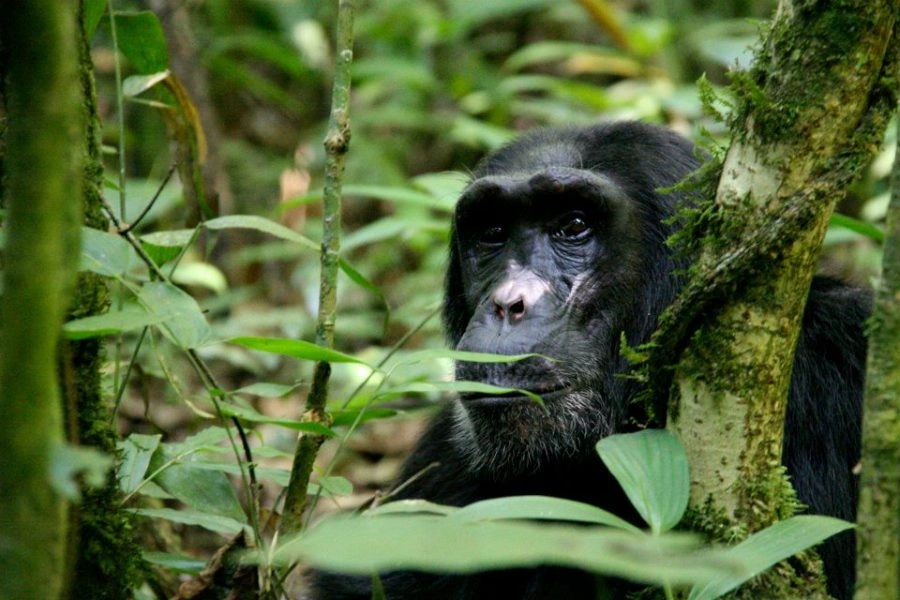
Chimpanzee and Gorilla Combining Safari in Rwanda. Rwanda is best known internationally for one thing: mountain gorillas. But tucked into the country’s remote southwest, on the opposite side of the country from the Virunga volcanoes, sits Nyungwe Forest National Park — one of Africa’s oldest and most biodiverse rainforests, and home to a healthy population of wild chimpanzees. Because both experiences exist within the same small country, Rwanda offers something few other destinations can: a genuine two-great-ape safari, gorillas and chimpanzees, without ever crossing an international border. This guide covers how the combination works, what to expect from each trek, and how to structure a realistic itinerary around both.
Why Combine Chimpanzees and Gorillas in Rwanda
Mountain gorillas and chimpanzees are both great apes, but they offer genuinely different encounters, and trekking both in the same trip gives travelers a much fuller picture of primate life in the Albertine Rift than either activity does alone. Gorilla families are calm, grounded, and largely terrestrial, moving slowly through the forest floor and bamboo slopes in tight family groups led by a dominant silverback — encounters tend to feel intimate and unhurried, with a full hour spent observing at close range. Chimpanzees, by contrast, are fast, vocal, and largely arboreal, moving through the canopy in loose, dynamic groups, calling to each other across the forest, and covering ground much faster than gorillas do. Trekking chimps is a more physically active, unpredictable experience, and hearing a chimpanzee call erupt through the forest is one of the more visceral wildlife sounds in Africa.
Combining the two in Rwanda also has a practical advantage: because both parks are managed under a single national tourism authority, the Rwanda Development Board, permit booking, park regulations, and logistics follow a consistent system across both parks, which simplifies planning considerably compared to combining primate treks across two different countries.
Where Each Trek Happens
Gorilla trekking in Rwanda takes place exclusively in Volcanoes National Park, part of the Virunga Mountains in the country’s northwest and once home to Dian Fossey’s original research camp. The park’s habituated gorilla families live on the lower volcanic slopes, in a mix of bamboo forest and montane vegetation, and treks depart each morning from a single headquarters near the town of Musanze.
Chimpanzee trekking, meanwhile, happens in Nyungwe Forest National Park, a vast, ancient rainforest in Rwanda’s far southwest near the Burundi border. Nyungwe is one of the oldest rainforests in Africa, predating the last ice age, and it protects thirteen primate species altogether, including a large chimpanzee population alongside colobus monkey troops that can number in the hundreds. Nyungwe is also home to Rwanda’s famous canopy walkway, a suspended bridge strung high above the forest floor that offers a rare bird’s-eye view of the rainforest canopy.
The Physical Distance Between the Two Parks
The one real logistical challenge in combining these two activities is distance. Volcanoes National Park and Nyungwe Forest sit at opposite corners of Rwanda, separated by a scenic but fairly long drive of around six to seven hours through the country’s famous Land of a Thousand Hills. Most itineraries route this transfer through Kigali, breaking the journey into two shorter legs rather than one long haul, or use it as an opportunity to add a night in the capital with a guided city tour along the way. It’s a real driving day either way, so travelers should factor this into their overall trip length rather than assuming the two activities can be tacked onto a short weekend the way a Kigali–Volcanoes trip can.
A Sample 6-Day Chimpanzee and Gorilla Itinerary
For travelers with about a week to spend, a compact six-day version of this combination is achievable. The trip typically opens with arrival in Kigali and a transfer north to Musanze on day one, followed by a full day of gorilla trekking in Volcanoes National Park on day two. Day three is usually spent driving south, often via Kigali, toward Nyungwe Forest, arriving in the late afternoon or evening. Day four is dedicated to chimpanzee trekking, with an early start to catch the chimps before they range too far from their overnight nesting sites, followed by an optional afternoon canopy walk for those who want to add a second forest activity. Day five allows for the long drive back toward Kigali, and day six wraps up with a guided city tour and departure. This structure mirrors the pacing we use in our longer 10 Days Uganda Rwanda Safari itinerary, compressed into a Rwanda-only route for travelers with less time available.
A Sample 8-Day Itinerary with Golden Monkeys and a Canopy Walk
Travelers with a bit more flexibility often extend the trip to eight days to fit in Volcanoes National Park’s second signature activity: golden monkey tracking. This version adds a full extra day in Musanze between the gorilla trek and the transfer south, giving time for a golden monkey excursion through the park’s bamboo zone, plus a visit to the Iby’iwacu Cultural Village for a look at traditional Rwandan dance and daily life. On the Nyungwe side, an extra day allows chimpanzee trekking and the canopy walk to be split across two separate mornings rather than crammed into one, along with time for a guided nature walk in search of the forest’s other primates and its rich birdlife, which includes several species found nowhere else in Rwanda.
What to Expect on Each Trek
Gorilla trekking days begin with an early morning briefing at park headquarters, where visitors are organized into small groups of no more than eight and assigned to a specific habituated family based on fitness level and the family’s last known location. The hike itself can range from a fairly easy thirty-minute walk to a strenuous multi-hour climb through bamboo and volcanic terrain, followed by a strictly enforced one hour with the gorillas once they’re located.
Chimpanzee trekking in Nyungwe follows a similar early-morning structure, but the pace and unpredictability differ. Because chimpanzees move quickly and spend much of their time high in the canopy, trackers rely heavily on vocalizations to locate a group, and the trek itself can involve faster, less predictable movement through the forest as rangers try to keep pace with a troop on the move. Sightings tend to be shorter and more dynamic than gorilla encounters — often glimpses of chimps moving, feeding, or calling through the canopy rather than a single settled group sitting at ground level — which some travelers find more thrilling and others find less intimate than a gorilla encounter.
Permits and Costs
A gorilla trekking permit in Rwanda currently costs $1,500 per person, while a chimpanzee trekking permit in Nyungwe Forest is considerably less expensive, generally in the range of $100 to $150 depending on residency status and season. Because gorilla permits make up the overwhelming majority of the cost of this combination, the addition of chimpanzee trekking is a comparatively affordable way to add a second great-ape encounter to an already-booked gorilla trip. Both permit types are issued through the Rwanda Development Board, and both should be booked well in advance, particularly gorilla permits during the June–September and December–February peak seasons, since daily numbers are strictly capped to protect both species.
Best Time of Year for This Combination
Rwanda’s two dry seasons, June to August and December to February, generally offer the most comfortable trekking conditions in both parks, with firmer trails underfoot and easier visibility for tracking chimpanzees by sound and movement through the canopy. The rainier months bring muddier trails and a higher chance of chimpanzees staying higher in the canopy to avoid the wet undergrowth, which can make tracking marginally more difficult, though sightings are still very achievable outside peak dry season. Nyungwe, being a genuine rainforest, does see rain somewhat more consistently than Volcanoes National Park throughout the year, so a light, quick-drying rain layer is worth packing regardless of when you travel.
Packing and Practical Tips
Both treks call for sturdy, broken-in waterproof hiking boots, long trousers and sleeves to protect against nettles and biting ants, and a light rain jacket even during the drier months. Because the transfer between Volcanoes National Park and Nyungwe Forest is a long driving day, it’s worth breaking up the journey with a stop in Kigali rather than attempting it in one push, both for comfort and to add a worthwhile city stop to the itinerary. Porters are available at both park headquarters and are genuinely useful on Nyungwe’s steeper forest trails as well as Volcanoes’ volcanic slopes, and hiring one is a direct, meaningful way to support the local communities around each park.
Beyond Primates: What Else Nyungwe Offers
Chimpanzees understandably headline most Nyungwe itineraries, but the forest rewards travelers who build in extra time. Alongside chimps, Nyungwe protects large troops of Angola colobus monkeys, sometimes numbering several hundred individuals moving together through the canopy — a genuinely striking sight and one of the more reliable wildlife encounters in the park regardless of trekking conditions. The park’s canopy walkway, suspended around seventy meters above the forest floor, offers a different vantage point entirely, useful for spotting birds and monkeys that are difficult to see from ground level, and Nyungwe’s birdlife is exceptional even by East African standards, with several Albertine Rift endemic species found nowhere else in Rwanda. For travelers extending their stay by even a single extra day, a guided waterfall hike or a night walk in search of nocturnal species adds further variety to what is already one of Rwanda’s most underrated destinations.
Is This Combination Worth the Extra Time?
For travelers who have already trekked gorillas once and are looking for a genuinely different primate experience rather than a repeat encounter, or for first-time visitors who want to see both of Africa’s great apes in a single well-organized trip, combining Volcanoes National Park and Nyungwe Forest is one of the most efficient ways to do it anywhere on the continent — no border crossing required, no second country’s visa or permit system to navigate, just one long, scenic drive across a genuinely beautiful country.
If you’re planning a trip that combines both parks, browse our full gorilla safaris collection for itinerary ideas, or get in touch with our team and we’ll help you build a Rwanda itinerary around both chimpanzee and gorilla trekking, tailored to your dates and budget.