- LET'S PLAN YOUR SAFARI
- +256 200 921 002
- +256 793 194 703
- info@pickandtransfersafaris.com

Choosing between Cyanika and Katuna Boarders from Rwanda
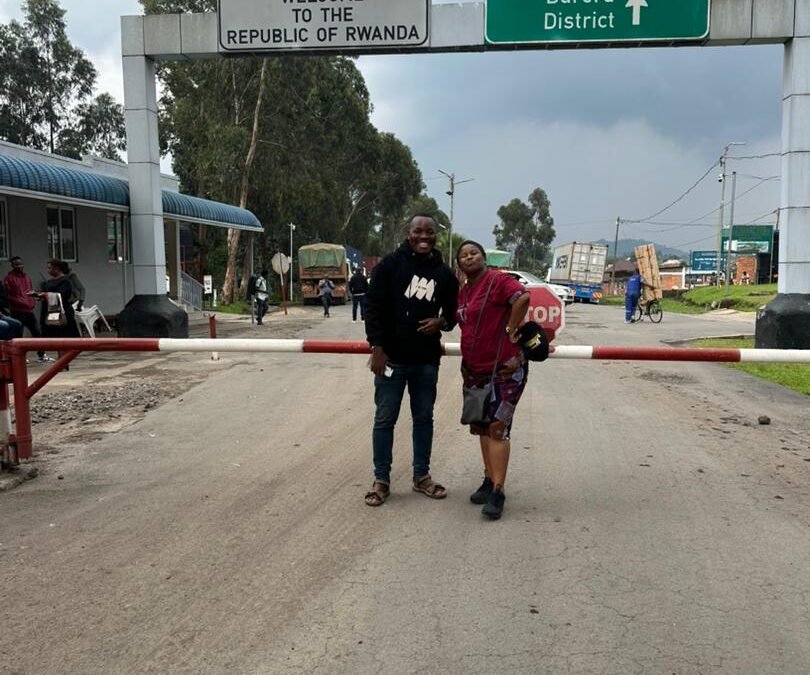
Choosing between Cyanika and Katuna Boarders from Rwanda. Travelers planning a gorilla trekking safari that starts in Kigali almost always face the same practical question once flights and permits are booked: which land border should you cross at, Cyanika or Katuna? Both connect Rwanda to southwestern Uganda, both are well-established and regularly used by tourists, and both get you to gorilla country. But choosing the wrong one for your itinerary can add unnecessary hours to your journey or leave you queuing at a busy commercial crossing when a quieter route was available. At Pick and Transfer Safaris, we cross these borders with travelers year-round, and this guide breaks down exactly how to choose between them.
The Short Answer
The right border depends on where you are trekking, not simply which one is closer to Kigali on a map. Cyanika is generally the better choice for travelers heading to Mgahinga Gorilla National Park or to Bwindi’s southern sectors, Rushaga and Nkuringo. Katuna, also known as Gatuna on the Rwandan side, is the better choice for travelers heading to Bwindi’s northern sectors, Buhoma and Ruhija. If your trip combines both parks, as in our Bwindi and Mgahinga from Kigali itinerary, the border choice becomes even more important, since it can determine how efficiently your whole route flows.
Cyanika Border: Location and Character
The Cyanika border post sits in Kisoro district on the Uganda side and Burera district on the Rwanda side, roughly three hours by road from Kigali. It is noticeably quieter than Katuna, since it carries mostly tourist traffic rather than the heavier commercial and freight movement that passes through the main Kigali-Kampala trade corridor. This generally translates into a faster, more relaxed crossing experience, particularly outside of peak morning hours.
One detail worth noting: Cyanika does not operate around the clock. The Uganda side typically opens at 6:00 AM and closes at 9:00 PM, while the Rwanda side opens slightly earlier, around 5:00 AM, and closes around 8:00 PM. If your itinerary requires a very early or very late crossing, this limited window matters and should be factored into your transfer schedule.
Katuna (Gatuna) Border: Location and Character
The Katuna border, called Gatuna from the Rwandan side, sits in Kabale district in Uganda and Gicumbi district in Rwanda, about two hours from Kigali. It is the main commercial crossing between the two countries, which means it sees significantly more traffic, including freight trucks moving goods between the East African Community’s inland economies. This can translate into longer queues, particularly during weekday business hours.
The advantage of Katuna is that it operates 24 hours a day, giving travelers more flexibility if an early flight arrival or a tightly scheduled itinerary requires crossing outside Cyanika’s operating window. The route from Katuna into Uganda also passes near Lake Bunyonyi, which some travelers use as an optional scenic stop before continuing to Bwindi.
Matching the Border to Your Trekking Sector
This is really the deciding factor for most travelers. Bwindi Impenetrable National Park, as detailed on the Uganda Wildlife Authority’s official Bwindi page, is divided into four trekking sectors, Buhoma, Ruhija, Rushaga, and Nkuringo, spread across a large forested area. Each sector has its own habituated gorilla families and its own access road, so the border you cross should align with the sector you are trekking in, not the other way around.
Rushaga and Nkuringo sit in the southern part of the park, close to Kisoro town, which makes Cyanika the shorter and more direct route. Buhoma and Ruhija sit further north, closer to Kabale, which makes Katuna the more logical crossing. Choosing the wrong border for your sector can mean an extra hour or more of driving on already long travel days, which is worth avoiding given how physically demanding the trek itself can be.
For Mgahinga Gorilla National Park, the choice is more straightforward. Cyanika sits only about 30 minutes from the park, making it the clear and standard route for anyone trekking the Nyakagezi gorilla family or the park’s golden monkeys, as confirmed on the Uganda Wildlife Authority’s Mgahinga page.
If You’re Combining Rwanda’s Volcanoes National Park
Travelers who want to pair a Rwanda gorilla trek with a Uganda one, or who are simply passing through Musanze on their way south, will usually find Cyanika the more efficient choice. The border sits close to Burera and the broader Musanze area, keeping the route on a single, coherent corridor rather than doubling back toward Kabale. This is particularly relevant for travelers building a wider regional itinerary that touches both Volcanoes National Park and Mgahinga, since both destinations sit within the same Virunga volcanic range.
Documents You Will Need at Either Border
Regardless of which crossing you use, the paperwork required is the same. You will need a valid passport with at least six months’ remaining validity, an approved Ugandan visa, and a valid yellow fever vaccination certificate, which is a mandatory entry requirement into Uganda. Most travelers on this route apply for the East African Tourist Visa, a joint visa covering Uganda, Rwanda, and Kenya that permits multiple entries over 90 days for a fee of 100 US dollars, processed through Uganda’s official immigration portal. This is generally more convenient than applying for a separate single-entry Uganda Tourist Visa, since it avoids the need for a second visa application if your trip involves crossing back into Rwanda.
At both Cyanika and Katuna, travelers report to the immigration office for standard checks and biometric verification before continuing their journey. Processing at either border is generally straightforward, provided your documents are in order and printed where required, but Cyanika’s lower traffic volume usually means a faster overall process. It’s worth carrying a printed copy of your visa approval letter alongside the physical yellow fever certificate, since border officials may ask for both even if you also have digital copies saved on your phone.
Timing Your Crossing
Because Cyanika keeps shorter operating hours, travelers using this border should plan their departure from Kigali with enough buffer to arrive well before the evening closing time, and ideally not so early that they arrive before the morning opening. Katuna’s 24-hour operation removes this constraint, but its higher traffic volume means early morning crossings, before the bulk of commercial vehicles arrive, tend to be noticeably smoother than midday or late afternoon crossings.
In both cases, a private transfer with an experienced driver-guide who crosses these borders regularly makes a meaningful difference. They know which queue lanes to use, how to handle the paperwork efficiently, and how to time departure from Kigali so you are not left waiting unnecessarily at either post.
Why the Border Choice Matters More Than It Seems
It is easy to treat a border crossing as a minor formality on the way to the main event, the gorilla trek itself. In practice, choosing the wrong border for your sector can add an hour or more of driving to an already long day, which matters when you are trying to arrive at your lodge with enough time to rest before an early trekking start the next morning. Getting this one decision right, matching the border to your park and sector rather than defaulting to whichever crossing is marginally closer to Kigali, is one of the simplest ways to make the whole trip run more smoothly.
Planning Your Border Crossing with Pick and Transfer Safaris
Whether your trip is headed to Mgahinga, one of Bwindi’s four sectors, or a combination of both, choosing the right border crossing from the start makes a real difference to how the rest of your journey unfolds. Our team plans each transfer around your specific trekking sector and lodge location, not a generic route, and we handle the practicalities of the crossing itself so you can focus on the safari ahead.
If you would like help deciding which border fits your itinerary, or want us to arrange the full private transfer from Kigali to your gorilla trekking destination, get in touch through our Contact Us page. We’ll match the route to your travel dates, your chosen park and sector, and make sure your visa and border documentation is ready well before you travel.