- LET'S PLAN YOUR SAFARI
- +256 200 921 002
- +256 793 194 703
- info@pickandtransfersafaris.com

Choosing between Nkuringo and Rushaga Gorilla Trek
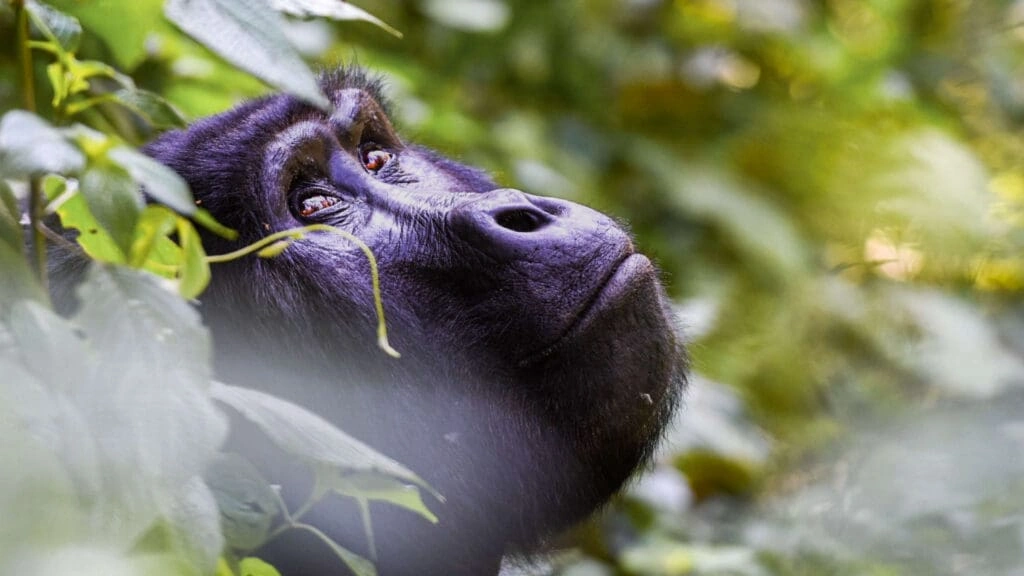
Choosing between Nkuringo and Rushaga Gorilla Trek. Ask ten operators which Bwindi sector to choose and most will point you toward whichever one they happen to run more often, without necessarily explaining why. Nkuringo and Rushaga sit right next to each other in the far south of Bwindi Impenetrable Forest, both reachable from Kigali via the same Cyanika border crossing, both offering genuinely excellent gorilla trekking — and yet the actual experience of trekking in each is different enough that the choice deserves more thought than “whichever has availability.”
This guide compares the two directly: the terrain, the gorilla families, the permit odds, the scenery, and — the factor that matters most to most travelers, yet the one most often glossed over in marketing copy — just how physically demanding each one actually is. If you haven’t yet decided on Bwindi over Uganda’s other gorilla park, our broader gorilla safaris overview is worth a look first; this guide assumes you’re already leaning toward one of these two specific southern sectors.
Rushaga and Nkuringo: Bwindi’s Two Southern Neighbors
Both sectors sit in the southern portion of Bwindi Impenetrable Forest, within a short drive of each other and of the Cyanika border crossing from Rwanda — which is exactly why they’re so often compared directly rather than against Bwindi’s more distant northern sectors, Buhoma and Ruhija. For a Kigali-based trip specifically, the choice usually comes down to these two rather than the full field of four.
Despite the geographic proximity, the two sectors were developed with different characters. Rushaga grew into Bwindi’s largest sector by gorilla family count, prioritizing accessibility and permit volume. Nkuringo, opened earlier and sitting on a dramatic ridge overlooking the forest, built its reputation on scenery and a genuinely wild, demanding trekking experience — a difference that shows up in almost every category covered below.
The Single Biggest Difference: Trek Difficulty
If there’s one factor that should drive this decision more than any other, it’s this one. Nkuringo is widely regarded as Bwindi’s most physically demanding sector, full stop — not because the walking distance is necessarily longer, but because of how the terrain is structured, covered in detail in the next section. Rushaga, while genuinely variable and not universally easy, offers a meaningfully broader range of difficulty levels across its many families, giving rangers more room to match less experienced trekkers to a gentler route.
Neither sector is a gentle stroll — this is Bwindi Impenetrable Forest, and every trek here involves real hiking at altitude through dense, often muddy terrain. But if physical difficulty is your primary concern, this single factor should probably decide the choice before any of the others in this guide.
It’s worth stating plainly: “demanding” doesn’t mean “for elite athletes only.” Nkuringo is trekked successfully every week by travelers across a wide range of fitness levels, many of whom describe it afterward as the highlight of their entire trip precisely because of the effort involved. The point of flagging the difficulty this clearly isn’t to discourage anyone from choosing it — it’s to make sure the choice is made with accurate expectations rather than discovered halfway up the return climb.
Why the Nkuringo Climb Is Different From Every Other Bwindi Trek
Most Bwindi treks follow a broadly similar pattern: start near the trailhead, walk into the forest, find the gorillas, and walk back out along roughly the same route. Nkuringo inverts this. The trailhead itself sits high on a ridge, and the trek typically begins by descending through open farmland — tea fields and crops, with little tree cover — down the mountainside toward the forest where the gorilla families range. You find the gorillas, spend your hour with them, and then face the return: climbing back up the same steep slope you descended, often the single most strenuous stretch of any gorilla trek in Uganda.
Trekker accounts consistently single out this return climb as the hardest part of the day, sometimes taking well over an hour of sustained, steep ascent after a physically full morning that’s already included the forest trek itself. This “descend first, climb back up exhausted” structure is genuinely unique to Nkuringo among Bwindi’s sectors, and it’s the specific detail that separates “Nkuringo is a bit harder” from what it actually is: a trek that inverts the normal energy curve of the day, saving its toughest climb for when you’re already tired.
Gorilla Families: Rushaga’s Breadth vs Nkuringo’s Focus
Rushaga hosts more habituated gorilla families than any other Bwindi sector — commonly cited at seven to nine, including well-known groups like Nshongi, Busingye, Kahungye, Mishaya, Bweza, Rwigi, Bikingi, and Mucunguzi. This breadth is Rushaga’s defining practical advantage: more families means more daily permits, and more room for rangers to match trekkers to an appropriately difficult route.
Nkuringo, by contrast, centers on a smaller number of families, most notably the Nkuringo family itself — a large group of around 19 members, including a set of twins, and the first family habituated in this sector, opened for tourism back in 2004. A second family, Bushaho, also ranges across the sector’s hilly terrain. What Nkuringo lacks in family count, it makes up for in the Nkuringo family’s reputation for calm, consistent, high-quality encounters, built on two decades of habituation experience with visitors.
This depth difference has a practical knock-on effect worth understanding: with only two families actively trekked in Nkuringo against Rushaga’s seven to nine, the odds of encountering an unusually long or unusually short trek swing more widely in Nkuringo simply because there’s less averaging-out across multiple family locations on any given day. Rushaga’s larger pool tends to produce a more predictable range of trek lengths precisely because rangers have more families to draw from when assigning groups each morning.
Permit Availability: Rushaga’s Practical Advantage
With more families and, correspondingly, more daily permit slots, Rushaga generally offers better last-minute availability than Nkuringo, particularly useful for a short trip booked with limited lead time. Nkuringo’s smaller family count means fewer total permits issued per day, and its trek’s demanding reputation means it can also see a smaller share of trekkers actively seeking it out — a mixed blessing, since it keeps the sector quieter but doesn’t necessarily translate into dramatically easier last-minute booking given the lower overall permit ceiling.
During the June-to-September and December-to-February peak seasons, booking a few months ahead is the safer approach regardless of which sector you choose, but travelers with a genuinely short planning window have somewhat better odds with Rushaga’s larger permit pool. Kenlink Tours’ Uganda safari packages are worth checking directly for current sector-specific availability if your dates are tight.
Distance and Drive Time From Kigali: Nearly Identical
This is one area where the two sectors don’t meaningfully differ. Both are reached from Kigali via the Cyanika border crossing, and both sit at roughly similar distances — commonly cited around four to five hours of total driving time, with the final stretch on the Uganda side involving a mix of paved and unpaved rural roads regardless of which specific sector you’re headed to. Neither sector holds a decisive advantage over the other purely on drive time from Kigali, which means this factor shouldn’t be the deciding one between them.
Where the drive does differ slightly is road quality closer to each trailhead — Nkuringo’s final approach, sitting higher on its ridge, tends to involve a somewhat rougher final stretch than some of Rushaga’s more accessible trailheads, though both are entirely manageable in a standard 4×4 with an experienced driver. Kenlink Tours’ guide to travel time from Kigali to Bwindi is a useful general reference, though it’s worth asking your specific operator for sector-level detail given how similar the two routes otherwise are.
Scenery and Atmosphere: What Sets Nkuringo Apart
If scenery is a genuine priority alongside the gorillas themselves, Nkuringo has a real edge. Its elevated ridge position delivers sweeping views over the forest canopy below and, on clear days, distant views of the Virunga volcanoes straddling the Rwanda-Uganda-DRC border — a backdrop that’s become part of the sector’s identity, with several lodges deliberately built to face these views. The exposed farmland you descend through at the start of the trek, while physically demanding, also offers a different visual experience than Bwindi’s typically dense, enclosed forest interior.
Rushaga’s scenery is attractive in its own right but less singularly dramatic — mixed forest and bamboo terrain without Nkuringo’s signature ridge-top panorama. For travelers who want photographs of sweeping landscapes to go alongside their gorilla photographs, Nkuringo generally delivers more of that specific experience; for travelers focused purely on the forest and the gorilla encounter itself, this distinction matters less.
The Gorilla Habituation Experience: Rushaga Only
Rushaga holds one genuinely exclusive offering that Nkuringo doesn’t match: it’s the only sector in Uganda offering the Gorilla Habituation Experience, an extended four-hour encounter with a semi-habituated family in a small group of just four visitors, priced at US$1,500 per person against the standard US$800 permit. This is a meaningfully different activity from standard trekking, involving observation of ongoing habituation work rather than a fully settled family encounter.
If this extended, research-oriented experience is a priority, it settles the sector choice decisively in Rushaga’s favor, since Nkuringo simply doesn’t offer an equivalent option. For travelers who are satisfied with the standard one-hour trek, this factor is irrelevant to the decision and the rest of this guide’s comparisons matter more.
Crowds and Atmosphere: Quiet vs Popular
Rushaga’s accessibility and larger permit pool mean it sees a genuinely higher volume of visitors on any given trekking day, which can translate into a busier park headquarters at the 7:00 a.m. registration and a livelier, more social atmosphere among trekking groups. Nkuringo’s tougher reputation quietly filters out some of that volume — fewer visitors choose it specifically because of the demanding return climb, which gives the sector a noticeably quieter, more remote feel both at registration and out on the trail.
Neither atmosphere is objectively better; it’s a matter of preference. Travelers who enjoy a bit of camaraderie and don’t mind sharing the experience with more fellow trekkers often prefer Rushaga’s livelier pace, while those seeking something closer to genuine wilderness solitude tend to gravitate toward Nkuringo, physical demands notwithstanding.
Weather and Best Time to Trek Either Sector
Both sectors follow Bwindi’s broader climate pattern: the June-to-September and December-to-February dry seasons offer firmer trails and the busiest booking calendars, while March-to-May and October-to-November bring more rain, muddier terrain, and noticeably thinner crowds. The seasonal difference matters more in Nkuringo than Rushaga specifically because of the exposed farmland descent — wet conditions on that open, sloped terrain can make an already demanding trek genuinely slippery, in a way Rushaga’s more forest-covered approach is less prone to.
Uganda’s low-season permit discount, available in April, May, and November, applies equally to both sectors and drops the standard non-resident rate from US$800 to US$600. For Nkuringo specifically, though, it’s worth weighing the muddier conditions against the savings a little more carefully than you might for Rushaga, given how much the terrain itself contributes to the sector’s difficulty.
Accommodation Compared
Rushaga’s lodge scene has grown considerably given its popularity, spanning genuine budget guesthouses through to high-end forest-edge properties, with reasonable choice at every price tier. Nkuringo’s accommodation is described as smaller but growing — a real range from budget guesthouses and campsites to mid-range and upmarket lodges, with the higher-end properties specifically leveraging the sector’s elevated position for private verandas facing the park below.
Because Nkuringo’s lodge inventory is comparatively smaller, booking early matters even more here than in Rushaga — properties fill quickly during peak season precisely because there are fewer of them to begin with. Whichever sector you choose, booking accommodation at the same time as your permit, rather than treating them as separate transactions, avoids the scenario of a confirmed trek date with no convenient lodge left nearby.
Proximity to the trailhead matters slightly more in Nkuringo than Rushaga for a different reason than convenience alone: after the physically demanding return climb, a lodge that’s a further drive away compounds the day’s fatigue in a way that matters less after Rushaga’s generally gentler average trek. Where possible, prioritizing a Nkuringo lodge genuinely close to the park headquarters, even over a marginally nicer but more distant option, is worth the trade-off specifically for this sector.
What to Pack Differently for Nkuringo
Standard Bwindi trekking gear — waterproof boots, long trousers, a rain jacket, gardening gloves — applies to both sectors, but a few additions are worth prioritizing specifically for Nkuringo given its distinct terrain. A trekking pole or walking stick, available to hire at most trailheads, is genuinely more valuable here than in Rushaga, given the sustained steep climb on the return leg. Extra water and a higher-calorie snack than you might otherwise pack are worth the small added weight, since the return climb is exactly the point in the day when energy reserves matter most and there’s no shortcut back to the trailhead.
Sun protection deserves more attention for a Nkuringo trek than a typical Bwindi trek, given the exposed farmland with little tree cover on the descent — a hat and sunscreen matter here in a way they don’t in the shadier forest interior most other Bwindi sectors trek through for more of the day. Hiring a porter, genuinely optional but strongly recommended in any sector, is arguably closer to essential in Nkuringo specifically, where the return climb is precisely the stretch a porter’s help makes the biggest difference on.
Who Should Choose Rushaga
Rushaga is the stronger choice for travelers prioritizing permit availability and flexible scheduling, especially on a short trip booked with limited lead time. It also suits trekkers with any concern about fitness or mobility, since its wider range of families gives rangers the most room to assign a gentler route, and it’s the only option for anyone specifically wanting the Gorilla Habituation Experience. Families, older travelers, and first-time trekkers generally do well here. A route like this 2-day Uganda gorilla tour from Kigali is typically built around exactly this sector for these reasons.
It also suits travelers whose top priority is simply securing a confirmed gorilla trek with the least schedule risk — Rushaga’s depth of options makes it the more forgiving choice if your travel window is tight or your dates are less flexible than you’d like. Travelers combining their trek with the nearby Mgahinga golden monkey activity, or heading onward to Queen Elizabeth National Park afterward, also generally find Rushaga’s more central location within Bwindi’s southern cluster a slightly easier base to route around.
Who Should Choose Nkuringo
Nkuringo suits fit, experienced hikers who specifically want a more demanding physical challenge and a quieter, more remote trekking atmosphere, along with travelers for whom the ridge-top scenery is a genuine draw in its own right, not just a backdrop to the gorillas. It’s a poor fit for anyone with knee, hip, or cardiovascular concerns, given the return climb’s reputation, and it’s not the sector to choose if your itinerary has no flexibility to absorb a longer, more tiring trek day.
Travelers who’ve already done a standard Bwindi trek elsewhere and are looking for a genuinely different, more adventurous second experience — perhaps on a route like this 3-day Uganda gorilla safari from Rwanda — often find Nkuringo the more memorable, if more demanding, choice precisely because it doesn’t feel like a repeat of a standard trek. Keen hikers who’d enjoy trekking on to a longer Uganda itinerary afterward, treating Nkuringo as one demanding day within a broader adventure-focused trip, also tend to rate the sector highly precisely because the physical challenge fits the overall tone of their travel style.
Can You Trek Both in One Trip?
Uganda Wildlife Authority rules don’t prevent trekking in both sectors on the same trip, provided you book two separate permits for two separate days — there’s no rule against visiting both Rushaga and Nkuringo within one itinerary. Given how close together the two sectors sit, this is genuinely feasible on a slightly longer trip, typically adding one extra day and night compared to a single-sector visit.
This approach suits travelers who want to directly compare the two experiences, or who simply want more gorilla time without duplicating the exact same sector and family type twice. A longer itinerary such as this 5-day Uganda gorilla and chimps safari starting from Rwanda, adapted to include both sectors, or Kenlink Tours’ 5-day Uganda-Rwanda double gorilla safari, shows how a multi-trek itinerary of this kind is typically structured.
Sample Itinerary: A Rushaga-Based Short Trip from Kigali
A typical 2-day Rushaga structure: Day 1, depart Kigali mid-morning, cross at Cyanika, and arrive at your Rushaga-area lodge by early-to-mid afternoon. Day 2, an early breakfast, 7:00 a.m. ranger briefing, the trek itself, and the return drive to Kigali that evening. This is the structure behind our own 2-day Uganda gorilla tour from Kigali, and it mirrors Kenlink Tours’ comparable 2-day Uganda gorilla safari from Kigali.
Because Rushaga’s terrain is more variable and generally less demanding on average than Nkuringo’s, this 2-day structure is a realistic same-day-return trip for most reasonably fit travelers, without needing the extra recovery buffer a Nkuringo trek often benefits from.
Sample Itinerary: A Nkuringo-Based Short Trip from Kigali
A Nkuringo itinerary follows a similar overall structure but benefits more from an extra day of buffer given the trek’s physical demands. Day 1, depart Kigali, cross at Cyanika, and arrive at a Nkuringo-area lodge by afternoon. Day 2, the trek itself — genuinely worth setting aside the full day for, given the grueling return climb. Day 3, a more relaxed morning before the drive back to Kigali, rather than attempting the same-day return-drive-after-trek combination that works reasonably well in Rushaga.
Kenlink Tours’ 3-day Bwindi gorilla safari from Kigali reflects this more forgiving structure, and it’s worth considering the 3-day version over a tighter 2-day one specifically because of Nkuringo’s demanding return climb — recovering the evening of your trek, rather than immediately driving five hours back to Kigali, makes a genuine difference to how the day feels in retrospect.
Golden Monkey and Other Add-Ons Near Both Sectors
Both Rushaga and Nkuringo sit within reasonable reach of Mgahinga Gorilla National Park, home to Uganda’s golden monkey tracking activity — a genuinely different, less physically demanding primate encounter worth considering as an add-on regardless of which gorilla sector you choose. Golden monkey permits are considerably cheaper than gorilla permits and carry no minimum age requirement, making the activity a practical way to include younger travelers in at least part of the forest experience.
Batwa cultural encounters are also available near both sectors, offering insight into the indigenous community historically connected to this forest before it became a protected national park. These cultural add-ons work well as a lower-intensity activity on the day before or after your gorilla trek, and are especially worth considering alongside a Nkuringo trek specifically as a gentler counterbalance to the physical demands of the main event. Kenlink Tours’ cross-border gorilla safari guide touches on how these add-ons are typically woven into a broader itinerary.
Combining Either Sector with a Rwanda-Side Activity
Because both sectors are reached via Kigali and the Cyanika border, it’s worth considering whether a Rwanda-side activity fits naturally around your trip, particularly if you’re already building in a buffer day for Nkuringo’s demanding return climb. A short Kigali city tour before departure or after your return is the simplest addition, requiring no extra driving beyond what the trip already includes.
For travelers with more time, adding a Rwanda-side gorilla trek in Volcanoes National Park turns either a Rushaga or Nkuringo trip into a genuine two-country, two-trek experience, along lines similar to this 2-day Volcanoes gorilla trek from Kigali or a longer combined route like this 10-day Uganda Rwanda safari. Given how different Rwanda’s Volcanoes terrain feels from either southern Bwindi sector, this combination genuinely delivers three distinct trekking experiences within one trip rather than a repeat of the same forest twice.
Cost Differences Between the Two Sectors
The gorilla permit itself costs the same regardless of sector — US$800 for foreign non-residents, set by the Uganda Wildlife Authority nationally rather than varying by trailhead. Where costs can differ modestly is accommodation and porter demand: Nkuringo’s smaller lodge inventory means less competition-driven pricing variation, while Rushaga’s wider range spans from genuinely cheap budget guesthouses to premium properties, giving budget-conscious travelers somewhat more room to find a lower-cost option nearby.
Porters are worth hiring in either sector, but arguably more strongly recommended in Nkuringo given the return climb specifically — the modest fixed fee is money well spent on the sector where it will be most appreciated. Overall trip cost between the two sectors ends up broadly comparable once permit, accommodation, and transport are totaled, with the real difference between them being physical experience rather than price. Kenlink Tours’ Rwanda vs Uganda comparison covers the country-level cost picture if you want that broader context alongside this sector-level one.
Private vehicle hire is the other cost variable worth checking directly, since it’s identical in structure regardless of sector — a daily rate for the vehicle and driver-guide, shared across your travelling party. Kenlink Tours’ car hire page is a useful reference point, and travelers hoping to reduce this cost further are generally better served by asking about group tour availability than by trying to negotiate the fixed permit price, which stays the same regardless of operator or sector.
A Note on Fitness Self-Assessment Before You Book
Neither this guide nor any operator can assess your personal fitness for you, which means the honest self-assessment has to happen on your end before you commit to a sector. A useful benchmark: if you can comfortably hike two to three hours on uneven, hilly terrain without needing frequent extended breaks, Nkuringo is very likely manageable, particularly with a porter’s help on the return climb. If that kind of sustained hiking sounds genuinely daunting, or you have any cardiovascular, joint, or mobility concerns, Rushaga’s broader range of family difficulty levels makes it the safer starting point.
It’s worth being honest about this with your operator when booking, rather than assuming you’ll manage on the day — a well-informed operator, such as through a direct enquiry, can request a gentler family assignment within either sector based on an accurate picture of your fitness, but can’t do much for you if the sector itself is fundamentally too demanding for your current condition. Age alone isn’t a reliable predictor here; some sixty-year-olds handle Nkuringo’s climb comfortably, while some fit thirty-year-olds unused to hiking specifically struggle with it, so think in terms of actual hiking experience rather than age when making this call.
Common Mistakes When Choosing a Sector
The most common mistake is choosing Nkuringo for its scenery or exclusivity without genuinely reckoning with the return climb’s physical demands — trekkers who arrive underprepared for this specific challenge often describe it as the hardest physical thing they did on their entire trip, sometimes harder than they expected the gorilla trek itself to be anywhere in Uganda. Being honest about your own fitness level before booking, rather than after arriving at the trailhead, avoids a genuinely miserable afternoon.
A second mistake is assuming Rushaga is uniformly easy simply because it’s the more popular, more accessible choice — Rushaga’s terrain is variable, and a difficult family assignment there can still mean a genuinely demanding day. A third is not booking a porter in either sector to save a modest fee, when the porter’s help is precisely the kind of small investment that makes the biggest difference on Bwindi’s more challenging trails. A fourth mistake, specific to Nkuringo, is scheduling a long drive or flight immediately after the trek — the physical toll of the return climb is real, and travelers who’ve booked a same-evening onward journey often regret not building in at least one night to recover near the sector before moving on. Booking through an established operator who can honestly advise on sector choice based on your specific fitness level, and reference points like Kenlink Tours’ 3-day Uganda gorillas safari for pacing, helps avoid all four of these mistakes before they become a problem on the trail.
Frequently Asked Questions About Nkuringo and Rushaga
Is Nkuringo really harder than every trek in Rushaga? On average, yes, due to its consistent descend-then-climb structure, but individual Rushaga treks can occasionally be just as demanding depending on which family you’re assigned to that day — Nkuringo’s difficulty is simply more predictable and consistent than Rushaga’s more variable terrain.
Can I request Nkuringo specifically if I want the challenge? Yes — most operators can request a specific sector when booking your permit, and Nkuringo’s smaller family count and lower visitor volume make this request reasonably straightforward to accommodate compared to requesting one specific family within a larger sector like Rushaga.
Which sector is better for photography? Nkuringo generally offers more dramatic landscape photography opportunities given its ridge-top views, while both sectors offer comparable gorilla photography itself, governed by the same distance and no-flash rules throughout Bwindi.
Is one sector safer than the other? Both are equally safe in terms of gorilla encounter protocols and ranger training; the main safety consideration is purely physical — Nkuringo’s terrain poses a higher risk of fatigue-related missteps on the return climb, which is a reason to be honest about fitness level rather than a genuine safety concern with proper preparation and a porter.
Which sector is better if I only have one full day in the region? Rushaga is the safer choice for a single-day visit, since its more moderate terrain on average makes a same-day trek-then-drive combination more manageable than Nkuringo’s demanding return climb followed immediately by a multi-hour drive back to Kigali.
Do both sectors offer the same one-hour viewing time with the gorillas? Yes — the standard one-hour limit is identical across every Bwindi sector, including both Rushaga and Nkuringo; only Rushaga’s separate Gorilla Habituation Experience extends this to four hours, and that’s a distinct activity rather than a longer version of the standard trek in either sector.
Choosing between Nkuringo and Rushaga Gorilla Trek
If you had to boil this down to one question, it would be this: do you want the more accessible, flexible, family-rich option, or the more demanding, scenic, quietly rewarding one? Rushaga wins on permit availability, flexibility, and accessibility for a broader range of fitness levels, plus its exclusive access to the Gorilla Habituation Experience. Nkuringo wins on scenery, atmosphere, and the kind of genuine physical achievement that some travelers specifically seek out in a trip like this.
Neither is the objectively “better” sector — they’re built for different travelers, which is exactly why this comparison matters more than a simple ranking would. When in doubt, weigh it this way: choose Rushaga if you’re optimizing for certainty, flexibility, and accessibility; choose Nkuringo if you’re optimizing for a specific kind of adventure and don’t mind earning the view. Both deliver the same core experience that brought you here in the first place — an hour, at close range, with wild mountain gorillas in one of the last forests on Earth where that’s still possible.
If you’d like help matching your fitness level, timeline, and priorities to the right sector, browse our full range of Uganda gorilla safari packages, or get in touch and we’ll give you an honest recommendation rather than simply booking whichever sector has the most availability that week.
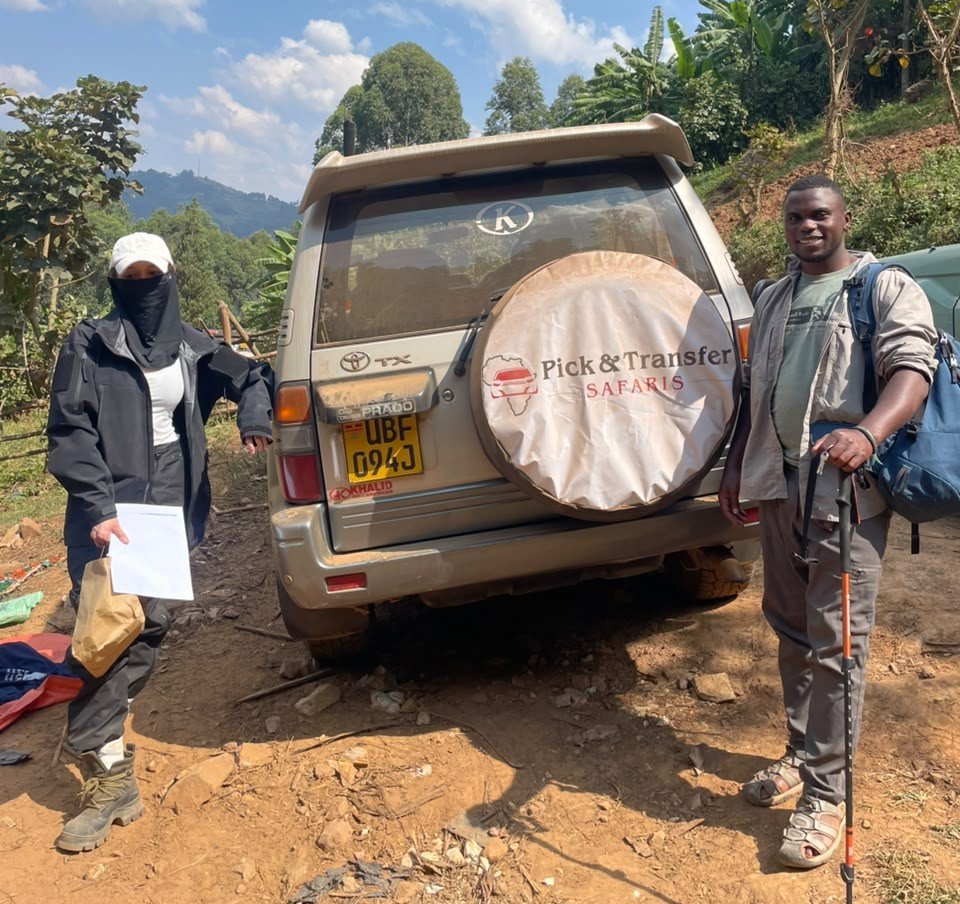
7 Days Uganda Safari – One week tour
This 7-day itinerary is the classic one-week introduction to Uganda, covering the country’s three most iconic wildlife experiences: chimpanzee tracking in Kibale Forest National Park, Big Five game drives and a boat cruise in Queen
Tour Details →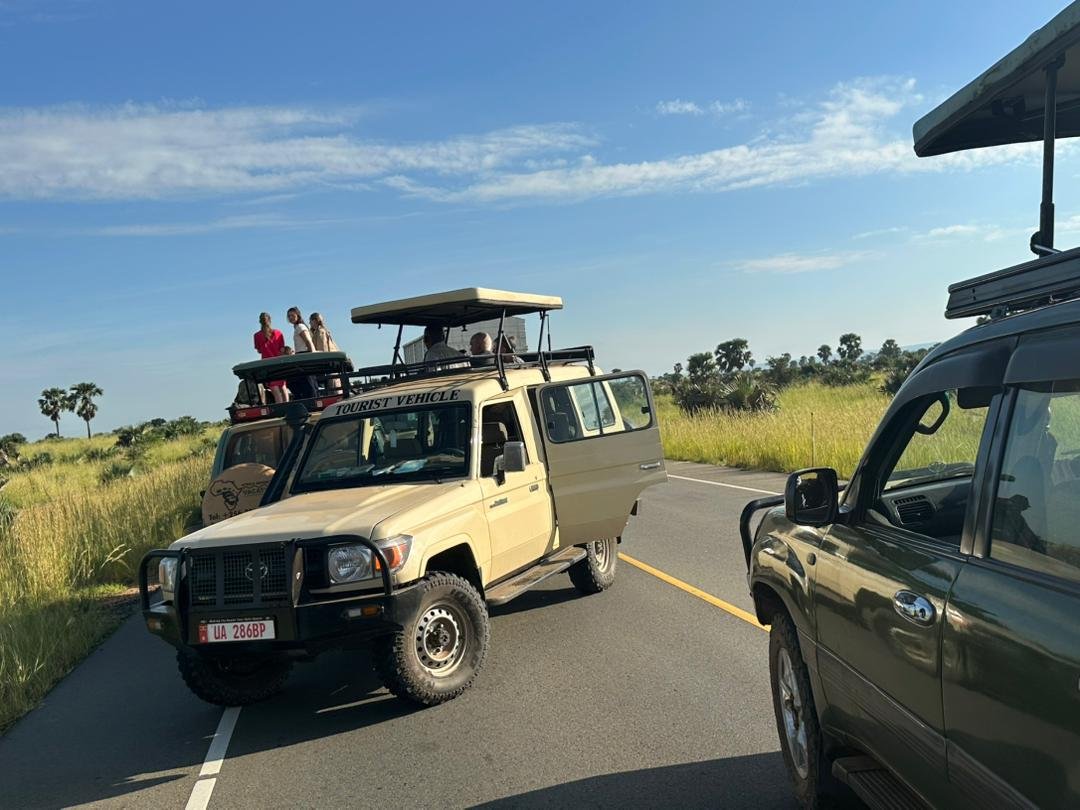
10 Days Uganda Primates and Wildlife
This 10-day Uganda Grand Safari is the most complete Uganda itinerary we offer at Pick and Transfer Safaris. It begins with a scenic northward drive from Entebbe to the vast open plains of Murchison
Tour Details →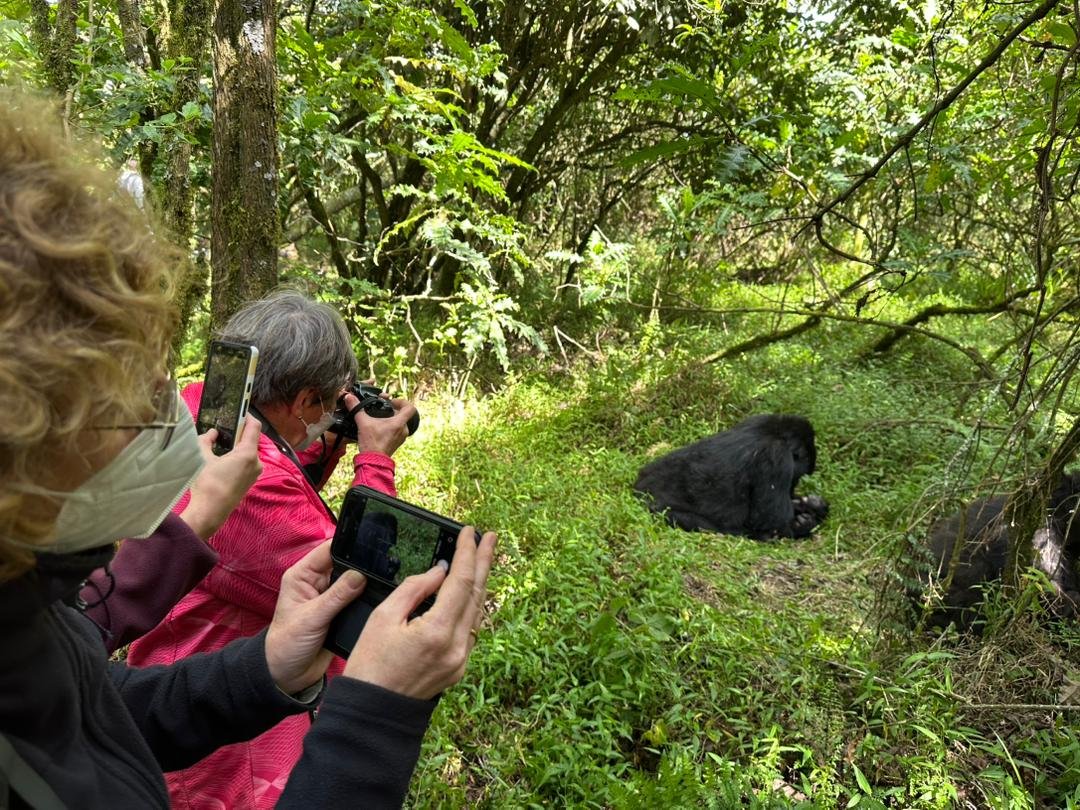
2 Days Uganda Gorilla Tour Starting from Kigali
This is the gentler cousin of our 1-Day Uganda Gorilla Safari Starting from Kigali — same idea, twice the breathing room. Instead of squeezing a 3,000-metre forest trek and two border crossings into a single very long day
Tour Details →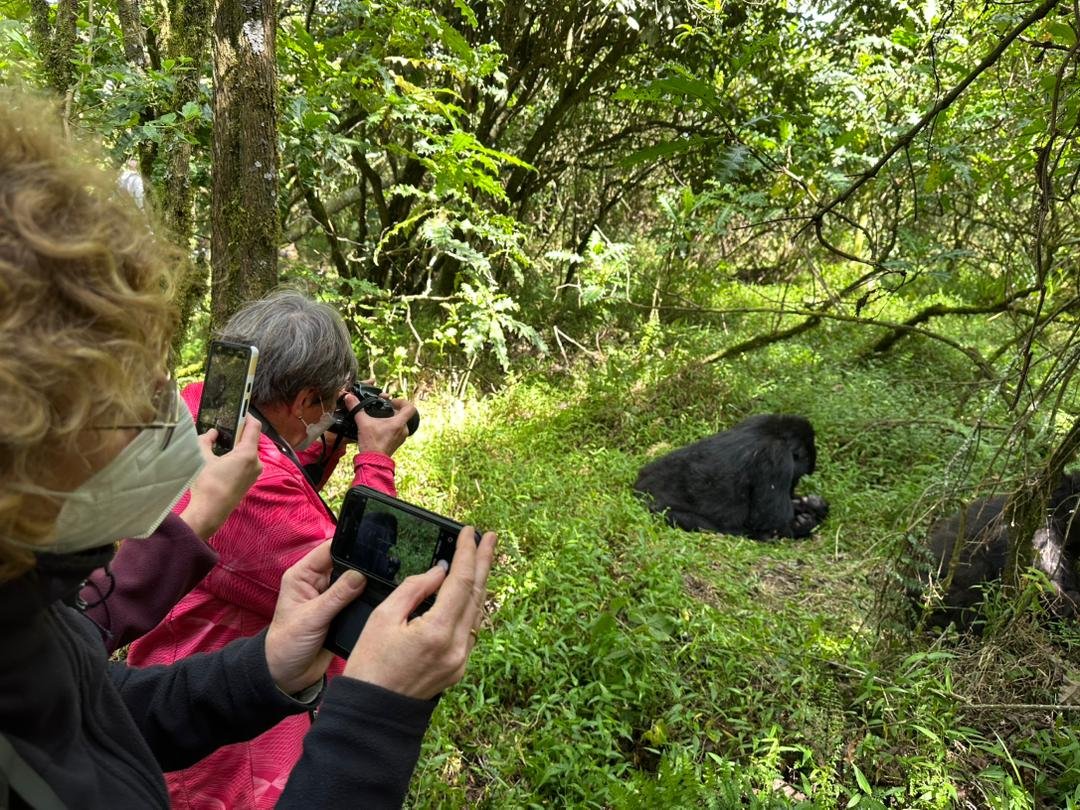
5-Day Uganda Gorilla and Chimpanzee Safari
This itinerary can be combined with a Rwanda extension or a wildlife-focused add-on through Queen Elizabeth National Park — browse our Uganda & Rwanda Safaris and Primate Safaris collections for ideas.
Tour Details →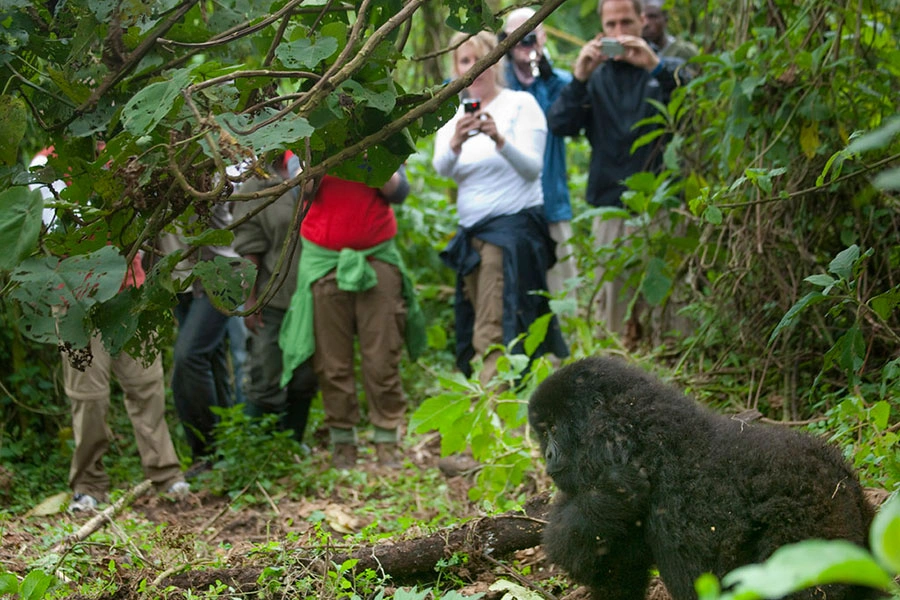
5 Days Rwanda Wildlife and Gorillas
This 5-day itinerary brings together Rwanda’s two flagship wildlife experiences: open savannah game drives and a boat safari in Akagera National Park, followed by a face-to-face encounters
Tour Details →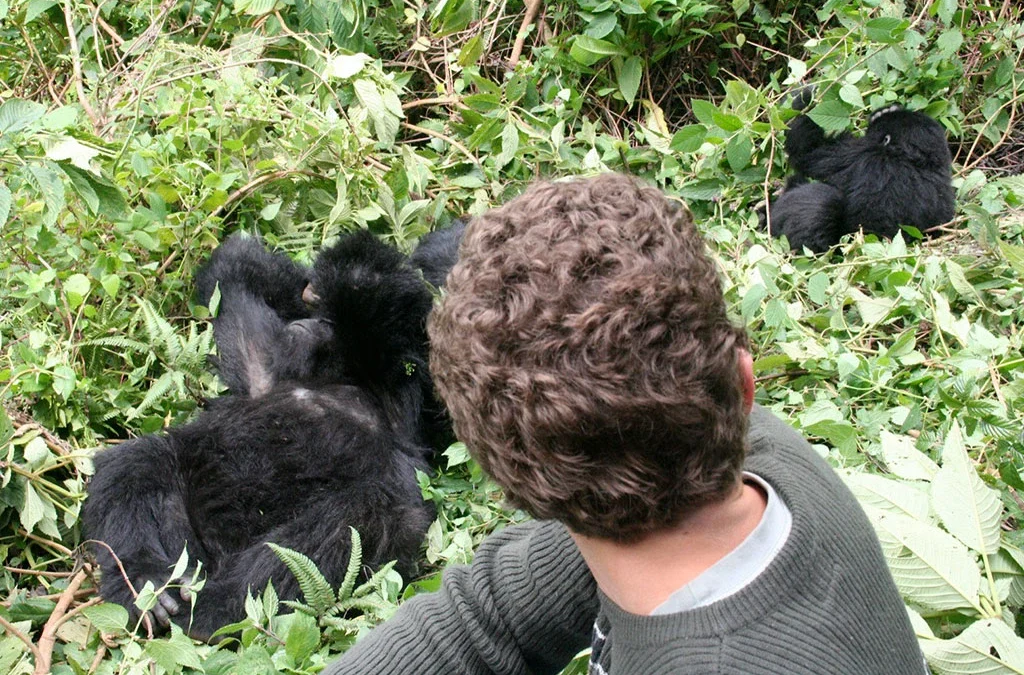
3 Days Uganda Gorilla Safari
For travelers who arrive in Entebbe with a tight schedule and a clear ambition, a 3-day gorilla safari to Bwindi Impenetrable Forest National Park is the most focused and rewarding short trip the country has to offer.
Tour Details →