- LET'S PLAN YOUR SAFARI
- +256 200 921 002
- +256 793 194 703
- info@pickandtransfersafaris.com

Combining gorilla trekking in Uganda with safari in Rwanda
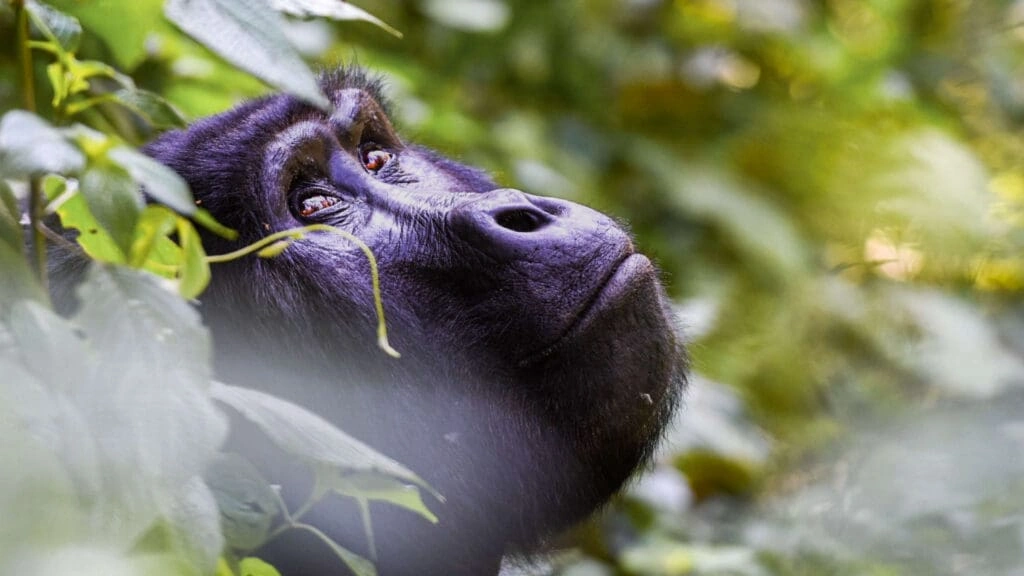
Combining gorilla trekking in Uganda with safari in Rwanda. Once you’ve decided to combine gorilla trekking in Uganda with a safari in Rwanda, the real planning question isn’t whether to do it — it’s how to sequence the days. This guide is built around that question directly: rather than a general overview, it walks through actual day-by-day sample itineraries at four different lengths, compares routing direction, breaks down where the costs fall day by day, and helps you decide which structure fits your travel style. If you’re still deciding whether to combine the two countries at all, our companion article on gorilla safari packages covers the broader case for it — this piece assumes you’re ready to plan the actual route.
Two countries, two permit systems, and one land border make this a trip where the itinerary itself does a lot of the work. Get the sequencing right and the border crossing barely registers as a speed bump between two of the best wildlife experiences on the continent; get it wrong and you end up burning entire travel days on avoidable backtracking, or worse, arriving at a trailhead with too little buffer before a fixed permit time. Everything below is built to help you avoid both problems, whether you’re piecing together a fast long-weekend extension or a full two-week regional circuit.
How to Use This Itinerary Guide
Each sample itinerary below is built around the same core logic: confirm gorilla permits first, since they’re the least flexible part of any trip, then sequence everything else — border crossing, other parks, cultural stops — around those fixed dates. The itineraries get progressively longer, so start with whichever length roughly matches the time you have, then adjust the specific days to fit your own priorities. Every itinerary here can be adapted into a custom quote through our contact page.
Treat the day-by-day breakdowns as a starting skeleton rather than a fixed script. A driver-guide building a genuinely custom quote will usually keep the permit days fixed exactly as shown, since those dates can’t move once booked, while adjusting everything around them — which lodge you sleep at, whether a transfer day includes a stop at a viewpoint or craft market, and how much buffer sits around the border crossing — to match your pace and budget. Reading through all four sample lengths before choosing one is worth the extra few minutes, since the seven and ten-day versions in particular share a lot of structural DNA and the difference between them often comes down to a single added primate or park rather than a completely different route.
What a Combined Trek Actually Feels Like
It helps to know what you’re actually signing up for before comparing itinerary lengths. Kenlink Tours’ account of what it’s like to trek gorillas in Uganda and Rwanda is a useful read here, since it describes the physical and emotional texture of the experience in both countries rather than just the logistics — the early starts, the uncertainty of not knowing how far the day’s walk will be, and the disproportionate reward of the actual encounter once you find the family. That uncertainty is worth internalizing before you build an itinerary: a trek billed as “moderate” can still run five or six hours on a difficult day, which is exactly why every sample itinerary below builds in slack around the trekking days rather than scheduling something demanding immediately afterward.
The two countries’ treks also feel noticeably different from each other, which is part of the appeal of doing both. Rwanda’s Volcanoes National Park sits at higher altitude with more open bamboo-forest approaches in places, while Uganda’s Bwindi lives up to its “impenetrable” name with denser, more tangled undergrowth and steeper terrain in several sectors. Trekkers who do both countries back to back, as every itinerary in this guide is built to do, consistently describe the contrast as part of the value of combining them rather than a redundant repeat of the same activity.
The emotional weight of the encounter itself is also worth setting expectations around before you go. Most travelers describe the actual hour spent with a habituated gorilla family as passing far too quickly relative to the hours of walking that preceded it, and it’s common for the initial reaction to be closer to stunned silence than the excited photography most people expect going in. Ranger guides on both sides of the border are well practiced at managing group behavior during the encounter — keeping noise low, managing distance, and reading the family’s mood — so travelers can focus on simply being present rather than worrying about doing something wrong.
Sample 5-Day Itinerary: Fast Gorilla Trek Plus Rwanda Highlights
This is the shortest realistic version of a genuinely combined trip, built for travelers who can’t spare more than a working week. It’s aimed squarely at travelers extending a business trip to Kigali, or anyone who has decided the two-country combination matters more than a leisurely pace and is willing to trade some downtime to fit both treks into a short window.
- Day 1: Arrive Kigali, transfer to Volcanoes National Park region, afternoon at leisure.
- Day 2: Gorilla trekking in Rwanda, similar to our 2 Days Volcanoes Gorilla Trek from Kigali structure, followed by an afternoon transfer toward the Uganda border.
- Day 3: Cross into Uganda, trek gorillas again in Mgahinga or Bwindi, following a route similar to our 2 Days Uganda Gorilla Tour starting from Kigali.
- Day 4: Rest morning near the trailhead, afternoon drive back toward Kigali.
- Day 5: Half-day in Kigali — genocide memorial and craft markets — before departure.
This structure delivers two countries and two gorilla treks in under a week, though it’s genuinely tight. Kenlink Tours’ 5-Day Uganda Gorilla and Chimpanzee Safari shows an alternative version of a five-day window that trades the second gorilla trek for chimpanzee tracking instead, which is worth considering if trekking twice in five days feels too rushed for your pace.
Two gorilla treks within four days is demanding on the body, so travelers choosing this route should go in with realistic expectations rather than assuming the second trek will feel as fresh as the first. It’s worth discussing openly with your driver-guide whether to request an easier sector for the Uganda trek specifically because it follows so closely after the Rwanda one — sector assignment on the Uganda side has some flexibility if you flag the request when booking. This itinerary also leaves essentially no room for a missed flight connection or a border delay, so travelers running this exact five-day version should build in at least a half-day of slack on either end of the trip itself, before the itinerary even starts, rather than treating arrival and departure days as fixed.
Sample 7-Day Itinerary: Primates in Both Countries
A week gives enough room to add a second primate species without sacrificing pace. It’s the natural next step up from the five-day version for travelers who read that itinerary above and decided it sounded too compressed, without yet committing to the fuller ten-day circuit.
- Day 1: Arrive Kigali, transfer to Rwanda’s Volcanoes National Park area.
- Day 2: Gorilla trekking in Rwanda; afternoon golden monkey tracking for travelers who want both primates on this side of the border.
- Day 3: Cross into Uganda via Gatuna–Katuna, transfer to Bwindi.
- Day 4: Gorilla trekking in Bwindi, similar to our 3 Days Uganda Gorilla Safari from Rwanda itinerary.
- Day 5: Transfer toward Queen Elizabeth National Park for an afternoon game drive.
- Day 6: Kazinga Channel boat cruise, transfer toward Kibale Forest.
- Day 7: Chimpanzee tracking in Kibale, return transfer or onward flight.
Kenlink Tours runs a similarly structured route with its own 7-Day Uganda Gorillas, Chimps and Golden Monkeys Safari, which sequences chimp tracking and Queen Elizabeth earlier and finishes with gorillas and golden monkeys — a useful alternative order if you’d rather build up to the gorilla trek gradually instead of front-loading it.
Adding golden monkey tracking on Day 2 is one of the easier upgrades to slot into a Rwanda-first itinerary, since the golden monkey habitat sits close to the same Volcanoes National Park lodges used for gorilla trekking, meaning no extra driving is needed to fit it in. The trade-off with a seven-day version compared to the five-day one above is mainly in the middle of the trip — an extra day spent on Queen Elizabeth’s game drives and the Kazinga Channel cruise rather than heading straight to the border, which gives the itinerary a genuine savannah component instead of being purely primate-focused. Travelers who found the five-day version above too rushed but don’t have a full ten days available tend to find this seven-day structure the better fit.
Sample 10-Day Itinerary: The Complete Uganda-Rwanda Circuit
Ten days is the sweet spot for most travelers — enough time for both countries’ headline attractions without the trip feeling rushed.
- Days 1–2: Arrive Kigali, city tour, transfer to Volcanoes National Park, gorilla trekking.
- Day 3: Golden monkey tracking or a Twin Lakes canoe excursion in Rwanda; transfer toward the Uganda border.
- Day 4: Cross into Uganda, trek gorillas in Bwindi or Mgahinga.
- Day 5: Rest and transfer day toward Queen Elizabeth National Park.
- Day 6: Game drive and Kazinga Channel boat cruise.
- Day 7: Transfer to Kibale Forest, afternoon at leisure.
- Day 8: Chimpanzee tracking in Kibale.
- Day 9: Transfer back toward Kigali or Entebbe, depending on your flight routing.
- Day 10: Departure.
This matches closely with our own 10 Days Uganda Rwanda Safari package, which is built specifically around this exact balance of both countries’ primate and savannah highlights.
Ten days is long enough to absorb a genuine setback — a delayed flight, a slow border crossing, a rained-out game drive — without the entire itinerary unraveling, which is the main reason it’s the length most repeat travelers to this region end up recommending to friends planning their first trip. It also allows for a more relaxed daily rhythm than the shorter versions above: mornings dedicated to the day’s main activity, afternoons genuinely free for lodge downtime, a pool, or a shorter optional add-on rather than another multi-hour transfer. Splitting the ten days roughly in half between Rwanda and Uganda, as the structure above does, also tends to produce better cost balance than front-loading one country, since it spreads the higher Rwanda-side accommodation costs alongside Uganda’s typically lower-cost days rather than concentrating either one.
Sample 14+ Day Itinerary: The Extended Regional Safari
Travelers with two weeks or more can add considerably more depth on both sides of the border rather than just moving faster through the same stops.
- Days 1–3: Kigali arrival, Volcanoes National Park gorilla trekking and golden monkeys, plus an added day at Nyungwe Forest National Park for a canopy walk and chimpanzee tracking.
- Days 4–5: Transfer to Akagera National Park for savannah game drives and a boat cruise, adding Big Five wildlife viewing to the primate-heavy start of the trip.
- Days 6–7: Cross into Uganda, gorilla trekking in Bwindi, rest day.
- Days 8–9: Queen Elizabeth National Park — game drives, boat cruise, and the Ishasha tree-climbing lions sector.
- Days 10–11: Kibale Forest chimpanzee tracking and a swamp walk.
- Days 12–13: Transfer toward Murchison Falls National Park for a final wildlife-viewing leg, or extend south toward Lake Bunyonyi for a slower, more restorative finish instead.
- Day 14: Return transfer and departure.
Our 15 Days Rwanda Uganda Safari and, for travelers who want a third country added in, the 20 Days Uganda Rwanda Burundi Combo Safari both extend this structure further. On the Kenlink Tours side, comparable extended options include the 20 Days Ultimate Uganda Safari and the 18-Day Adventure to Africa tailored safari, both useful references for how a longer regional circuit can be paced.
The extra week or more available in this structure also opens up destinations that don’t fit into the shorter itineraries at all, most notably Murchison Falls in Uganda’s far north or a proper multi-night stay at Lake Bunyonyi rather than a single overnight. Because this length gives so much more flexibility, it’s also the version most worth discussing directly with a driver-guide rather than following exactly as written — priorities like dedicated birding time, a cultural homestead visit, or an extra rest day are all easier to add into a fourteen-plus day frame without the entire itinerary feeling compressed as a result.
Which Direction to Travel: Uganda-First or Rwanda-First?
Every itinerary above can be run in either direction, and the choice mostly comes down to your flight routing and which permit dates you can confirm first. Starting in Rwanda and finishing in Uganda front-loads the trip with Rwanda’s shorter, more convenient transfers while you’re still fresh, then eases into Uganda’s longer drives and larger park network once you’ve settled into the trip’s rhythm. Starting in Uganda instead front-loads the lower-cost permit and larger habituated gorilla population, saving Rwanda’s more compact, curated experience as a shorter, easier finale.
There’s no universally correct answer here — it genuinely depends on which airport your international flight uses and which country’s permit becomes available first when you book. What matters more is picking a direction and sticking to it rather than looping back to your starting city, which wastes a half-day or more of driving that could otherwise be spent at a destination.
Flight routing tends to settle the direction question for a lot of travelers before cost or pacing even enters the conversation. Arriving into Kigali makes a Rwanda-first route the more natural fit, since it avoids an immediate long transfer before your first activity, while arriving into Entebbe favors starting in Uganda for the same reason. Travelers flying into one city and out of the other — increasingly common on this route — should treat that as settled and build everything else around it, since fighting against your own flight routing to force a particular direction rarely saves enough time to be worth the added complexity.
Seasonality can tip the decision too, though more subtly than flight routing does. During the busiest trekking months, permit availability on a specific date can be tighter in one country than the other, and travelers with fixed vacation dates sometimes find it easier to secure their preferred park and sector by booking whichever country has better availability first, then building the direction of travel around that confirmed date rather than the other way around. This is one of the reasons booking permits early matters even more on a combined itinerary than on a single-country trip — the itinerary’s entire shape can shift depending on which permit comes through first.
Day-by-Day Cost Breakdown: What Each Leg Actually Costs
Understanding where the money in a combined itinerary actually goes makes it much easier to compare quotes fairly, and it also makes it far easier to spot where a cheaper-looking quote might be cutting corners rather than genuinely saving money. Broadly, costs break down as follows across a typical combined trip:
- Gorilla permits: The single largest line item, with Uganda’s permits priced notably lower than Rwanda’s — expect Rwanda days to cost meaningfully more per day than equivalent Uganda days for this reason alone.
- Ground transport: A private 4×4 with driver-guide for the full route, typically priced per vehicle-day rather than per person, which makes group travel considerably more cost-efficient than solo travel.
- Accommodation: Uganda offers a wider spread of budget-to-luxury options; Rwanda’s lodge market around Volcanoes National Park skews toward mid-range and above.
- Park entry and activity fees: Game drives, boat cruises, and golden monkey permits add up separately from the core gorilla permit cost.
- Flights or the border transfer itself: Whether you fly between regions or drive the full route affects both cost and how many travel days you lose to transit.
- Guiding and staff fees: Driver-guide fees, ranger tips, and porter fees are usually separate from the headline package price and worth budgeting for explicitly rather than treating as an afterthought.
Requesting an itemized quote broken down this way — rather than a single lump sum — is the clearest way to see exactly where a longer or shorter itinerary adds or saves cost. It’s also worth asking directly whether a quote is priced per person for a group departure or as a fixed vehicle cost for a private trip, since the two aren’t directly comparable at face value: a private quote that looks higher per person on paper can work out cheaper for a family or group of four once split, while a solo traveler will almost always find a scheduled group departure the more economical route into the same itinerary.
Currency exposure is a smaller but genuinely practical detail worth planning around too. Rwanda-side costs are typically settled in Rwandan francs or US dollars depending on the operator, while Uganda-side costs run in Ugandan shillings or dollars, and exchange rates on both sides of the border can differ meaningfully from what you’d get at a bank at home. Carrying a modest cash buffer in clean, recent-series US dollar notes for incidentals on both sides of the border — tips, small purchases, the occasional cash-only stop — saves the hassle of hunting for an ATM mid-itinerary, particularly in Kidepo-adjacent or rural stretches where card acceptance is inconsistent.
Building Buffer Days Around the Border Crossing
Every sample itinerary above includes at least a partial buffer around the border crossing itself, and this is deliberate. Gatuna–Katuna processing usually takes thirty minutes to an hour, but occasional delays happen, and a gorilla trekking permit tied to a specific date and time doesn’t wait for a slow border queue. Building a same-day arrival with a few hours of slack before your next scheduled activity — rather than a border crossing immediately followed by a tightly timed trek — is one of the simplest ways to protect an otherwise well-planned itinerary from a single bad morning at immigration.
The same buffer logic applies to internal road transfers once you’re already in Uganda, not just the international border itself. Kenlink Tours’ guide on driving from Bwindi to Mgahinga Gorilla National Park is a useful reference here, since it lays out just how variable road conditions and drive times can be between the two parks depending on which sector you’re routed through. The same caution applies to the Uganda side of the border crossing itself: the road between the Gatuna–Katuna crossing and Bwindi or Mgahinga is scenic but winding, and treating the posted drive time as a floor rather than a guarantee — especially after rain — keeps a tightly scheduled itinerary from unraveling over what should be a routine transfer.
Group Tours vs. Private Custom Itineraries
Every itinerary in this guide can be booked either as a private, fully customized trip or joined as part of a scheduled group departure. Group tours, such as Kenlink Tours’ scheduled departure safaris and its broader group tours listings, offer meaningfully lower per-person pricing since vehicle and guide costs are split across more travelers, and fixed departure dates can simplify planning for travelers happy to fit their trip around an existing schedule rather than choosing their own dates.
Private itineraries, by contrast, offer full control over pacing, which sectors you trek in, and how much time is spent at each stop — genuinely valuable for travelers who want to build a trip around specific priorities like photography, birding, or a particular fitness level. For most travelers weighing the two, budget and flexibility are the deciding factors: a group departure suits a traveler happy to follow a fixed, well-tested route, while a private itinerary suits one who wants the day-by-day structures above adjusted to their own preferences.
There’s also a middle option worth knowing about: some operators will combine travelers from different bookings into a single vehicle for cost-sharing purposes while still keeping the itinerary flexible on non-fixed days, effectively splitting the difference between a rigid group departure and a fully private trip. This is worth asking about directly if a private quote is stretching your budget but a fixed group departure date doesn’t line up with your travel window — it isn’t always offered, but where it is, it can bring private-itinerary flexibility within reach of a smaller group’s budget.
One practical detail that catches first-time travelers off guard on group departures specifically: because gorilla permits are allocated per person per date rather than per booking, a group tour’s fixed departure date is effectively locked in the moment enough travelers have registered to fill the vehicle, and late changes to your own travel dates become far harder to accommodate than on a private trip. If your own dates carry any real uncertainty — a flexible work schedule, a connecting trip elsewhere in the region that hasn’t been finalized yet — a private itinerary is usually the safer choice specifically because of this inflexibility on the group side, even if it costs somewhat more per person.
Packing Checklist by Itinerary Stage
Because a combined itinerary moves through several distinct environments, it helps to think about packing in stages rather than as one generic list.
- Gorilla trekking days (both countries): Waterproof hiking boots, gardening-style gloves, long trousers tucked into socks, a light rain jacket, and a daypack for a porter to carry.
- Savannah days (Queen Elizabeth, Akagera, Murchison Falls): Neutral-colored clothing, sun protection, and binoculars for game drives and boat cruises.
- Kigali and cultural stops: One smarter outfit for dinners or a memorial site visit, and comfortable walking shoes for craft markets.
- Every day: A universal power adapter, a printed and digital copy of your visa approval and yellow fever certificate, and a small amount of both Ugandan shillings and Rwandan francs for incidental purchases at the border.
Packing light matters more on this route than on a single-country safari, since you’ll be repacking a duffel bag repeatedly across border crossings and internal transfers rather than living out of one hotel room for the whole trip. A soft-sided duffel rather than a hard-shell suitcase is worth the switch if you don’t already travel with one, since it compresses more easily into a 4×4’s storage space and is considerably easier to keep dry during an unexpected downpour on a trekking day. Laundry service is widely available at lodges on both sides of the border, which means packing for roughly five to seven days of activity and washing along the way is realistic even on the fourteen-plus day itinerary, rather than needing to pack for the trip’s full duration.
Weight limits are also worth checking in advance if any leg of your itinerary includes a domestic flight rather than a full road transfer — small aircraft serving airstrips like Kihihi near Bwindi or Kisoro near Mgahinga often enforce stricter baggage allowances than international carriers, sometimes as low as fifteen kilograms including hand luggage. Confirming this with your operator before you pack, rather than discovering it at a small airstrip check-in counter, avoids an awkward last-minute repack.
Choosing the Right Itinerary Length for Your Travel Style
If you have a genuinely fixed, short window — a long weekend extension onto a Kigali business trip, for example — the 5-day structure above is the realistic ceiling; don’t try to compress a 10-day itinerary into fewer days, since the trekking and border-crossing logistics simply won’t allow it without excessive rushing. If you’re planning your first visit to the region and want a well-rounded introduction, the 7 or 10-day structures hit the best balance of pace and coverage. Extended 14-day-plus circuits suit repeat visitors, dedicated wildlife enthusiasts, or travelers combining this trip with a broader African journey who want genuine depth rather than a highlights-only pass through each park.
Whichever length you choose, our full range of extended safari packages and wildlife safari packages can be adjusted to match any of the day-by-day structures above, and Kenlink Tours’ broader safari offerings and company background are worth a look for travelers comparing operators before booking.
It’s also worth being honest with yourself about travel fatigue when choosing a length, separate from budget or vacation days available. A traveler who finds long car journeys draining will get more genuine enjoyment out of a well-paced ten-day itinerary than a rushed five-day one, even if the shorter trip is technically more time-efficient on paper. Conversely, a traveler energized by covering new ground quickly may find a slower fourteen-day circuit feels padded rather than relaxing. Matching the itinerary to your own travel temperament, not just your calendar, tends to produce the trip you’ll actually remember fondly rather than one you were simply glad to finish.
Frequently Asked Questions About Combining a Uganda-Rwanda Itinerary
What’s the minimum realistic number of days for this trip?
Four to five days is the practical minimum for a trip that includes gorilla trekking in both countries; anything shorter risks an unworkably tight schedule around the border crossing and permit timing.
Can I skip a day between the Rwanda trek and the Uganda trek?
Yes, and it’s often a good idea. A rest or transfer day between treks reduces fatigue and gives you a buffer against border delays before your second permit date.
Do the sample itineraries above include flights?
Not by default — most are built around road transfers between Rwanda and Uganda, though any of them can be adjusted to include a domestic flight for travelers who want to save time on the longer legs.
Is a 5-day itinerary too rushed to enjoy properly?
It’s genuinely fast-paced, best suited to travelers with limited time rather than those seeking a relaxed trip. A 7 or 10-day version delivers a noticeably more comfortable pace for the same core experience.
Can these itineraries be adjusted to add more rest days?
Yes — every sample itinerary here is a starting structure, not a fixed template, and can be extended with additional rest days at Lake Bunyonyi, Kigali, or any lodge along the route.
Should I book a group tour or a private itinerary for my first trip?
Either works well for a first trip; a group departure is more budget-friendly, while a private itinerary offers more control over pacing and sector selection if budget allows.
Do I need separate visas for Uganda and Rwanda?
Yes, each country requires its own entry permission, though both offer efficient online application systems, and East Africa’s joint tourist visa can also cover both countries plus Kenya on a single application for travelers who qualify.
How far in advance should I book gorilla permits for a combined trip?
Three to six months ahead is a safe target for either country, and longer for peak-season travel in June through September or December through February, since permits for both parks sell out well before travel dates during those months.
Can children join a combined Uganda-Rwanda gorilla itinerary?
Both countries set a minimum trekking age of fifteen for gorilla permits, so younger children can join the savannah, cultural, and transfer days but won’t be able to trek; some operators offer supervised activities at the lodge during trekking hours for non-trekking family members.
Final Thoughts: Building Your Own Uganda-Rwanda Itinerary
The sample itineraries above are starting points, not fixed scripts — the real value in planning a combined Uganda-Rwanda trip is understanding the underlying logic: confirm permits first, sequence the border crossing with a buffer, and match the itinerary length to how much time and pace you actually want rather than cramming as much as possible into the shortest trip available.
Whichever length and direction you land on, the two countries reward the effort of combining them in a way that trekking either one alone doesn’t quite match — Uganda’s larger, wilder park network paired with Rwanda’s polished, efficient infrastructure gives a genuinely rounded regional experience rather than two disconnected trips stitched together. The itineraries above are deliberately built as adjustable frameworks rather than rigid packages precisely so that your own priorities, whatever they are, can shape the final route.
Ready to turn one of these sample itineraries into a real booking? Explore our gorilla safari packages, browse Uganda and Rwanda destinations, or get in touch for a custom day-by-day itinerary built around your travel dates.
7 Days Uganda Safari – One week tour
This 7-day itinerary is the classic one-week introduction to Uganda, covering the country’s three most iconic wildlife experiences: chimpanzee tracking in Kibale Forest National Park, Big Five game drives and a boat cruise in Queen
Tour Details →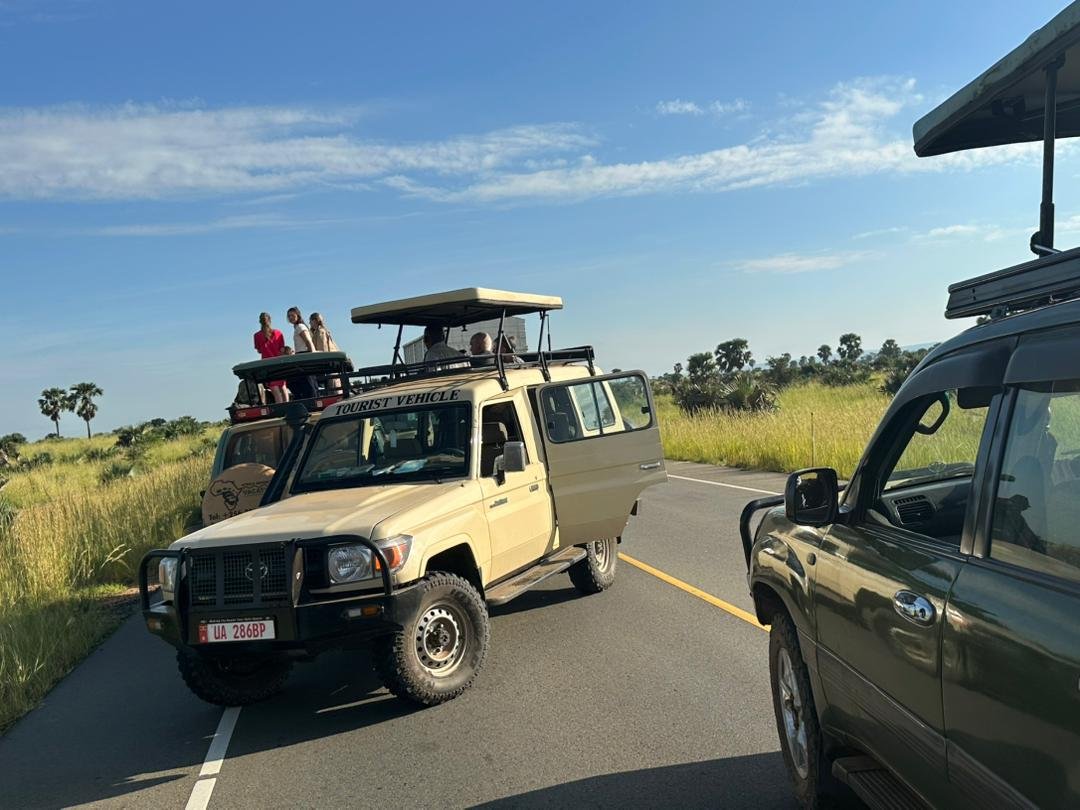
10 Days Uganda Primates and Wildlife
This 10-day Uganda Grand Safari is the most complete Uganda itinerary we offer at Pick and Transfer Safaris. It begins with a scenic northward drive from Entebbe to the vast open plains of Murchison
Tour Details →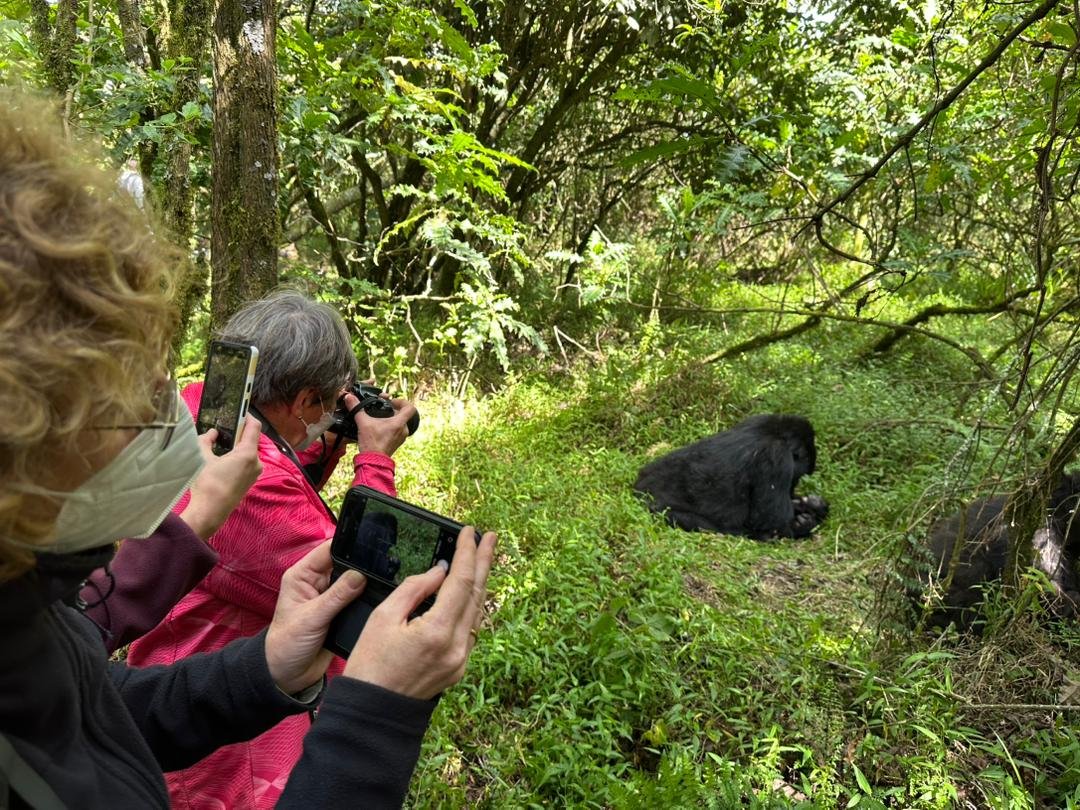
2 Days Uganda Gorilla Tour Starting from Kigali
This is the gentler cousin of our 1-Day Uganda Gorilla Safari Starting from Kigali — same idea, twice the breathing room. Instead of squeezing a 3,000-metre forest trek and two border crossings into a single very long day
Tour Details →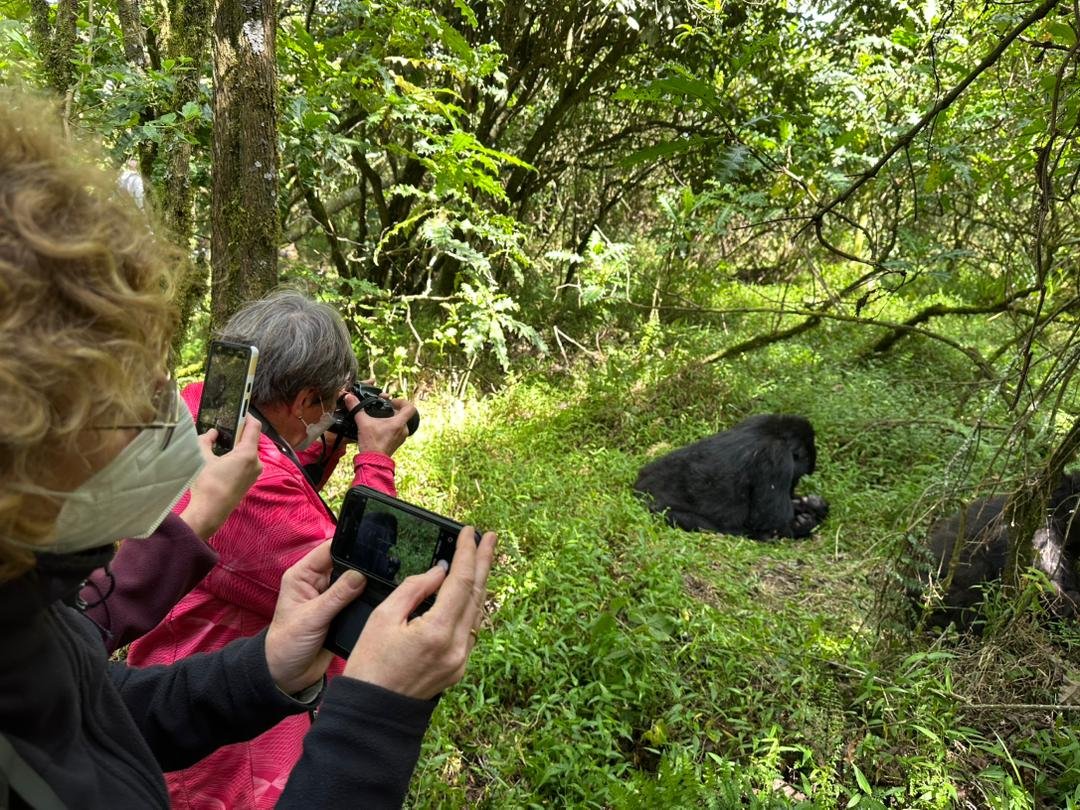
5-Day Uganda Gorilla and Chimpanzee Safari
This itinerary can be combined with a Rwanda extension or a wildlife-focused add-on through Queen Elizabeth National Park — browse our Uganda & Rwanda Safaris and Primate Safaris collections for ideas.
Tour Details →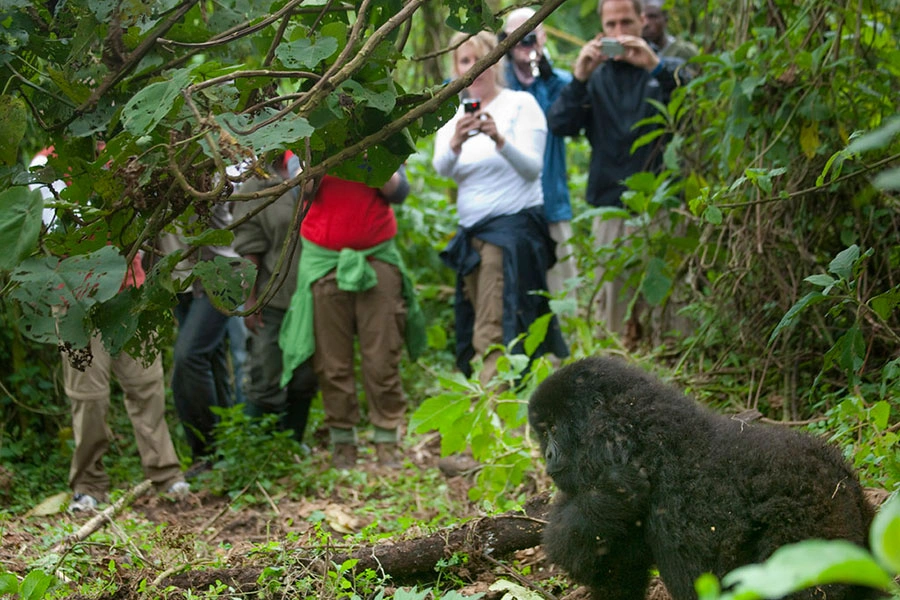
5 Days Rwanda Wildlife and Gorillas
This 5-day itinerary brings together Rwanda’s two flagship wildlife experiences: open savannah game drives and a boat safari in Akagera National Park, followed by a face-to-face encounters
Tour Details →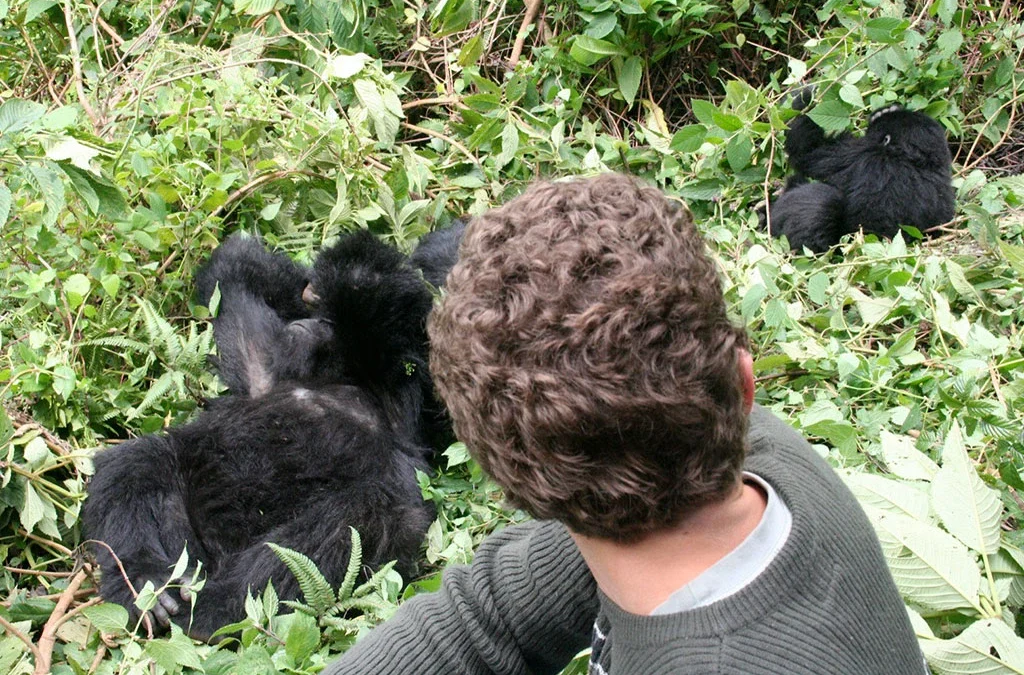
3 Days Uganda Gorilla Safari
For travelers who arrive in Entebbe with a tight schedule and a clear ambition, a 3-day gorilla safari to Bwindi Impenetrable Forest National Park is the most focused and rewarding short trip the country has to offer.
Tour Details →