- LET'S PLAN YOUR SAFARI
- +256 200 921 002
- +256 793 194 703
- info@pickandtransfersafaris.com

Combining Kenya And Tanzania Safari
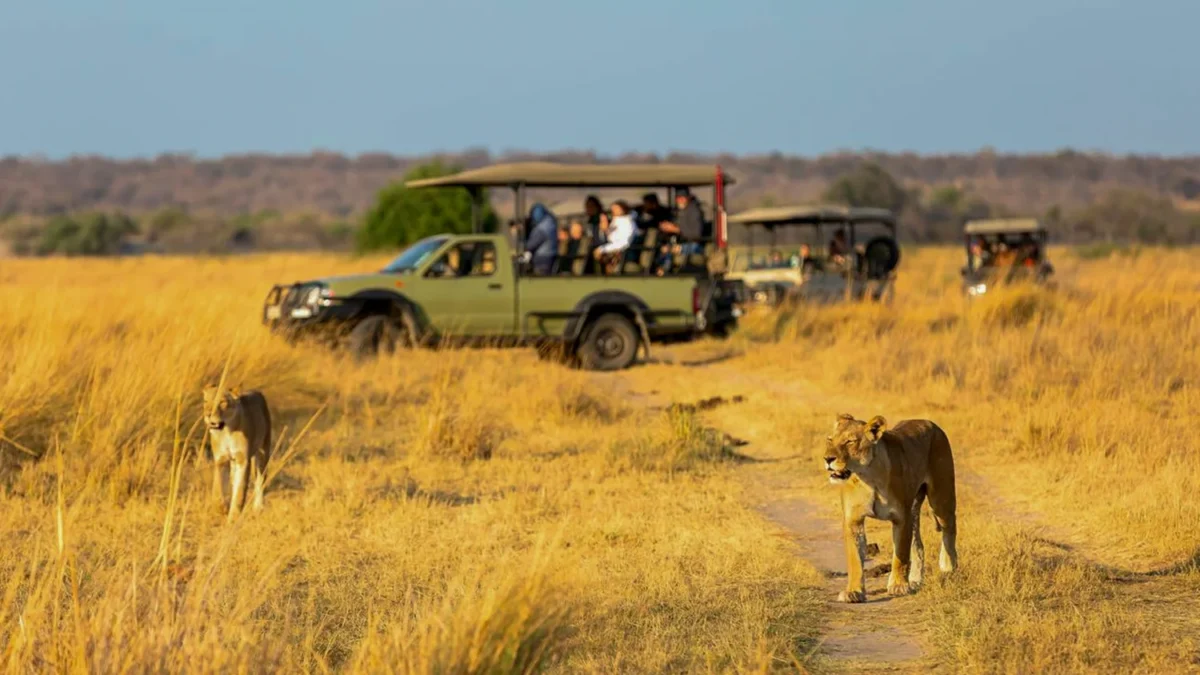
Combining Kenya And Tanzania Safari. Kenya and Tanzania sit side by side on the map, share the same Great Migration herds, and are connected by a border crossing that takes less time than a coffee break in Nairobi traffic. If you’re planning a safari to East Africa, combining the two countries into one trip is one of the smartest moves you can make — and if you have a little extra time, extending that same trip into Uganda or Rwanda for gorilla trekking turns a great safari into the trip of a lifetime.
This guide walks through why a Kenya-Tanzania combination works so well, how the logistics actually play out on the ground, what a realistic itinerary looks like, and how travelers are increasingly using Pick and Transfer Safaris to link that classic savannah experience with the primate encounters found only in Uganda and Rwanda.
Why Combine Kenya and Tanzania on One Safari
Kenya’s Maasai Mara and Tanzania’s Serengeti are, ecologically speaking, the same ecosystem cut in half by a national border. The wildebeest, zebra, and gazelle herds that make up the Great Migration cross back and forth between the two countries depending on rainfall and grass growth, which means the “best” park on any given month genuinely depends on where the animals happen to be standing. Travelers who only book one country often find out too late that the migration was on the other side of the line.
Combining both countries also gives you access to landscapes and experiences that don’t overlap. Tanzania offers the Ngorongoro Crater’s dense wildlife concentration and the beach escape of Zanzibar; Kenya offers Amboseli’s iconic Kilimanjaro backdrop, Lake Nakuru’s flamingos, and generally shorter domestic transfer times between parks. Seeing both in one trip, rather than two separate vacations years apart, is more efficient with both your money and your vacation days.
Uganda Rwanda Safaris
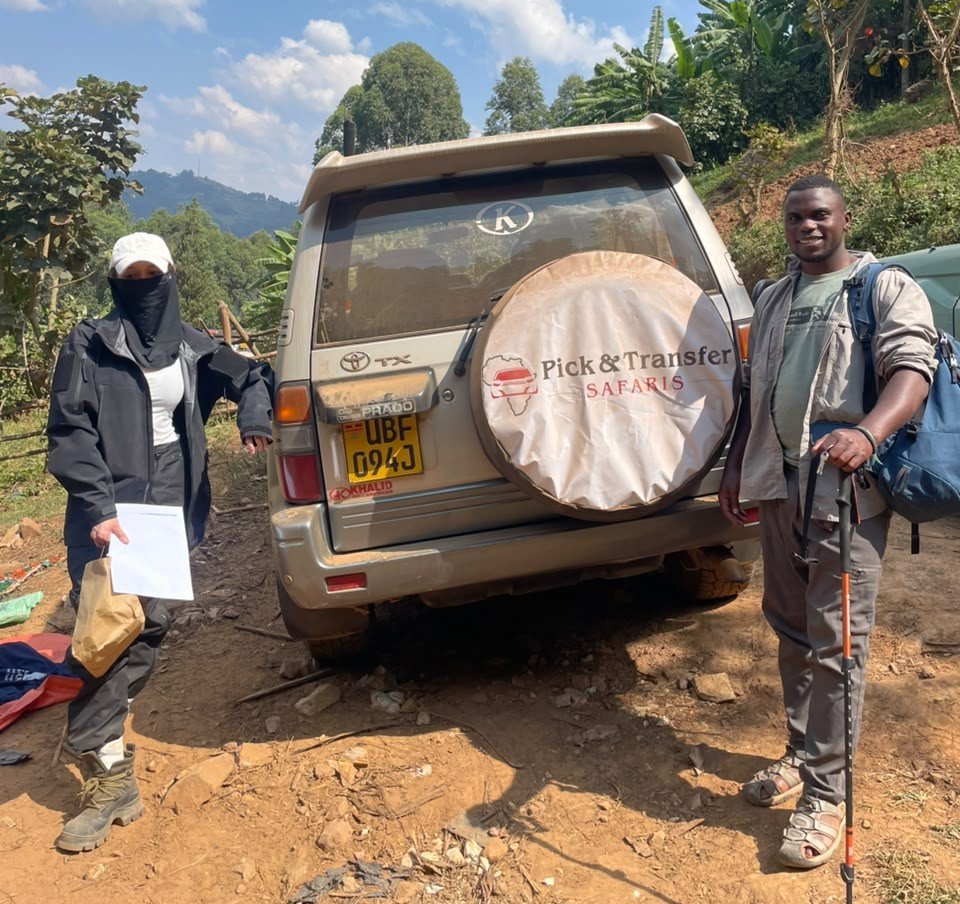
7 Days Uganda Safari – One week tour
This 7-day itinerary is the classic one-week introduction to Uganda, covering the country’s three most iconic wildlife experiences: chimpanzee tracking in Kibale Forest National Park, Big Five game drives and a boat cruise in Queen
Tour Details →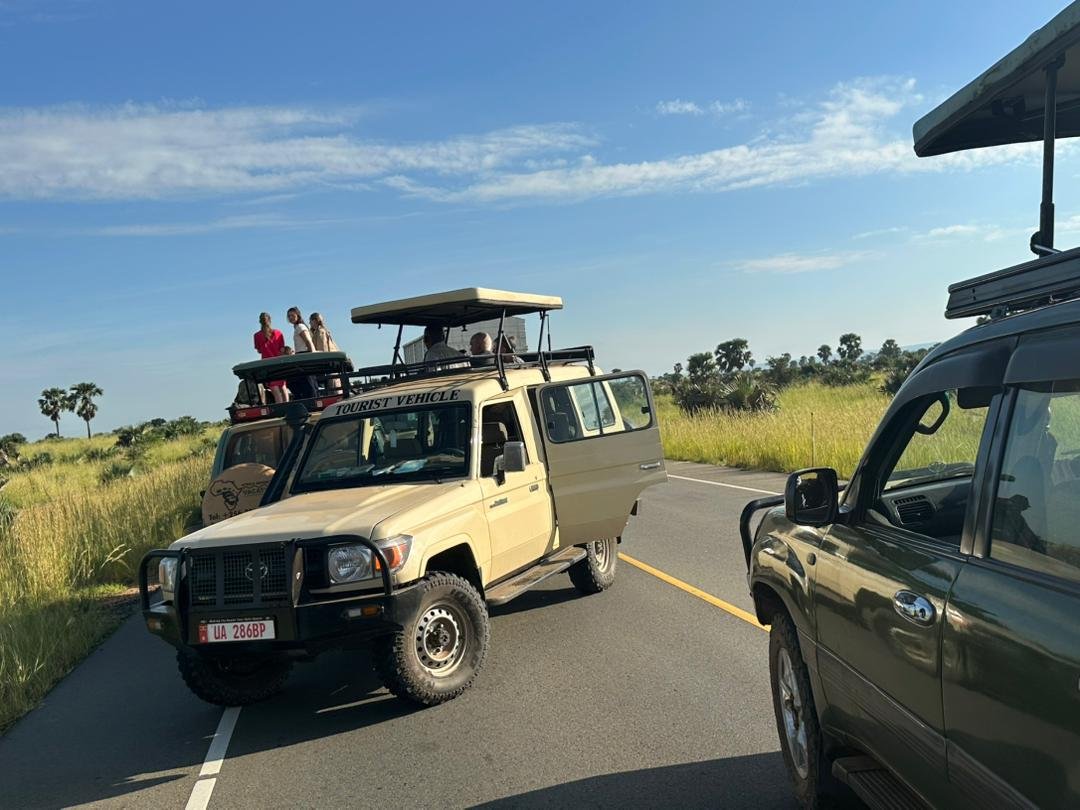
10 Days Uganda Primates and Wildlife
This 10-day Uganda Grand Safari is the most complete Uganda itinerary we offer at Pick and Transfer Safaris. It begins with a scenic northward drive from Entebbe to the vast open plains of Murchison
Tour Details →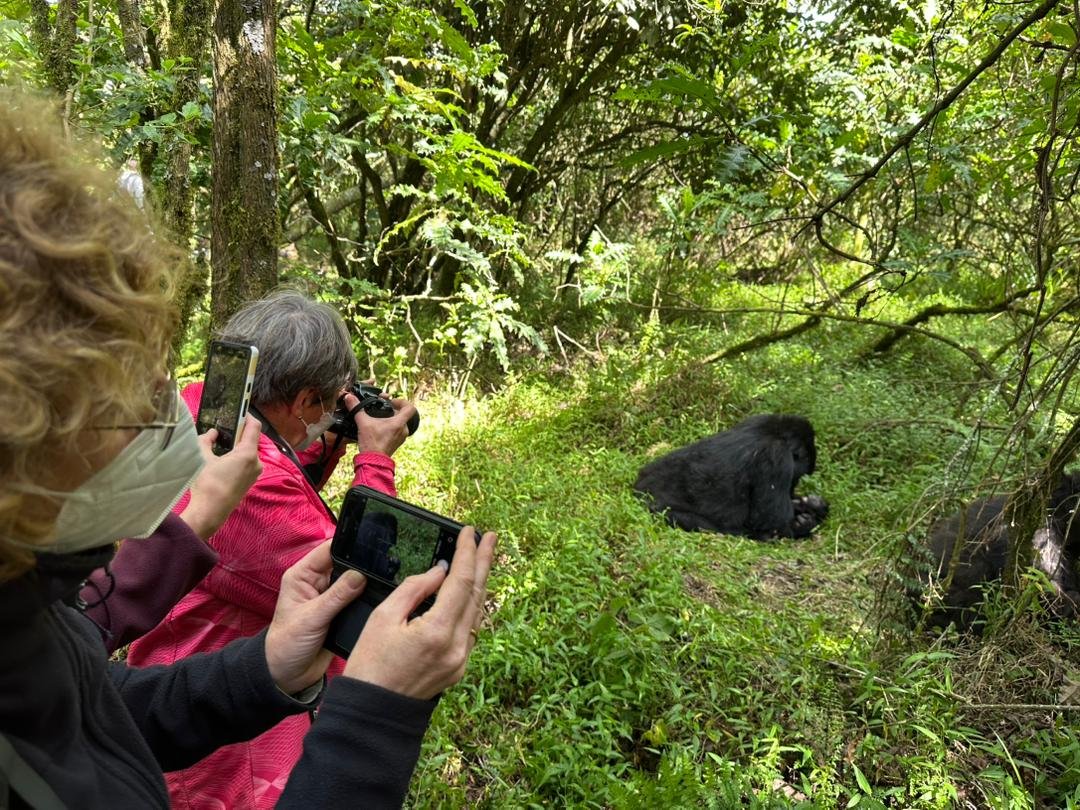
2 Days Uganda Gorilla Tour Starting from Kigali
This is the gentler cousin of our 1-Day Uganda Gorilla Safari Starting from Kigali — same idea, twice the breathing room. Instead of squeezing a 3,000-metre forest trek and two border crossings into a single very long day
Tour Details →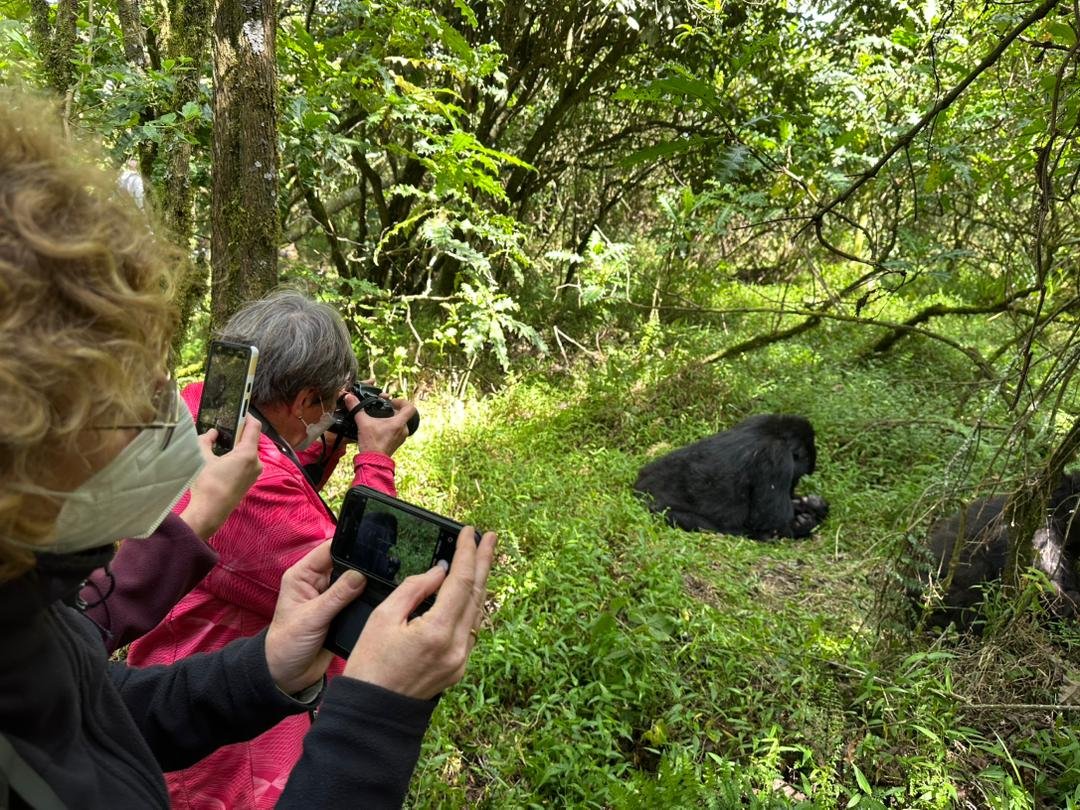
5-Day Uganda Gorilla and Chimpanzee Safari
This itinerary can be combined with a Rwanda extension or a wildlife-focused add-on through Queen Elizabeth National Park — browse our Uganda & Rwanda Safaris and Primate Safaris collections for ideas.
Tour Details →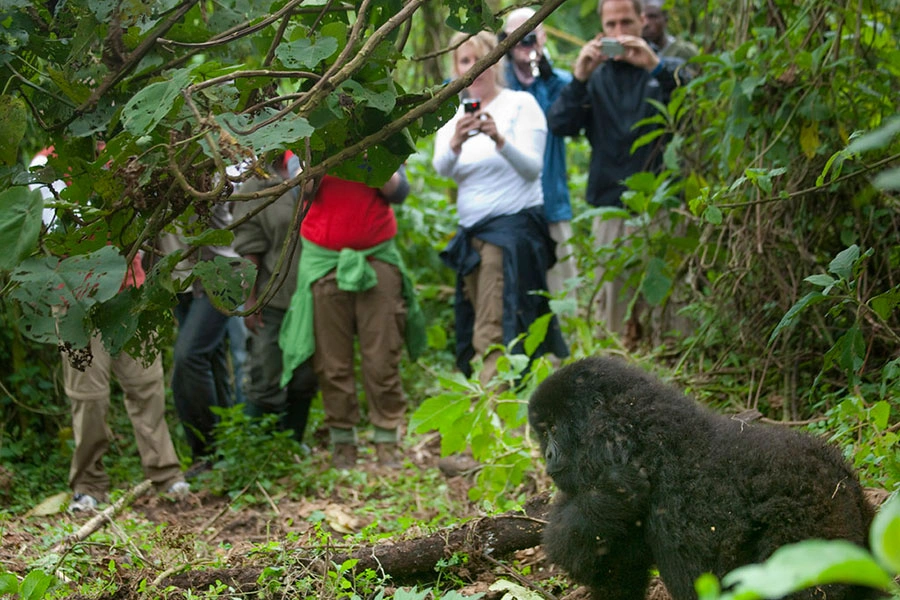
5 Days Rwanda Wildlife and Gorillas
This 5-day itinerary brings together Rwanda’s two flagship wildlife experiences: open savannah game drives and a boat safari in Akagera National Park, followed by a face-to-face encounters
Tour Details →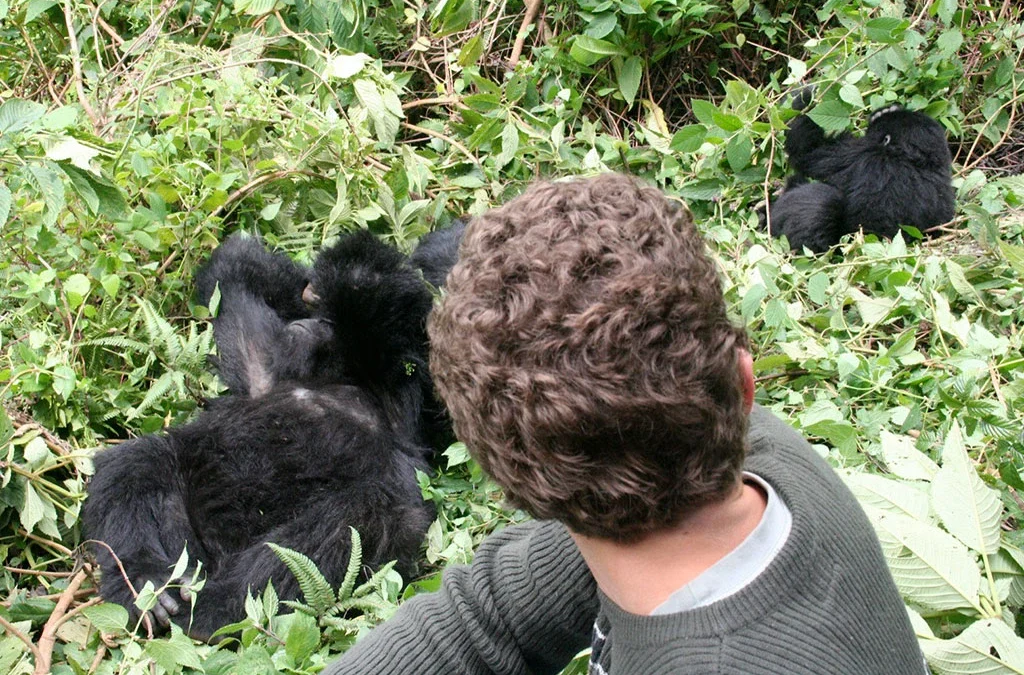
3 Days Uganda Gorilla Safari
For travelers who arrive in Entebbe with a tight schedule and a clear ambition, a 3-day gorilla safari to Bwindi Impenetrable Forest National Park is the most focused and rewarding short trip the country has to offer.
Tour Details →The Classic Route: Nairobi to Arusha
Most Kenya-Tanzania combination trips start in Nairobi, move through the Maasai Mara, then cross overland or fly to Arusha, Tanzania’s northern safari hub, before continuing into the Serengeti and Ngorongoro Crater. The overland border crossing at Namanga is straightforward for most nationalities, typically taking 30 to 90 minutes depending on how busy the post is, and many tour operators build a half-day buffer around it to avoid rushing.
Alternatively, travelers short on time fly directly between Nairobi’s Wilson Airport and Arusha or the Serengeti’s airstrips, cutting a full day of road travel down to under two hours. Which option makes more sense depends on your total trip length — road crossings let you see more countryside and stop at cultural sites along the way, while flights maximize time actually spent in the parks.
Kenya’s Maasai Mara: The Migration’s Northern Stage
The Maasai Mara is Kenya’s flagship reserve and, for many first-time safari travelers, the single park that defines what an African safari looks like: open grassland, dramatic river crossings, and predator density that’s hard to match anywhere else on the continent. Between roughly July and October, the Mara hosts the northern leg of the Great Migration, when over a million wildebeest attempt the Mara River crossings that have become iconic in wildlife documentaries.
Outside migration season, the Mara still delivers strong game viewing year-round thanks to its resident lion prides, leopard population, and healthy numbers of elephant, giraffe, and buffalo. Travelers wanting a broader look at Kenya’s landscapes sometimes pair the Mara with Amboseli National Park for Kilimanjaro views, though a focused Mara-Serengeti combination keeps the logistics simpler for a first trip.
Tanzania’s Serengeti: Endless Plains, Year-Round Game
The Serengeti’s name literally translates to “endless plains” in the Maa language, and it’s an apt description for a park that stretches across roughly 14,750 square kilometers of northern Tanzania. Unlike the Mara, which is a comparatively compact reserve, the Serengeti is large enough that different sectors shine at different times of year, with the wildebeest herds moving through the southern plains for calving season around January to March before migrating north toward the Mara River by mid-year.
Because the Serengeti and the Mara are the same migratory system, planning which park to prioritize really comes down to timing. Travelers visiting between November and June generally find the action concentrated in Tanzania’s Serengeti and Ndutu plains, while July through October tends to favor Kenya’s Mara.
Ngorongoro Crater: Africa’s Wildlife Amphitheater
No Kenya-Tanzania combination is complete without a stop at the Ngorongoro Crater, a collapsed volcanic caldera that traps an extraordinarily dense concentration of wildlife within its 260-square-kilometer floor. Because the crater walls prevent large-scale migration in and out, resident populations of lion, elephant, buffalo, hippo, and one of Tanzania’s last free-ranging black rhino populations remain visible almost year-round, making it one of the most reliable single-day game drives anywhere in Africa.
Most itineraries slot the crater in either right before or right after the Serengeti, using the Ngorongoro Conservation Area’s lodges as a scenic overnight stop along the route between Arusha and the Serengeti’s central Seronera area.
How Many Days You Actually Need
A Kenya-Tanzania combination that does both countries justice typically runs 9 to 12 days: 3 to 4 days in the Maasai Mara, a travel day for the border crossing or flight, 1 day at Ngorongoro Crater, and 3 to 4 days in the Serengeti. Shorter 7-day versions are possible by tightening the Mara portion and flying rather than driving between countries, though this comes at the cost of some flexibility if weather delays a flight.
Travelers with two weeks or more often add a beach extension to Zanzibar at the end of the safari portion, using the island’s white-sand coastline as a decompression stop after several days of early morning game drives.
Best Time of Year to Combine Kenya and Tanzania
June through October is the most popular window, coinciding with Kenya’s dry season, the Mara River crossings, and generally reliable game viewing across both countries. This is also peak season, meaning higher lodge rates and more vehicles at popular sightings.
The shoulder months of January to March offer a quieter, often better-value alternative, particularly for travelers prioritizing Tanzania’s southern Serengeti and Ndutu plains, where the wildebeest calving season draws enormous predator activity. April and May bring Tanzania’s long rains, which reduce visibility in some areas but also mean lower prices and fewer crowds for travelers who don’t mind the occasional afternoon downpour.
Sample 10-Day Kenya-Tanzania Itinerary
A realistic first-timer itinerary looks something like this: arrive in Nairobi and transfer to the Maasai Mara for three nights of game drives, then travel overland via the Namanga border to Arusha, continue to Ngorongoro Crater for one night and a full-day crater floor game drive, then head into the central Serengeti for three nights, before flying back to Arusha or Kilimanjaro International Airport for departure or a Zanzibar extension. Operators can adjust the balance of nights between parks based on season and personal priorities.
Budgeting for a Two-Country Safari
Costs for a Kenya-Tanzania combination vary widely based on lodge category, but travelers should generally budget more for the Tanzania leg, since park fees, crater service fees, and Serengeti conservation fees tend to run higher than Kenya’s equivalent reserve fees. Flights between the two countries, where used instead of road transfers, add a meaningful line item but save one to two travel days that can be spent in the parks instead.
Mid-range combination trips commonly land in the range of $400 to $700 per person per day, all-inclusive of accommodation, park fees, meals, and a private vehicle with driver-guide, while luxury lodge-based itineraries can run considerably higher. Budget travelers can bring costs down with group camping safaris, though availability and comfort trade-offs should be discussed with your operator in advance.
Extending Your East Africa Trip with Gorilla Trekking
Here’s where a Kenya-Tanzania safari can become something even more memorable. Kenya and Tanzania give you the classic savannah experience, but neither country is home to mountain gorillas. For that, travelers need to continue west into Uganda or Rwanda, both a relatively short flight from Nairobi or Kilimanjaro. An increasing number of travelers are choosing to bolt a gorilla trekking add-on onto the end of their Kenya-Tanzania safari rather than treating it as a separate trip years down the line.
Pick and Transfer Safaris specializes in exactly this kind of multi-country extension, arranging the connecting flights, border logistics, and ground transport needed to move smoothly from the savannah into Uganda or Rwanda’s forested national parks.
Why Uganda and Rwanda Make a Natural Third Leg
Uganda’s Bwindi Impenetrable National Park and Rwanda’s Volcanoes National Park are home to roughly half of the world’s remaining mountain gorilla population, and both are reachable from Nairobi or Arusha with one connecting flight and a short road transfer. Rather than treating gorilla trekking as an entirely separate vacation, many travelers now fold it into the tail end of their Kenya-Tanzania itinerary, flying from the Serengeti area or Kilimanjaro into Entebbe or Kigali for a 3 to 5 day extension.
Beyond gorillas, this extension opens up Queen Elizabeth National Park for tree-climbing lions and boat safaris, Murchison Falls National Park for the world’s most powerful waterfall by volume, and Kibale National Park for chimpanzee tracking — none of which are found on a Kenya-Tanzania-only route.
Rwanda’s Volcanoes National Park: The Alternative Gorilla Trekking Base
Uganda’s Bwindi isn’t the only gorilla trekking option worth considering for a Kenya-Tanzania extension. Rwanda’s Volcanoes National Park offers a shorter, smoother transfer from Kigali International Airport, generally better-maintained access roads, and terrain that many trekkers find less physically demanding than Bwindi’s dense forest slopes, though permit prices in Rwanda run considerably higher than Uganda’s.
Travelers basing their extension out of Kigali often pair the gorilla trek with a stop in Kigali City itself, and sometimes add Akagera National Park for a compact Big Five safari or Nyungwe Forest National Park for chimpanzee tracking and canopy walks, both reachable within a few hours of the capital. For travelers weighing Uganda against Rwanda for this leg of the trip, this comparison of what gorilla trekking is actually like in Uganda versus Rwanda and this overview of current Rwanda safari tour options are both useful reads before deciding which border to fly into.
Multi-Country Packages That Combine Kenya with Gorilla Trekking
For travelers who want the logistics pre-built rather than assembled piecemeal, Pick and Transfer Safaris runs multi-country itineraries designed for exactly this combination. The 18 Days Kenya Rwanda Uganda Safari links Kenyan savannah game viewing with Rwandan and Ugandan gorilla trekking in a single, fully arranged itinerary, while the 20 Days East Africa Tour takes a broader sweep across the region for travelers with more time to spend.
These packages are worth reviewing even if you’re planning most of your Kenya-Tanzania trip independently, since they show what a realistic day-by-day pace looks like once gorilla trekking, park transfers, and border crossings are all stitched together into one route.
Practical Tips for a Multi-Country East Africa Trip
Visa requirements differ by nationality and country, so check current entry requirements for Kenya, Tanzania, Uganda, and Rwanda separately well before departure, since some borders require proof of a valid yellow fever vaccination card. Pack layers: mornings in the highlands around Ngorongoro or Bwindi run cool, while midday on the Mara or Serengeti plains can be hot. A packing list built for East African safari conditions is worth reviewing before you fly, since gorilla trekking gear (garden gloves, long trousers, waterproof daypacks) differs somewhat from standard game-drive packing.
Currency also varies by country — Kenyan shillings, Tanzanian shillings, Ugandan shillings, and Rwandan francs are all distinct currencies, so most travelers rely on US dollars for park fees, permits, and tipping throughout the region, carrying newer, unmarked bills since older or damaged notes are frequently refused.
Choosing Between a Fly-In and a Road Safari
Road safaris let you watch the landscape change gradually from Nairobi’s outskirts through the Rift Valley and into the Mara, and many first-time visitors find the overland approach adds real context to the trip. Fly-in safaris trade that scenery for speed, which matters more once you’re adding a third or fourth country to the itinerary, since every day saved on transfers is another day available for game drives or gorilla trekking permits. Most multi-country combination trips end up using a mix of both: road transfers within a single country’s parks, and short scheduled or charter flights between countries.
Why Book a Combination Safari Through a Regional Specialist
Coordinating Kenya, Tanzania, and a gorilla trekking extension across four different countries’ parks authorities, visa systems, and permit booking windows is genuinely complex, and gorilla permits in particular sell out months in advance during peak season. Working with an operator that specializes in linking these countries together, like Pick and Transfer Safaris, means the border logistics, permit bookings, and multi-country flight connections are handled as one coordinated itinerary rather than several separate bookings that you have to sync up yourself.
If you’re still deciding how to structure the trip, browsing Pick and Transfer Safaris’ gorilla safaris and wildlife safaris sections alongside their extended safaris page gives a good sense of how the savannah and forest portions of a trip can be balanced against each other before you commit to a final itinerary.
Learning More Before You Book
If you’re still researching the Kenya-Tanzania portion of the trip specifically, a few in-depth resources are worth a read before you finalize dates. This overview of the Maasai Mara National Park covers the reserve’s geography and wildlife in more depth, while this guide to planning a Maasai Mara safari walks through trip planning specifics. For timing questions, this piece on the best time to visit the Maasai Mara breaks down month-by-month conditions in more detail than the overview above.
Travelers weighing whether to add Uganda to the mix will find this comparison of tours covering Kenya, Tanzania, and Uganda useful, alongside a broader look at the best safari destinations in East Africa for first-time visitors. Families traveling with children may also want to read this guide to safaris in Africa suitable for families with children before finalizing which parks to include. And for travelers who decide the gorilla trekking extension is worth the extra days, this rundown of a 14-day East Africa safari combining Uganda’s gorillas with Serengeti wildlife is a close model of the exact combination described in this guide.
Browsing Options Before You Commit
Because a Kenya-Tanzania-gorilla trekking combination touches so many parks, it helps to browse the full range of options before locking in an itinerary rather than booking the first package you see. Pick and Transfer Safaris’ our safaris page lists their current departures across Uganda, Rwanda, and the Kenya-inclusive combination trips in one place, while the destinations page breaks the region down park by park, which is useful if you already know you want to see, say, Bwindi and Akagera but haven’t decided how to sequence them against your Kenya-Tanzania dates.
If Kenya itself is still an open question — some travelers debate whether to prioritize the Maasai Mara or spend those days elsewhere in the country — this overview of Kenya safari options is a useful starting point for understanding what else the country offers beyond the Mara before you finalize how many days to allocate to each park.
Frequently Asked Questions
Can I really visit Kenya and Tanzania on the same trip? Yes — this is one of the most common safari combinations in East Africa, made possible by the short Namanga border crossing or a quick connecting flight between Nairobi and Arusha.
Is it better to start in Kenya or Tanzania? Most itineraries start in Kenya, since Nairobi has more international flight connections, then move into Tanzania overland or by air. Either order works logistically; the choice usually comes down to your international flight routing.
Can I add gorilla trekking to a Kenya-Tanzania safari? Yes. Flying from Nairobi or Kilimanjaro into Entebbe or Kigali adds Uganda or Rwanda’s gorilla trekking to the end of a Kenya-Tanzania itinerary in as little as 3 to 5 extra days. Pick and Transfer Safaris arranges this connection as part of packages like the 18 Days Kenya Rwanda Uganda Safari.
How much does a combined Kenya-Tanzania-gorilla trekking trip cost? Costs vary by lodge category and trip length, but expect the gorilla trekking permit alone to add a significant amount per person, on top of the daily safari rate for the Kenya-Tanzania portion. Contact Pick and Transfer Safaris directly for a current quote based on your specific dates and preferred accommodation level.
Do I need separate visas for each country? Generally yes, though some East African countries participate in joint visa arrangements for certain nationalities. Check current requirements for each country you plan to visit well ahead of your trip, since rules and eligible nationalities can change.
What’s the single best month to combine Kenya and Tanzania? There isn’t one universally “best” month — July through October favors the Mara River crossings in Kenya, while January through March favors the Serengeti’s southern plains and calving season in Tanzania. Your ideal month depends on which side of the migration you most want to see.
Final Thoughts
A Kenya-Tanzania safari on its own is already one of the most rewarding trips in Africa, pairing two of the continent’s most storied parks with the drama of the Great Migration. But for travelers with the time and appetite for one more adventure, extending the same trip into Uganda or Rwanda’s forests for gorilla trekking adds an entirely different kind of encounter that neither Kenya nor Tanzania can offer on their own.
Pick and Transfer Safaris can help design either version of this trip, whether that’s a focused Kenya-Tanzania safari or the fuller multi-country combination with gorilla trekking built in. Reach out through their contact page with your travel dates and priorities, and they can put together an itinerary that makes the most of however many countries you have time to see.