- LET'S PLAN YOUR SAFARI
- +256 200 921 002
- +256 793 194 703
- info@pickandtransfersafaris.com

Crossing from Rwanda to Uganda through Cyanika Boarder
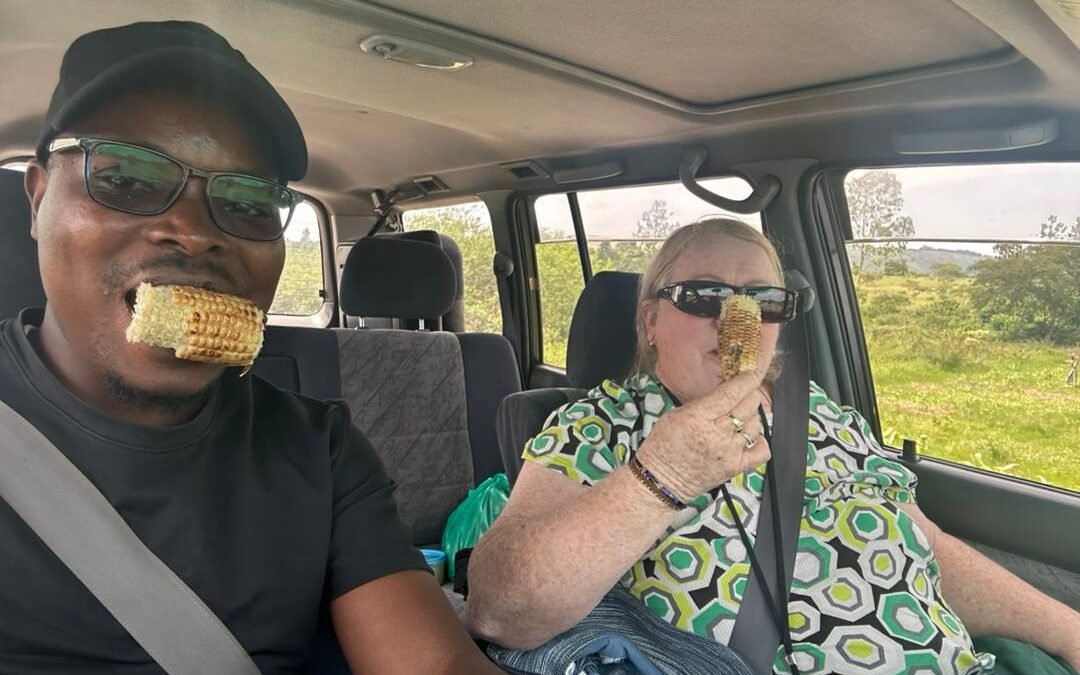
Crossing from Rwanda to Uganda through Cyanika Boarder. For travelers moving between Rwanda’s Volcanoes National Park and Uganda’s gorilla parks in the southwest, the Cyanika border is by far the most convenient crossing point. Tucked into the volcanic highlands between Musanze and Kisoro, it links two of East Africa’s most important tourism hubs and is the route of choice for anyone combining a Rwanda gorilla trek with a visit to Mgahinga Gorilla National Park or the southern sectors of Bwindi.
Crossing an international land border can feel intimidating if you’ve never done it before, but Cyanika is one of the more traveler-friendly posts in the region. This guide walks through exactly what to expect, what documents to carry, and how to make the crossing as smooth as possible.
Where Is the Cyanika Border and Why Travelers Use It
Cyanika sits in Rwanda’s Burera District on one side and Uganda’s Kisoro District on the other, roughly 25 kilometers from Musanze town and about 11 kilometers from Kisoro town. From Kigali, the drive to the border covers approximately 115 to 120 kilometers and typically takes 3 to 4 hours on a well-paved road that winds through Rwanda’s northern hills, with the Virunga volcano skyline visible for much of the journey.
Two main land borders connect Rwanda and Uganda: Cyanika and Gatuna (known as Katuna on the Uganda side). While Gatuna handles more commercial and cargo traffic, Cyanika is the preferred route for tourists because it connects directly to Uganda’s gorilla trekking country. From the Uganda side of Cyanika, it’s about a 30-minute drive to Mgahinga Gorilla National Park, roughly 1.5 to 2 hours to Bwindi’s Rushaga sector, and around 2.5 hours to Nkuringo. This makes Cyanika the natural choice for anyone flying into Kigali and planning to trek gorillas or hike the Virunga volcanoes in Bwindi Impenetrable National Park or Mgahinga.
Cyanika Border Operating Hours
Unlike Gatuna, which operates closer to 24 hours a day under a modernized One Stop Border Post system, Cyanika keeps more limited hours. The post generally opens around 5:00 to 6:00 AM Rwanda time (6:00 to 7:00 AM Uganda time, one hour ahead) and closes in the evening, typically by around 7:00 PM. This matters most for travelers combining a morning gorilla trek in Rwanda’s Volcanoes National Park with a same-day crossing into Uganda; treks can run long, and it’s important to leave Musanze with enough buffer time to reach the border before it closes.
Documents You Need to Cross
Before heading to Cyanika, make sure you have the following in order:
- A valid passport with at least six months of validity remaining from your travel date, and enough blank pages for entry and exit stamps.
- A visa or e-visa for Uganda, either a standard tourist visa or the East African Tourist Visa (more on this below).
- A yellow fever vaccination certificate, which is mandatory for entry into Uganda from Rwanda and checked at the border.
- Proof of accommodation or a host contact, since border officials sometimes ask for the address or contact details of where you’re staying.
- Vehicle documents, if you’re driving, including proof of insurance and registration.
It’s worth carrying physical copies of all documents in addition to digital versions, since not every border post has reliable connectivity for pulling up files on a phone.
Visa Options: East African Tourist Visa vs Single-Country Visas
Most travelers crossing at Cyanika choose the East African Tourist Visa (EATV), a multi-entry visa valid for 90 days that covers Uganda, Rwanda, and Kenya. At roughly $100 USD, it’s a practical option for anyone planning to move back and forth between Rwanda and Uganda, since it removes the need to apply for separate single-entry visas.
If you only plan to visit Uganda, a standard single-entry Uganda tourist visa costs around $50 USD and can be applied for online in advance. Uganda no longer issues visas on arrival for most nationalities, so applying through the official portal before you travel is strongly recommended rather than assuming you can sort it out at the border. Applications should be submitted at least five to ten working days before travel through the Uganda e-Visa portal, the only official channel for Uganda visa applications; several unofficial third-party sites claim to offer the same service at inflated prices, so it’s worth double-checking the URL before you pay.
On the Rwandan side, entry requirements are managed by the Rwanda Directorate General of Immigration and Emigration, which also handles visa-on-arrival and e-visa applications for travelers heading in the other direction.
Step-by-Step: What Happens at the Border
Crossing at Cyanika follows a fairly standard sequence:
- Park and gather documents. Both sides have a designated parking area before the immigration buildings. Have your passport, visa approval, and yellow fever certificate ready before approaching the window.
- Exit Rwanda. Present your passport at the Rwandan immigration counter for an exit stamp. This step is usually quick if your paperwork is complete.
- Walk or drive to the Uganda side. Depending on your mode of transport, you’ll either walk a short distance or drive across to the Ugandan immigration post.
- Enter Uganda. Present your passport, visa or e-visa approval, and yellow fever certificate to Ugandan immigration officers. You may be asked where you’re staying or who you’re traveling with.
- Vehicle and luggage checks. If you’re driving, expect a vehicle inspection and, if applicable, processing of a Temporary Import Permit. The Rwandan side in particular has a reputation for closer luggage checks, so be prepared to open bags if asked.
- Receive your entry stamp and proceed. Once cleared, you’re free to continue your journey into Kisoro district.
For most travelers with documents in order, the full process takes somewhere between 30 minutes and an hour. Weekends, holidays, and peak gorilla trekking season (June to September and December to February) tend to bring more foot and vehicle traffic, so building in extra time is wise.
Driving Your Own or a Rental Vehicle Across
If you’re self-driving or using a rental vehicle rather than a licensed transfer service, a few additional things apply. Your vehicle should carry COMESA Yellow Card insurance, which extends coverage across East African countries, and if you’re in a rental car, you’ll need a cross-border authorization letter from the rental company. Uganda customs will typically issue a Temporary Import Permit for foreign-registered vehicles at the border.
One detail that catches many travelers off guard: Rwanda drives on the right side of the road, while Uganda drives on the left. Adjusting to this switch, especially on the mountainous, winding roads around Kisoro, requires extra caution in the first few kilometers after crossing.
Currency and Money Matters
Uganda uses the Ugandan Shilling (UGX) and Rwanda uses the Rwandan Franc (RWF). Small currency exchange services and money changers operate informally around the Cyanika border post, though rates there are rarely the most favorable. It’s generally better to carry some local currency in both denominations before you arrive, or exchange a modest amount at the border for immediate needs like transport or snacks, and handle larger exchanges in Kisoro or Musanze town.
What’s on Each Side of the Border
On the Rwandan side, Cyanika connects to Musanze (formerly Ruhengeri), the gateway town for Volcanoes National Park, along with the scenic twin lakes of Burera and Ruhondo. On the Uganda side, the border feeds directly into Kisoro town, the hub for Mgahinga Gorilla National Park, Lake Mutanda, and the southern trailheads into Bwindi. Both towns offer fuel stations, restaurants, and accommodation, making Cyanika a practical stop even if you’re not continuing immediately to your next activity.
Combining the Crossing with Gorilla Trekking and Volcano Hiking
Cyanika’s biggest advantage is how naturally it fits into a combined Rwanda-Uganda gorilla safari. A common itinerary involves trekking gorillas in Rwanda’s Volcanoes National Park in the morning, crossing into Uganda the same afternoon, and spending the following day trekking a second gorilla family or golden monkeys in Mgahinga, or tackling a volcano hike up Mount Muhabura, Sabyinyo, or Gahinga. Because permit prices and availability differ between the two countries, many travelers use this route specifically to access Uganda’s more affordable gorilla permits after visiting Rwanda. You can see how a route like this fits together on our safari packages page or browse the wider region on our destinations page.
Tips for a Smooth Crossing
- Cross early in the day if you’re continuing straight to a lodge or an early trekking briefing the next morning.
- Apply for your visa well in advance rather than assuming last-minute options will be available at the post.
- Double-check passport blank pages before you leave Kigali; a passport with only one or two free pages can cause unnecessary delays.
- Carry both local currencies in small denominations for incidental costs.
- Be patient during peak season, and allow extra time on weekends and public holidays.
- Keep a digital and paper copy of every document, since not all counters have reliable internet access for pulling up files.
Planning a Rwanda-to-Uganda itinerary that includes a Cyanika crossing? Contact our team and we’ll help you build a seamless route between Volcanoes National Park, Mgahinga, and Bwindi, with transport and permits arranged in advance so all you have to do is show up at the border.