- LET'S PLAN YOUR SAFARI
- +256 200 921 002
- +256 793 194 703
- info@pickandtransfersafaris.com

Discounted Gorilla Trekking for African Citizens in Uganda
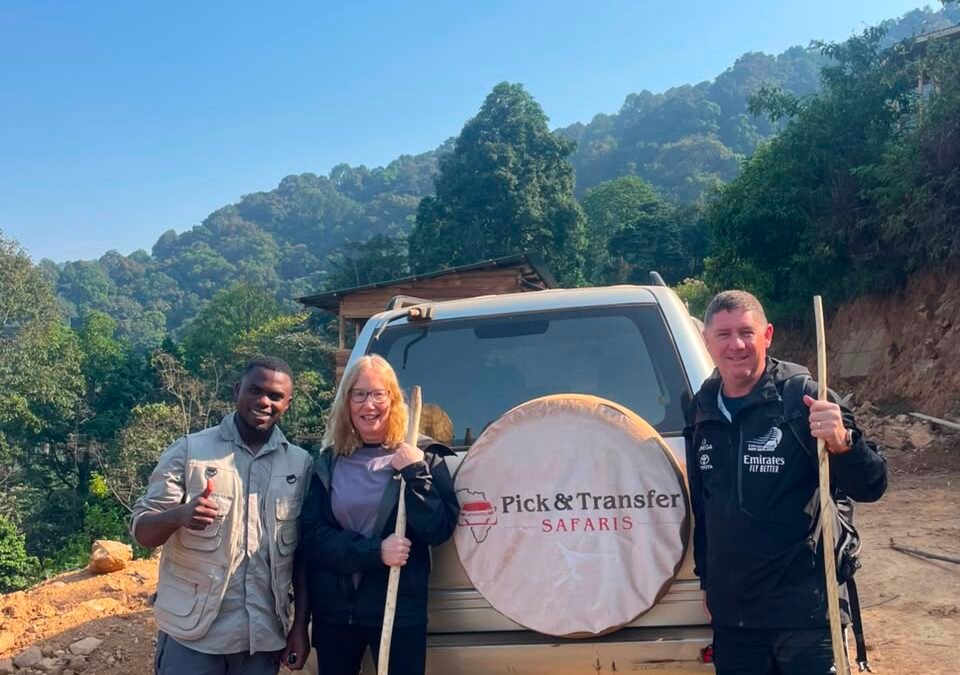
Discounted Gorilla Trekking for African Citizens in Uganda. Most articles about gorilla trekking in Uganda quote a single headline price and leave it there, which is a shame, because it means most African travelers never find out they are eligible to trek for a fraction of what foreign visitors pay. Under the Uganda Wildlife Authority’s tiered pricing system, African citizens and East African Community nationals can trek to see mountain gorillas for a genuine, government-set discount — in some cases paying less than one-eighth of the foreign non-resident rate.
This guide breaks down exactly who qualifies, what each tier actually costs, what documentation you need, and how to plan a full trip around a discounted permit. At Pick and Transfer Safaris, we help African travelers book discounted gorilla permits regularly, and this is the same explanation we walk clients through before they book.
We have written this the way we would actually explain it to a client on the phone — tier by tier, with the reasoning behind each rate and the practical steps to actually secure it — rather than a single price list with no context. By the end, you should know exactly which rate applies to you, what it costs, and what to do next.
A quick but important note before we go further: gorilla permit prices are set and periodically revised by the Uganda Wildlife Authority, not by tour operators, and the figures in this guide reflect UWA’s published tariff at the time of writing. Always confirm the exact current rate with your operator or directly with UWA before finalizing your booking, since government fees can change between when an article is published and when you travel.
Why Uganda Offers Discounted Gorilla Permits to African Citizens
Uganda’s tiered pricing structure is a deliberate policy choice, not an accident of the market. International tourism to see mountain gorillas generates substantial foreign exchange revenue and directly funds conservation, so the Uganda Wildlife Authority prices the standard foreign non-resident permit accordingly. At the same time, Uganda has a clear interest in making its own natural heritage accessible to Ugandans and to citizens of neighboring countries — both as a matter of fairness, since local communities bear the day-to-day costs of living alongside protected wildlife, and as a strategy for building long-term domestic and regional support for conservation.
The result is a pricing system with distinct tiers: foreign non-residents pay the highest rate, foreign residents (anyone holding a valid Ugandan work or resident permit, regardless of nationality) pay less, African citizens from outside the East African Community pay a further discounted rate, and citizens of East African Community partner states pay the lowest rate of all, priced in Ugandan shillings rather than US dollars.
This mirrors a pattern used across several other East African wildlife destinations, where regional and resident pricing tiers exist alongside international rates for exactly the same reasoning — parks and reserves that would otherwise be priced out of reach for most local and regional visitors instead become a genuinely shared national and regional asset, not a product built exclusively for outbound tourism revenue.
Understanding Uganda’s Gorilla Permit Pricing Tiers
It helps to see all four tiers side by side before diving into each one individually. Under the tariff currently in force, a standard one-hour gorilla trekking permit in Bwindi Impenetrable National Park or Mgahinga Gorilla National Park is priced at USD 800 for foreign non-residents, USD 700 for foreign residents, USD 500 for African citizens from outside the East African Community, and approximately UGX 300,000 (roughly USD 80 at typical exchange rates) for East African Community citizens.
That final figure is worth sitting with for a moment: an East African citizen can trek mountain gorillas for roughly a tenth of what a foreign non-resident pays for the exact same hour with the exact same gorilla family. Few wildlife experiences anywhere in the world offer this kind of built-in regional accessibility.
Foreign Non-Resident Rate: What International Visitors Pay
The USD 800 foreign non-resident rate applies to the vast majority of international visitors — travelers from Europe, North America, Asia, Australia, and anywhere outside Africa who do not hold Ugandan residency. This is the rate most international marketing and pricing you will see online refers to, and it is also the rate that funds the largest share of gorilla conservation work, park infrastructure, and community development programs around Bwindi and Mgahinga.
If you are booking on behalf of international friends or family joining an African citizen on the same trek, it is worth knowing upfront that each traveler is priced individually according to their own nationality and residency status — a mixed group does not average out to a blended rate. A group of six trekkers made up of two foreign non-residents, one foreign resident, two African citizens, and one East African citizen will each be invoiced at their own applicable rate, even though they trek together as a single group of up to eight people assigned to the same gorilla family.
A Note on Why Permit Prices Change Over Time
Gorilla permit prices are not static, and it is worth understanding why they periodically increase. UWA reviews its conservation tariff on a multi-year cycle, and adjustments generally reflect rising costs of park management, ranger salaries, anti-poaching operations, and community development commitments funded directly by permit revenue. The tariff referenced in this guide reflects the rates set for the current multi-year cycle, and history suggests these figures will be revised again in the future rather than remaining fixed indefinitely.
This is precisely why we recommend confirming current rates at the time of booking rather than relying solely on any single published figure, including this one. Reputable operators stay current with UWA’s published tariff and will flag any change to you immediately rather than quoting outdated pricing.
Foreign Resident Rate: Who Qualifies
The USD 700 foreign resident rate is often misunderstood. It does not depend on nationality at all — it depends on holding a valid Ugandan work permit or resident permit. A British national living and working in Kampala on a valid resident permit qualifies for this rate, just as an American aid worker stationed in Uganda long-term would, while a Ugandan citizen living abroad without current Ugandan residency documentation generally would not automatically default to this tier and should confirm which category actually applies to their situation.
Proof of residency status — typically your resident permit or work permit — needs to be presented at the time of booking and again at the park on the day of trekking, so it is worth having this documentation easily accessible rather than assuming your passport alone will suffice.
African Citizen Rate: The Continental Discount Explained
This is the tier this guide is really about. The USD 500 African citizen rate applies to travelers holding a passport from any African Union member country outside the East African Community — from Nigeria, Ghana, South Africa, Egypt, Morocco, Ethiopia, and dozens of others across the continent. It sits between the foreign resident rate and the East African Community rate, reflecting Uganda’s stated goal of making mountain gorilla trekking meaningfully more accessible to African travelers generally, not only to its immediate regional neighbors.
In practical terms, this means a Nigerian or South African citizen pays USD 500 for the same trekking experience an American or European visitor pays USD 800 for — a saving of USD 300 per person, which for a family or small group adds up to a substantial reduction in overall trip cost. This rate applies specifically to gorilla trekking permits at Bwindi and Mgahinga; other park entry fees and activities may have their own separate pricing structures.
East African Community Citizen Rate: The Deepest Discount
Citizens of East African Community partner states qualify for the lowest tier of all, priced at approximately UGX 300,000 rather than in US dollars — a structural detail that itself signals this rate is intended primarily for regional, rather than international, travelers. At current exchange rates this typically works out to somewhere in the region of USD 80, though the exact dollar equivalent will fluctuate with the shilling’s exchange rate, so East African travelers budgeting in dollars should check a current conversion rather than relying on last year’s figure.
This rate exists specifically to encourage Ugandans and citizens of neighboring EAC states to visit their own region’s protected areas, supporting the broader conservation argument that local buy-in and local pride in these ecosystems matters as much as foreign tourism revenue in the long run.
For many Ugandan, Kenyan, Rwandan, and Tanzanian families, this rate genuinely changes what is financially realistic. A weekend gorilla trek that would otherwise cost hundreds of dollars per person becomes an achievable domestic or near-regional trip, comparable in cost to a short in-country holiday rather than an international safari, which is precisely the accessibility this pricing tier was designed to create.
How the Discount Compares to the Overall Cost of a Uganda Safari
The gorilla permit is usually the single largest line item in a Uganda safari budget, which is exactly why the tiered discount matters so much for African travelers. Kenlink Tours’ overview of how much a Uganda safari costs is a useful independent reference for understanding how the permit fits into a broader trip budget alongside accommodation, transport, and meals, and it helps put the scale of the African citizen and East African Community discounts into proper context against the rest of a typical itinerary.
Because the permit represents such a large share of total trip cost for most visitors, qualifying for a discounted tier does not just save money on that single line item — it often changes what the rest of the trip can reasonably include, from an extra night at a better lodge to an additional activity you might otherwise have skipped.
Which Countries Count as “East African Community”?
The East African Community currently comprises Uganda, Kenya, Tanzania, Rwanda, Burundi, South Sudan, and the Democratic Republic of the Congo, following the bloc’s expansion in recent years. Citizens of any of these member states qualify for the EAC permit rate when trekking in Uganda, provided they can present valid proof of citizenship.
This is worth double-checking against current membership before you book, since regional trade and political blocs occasionally add or adjust membership, and the discount specifically follows EAC citizenship status rather than simply “being from East Africa” in a general geographic sense.
How to Prove You Qualify for a Discounted Rate
Documentation requirements are strict, and this is the single most common reason travelers lose out on a discount they were genuinely entitled to. East African Community citizens should carry either a national ID card or a passport clearly showing citizenship of an EAC partner state, and this document needs to be presented both when the permit is booked and again at the park briefing on the morning of the trek. African citizens from outside the EAC should carry a passport showing their African nationality, since this is the primary evidence UWA and park rangers will check.
Because permits are booked in advance, often months ahead of the actual trek date, it is essential that your operator submits the correct nationality and residency details to UWA at the time of booking — a permit initially booked at the wrong rate can be difficult or impossible to correct later, so double-check this detail with whoever is handling your booking before you pay.
It is also worth carrying a second form of identification as a backup where practical — a national ID alongside your passport, for instance — since rangers occasionally ask for additional confirmation if a document looks worn, is close to its expiry date, or does not clearly display nationality on its main page. This is a minor precaution, but one that can save real inconvenience on the morning of a trek you may have waited months to book.
Where to Trek: Bwindi vs Mgahinga for Discounted Permit Holders
Discounted permit rates apply equally to both of Uganda’s gorilla trekking destinations — Bwindi Impenetrable National Park, home to the vast majority of Uganda’s habituated gorilla families across four trekking sectors, and Mgahinga Gorilla National Park, a smaller, quieter park on the Rwanda-Uganda-DRC border with a single habituated family. Neither park charges a different rate to African or East African citizens than the other; the choice between them comes down to logistics and preference rather than cost.
Bwindi generally offers more trekking permit availability given its larger number of habituated families, which can matter if you are booking closer to your travel date. Mgahinga offers a quieter, less-visited alternative, and pairs naturally with golden monkey tracking for travelers wanting a second primate encounter on the same trip. Explore our Bwindi Impenetrable National Park destination guide and Mgahinga Gorilla National Park destination guide to compare the two before deciding.
Booking Process for African and East African Citizens
The booking process itself does not differ dramatically by nationality — permits are still allocated on a limited daily basis and should be reserved well ahead of your intended trek date, particularly for the June-to-September and December-to-February peak seasons when demand is highest across all pricing tiers. What differs is the paperwork: your operator needs your correct nationality and, where applicable, residency documentation at the point of booking, since this determines which price tier UWA applies to your permit.
We recommend reaching out through our contact page with your citizenship details and preferred trekking dates as early as possible, so we can confirm availability at the correct discounted rate before you commit to flights or annual leave dates. Kenlink Tours’ guide on what is the price for a gorilla trekking safari in Uganda is a useful independent reference to cross-check pricing details as you plan.
Gorilla Habituation Experience: Discounted Rates Too
Beyond the standard one-hour trek, Uganda also offers the gorilla habituation experience — a longer, more immersive encounter of up to four hours with a gorilla family still being acclimated to human presence, available only in specific sectors of Bwindi. This experience carries its own, separate pricing tier, priced considerably higher than the standard permit across all visitor categories, but African and East African citizens still receive a meaningful discount relative to the foreign non-resident rate.
Because habituation permits are far more limited in number than standard trekking permits — often only a handful available per day across the whole park — they should be booked even further in advance than a standard trek, regardless of which pricing tier you qualify for.
How Much You Save: A Side-by-Side Cost Comparison
To make the savings concrete, consider a family of four where two members are Kenyan citizens and two are visiting from outside Africa. The two Kenyan citizens, as East African Community nationals, would each pay roughly the UGX 300,000 equivalent rate, while the two international visitors would each pay the USD 800 foreign non-resident rate — meaning the Kenyan citizens’ permits together cost roughly what a single foreign non-resident permit costs on its own.
For a solo African traveler from outside the EAC, the USD 500 rate compared with the USD 800 foreign non-resident rate represents a USD 300 saving on the single largest line item in most gorilla safari budgets — often enough to cover an extra night’s accommodation, a second activity, or simply a meaningfully lower overall trip cost.
Why These Discounts Exist: Conservation and Regional Tourism Goals
It is worth understanding the reasoning behind this structure, because it shapes how the whole system is administered. Uganda’s tiered pricing reflects a widely shared view among conservation economists that protected-area access should balance international revenue generation against genuine local and regional accessibility. Communities living directly around Bwindi and Mgahinga bear real costs from living alongside wildlife — crop damage, restricted land use, and the practical realities of sharing a landscape with an endangered species — and broadening access to African travelers, not only wealthy international tourists, is part of building durable, long-term support for keeping these parks protected.
This is also why permit revenue is explicitly directed toward community development projects around the parks, an approach we support directly through our partnership with the Kigezi Foundation, which works in communities along the routes our safaris travel.
Combining a Discounted Permit With a Full Safari Package
A discounted gorilla permit is only one line item in a broader trip, and the savings from qualifying for the African or East African citizen rate can meaningfully change what the rest of your itinerary looks like. Many African travelers use the savings to extend their trip with chimpanzee tracking in Kibale Forest, a Kazinga Channel boat cruise in Queen Elizabeth National Park, or simply a more comfortable lodge for the nights around the trek itself.
Our 3 Days Uganda Gorilla Safari is a straightforward starting point built around Bwindi, while our 10 Days Uganda Primates and Wildlife itinerary combines gorilla trekking with Uganda’s other headline wildlife experiences for travelers wanting to make full use of their discounted permit as part of a longer trip. Kenlink Tours’ guide on how to do a cheap gorilla safari in Uganda offers additional budget-focused tips worth reading alongside this guide.
Best Time of Year to Trek on a Discounted Permit
Discounted pricing tiers apply year-round and are not tied to season, but the broader planning considerations around Uganda’s dry and green seasons still apply regardless of which price tier you qualify for. The two dry seasons — December to February and June to September — offer the easiest trekking conditions but also the highest demand across every pricing tier, meaning permits, including discounted ones, sell out fastest during these months.
Traveling in the quieter green seasons (March to May and October to November) can make it considerably easier to secure a discounted permit on relatively short notice, alongside the added benefits of lower accommodation rates and thinner crowds.
Group Discounts and Family Considerations
Uganda’s discounted rates apply per person based on individual citizenship and residency status, and there is no additional blanket family or group discount layered on top of the tiered pricing itself. That said, a family in which every member qualifies for the African citizen or East African Community rate benefits enormously in aggregate — a family of four East African citizens might pay, in total, roughly what a single foreign non-resident pays for one permit.
It is worth noting that the Uganda Wildlife Authority sets a minimum age of 15 for gorilla trekking regardless of nationality or pricing tier, so families with younger children should plan alternative activities for them at the same destination rather than assuming a discount changes the age policy itself.
What’s Included (and Not Included) in the Permit Price
Regardless of which pricing tier applies to you, the gorilla permit fee covers your park entrance for the day, a ranger guide for the trek, and a contribution toward park conservation and community development funds. It does not cover transport to and from the park, accommodation, porter fees, meals, or trekking equipment, all of which are arranged and paid for separately.
Porters are genuinely worth hiring on any gorilla trek regardless of your fitness level or which price tier you booked under, both for the practical help on steep or muddy terrain and because porter fees go directly to local community members employed around the park. Kenlink Tours’ guide on hiring a porter during gorilla trekking covers typical porter costs and etiquette in more detail if this is your first time trekking.
Self-Drive vs Guided Trekking for Discounted Permit Holders
Some African travelers, particularly Ugandans and Kenyans already comfortable driving in the region, ask whether a discounted permit means they should simply self-drive to the park rather than book a guided package. It is a genuinely valid option for confident, experienced drivers, and Kenlink Tours’ guide on Uganda gorilla safaris on self-drive covers the practical considerations well, including road conditions and vehicle requirements for reaching Bwindi or Mgahinga independently.
That said, a guided package still has real advantages even for regional travelers who could technically self-drive: a guide who knows current road conditions, a vehicle suited to the sometimes rough terrain around the parks, and someone already coordinating your permit paperwork so the discounted rate is applied correctly from the outset. Weigh the modest cost difference against the convenience before deciding which approach suits your trip.
Tips for African Travelers Planning Their First Gorilla Trek
If this is your first time trekking, a few practical points are worth knowing beyond the pricing itself. Bring your original passport or national ID, not a photocopy, since this is what will be checked against your booking at the park briefing. Book your permit through a licensed operator well ahead of your travel dates rather than assuming you can arrange everything on arrival, since availability — even at the discounted rates — is genuinely limited during peak months.
Pack for the forest rather than for a typical safari: sturdy hiking boots, a rain jacket regardless of season, and gardening-style gloves for pushing through vegetation are all more useful on a gorilla trek than the wide-brimmed hat and khaki you might picture from a savannah game drive.
Trekking Etiquette and Rules That Apply to Every Price Tier
Regardless of which pricing tier you trek under, the same conservation rules apply to every visitor in the group. Visitors must maintain a minimum distance of seven meters from the gorillas at all times, keep voices low, avoid direct eye contact that gorillas can interpret as a threat, and never eat, drink, or use flash photography in the gorillas’ presence. Anyone feeling unwell, particularly with a cough or cold, is asked to inform their guide before the trek begins, since mountain gorillas are highly susceptible to human respiratory illnesses.
These rules exist to protect the very animals that make this experience possible in the first place, and rangers take them seriously regardless of whether a given trekker is paying the foreign non-resident rate or the discounted East African Community rate — the gorillas, quite rightly, do not know or care which tier funded the visit.
Photography is welcome and encouraged, but a few practical habits make a noticeable difference to your results. Switch off your camera’s flash well before you reach the family, since sudden flashes can startle gorillas and disrupt the group, and set your camera to a faster shutter speed in advance, since Bwindi and Mgahinga’s forest canopy filters a surprising amount of light even at midday. Fumbling with camera settings once you are standing in front of a silverback is the single most common reason trekkers miss their best shot of the entire hour.
Common Mistakes That Cost African Citizens Their Discount
A handful of avoidable mistakes cause African travelers to miss out on the discounted rate they were actually entitled to. Booking through an operator without clearly specifying your nationality and citizenship status at the time of reservation is the most common, since UWA prices the permit according to what was submitted at booking, not what you present on the day. Arriving without your passport or national ID, or with an expired document, can also cause complications at the park briefing, even if your permit was correctly booked at the discounted rate.
Finally, assuming residency abroad automatically grants you your home country’s discounted rate is a mistake worth avoiding — the rate is generally tied to citizenship (or, for the foreign resident tier, to Ugandan residency specifically), not to where you currently happen to live, so confirm exactly which tier applies to your specific situation before booking.
Budget Itinerary Ideas for African Citizens
With a discounted permit in hand, several shorter, cost-effective itineraries make excellent sense for African travelers who may not want to commit to a longer international-style safari. Our 1 Day Uganda Gorilla Safari Starting from Kigali is built for travelers with very limited time who are already near the Rwanda-Uganda border, while our 2 Days Uganda Gorilla Tour Starting from Kigali adds a comfortable overnight without significantly extending the trip.
For African travelers based in Uganda or arriving via Entebbe, our 3 Days Uganda Gorilla Safari is the most straightforward standalone option, and Kenlink Tours’ resource on how much a budget gorilla safari costs in Uganda is worth reading for additional cost-saving ideas beyond the permit discount itself, alongside their own 3-Day Uganda Gorillas Safari as a comparison itinerary.
Regional travelers based in Kenya, Tanzania, Rwanda, or Burundi often find that combining their EAC-rate permit with a short weekend-length trip works surprisingly well, since the shorter overland or flight connections within East Africa make even a two- or three-day gorilla trip a realistic option rather than requiring a full international-length holiday.
How Pick and Transfer Safaris Helps African Citizens Book Discounted Permits
Booking at the correct discounted rate requires getting the paperwork right the first time, and this is exactly where an experienced local operator adds real value. Our team at Pick and Transfer Safaris verifies citizenship and residency documentation before submitting any permit booking to UWA, checks current permit availability across both Bwindi and Mgahinga, and builds the rest of your itinerary — transport, accommodation, and any additional activities — around your confirmed trekking date.
Browse our full gorilla safaris collection and wildlife safaris listing, learn more about how we work on our about us page, or reach out directly through our contact page to confirm your eligibility and current permit availability. For general background on the country before you book, Kenlink Tours’ About Uganda page and About Us page are both useful independent references as you compare operators and plan your trip.
Frequently Asked Questions
Who exactly qualifies for the African citizen discounted rate? Any traveler holding a passport from an African Union member country outside the East African Community qualifies for the USD 500 rate, distinct from both the foreign non-resident and foreign resident rates.
Which countries are in the East African Community for permit pricing purposes? Uganda, Kenya, Tanzania, Rwanda, Burundi, South Sudan, and the Democratic Republic of the Congo are current EAC member states, and citizens of any of these countries qualify for the lowest, shilling-denominated permit rate.
Do I need a visa in addition to my discounted permit? Yes, permit pricing and visa requirements are entirely separate. Many African citizens still require a visa to enter Uganda depending on their nationality, so check your specific visa requirements alongside arranging your permit.
Can I book a discounted permit directly with UWA, or do I need a tour operator? Both routes are technically possible, but working through a licensed operator like Pick and Transfer Safaris generally simplifies the process considerably, since we handle the documentation, availability checks, and the logistics of getting you to the park on time.
Does the discount apply to gorilla trekking in Rwanda or the Democratic Republic of Congo as well? No, this guide covers Uganda specifically. Rwanda and the DRC operate their own separate gorilla permit pricing structures under their own wildlife authorities, with different rates and different eligibility rules.
What if my nationality changed or I hold dual citizenship? Provide the passport that reflects the citizenship you want your discount based on at the time of booking, and carry that same document with you on the day of trekking, since the rate applied is tied to whichever nationality was submitted and verified.
Can I switch from a standard trekking permit to the habituation experience after booking? Generally no — the two experiences are booked and priced separately, and habituation slots are extremely limited, so it is best to decide which experience you want before booking rather than hoping to upgrade later.
Discounted Gorilla Trekking for African Citizens in Uganda
Discounted gorilla trekking permits for African citizens are real, government-set, and significantly cheaper than the rate most international marketing quotes. Whether you qualify for the USD 500 African citizen rate or the even lower East African Community rate, the savings can make mountain gorilla trekking — one of the most extraordinary wildlife encounters on the planet — genuinely accessible rather than a once-in-a-lifetime splurge reserved for international visitors.
Reach out through our contact page with your citizenship details and preferred dates, and we will confirm your eligibility, check current availability, and help you plan a trip built around it — or explore Kenlink Tours’ Uganda Rwanda Gorilla Safaris overview for additional planning context as you compare options.
For a continent with such an extraordinary concentration of wildlife heritage, it only makes sense that African travelers should have real, affordable access to see it firsthand — and Uganda’s mountain gorillas, sitting quietly in the mist of Bwindi and Mgahinga, are waiting either way.
7 Days Uganda Safari – One week tour
This 7-day itinerary is the classic one-week introduction to Uganda, covering the country’s three most iconic wildlife experiences: chimpanzee tracking in Kibale Forest National Park, Big Five game drives and a boat cruise in Queen
Tour Details →
10 Days Uganda Primates and Wildlife
This 10-day Uganda Grand Safari is the most complete Uganda itinerary we offer at Pick and Transfer Safaris. It begins with a scenic northward drive from Entebbe to the vast open plains of Murchison
Tour Details →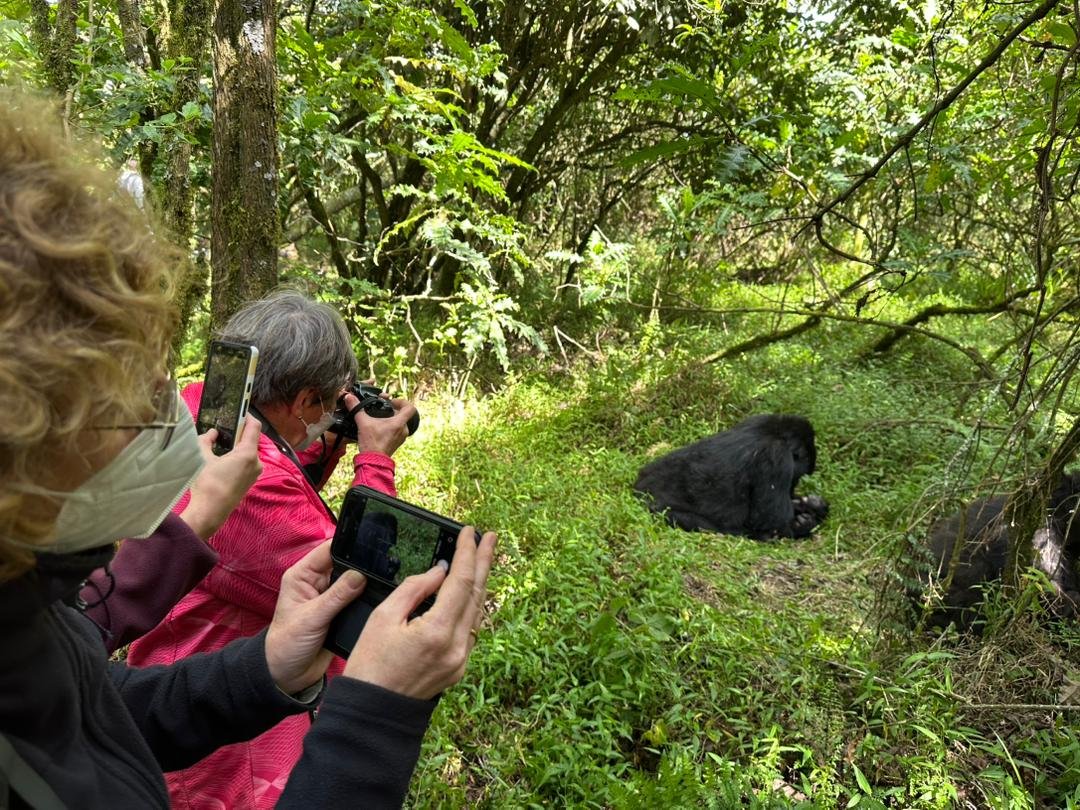
2 Days Uganda Gorilla Tour Starting from Kigali
This is the gentler cousin of our 1-Day Uganda Gorilla Safari Starting from Kigali — same idea, twice the breathing room. Instead of squeezing a 3,000-metre forest trek and two border crossings into a single very long day
Tour Details →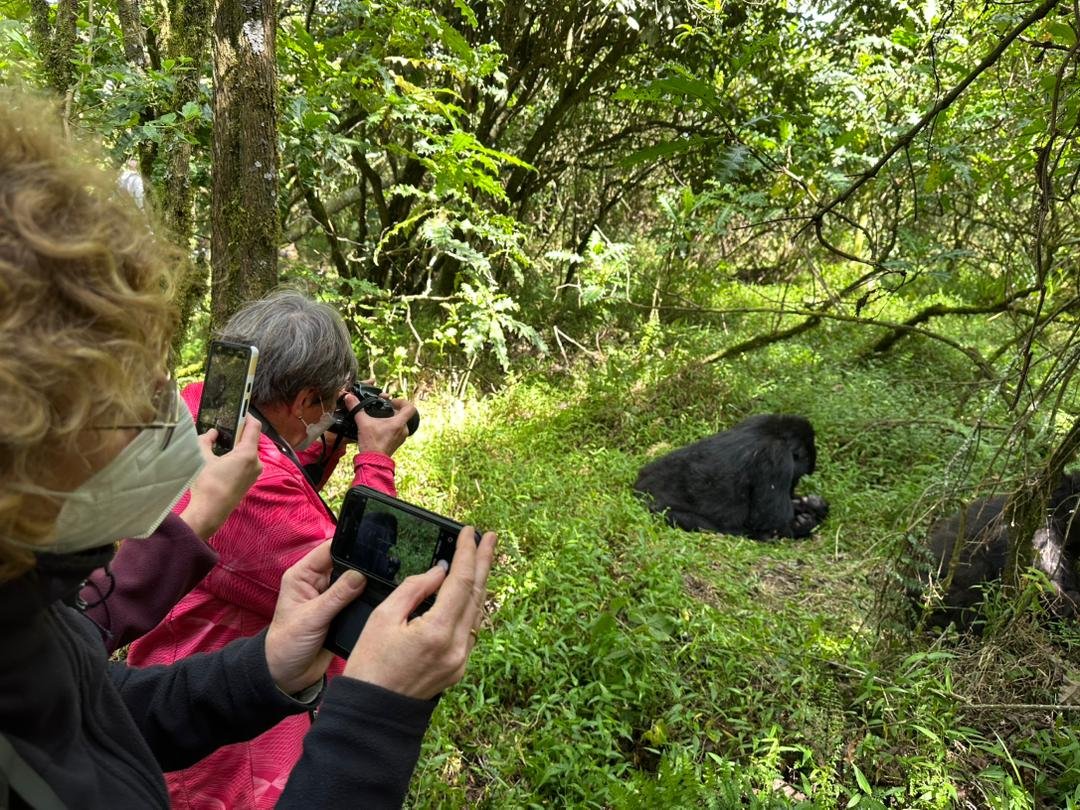
5-Day Uganda Gorilla and Chimpanzee Safari
This itinerary can be combined with a Rwanda extension or a wildlife-focused add-on through Queen Elizabeth National Park — browse our Uganda & Rwanda Safaris and Primate Safaris collections for ideas.
Tour Details →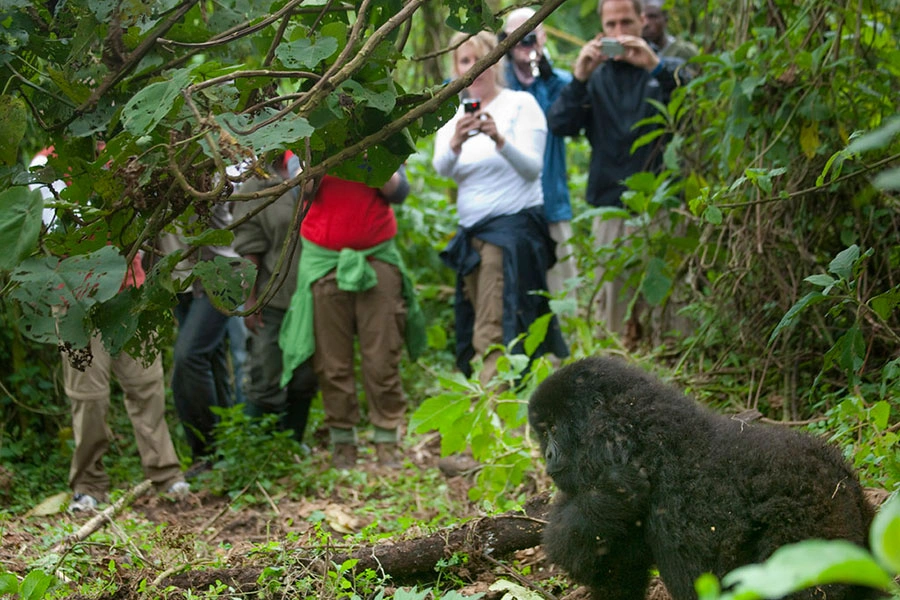
5 Days Rwanda Wildlife and Gorillas
This 5-day itinerary brings together Rwanda’s two flagship wildlife experiences: open savannah game drives and a boat safari in Akagera National Park, followed by a face-to-face encounters
Tour Details →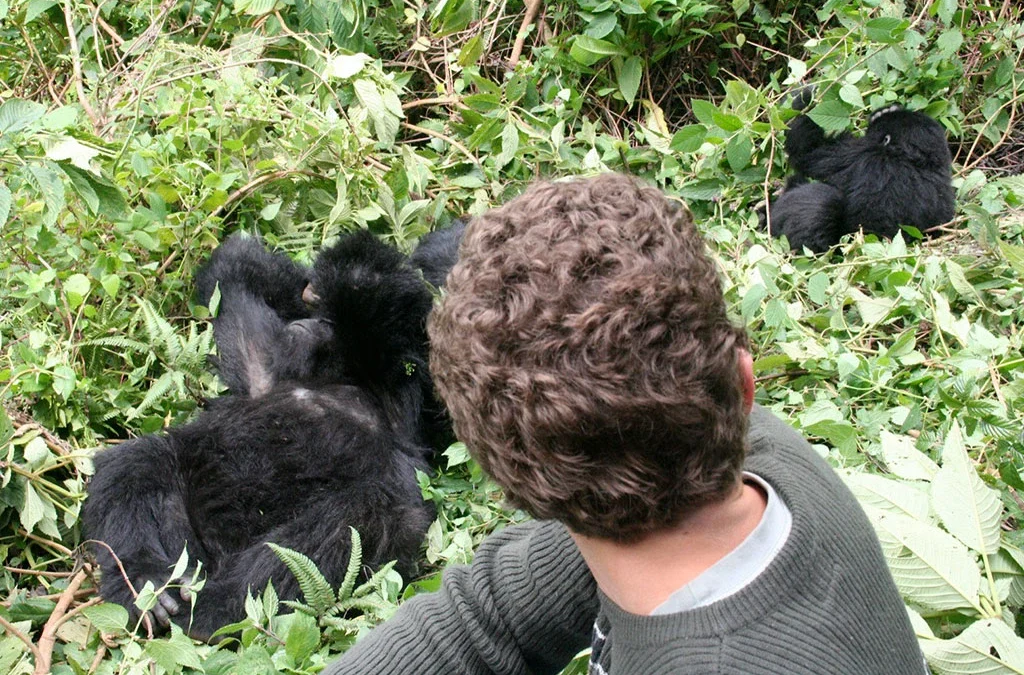
3 Days Uganda Gorilla Safari
For travelers who arrive in Entebbe with a tight schedule and a clear ambition, a 3-day gorilla safari to Bwindi Impenetrable Forest National Park is the most focused and rewarding short trip the country has to offer.
Tour Details →