- LET'S PLAN YOUR SAFARI
- +256 200 921 002
- +256 793 194 703
- info@pickandtransfersafaris.com

Driving from Kigali to Bwindi for Gorilla Trek
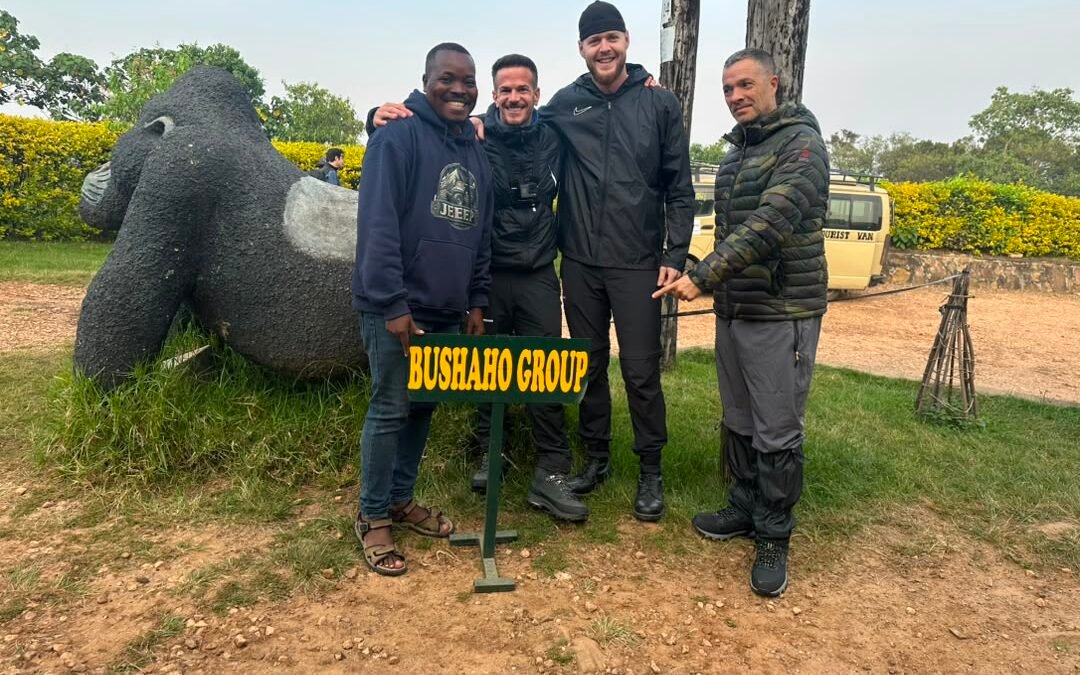
Driving from Kigali to Bwindi for Gorilla Trek. Of all the ways to reach a mountain gorilla trekking permit, driving from Kigali to Bwindi Impenetrable National Park is consistently the fastest, most scenic, and most straightforward option available — considerably more so than most first-time travelers expect. Because Rwanda’s capital sits so close to the Uganda border, this drive typically takes just four to six hours door to door, compared with the eight-to-ten-hour haul required from Uganda’s own capital, Kampala.
At Pick and Transfer Safaris, this is one of the transfers we run most often, and it consistently surprises travelers who assumed a cross-border overland journey would be a logistical headache. This guide walks through exactly how the drive works — distance, timing, border crossing, road conditions, and how to plan the rest of your trip around it.
We have written this the way we would actually brief a client the week before they travel — covering the route leg by leg, with realistic timing and the small details that make the difference between a smooth transfer and a stressful one — rather than a generic distance-and-time summary copied from a map application.
Alternative Ways to Reach Bwindi from Kigali
While a private guided transfer is what most travelers choose, it is worth knowing what other options exist. Shared shuttle and transfer services running specifically between Rwanda and Bwindi do operate along this corridor, and Kenlink Tours’ overview of companies that do transfers from Rwanda to Bwindi, Uganda is a useful independent reference if you are comparing shared versus private options, particularly for solo travelers or small groups looking to reduce cost by sharing a vehicle with other trekkers.
Public transport is technically possible but rarely practical for this specific route, given the border crossing, the remote final approach to most Bwindi sectors, and the tight scheduling around fixed trekking briefing times. Kenlink Tours’ guide on public transport to Kisoro and Bwindi from Kampala, while focused on the Uganda-side route, gives a useful sense of why most operators — including us — steer travelers toward a private or shared guided transfer rather than piecing together public transport across an international border on a tight schedule.
Why Drive Rather Than Fly From Kigali to Bwindi?
There is no scheduled commercial flight directly connecting Kigali to Bwindi, so for the vast majority of travelers, driving is not simply the preferred option — it is the only practical one. The good news is that this is far from a hardship. The route passes through some of the most beautiful countryside in the Great Lakes region: Rwanda’s terraced hillsides and volcanic peaks near Musanze, followed by Uganda’s own dramatic highland scenery as you approach the park.
Compared with flying into Entebbe and driving the considerably longer distance across Uganda, starting from Kigali cuts your total ground transport time roughly in half. For travelers whose international flights connect more conveniently through Kigali than Entebbe, this makes a real practical difference to how much of your trip is spent on the road versus in the forest. Our gorilla safaris collection includes several itineraries built specifically around this route.
There is a cost dimension to this decision too, and it is worth being upfront about it: shorter drive time generally translates into lower ground transport costs, less vehicle wear on rough roads, and a driver-guide day rate spread across fewer total hours. For travelers pricing out a Uganda gorilla trip, starting from Kigali rather than Entebbe is one of the more effective ways to reduce overall trip cost without giving up anything on the actual trekking experience itself.
How Far Is It, Really? Distance and Drive Time Explained
The honest answer is that it depends on which Bwindi sector you are trekking in, since Bwindi is a large park with four distinct trekking areas rather than a single entry point. In general terms, the drive covers somewhere between 160 and 200 kilometers (roughly 100 to 125 miles), with total travel time — including the border crossing itself — running four to six hours.
Kenlink Tours’ own breakdown of how far Bwindi is from Kigali is a useful independent reference here, and their figures line up closely with what we see running this route ourselves: roughly four hours to reach the southern sectors via the Cyanika border, and five to six hours to reach the northern Buhoma sector via the alternative Katuna crossing.
The Two Border Routes: Cyanika vs Gatuna/Katuna
Two separate land border posts connect Rwanda to southwestern Uganda, and choosing the right one for your specific itinerary matters more than most first-time travelers realize. The Cyanika border crossing, roughly two to two-and-a-half hours from Kigali via Musanze, is the shorter and more commonly used route for gorilla trekking, putting you within easy reach of Mgahinga Gorilla National Park and Bwindi’s southern Rushaga and Nkuringo sectors.
The Gatuna (also spelled Katuna) crossing sits further north and is generally used by travelers heading to Bwindi’s Buhoma or Ruhija sectors, adding an extra hour or two to the overall journey compared with Cyanika. Neither crossing is inherently better — the right choice depends entirely on which sector your gorilla permit has been allocated to, which is one of several reasons it pays to confirm your exact trekking sector before finalizing transport arrangements.
Which Route Matches Which Bwindi Sector
Because Bwindi’s four sectors sit at different points around the park’s perimeter, the border you cross should be chosen based on your assigned sector, not simply the shorter route in isolation. Rushaga and Nkuringo, both in the park’s south, are most efficiently reached via Cyanika, typically in around four to five hours from Kigali. Buhoma, the park’s original and most established sector in the north, and Ruhija, in the east, are generally reached via the Gatuna crossing and the town of Kabale, typically taking five to six hours.
If your permit has already been booked before you finalize transport, always confirm the sector with your operator first — routing yourself toward the wrong border can add a genuinely unnecessary extra hour or more to what should be a straightforward transfer day. Our Bwindi Impenetrable National Park destination guide has more detail on each sector’s character if you have not yet chosen one.
What the Drive Actually Looks Like: Kigali to Musanze
The first leg of the journey, from Kigali to Musanze (the gateway town for Rwanda’s Volcanoes National Park), takes roughly two to two-and-a-half hours on a well-maintained, sealed road that climbs steadily through Rwanda’s famously terraced hillsides. This stretch is scenic in its own right, and many travelers choose to break the journey here with a coffee stop or a short detour if they have any interest in adding gorilla or golden monkey trekking in Rwanda before continuing to Uganda.
From Musanze, the road continues toward the Cyanika border post, passing through increasingly dramatic volcanic scenery as the Virunga mountain range comes into view. This section remains well paved on the Rwandan side, making for a comfortable and genuinely enjoyable few hours of driving rather than the kind of grinding transfer some travelers brace themselves for.
Along the way, it is common to pass roadside markets, terraced tea and pyrethrum fields, and small trading centers where a brief stop for a stretch, a coffee, or a photograph is entirely worthwhile — most driver-guides running this route regularly are happy to build in a short break or two rather than treating the drive as something to be completed as quickly as possible.
Crossing the Cyanika Border: What to Expect
Border formalities at Cyanika are generally straightforward, with typical processing taking thirty to sixty minutes depending on how busy the crossing is that day. Kenlink Tours’ visa and border crossing guide for Uganda and Rwanda is a helpful independent resource covering exactly what to expect and what documentation to have ready.
You will need a valid passport with at least six months’ validity remaining, your Uganda visa (an eVisa arranged in advance, or East Africa Tourist Visa if you are combining multiple countries), and your yellow fever vaccination certificate, which is a mandatory entry requirement. It is worth traveling during daylight hours where possible, since most land borders in the region operate more smoothly and predictably during the day, and keeping both digital and printed copies of your documents avoids any delay caused by a phone battery or connectivity issue at exactly the wrong moment.
From the Border to Bwindi: The Uganda Side of the Drive
Once across into Uganda, the character of the drive shifts noticeably. The immediate area around Kisoro town, close to the border, retains good road quality, but the final approach to Bwindi’s trailheads — particularly for the Rushaga and Nkuringo sectors — includes stretches of gravel and unpaved road climbing through the park’s forested hills. These roads are regularly used by safari vehicles and are accessible year-round, though they do add a slower, bumpier final hour to what has otherwise been a comfortable drive.
This is one of several reasons a 4×4 vehicle with a driver experienced on these specific roads is strongly preferable to a standard sedan for this final stretch, regardless of how smooth the earlier legs of the journey have been.
Road Conditions: What’s Paved, What’s Gravel
Broadly speaking, the Rwandan side of this route — from Kigali through Musanze to the Cyanika border — is well paved and in good condition throughout, reflecting Rwanda’s considerable investment in its road network over the past decade. The Ugandan side is more mixed: the stretch from the border through Kisoro town remains reasonably good, while the final approach roads directly into Bwindi’s individual sectors include unpaved sections that can be dusty in the dry season and, occasionally, muddy after heavy rain.
None of this should be a cause for concern with the right vehicle and an experienced local driver, but it is worth setting realistic expectations rather than assuming the entire drive matches the smooth, sealed roads of the Rwandan leg.
Ongoing road improvement projects on both sides of the border mean conditions can genuinely change from one season to the next, which is another reason an operator running the route regularly — rather than a one-off self-drive booking made months in advance — tends to have a more accurate, current picture of what to expect on the day.
Documents You Need Before You Set Off
Beyond the border-crossing essentials already mentioned, it is worth assembling a complete document folder before you leave Kigali rather than scrambling at the border itself. This should include your passport, printed visa approval or eVisa confirmation, yellow fever certificate, gorilla permit confirmation (or your operator’s booking reference), travel insurance details, and, if you are self-driving, the vehicle’s registration and cross-border permit paperwork, which needs to be arranged in advance by whoever owns or rents the vehicle.
Keeping a spare passport photocopy and a few passport-sized photos in your bag is a small, low-cost precaution that occasionally saves real time if any document needs to be supplemented at the border.
It is also worth screenshotting or printing your accommodation confirmations and operator contact details for both the Rwanda and Uganda legs of the trip, since border officials occasionally ask about onward travel plans as part of standard entry questioning, and having a clear, immediate answer keeps the process moving smoothly.
Self-Drive vs Hiring a Driver-Guide
Confident, experienced drivers do sometimes choose to self-drive this route, and Kenlink Tours’ guide to Uganda gorilla safaris on self-drive covers the practical considerations well if you are seriously considering this option. That said, a hired driver-guide brings real advantages specific to this particular route: familiarity with current road conditions on both sides of an international border, an established relationship with border officials that can smooth minor hiccups, and a 4×4 vehicle already suited to the gravel sections near Bwindi rather than a standard rental sedan.
Most first-time visitors to the region, and even many experienced regional travelers, find that the modest cost difference between self-driving and hiring a driver-guide is well worth it for a route that crosses an international border and ends on unpaved forest roads. If you do want to price out a self-drive option regardless, Kenlink Tours’ Car Hire service is worth comparing, since rental terms and cross-border permit arrangements vary considerably between providers and are worth checking carefully before committing.
Porters, Guides, and What Else to Budget For Along the Way
Your transfer cost covers the drive itself, but it is worth budgeting separately for a few related expenses that come up once you reach the park. Hiring a porter for the trek itself is genuinely worth the modest cost regardless of your fitness level, both for the practical help on steep terrain and because porter fees go directly to community members employed around the park — Kenlink Tours’ guide on hiring a porter during gorilla trekking covers typical costs and etiquette if this is new to you.
Border crossing fees, where applicable, and small tips for your driver-guide across a multi-day transfer are also worth having budgeted in cash rather than assuming everything can be settled by card, since connectivity for card payments is inconsistent in the more remote stretches of this route.
What a Private Transfer Costs
Pricing for a private transfer from Kigali to Bwindi typically runs in the range of USD 200 to 300 one way, or roughly USD 400 to 600 for a return transfer, depending on vehicle type and exactly which sector you are headed to. This is a genuinely useful comparison point when weighing a standalone transfer against a fuller guided itinerary, since a complete multi-day trip that includes this transfer, your accommodation, park fees logistics, and guiding throughout often works out to comparable or better overall value than arranging each piece separately.
Kenlink Tours’ comparison of travel time and cost from Kigali versus Kampala lays out these figures in more detail and is well worth reading alongside this guide if you are still deciding where to base your trip.
Comparing Kigali vs Kampala/Entebbe as Your Starting Point
It is worth being direct about just how much shorter this route is compared with the alternative. Driving from Kampala or Entebbe to Bwindi typically takes eight to ten hours, more than double the Kigali route, and often requires either an overnight stop along the way or a very early departure to reach the park in reasonable time. Kenlink Tours’ guide on landing in Kigali or Entebbe for a gorilla safari is a useful independent resource for weighing this decision if your flights are not yet booked.
For travelers with flexible flight options, this time difference alone is often reason enough to route through Kigali specifically for a Bwindi-focused trip, reserving a Kampala or Entebbe entry point for itineraries that also include Uganda’s northern parks like Murchison Falls.
Where to Break the Journey: Kisoro and Musanze
While the drive can be completed in a single day, several travelers choose to break the journey with an overnight stop, either to ease the pace or to add an extra activity along the way. Musanze, roughly two hours from Kigali, makes a natural stopping point for anyone also planning gorilla or golden monkey trekking in Rwanda’s Volcanoes National Park before continuing to Uganda.
On the Uganda side, Kisoro town, just a short drive from the Cyanika border, offers convenient accommodation close to both Mgahinga Gorilla National Park and Bwindi’s southern sectors. Our Ikoro Hotel in Kisoro guide covers one well-located option here, sitting directly opposite Kisoro Airstrip and close enough to the border to make it a genuinely practical base for cross-border itineraries, while Kenlink Tours’ Mountain Gorilla View Lodge page profiles another regional option worth comparing.
Best Time of Day to Start the Drive
Given typical trekking briefing times of around 7 to 8am at whichever sector you are assigned to, most itineraries either complete the entire Kigali-to-Bwindi drive the day before trekking, or start extremely early on trekking day itself if the itinerary is tightly compressed — an approach we generally discourage given how much can affect timing on an international border crossing.
If you are driving the day before your trek, a mid-morning departure from Kigali typically allows a comfortable arrival at your Bwindi-area lodge by mid-to-late afternoon, with time to rest before an early start the next day. Starting significantly later increases the risk of arriving after dark on unlit roads, which is worth avoiding on unfamiliar terrain regardless of how experienced your driver is.
What to Pack for the Road
Beyond your standard gorilla trekking packing list, a few road-trip-specific items are worth including. Pack snacks and a refillable water bottle for the journey itself, since roadside food options thin out considerably once you are past Musanze. A light jacket is useful even during the drive, since temperatures drop noticeably as the route climbs into the Virunga foothills and the highlands around Bwindi. Motion sickness tablets are worth having on hand if you are prone to car sickness, given the winding mountain roads on both sides of the border.
Keep your camera accessible rather than packed away, since the drive itself — terraced Rwandan hillsides, volcanic peaks, and Uganda’s own dramatic highland scenery — offers some of the best casual photography opportunities of the entire trip.
A few smaller items are easy to forget but genuinely useful: a neck pillow or light cushion for the longer stretches of paved road, a portable phone charger or power bank given limited charging opportunities along the way, and any prescription medication kept in your daypack rather than a checked bag, since you will have it with you for the entire journey regardless of where the rest of your luggage ends up stored in the vehicle.
Mobile Connectivity and Staying in Touch Along the Route
Mobile signal is generally reliable along the Rwandan leg of this drive, including through Musanze and up to the Cyanika border, thanks to Rwanda’s well-developed telecoms network. Coverage becomes noticeably patchier once you cross into Uganda and begin the final approach toward Bwindi’s more remote sectors, particularly Nkuringo and Ruhija, where signal can drop out entirely for stretches of the journey.
If staying reachable matters to you — for work, for family back home, or simply peace of mind — consider picking up a local SIM card in Kigali before you depart, and let anyone who needs to reach you know that connectivity may be limited for a few hours during the border crossing and final park approach. Most lodges near Bwindi do offer Wi-Fi, even if the connection itself can be relatively slow, so full connectivity typically returns once you check in for the evening.
Combining the Drive With Rwanda Stops En Route
Because the route passes directly through Musanze, it is a natural opportunity to add Rwanda-side activities before continuing into Uganda, rather than treating the drive purely as a transfer. Gorilla or golden monkey trekking in Volcanoes National Park, a visit to the Dian Fossey research legacy sites, or simply an extra night to break up the journey are all realistic additions for travelers with a day or two of flexibility.
Our 3 Days Rwanda Gorilla Tracking and Cultural Tour shows how this kind of Rwanda-side stop can be built into a short trip, and our 5 Days Uganda Gorilla and Chimps Safari Starting from Rwanda demonstrates how it fits into a longer, one-way itinerary continuing on into Uganda.
Sample Itineraries Built Around This Drive
For travelers who want the shortest possible trip, our 1 Day Uganda Gorilla Safari Starting from Kigali compresses the drive, trek, and return into a single very long day — genuinely achievable given the short Cyanika route, though it makes for a demanding schedule best suited to travelers with very limited time. Our 2 Days Uganda Gorilla Tour Starting from Kigali adds a far more comfortable overnight near the park, splitting the drive and the trek across two calmer days.
For travelers wanting to continue into Uganda rather than return to Kigali, our 3 Days Uganda Gorilla Safari from Rwanda and the longer 5 Days Uganda Gorilla and Chimps Safari Starting from Rwanda both use this exact drive as their opening leg. Kenlink Tours’ Uganda Gorilla Safari Starting from Kigali, Rwanda is a useful comparison itinerary worth reviewing alongside these.
What Happens After You Arrive
Once you reach your lodge near Bwindi, most itineraries build in a rest afternoon or evening before the trekking day itself, giving you time to recover from the drive, review trekking guidelines with your guide, and get an early night ahead of the typical 7am briefing. Trekking itself can run anywhere from thirty minutes to several hours of hiking depending on where your assigned gorilla family happens to be that day, so arriving relaxed rather than road-weary genuinely affects how much you enjoy the experience.
Our guide on what to do after your gorilla tour in Bwindi covers a range of options for extending your stay once the trek itself is complete, from Batwa cultural walks to onward travel toward Queen Elizabeth National Park.
Common Mistakes to Avoid on This Drive
A handful of avoidable errors turn what should be a smooth transfer into an unnecessarily stressful day. Booking transport without first confirming which Bwindi sector your permit is assigned to is the most common, since it risks routing you toward the wrong border crossing entirely. Underestimating the final unpaved stretch into the park with an unsuitable vehicle is another, particularly for travelers who arrange their own rental car without confirming it can handle gravel roads.
Leaving too little buffer time between arrival and the next morning’s trekking briefing is a third common mistake — build in a proper rest evening rather than assuming you can arrive late and be ready to trek at 7am the following day. Finally, forgetting to carry printed copies of visa and yellow fever documentation, relying solely on a phone that may lose charge or signal at the border, causes more delays than almost any other single oversight.
Weather and Seasonal Considerations for the Route
Uganda and Rwanda’s two dry seasons — December to February and June to September — offer the most reliable road conditions for this drive, particularly on the unpaved final stretch into Bwindi, which can become considerably more difficult after heavy rain. The green seasons (March to May and October to November) are still entirely manageable with an experienced driver and appropriate vehicle, but it is worth building a little extra time into your schedule during these months in case of a delayed departure due to weather.
Regardless of season, an experienced driver-guide who runs this route regularly will already know current road conditions and can adjust timing accordingly — one more reason a hired transfer generally outperforms a self-arranged rental for this specific journey.
Vehicle Choice: What Actually Makes a Difference on This Route
Not every vehicle marketed as a “safari vehicle” is genuinely well suited to this specific drive, and it is worth understanding what actually matters. Ground clearance is the single most important factor for the final approach into Bwindi’s trailheads, where a low-slung sedan can genuinely struggle on the gravel and occasionally rutted sections near the park boundary. Four-wheel drive is a meaningful advantage rather than a marketing flourish here, particularly during the green seasons when the final stretch can turn soft after rain.
Beyond capability, comfort matters more on this route than on a typical single-park game drive, simply because you are covering several hours of continuous driving rather than short stop-and-go stretches. A vehicle with reliable air conditioning, comfortable seating for the full journey, and enough luggage space for a multi-day trip’s worth of bags makes a genuine difference to how you feel arriving at your lodge versus starting your gorilla trek the next morning already fatigued from the transfer.
What Your Driver-Guide Actually Does Along the Way
It is worth understanding what a good driver-guide adds beyond simply operating the vehicle, since this is where much of the value of a guided transfer over a bare rental actually lies. A driver-guide familiar with this specific route manages the border paperwork on your behalf, knows which lane or queue to use at Cyanika during busy periods, times departures to avoid the worst of any midday congestion around Musanze, and can adjust the day’s pacing in response to weather or road conditions in real time rather than sticking rigidly to a fixed plan that no longer makes sense.
They also serve as a genuinely useful source of context throughout the drive — pointing out landmarks, explaining the agricultural terracing visible from the road, and answering questions about the region that a self-drive itinerary would leave entirely to a guidebook or a quiet, uninformed few hours behind the wheel.
Why Book This Transfer With Pick and Transfer Safaris
Getting this drive right depends on details that are easy to overlook from a distance — matching your border crossing to your actual trekking sector, using a vehicle genuinely suited to the final gravel approach, and building a realistic schedule around border processing and trekking briefing times. Our team at Pick and Transfer Safaris runs this exact transfer regularly and builds every itinerary around your confirmed permit sector rather than a generic template.
Browse our gorilla safaris and wildlife safaris collections, learn more on our about us page, or reach out through our contact page once your permit is confirmed so we can arrange the right vehicle, route, and timing for your trek.
Frequently Asked Questions
How long does it really take to drive from Kigali to Bwindi? Plan for four to six hours depending on which Bwindi sector you are trekking in and which border crossing you use — roughly four to five hours via Cyanika for the southern sectors, and five to six hours via Gatuna for Buhoma and Ruhija in the north.
Is the road safe for a self-drive rental car? The Rwandan side is well paved and manageable in most rental vehicles, but the final approach into Bwindi includes gravel sections that are genuinely easier and safer in a 4×4 with an experienced local driver, particularly if you are unfamiliar with the route.
Do I need a separate visa to cross from Rwanda into Uganda? Yes, unless you are traveling on the East Africa Tourist Visa, which covers Uganda, Rwanda, and Kenya on a single multiple-entry visa. Confirm your specific visa requirements well ahead of your travel dates.
Can I do this drive and trek gorillas on the same day? It is technically possible via the shorter Cyanika route for southern sectors, but it makes for an extremely long, tiring day. We generally recommend driving the day before your trek so you arrive rested for an early morning start.
What happens if there is a delay at the border? Build a reasonable buffer into your schedule, particularly during peak season when crossings can be busier. An experienced driver-guide who crosses this border regularly is generally your best safeguard against unexpected delays affecting your onward schedule.
Which border should I use if I am not sure which Bwindi sector I have? Confirm your sector with your operator before finalizing transport — this single detail determines whether Cyanika or Gatuna is the correct route, and getting it wrong can add a genuinely unnecessary extra hour or more to your journey.
Is it cheaper to arrange transport myself rather than book it as part of a package? Not usually, once you account for vehicle hire, cross-border permit paperwork, fuel, and the value of having an experienced local driver-guide. Most travelers find that a package including transport, accommodation, and permits works out comparable to or better than assembling each piece separately, while removing a considerable amount of planning stress.
Driving from Kigali to Bwindi for Gorilla Trek
Driving from Kigali to Bwindi is, for most travelers, a genuine highlight of the trip rather than simply a transfer to endure — a half-day journey through terraced hillsides, volcanic peaks, and highland forest that ends at one of the most extraordinary wildlife experiences on the planet. With the right vehicle, the correct border crossing for your trekking sector, and a realistic schedule, it is a comfortable, manageable journey rather than the daunting cross-border trek some travelers picture.
Reach out through our contact page once your gorilla permit is confirmed, and we will arrange the right route, vehicle, and timing to get you to Bwindi comfortably and on schedule, or explore Kenlink Tours’ guide on transfers from Kigali to Uganda for additional planning context along the way.
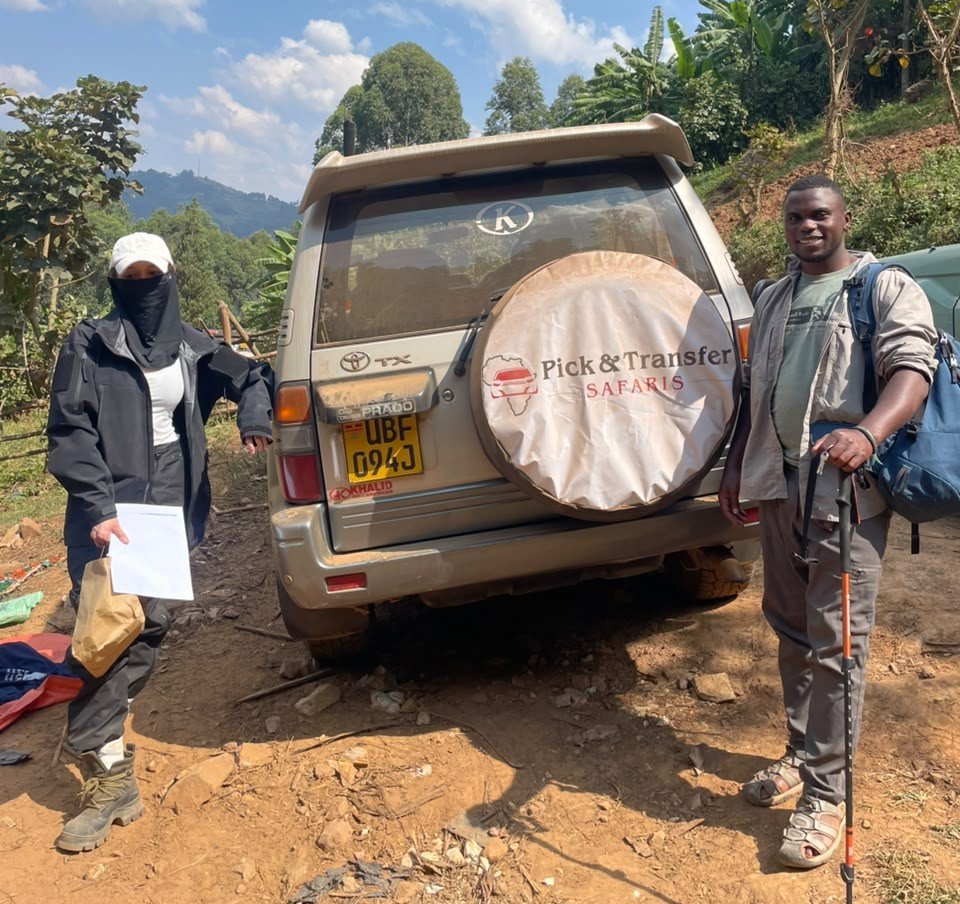
7 Days Uganda Safari – One week tour
This 7-day itinerary is the classic one-week introduction to Uganda, covering the country’s three most iconic wildlife experiences: chimpanzee tracking in Kibale Forest National Park, Big Five game drives and a boat cruise in Queen
Tour Details →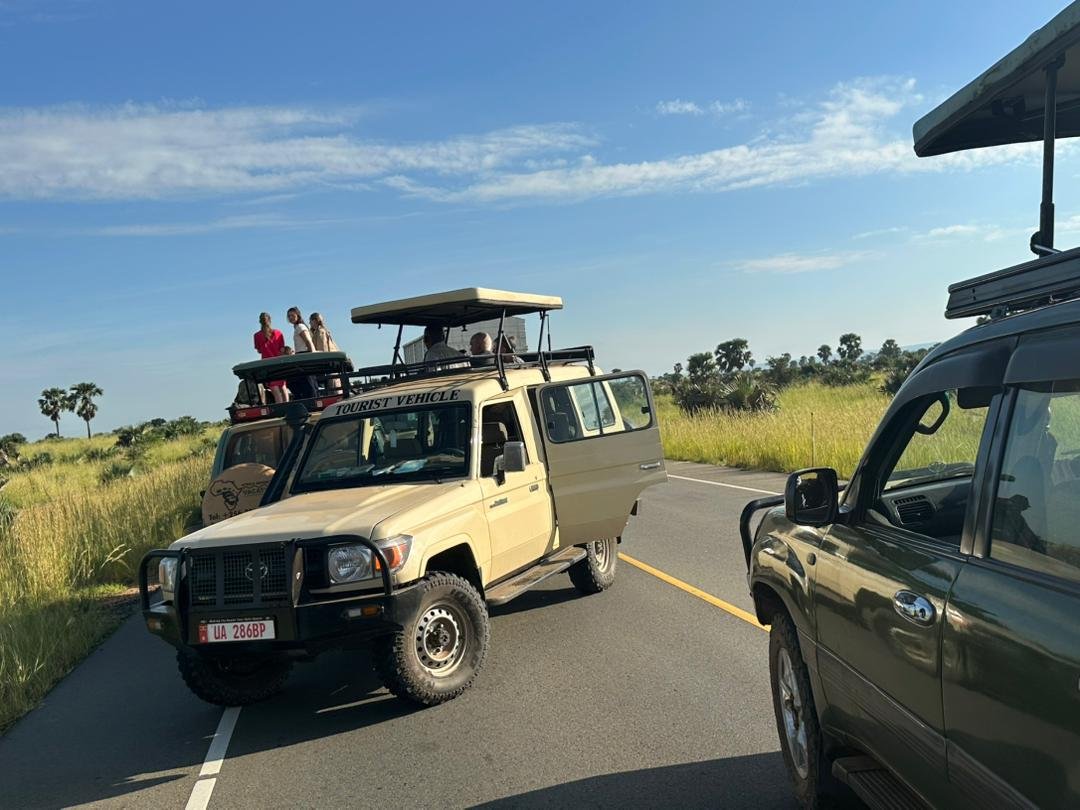
10 Days Uganda Primates and Wildlife
This 10-day Uganda Grand Safari is the most complete Uganda itinerary we offer at Pick and Transfer Safaris. It begins with a scenic northward drive from Entebbe to the vast open plains of Murchison
Tour Details →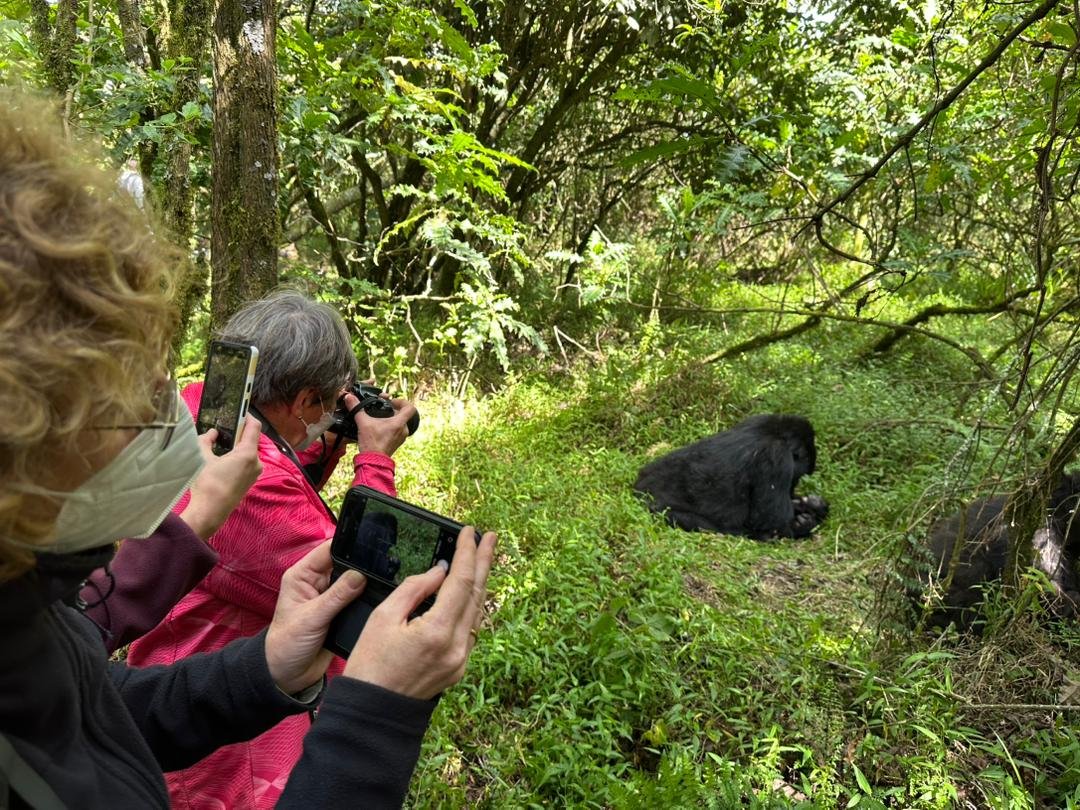
2 Days Uganda Gorilla Tour Starting from Kigali
This is the gentler cousin of our 1-Day Uganda Gorilla Safari Starting from Kigali — same idea, twice the breathing room. Instead of squeezing a 3,000-metre forest trek and two border crossings into a single very long day
Tour Details →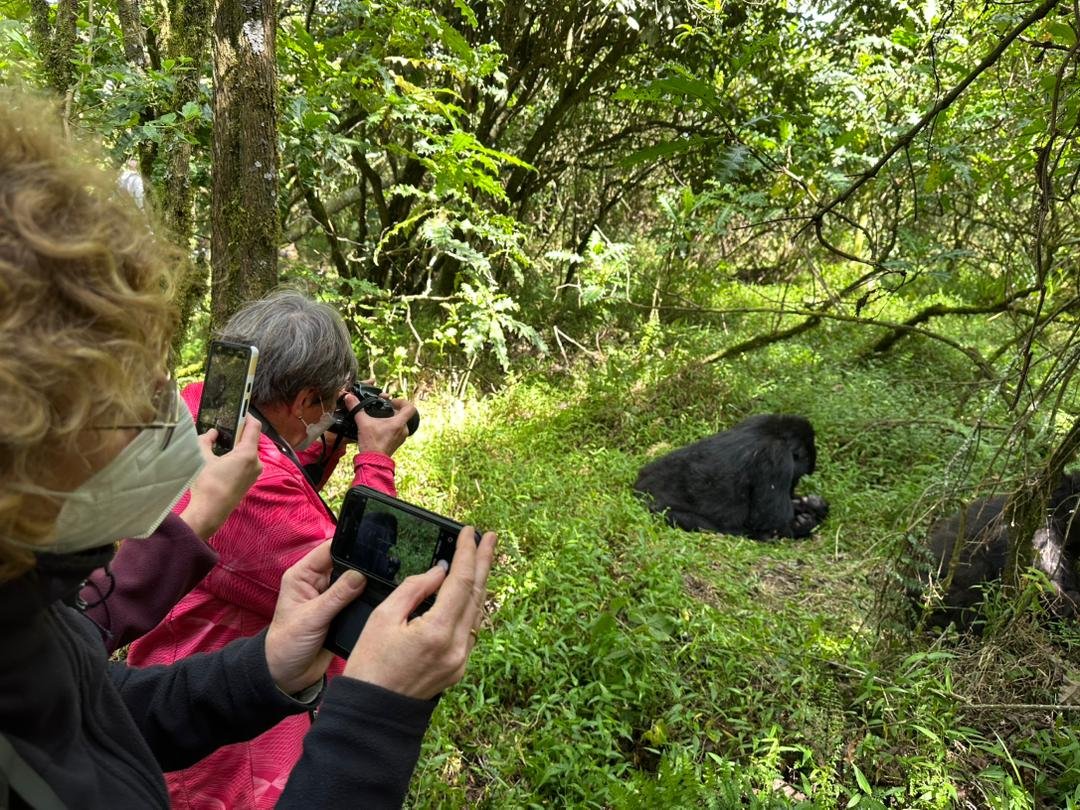
5-Day Uganda Gorilla and Chimpanzee Safari
This itinerary can be combined with a Rwanda extension or a wildlife-focused add-on through Queen Elizabeth National Park — browse our Uganda & Rwanda Safaris and Primate Safaris collections for ideas.
Tour Details →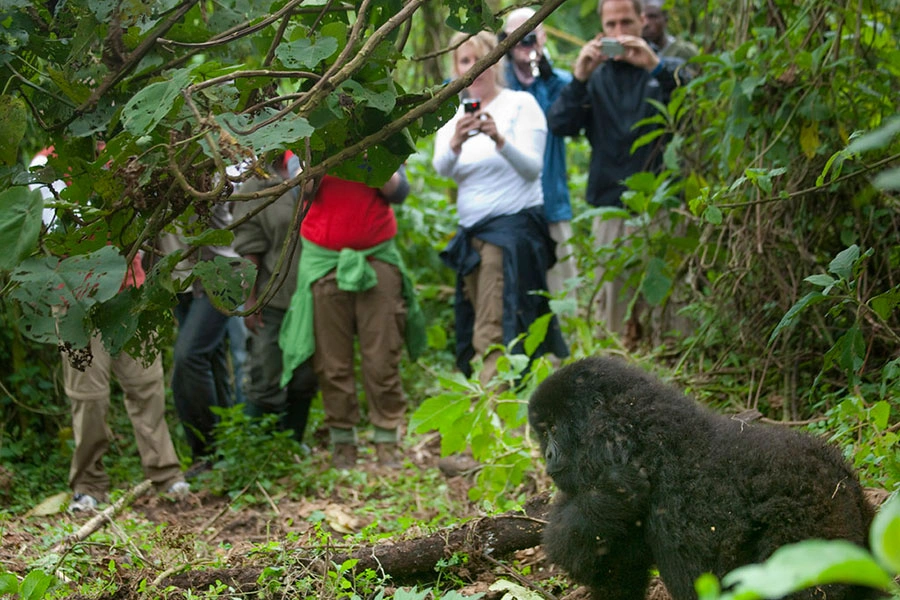
5 Days Rwanda Wildlife and Gorillas
This 5-day itinerary brings together Rwanda’s two flagship wildlife experiences: open savannah game drives and a boat safari in Akagera National Park, followed by a face-to-face encounters
Tour Details →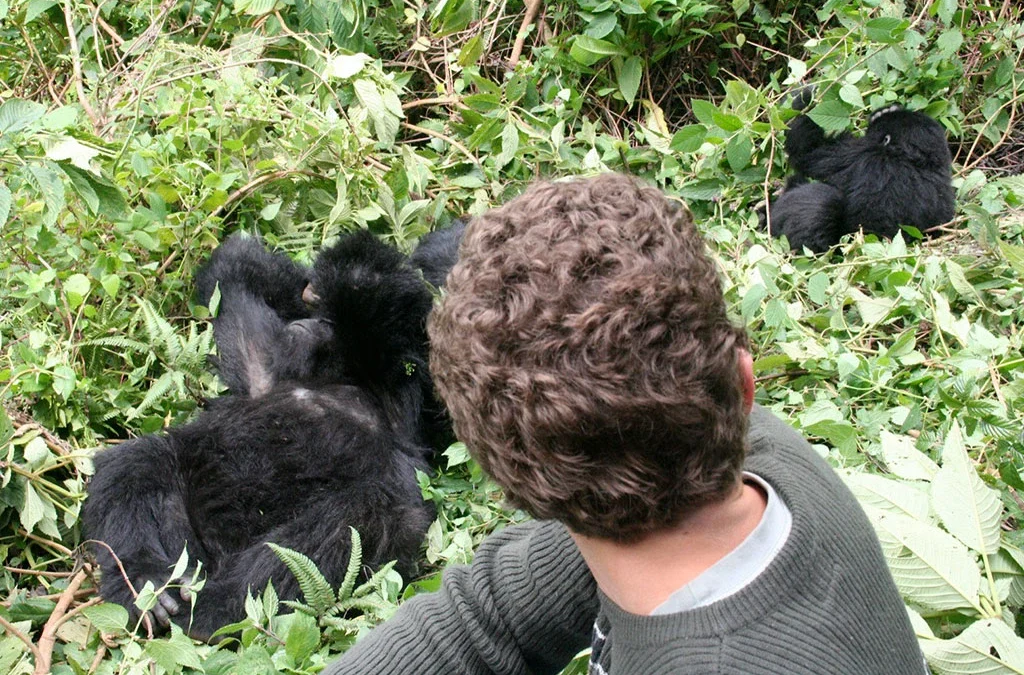
3 Days Uganda Gorilla Safari
For travelers who arrive in Entebbe with a tight schedule and a clear ambition, a 3-day gorilla safari to Bwindi Impenetrable Forest National Park is the most focused and rewarding short trip the country has to offer.
Tour Details →