- LET'S PLAN YOUR SAFARI
- +256 200 921 002
- +256 793 194 703
- info@pickandtransfersafaris.com

Gorilla and Chimp Safari from Kigali
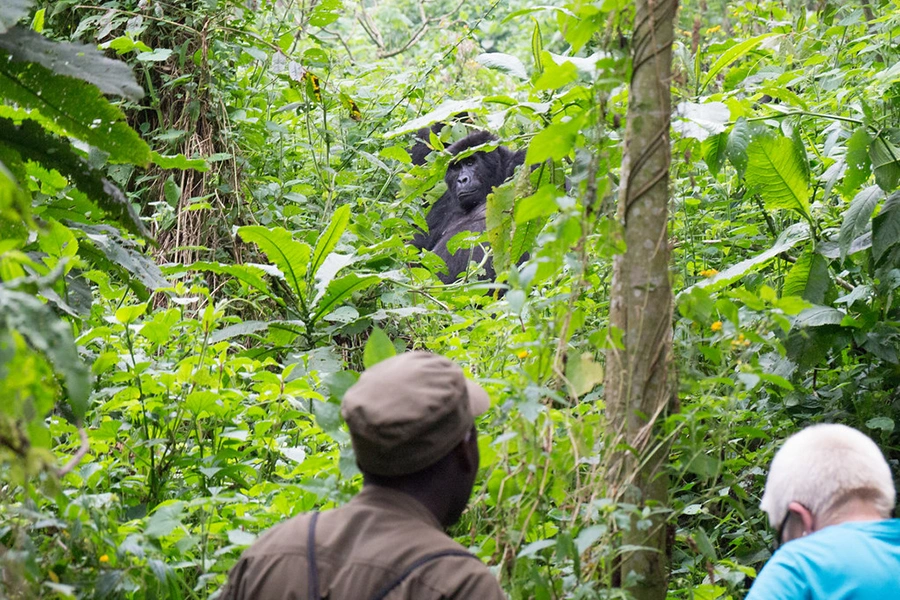
Gorilla and Chimp Safari from Kigali. Rwanda is one of the very few countries on earth where you can trek two of humanity’s closest living relatives, mountain gorillas and chimpanzees, within a single, well-planned trip that starts and ends in Kigali, without ever needing to cross an international border or juggle multiple visa applications along the way. A gorilla and chimp safari from Kigali pairs an encounter with a habituated gorilla family in the misty bamboo forests of Volcanoes National Park with a thrilling chase through the ancient rainforest canopy of Nyungwe Forest National Park in pursuit of one of Africa’s largest wild chimpanzee populations. Few wildlife itineraries anywhere in the world deliver this much primate diversity in such a compact geographic area.
This guide walks through everything you need to plan a combined gorilla and chimpanzee safari from Kigali in 2026: how the logistics between the two parks actually work, what each permit costs, how many days you realistically need, what to pack, and how to structure an itinerary that does justice to both experiences without feeling rushed or overly compressed. Whether you are planning a five-day primate-focused trip or folding gorillas and chimps into a longer Rwanda safari, Pick and Transfer Safaris can build and manage the entire itinerary for you from a single point of contact in Kigali.
Why Combine Gorilla Trekking and Chimpanzee Tracking from Kigali
Rwanda’s two flagship primate parks sit at opposite ends of the country’s western highlands, yet both are reachable from Kigali on well-maintained roads, which is precisely what makes a combined gorilla and chimp safari from Kigali such a compelling itinerary. Volcanoes National Park in the north is home to a dozen habituated mountain gorilla families living across the slopes of the Virunga volcanoes, while Nyungwe Forest National Park in the southwest protects one of Africa’s oldest rainforests and a network of habituated chimpanzee communities.
Trekking both species on the same trip offers a striking contrast in experience unlike almost anything else available on a single African itinerary. Gorilla families are relatively settled and slow-moving, making for a calm, often profoundly emotional encounter, while chimpanzees are fast, vocal, and constantly on the move through the forest canopy, delivering a more adrenaline-charged, unpredictable kind of trek. Together, the two treks showcase the full range of what primate tourism in East Africa has to offer, and Rwanda remains the only country where both experiences can be arranged through a single operator, a single set of permits, and a single point of entry at Kigali International Airport.
For travelers who want to understand exactly how the logistics between the two parks work before committing to an itinerary, Pick and Transfer Safaris’ gorilla safari packages page outlines the range of combined options available, from efficient five-day trips to longer, more immersive itineraries.
Understanding Rwanda’s Two Primate Parks
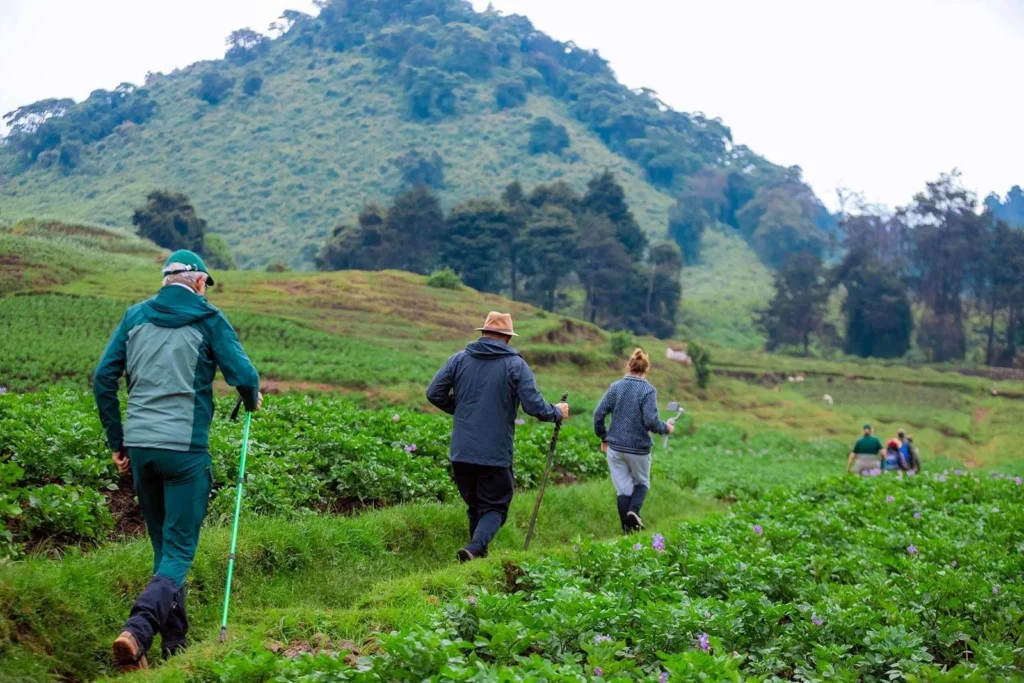
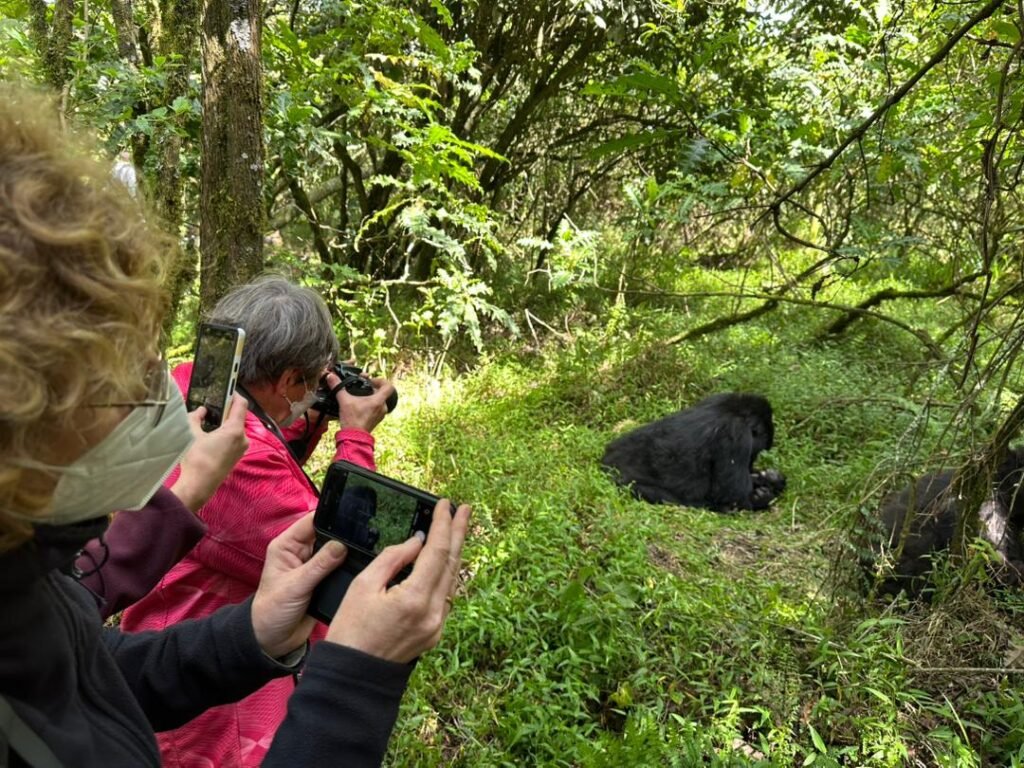
Volcanoes National Park and Nyungwe Forest National Park could not be more different ecologically, and understanding that difference helps set realistic expectations for your safari. Volcanoes National Park sits at high altitude across the Virunga volcanic range, with cool temperatures, bamboo forest, and open volcanic slopes that made it famous through the research of Dian Fossey. Gorilla families here are large, well-habituated, and tracked daily by experienced trackers who know each family’s general range.
Nyungwe Forest National Park, by contrast, is a vast, ancient montane rainforest, one of the oldest and most biodiverse forests in Africa, stretching across steep, forested hills in Rwanda’s southwest near the Burundi border, with a completely different rhythm and climate from the volcanic north. It is home to over 500 plant species, 300 bird species, and 13 primate species, including large troops of colobus monkeys, alongside several habituated chimpanzee communities. Beyond chimp tracking, Nyungwe offers Africa’s highest canopy walkway, suspended 70 meters above the forest floor, an experience that pairs naturally with a chimp trek for travelers wanting more than a single day of forest activity.
Travelers curious about the wider landscape context can also review Pick and Transfer Safaris’ Nyungwe Forest destination page and Volcanoes National Park destination page side by side to get a clearer sense of how different the two ecosystems feel on the ground.
Distance and Travel Time Between Kigali, Volcanoes, and Nyungwe
Logistics are the single most important factor in planning a gorilla and chimp safari from Kigali, since the two parks sit roughly 270 kilometers apart by road, a four-to-five-hour drive using the Ruhengeri-Gisenyi route, with tarmacked roads for most of the journey. Because of this distance, virtually no itinerary attempts both treks on the same day; instead, most combined safaris route through Kigali, or occasionally directly between the parks, over a span of four to six days.
Kigali to Volcanoes National Park is a relatively short hop, approximately 105 kilometers and two to three hours on a paved highway. Kigali to Nyungwe Forest National Park is a longer leg, approximately 225 kilometers and five to six hours by road, making it the most significant driving day in a combined itinerary. Many operators break this drive with a stop in Butare (Huye), home to Rwanda’s national museum, or route travelers back through Kigali between the two parks rather than attempting the direct Volcanoes-to-Nyungwe road, since the direct route, while shorter than looping through the capital, is still a substantial four-to-five-hour drive over winding terrain.
Given these distances, a private 4×4 vehicle with an experienced driver-guide is essential for a combined safari, and Pick and Transfer Safaris plans the routing between the two parks to minimize unnecessary backtracking while still allowing rest stops and, where possible, scenic detours along the way.
Gorilla Permit Costs for 2026
A gorilla trekking permit in Volcanoes National Park costs USD 1,500 per person as of 2026, covering trekker registration, an armed ranger escort, professional trackers, and exactly one hour with your assigned gorilla family once located. Rwanda periodically offers a 30 percent low-season discount, bringing the price to roughly USD 1,050, typically available from November through May for travelers combining Volcanoes with Nyungwe or Akagera National Park, which makes the low season particularly attractive for anyone planning a combined gorilla and chimp itinerary, since both permits can benefit from the discount window in the same trip.
Permits are capped at eight trekkers per gorilla family and are strictly non-transferable, tied to your passport details at the time of booking. Because demand consistently outpaces the daily permit allocation, especially during the June-to-September and December-to-February peak seasons, booking through Pick and Transfer Safaris’ Rwanda gorilla safari packages at least two to six months ahead of travel is strongly recommended, and earlier still if you have a fixed travel window.
Chimpanzee Permit Costs for 2026
Chimpanzee tracking permits in Nyungwe Forest National Park are considerably more affordable than gorilla permits, priced at approximately USD 150 per person for foreign non-residents in 2026, in addition to separate park entrance fees that typically range from USD 100 to 200 depending on the length of your stay. This significant price difference between the two permits often surprises first-time visitors, and it is one of the reasons a combined gorilla and chimp safari remains financially manageable even though the gorilla permit alone represents a substantial investment.
Like gorilla trekking, chimpanzee tracking has a minimum age requirement of 15 years old, and each group is limited in size with an armed ranger and experienced guide accompanying trekkers throughout. Because chimpanzees move constantly through the forest canopy while foraging, trek duration varies more unpredictably than gorilla trekking, ranging anywhere from two to five hours depending on where the community happens to be that morning. Once located, trekkers are typically permitted around one hour observing the chimps, watching their remarkable social behavior, vocalizations, and tree-top acrobatics up close.
For travelers building a primate-focused Rwanda itinerary, Pick and Transfer Safaris’ 2 Days Nyungwe Chimps Tracking Trip and 3 Days Nyungwe Safari packages are built specifically around this permit structure and the practical realities of reaching Nyungwe from Kigali.
How Many Days You Need for a Gorilla and Chimp Safari
Given the driving distances involved, a realistic gorilla and chimp safari from Kigali requires a minimum of four full days, though five to seven days allows for a considerably more comfortable pace with proper rest between long drives and demanding treks. A typical four-day structure might include one day traveling to Volcanoes National Park and trekking gorillas, a travel day to Nyungwe, a day trekking chimpanzees, and a final travel day back to Kigali, though this pace can feel rushed given how long the Kigali-to-Nyungwe leg takes.
A more comfortable five-day version spreads the driving across additional half-days, allows time for the Nyungwe canopy walk in addition to chimp tracking, and builds in a buffer for weather delays or simply resting after two physically demanding treks in different terrains. Longer itineraries of seven days or more often add Akagera National Park for classic savannah game viewing, rounding out a trip that covers mountain gorillas, forest chimpanzees, and big-game safari wildlife all within one country.
Pick and Transfer Safaris offers several ready-built itineraries matched to these different pacing options, including the 5 Days Rwanda Primate Safari, the 5-Day Gorilla and Chimps Safari Starting from Rwanda, and the 5 Days Rwanda Gorilla and Chimpanzee Safari, each structured to balance driving time against genuine time in the forest.
Sample Itinerary: A Five-Day Gorilla and Chimp Safari from Kigali
A well-paced five-day itinerary typically begins with arrival and an overnight in Kigali, followed by an early departure the next morning for the two-to-three-hour drive to Kinigi and Volcanoes National Park, where trekkers register for the 7:00 a.m. briefing before setting off in search of their assigned gorilla family. Day three is dedicated to the long transfer south to Nyungwe Forest, often broken up with a stop in Huye to visit Rwanda’s national museum or simply stretch your legs, arriving at your Nyungwe lodge by the evening.
Day four is chimpanzee tracking day, with an early start from your lodge, a briefing at the park headquarters, and a trek that can last anywhere from two to five hours depending on the chimp community’s location, followed by an optional afternoon canopy walk for those with energy left after the morning’s trek. Day five involves the return drive to Kigali, arriving in time for a final night in the city or a same-day departure flight, depending on your onward travel plans.
This structure is essentially what underlies Pick and Transfer Safaris’ 5 Days Rwanda Gorilla and Chimpanzee Safari package, and travelers wanting a slower version with an additional buffer day can extend to the 7 Days Best of Rwanda Safari instead.
What to Pack for a Combined Gorilla and Chimp Trek
Because gorilla trekking and chimp tracking take place in different terrain and altitude, your packing list needs to cover both environments. For Volcanoes National Park’s high-altitude bamboo forest, pack a warm layer, a waterproof rain jacket, and sturdy waterproof hiking boots with good ankle support, since volcanic soil becomes slippery and uneven, especially after rain. Gardening gloves help when grabbing onto vegetation, including stinging nettles, and long trousers tucked into socks or gaiters protect against both nettles and safari ants.
Nyungwe’s lower-altitude rainforest is generally warmer and more humid, so pack lighter, breathable layers alongside your rain gear, since Nyungwe receives rainfall in most months regardless of season. A daypack for water, snacks, and camera equipment is useful for both treks, and given the fast-moving nature of chimpanzee tracking, comfortable, well broken-in footwear with good grip matters even more in Nyungwe’s steep, root-covered trails than it does on Volcanoes’ more open volcanic slopes. Binoculars are a worthwhile addition for Nyungwe specifically, given the forest’s exceptional birdlife and canopy-dwelling primates beyond just chimpanzees.
Physical Demands and Fitness Considerations
Both treks are physically demanding, though in different ways. Gorilla trekking in Volcanoes National Park involves sustained uphill hiking at altitudes between roughly 2,500 and 4,000 meters, with trek times ranging from 30 minutes to six hours depending on the gorilla family’s location that day. Chimpanzee tracking in Nyungwe involves less extreme altitude but often faster, more sustained walking through dense forest, since chimpanzees move continuously while foraging and trackers must keep pace with the community’s movement.
Both activities share a minimum age requirement of 15 years old, and neither has an upper age limit, though a reasonable level of fitness is expected for both. Hiring a porter is strongly recommended for the Volcanoes trek regardless of fitness level, both for practical support on the steep terrain and because porter fees directly benefit the local Kinigi community. If you are combining both treks within a tight itinerary, building in at least one rest day, or choosing a five-day rather than four-day structure, makes a meaningful difference in how much you enjoy the second trek after the physical demands of the first.
Best Time of Year for a Gorilla and Chimp Safari
Rwanda’s two dry seasons, June through September and December through February, generally offer the best trekking conditions for both gorillas and chimpanzees, with firmer trails and less rainfall interrupting your hikes. However, because Nyungwe is a genuine rainforest, it receives significant rainfall even during the broader dry season, so packing rain gear regardless of when you travel is essential for the chimpanzee leg of your trip.
The wet seasons, March through May and October through November, bring quieter parks and occasionally discounted gorilla permits when combined with a Nyungwe or Akagera extension, though trails become muddier and chimp tracking in particular can become more physically demanding as the terrain grows slippery. For travelers with flexible schedules, targeting the dry season for the Volcanoes leg while accepting that Nyungwe will likely see rain regardless of timing offers a reasonable balance between comfort and cost. Pick and Transfer Safaris can advise on the specific weeks each year that tend to offer the best combination of permit availability and trekking conditions.
Combining Your Primate Safari with Other Rwanda Experiences
A gorilla and chimp safari naturally lends itself to further extension, particularly for travelers who have already committed to the time and cost of reaching both parks. Adding golden monkey tracking, available from the same Kinigi park headquarters as gorilla trekking, is a low-effort way to see a third primate species without significant extra driving. Akagera National Park, roughly two and a half hours east of Kigali, offers a completely different savannah game-drive experience with lions, elephants, giraffes, and rhinos, rounding out a trip that spans forest, volcano, and savannah ecosystems within a single country.
Popular extended itineraries include the 10 Days Rwanda Wildlife Gorilla Tour and the 4 Days Rwanda Wildlife and City Tour, both of which can be adapted to include a Nyungwe chimp tracking segment. Travelers researching how a combined Uganda-Rwanda primate itinerary might look can also review Kenlink Tours’ five-day volcanoes gorillas and Akagera wildlife safari and Kenlink Tours’ four-day golden monkey and gorilla trekking itinerary for a sense of how other regional operators structure similar multi-park trips.
Travelers with two weeks or more available sometimes extend even further into a full regional circuit spanning both Rwanda and Uganda’s primate and wildlife parks. Kenlink Tours’ ten-day Rwanda and Uganda safari in East Africa illustrates how such a longer regional trip is typically structured, and Rwanda-based travelers wanting an equivalent longer option can look at Pick and Transfer Safaris’ 10 Days Uganda Rwanda Safari, which folds gorilla and chimp trekking into a broader two-country wildlife itinerary.
Comparing Rwanda’s Chimp Trekking with Uganda’s Options
Rwanda is not the only country in the region offering chimpanzee tracking, and travelers researching a combined primate safari sometimes weigh Nyungwe against Uganda’s Kibale Forest, widely regarded as having the highest chimp encounter success rate in East Africa. Pick and Transfer Safaris’ 3 Days Chimpanzee Tour in Uganda and the Kibale Forest National Park destination page outline what that alternative looks like, though it requires a considerably longer journey from Kigali across the border into Uganda.
For travelers who want to compare both countries’ chimp tracking options independently before deciding, Kenlink Tours’ three-day chimpanzee tracking safari offers a useful point of reference for how a Uganda-based chimp trek is typically packaged, alongside Kenlink Tours’ seven-day gorilla and wildlife safari in Uganda for travelers considering a Uganda-only combined primate trip instead of the Rwanda route described in this guide. In practice, most travelers based in or flying into Kigali find that staying within Rwanda for both gorillas and chimps, given Nyungwe’s five-to-six-hour reachability from the capital, remains the simpler and more time-efficient option. Travelers weighing a longer regional trip that folds in both countries’ primate parks can browse Kenlink Tours’ five-day gorilla and chimpanzee tour in Uganda and Kenlink Tours’ eight-day Uganda gorilla, chimpanzee, and wildlife safari for additional context on how a Uganda-centered combined primate itinerary is typically paced.
For Rwanda-based travelers who want the dedicated Nyungwe experience without adding a second country to the itinerary, Pick and Transfer Safaris’ 3 Days Nyungwe Safari package focuses entirely on chimp tracking, the canopy walkway, and Nyungwe’s exceptional birdlife, and can be paired separately with a Volcanoes gorilla trek on either side of your trip. Travelers researching a similar Rwanda-focused chimp itinerary from another operator’s perspective sometimes reference Kenlink Tours’ three-day Nyungwe Forest National Park tour as a comparison point.
Trekking Etiquette and Rules for Both Experiences
Both gorilla trekking and chimpanzee tracking operate under strict conservation-driven rules designed to protect the animals as much as the visitor experience, and understanding these before you travel helps avoid awkward moments on the trail. With gorillas, trekkers must maintain a minimum distance of roughly seven meters at all times, speak quietly, avoid direct eye contact with an agitated silverback, and never eat or drink while in the gorillas’ presence. Anyone showing symptoms of a cold, flu, or other communicable illness is asked to skip their trek that day, since gorillas are highly susceptible to human diseases.
Chimpanzee tracking carries a similar distance guideline, generally around eight meters, though chimps move far more unpredictably than gorillas and can occasionally approach trekkers on their own terms, in which case guides will instruct the group on how to respond calmly. Flash photography is prohibited during both treks, loud noises and sudden movements are discouraged, and groups are capped in size specifically to minimize stress on the animals. Rangers and guides on both treks are trained to manage unexpected animal behavior, and following their instructions immediately, without hesitation, is the single most important rule across both experiences.
Photography Tips for Your Primate Trek
Capturing good photographs of gorillas and chimps requires some preparation, since low light beneath the forest canopy, constant animal movement, and the flash photography ban all work against typical point-and-shoot settings. A camera capable of shooting well in low light, ideally with a fast lens or a high ISO capability, makes a meaningful difference, and many experienced wildlife photographers recommend setting your camera to shutter priority or a fast continuous-shooting mode before you even reach the animals, since your one-hour window disappears quickly.
Gorilla photography benefits from patience, since the animals are relatively settled and often stay in view for extended stretches, giving you time to compose shots carefully. Chimpanzee photography is considerably more challenging, given how fast the animals move through the canopy and undergrowth, so being ready to shoot instinctively, rather than fiddling with settings mid-encounter, matters more in Nyungwe than in Volcanoes. Bringing a spare battery and enough memory card space for both treks is essential, since charging opportunities at rural lodges near Kinigi and Nyungwe are not always reliable.
Conservation Impact: Why Your Permit Fees Matter
Every dollar spent on a gorilla or chimpanzee permit funds a broader conservation ecosystem that has produced one of the genuine success stories in African wildlife protection. Gorilla permit revenue funds ranger patrols, veterinary monitoring of habituated families, anti-poaching operations, and a formal revenue-sharing program that channels a percentage of park income directly into community projects in villages surrounding Volcanoes National Park, funding schools, health centers, and infrastructure.
Nyungwe’s chimpanzee tracking program operates on a similar model, though at a smaller scale given the lower permit price, supporting ranger salaries, habituation research, and forest protection against illegal logging and snaring, both of which remain ongoing threats to the park’s biodiversity. Choosing a locally rooted operator for your safari extends this positive impact further, since money spent on porters, local guides, and community-based lodges circulates directly within the regional economy rather than leaving the country through purely foreign-owned booking channels. Travelers researching the wider tourism and conservation landscape sometimes also check resources like Kenlink Tours’ travel news page for updates on conservation initiatives and regional travel conditions before finalizing their itinerary.
Budget Breakdown: What a Gorilla and Chimp Safari Really Costs
Beyond the headline permit prices, a realistic budget for a gorilla and chimp safari from Kigali needs to account for several additional line items. Private 4×4 vehicle hire with a driver-guide typically runs for the full duration of the trip, since the same vehicle handles both the Kinigi and Nyungwe legs, and this cost is usually built into a package price rather than charged separately. Accommodation varies enormously, from mid-range lodges suitable for budget-conscious travelers to high-end luxury properties near both parks, and this single line item often has the widest cost range in the entire itinerary.
Porter fees, typically USD 10 to 20 per trek, park entrance fees separate from the trekking permits themselves, meals not included in your lodge package, and tips for guides, trackers, and rangers all add incremental cost that is easy to underestimate when focusing only on the two headline permit prices. Travelers comparing self-drive options to reduce vehicle costs can review resources such as Kenlink Tours’ car hire page for a sense of independent rental pricing, though for a itinerary spanning two distant national parks and early-morning briefings, most travelers still find a private driver-guide arrangement, bundled through an operator like Pick and Transfer Safaris, both more comfortable and more cost-predictable overall.
Where to Stay Between the Two Parks
Accommodation choices around Kinigi range from comfortable mid-range lodges to high-end luxury properties with volcano views, and most combined itineraries include one or two nights near Volcanoes National Park before the transfer south. Around Nyungwe, lodges are generally smaller and more intimate, often set directly within or on the edge of the forest, with several properties offering direct access to the canopy walkway and chimp tracking trailheads.
Because the drive between the two regions is substantial, some travelers choose to break the journey with an overnight stop in Huye (Butare) or along Lake Kivu, turning what would otherwise be a single long driving day into a more scenic two-stage transfer. Pick and Transfer Safaris works with a range of accommodation partners near both parks and can recommend options that match your budget and preferred pace, whether that means pushing straight through in one long transfer day or splitting the journey with an extra overnight stop.
Why Book Your Gorilla and Chimp Safari with Pick and Transfer Safaris
Coordinating two separate permits, two national parks nearly 270 kilometers apart, and the accommodation and transport connecting them requires the kind of local operational knowledge that is difficult to replicate from abroad. Pick and Transfer Safaris specializes in exactly this kind of multi-park Rwanda itinerary, booking both gorilla and chimpanzee permits directly, arranging a single private 4×4 vehicle and driver-guide for the entire trip, and sequencing the drive between Volcanoes and Nyungwe to minimize wasted time on the road.
Beyond the standard combined packages, the team’s full range of gorilla safari packages and wildlife safari packages can be tailored into a fully custom itinerary, whether that means adding Akagera, extending your stay in Nyungwe for additional forest activities, or connecting your primate safari with a broader multi-country trip such as the 15 Days Rwanda Uganda Safari. To begin planning your gorilla and chimp safari, contact Pick and Transfer Safaris directly for permit availability and a detailed day-by-day itinerary.
Frequently Asked Questions About Gorilla and Chimp Safaris from Kigali
Can I trek gorillas and chimps on the same day? No. Volcanoes National Park and Nyungwe Forest National Park are roughly 270 kilometers apart, a four-to-five-hour drive, so the two treks are always scheduled on separate days within a multi-day itinerary.
How much does a combined gorilla and chimp safari cost? Budget at minimum USD 1,650 per person for the two permits alone, USD 1,500 for gorilla trekking and USD 150 for chimpanzee tracking, plus park entrance fees, private vehicle transport, accommodation, and guide fees. Low-season discounts on the gorilla permit can reduce this total meaningfully. Pick and Transfer Safaris can provide an itemized quote based on your specific dates.
How many days should I plan for? A minimum of four full days is possible, but five to seven days allows for a much more comfortable pace, particularly given the long Kigali-to-Nyungwe drive and the physical demands of both treks.
Is chimpanzee tracking harder than gorilla trekking? Not necessarily harder, but different. Chimpanzees move continuously while foraging, so trackers often walk faster and cover more ground than during a typical gorilla trek, even though gorilla trekking can involve steeper, higher-altitude terrain.
What is the minimum age for both activities? Both gorilla trekking and chimpanzee tracking require a minimum age of 15 years old, a rule enforced consistently across Rwanda’s national parks.
Can I add Akagera National Park to this itinerary? Yes, many travelers extend a gorilla and chimp safari with a stop at Akagera National Park for classic savannah game viewing, creating a well-rounded trip covering forest, volcano, and savannah ecosystems within Rwanda.
Should I book gorilla and chimp permits separately or together? Booking both through the same operator is strongly recommended, since it allows your itinerary, vehicle, and guide to be coordinated as a single trip rather than two disconnected bookings. Pick and Transfer Safaris handles both permit types directly as part of its combined safari packages.
What happens if I only see one of the two species due to a scheduling issue? This is rare when the itinerary is planned properly, since both parks track their habituated groups daily and success rates for locating gorillas and chimps are consistently high. The larger risk is a weather delay affecting your driving day between parks, which is one more reason to build a buffer day into your itinerary rather than scheduling both treks back to back with no slack.
Can solo travelers join a gorilla and chimp safari, or is it only for groups? Solo travelers are welcome on both treks, since permits are issued per person rather than per group, and trekking groups themselves are formed daily from whichever individual trekkers are assigned to a given gorilla family or chimp community. For the vehicle and driver-guide portion of the trip, solo travelers can either book a private vehicle at a slightly higher per-person cost or ask about joining a scheduled departure alongside other travelers heading to the same parks on similar dates, an option worth raising directly with Pick and Transfer Safaris when requesting a quote.
Is travel insurance required for this type of trip? While not always a legal requirement for entry, comprehensive travel insurance covering trekking activities, altitude-related risks, and medical evacuation is strongly recommended given the physical demands and remote terrain involved in both treks, along with the significant financial investment represented by the permits themselves.
Common Mistakes to Avoid When Planning This Trip
A few recurring mistakes trip up first-time planners of a combined gorilla and chimp safari, and knowing about them in advance can save both money and disappointment. The most common is underestimating the Kigali-to-Nyungwe driving distance and squeezing the itinerary into too few days, leaving travelers exhausted from back-to-back long drives and treks with no recovery time in between. Building in at least one buffer day, whether as a rest day or a stop along the route, consistently produces a better overall experience than a compressed schedule that looks efficient on paper but feels grueling in practice.
Another frequent error is booking gorilla and chimp permits for dates that do not actually allow enough travel time between the two parks, particularly among travelers piecing together an itinerary independently rather than through an operator familiar with the route. Since permits are tied to specific dates and are non-transferable, a scheduling mistake here can be costly to fix. Finally, some travelers focus so heavily on the two headline permits that they underbudget for the accompanying costs, vehicle hire, accommodation, park entrance fees, and tips, only to find the full trip costs meaningfully more than the permit prices alone suggested. Working with an experienced operator from the outset, rather than trying to assemble the logistics piecemeal, is the most reliable way to avoid all three of these pitfalls.
Final Thoughts on Planning Your Gorilla and Chimp Safari from Kigali
A gorilla and chimp safari from Kigali offers something genuinely rare: the chance to encounter two of our closest primate relatives in their natural habitats within a single, well-organized trip through one of Africa’s most accessible wildlife destinations. The distances involved mean this is not a rushed weekend itinerary, but for travelers willing to invest four to seven days, the reward is an extraordinarily rich primate experience that few other countries in the world can match.
Few countries let you trade the misty volcanic slopes of one forest for the ancient rainforest canopy of another, both filled with wild primates, in the span of a single well-planned week, and that rarity is exactly what makes a Rwanda-based gorilla and chimp safari worth the extra planning it demands.
Start planning your combined gorilla and chimp safari by exploring Pick and Transfer Safaris’ gorilla safari packages, browsing available destinations across Rwanda and Uganda, or getting in touch directly to build a day-by-day itinerary tailored to your available time and travel dates.