- LET'S PLAN YOUR SAFARI
- +256 200 921 002
- +256 793 194 703
- info@pickandtransfersafaris.com

Gorilla Habituation During the Dry Season
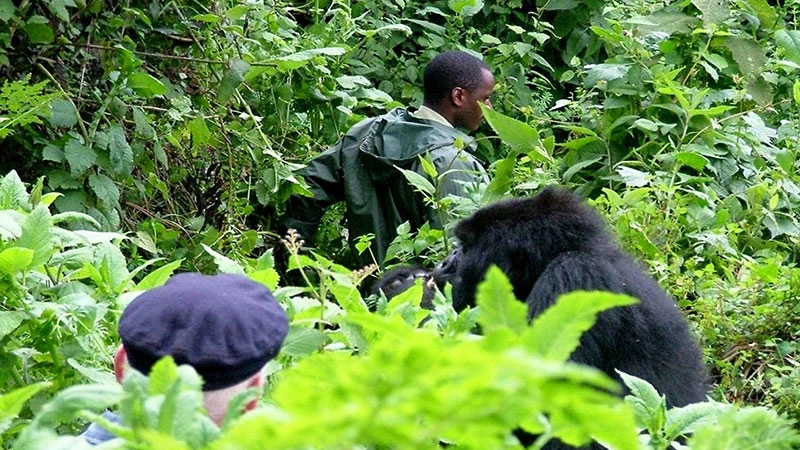
Gorilla Habituation During the Dry Season. For most travelers planning the Gorilla Habituation Experience in Rushaga, the dry season is the default choice, and for good reason. Firmer trails, more predictable weather, and the most comfortable overall conditions make this the period most operators recommend for a four-hour forest day that is already physically demanding on its best days. At Pick and Transfer Safaris, the majority of the habituation trips we arrange fall within these months, and this guide covers what makes the dry season the preferred window, and what to plan around given how popular it is.
When Uganda’s Dry Seasons Fall
Bwindi Impenetrable National Park sees two distinct dry periods each year: a longer stretch from June through September, and a shorter one from December through February. Rainfall drops noticeably during these months compared to the wetter March-to-May and September-to-November periods, though as a genuine rainforest at altitudes between roughly 1,160 and 2,607 meters, Bwindi can still see the occasional shower even at the height of the dry season. The distinction isn’t “no rain,” but rather considerably less of it, with firmer ground and more predictable conditions overall.
Of the two dry windows, June through September tends to be the drier and more settled of the pair, while December through February brings slightly more frequent light showers but still qualifies as favorable trekking weather by comparison to the true rainy months.
Why the Terrain Matters More for Habituation Than Standard Trekking
Every gorilla trek in Bwindi involves genuine physical effort, but the Gorilla Habituation Experience raises the stakes considerably. Where a standard trek involves one hour with the gorillas and a round trip that might last anywhere from two to six hours total, the habituation experience extends observation time to up to four hours, meaning the entire day in the forest, approach, observation, and return, runs significantly longer. Firmer, drier trails make a meaningful difference over that extended period, reducing the risk of slips on Rushaga’s steep sections and generally making the day less physically draining than the same activity attempted in the mud and heavier rainfall of the wet season.
For travelers who are less experienced hikers, recovering from injury, or simply want to prioritize comfort given how demanding this particular activity already is, the dry season removes one significant variable from an otherwise challenging day.
Better Visibility and More Predictable Gorilla Behavior
Drier conditions also tend to mean better visibility through the forest canopy and understory, which can make locating and observing the semi-habituated family somewhat easier for trackers and more rewarding for photography. While gorillas move throughout the park regardless of season, some guides note that during the dry months, families range more widely across higher elevations in search of food, which can occasionally mean a longer approach trek compared to the lower-elevation feeding patterns sometimes seen during the rains. This trade-off, firmer ground but potentially more walking to reach the family, is one of the genuine variables between the two seasons rather than a clear-cut advantage either way.
The Trade-Off: Demand and Competition for Permits
The dry season’s popularity comes at a real cost: competition for the Gorilla Habituation Experience’s extremely limited daily quota. With only eight permits available per day across the two families undergoing habituation in Rushaga, and dry season demand concentrated among travelers who specifically want the most comfortable trekking conditions, peak months can sell out considerably further in advance than the shoulder or rainy seasons. Many operators now recommend booking six months to a year ahead for June-through-September and December-through-February dates specifically, a noticeably longer lead time than the two to four months often sufficient during quieter periods.
This means travelers set on a dry-season habituation date need to treat the permit booking as the very first step in planning their entire trip, well before flights, lodges, or any other logistics are finalized, given how far in advance these dates can be claimed by other travelers or operators.
Lodge Availability and Pricing During Peak Months
Because the dry season overlaps with Uganda’s peak tourism period generally, accommodation near Rushaga fills up alongside the permits themselves, and rates tend to sit at their highest point of the year. Popular lodges close to the Rushaga park headquarters can be fully booked months out during July, August, and the December holiday period specifically, so securing accommodation early is nearly as time-sensitive as the permit itself. Travelers on a tighter budget who are flexible on season may find considerably better lodge rates and more availability by shifting toward the shoulder months just before or after the core dry-season window.
Crossing the Border During Peak Season
The overland route from Kigali to Rushaga via Cyanika generally moves more smoothly during the dry season, since road conditions on the connecting routes around Bwindi’s gates are at their best and least likely to be slowed by mud or washouts. That said, dry season also brings higher overall tourist traffic through the region, so border crossings and popular rest stops along the way can be marginally busier than during quieter months. Departing Kigali early enough to comfortably reach Cyanika within its operating hours, roughly 5:00 or 6:00 AM to 8:00 or 9:00 PM depending on the side of the border, remains worth planning around regardless of season, but is particularly worth building in extra buffer time for during the busiest weeks of July, August, and the December holidays.
What to Pack for a Dry Season Trek
Even with firmer trails, Bwindi remains a genuine rainforest, and occasional showers are possible at any time of year, so a rain jacket remains essential rather than optional. Sturdy, broken-in hiking boots with good grip and ankle support matter regardless of season, particularly given the length of a habituation day. Because dry season mornings can still be cool at Bwindi’s altitude before warming through the day, layering, a light fleece or long-sleeved shirt under a breathable outer layer, tends to work better than dressing for either temperature extreme alone. Sun protection, including a hat and sunscreen, is worth adding to the packing list for dry season specifically, since clearer skies mean more direct sun exposure during the trek than the more overcast conditions typical of the rains.
Combining a Dry Season Trip with Other Activities
Given the physical demands of a habituation day, most travelers still build in a rest day or lighter activity immediately afterward, even during the more forgiving dry season conditions. A 3-day itinerary structure, one day to travel from Kigali, one day for the habituation experience, one day to return, remains the sensible baseline regardless of season, with the option to extend into Mgahinga Gorilla National Park for golden monkey trekking, a genuinely lower-intensity activity well suited to a day after a demanding forest visit.
Is the Dry Season Worth the Extra Planning Effort?
For most travelers, yes. The combination of firmer trails, more predictable weather, and generally easier conditions over an already demanding four-hour day makes the dry season the more comfortable choice, particularly for less experienced hikers or those simply wanting the smoothest possible version of this experience. The trade-off is real, though: earlier booking, higher permit and lodge competition, and premium pricing across the board. Travelers who can be flexible on timing, or who are more comfortable with physical challenge and lower costs, may find the rainy season offers a genuinely worthwhile alternative rather than simply a compromise.
Visa and Border Requirements
Regardless of season, travel documents should be arranged before departure. Most travelers use the East African Tourist Visa, covering multiple entries across Uganda, Rwanda, and Kenya over 90 days for 100 US dollars through Uganda’s official immigration portal, particularly useful given this route typically re-enters Rwanda. A standard single-entry Uganda Tourist Visa also works if you won’t be returning to Rwanda. A valid yellow fever vaccination certificate remains required for entry into Uganda year-round.
Planning Your Dry Season Gorilla Habituation Trip with Pick and Transfer Safaris
The dry season offers the most comfortable version of an already demanding experience, provided you’re prepared to book early and pay peak-season rates for the privilege. If you would like help checking Gorilla Habituation Experience availability for a dry-season date, securing your Rushaga lodge before it fills up, or arranging your private transfer from Kigali, get in touch through our Contact Us page. We’ll help you lock in your permit as early as possible, coordinate the rest of your itinerary around it, and make sure your border crossing and documentation are sorted well ahead of your trip.