- LET'S PLAN YOUR SAFARI
- +256 200 921 002
- +256 793 194 703
- info@pickandtransfersafaris.com

Gorilla Habituation Safety Tips
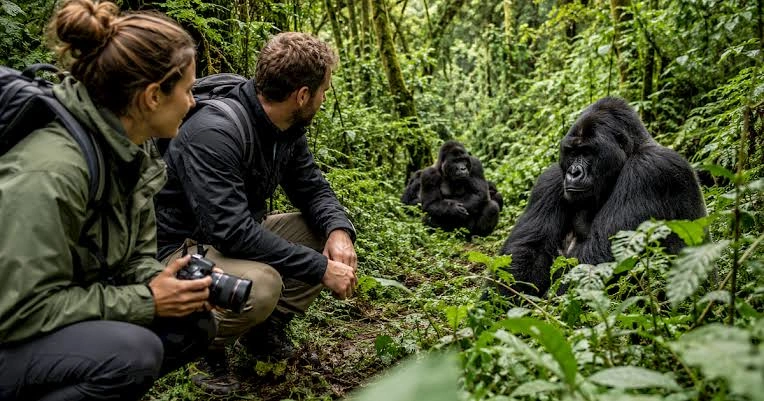
Gorilla Habituation Safety Tips. Spending four hours with a semi-habituated gorilla family sounds, to many first-time travelers, considerably riskier than the standard one-hour trek with a fully habituated group. In practice, the Gorilla Habituation Experience follows the same rigorous safety framework the Uganda Wildlife Authority applies across all gorilla trekking, with a few added layers of caution given the gorillas’ less settled relationship with human visitors. At Pick and Transfer Safaris, we brief every traveler heading to Rushaga on exactly what to expect, and this guide covers the safety protocols, health rules, and practical precautions worth understanding before your day in the forest.
The Real Safety Concern Isn’t the Gorillas
It’s worth starting with a genuine reframe: the biggest safety consideration in gorilla trekking generally, and the Gorilla Habituation Experience specifically, isn’t physical danger from the gorillas themselves. Mountain gorillas are shy, non-territorial herbivores that would rather retreat than confront visitors, and the silverback’s occasional chest-beating or mock charges are almost always warnings rather than genuine attacks. The far more significant risk runs the other direction: because gorillas share roughly 98 percent of human DNA, they are genuinely vulnerable to human diseases, meaning the safety protocols in place exist primarily to protect the gorillas from us, not the reverse.
Distance and Masking Rules
Uganda Wildlife Authority protocol requires a minimum distance of 7 to 10 meters from the gorillas at all times, with the stricter 10-meter standard increasingly enforced as the current baseline given ongoing concerns about respiratory disease transmission. Surgical masks are required when in close proximity to the family, a rule enforced with particular consistency during the Gorilla Habituation Experience given how much more time visitors spend near a still-acclimating family compared to a standard hour-long trek. Bring your own masks rather than assuming they’ll be provided, and expect your guide to actively remind the group of distancing throughout the visit rather than treating it as a one-time briefing instruction.
If a Gorilla Approaches or Charges
Because habituated gorillas are accustomed to human presence, it’s entirely normal for a gorilla to walk toward or past visitors during a trek, and this isn’t cause for alarm. If this happens, the correct response is to step back slowly and calmly to re-establish distance, following your guide’s direction rather than reacting independently. In the rarer event of a mock charge, typically a warning display rather than a genuine attack, the guidance is consistent across every operator and park authority: stand still, avoid eye contact, and never run. Running can trigger a chase response and is considered far more dangerous than remaining calm and following your ranger’s lead. Given that the families visited during the Gorilla Habituation Experience are less settled than fully habituated groups, this guidance carries particular weight, and your accompanying rangers and trackers are specifically experienced in managing these situations given their daily work with the family.
Health Rules: Don’t Trek If You’re Sick
This is the single most important rule across all gorilla-related activities, and it’s enforced without exception. Anyone showing symptoms of a contagious illness, fever, persistent cough, cold, flu, or diarrhea, will be denied access to the gorilla family at the morning briefing. This isn’t a formality; rangers actively assess visitors before the trek begins, and being honest about symptoms, even at the cost of a missed permit, is genuinely the right call given how easily a common human cold can prove fatal to a gorilla. Most operators note that self-reporting illness before the trek starts, rather than concealing it, can result in a partial refund or rescheduling option, whereas concealing symptoms and being caught risks forfeiting the permit entirely with no recourse.
Physical Safety on Rushaga’s Terrain
Beyond gorilla-specific protocols, a meaningful share of the genuine risk in any Bwindi trek comes from the terrain itself: steep, often muddy slopes, dense undergrowth, and altitude ranging from roughly 1,160 to 2,607 meters across the park. Sturdy, broken-in hiking boots with good ankle support and grip are essential rather than optional, and a walking stick, generally available at the park headquarters, provides real stability on slippery sections. Hiring a porter is worth serious consideration specifically for the Gorilla Habituation Experience, given how much longer the day runs compared to a standard trek, since porters help stabilize footing on steep terrain and free up your hands, while also directly supporting the local community around Rushaga.
For travelers with genuine mobility concerns who still want to participate, a sedan chair service, sometimes called the “African helicopter,” carried by a team of local porters, is available in both Uganda and Rwanda and worth discussing with your operator well ahead of your trek date if needed.
Armed Ranger Escorts
Every gorilla trekking group, including the Gorilla Habituation Experience, is accompanied by armed Uganda Wildlife Authority rangers throughout the day. Their presence is primarily a security measure against external threats, historically poaching, rather than protection against the gorillas themselves, who are managed through calm, practiced guidance rather than force. This armed escort is a standard, unremarkable feature of every trek in the park rather than a sign of elevated risk specific to the habituation experience.
Photography and Behavioral Etiquette
Flash photography is strictly prohibited throughout any gorilla encounter, since sudden bursts of light can startle or disorient the family. Eating, drinking, and smoking are not permitted near the gorillas, and visitors are asked to keep voices low and movements calm throughout the visit, both to avoid startling the family and, as a secondary benefit, to preserve the chance of noticing other wildlife moving through the same forest. If you need to cough or sneeze, turning away from the gorillas and covering your mouth is standard practice, consistent with the broader disease-prevention rationale behind most of these rules.
Waste and Environmental Rules
Everything brought into the forest, food wrappers, water bottles, and other packaging, must be carried back out rather than left behind, since foreign materials can introduce contaminants into this genuinely pristine ecosystem. If a bathroom break is needed during the trek, your guide will prepare an appropriate hole, which should be covered afterward, standard forest etiquette across any extended Bwindi activity.
Booking Through a Licensed Operator
A less obvious but genuinely important safety consideration involves who you book your permit and transport through in the first place. Uganda Wildlife Authority permits should only be arranged through licensed, verifiable operators, since fraudulent bookings and unofficial payment requests are a real risk in this space. Confirming your operator’s registration, and never wiring payment to an individual’s personal account rather than a verified company account, protects both your investment and the legitimacy of your eventual permit.
Visa and Border Requirements
Since most travelers combine this trip with a Rwanda-based itinerary, the East African Tourist Visa tends to be the most convenient choice, covering multiple entries across Uganda, Rwanda, and Kenya over 90 days for 100 US dollars through Uganda’s official immigration portal. A standard single-entry Uganda Tourist Visa works just as well for travelers not planning to re-enter Rwanda. A valid yellow fever vaccination certificate is required for entry into Uganda regardless of visa type.
Planning a Safe Gorilla Habituation Experience with Pick and Transfer Safaris
Following the Uganda Wildlife Authority’s established safety protocols, being honest about your health before the trek, and coming prepared for Rushaga’s genuinely demanding terrain are the three things most likely to shape how safely and comfortably your day actually goes. If you would like help confirming your permit through a properly licensed process, arranging a porter or sedan chair, or planning your private transfer from Kigali, get in touch through our Contact Us page. We’ll make sure your trip is built on the same safety standards the gorillas themselves depend on.