- LET'S PLAN YOUR SAFARI
- +256 200 921 002
- +256 793 194 703
- info@pickandtransfersafaris.com

Gorilla Habituation vs Gorilla Trekking
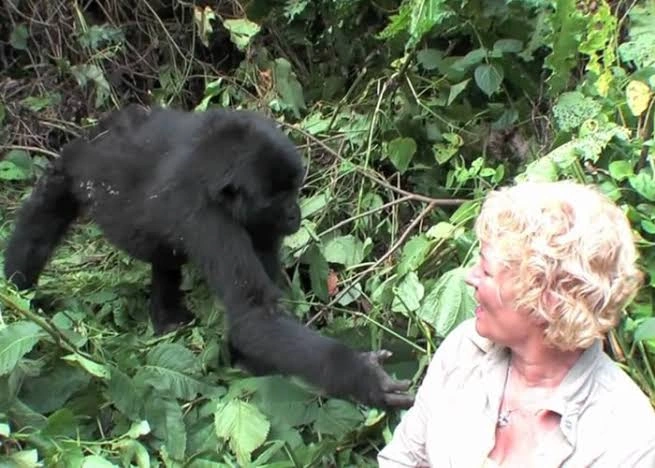
Gorilla Habituation vs Gorilla Trekking. Every traveler planning a Uganda gorilla trip eventually faces the same decision: the standard one-hour trek, or the considerably longer, more expensive Gorilla Habituation Experience. There isn’t a universally correct answer, since the right choice depends on budget, physical readiness, and what kind of encounter you’re actually looking for. At Pick and Transfer Safaris, this is one of the most common questions we help travelers work through, and this guide lays out the genuine trade-offs so you can decide which fits your trip.
The Core Difference
Standard gorilla trekking gives visitors exactly one hour with a fully habituated gorilla family, a group that has already completed the multi-year process of becoming comfortable around humans. The Gorilla Habituation Experience extends that window to up to four hours, but with a semi-habituated family still in the process of adjusting to human presence, accompanied by a larger team of researchers and trackers rather than a single guide. Everything else about the two experiences, the underlying forest, the permit system, the physical demands of reaching the gorillas, flows from this one structural difference.
Cost Comparison
Standard trekking permits in Uganda cost 800 US dollars per person for foreign non-residents, covering park entry, a ranger guide, and the one-hour encounter. The Gorilla Habituation Experience costs considerably more, historically priced around 1,500 US dollars, though this figure has been under review through 2026 with some sources citing an increase toward 1,800 US dollars. Given the pricing uncertainty, confirming the current rate directly with a licensed operator before booking is worth doing regardless of which experience you choose.
Viewed purely as a cost-per-hour calculation, standard trekking is considerably cheaper per hour of gorilla time, but this framing somewhat misses the point, since the habituation experience isn’t simply “four standard hours stacked together.” It’s a structurally different kind of access, involving direct participation alongside the research team rather than a fixed, tightly managed hour of observation.
Availability and Booking Difficulty
This is one of the starkest differences between the two options. Uganda issues roughly 160 standard trekking permits per day across Bwindi’s four sectors and Mgahinga combined, spread across more than 20 habituated families. The Gorilla Habituation Experience, by contrast, offers just eight permits per day, split between two specific families in Rushaga alone. This means standard trekking permits, while still competitive during peak season, are considerably easier to secure on a reasonable timeline, often two to four months ahead outside peak season, whereas the habituation experience typically requires six months to a year of advance planning, particularly for June-through-September or December-through-February travel dates.
For travelers with flexible dates or planning well in advance, this difference matters less. For those booking closer to their travel window, it can be the deciding factor regardless of preference, since a habituation permit simply may not be available for the dates that work.
Physical Demands
Both experiences take place on the same challenging Bwindi terrain, steep, often muddy trails at altitudes ranging from roughly 1,160 to 2,607 meters. But the habituation experience asks considerably more of participants: a full day typically running eight to ten hours from briefing to return, compared to standard trekking’s four-to-eight-hour range, with four hours of active observation rather than one. Travelers who found a standard trek physically demanding should think carefully before committing to the habituation experience specifically, since it compounds the same terrain challenges with a genuinely longer day.
That said, the habituation experience is also available exclusively in Rushaga, which some travelers find has gentler terrain in places compared to Bwindi’s more punishing Nkuringo sector, so the sector itself is worth weighing alongside the activity type when assessing overall physical demand.
Group Size and Intimacy
Standard treks allow up to eight visitors per gorilla family per day. The Gorilla Habituation Experience caps each group at just four people, a genuinely more intimate setting that many travelers who’ve done both describe as feeling less rushed and more personal, both in terms of proximity to the gorillas and the quality of interaction with the accompanying guide team.
For travelers who found the idea of sharing their gorilla encounter with seven strangers underwhelming, or who specifically want more space and quiet during their time in the forest, this smaller group size is a genuine, tangible benefit of the habituation option beyond simply “more time.”
What You Actually Learn
Because the Gorilla Habituation Experience involves working alongside researchers and trackers rather than simply observing from a guided distance, many travelers describe it as offering considerably more insight into individual gorilla behavior, family dynamics, and the mechanics of the habituation process itself. Standard trekking, while still guided by knowledgeable rangers, is structured around observation within a strict one-hour window rather than active participation in ongoing research and monitoring work.
For travelers with a genuine interest in conservation, primatology, or simply wanting deeper context rather than a shorter, more polished encounter, this difference in depth is often cited as the strongest argument for the habituation experience over cost or time alone.
Predictability of Behavior
Fully habituated families, visited during standard trekking, have settled, well-understood relationships with human visitors built over years of consistent contact. Semi-habituated families, visited during the habituation experience, are by definition still adjusting, which means behavior can feel less settled and more genuinely unpredictable. Some travelers find this adds to the authenticity and rawness of the encounter; others prefer the calmer, more reliably composed behavior typical of a long-established family. Neither is objectively better, but it’s a genuine difference in the character of the encounter worth considering based on your own preference.
Which Suits Which Traveler
Standard trekking tends to suit travelers on a tighter budget or timeline, those newer to gorilla trekking who want a well-established, more predictable experience, and anyone whose fitness or scheduling constraints make an eight-to-ten-hour day genuinely impractical. It’s also the more sensible choice for travelers less certain about committing significant time and money to a single primate encounter.
The Gorilla Habituation Experience tends to suit photographers and serious wildlife enthusiasts who specifically want extended observation time, travelers with a genuine interest in conservation and research who want deeper engagement than a fixed hour allows, and those prioritizing a smaller, more intimate group over cost. It’s also worth the premium for travelers unlikely to return to Uganda who want to maximize a single trip’s primate experience, given how considerably more time it offers compared to matching four hours through repeated standard treks.
Combining Both on the Same Trip
For travelers who genuinely can’t decide, it’s worth noting the two aren’t mutually exclusive. Some itineraries combine a standard trek in one Bwindi sector with the Gorilla Habituation Experience in Rushaga, giving travelers both the classic one-hour encounter and the extended experience within a single trip, at additional cost but without needing to choose definitively between them. This works particularly well for travelers with a week or more available who want to experience the full range of what Uganda’s gorilla parks offer.
Visa and Border Requirements
Regardless of which experience you choose, travel documents follow the same requirements. Most travelers arriving via Rwanda use the East African Tourist Visa, covering multiple entries across Uganda, Rwanda, and Kenya over 90 days for 100 US dollars through Uganda’s official immigration portal. A standard single-entry Uganda Tourist Visa works just as well for travelers not planning to re-enter Rwanda. A valid yellow fever vaccination certificate is required for entry into Uganda regardless of visa type.
Planning Your Gorilla Experience with Pick and Transfer Safaris
Neither experience is objectively better, standard trekking and the Gorilla Habituation Experience serve genuinely different travelers with different priorities around cost, time, group size, and depth of engagement. If you would like help thinking through which option fits your budget, fitness level, and travel dates, or want to explore combining both within a single trip, get in touch through our Contact Us page. We’ll walk through the honest trade-offs with you rather than simply upselling the more expensive option.