- LET'S PLAN YOUR SAFARI
- +256 200 921 002
- +256 793 194 703
- info@pickandtransfersafaris.com

Gorilla Tour in Mgahinga National Park from Kisoro
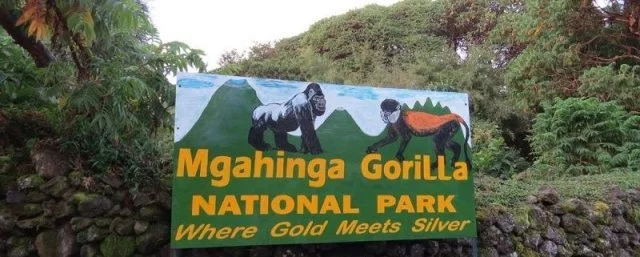
Gorilla Tour in Mgahinga National Park from Kisoro. A gorilla tour in Mgahinga National Park from Kisoro is one of the most rewarding and least crowded wildlife experiences in Africa. Picture yourself standing on the green slopes of the Virunga volcanoes, mist drifting over bamboo forest, as a silverback mountain gorilla pulls down a stem of wild celery just a few metres away. That is the moment travellers fly across the world for, and in Mgahinga it happens in a quiet, intimate setting far from the busy trails of better-known parks.
Kisoro town is the natural gateway to this experience. Sitting in the far south-western corner of Uganda, close to the borders of Rwanda and the Democratic Republic of Congo, Kisoro is only a short drive from the park gate at Ntebeko. Travellers who base themselves here wake up within easy reach of the trailhead, avoid long pre-dawn drives and still have time to explore crater lakes, local markets and cultural trails after their trek.
At Pick and Transfer Safaris we are based right on the Kabale–Kisoro road, so Mgahinga is our backyard. This guide brings together everything we have learned from guiding travellers into the park: how to get to Kisoro, how much a gorilla permit costs in 2026–2027, the best time to trek, what the trek day actually looks like, where to stay and how to combine Mgahinga with other highlights in Uganda and Rwanda. Whether you are planning a short trip from Kigali or a longer East African adventure, you will find practical, up-to-date advice below.
Where Is Mgahinga Gorilla National Park?
Mgahinga Gorilla National Park is Uganda’s smallest national park, covering roughly 33.7 square kilometres in Kisoro District. Despite its size, it protects one of the most spectacular landscapes in East Africa. The park forms the Ugandan section of the Virunga Conservation Area, a trans-boundary ecosystem it shares with Volcanoes National Park in Rwanda and Virunga National Park in the Democratic Republic of Congo.
Three extinct volcanoes dominate the skyline. Mount Muhavura, the tallest at about 4,127 metres, rises like a great cone on the eastern edge. Mount Gahinga, around 3,474 metres, sits in the middle with a swampy crater at its summit. Mount Sabyinyo, roughly 3,669 metres, has a jagged, saw-toothed outline and is famous as the point where Uganda, Rwanda and Congo meet. Between them lie bamboo zones, montane forest, alpine moorland and rich volcanic soils that feed the gorillas and golden monkeys living here.
The park’s motto, “where silver meets gold”, sums up its appeal perfectly. Mgahinga is one of the few places on earth where you can track both silverback mountain gorillas and the rare golden monkey in a single visit. That combination makes a Mgahinga gorilla safari from Kisoro especially attractive for primate lovers and photographers.
Why Choose Mgahinga Over Other Gorilla Parks?
Uganda has two gorilla trekking parks. Bwindi Impenetrable National Park holds nearly half of the world’s mountain gorillas and offers many habituated families across four sectors. Mgahinga, by contrast, has just one habituated family open to visitors. Rather than a drawback, this is exactly why many experienced travellers prefer it.
Here are the main reasons to choose a gorilla tour in Mgahinga National Park from Kisoro:
- Fewer visitors: Only around eight permits are issued per day for the single habituated group, so the park feels peaceful and personal.
- Dramatic scenery: Trekking on the slopes of volcanoes, with views across to Rwanda and Congo, is visually unlike the dense jungle valleys of Bwindi.
- Two primates in one park: Combine gorilla trekking with golden monkey tracking, which is not offered in Bwindi.
- Easy access from Kisoro and Kigali: The park gate is about 14 km from Kisoro town and only a few hours’ drive from Kigali.
- Same permit price as Bwindi: You get a rarer, quieter experience for the same official permit fee.
- Extra adventures: Volcano hikes, the Batwa cultural trail, Garama Cave and Lake Mutanda canoe trips are all close by.
If you are still comparing parks, the experienced team at Kenlink Tours also runs tours to both Bwindi and Mgahinga and can help you weigh up the options.
Meet the Nyakagezi Gorilla Family
The star of every Mgahinga gorilla trek is the Nyakagezi family, the park’s only habituated gorilla group. Nyakagezi is known for its unusually high number of silverbacks, a sign of a calm and stable group where several mature males live together peacefully. The family also includes adult females, blackbacks, juveniles and playful infants, and its size changes over time with births and natural movements.
For many years Nyakagezi had a reputation as a wandering family, occasionally crossing the border into Rwanda or Congo in search of food. Since the early 2010s, however, the group has settled well within Mgahinga, which is why the park now offers reliable daily treks. Uganda Wildlife Authority rangers and trackers monitor the gorillas every day, so by the time you begin your trek, the advance team already knows roughly where the family spent the night.
Spending an hour with Nyakagezi is a deeply moving experience. You may watch a silverback lounging in the sun, mothers grooming their young, or juveniles tumbling down a bamboo slope in rough-and-tumble play. Because there is only one group and a small number of visitors, each encounter feels intimate and unhurried.
How to Get to Kisoro for Your Mgahinga Gorilla Tour
Reaching Kisoro is easier than many travellers expect. You have three main options, and the best one depends on your time, budget and where you land in East Africa.
1. From Kigali, Rwanda (the fastest overland route). Kigali International Airport is the closest major international gateway to Mgahinga. The drive from Kigali to the Cyanika border post takes roughly three to four hours on smooth tarmac through Musanze, with the Virunga volcanoes appearing on the horizon. From Cyanika, Kisoro town is only about 10 km away. This is why so many travellers now begin their Uganda gorilla trip in Rwanda. Our Uganda gorilla safaris starting from Kigali are designed around this shortcut, and if you arrive a day early you can explore Kigali City with its memorials, markets and cafés.
2. From Entebbe or Kampala by road. The overland journey from Entebbe to Kisoro covers more than 500 km and usually takes nine to eleven hours, including stops. It is long, but scenic, passing the Equator, Mbarara’s cattle country and the terraced hills of Kabale, often called the “Switzerland of Africa”. Many travellers break the journey with a night near Lake Mburo or Lake Bunyonyi.
3. By domestic flight. Scheduled and charter flights connect Entebbe with Kisoro Airstrip at Nyakabande, just outside town. The flight takes around two hours with a possible stop, saving a full day of driving. Our own Ikoro Hotel sits directly opposite Nyakabande Airstrip, so you can step off the plane and into a warm welcome.
If you prefer to drive yourself, you can hire a reliable 4×4 through our self-drive partners or browse the Kenlink Tours car hire fleet, which includes safari-ready Land Cruisers suitable for the murram road to Ntebeko gate.
From Kisoro Town to Ntebeko Gate
Ntebeko is the starting point for gorilla trekking in Mgahinga. The gate lies about 14 km south of Kisoro town. The road is partly unpaved and climbs steadily toward the volcanoes, so the drive takes around 30 to 45 minutes depending on weather. In the rainy months the final stretch can be muddy, which is why a 4×4 vehicle with an experienced driver is strongly recommended. Plan to leave Kisoro by about 6:30 am so you arrive in good time for the 7:30 am briefing.
Gorilla Permit Cost for Mgahinga in 2026–2027
Every gorilla trek in Uganda requires a permit issued by the Uganda Wildlife Authority (UWA). The permit gives you entry to the park, the services of armed ranger guides and trackers, and one magical hour with the gorillas once they are found. Under UWA’s current conservation tariff, the standard rates are:
| Visitor category | Gorilla permit (per person) |
|---|---|
| Foreign non-residents | US$800 |
| Foreign residents in Uganda | US$700 |
| Rest of Africa | US$500 |
| East African citizens | UGX 300,000 |
UWA has also announced seasonal promotions for low-season months such as April, May and November, and tariffs are reviewed periodically. Always confirm the latest price before you pay, and ask us about any current discounts when you request a quote.
Compared with Rwanda, where a gorilla permit costs US$1,500, a gorilla tour in Mgahinga National Park from Kisoro offers outstanding value. You see the same species, in the same Virunga ecosystem, for a little over half the price.
How to Book Your Mgahinga Gorilla Permit
Because Mgahinga issues so few permits each day, early booking is essential, especially for June to September and December to February. We recommend securing your permit three to six months ahead. Recent UWA rules require full payment at the time of booking, and standby permits are no longer sold, so last-minute plans are risky.
The simplest way to book is through a licensed local operator. When you book with Pick and Transfer Safaris, we check availability, reserve your permit with UWA, handle payment and send you a copy before you travel. You only need to share your full name, nationality, passport number and preferred trekking date. Get in touch through our contact page and our Kisoro-based team will reply quickly.
One helpful tip: if Mgahinga permits are sold out for your dates, we can usually find space in the nearby Rushaga or Nkuringo sectors of Bwindi, both within easy reach of Kisoro.
Best Time for a Gorilla Tour in Mgahinga National Park
Gorilla trekking in Mgahinga runs all year round, but the weather shapes your experience. The park sits at high altitude, so mornings are cool and rain can fall in any month.
- Dry seasons (June to September and December to February): These are the most popular months. Trails are firmer, hiking is easier and views of the volcanoes are clearer. Permits sell out fast, so book early.
- Wet seasons (March to May and October to November): Expect afternoon showers and muddier slopes. The forest is lush and green, photography light is soft, and there are fewer visitors. Lodges often offer lower rates, and UWA has offered low-season permit promotions.
In our experience, there is no bad time to visit. Gorillas do not migrate, and the Nyakagezi family is found almost every day. If you love quiet trails and lush scenery, the shoulder months can be wonderful. If you want the easiest hiking conditions, aim for the dry season.
How Fit Do You Need to Be?
A Mgahinga gorilla trek is moderately challenging. The park lies at between about 2,200 and 4,100 metres above sea level, so the air is thinner than many visitors are used to. Treks can last from two to six hours return, depending on where the gorillas are feeding, and paths cross farmland, bamboo forest and sometimes steep, slippery volcanic slopes.
You do not need to be an athlete. Anyone who can walk comfortably for a few hours with some uphill sections can enjoy the experience. Walking regularly for a month or two before your trip, using stairs and hiking local hills will make a real difference. Rangers set a steady pace, and you can always ask for extra rest breaks. Hiring a local porter for around US$15–20 is also a smart move, as they carry your bag and help you up steep sections while earning vital income for their families.
The minimum age for gorilla trekking in Uganda is 15 years. Visitors who are unwell, especially with a cold, flu or other contagious illness, will not be allowed to trek, because gorillas share much of our DNA and are vulnerable to human diseases.
What to Pack for Your Mgahinga Gorilla Trek
Packing well makes the trek far more enjoyable. Here is our tried-and-tested checklist:
- Waterproof hiking boots with good ankle support and grip
- Long trousers and long-sleeved shirts to protect against nettles and insects
- A lightweight rain jacket or poncho, even in the dry season
- Gardening or cycling gloves for gripping vegetation
- Gaiters or long socks to tuck trousers into, keeping out ants and mud
- A daypack with at least two litres of water and energy snacks
- A warm fleece or jumper for chilly early mornings
- Camera with spare batteries and memory cards (flash is not allowed)
- Insect repellent and sunscreen
- Your passport and printed or digital gorilla permit
If you forget something, Kisoro town has small shops and markets, and walking sticks are provided free at Ntebeko gate.
What Happens on Your Mgahinga Gorilla Trekking Day
Knowing what to expect helps you relax and enjoy every moment. Here is how a typical gorilla tour in Mgahinga National Park from Kisoro unfolds.
6:00 am – Early breakfast in Kisoro. Your lodge serves an early breakfast and prepares a packed lunch. Fill your water bottles and double-check you have your passport and permit.
6:30 am – Drive to Ntebeko gate. Your driver-guide collects you for the scenic drive toward the volcanoes. On clear mornings, Muhavura, Gahinga and Sabyinyo glow pink in the first light, an unforgettable start to the day.
7:30 am – Registration and briefing. At the park headquarters, rangers check permits and passports, then gather the group of up to eight trekkers for a briefing. You will learn about the Nyakagezi family, gorilla behaviour and the rules that protect both you and the animals. Local dancers sometimes perform a short welcome, and porters are available for hire.
8:00 am – The trek begins. Led by an experienced ranger guide and armed escorts, you set off across the old farmland at the park edge and into the bamboo and montane forest. Advance trackers, who left at dawn, radio the guide with the gorillas’ location. The hike might take one hour or several, depending on where the family is feeding.
The magical hour. When you reach the gorillas, you leave bags and walking sticks with the porters and approach quietly with your camera. For the next 60 minutes you watch the family eat, rest, groom and play. Time seems to slow down. Many travellers say it is the most emotional wildlife encounter of their lives.
Return and certificate. After your hour, you hike back to Ntebeko, where you receive a gorilla trekking certificate. Most groups are back by early to mid-afternoon, leaving time to relax at your lodge or visit a nearby community project.
For a ready-made version of this day, see our one-day Uganda gorilla safari starting from Kigali or the more relaxed 2 days Uganda gorilla tour starting from Kigali, both of which can be arranged for Mgahinga.
Gorilla Trekking Rules and Etiquette
The rules in Mgahinga exist to protect an endangered species and keep visitors safe. Your ranger will explain them in detail, but here are the essentials:
- Keep a distance of at least seven metres from the gorillas at all times.
- Wear a face mask when close to the gorillas if your guide asks you to.
- Never trek if you are sick, as gorillas catch human illnesses easily.
- Speak in low voices and avoid sudden movements.
- Do not eat, drink or smoke near the gorillas.
- Never use flash photography.
- If a gorilla charges or approaches, stay calm, crouch down and follow your ranger’s instructions. Do not run.
- Bury or carry out all waste, and leave nothing behind in the forest.
- Your visit is limited to one hour to minimise stress on the family.
Following these guidelines ensures that gorilla tourism remains sustainable, so future generations can enjoy the same experience you did.
Photography Tips for Your Gorilla Encounter
The forest can be dark, and gorillas are black-furred, which makes photography tricky. Use a camera with good low-light performance and set a higher ISO rather than a flash. A zoom lens in the 24–200 mm range is ideal, because the seven-metre rule and dense vegetation make very long lenses less useful. Focus on the eyes, shoot in bursts during movement and keep a lens cloth handy for damp conditions. Most importantly, put the camera down for a few minutes and simply watch. Those quiet moments often become your best memories.
Golden Monkey Tracking: The “Gold” in Mgahinga
No gorilla tour in Mgahinga National Park from Kisoro is complete without meeting the park’s golden monkeys. These endangered primates, with bright orange-gold backs and lively personalities, live mainly in the bamboo forests of the Virunga volcanoes. Mgahinga has a habituated troop of several dozen individuals, and watching them leap between bamboo stems is pure joy.
Golden monkey tracking starts at Ntebeko in the morning and usually lasts two to four hours, including one hour with the troop. The terrain is generally gentler than the gorilla trek, making it a great activity for families and less experienced hikers. Permits cost far less than gorilla permits, typically around US$100 per person for foreign non-residents. For a longer stay with the monkeys, UWA also offers a golden monkey habituation experience.
Many travellers combine both primates over two days. The Kenlink Tours 4-day Rwanda–Uganda golden monkey and gorilla trekking safari is a good example of how the two experiences fit together, and we can design a similar trip based entirely around Mgahinga and Kisoro.
Hiking the Virunga Volcanoes
For adventurous travellers, climbing one of Mgahinga’s volcanoes is the perfect addition to a gorilla trek.
- Mount Sabyinyo (about 3,669 m): A thrilling full-day hike with wooden ladders on steep sections. At the summit you can stand in Uganda, Rwanda and the DRC at the same time.
- Mount Gahinga (about 3,474 m): The easiest of the three, taking around six hours return, with a swampy crater lake at the top.
- Mount Muhavura (about 4,127 m): The highest and most challenging, taking roughly eight hours return. Clear days reward you with views of Lake Edward, the Rwenzori Mountains and Bwindi.
All hikes start early from Ntebeko or nearby trailheads and require a separate UWA fee and armed ranger escort. Good fitness and warm clothing are essential.
The Batwa Trail and Garama Cave
Mgahinga’s forests were once home to the Batwa, an indigenous forest people who lived as hunter-gatherers long before the park was created. The Batwa Trail is a moving cultural walk led by Batwa guides, who share their traditions, medicinal plant knowledge, hunting techniques, songs and history. The highlight is Garama Cave, a long underground lava tube once used as a refuge and council chamber. Inside, Batwa women often sing a haunting traditional song that stays with visitors long after the trip.
This experience directly supports Batwa families, who lost access to their ancestral forest when it became protected. It adds depth and meaning to your gorilla safari by showing the human story behind conservation.
More Things to Do Around Kisoro
Kisoro is far more than a base for gorilla trekking. Spend an extra day or two and you can enjoy:
- Lake Mutanda: A stunning lake dotted with islands and framed by the volcanoes. Go canoeing, swim, or simply relax with a sundowner.
- Kisoro market: On market days, villagers from Uganda, Rwanda and Congo trade fresh produce, crafts and livestock in a colourful scene.
- Community walks: Visit local farms, traditional healers, banana beer brewers and schools.
- Birdwatching: Mgahinga records well over 150 bird species, including several Albertine Rift endemics such as the Rwenzori turaco and dusky crimsonwing.
- Lake Bunyonyi: About two hours away near Kabale, perfect for a relaxing night on the way back to Kampala.
If culture is a priority, the Kenlink Tours 4 days Uganda cultural and gorilla tour shows how gorilla trekking and community experiences combine beautifully in south-western Uganda.
Where to Stay in Kisoro for Your Mgahinga Gorilla Tour
Staying in or near Kisoro puts you within a short drive of Ntebeko gate and gives you a choice of accommodation for every budget.
- Budget: Simple guesthouses and hotels in Kisoro town offer clean rooms, hot showers and friendly service at affordable rates, ideal for backpackers and self-drivers.
- Mid-range: Comfortable hotels and lodges on the edge of town or near Lake Mutanda offer en-suite rooms, gardens and views of the volcanoes. Our own Ikoro Hotel, set opposite Nyakabande Airstrip about 15 km from Mgahinga and 36 km from Bwindi, combines comfort, local culture and genuine hospitality.
- Upmarket: Several boutique lodges sit right on the park boundary near Ntebeko, with cosy cottages, fireplaces and spectacular volcano views. They let you wake up almost at the trailhead.
Whichever style you choose, staying at least two nights in Kisoro is ideal. It allows a relaxed arrival, a full trek day and time for golden monkeys, the Batwa Trail or Lake Mutanda.
Sample Itineraries for a Gorilla Tour in Mgahinga from Kisoro
Every traveller is different, so we tailor each trip. These popular formats will help you picture your own adventure.
1-day express gorilla trek from Kigali. Leave Kigali before dawn, cross at Cyanika, trek the Nyakagezi family and return to Kigali in the evening. It is a long day but perfect for travellers short on time. See our one-day Uganda gorilla safari from Kigali.
2–3 days Mgahinga gorilla safari. Arrive in Kisoro on day one, trek gorillas on day two and add golden monkeys, the Batwa Trail or Lake Mutanda before departing. Our 3 days Uganda gorilla safari from Rwanda and the classic 3 days Uganda gorilla safari from Entebbe both follow this rhythm. For comparison, explore the Kenlink Tours 3 days best of Uganda gorilla safari and their 2 days Uganda gorilla safari starting from Kigali.
5 days gorillas and chimpanzees. Combine Mgahinga with chimpanzee tracking in Kibale Forest National Park or Kyambura Gorge, plus game drives in Queen Elizabeth National Park to spot tree-climbing lions. Our 5-day Uganda gorilla and chimpanzee safari and 5 days Uganda gorilla and chimps safari starting from Rwanda are ideal starting points. The Kenlink Tours 5-day gorilla trekking safari from Kigali to Uganda shows another way to structure the route.
7–10 days Uganda and Rwanda. For the full experience, pair Mgahinga with Rwanda’s Volcanoes National Park, Lake Kivu or Akagera. Take a look at our 7 days Uganda safari and 10 days Uganda Rwanda safari, or the Kenlink Tours 5 days Uganda Rwanda double gorilla safari for trekking in both countries.
Combining Mgahinga with Bwindi and Rwanda
Kisoro’s location makes it the perfect hub for multi-park primate adventures. The Rushaga and Nkuringo sectors of Bwindi are about one to two hours away, so you can trek two different gorilla families in two different parks within a few days. Each park offers a contrasting landscape: open volcanic slopes in Mgahinga and steep, tangled rainforest in Bwindi.
Across the border, Rwanda’s Volcanoes National Park is roughly an hour and a half from Kisoro. Travellers who want to see gorillas on both sides of the Virunga massif can trek in Mgahinga, cross at Cyanika and continue to Musanze. Our 2 days Volcanoes gorilla trek from Kigali is a natural add-on. For wider ideas, read about Uganda and Rwanda safaris on Kenlink Tours, or browse all our East African destinations.
Solo travellers looking to share costs can also consider Kenlink Tours group tours, which run scheduled departures that include gorilla trekking.
How Much Does a Mgahinga Gorilla Tour from Kisoro Cost?
Your total budget depends on the length of your trip, accommodation level and group size. The gorilla permit (US$800 for foreign non-residents) is the biggest fixed cost. On top of that, budget for transport in a 4×4 vehicle with a driver-guide, accommodation, meals, golden monkey or other activity permits, porters and tips.
As a rough guide, a short budget trip from Kigali or Kisoro can start from around US$1,200–1,500 per person sharing, including the permit. Mid-range trips of three to five days usually fall between US$1,800 and US$3,500 per person, while luxury lodge itineraries cost more. Travelling as a group of two to four lowers the per-person vehicle cost significantly. Contact us for a transparent, itemised quote with no hidden extras.
Responsible Gorilla Tourism and Community Benefits
Mountain gorillas were once on the brink of extinction. Today their numbers are rising thanks to strict protection, veterinary care and the revenue generated by tourism. When you buy a gorilla permit, part of the fee is shared with communities around the park, funding schools, health centres, water projects and roads. This gives local people a strong reason to protect the forest.
You can increase your positive impact by hiring a porter, buying crafts directly from local artisans, joining community walks and choosing locally owned operators and lodges. At Pick and Transfer Safaris, part of our profits supports orphaned children through the Kigezi Foundation. Learn more about our values on our About Us page.
Frequently Asked Questions About Gorilla Tours in Mgahinga from Kisoro
How far is Mgahinga from Kisoro town? Ntebeko gate is about 14 km from Kisoro, roughly a 30–45 minute drive on a partly unpaved road.
How many gorilla families are in Mgahinga? One habituated family, Nyakagezi, is open to tourists. Up to eight permits are issued each day.
Is Mgahinga better than Bwindi? Neither is better; they are different. Mgahinga is quieter and more scenic, with golden monkeys and volcanoes. Bwindi offers more gorilla families and permit availability.
Can I see gorillas in Mgahinga in one day from Kigali? Yes. It is a long but achievable day, though staying a night in Kisoro makes the trip more relaxing.
What happens if we do not find the gorillas? Sightings in Mgahinga are very reliable. In the rare event that the family is not found, UWA policy provides a partial refund.
Do I need a visa? Most visitors need a Uganda visa, and those starting in Kigali also need a Rwanda visa. The East Africa Tourist Visa covers Uganda, Rwanda and Kenya with multiple entries, which is ideal for cross-border gorilla trips.
Conclusion: Book Your Gorilla Tour in Mgahinga National Park from Kisoro
A gorilla tour in Mgahinga National Park from Kisoro delivers everything a primate lover could wish for: an intimate encounter with the Nyakagezi gorilla family, playful golden monkeys, towering volcanoes, Batwa culture and a peaceful atmosphere you rarely find in more crowded parks. With Kisoro as your base, the trailhead is minutes away, Kigali is only a few hours’ drive, and Bwindi and Rwanda’s Volcanoes are within easy reach for longer adventures.
Permits are limited, so the sooner you plan, the better your chances of securing your preferred date. Let our Kisoro-based team handle permits, transport and accommodation while you focus on the experience of a lifetime. Explore our full range of gorilla safaris or contact Pick and Transfer Safaris today, and let us plan your journey to where silver meets gold.
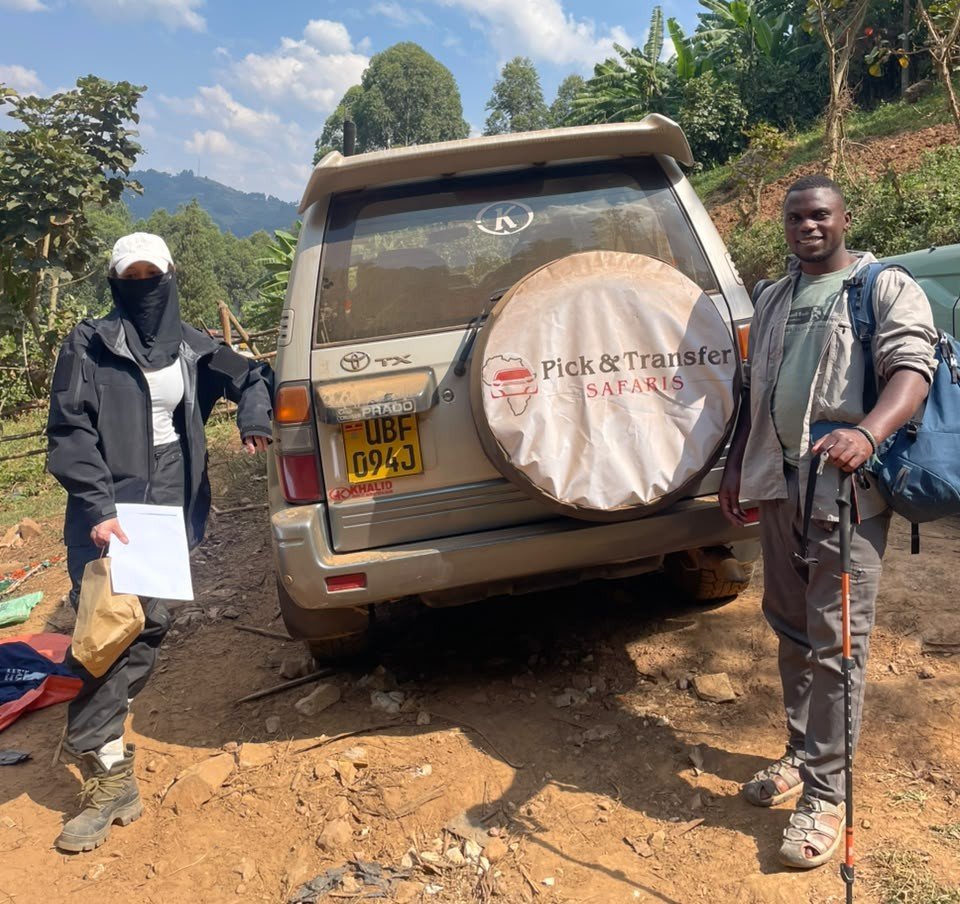
7 Days Uganda Safari – One week tour
This 7-day itinerary is the classic one-week introduction to Uganda, covering the country’s three most iconic wildlife experiences: chimpanzee tracking in Kibale Forest National Park, Big Five game drives and a boat cruise in Queen
Tour Details →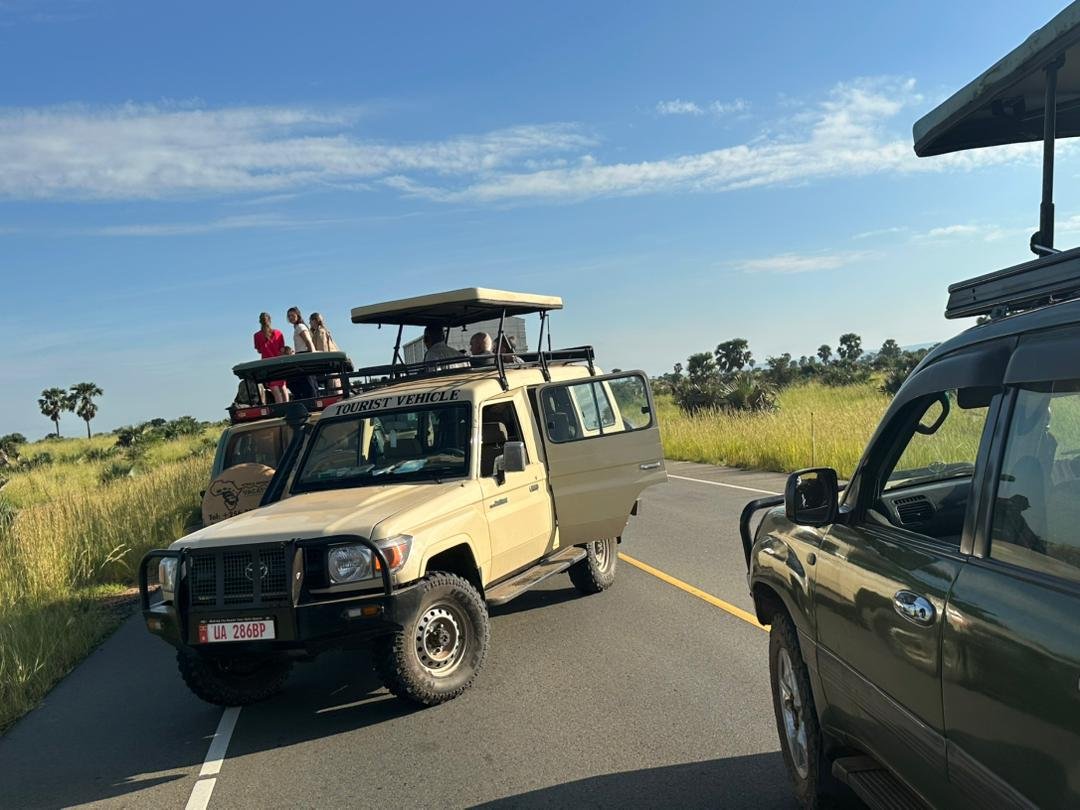
10 Days Uganda Primates and Wildlife
This 10-day Uganda Grand Safari is the most complete Uganda itinerary we offer at Pick and Transfer Safaris. It begins with a scenic northward drive from Entebbe to the vast open plains of Murchison
Tour Details →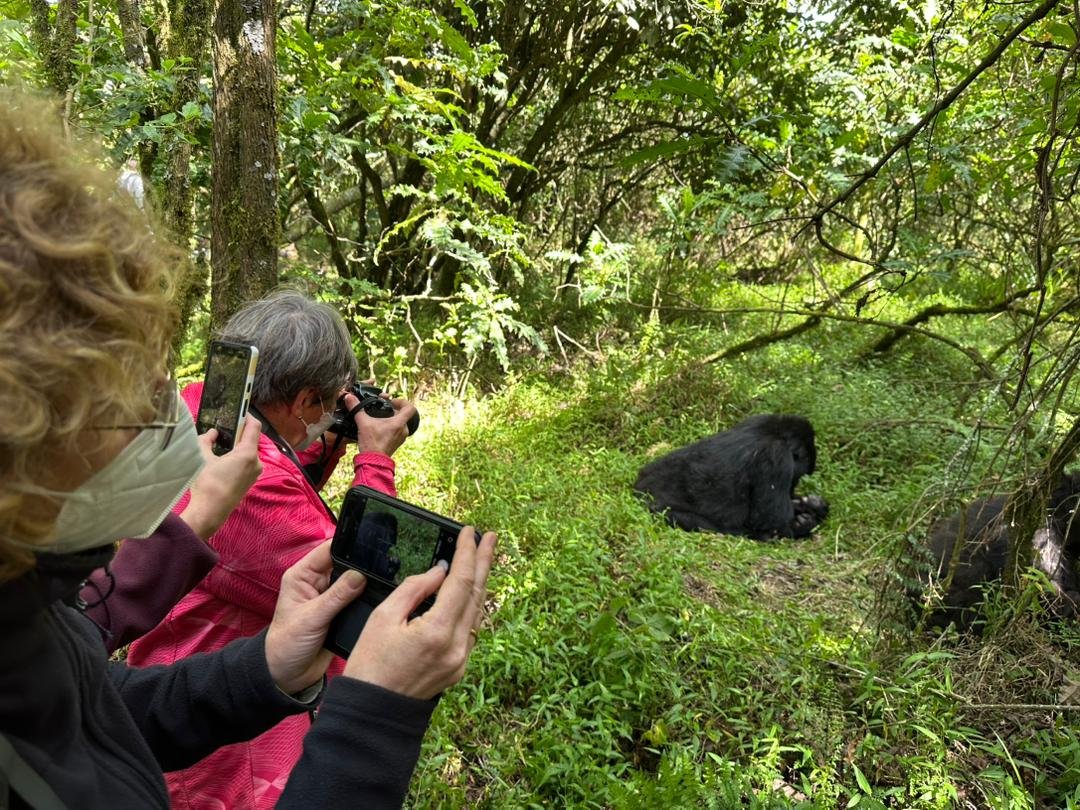
2 Days Uganda Gorilla Tour Starting from Kigali
This is the gentler cousin of our 1-Day Uganda Gorilla Safari Starting from Kigali — same idea, twice the breathing room. Instead of squeezing a 3,000-metre forest trek and two border crossings into a single very long day
Tour Details →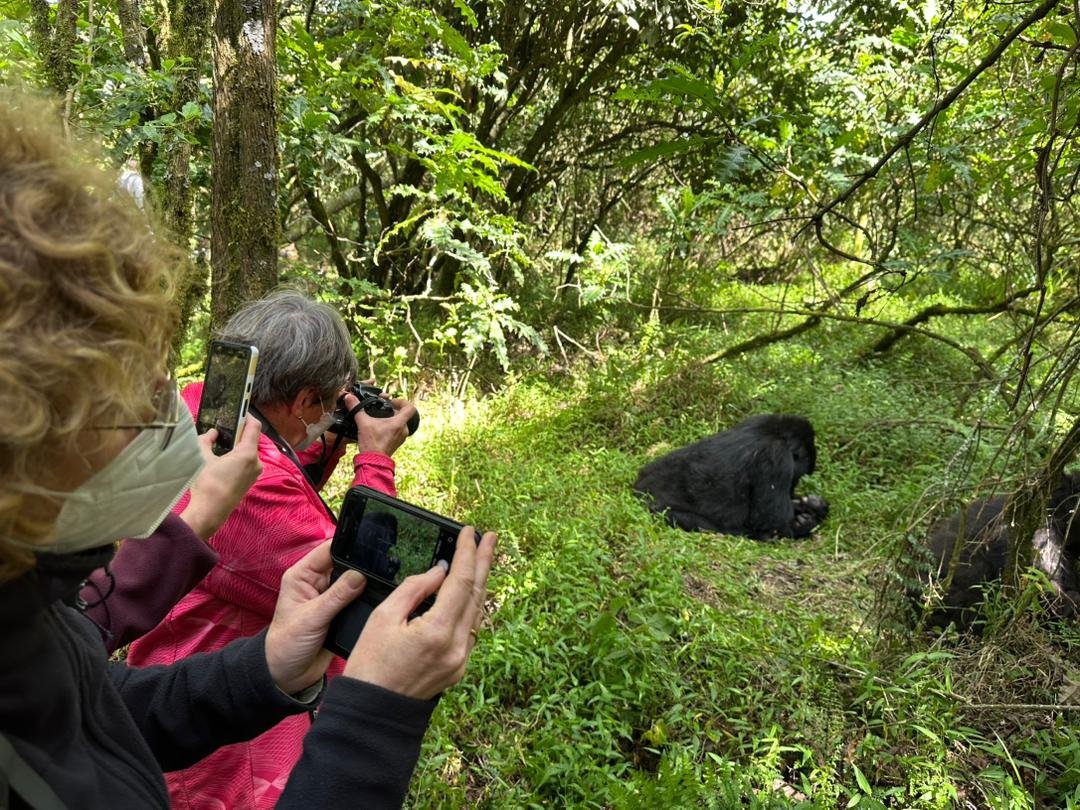
5-Day Uganda Gorilla and Chimpanzee Safari
This itinerary can be combined with a Rwanda extension or a wildlife-focused add-on through Queen Elizabeth National Park — browse our Uganda & Rwanda Safaris and Primate Safaris collections for ideas.
Tour Details →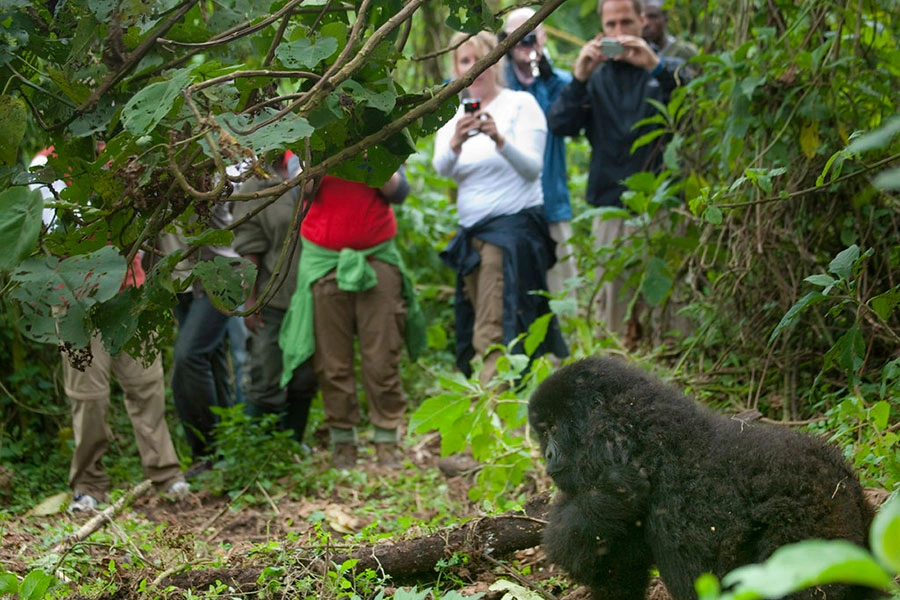
5 Days Rwanda Wildlife and Gorillas
This 5-day itinerary brings together Rwanda’s two flagship wildlife experiences: open savannah game drives and a boat safari in Akagera National Park, followed by a face-to-face encounters
Tour Details →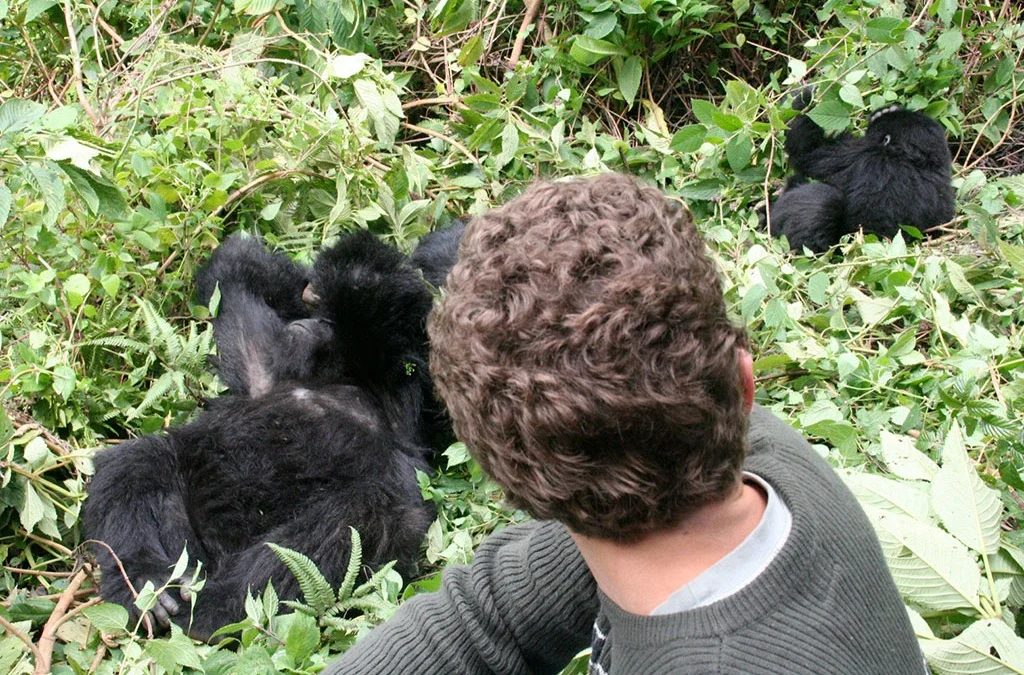
3 Days Uganda Gorilla Safari
For travelers who arrive in Entebbe with a tight schedule and a clear ambition, a 3-day gorilla safari to Bwindi Impenetrable Forest National Park is the most focused and rewarding short trip the country has to offer.
Tour Details →