- LET'S PLAN YOUR SAFARI
- +256 200 921 002
- +256 793 194 703
- info@pickandtransfersafaris.com

Gorilla Tours Packing list for Mgahinga Trekking
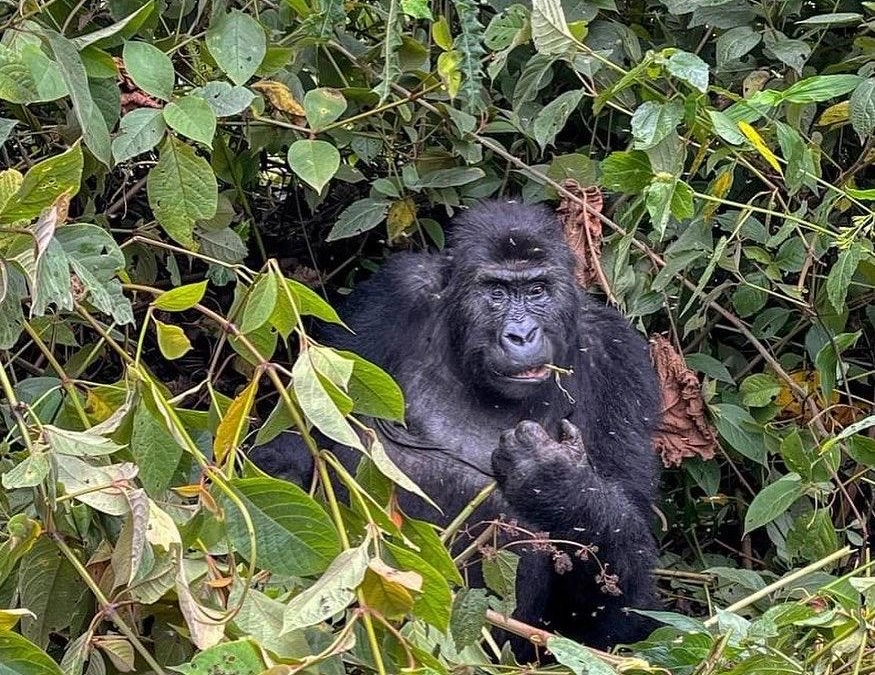
Gorilla Tours Packing list for Mgahinga Trekking. Mgahinga Gorilla National Park is Uganda’s smallest and most dramatic gorilla trekking destination, tucked into the slopes of the Virunga Volcanoes on the borders of Rwanda and the Democratic Republic of Congo. Unlike Bwindi’s dense rainforest, Mgahinga rewards trekkers with volcanic ridgelines, bamboo forest, and a single habituated gorilla family, the Nyakagezi group, making every permit here feel like a private encounter. But the terrain that makes Mgahinga so spectacular also makes it physically demanding, with volcanic slopes rising to nearly 4,000 metres above sea level. Packing correctly is not just about comfort; it is about giving yourself the best possible chance of reaching the gorillas safely and enjoying every minute once you do.
This guide walks through exactly what to pack for your Mgahinga trek, from footwear and clothing to documents, health essentials, and photography gear, so you arrive at Ntebeko gate fully prepared. If you have not yet booked your trek, browse our gorilla safari packages or head straight to our Mgahinga Gorilla National Park destination page to see how the park fits into a wider Uganda or Rwanda itinerary.
Why Mgahinga Packing Requirements Differ From Bwindi
Many first-time visitors assume that gorilla trekking gear is identical across Uganda’s parks, but Mgahinga’s volcanic terrain changes the equation. Trails here climb steep, often muddy slopes through bamboo and Afro-montane vegetation, and the altitude alone can leave even fit trekkers short of breath. Because only one gorilla family is tracked in Mgahinga, and permits are limited to eight trekkers a day, treks can also take longer if the group has moved toward the Rwandan or Congolese side of the mountain. That means your gear needs to handle several hours of sustained hiking at altitude, sudden temperature swings, and unpredictable rain, sometimes all within the same morning.
Footwear: Your Most Important Packing Decision
Nothing affects your trekking experience more than what is on your feet. Choose sturdy, waterproof hiking boots with ankle support and an aggressive tread, and break them in well before your trip; new boots on volcanic mud are a recipe for blisters. Pack a spare pair of hiking socks, ideally moisture-wicking wool blends rather than cotton, which stays wet and causes friction. Gaiters are a smart addition in Mgahinga, since they keep mud, biting ants, and stinging nettles out of your boots on the lower forest sections.
Clothing for Volcanic Slopes and Changeable Weather
Layering is the golden rule for Mgahinga. Mornings at the Ntebeko trailhead can be cold, temperatures often dip into the low teens Celsius, while midday exertion on the slopes will have you sweating within the first hour. Start with a moisture-wicking base layer, add a fleece or lightweight insulated mid-layer, and top it with a breathable waterproof rain jacket. Long trousers, ideally tucked into your boots or gaiters, protect against nettles and safari ants, and a long-sleeved shirt in neutral, muted colours (avoid bright colours or camouflage, which is restricted for civilians in Uganda) helps you blend into the forest. A brimmed hat, a warm hat for the summit sections, and a light pair of gardening gloves for grabbing vegetation on steep climbs round out the essentials.
Health, Documents, and Permit Essentials
Your gorilla permit is the single most important item in your bag; it is a legal requirement issued exclusively by the Uganda Wildlife Authority (UWA), and you cannot enter the park without it, so keep both a physical and digital copy. Pack your passport, since rangers verify identity and age at the briefing, given the minimum trekking age is strictly 15 years. Uganda requires proof of yellow fever vaccination for entry, so carry your International Certificate of Vaccination, and it is worth reviewing the current health guidance on the CDC’s Uganda travel health page before you fly. A basic personal first-aid kit, anti-malarial medication as prescribed by your doctor, rehydration salts, and any personal prescriptions should all travel in your day pack rather than checked luggage. Because mountain gorillas share the vast majority of human DNA and are highly susceptible to human illness, UWA rules require trekkers with a cold, flu, or other contagious symptoms to sit out the trek, so pack basic cold and flu remedies just in case and be honest with your guide about how you are feeling on the morning of the trek.
Surgical Mask and Hygiene Items
Since 2018, UWA has required all trekkers to wear a surgical or medical-grade mask during the hour spent with the gorillas, as a precaution against transmitting respiratory illnesses to the group. Pack several disposable masks or a couple of reusable ones, along with hand sanitiser, since regulations also require maintaining a distance of at least seven metres from the gorillas at all times. Wet wipes, a small quick-dry towel, and biodegradable soap are useful for cleaning up after a muddy trek, especially at remote lodges around Mgahinga where hot water can be limited.
Daypack and Trekking Gear
A 20 to 30 litre daypack with a rain cover is ideal for carrying your gear on the trail. Inside, pack more water than you think you need, at least two litres, since Mgahinga’s elevation and exertion dehydrate trekkers quickly, along with energy-dense snacks such as nuts, dried fruit, or energy bars for the climb. A collapsible trekking pole or two makes a genuine difference on Mgahinga’s volcanic scree and muddy switchbacks, and many trekkers underestimate how useful they are until the descent, when tired legs and slippery slopes combine. If you would rather not carry your own bag, hiring a local porter at the gate, for a modest fee, is strongly recommended; it supports the community around the park and gives you a steadying hand on the steeper sections.
Photography and Electronics
You will want your camera ready the moment the gorillas come into view, so pack it accessible rather than buried at the bottom of your bag. A camera with a versatile zoom lens works better than a fixed telephoto, since gorillas can appear at close range without warning. Flash photography is prohibited, as sudden light can startle the animals, so bring spare batteries and memory cards rather than relying on settings that need a flash. A dry bag or waterproof pouch protects electronics from sudden rain showers, and a portable power bank is worth carrying if you are out for a full day with no access to charging points.
What Not to Bring
Leave large tripods, drones, and bulky camera bags behind; the terrain does not accommodate them and drones require special authorisation that is rarely granted near the park. Avoid bright or camouflage-patterned clothing, single-use plastic bags, which are banned in Uganda, and any food waste that could attract wildlife to the trail. Heavy cotton clothing that soaks up moisture and stays wet is another common mistake worth avoiding in favour of technical, quick-dry fabrics.
A Quick-Reference Mgahinga Packing Checklist
Waterproof hiking boots and spare socks, moisture-wicking base layers, a fleece or insulated mid-layer, a rain jacket, long trousers and a long-sleeved shirt in neutral colours, gaiters, a hat and light gloves, your gorilla permit and passport, a yellow fever certificate, surgical masks and hand sanitiser, a daypack with rain cover, at least two litres of water, energy snacks, trekking poles, a basic first-aid kit and any personal medication, a camera with spare batteries, and cash in US dollars or Ugandan shillings for tips and porter fees. Packing this list the night before your trek means you spend the morning focused on the experience ahead, not searching for gear.
Essential Gorilla Tours Packing list for Mgahinga Trekking
Planning Your Mgahinga Gorilla Trek
Getting the packing list right is only one part of a well-planned trip. Permits, timing, and route logistics matter just as much, particularly since Mgahinga issues only eight permits a day and its single gorilla family occasionally crosses into neighbouring Rwanda. At Pick and Transfer Safaris, we help travellers combine Mgahinga trekking with wider Uganda and Rwanda itineraries, arrange permits well in advance, and match trekkers with routes suited to their fitness level. Explore our Rwanda-to-Uganda gorilla safari options if you are travelling via Kigali, learn more about the wider landscape on our Volcanoes National Park page for a Virunga comparison, or read more about us and how we design affordable, community-focused safaris across East Africa.
Whichever route brings you to Mgahinga’s slopes, the right gear turns a demanding volcanic hike into one of the most rewarding wildlife encounters on the continent. Pack in layers, protect your feet, respect the seven-metre distance rule, and let the rest of the logistics take care of themselves. When you are ready to lock in your trekking dates and permits, contact our team and we will help you build a Mgahinga itinerary that fits your schedule and budget.