- LET'S PLAN YOUR SAFARI
- +256 200 921 002
- +256 793 194 703
- info@pickandtransfersafaris.com

Gorilla Trek from Kigali for Europeans
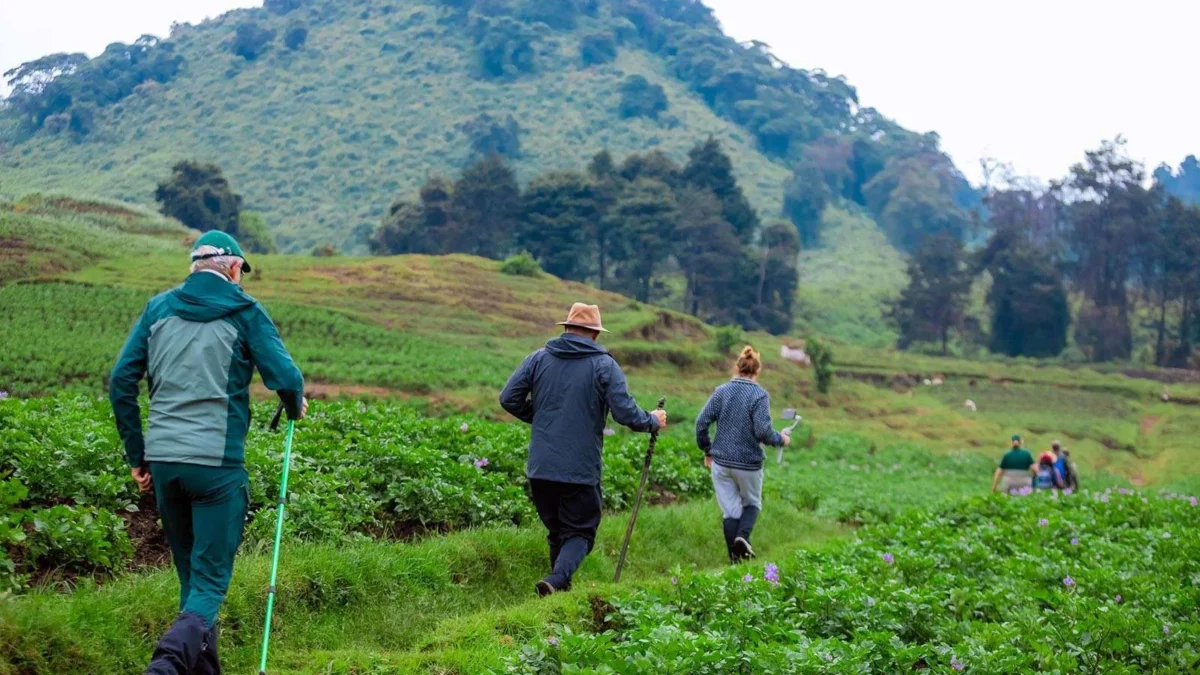
Gorilla Trek from Kigali for Europeans. For a European traveler, Rwanda offers something remarkably rare in modern travel: a direct, relatively short flight connection to one of the last places on earth where you can stand a few meters from a wild mountain gorilla, an experience that consistently ranks among the most emotionally powerful wildlife encounters anywhere on the planet. With direct or one-stop flights from London, Paris, Brussels, Amsterdam, and Istanbul, Kigali has become the most convenient gateway in Africa for Europeans chasing this bucket-list wildlife encounter, and Volcanoes National Park sits just two to three hours from the city by road.
This guide is written specifically for European travelers planning a gorilla trek from Kigali, covering flight routes, visa requirements, currency and budgeting in euros and pounds, the best months to travel around European holiday schedules, what to expect physically and logistically, and how to structure your trip so the long-haul flight, the trek itself, and your time in Rwanda all fit together smoothly, without the guesswork that so often accompanies planning a first African wildlife trip from thousands of kilometers away. Whether you are flying in from Belgium, France, the United Kingdom, Germany, the Netherlands, or elsewhere in Europe, Pick and Transfer Safaris can handle every detail of your gorilla trekking itinerary from the moment you land at Kigali International Airport.
Why Rwanda Is the Easiest Gorilla Trekking Destination for Europeans
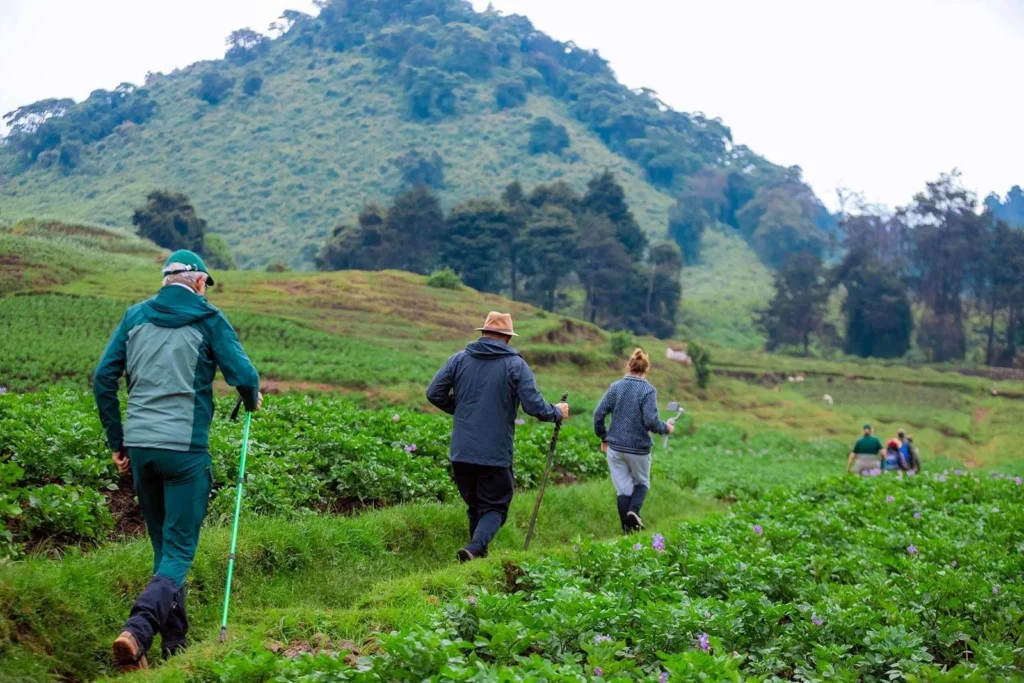
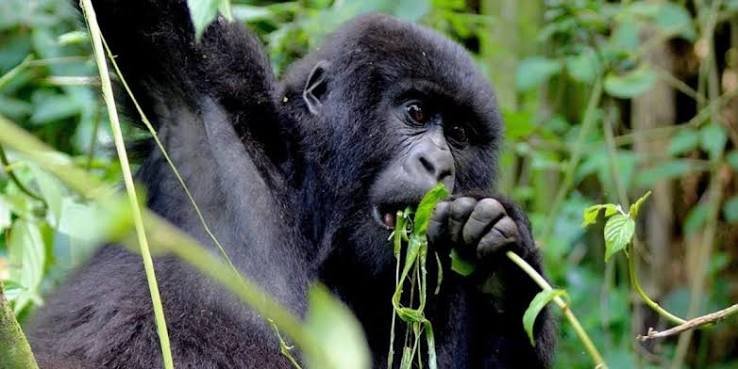
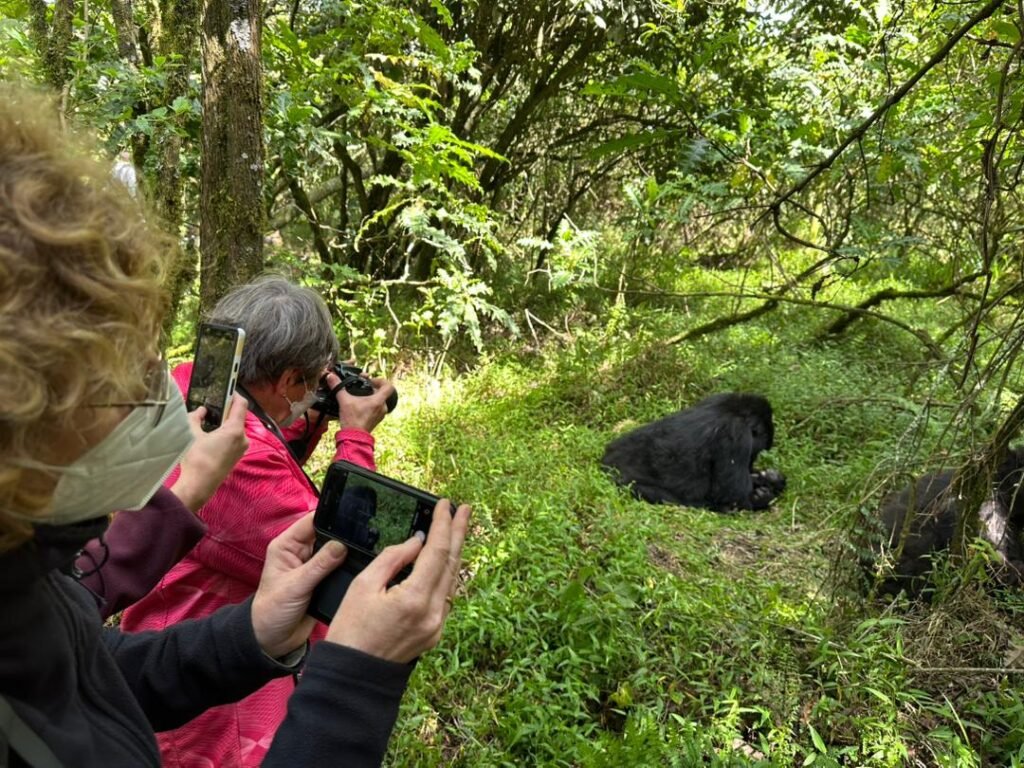
Of the three countries where mountain gorillas can be trekked, Rwanda, Uganda, and the Democratic Republic of Congo, Rwanda is consistently the most practical choice for European visitors. Kigali International Airport receives direct or near-direct flights from several major European hubs, the road network from the capital to Volcanoes National Park is fully paved, and the country’s political stability and clean, well-organized capital make it an easy re-entry point after a physically demanding day in the forest.
Compared with Uganda’s Bwindi Impenetrable Forest, which typically requires an eight-to-nine-hour road transfer from Entebbe, or the DRC’s Virunga National Park, where travel advisories and security conditions fluctuate, Rwanda offers European travelers the shortest, most predictable route from long-haul arrival to gorilla encounter. This is precisely why so many two-week European itineraries built around East Africa now use Kigali as their anchor city.
For travelers who also want to compare the Ugandan option, whether for budget reasons or simply out of curiosity, Pick and Transfer Safaris’ one-day Uganda gorilla safari starting from Kigali and the 3 Days Uganda Gorilla Safari from Rwanda both make use of Kigali’s superior European flight connectivity while still trekking gorillas across the border in Uganda’s Mgahinga Gorilla National Park.
Flight Routes from Europe to Kigali
RwandAir operates the most extensive European network into Kigali, with regular service from London Heathrow and Paris Charles de Gaulle, both flying at just over nine hours in each direction. Brussels Airlines connects Brussels to Kigali on a seasonal basis, KLM has added service from Amsterdam, and Turkish Airlines offers a convenient one-stop option via Istanbul that works well for travelers departing from Germany, Central Europe, or Scandinavia who prefer a single connection.
Travelers from Southern or Eastern Europe without a direct option typically connect through one of these hub cities, or route via Doha, Addis Ababa, or Nairobi on Qatar Airways, Ethiopian Airlines, or Kenya Airways, all of which serve Kigali multiple times per week. Because gorilla trekking requires an early-morning start on your trekking day, it is worth timing your inbound flight to land in Kigali at least one full day before your scheduled trek, giving your body time to recover from the overnight flight before a 3:00 a.m. departure toward Volcanoes National Park.
Booking flights roughly two to four months ahead tends to secure the best fares from major European cities, and pairing your flight dates with your gorilla permit date is essential, since permits are tied to a specific day and cannot easily be rescheduled once confirmed. The team at Pick and Transfer Safaris regularly assists European clients with sequencing their flight bookings and permit dates so the two align without unnecessary buffer days.
Visa Requirements for European Travelers
Rwanda maintains one of the most open visa policies on the continent, and European Union citizens, along with travelers from the United Kingdom, Switzerland, and Norway, can apply for a Rwandan e-visa entirely online before departure. The standard tourist e-visa costs approximately USD 50 for a single entry of up to 30 days, and applications are typically processed within about three business days, though applying at least two weeks before travel is recommended to allow for any delays.
To apply, you will need a passport valid for at least six months beyond your travel dates, a digital passport photo, proof of onward or return travel, confirmed accommodation details, and a yellow fever vaccination certificate, which is a mandatory requirement for entry into Rwanda regardless of nationality. Some European travelers connecting through Nairobi, Addis Ababa, or other African hubs should double-check yellow fever documentation requirements for their transit country as well, since rules can differ from Rwanda’s own entry policy.
Rwanda is also a member of the East Africa Tourist Visa scheme alongside Kenya and Uganda, which can be a genuinely cost-effective and time-saving option for Europeans planning to combine a Rwanda gorilla trek with additional time in neighboring countries during the same trip. If your itinerary includes a stop in Uganda, whether for the 3 Days Uganda Gorilla Safari or a wildlife-focused extension, it is worth asking your operator whether the regional visa or separate single-country visas make more sense for your specific route.
Gorilla Permit Costs in Euros and Pounds
Budgeting in a home currency helps many European travelers plan more accurately, so it is worth translating the core costs into euros and pounds even though Rwanda’s gorilla permits are priced and paid in US dollars. At current exchange rates, the standard Rwanda gorilla trekking permit of USD 1,500 works out to roughly €1,380 to €1,420 or approximately £1,180 to £1,220, though rates fluctuate and it is worth checking a live converter closer to your booking date.
Rwanda periodically offers a 30 percent low-season discount, bringing the permit to around USD 1,050 (roughly €965 to €995 or £825 to £850), typically available from November through May for travelers combining Volcanoes National Park with Nyungwe Forest or Akagera National Park. Given that this represents a meaningful saving for European travelers converting from euros or pounds, timing a trip around the low season is worth serious consideration if your schedule allows it.
For comparison, Uganda’s gorilla permits at roughly USD 800 (approximately €735 to €760 or £630 to £650) in high season represent a noticeably lower entry cost, which is why some European travelers on a tighter budget choose the Uganda route via Mgahinga instead, as detailed on Pick and Transfer Safaris’ one-day Uganda gorilla safari page. Whichever country you choose, permits should be booked several months in advance, since availability during the European summer and Christmas holiday periods, precisely when most Europeans are able to travel, disappears quickly.
Best Time for Europeans to Visit Around Holiday Schedules
Rwanda’s two dry seasons, June through September and December through February, align conveniently with European summer holidays and the Christmas and New Year break, which is one reason these months are the busiest and most sought-after for gorilla permits among European travelers. Trails are firmer and hiking conditions noticeably easier during these windows, making them a strong choice for travelers combining gorilla trekking with a broader Rwanda or East Africa itinerary during their main annual leave period.
If your European work calendar allows more flexibility, traveling during the shoulder or wet seasons, March through May or October through November, brings quieter parks, lush green scenery, and occasionally discounted permit rates, at the cost of muddier trails and a higher likelihood of rain interrupting your trekking day. Half-term breaks in February and October, along with the Easter holidays, also see a noticeable uptick in family and multigenerational bookings from UK and continental European travelers, so booking permits and flights early for those windows is particularly important.
Because European school holidays are relatively predictable years in advance, families and groups often find it easiest to lock in gorilla permits six months to a year ahead of a summer or Christmas trip. Pick and Transfer Safaris can advise on which specific weeks tend to have better availability even within these busier seasons.
Adjusting to Time Zones and Jet Lag Before Your Trek
Rwanda operates on Central Africa Time, which is one hour ahead of Central European Time and two hours ahead of the United Kingdom during British Summer Time, making it one of the easiest long-haul destinations for Europeans in terms of jet lag. Unlike trips to Asia, the Americas, or even parts of Southern Africa, the time difference between most of Europe and Kigali is minimal, meaning your body clock should require little to no real adjustment.
That said, the overnight flight itself, combined with a gorilla trekking day that begins at 3:00 or 4:00 a.m., still adds up to significant fatigue if not planned carefully. Most European travelers find it far more comfortable to land in Kigali at least a day before their trekking date, allowing a full night’s sleep in a proper bed before the early wake-up call, rather than attempting to trek gorillas on the same day as a red-eye arrival. Building this buffer day into your itinerary, perhaps spent exploring Kigali or simply resting at your hotel, makes a measurable difference in how much you enjoy the physically demanding hike itself.
The Journey from Kigali to Volcanoes National Park
Once you have settled into Kigali, the logistics of reaching the gorillas are straightforward. Volcanoes National Park headquarters in Kinigi lies approximately 105 kilometers northwest of Kigali, a drive of roughly two to three hours along a well-paved highway that climbs through Rwanda’s famous hills of tea and coffee plantations. All trekkers must check in for briefing at the park headquarters by 7:00 a.m., which typically means departing Kigali between 3:00 and 4:00 a.m. if you are completing the trek as a single-day trip, or at a more relaxed hour the morning after an overnight stay near Musanze.
A private vehicle with an experienced driver-guide is strongly recommended over self-driving or public transport, both for comfort and for the assurance of arriving on time regardless of early-morning fog or road conditions. Many European travelers, accustomed to reliable, well-marked road networks at home, are pleasantly surprised by how smooth and scenic this particular drive is compared with rural road conditions elsewhere in East Africa. Pick and Transfer Safaris arranges this transfer as a core part of every gorilla trekking booking, with pickup timed precisely to your Kigali hotel location.
For European travelers who prefer a slightly less rushed pace than the single-day itinerary, the 2 Days Volcanoes Gorilla Trek from Kigali package includes an overnight stay near the park, removing the pressure of the pre-dawn drive and allowing a more relaxed morning before the trek begins.
What European Travelers Should Know About the Trek Itself
Trekking conditions in Volcanoes National Park catch some European visitors off guard, particularly those without recent hiking experience at altitude. The terrain sits between roughly 2,500 and 4,000 meters above sea level, considerably higher than most European mountain trails travelers may be used to, and the volcanic soil becomes slippery and uneven, especially after rain. Trekking times vary from a manageable 30-minute walk to a demanding four-to-six-hour hike, depending on where the assigned gorilla family happens to be that morning.
European travelers used to well-marked hiking trails should expect a genuinely wild forest environment, with dense vegetation, stinging nettles, and no fixed path. Hiring a porter, widely used by trekkers of all fitness levels and not just those with mobility concerns, is highly recommended and directly supports the local Kinigi community. Once your group locates the gorilla family, you are permitted exactly one hour in their presence, a rule enforced across the industry to protect the animals from stress and disease exposure, given how genetically close gorillas are to humans.
The minimum age for gorilla trekking is strictly 15 years old, a detail that matters for European families traveling with teenagers, and there is no upper age limit, provided a trekker is reasonably fit and willing to accept a porter’s assistance if needed.
Combining Your Gorilla Trek with Other Rwanda Experiences
Many European travelers, having invested in a long-haul flight and a significant permit cost, choose to extend their trip beyond a single day of trekking. Rwanda’s compact size makes this easy, and pairing your gorilla trek with golden monkey tracking in the same Kinigi area, chimpanzee tracking in Nyungwe Forest National Park, or a classic savannah game drive in Akagera National Park rounds out a well-balanced itinerary within a single country.
Popular multi-day options for European travelers include the 5 Days Rwanda Primate Safari, the 3 Days Rwanda Gorilla Tracking and Cultural Tour, and the 7 Days Best of Rwanda Safari, all of which are structured around the realities of long-haul European travel, allowing enough time to justify the flight while still keeping the overall trip manageable within a typical one- to two-week annual leave allocation.
For Europeans keen to see both Rwanda and Uganda in one trip, the 15 Days Rwanda Uganda Safari and 10 Days Uganda Rwanda Safari combine gorilla trekking with classic savannah wildlife viewing across both countries. Travelers researching the Uganda side of such a combination independently can also review Kenlink Tours’ ten-day Uganda Rwanda combining safari and Kenlink Tours’ fourteen-day East Africa safari covering Uganda gorillas and Serengeti wildlife for a sense of how longer regional itineraries are typically structured.
Money, Connectivity, and Practical Tips for European Visitors
Rwanda’s currency is the Rwandan franc, though US dollars are widely accepted for larger payments such as park fees, hotel bills, and tour packages, so it is worth carrying a mix of both. European credit and debit cards work at most hotels and ATMs in Kigali, though it is sensible to notify your bank of international travel beforehand and to carry some cash for rural areas around Musanze and Kinigi where card acceptance is less reliable. Local mobile networks offer affordable tourist SIM cards at Kigali International Airport, and most European phones with unlocked, dual-band capability will work without issue.
Electrical sockets in Rwanda follow the European two-pin round-pin standard used across much of continental Europe, which is convenient for travelers from France, Germany, Belgium, and the Netherlands, though UK travelers will need a plug adapter. Tap water in Kigali’s better hotels is generally treated, but bottled or filtered water is still recommended throughout your trip, particularly during the physically demanding trekking day. Travel insurance covering high-altitude trekking, medical evacuation, and trip cancellation is strongly advised given both the physical demands of the trek and the significant financial investment represented by the gorilla permit itself.
Comparing Rwanda and Uganda for European Budgets
Because European travelers are converting costs from euros or pounds and often working within a fixed holiday budget, the choice between Rwanda and Uganda frequently comes down to permit pricing balanced against convenience. Rwanda’s higher permit cost is offset by shorter, easier road transfers from Kigali and better direct flight connectivity from Europe, while Uganda’s lower permit price comes with a considerably longer drive from Entebbe to Bwindi, typically requiring an internal flight or a full day of driving to avoid an exhausting road transfer.
European travelers researching the Uganda side of this comparison often find it useful to cross-reference operator resources such as Kenlink Tours’ Uganda safaris overview and Kenlink Tours’ three-day Uganda gorillas safari itinerary alongside Rwanda-based options. For travelers who want the lower Ugandan permit price without sacrificing Kigali’s superior European flight connectivity, crossing into Uganda’s Mgahinga Gorilla National Park from Kigali, as covered in Pick and Transfer Safaris’ one-day Uganda gorilla safari from Kigali, offers a practical middle ground.
Group travelers from Europe planning to book as a set departure rather than a fully private itinerary may also want to compare Kenlink Tours’ group tours page and Kenlink Tours’ scheduled departure safaris against a private, custom-dated Rwanda itinerary, since scheduled group departures can sometimes reduce per-person costs for solo European travelers joining a shared vehicle.
Kigali City: What to See Before or After Your Trek
Because most European travelers build in at least one buffer day around their gorilla trek, either to recover from the overnight flight or simply to decompress afterward, Kigali itself deserves some exploration time. The city has earned a reputation as one of the cleanest and safest capitals in Africa, with a walkable city center, a thriving café and restaurant scene, and a genuinely moving visit to the Kigali Genocide Memorial, which offers essential context for understanding modern Rwanda.
Art lovers gravitate toward Kigali’s growing gallery and craft-market scene, while those wanting a broader sense of the country often add a stop at Kigali City’s destination page to plan a half-day tour around their trekking dates. Combining a Kigali city tour with your gorilla trek is a natural way to use a buffer day productively rather than simply resting at the hotel, and many European travelers find that easing into the trip with a gentle city day makes the early 3:00 a.m. trekking departure feel far more manageable.
For travelers extending westward, Lake Kivu offers a relaxed lakeside coda to a physically demanding trekking day, and operators such as Kenlink Tours’ six-day Rwanda adventure combining great apes and Lake Kivu illustrate how this pairing is commonly structured for travelers who want a beach-style recovery day built into their itinerary after the trek.
Health, Safety, and Travel Insurance Considerations
European travel insurers increasingly offer specific add-ons for high-altitude trekking and adventure activities, and given that gorilla trekking in Volcanoes National Park can involve hiking above 3,500 meters on steep, unpredictable terrain, confirming that your policy explicitly covers trekking at this altitude, along with emergency medical evacuation, is essential before you travel. Standard European Health Insurance Card coverage, valid within the EU, does not extend to Rwanda, so a separate international travel policy is necessary regardless of your home country’s domestic healthcare arrangements.
Rwanda is widely regarded as one of the safer destinations in the region, with low violent crime rates in Kigali and a strong tourism police presence around major attractions and the national parks. Standard precautions, securing valuables, using registered taxis or arranged transport after dark, and following your guide’s instructions closely during the trek itself, are generally sufficient. European travelers with specific health conditions, particularly those affecting the heart, lungs, or joints, should consult a doctor before booking, since the combination of altitude and sustained uphill walking is more demanding than it may appear from a written itinerary description.
Bring copies of your travel insurance policy, a basic first-aid kit, and any personal medication in its original packaging, along with a doctor’s note for prescription medicines, a formality some European travelers overlook but which can prevent delays at customs. Pick and Transfer Safaris can also advise on the nearest medical facilities to Kinigi and Kigali should any health concerns arise during your trip.
A Sample One-Week Itinerary for European Travelers
Given the length and cost of the flight from Europe, many travelers choose to extend a gorilla trekking trip into a fuller one-week itinerary rather than flying in and out for a single day. A typical structure looks like this: arrive in Kigali and rest on day one, spend day two exploring the city and the Genocide Memorial, transfer to Musanze on day three and rest ahead of an early trekking morning, trek gorillas on day four, and use days five through seven for a chimpanzee tracking extension in Nyungwe Forest National Park or a savannah game drive in Akagera National Park before flying home.
This pacing gives European travelers enough recovery time around the long-haul flight and the physically demanding trekking day, while still making full use of the significant investment represented by the flight and permit costs. Ready-made itineraries built around this structure include the 7 Days Best of Rwanda Safari and the 5 Days Rwanda Wildlife and Gorillas package, both designed with exactly this kind of pacing in mind.
Travelers who prefer to research a broader regional itinerary independently before booking sometimes review Kenlink Tours’ Rwanda safaris overview page alongside Rwanda-based operator options to compare how different companies structure a similar one-week trip. Whichever structure you choose, building your itinerary around realistic recovery time, rather than packing every day back to back, tends to produce a noticeably better experience for travelers arriving from a nine-hour or longer European flight.
Packing List Tailored to European Travelers
Most European travelers already own the layered hiking gear suited to gorilla trekking, since the combination of cool mountain mornings and warm midday sun mirrors conditions found in the Alps, the Scottish Highlands, or the Pyrenees. A waterproof, breathable rain jacket, a warm mid-layer fleece, sturdy waterproof hiking boots with ankle support, and gardening gloves for handling nettles and vegetation are all essential. Long trousers, ideally tucked into gaiters or socks, help protect against both stinging plants and biting insects during the hike.
Given Rwanda’s equatorial location, sun protection matters even on cooler, overcast days at altitude, so pack a wide-brimmed hat, sunscreen, and sunglasses alongside your rain gear. A daypack for water, snacks, and camera equipment rounds out the essentials, and a lightweight power bank is useful for European travelers accustomed to reliable charging infrastructure that may not always be available at rural lodges near Kinigi. Malaria prophylaxis, recommended by most European travel health services for visits to Rwanda, should be discussed with a doctor or travel clinic several weeks before departure, alongside confirmation of the mandatory yellow fever vaccination.
Responsible and Sustainable Tourism for European Visitors
Sustainability is a growing priority for European travelers, many of whom now factor conservation impact and community benefit directly into their destination choices. Gorilla trekking tourism is, in fact, one of the clearest examples of tourism revenue directly funding conservation success: permit fees fund ranger patrols, veterinary care for the gorilla population, and community development projects around Kinigi, and the mountain gorilla population has grown steadily in recent decades largely because of this funding model.
European travelers wanting to extend their positive impact often choose to hire a porter regardless of fitness level, purchase locally made crafts near the park headquarters, and stay at lodges that employ local staff and source food regionally. Choosing ground transport with a reputable, locally established operator also matters more than many travelers realize, since it channels tourism spending directly into the Rwandan and regional economy rather than through purely foreign-owned intermediaries.
For European travelers who prefer flexibility and are comfortable navigating unfamiliar roads themselves, self-drive options exist as an alternative to a fixed driver-guide arrangement, and resources such as Kenlink Tours’ car hire page outline what self-drive logistics look like in the region. For the specific timing demands of a gorilla trekking day, however, most European visitors still find a professional local driver-guide both safer and, in practice, more sustainable, since it directly supports a local livelihood rather than a rental transaction alone.
Why European Travelers Choose Pick and Transfer Safaris
Planning a gorilla trek from Europe involves coordinating long-haul flights, visa applications, permit bookings tied to a fixed date, ground transport, and often a broader multi-country itinerary, all from thousands of kilometers away. Pick and Transfer Safaris specializes in bridging that gap for European clients, handling permit reservations directly with the Rwanda Development Board, coordinating airport pickups timed to your specific European flight arrival, and structuring itineraries that account for jet lag, time zones, and the realities of a long-haul journey.
The team’s full range of gorilla safari packages spans everything from an efficient single-day trek to extended multi-week itineraries such as the 10 Days Rwanda Wildlife Gorilla Tour, giving European travelers the flexibility to match their itinerary to however much annual leave they have available. To begin planning your trip, including guidance on the best flight routes, visa steps, and permit timing for your specific European departure city, contact Pick and Transfer Safaris directly.
Frequently Asked Questions for European Travelers
How long is the flight from Europe to Kigali? Direct flights from London Heathrow or Paris on RwandAir take just over nine hours. Travelers connecting via Istanbul, Doha, or Addis Ababa should expect a total journey of eleven to fourteen hours including the layover.
Do I need a visa as an EU or UK citizen? Yes, but the process is simple. Rwanda’s e-visa, priced at approximately USD 50, is available online to all nationalities, including every EU member state, the UK, Switzerland, and Norway, and is typically processed within about three business days.
Is the time difference a problem? No. Rwanda is only one to two hours ahead of most of continental Europe and the UK depending on the season, making it one of the easiest long-haul destinations for avoiding significant jet lag.
How much does the whole trip cost in euros? Budget roughly €1,380 to €1,420 for the Rwanda gorilla permit alone during high season, plus flights, accommodation, and ground transport. A discounted low-season permit brings this closer to €965 to €995. Pick and Transfer Safaris can provide a full itemized quote based on your specific dates and preferences.
Can I do the trek as a day trip from Kigali, or do I need to stay near the park? Both are possible. A single-day trip departing Kigali around 3:00 to 4:00 a.m. is well established, though an overnight stay near Musanze via the 2 Days Volcanoes Gorilla Trek from Kigali offers a more relaxed pace, particularly recommended for travelers still adjusting after a long-haul European flight.
What vaccinations do I need before traveling from Europe? Yellow fever vaccination is mandatory for entry into Rwanda. Most European travel clinics also recommend routine immunizations be up to date and discuss malaria prophylaxis given Rwanda’s equatorial location.
Should I book through a European travel agent or directly with a Rwanda-based operator? Booking directly with an established, locally based operator such as Pick and Transfer Safaris often provides better value and more direct control over permit dates and logistics than booking through a European intermediary, since the ground operator manages the Rwanda Development Board relationship directly. Some European travelers also cross-reference regional operators such as Kenlink Tours when researching combined Uganda-Rwanda itineraries.
Can I drink the tap water or do I need to bring water purification gear? Bottled or filtered water is recommended throughout your trip, including at most hotels, so European travelers do not typically need to bring specialized purification equipment. Your operator will usually supply drinking water during the trekking day itself, but carrying a reusable bottle and topping it up from sealed sources is a sensible habit throughout your stay.
Is it possible to fly in, trek, and fly out within a long weekend from Europe? Technically yes, but it is not recommended. Between the roughly nine-to-fourteen-hour flight each way, the physical demands of trekking, and the strict 7:00 a.m. briefing requirement, a long weekend leaves almost no margin for flight delays, fatigue, or unexpected weather. Most European travelers who attempt a compressed trip find a minimum of four to five full days, including travel days, far more comfortable and considerably lower risk.
Common Mistakes European Travelers Should Avoid
A handful of avoidable mistakes come up repeatedly among first-time European gorilla trekkers, and being aware of them in advance can save both money and stress. The most common is booking flights before confirming permit availability, which risks locking in non-refundable airfares for dates that later turn out to have no permits left, particularly during the busy July-to-September and December-to-February windows that align with European holidays. Reversing this order, securing the permit date first and booking flights around it, avoids this problem entirely.
Another frequent misstep is underestimating the physical demands of the trek itself, especially among travelers whose regular exercise routine does not include hill walking or hiking at altitude. Arriving a day or two early to rest after the flight, staying reasonably active in the weeks before departure, and simply hiring a porter on the day all meaningfully reduce the risk of the trek feeling overwhelming. Finally, some European travelers pack primarily for a city break rather than a forest trek, arriving without proper waterproof boots or rain gear; given Rwanda’s unpredictable mountain weather, this is one area where it genuinely pays to over-prepare rather than assume good weather will hold.
Final Thoughts for European Travelers Planning a Gorilla Trek
For Europeans, Rwanda offers a rare combination: a direct or near-direct flight from major European cities, minimal jet lag, a short and scenic road transfer from Kigali, and access to one of the most extraordinary wildlife encounters on the planet. The investment in time, budget, and physical effort is real, but for travelers willing to make it, a gorilla trek from Kigali consistently ranks among the most memorable days of their lives.
Few destinations reward the effort of a long-haul flight as decisively as Rwanda does, and for European travelers, the combination of manageable jet lag, straightforward visa processing, and a genuinely world-class wildlife encounter within easy reach of Kigali makes this one of the most efficient bucket-list trips available from anywhere in Europe. With the right preparation around flights, permits, and timing, the entire experience, from touchdown at Kigali International Airport to standing quietly beside a wild gorilla family, can unfold with far less complication than most travelers expect before they start planning.
Start planning your gorilla trek from Kigali by exploring Pick and Transfer Safaris’ full range of gorilla safari packages, reviewing available destinations across Rwanda and Uganda, or getting in touch directly to align your European flight dates, visa application, and gorilla permit into one seamless itinerary.