- LET'S PLAN YOUR SAFARI
- +256 200 921 002
- +256 793 194 703
- info@pickandtransfersafaris.com

Gorilla Trek from Kigali for Solo Travelers
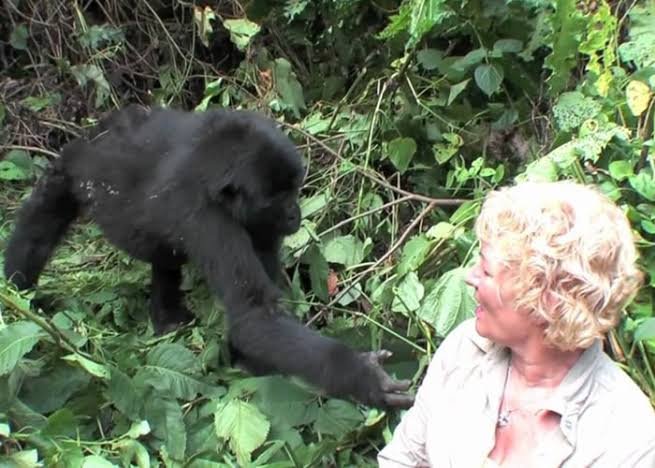
Gorilla Trek from Kigali for Solo Travelers. Standing three feet from a 200-kilogram silverback mountain gorilla, with nobody beside you but a park ranger and your own racing heartbeat, is one of the most profound travel experiences on the planet — and it is entirely achievable on your own. Gorilla trekking from Kigali for solo travelers has quietly become one of East Africa’s fastest-growing travel trends, and for good reason. Rwanda’s capital sits less than three hours from Volcanoes National Park, the country is famously safe and easy to navigate alone, and tour operators have built flexible small-group and private itineraries specifically for people traveling without a partner or a group of friends.
This guide walks you through everything a solo traveler needs to plan a gorilla trek starting in Kigali in 2026: permits and pricing, visas, safety, physical preparation, what to pack, where to stay, how to budget, and which itineraries actually work best when you’re the only name on the booking. Whether you’re squeezing in a two-day trek between meetings or building a full two-week Rwanda and Uganda adventure, you’ll find the practical detail you need below.
Why Kigali Is the Perfect Gateway for a Solo Gorilla Trek
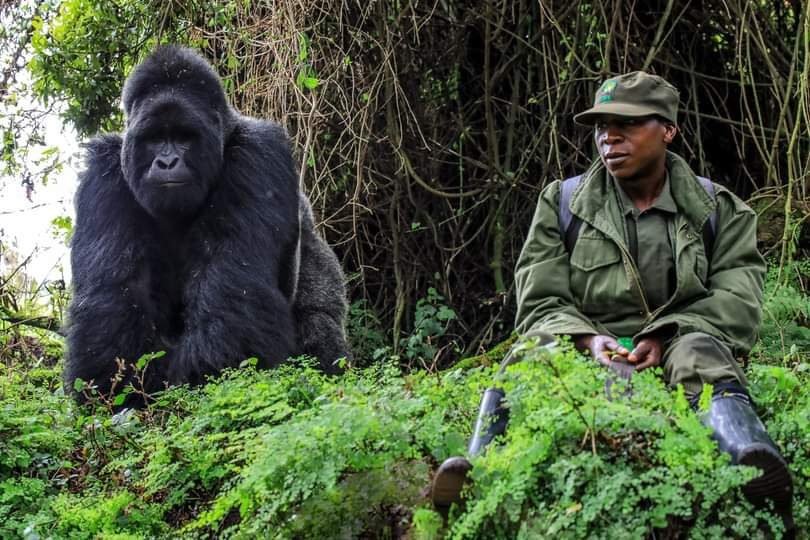
Kigali is routinely ranked among Africa’s cleanest, safest, and most walkable capital cities, which makes it an unusually forgiving place to land alone for the first time. Kigali International Airport receives direct flights from numerous European, Middle Eastern, and African hubs, so many solo travelers can fly in, sleep one night in the city, and be trekking gorillas by the following afternoon. The city itself is worth a day of exploration — the Kigali Genocide Memorial, the vibrant Kimironko Market, and a growing café and coworking scene make it easy to ease into solo travel before heading into the volcanoes. Most itineraries built around Kigali city use it as both the arrival point and the transfer hub to Volcanoes National Park, which is why so many short gorilla packages are marketed as trips “from Kigali” rather than from the park gate itself. If you want a full sense of what a single trekking day looks like without extra add-ons, the 2-day Volcanoes gorilla trek from Kigali is the benchmark itinerary most solo travelers start with.
Is Rwanda Safe for Solo Travelers in 2026?
Safety is usually the first question solo travelers ask, and Rwanda answers it better than almost anywhere else on the continent. Kigali has low reported street crime, well-lit main roads, and a visible, professional police presence. Solo female travelers in particular consistently report feeling comfortable walking, using ride-hailing apps, and dining alone in the capital. Outside the city, tourism infrastructure around Volcanoes National Park is mature — rangers, armed trackers, and registered guides accompany every trek, and reputable operators handle airport pickups, transfers, and lodge check-ins so a solo traveler is never actually navigating logistics alone. That said, ordinary travel precautions still apply: keep valuables secured, use registered taxis or a private transfer arranged in advance, and avoid walking alone late at night in unfamiliar neighborhoods. Booking your trek and transport through an established local operator on the gorilla safaris page removes most of the guesswork, since airport meet-and-greet, private drivers, and vetted lodges are bundled into the itinerary rather than something you have to arrange piecemeal.
Understanding the Rwanda Gorilla Permit System
A gorilla permit is the single most important — and most expensive — line item in your trip, so it deserves a clear explanation. As of 2026, a standard Rwanda gorilla trekking permit costs US $1,500 per person for foreign non-residents, issued by the Rwanda Development Board and valid for one trek on one day inside Volcanoes National Park. The fee covers park entry, an armed ranger escort, a professional guide, and a strictly limited encounter of up to one hour with a habituated gorilla family once your group locates them. Permits are capped at roughly eight visitors per gorilla family per day, with a total daily quota across the park, so availability during peak months (June to September and December to February) can sell out weeks or months ahead. Because trekkers must be at least 15 years old and in reasonable physical condition, solo travelers of almost any age can join — there’s no requirement to trek as a couple or in a pre-formed group; rangers assemble trekking groups from whoever has a permit for that gorilla family that day, which is actually one of the easiest ways to meet fellow travelers on the trail. Discounted combination rates exist for visitors who pair their trek with Akagera or Nyungwe National Park during the November–May low season, which is worth discussing with your operator when comparing the full range of Rwanda and Uganda safari packages available from Kigali.
Rwanda or Uganda: Which Gorilla Trek Suits a Solo Traveler Best?
Because Kigali sits close to the Uganda border, many solo travelers weigh both countries before booking. Rwanda’s Volcanoes National Park offers shorter average trek times (often two to five hours round trip), smoother roads, and the shortest possible trip length — you can realistically fly into Kigali, trek, and fly out within 48 hours. Uganda’s Bwindi Impenetrable Forest and Mgahinga Gorilla National Park, by contrast, charge a lower permit fee (around US $800) and host more habituated gorilla families, but the drive from Kigali across the border adds several hours each way. A detailed side-by-side breakdown of permit costs, trekking difficulty, and lodge standards in both countries is available on Kenlink Tours’ Uganda and Rwanda gorilla safaris comparison page, which is a genuinely useful second opinion before you commit. If budget matters more than trip length, the one-day Uganda gorilla safari starting from Kigali and the two-day Uganda gorilla tour from Kigali both let you keep Kigali as your base while trekking on the lower-cost Ugandan side, and Kenlink Tours runs an equivalent 2-day Uganda gorilla safari from Kigali if you want to compare pricing and inclusions between operators.
Visa and Entry Requirements for Solo Travelers Arriving in Kigali
Rwanda has one of the most liberal visa policies in Africa, which is another reason it’s such a manageable destination to visit alone. Citizens of African Union, Commonwealth, and La Francophonie member states receive a free visa on arrival valid for 30 days, and travelers from East African Community countries can enter visa-free for up to six months. Visitors from most other countries — including the US, UK, EU nations, and Canada — can obtain a visa on arrival at Kigali International Airport, or apply online in advance through Rwanda’s official immigration portal, with fees capped at US $50 for a single-entry visa. Solo travelers should still apply for the East Africa Tourist Visa if they plan to cross into Uganda or Kenya during the same trip, since this single visa covers all three countries and avoids duplicate visa fees at each border. Whichever route you choose, it’s worth confirming current requirements directly with your airline or through your tour operator’s contact page before departure, since entry rules are periodically updated.
Getting from Kigali to Volcanoes National Park
The drive from Kigali to Volcanoes National Park’s headquarters in Kinigi covers roughly 100 to 110 kilometers and takes about two and a half to three hours on a well-paved, scenic road that climbs steadily into Rwanda’s northern highlands. For a solo traveler, a private transfer is almost always worth the modest extra cost over public minibuses: it means door-to-door pickup from your Kigali hotel or the airport, a driver who knows the early check-in requirements at park headquarters, and a buffer against the 7:00 a.m. registration deadline that every trekking group must meet. Most solo-friendly itineraries bundle this transfer directly into the package, which is exactly how the 2-day Volcanoes gorilla trek from Kigali and the 3-day Rwanda gorilla tracking and cultural tour are structured — you’re picked up once in Kigali and everything else, including the return transfer, is handled for you. If you’d rather explore more of the park region on the way, the drive itself passes tea plantations, terraced hillsides, and small trading towns that are worth a photo stop even if you’re traveling solo and keeping a tight schedule.
Best Time of Year to Trek Gorillas from Kigali
Mountain gorillas can be trekked year-round in Rwanda, but the calendar still matters for a solo traveler weighing cost, crowds, and trail conditions. The two dry seasons — June through September and December through mid-February — offer the firmest trails, the least rainfall, and the highest likelihood of clear photography conditions, but they also carry the highest lodge rates and the tightest permit availability, so solo bookings for these windows should be made three to six months out. The “green season” months of March, April, October, and November bring more rain and muddier, more physically demanding trails, but also thinner crowds, lower lodge prices, and — for travelers who don’t mind a poncho — the permit discount available when a trek is combined with Nyungwe or Akagera. Solo travelers with flexible dates often find the shoulder months of late May and early November offer the best balance of light rain, good rates, and easier last-minute permit availability.
Choosing the Right Gorilla Trekking Itinerary as a Solo Traveler
The biggest planning decision isn’t whether to go — it’s how long to stay and what to pair with your trek. Solo travelers on a tight schedule regularly choose the 2-day Volcanoes gorilla trek from Kigali, which fits the entire experience, including transfers, into a single overnight near the park. Travelers with three or four days available tend to prefer the 3-day Rwanda gorilla tracking and cultural tour, which adds a village walk or cultural visit around Kinigi so the trip isn’t only about the hour with the gorillas. For a longer solo adventure, the 5-day Best of Rwanda primate safari and the 5-day Rwanda wildlife and gorillas safari combine gorilla trekking with Akagera’s savannah game drives or Nyungwe’s canopy walk and chimpanzee tracking, giving a solo traveler three distinct Rwandan ecosystems in a single well-paced week. Kenlink Tours offers a comparable option worth cross-checking, the 3-day Rwanda gorilla safari, along with a longer 5-day Volcanoes gorillas and Akagera wildlife safari for travelers who want to compare a second operator’s pricing and pacing before booking. Whichever itinerary you choose, confirm whether it’s run as a private departure or joined with other travelers — many “solo” bookings are actually placed into a shared vehicle and shared trekking group, which is often the more sociable and cost-effective option anyway.
What to Pack for a Solo Gorilla Trek
Packing well matters more when you’re trekking alone, because there’s no travel partner to lend you a rain jacket or spare batteries halfway up a volcanic slope. The essentials are sturdy, broken-in hiking boots with ankle support, waterproof trousers and a rain jacket regardless of season, and a daypack with a rain cover. Layering is critical: mornings at Volcanoes National Park’s higher elevations are cold, but you’ll be sweating within twenty minutes of climbing. Bring gardening-style gloves for grabbing stinging nettles and vines on the trail, gaiters if you own them, a 2-liter water reservoir, high-energy snacks, and a lightweight change of clothes to leave in the vehicle for the drive back. A telephoto lens (100–400mm equivalent) is ideal for gorilla photography since flash is strictly prohibited, and a dry bag or plastic sleeve for your camera and phone will save your electronics if the weather turns. Porters are available at the park gate for a modest fee and are genuinely worth hiring solo or not — they carry your daypack, help on steep sections, and their fee directly supports the local community.
Physical Fitness and Trail Preparation
Gorilla trekking is rated moderate to strenuous, and solo travelers should take the fitness advice seriously rather than assuming the famous photo of trekkers relaxing beside a gorilla means the walk itself is easy. Trails climb through dense, often muddy volcanic terrain at altitudes between 2,500 and 4,000 meters, and while some groups reach their gorilla family in under an hour, others hike for four or five hours each way depending on where the family has moved that morning. Four to six weeks of regular hill walking, stair climbing, or hiking with a loaded daypack beforehand will make a meaningful difference, particularly for travelers over 50 or anyone unaccustomed to altitude. Rangers do accommodate a range of fitness levels and will set a manageable pace, and hiring a porter or, in some cases, a sedan chair carried by four porters, is a legitimate option for travelers with mobility concerns — solo travelers should never feel embarrassed to ask about this at registration. Altitude is the factor most first-time trekkers underestimate. Park headquarters in Kinigi sits at roughly 2,500 meters, and some gorilla families range considerably higher on the volcanic slopes, so even fit travelers occasionally notice shortness of breath they wouldn’t expect at sea level. Staying well hydrated in the days before your trek, avoiding heavy alcohol the night before, and pacing your steps rather than sprinting the first uphill section will make far more difference than raw fitness alone. Solo travelers coming straight off a long-haul flight should ideally build in at least one full day in Kigali to acclimatize before attempting the trek.
A Day in the Life: What Actually Happens on Your Trek
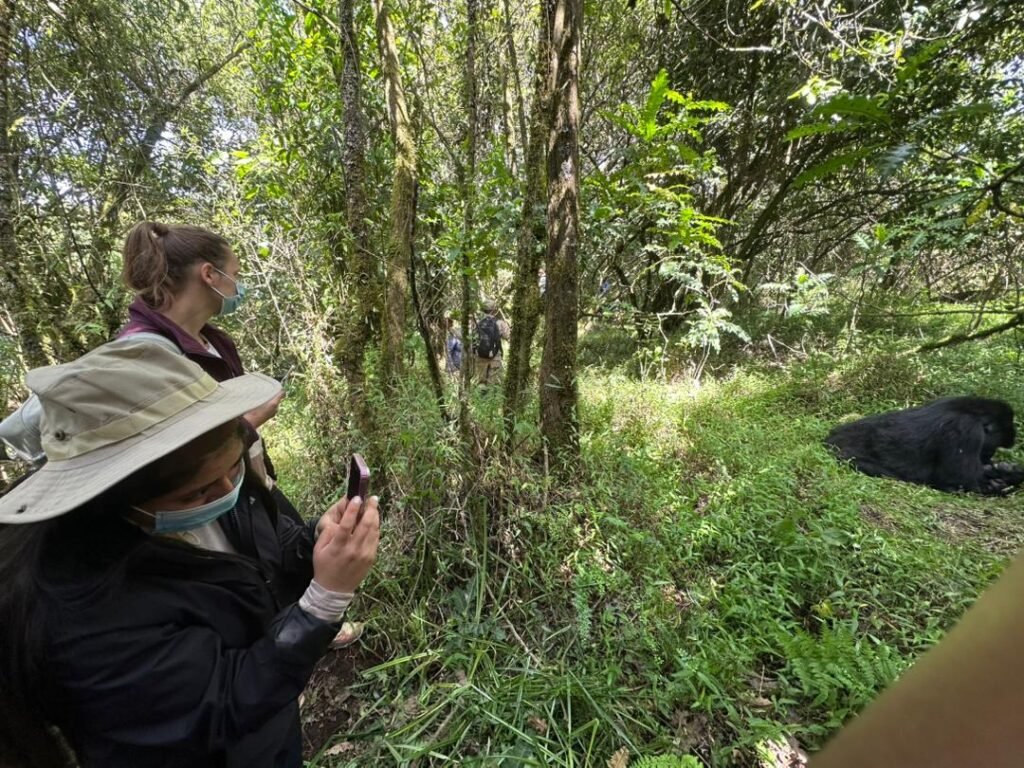
Trekking day begins early. Solo travelers are usually collected from their lodge around 6:00 a.m. for the short drive to park headquarters in Kinigi, where a briefing at 7:00 a.m. assigns each visitor to a specific gorilla family based on fitness level and trackers’ overnight reports on the family’s location. This is also where solo trekkers typically meet the seven or so other travelers who will form their trekking group for the day — a natural icebreaker that many solo travelers say is one of the unexpected highlights of the trip. After a short drive to the trailhead, the hike itself can last anywhere from 30 minutes to five hours through farmland, bamboo forest, and then dense volcanic jungle, with rangers cutting a path with machetes as needed. Once trackers signal the family has been located, backpacks and walking sticks are left behind and visitors approach quietly in single file. You’re allowed exactly one hour with the gorillas — watching juveniles play, silverbacks doze, and mothers groom infants at a distance of roughly seven meters — before retracing your steps to the vehicle. Most treks, gorillas included, wrap up by early afternoon, leaving the rest of the day free to rest at your lodge or begin the transfer back toward Kigali.
Gorilla Trekking Etiquette and Park Rules
Rwanda enforces its trekking rules strictly, both for gorilla welfare and visitor safety, and every solo traveler should know them before arrival. Visitors must stay at least seven meters from the gorillas at all times, though the animals themselves sometimes close that distance on their own. Flash photography is banned, eating and smoking are prohibited near the family, and anyone showing signs of a cold or flu will be asked not to trek, since gorillas have no immunity to human respiratory illnesses. Speaking is kept to a whisper, sudden movements are discouraged, and if a gorilla vocalizes or displays, guides instruct visitors to crouch down slowly rather than run. Groups are capped at eight visitors per family specifically to minimize stress on the animals, and the one-hour limit is enforced by the accompanying ranger regardless of how good the encounter is going. These rules exist because Rwanda’s gorilla population has grown from fewer than 650 individuals in the 1980s to well over 1,000 today, and strict protocols are widely credited as the reason the recovery has held.
Where Solo Travelers Should Stay Near Volcanoes National Park
Lodging near Kinigi ranges from simple guesthouses to five-star volcano-view lodges, and solo travelers should weigh single-occupancy supplements carefully since many premium lodges price per room rather than per person. Mid-range lodges and community-run guesthouses around Kinigi and Musanze offer excellent value, hot showers, and often a shared dining area where solo guests naturally end up chatting with other trekkers over dinner — arguably better for solo social experience than an isolated luxury villa. Musanze town itself, about a fifteen-minute drive from park headquarters, has a growing number of comfortable guesthouses and is a practical base if you’re traveling on a tighter budget or arriving late the night before your trek. Whichever tier you choose, book your accommodation as part of a packaged itinerary through the gorilla safaris collection rather than separately — bundled bookings typically include airport transfers and park transport that are otherwise a hassle to arrange solo. It’s also worth asking specifically about single-occupancy rates before you book, since a room advertised as a nightly rate “per person sharing” can quietly double in price for a solo traveler booking alone. Reputable operators will tell you the single-supplement figure upfront rather than surprising you at checkout, and several mid-range lodges around Kinigi have started offering solo-friendly rates precisely because demand from independent travelers has grown so quickly in recent years.
Combining Gorilla Trekking with Other Rwanda Experiences
Because a single gorilla permit only buys you one hour with the animals, most solo travelers extend their trip to make the most of the flight to Kigali. Akagera National Park, roughly two and a half hours east of the capital, offers classic savannah game drives with lions, elephants, and rhinos reintroduced over the past decade — the 3-day Akagera National Park safari from Kigali is a popular add-on for travelers who want a Big Five element alongside their primate trekking, and Kenlink Tours’ 3-day Akagera game drive safari offers a similar itinerary worth comparing on price. In the opposite direction, Nyungwe Forest National Park delivers chimpanzee tracking and a canopy walkway suspended 70 meters above the forest floor; the 2-day Nyungwe chimps tracking trip pairs well onto the back of a gorilla trek, and Kenlink Tours’ 3-day Nyungwe Forest National Park tour is a useful benchmark itinerary for the same region. Solo travelers with a full week to spare often prefer a single combined package such as the 5-day Rwanda wildlife and gorillas safari or the 4-day Rwanda wildlife and city tour, both of which are pre-built rather than assembled from separate day trips, which simplifies logistics considerably when you’re traveling without a co-planner.
Is Solo Gorilla Trekking Lonely? What Travelers Actually Report
One of the most common hesitations about booking a gorilla trek alone is the fear of feeling isolated, but in practice this is rarely how it plays out. Because Rwanda Development Board assigns trekking groups by permit rather than by booking party, a solo traveler is placed into a group of up to eight people at the morning briefing regardless of how they booked, which means you’re virtually never trekking with zero company. Shared meals at lodges, group transfers, and the shared adrenaline of the trek itself tend to turn solo travelers into loose travel companions for the day, and it’s common to hear stories of solo trekkers who met lifelong friends — or at least a dinner companion for the evening — on the trail. Solo travelers who want more built-in social contact can specifically request small-group departures rather than fully private ones when booking through the wildlife safaris or gorilla safaris collections, and operators are generally happy to slot a solo booking into an existing shared vehicle to keep costs down for everyone involved.
Budgeting for a Solo Gorilla Trek from Kigali
Solo travel budgets can be trickier than group budgets because fixed costs like private transfers and single-room lodging aren’t split across multiple people. As a rough guide, expect the US $1,500 gorilla permit as your single largest expense, followed by ground transport from Kigali (typically $150–$300 round trip for a private vehicle, less if shared), accommodation ranging from roughly $60 a night at a modest guesthouse to $500-plus at a luxury volcano-view lodge, and porter tips of $15–$20 for the trek itself. Airport transfers, meals, and a modest tipping budget for guides and rangers ($10–$20 per guide, per day, is customary) round out the total. Many solo travelers find that booking a pre-priced package rather than assembling each piece independently is both cheaper and far less stressful — the published rates on short Volcanoes gorilla trek packages already bundle the permit, transfers, and accommodation into one transparent figure, which is particularly useful for solo travelers trying to set a firm budget before departure. As a rough total, a lean two-day solo trip covering only the permit, a shared transfer, and a modest guesthouse can come in close to $1,900–$2,200 all-in, while a comfortable four- or five-day trip that adds a mid-range lodge, a private vehicle, and a second park such as Akagera or Nyungwe typically lands between $3,000 and $4,500 per person. Neither figure includes international flights, which vary widely by origin city and season. Building in a small buffer of $100–$150 for incidentals — an extra night if a flight is delayed, a souvenir from a community cooperative, or a spontaneous meal in Kigali — is sensible for any solo traveler managing their own budget without a travel partner to split unexpected costs with.
Extending Your Trip: A Uganda Gorilla Safari from Kigali
Because Kigali sits so close to the Uganda border, a surprising number of solo travelers use it as the launchpad for a Uganda gorilla trek instead of, or in addition to, Rwanda’s. The lower Ugandan permit fee makes this route attractive for budget-conscious solo travelers, and operators run several itineraries built specifically around this cross-border logistics chain, including the 3-day Uganda gorilla safari from Rwanda and the more expansive 5-day Uganda gorilla and chimps safari starting from Rwanda, which adds chimpanzee tracking in Kibale Forest to the itinerary. Kenlink Tours runs equivalent cross-border options that are worth comparing side by side, including the 3-day Bwindi gorilla safari starting from Kigali and the 4-day Rwanda-Uganda golden monkey and gorilla trekking safari, which adds a second primate species to the trip. Crossing the border adds a few hours of driving on each leg, so factor that into how many days you can realistically commit if your holiday time is limited.
Responsible and Sustainable Solo Travel in Rwanda’s Parks
Every gorilla permit fee directly funds Rwanda’s conservation and community programs, and a meaningful share of park revenue is distributed to villages bordering Volcanoes National Park under Rwanda’s revenue-sharing policy — a structure widely credited with turning former poachers into some of the park’s strongest conservation advocates. Solo travelers can extend that impact by hiring a local porter even if they don’t strictly need one, buying handicrafts from community cooperatives near Kinigi, and choosing lodges and operators that visibly employ and train local staff. Responsible trekking also means respecting every rule outlined earlier, since gorilla habituation is a fragile, decades-long process that a single careless visitor can set back. Choosing an operator that briefs solo travelers thoroughly on etiquette before the trek — rather than simply dropping you at the gate — is one of the easiest ways to ensure your visit leaves the park, and its gorilla families, better off rather than worse.
How to Book Your Solo Gorilla Trek Without the Stress
Booking as a solo traveler is not meaningfully harder than booking as a couple or group — it just requires a little more attention to a few details. Confirm upfront whether pricing is per person or includes a single-supplement surcharge for accommodation, ask whether you’ll be placed in a shared vehicle or private transfer, and book your gorilla permit as early as possible for peak-season travel, since permits routinely sell out months ahead for June through September and the December holiday period. Reputable operators will handle the Rwanda Development Board permit application on your behalf once you confirm your travel dates, so you’re not left navigating a foreign government portal alone. Start by browsing the full range of itineraries on the gorilla safaris page or reach out directly through the contact page to describe your dates and budget — most operators will tailor an existing itinerary to a solo traveler’s schedule rather than requiring you to fit a fixed group departure. Learning a bit about the company itself, via an about us page, is also worth doing before you commit a $1,500 permit fee to any single operator.
Frequently Asked Questions: Solo Gorilla Trekking from Kigali
Is it more expensive to trek gorillas alone?
Not for the permit itself, which is priced per person regardless of group size. The only extra cost solo travelers sometimes face is a single-occupancy supplement on accommodation and, if booking a fully private transfer rather than a shared vehicle, a higher per-person transport cost.
Do I need to already know other travelers to join a trekking group?
No. Rwanda Development Board assigns trekking groups at the morning briefing based on permits and fitness levels, not on how travelers booked, so solo trekkers are grouped with other visitors automatically.
How far in advance should a solo traveler book a Rwanda gorilla permit?
For June through September or the December–January holiday period, three to six months ahead is safest. For the quieter shoulder and green-season months, four to six weeks is often sufficient.
Can I trek gorillas in Rwanda and Uganda on the same trip from Kigali?
Yes. Several itineraries, including the 3-day Rwanda gorilla tracking and cultural tour and cross-border options like the 2-day Rwanda-to-Uganda gorilla trekking safari, are built specifically to combine both countries in one trip from Kigali.
Is it safe for a woman traveling alone to trek gorillas in Rwanda?
Yes. Rwanda is consistently rated among the safest countries in Africa for solo female travelers, and every trek is accompanied by armed rangers and professional guides, with no unsupervised time in the forest.
What happens if I get sick the morning of my trek?
Park rules prohibit anyone showing cold, flu, or respiratory symptoms from trekking, to protect the gorillas from human illness. Most operators can rebook your permit for another date if this happens, though it isn’t guaranteed and travel insurance is strongly recommended.
Should I tip my guide, porter, and driver as a solo traveler?
Yes, and tipping is expected rather than optional in Rwanda’s tourism industry. A common guideline is $15–$20 per day for your lead guide, $10–$15 for trackers and rangers as a group, and $15–$20 for a porter, paid directly at the end of the trek. As a solo traveler you’re covering these tips alone rather than splitting them across a group, so it’s worth building tipping into your overall budget rather than treating it as an afterthought.
Can I take a rest day in Kigali before or after my trek?
Absolutely, and many solo travelers recommend it. Spending a night in Kigali before heading north gives you a buffer against flight delays and jet lag, while a night back in the city after your trek is a comfortable way to decompress, do laundry, and enjoy Kigali’s restaurant scene before an international flight home.
Do I need travel insurance for a solo gorilla trek?
Yes, and most reputable operators will ask to see proof of it before your trek. Because gorilla permits are largely non-refundable and the terrain carries a genuine risk of minor injury, a policy that covers trip interruption, medical evacuation, and adventure activities like trekking at altitude is worth the relatively small premium, particularly for a solo traveler with no one else on the trip to help manage an unexpected setback.
Is it possible to see gorillas without a full multi-day itinerary?
Yes — this is exactly why the shortest packages exist. A trip built around a single overnight, such as the 2-day Volcanoes gorilla trek from Kigali, lets a solo traveler fly in, trek, and fly out again with minimal time away from work or home, which is one of the biggest reasons this trip has become so popular with time-constrained solo travelers in recent years.
Final Thoughts on Trekking Gorillas Solo from Kigali
Gorilla trekking from Kigali is, if anything, an easier solo trip than many travelers expect: the flights are direct, the transfers are short, the trekking groups are assembled for you, and Rwanda’s reputation for safety holds up in practice as well as on paper. The only real decisions left are how many days you have, how much of the country you want to see beyond the one unforgettable hour with a gorilla family, and which operator you trust to handle the permit and logistics on your behalf. Whether that means a fast 48-hour Volcanoes gorilla trek from Kigali, a fuller week-long primate safari, or a cross-border extension into Uganda, the trip is built to work for one traveler just as smoothly as for ten. Browse the full range of Rwanda and Uganda destinations, compare notes against Kenlink Tours’ Rwanda safaris overview, and get in touch through the contact page to start building an itinerary around your own dates. There is no single “correct” way to do this trip solo — some travelers prefer the tightest possible 48-hour window so they can return to work or family with minimal disruption, while others treat the gorilla trek as the anchor for a two-week loop through Rwanda and Uganda’s national parks. What every version shares is the same starting point: a short flight into Kigali, a reliable operator handling the permit and transfers, and one unforgettable hour standing quietly in the presence of a mountain gorilla family. Few solo trips deliver a payoff as immediate, or as memorable, as locking eyes with a silverback in the Virunga mist.